Top 20 Natural Monuments around Krefeld
Best natural monuments around Krefeld are found in this city in North Rhine-Westphalia, Germany. Krefeld features diverse natural areas, including officially designated natural monuments and extensive nature reserves. These locations offer unique ecological significance and opportunities for outdoor experiences. The landscape provides varied environments, from wetlands to heathlands and forests.
Best natural monuments around Krefeld
- The most popular natural monuments is Historic Old Town of Linn, a historical site that is largely preserved and listed. This area is known…
Last updated: October 10, 2026
Niepkuhlen Bridge over Große Kull
Highlight • Bridge
Translated by Google •
Tip by

Historic Old Town of Linn
Highlight • Historical Site
Translated by Google •
Tip by

Sign up now to discover places like this
Get recommendations on the best single tracks, peaks, & plenty of other exciting outdoor places.
Egelsberg Heathland Nature Reserve
Highlight • Natural
Translated by Google •
Tip by
Johannesturm Observation Tower
Highlight • Viewpoint
Translated by Google •
Tip by
Verberger Kull
Highlight • Lake
Translated by Google •
Tip by
Kaiserpark Krefeld
Highlight • Forest
Translated by Google •
Tip by

Hückelsmay Monument
Highlight • Monument
Translated by Google •
Tip by
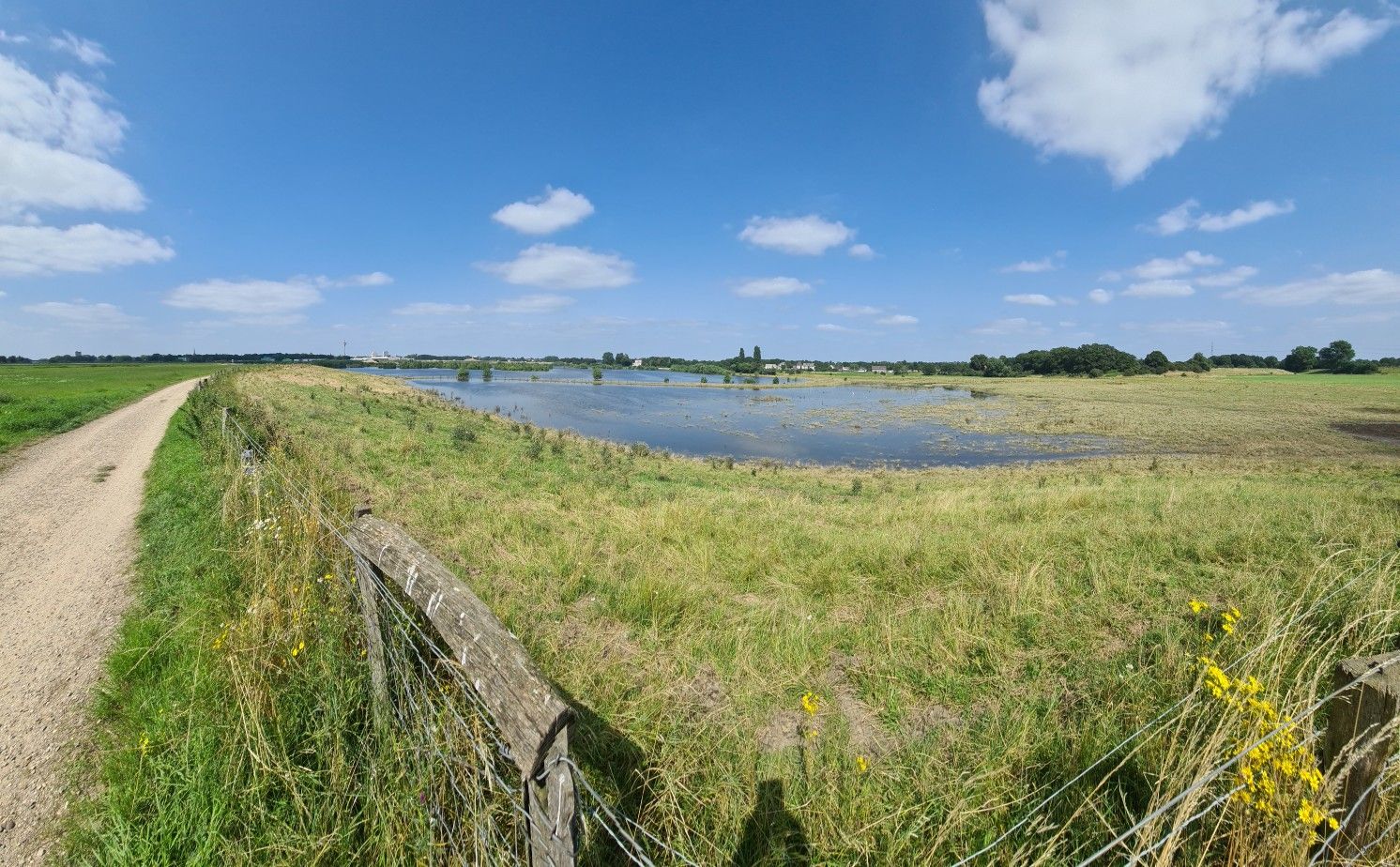
Niepkuhlen Nature Reserve
Highlight • Natural Monument
"... biotope complex made up of water, forest, grassland and reed beds in the north of Krefeld (district …
Translated by Google •
Tip by

Kapuzinerberg Summit Cross
Highlight • Summit
Translated by Google •
Tip by
Greiffenhorst Park
Highlight (Segment) • Natural
Translated by Google •
Tip by
Sign up for free to discover even more natural monuments around Krefeld.
Already have an account?
Start today with a free account
Your next adventure awaits.

Other adventures around Krefeld

Tips from the Community

Die Niepkuhlen - nature worth seeing of an old Rhine arm
0
0


Beautifully created viewing point in the Niepkuhlen nature reserve.
13
0

The Kapuzinerberg is 77 m above sea level. NN the second highest elevation in Krefeld. It is a former landfill that was opened to the public at a ceremony on June 20, 2004 after renovation. There is a summit cross at the top. Coordinates ♁51° 21′ 36″ N, 6° 32′ 16″ E Source and link: https://de.wikipedia.org/wiki/Kapuzinerberg_(Krefeld)
4
0
The Kaiserpark is located in the so-called Hohenzollernviertel, which formerly belonged to Jentges' property in Krefeld-Bockum. This particularly beautiful district dates back to the initiative of Wilhelm Jentges between 1878 and 1884. Jentges was a city councilor, an unpaid deputy, a member of the provincial parliament and director of the Krefelder Sparkasse. He bought an area of approximately 280 hectares that he wanted to turn into a garden city. His heirs formed the Jentges'scher Grundgenossenschaft and created the conditions for the creation of a generously planned villa area between the city forest, Großhüttenpark, Vreed and Solbrüggenpark. The large properties allowed for stately private gardens, and the entire district was heavily greened and crisscrossed by avenue-like streets and spacious squares. City gardener Noell created the Kaiserpark as a connection to the city forest. The elongated complex was divided by a double pond and a bridge. The original plan went further, but was not fully implemented. The facility covers an area of around 5 hectares. It was intended to be given a special design by planting various conifers. In addition, many decorative beds were created. Since 1959, the ponds here have also been causing difficulties due to a lack of water. In 1964, the water level dropped so much that not only were they causing a plague of mosquitoes, but rats were also settling there. The connection to the groundwater has now been restored here. Source: Elisabeth Kremers, From Boulevard to Biotope; Pages 24 and 25. Publisher: City of Krefeld, ISBN 3-9806517-6-2. https://de.wikipedia.org/wiki/Kaiserpark_(Krefeld) https://www.kuladig.de/Objectansicht/KLD-267813
5
0

The effort of the driveway is rewarded with a great view over Krefeld 👍
4
0
"The Greiffenhorst Park in Krefeld was laid out in 1840 for the de Greiff family by the garden artist Maximilian Weyhe. In the center of the park is Schloss Greiffenhorst, which is surrounded by old trees. to small ponds. Small bridges are reflected in the water and form a beautiful picture with the tree-rich surroundings. The paths through the park are also lined with old trees such as plane trees, beeches and lime trees. If you walk along the Linner Mühlenbach stream you will get to to the historic Linn Castle." Source and link: https://kuhpfad.de/niederrhein-natur/niederrhein-gaerten-und-parks/krefeld-greiffenhorst-park/ More info on Wikipedia: https://de.wikipedia.org/wiki/Greiffenhorstpark https://de.wikipedia.org/wiki/Haus_Greiffenhorst
4
0

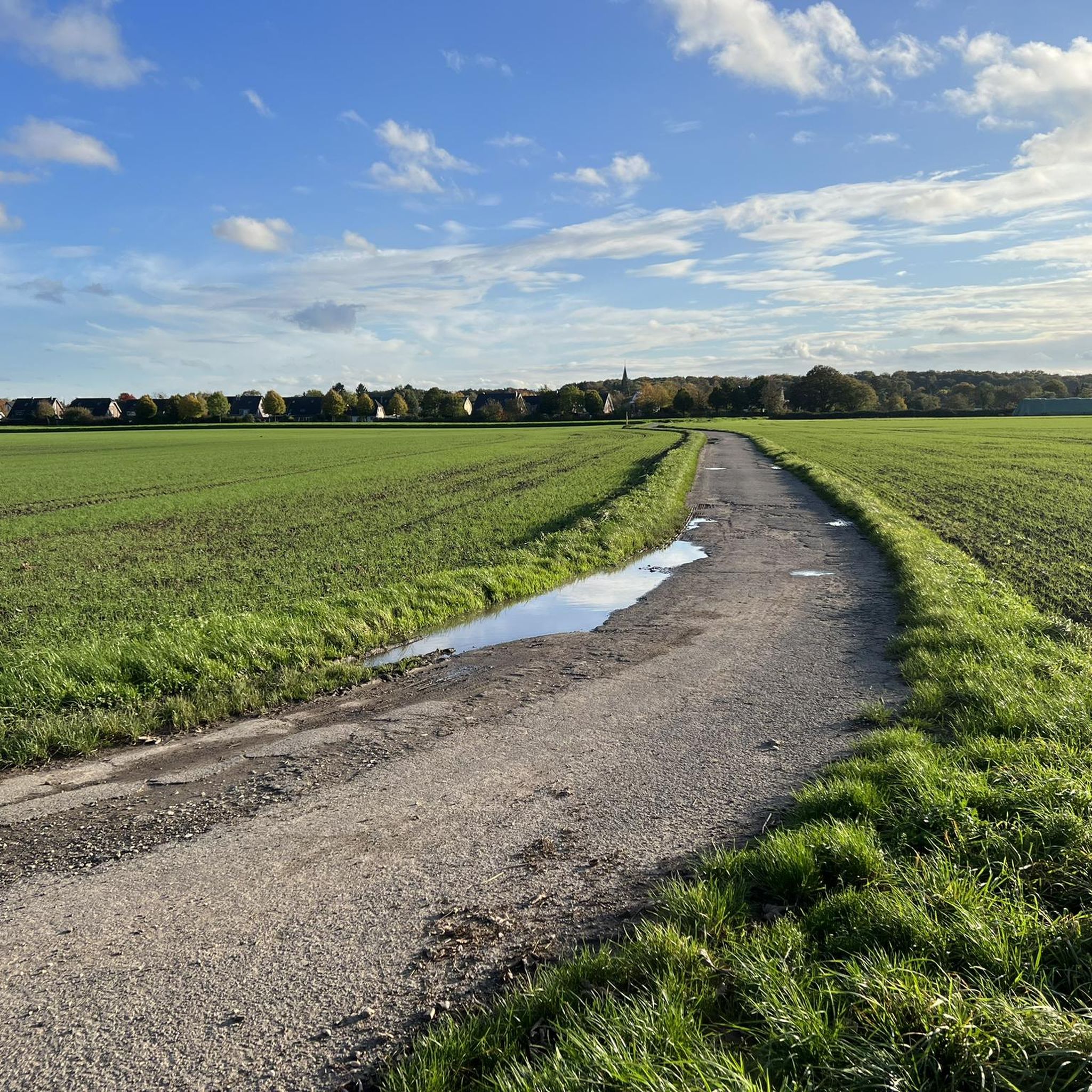
There are really good bike paths in the area.
7
1
Frequently Asked Questions
What unique natural features can I explore among Krefeld's natural monuments?
Krefeld offers a diverse range of natural features. You can explore the marshy lowlands and old peat bogs of the Niepkuhlen Nature Reserve, a former arm of the Rhine, which is a significant wetland ecosystem. Another unique area is the Egelsberg Heathland Nature Reserve, a remnant of the Saale Ice Age with rare mineral-poor, acidic sandy soils and open heathland. The Hülser Bruch Nature Reserve features diverse forest habitats and the Hülser Berg, Krefeld's highest natural elevation.
Are there family-friendly natural monuments in Krefeld?
Yes, many of Krefeld's natural areas are great for families. The Niepkuhlen Bridge over Große Kull offers easy access and views over the wetlands. The Egelsberg Heathland Nature Reserve and the Hülser Bruch Nature Reserve provide pleasant walking paths. Additionally, the Stadtwald (City Forest) is Krefeld's oldest and largest park, featuring a large meadow, ponds with pedal boat rentals, and playgrounds, making it ideal for family outings. Schönwasserpark and its Botanical Garden also offer a tranquil and educational experience for all ages.
Where can I find good viewpoints among Krefeld's natural monuments?
For panoramic views, head to the Johannesturm Observation Tower on Hülser Berg within the Hülser Bruch Nature Reserve. From here, you can enjoy expansive views over the surrounding landscape. Another spot is the Kapuzinerberg Summit Cross, which offers a great view over Krefeld. The Niepkuhlen Bridge over Große Kull also provides a vantage point over the marshy lowland.
What kind of wildlife can I observe in Krefeld's natural areas?
Krefeld's natural monuments are rich in wildlife. The Niepkuhlen Nature Reserve is particularly important for birdwatching, home to over 30 endangered bird species, including the kingfisher, which uses its extended shallow water areas and reed belts for habitat and breeding. The Hülser Bruch Nature Reserve features enclosures for red deer, fallow deer, and wild boar, offering opportunities to observe these animals in a forest setting. The Egelsberg Heathland Nature Reserve also supports specialized flora and fauna adapted to its unique soil conditions.
Are there hiking opportunities near Krefeld's natural monuments?
Absolutely! Krefeld offers numerous hiking opportunities. For example, you can find moderate hikes like the 'Johannesturm Observation Tower – Hülser Berg Forest loop from Inrath' or the 'Egelsberg Nature Reserve – Kirschkamper Busch Forest loop from Niederheide am Egelsberg'. These routes allow you to explore the diverse landscapes of the Hülser Bruch and Egelsberg areas. You can find more hiking trails and detailed information in the Hiking around Krefeld guide.
What historical or cultural sites are integrated with Krefeld's natural monuments?
Krefeld's natural areas often blend with historical significance. The Historic Old Town of Linn, while a historical site, is considered a natural monument due to its preserved landscape and integration with the surrounding nature. The rock collection at Bergschänke on Hülser Berg is a geological natural monument, testifying to the penultimate ice age. The Stadtwald (City Forest) itself has historical value, donated in the late 19th century as a recreation space, and Schönwasserpark is Krefeld's first public park, established around 1924.
Can I access Krefeld's natural monuments using public transport?
Many natural monuments and reserves in Krefeld are accessible via public transport, though some may require a short walk from the nearest stop. For instance, areas like the Stadtwald and Schönwasserpark are within the city and well-connected. For more remote reserves like Niepkuhlen or Egelsberg, checking local bus routes and schedules is recommended to plan your visit effectively.
What is the best time of year to visit Krefeld's natural monuments?
The best time to visit Krefeld's natural monuments largely depends on your interests. Spring (April-May) brings blooming flora and active wildlife, while summer (June-August) is ideal for longer walks and enjoying the green landscapes. Autumn (September-October) offers beautiful fall foliage, especially in forested areas like Hülser Bruch and Stadtwald. Even winter can be charming for a quiet stroll, though some facilities might have reduced hours.
Are there any natural monuments in Krefeld suitable for mountain biking or gravel biking?
Yes, areas like the Hülser Bruch Nature Reserve are popular for mountain biking, with trails that can be challenging. The Egelsberg area also offers varied paths suitable for biking. For gravel biking, you can find routes that incorporate natural areas, such as the 'Shady avenue – Niepkuhlen Nature Reserve loop from Krefeld-Oppum'. You can explore more options in the Gravel biking around Krefeld guide.
Are there any natural monuments that are particularly easy to access or have paved paths?
For easier access, the Stadtwald (City Forest) and Schönwasserpark offer well-maintained paths suitable for leisurely strolls. The Kaiserpark Krefeld also provides accessible forest paths. While many natural monuments involve natural terrain, these parks within the city provide a more accessible experience for visitors seeking paved or smoother surfaces.
What do visitors enjoy most about the natural monuments around Krefeld?
Visitors frequently praise the tranquility and natural beauty of Krefeld's natural monuments. Many appreciate the opportunity for hiking and biking in varied landscapes, from the unique heathlands of Egelsberg to the extensive forests of Hülser Bruch. The scenic views from spots like the Johannesturm Observation Tower are also highly rated. The historical charm of places like the Historic Old Town of Linn, integrated with nature, also draws many visitors.
Are there any natural monuments in Krefeld that are dog-friendly?
Many of Krefeld's natural areas, including the larger nature reserves and parks, are generally dog-friendly, provided dogs are kept on a leash to protect wildlife and other visitors. The Stadtwald and Hülser Bruch Nature Reserve are popular choices for walks with dogs due to their extensive trail networks. Always check local signage for specific rules or restricted areas within nature reserves.
Most popular routes around Krefeld
Most popular attractions around Krefeld

Get inspired with the komoot mobile app


Didn’t find what you were looking for?
Find even more amazing natural monuments around Krefeld by checking out the top Highlights region by region:
Explore more
Extend your search for the best caves by checking out these guides of the top ones around Krefeld:
