Top 20 Natural Monuments around Neubrandenburg
Best natural monuments around Neubrandenburg offer a diverse range of experiences, blending historical significance with natural beauty. The region of Mecklenburg-Vorpommern features expansive lakes, ancient forests, and unique geological formations. Neubrandenburg itself is characterized by its large lake, the Tollensesee, and a green belt surrounding its medieval city wall. These areas provide opportunities for recreation and exploration of the local flora and fauna.
Best natural monuments around Neubrandenburg
- The most popular natural monuments is Cormorant Island on Lake Lieps,…
Last updated: July 7, 2026
Cormorant Island on Lake Lieps
Highlight • Natural
Translated by Google •
Tip by

Chimborazo Memorial Stone
Highlight • Monument
Translated by Google •
Tip by

Sign up now to discover places like this
Get recommendations on the best single tracks, peaks, & plenty of other exciting outdoor places.
Sign up for free
Woodland Discovery Trail Serrahn
Highlight • Trail
Translated by Google •
Tip by

Carl-Köppel Beech
Highlight • Natural Monument
Translated by Google •
Tip by

King of the Centuries
Highlight • Natural Monument
Translated by Google •
Tip by

Sign up for free to discover even more natural monuments around Neubrandenburg.
Sign up for free
Already have an account?
Start today with a free account
Your next adventure awaits.
Login or Signup
Popular around Neubrandenburg
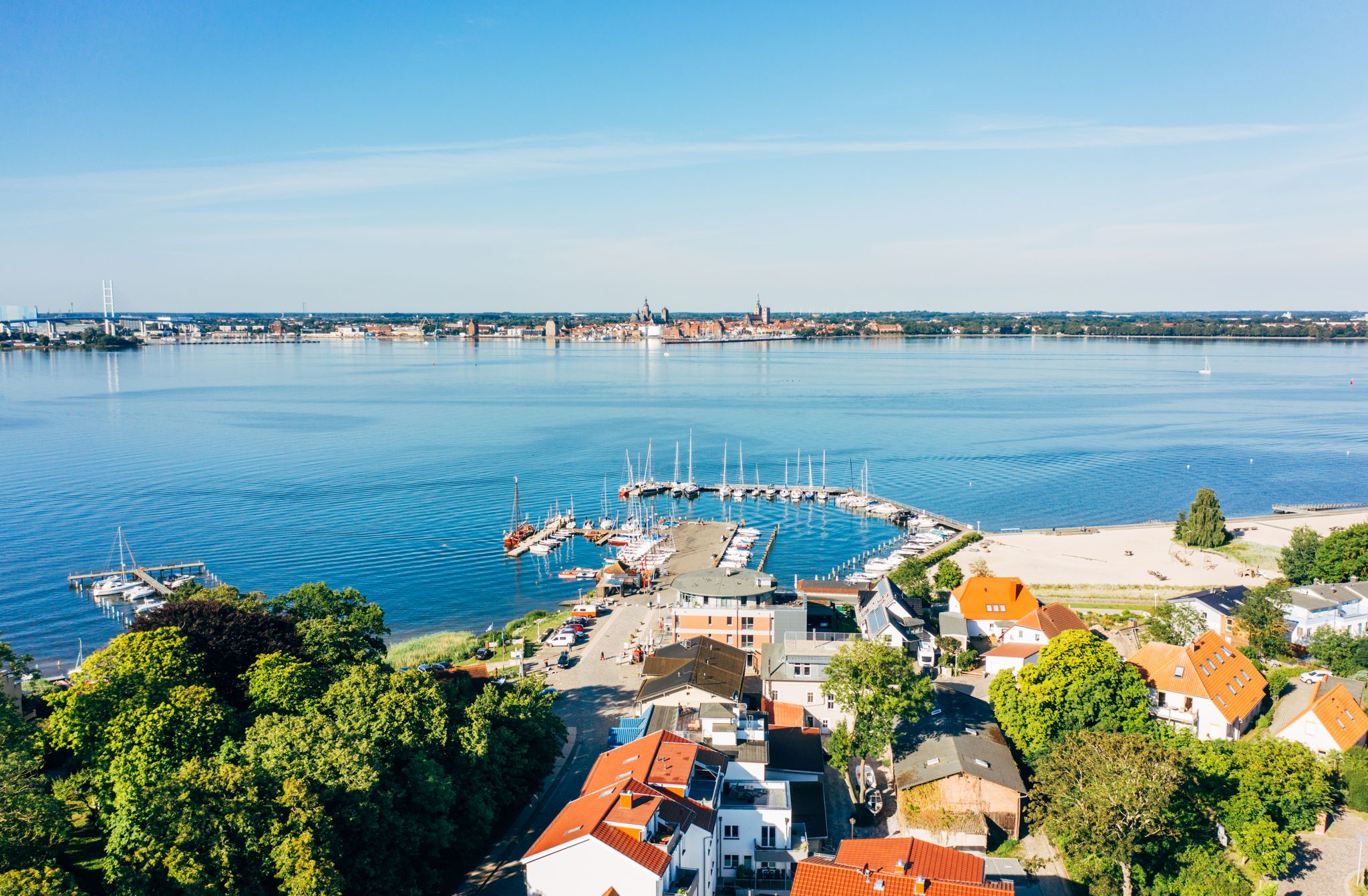
Spectacular nature in the cycle country Mecklenburg-Western Pomerania
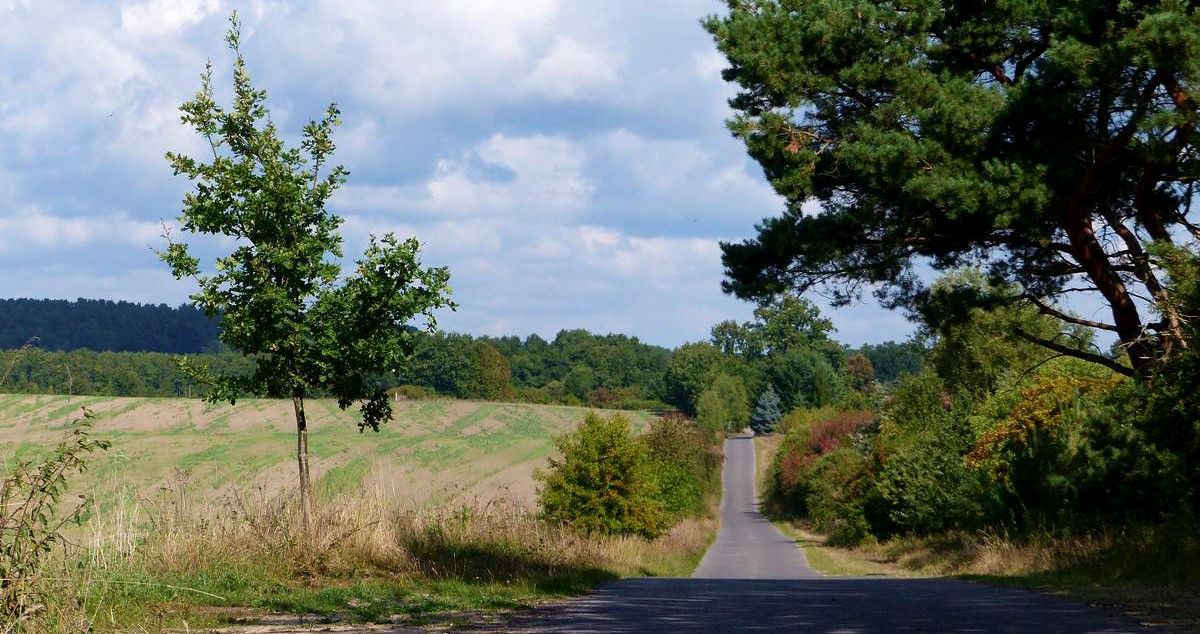
Cycling the Ice Age Route in the Mecklenburg Lake District
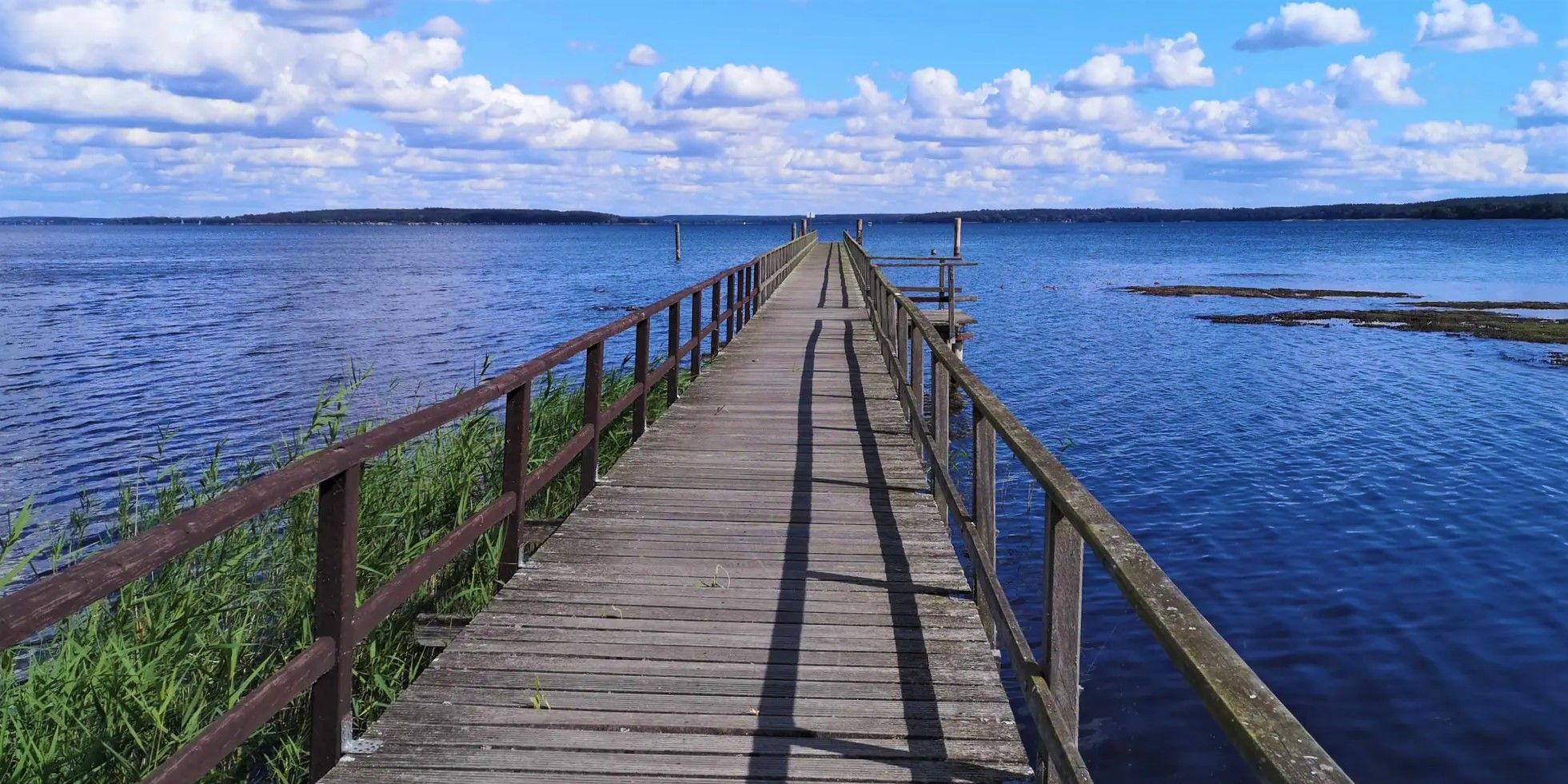
Cycling and swimming fun – Mecklenburg Lakes Cycle Route
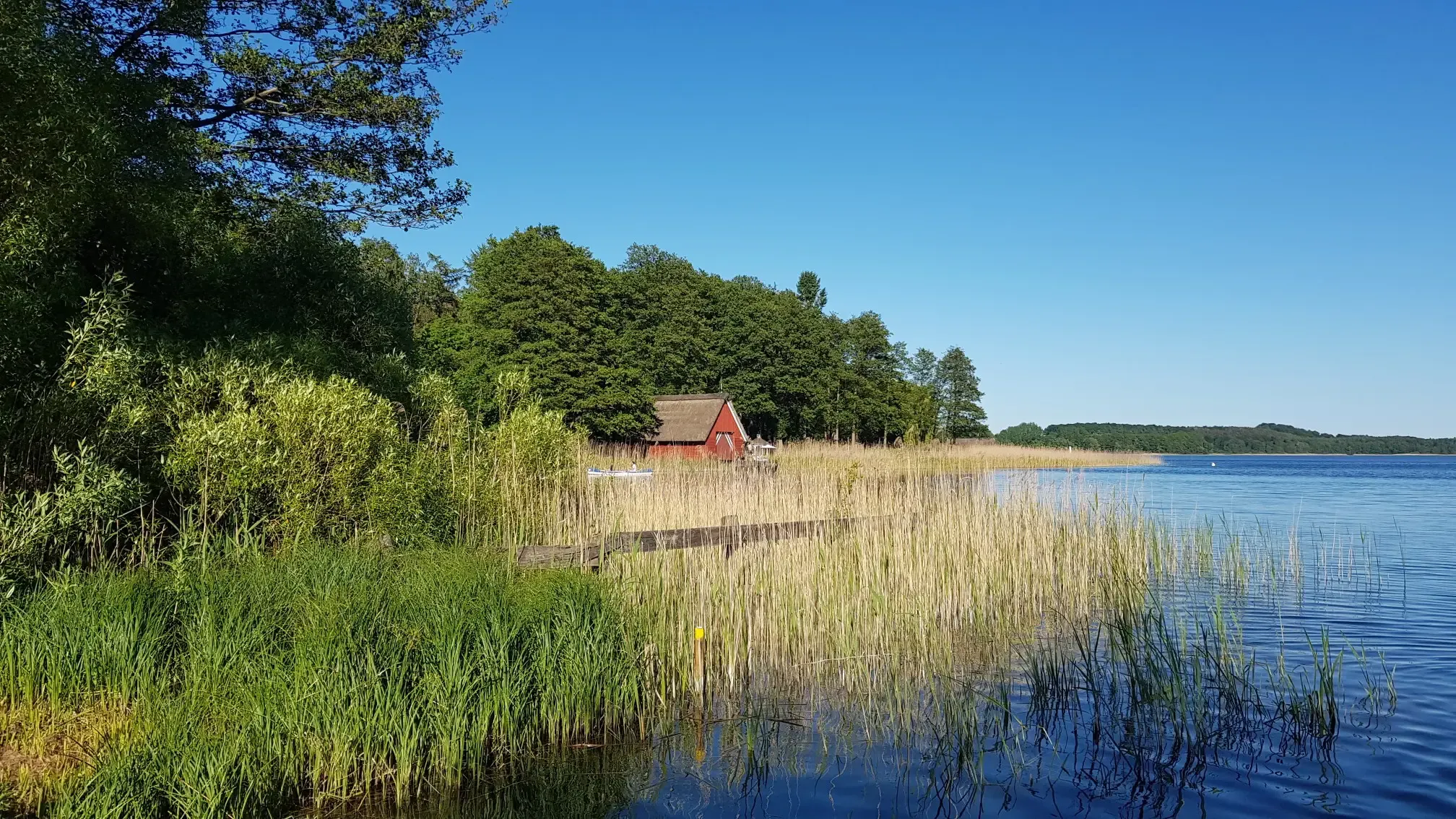
The Best Swimming Lakes In Mecklenburg-Hither Pomerania
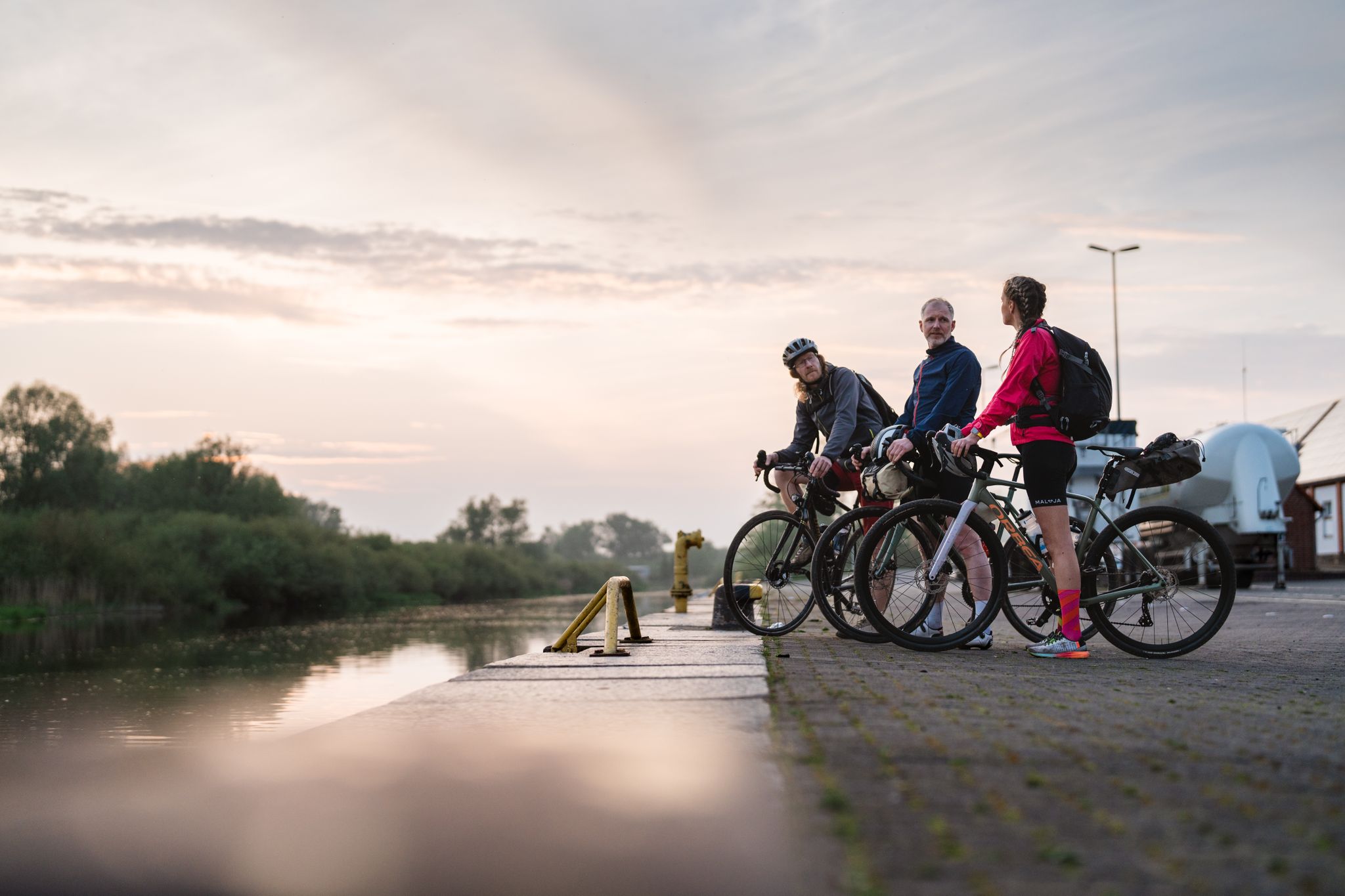
Tollensetal-Rundweg - Flussfahrt auf zwei Rädern
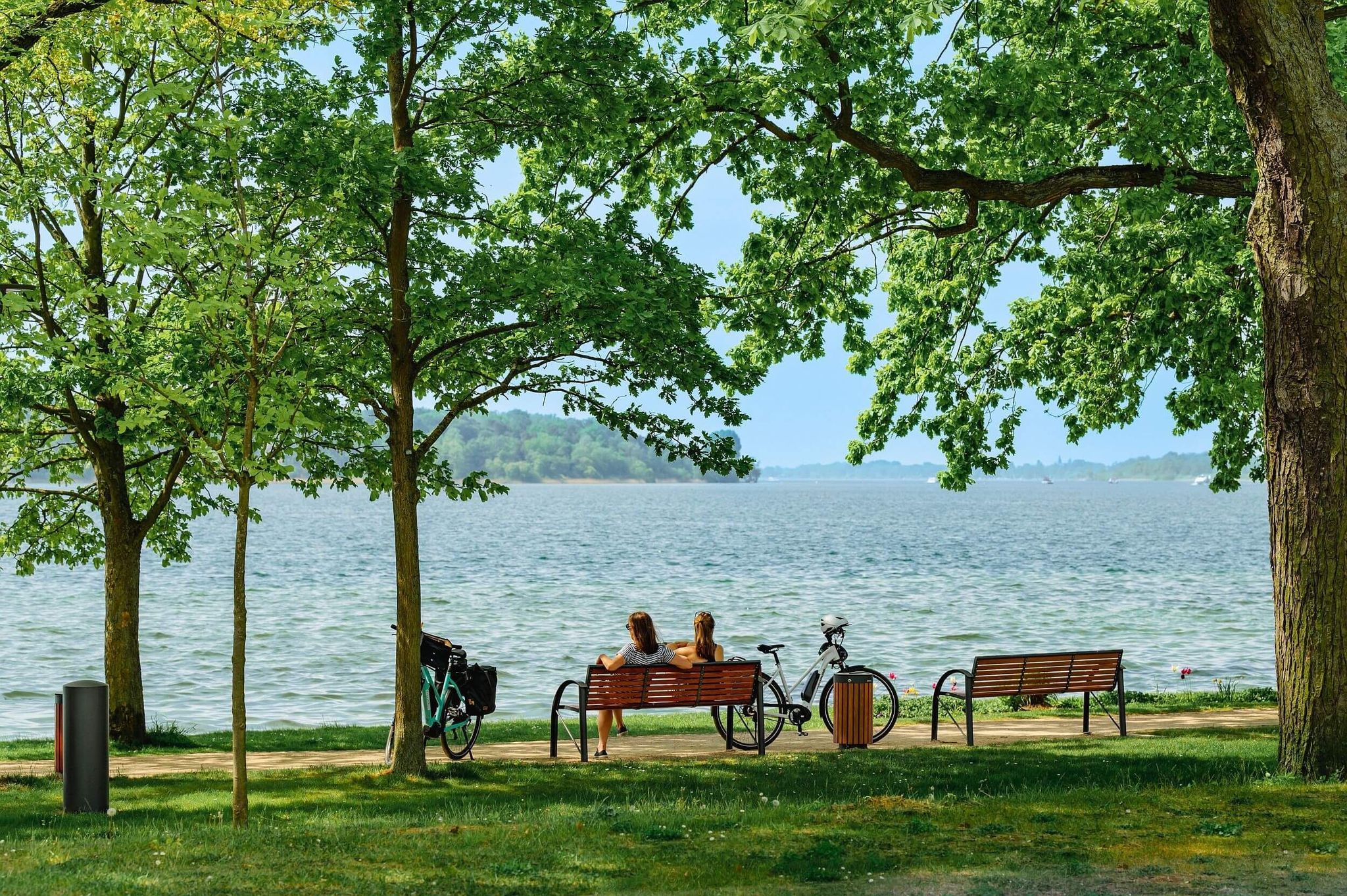
Elbe-Oderhaff Radweg
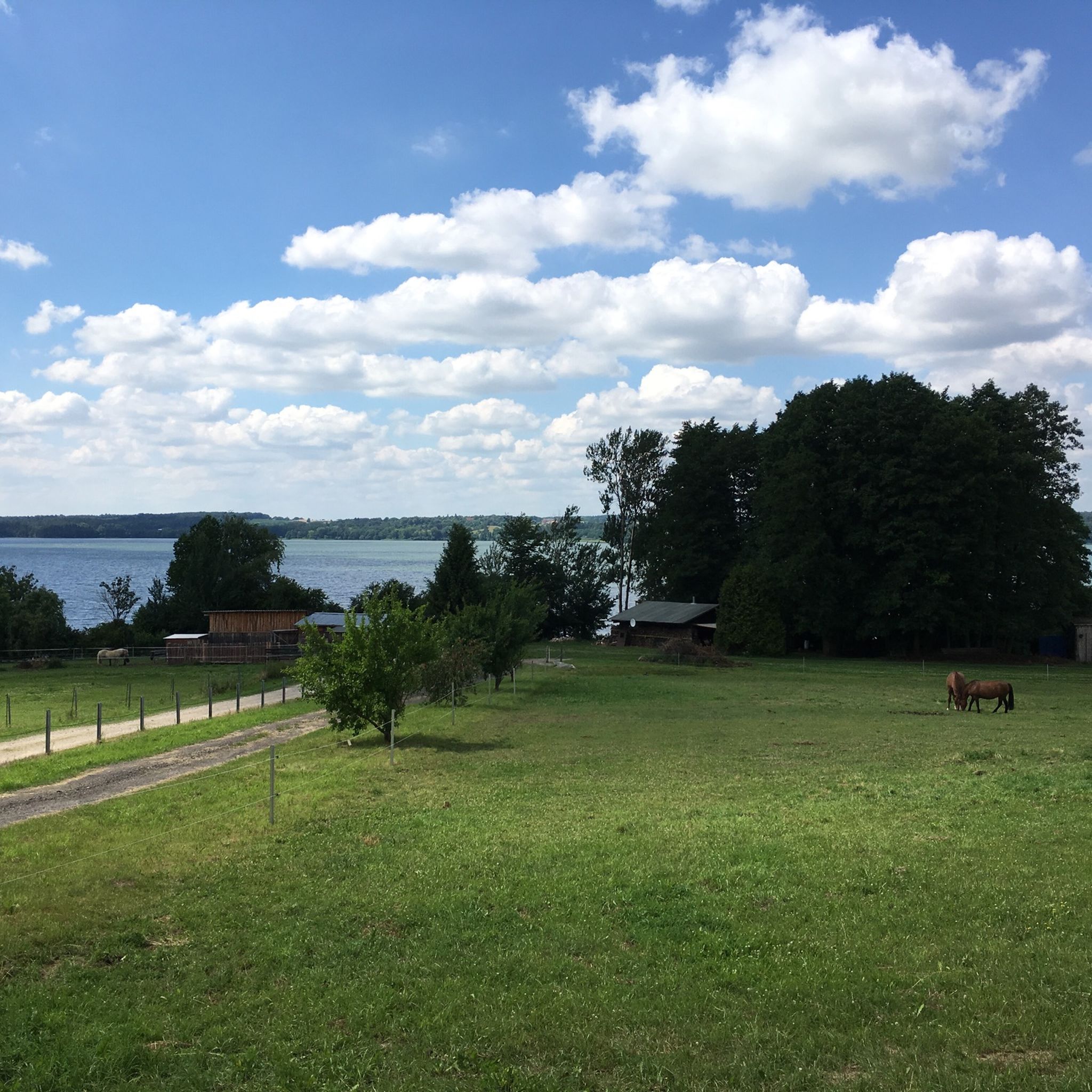
Cycling around Neubrandenburg
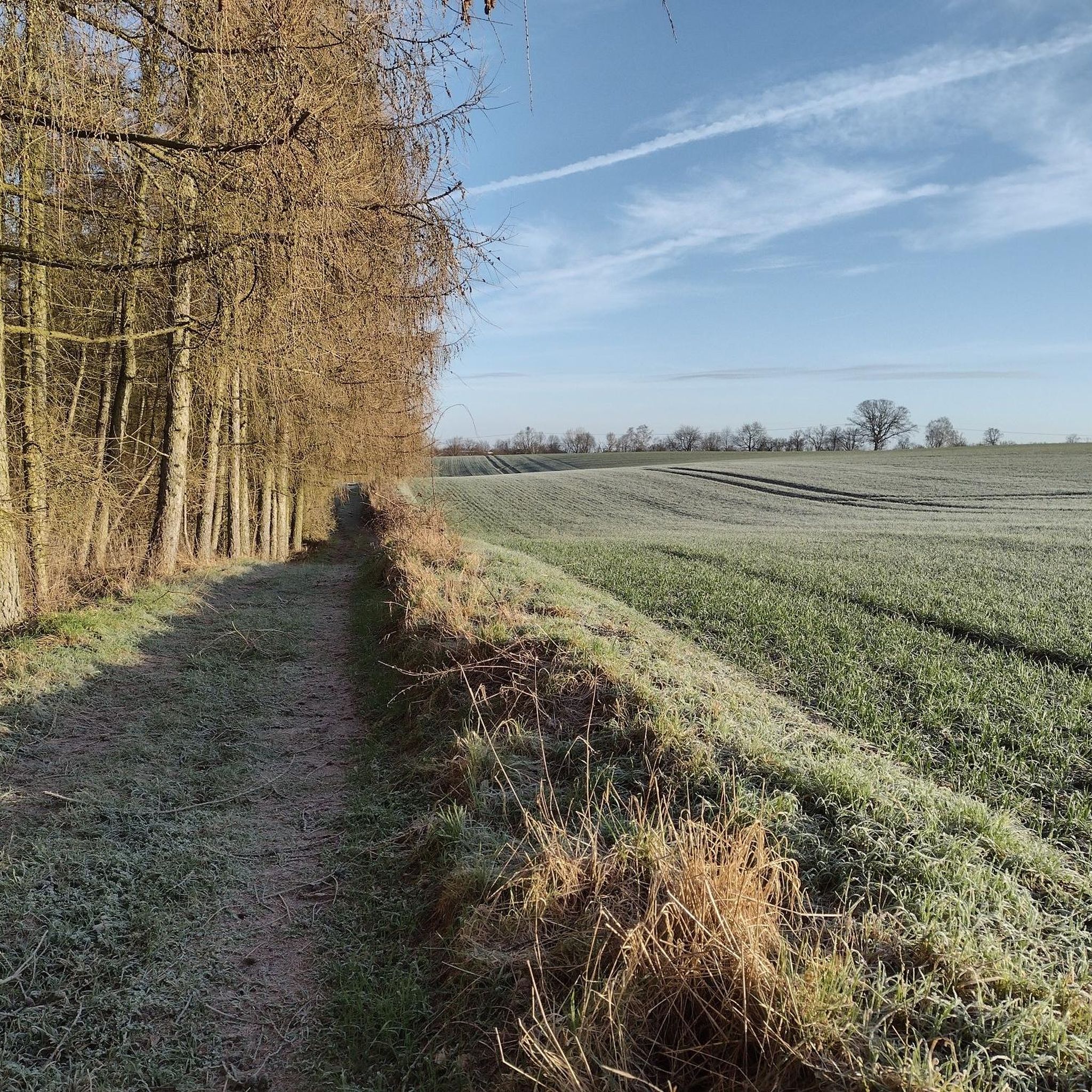
Road Cycling Routes around Neubrandenburg
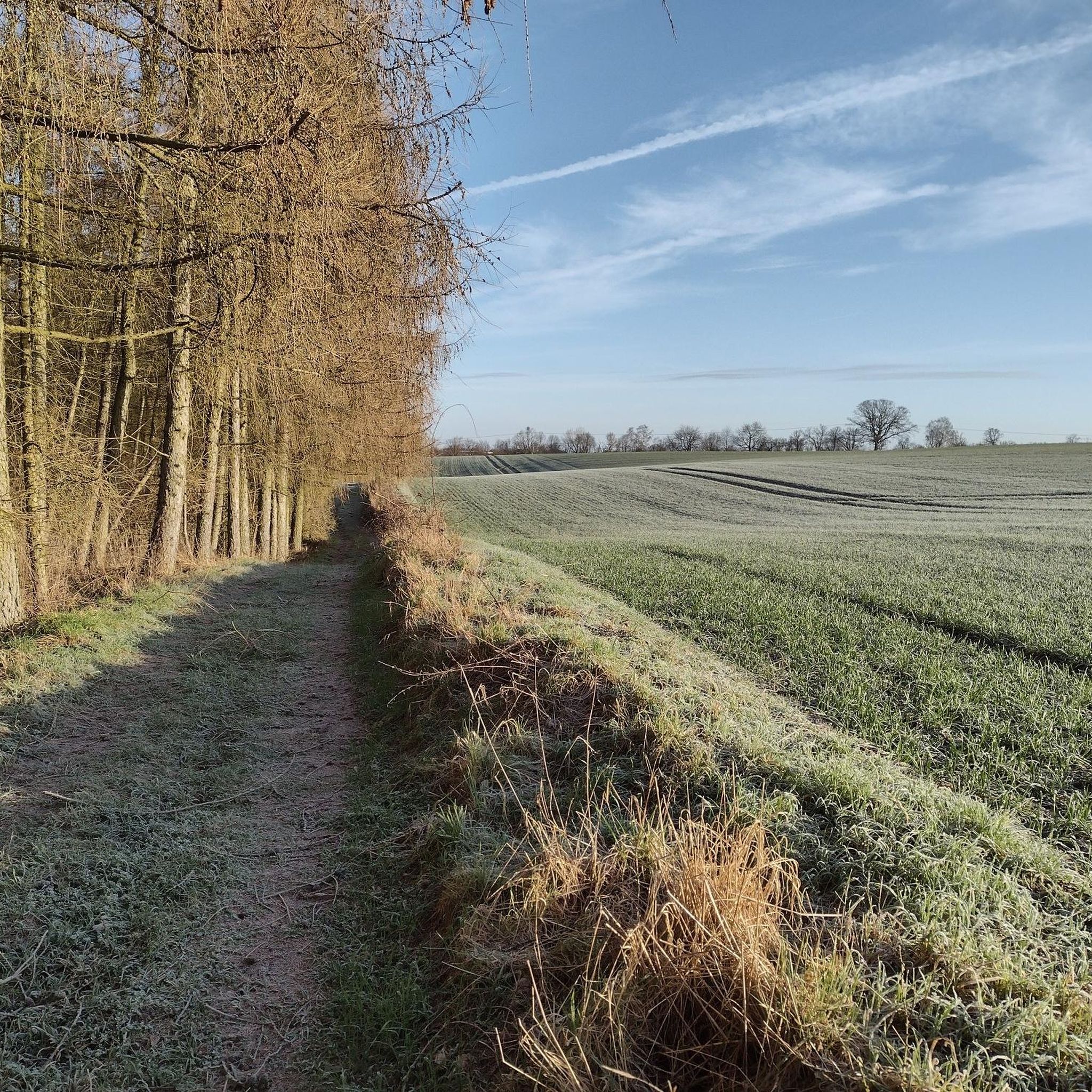
Hiking around Neubrandenburg
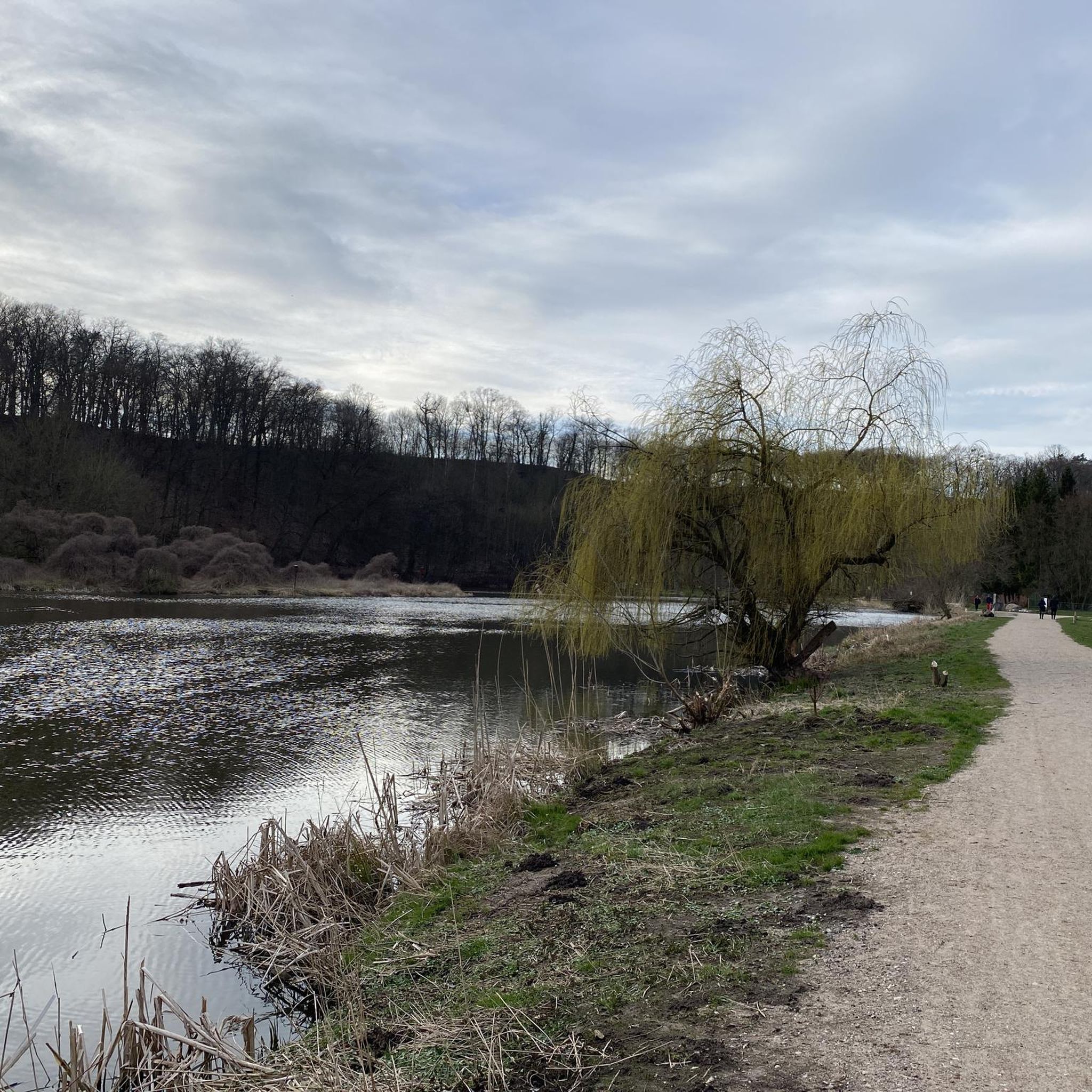
Running Trails around Neubrandenburg
Other adventures around Neubrandenburg


Tips from the Community

The climb up the 55-meter-high Chimborazo is worthwhile. There's a summit cross and a summit book, but unfortunately, no view.
0
0

There are plenty of signposts. Experiencing nature is the motto here.
0
0

Not just a large stone, but a boulder that was once brought to this place by the glaciers. If you look more closely, you will see a weathered inscription that calls the stone the "King of the Centuries". It is one of the largest boulders in the North German lowlands. The stone has a circumference of around 15 metres and a volume of around 35 m³.
1
0

The house was built in 1890 as a hunting lodge for the Grand Duke of Strelitz in the neo-renaissance style. The old manor house next to it is a simple 11-axle building over two floors. The facade of the hunting lodge is richly structured and changes from red clinker to sandstone. The hunting theme can be found in the house's decor. Inside, parts of the wall paneling have been preserved. Also noteworthy is the fantastic lakeside location on the Lieps. Source https://tourenportal.auf-nach-mv.de/de/poi/schloss/jagdschloss-prillwitz/52754753/ Not to forget the cormorant breeding island; the Lieps is closed to tourist passenger ships during the breeding season.
1
0


The mighty beech tree is an impressive sight at any time of year.
0
0

Very beautiful sight and a fantastic view. Simply take advantage of the short stop and capture the perspectives. Great lake landscape, magnificent backdrop!
4
0
The island shapes the landscape and is a testament to early settlement: the island of Kietzwerder in the Lieps. The island has been populated with cormorants for years. The trees are bare even in summer, the large black birds make sure of this with their droppings. But very interesting for the inexperienced observer.
2
0
Frequently Asked Questions
What unique natural features can I discover around Neubrandenburg?
Beyond the well-known lakes, you can explore unique natural features like Cormorant Island on Lake Lieps, a small island where cormorant droppings impact vegetation, creating a distinctive landscape. Another impressive sight is the Carl-Köppel Beech, a gigantic tree with a trunk circumference of over 4 meters. Don't miss the King of the Ages, one of the largest boulders in the North German lowlands, a geological natural monument.
Are there any natural monuments with historical significance in Neubrandenburg?
Yes, Neubrandenburg's medieval city wall is encircled by a historic rampart and green belt, which is a natural monument in itself. This green belt, up to 70 meters wide, features oak trees over 300 years old and a unique botanical specialty, the 'few-flowered leek.' Additionally, the Chimborazo Memorial Stone commemorates natural scientist Alexander von Humboldt and offers a viewpoint over Lake Tollensesee.
What family-friendly natural attractions are available in Neubrandenburg?
The Kulturpark, linking the city center to Lake Tollensesee, is a favored local recreation area with wide green spaces, playgrounds, and animal enclosures, making it ideal for families. The Woodland Discovery Trail Serrahn, part of a UNESCO World Heritage site, offers varied stations along its 4 km path to encourage observation and activity, perfect for engaging children with nature.
What outdoor activities can I do near the natural monuments around Neubrandenburg?
The region offers a variety of outdoor activities. You can enjoy cycling around Lake Tollensesee on its well-developed 37 km cycle path. For hiking, there are numerous trails, including easy options like the 'View of Lake Tollensesee – Behmshöhe Observation Tower loop.' Mountain biking enthusiasts can find trails such as the 'Hidden Lakeside Trail – View of Lake Tollense loop.' You can find more details on these activities in the hiking guide and MTB trails guide for Neubrandenburg.
Where can I find panoramic views of the natural landscape?
For magnificent panoramic views, head to the Behmshöhe Observation Tower, located about five kilometers south of the city center. From its 34-meter-high platform, you can see the surrounding forest, Lake Tollensesee, and the distant skyline of Neubrandenburg. The Chimborazo Memorial Stone also provides a scenic viewpoint over Lake Tollensesee.
Is Lake Tollensesee suitable for recreation and water sports?
Absolutely. Lake Tollensesee is one of the cleanest and largest bodies of water in Mecklenburg-Western Pomerania, making it perfect for recreation. It offers a multitude of leisure activities such as bathing in areas like the historic Augustenbad, sailing, surfing, fishing, and boating. The lake is encircled by a 37 km cycle path, providing excellent infrastructure for cyclists and hikers.
Are there any ancient forests or trees to visit in the region?
Yes, the region is home to ancient trees. The Carl-Köppel Beech is a notable example near Lake Tollensesee, standing 40 meters tall. Further afield, but within the Mecklenburg-Vorpommern region, are the Ivenacker Oaks National Natural Monument. These ancient trees, some estimated to be 1,000 years old, are part of the Ivenacker Tiergarten and offer a unique opportunity to experience ancient woodlands, complete with a treetop trail and observation tower.
What is the best time of year to visit the natural monuments around Neubrandenburg?
The natural monuments around Neubrandenburg offer beauty throughout the seasons. Spring and summer bring opulent displays of wildflowers, especially along the historic rampart. Autumn provides vibrant colors in the forests and around the lakes, while winter transforms the landscape into a sparkling white wonderland, ideal for tranquil walks. The choice depends on your preferred activities and scenery.
Are there any natural monuments that are part of a UNESCO World Heritage site?
Yes, the Woodland Discovery Trail Serrahn leads through an exceptionally old beech forest, the core area of which was designated a UNESCO World Heritage Site in 2011. This trail offers a unique opportunity to experience ancient woodlands and learn about their ecology.
What kind of flora and fauna can I expect to see?
The natural monuments around Neubrandenburg are rich in biodiversity. The historic rampart and city wall green belt, for instance, provides a habitat for diverse flora and fauna, including the botanical specialty 'few-flowered leek' in spring. Lake Tollensesee supports various aquatic life, and the surrounding forests, like those near the Woodland Discovery Trail Serrahn, are home to ancient beech trees and the creatures that thrive within them.
Are there dog-friendly trails near the natural monuments?
Many of the natural areas around Neubrandenburg, especially the extensive cycle path around Lake Tollensesee and the trails within the Kulturpark and the historic rampart, are generally dog-friendly. However, it's always advisable to keep dogs on a leash, especially in nature protection areas, and to be mindful of local regulations regarding pets.
Where can I find information on the broader natural landscapes of Mecklenburg-Vorpommern?
For more comprehensive information on the natural landscapes and protected areas within the wider Mecklenburg-Vorpommern region, you can visit the official tourism website: visit-mv.com.
Most popular routes around Neubrandenburg
Most popular attractions around Neubrandenburg

Get inspired with the komoot mobile app


Explore more
Extend your search for the best caves by checking out these guides of the top ones around Neubrandenburg:
