Top 20 Natural Monuments around Bad Honnef
Natural monuments around Bad Honnef are defined by the region's unique geography, nestled between the Rhine River and the Siebengebirge Nature Park. This area features a landscape shaped by volcanic origins, offering diverse ecosystems and significant geological formations. The natural beauty and geological significance make it a notable destination for outdoor exploration.
Best natural monuments around Bad Honnef
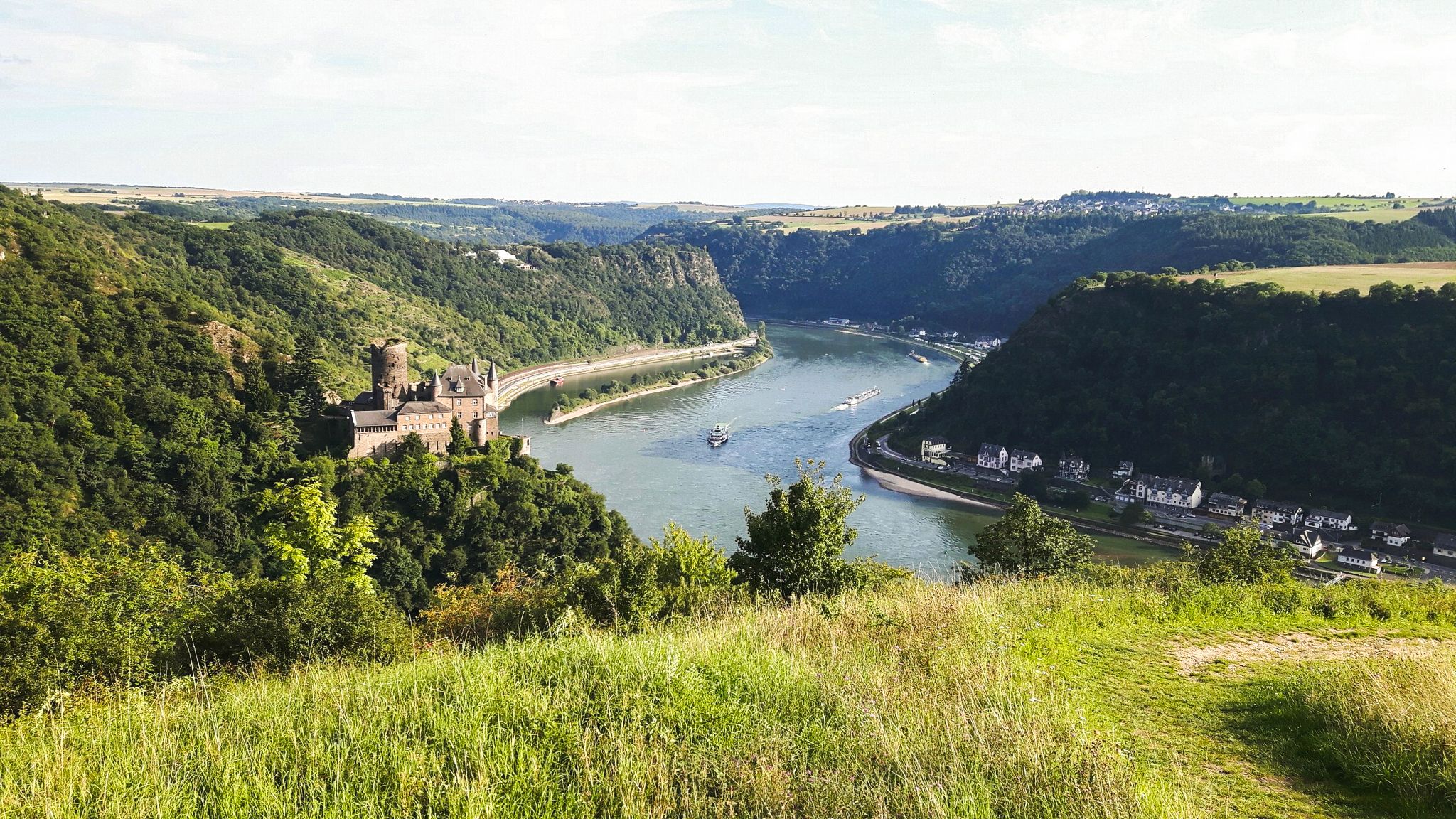
- The most popular natural monuments is View of Drachenburg Castle, a viewpoint that offers a panorama of Drachenburg Castle and the Rhine Valley. From this location, the skyline of Cologne is visible on clear days.
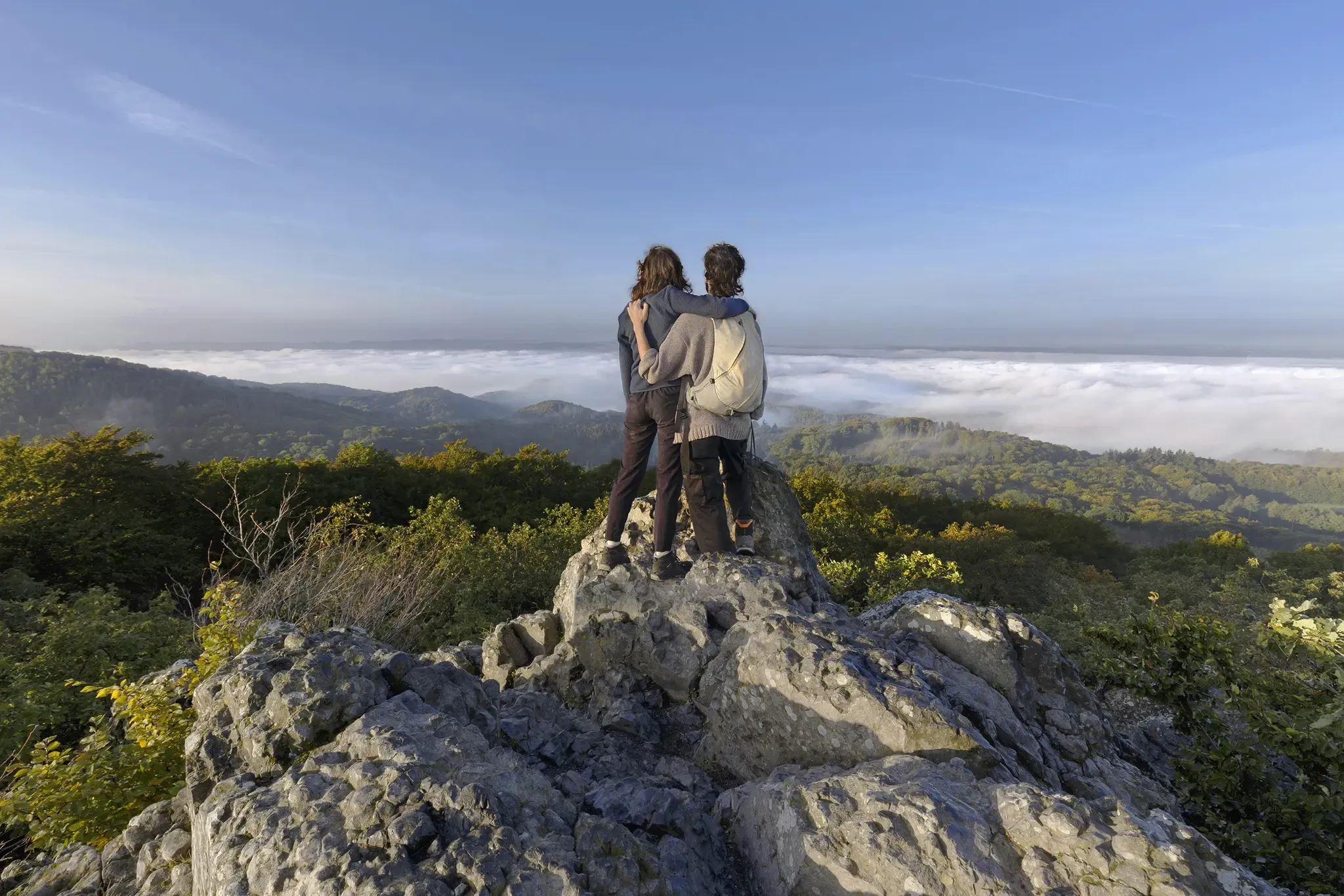
- Another must-see spot is Stenzelberg Rock Formations, a natural monument featuring a picturesque rocky landscape. This 287-meter-high mountain is a former quarry of volcanic latite, now supporting a dry biotope with specific flora and fauna.
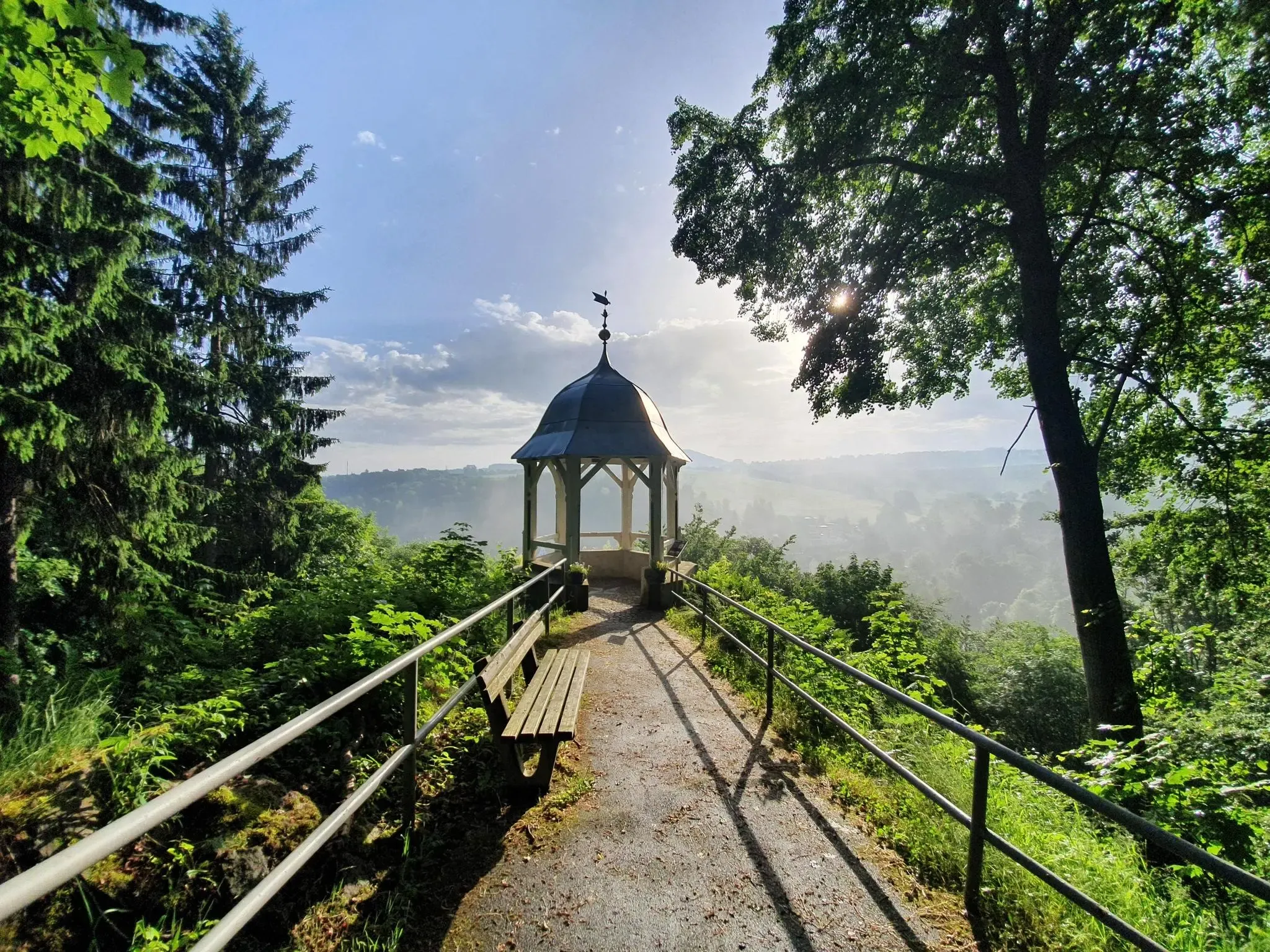
- Visitors also love View of the Rhine Valley from the Siegfried Pulpit, a viewpoint offering expansive views of the Rhine Valley. This location provides a suitable spot for a stopover to observe the landscape.
- Bad Honnef is known for its volcanic landscapes, prominent viewpoints, and unique rock formations. The region offers a variety of natural monuments to see and explore, including river valleys and historical sites integrated into the natural environment.
- The natural monuments around Bad Honnef are appreciated by the komoot community, with more than 6800 upvotes and over 4700 photos shared.
Last updated: July 7, 2026
Drachenfels Castle Ruins
Highlight • Castle
Translated by Google •
Tip by

View of Drachenburg Castle
Highlight • Viewpoint
Showing Translation
Tip by

Sign up now to discover places like this
Get recommendations on the best single tracks, peaks, & plenty of other exciting outdoor places.
Sign up for free
Siegfried Pulpit
Highlight • Viewpoint
Showing Translation
Tip by

Stenzelberg Rock Formations
Highlight • Natural Monument
Geologically, the Stenzelberg is a spring dome from the volcanic rock Latit, whereby the rising magma did not reach the earth's surface, but got stuck in the surrounding tuff cover rock. Erosion later eroded the softer tuff and exposed the harder latite.
The Stenzelberg has been used as a quarry for quartz latite since the 11th century. The stone was used, among other things, for the Propsteikirche in Oberpleis, the Nikolauskapelle in Heisterbacherrott and the Bonn Minster, and later also for the churches in Niederdollendorf, Oberdollendorf and Asbach.
Quarrying ended in 1931.[3] After the closure of the quarries, a characteristic landscape developed on the Stenzelberg, which offers the special flora and fauna of a dry biotope.
(Info taken from de.wikipedia.org/wiki/Stenzelberg)
Translated by Google •
Tip by

Drachenburg Castle
Highlight • Castle
Translated by Google •
Tip by

Sign up for free to discover even more natural monuments around Bad Honnef.
Sign up for free
Already have an account?
Start today with a free account
Your next adventure awaits.
Login or Signup
Popular around Bad Honnef
Hiking on the Cologne Trail – Discover nature close to the city
Rheinsteig Trail – The 21 stages along the Rhine
#GoFurther – discover the views of Germany!
I'm getting outside! – eight adventurous hikes on the Rhine and Sieg
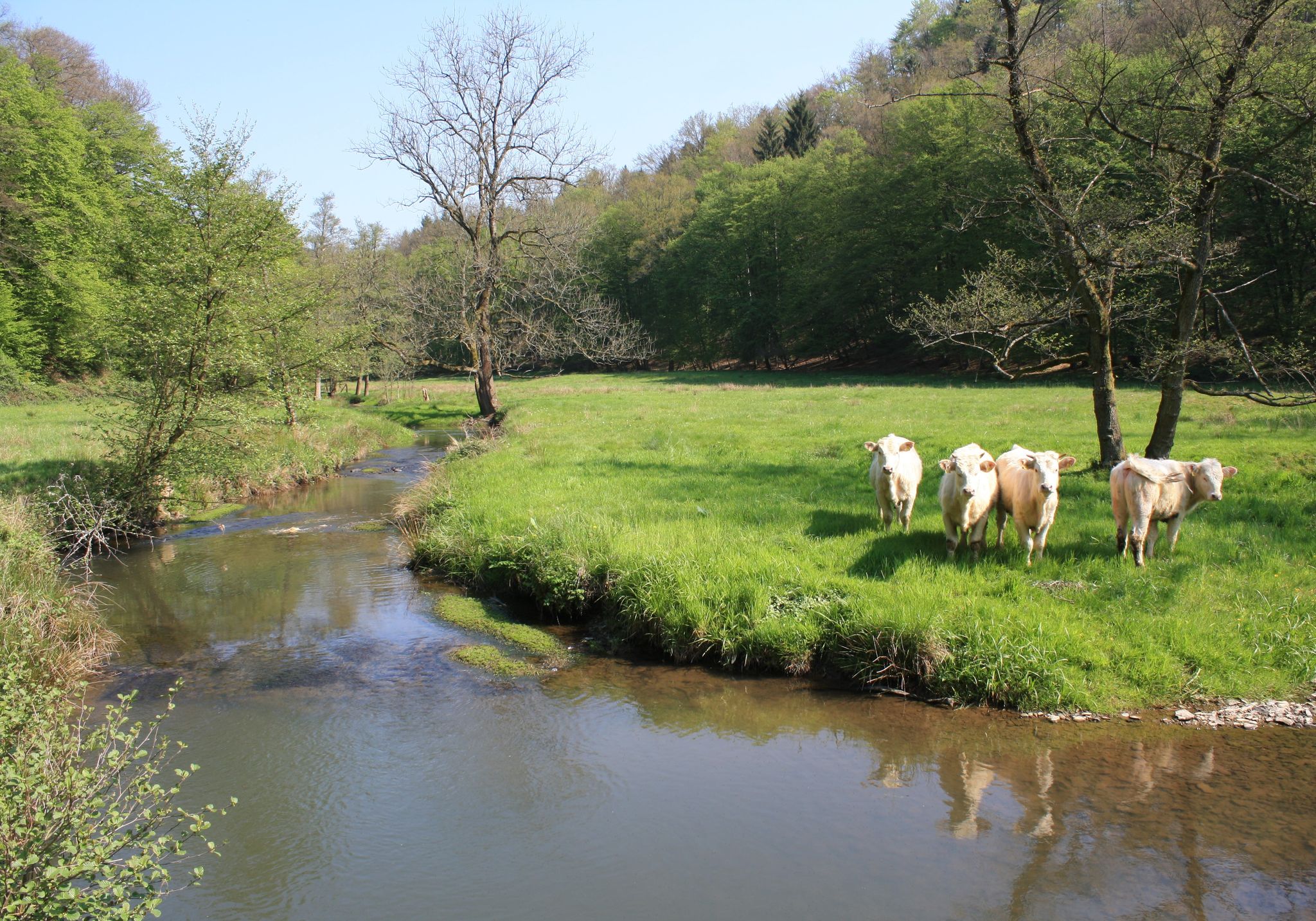
Nature and culture in beautiful landscapes – hikes on the Rhine and Sieg
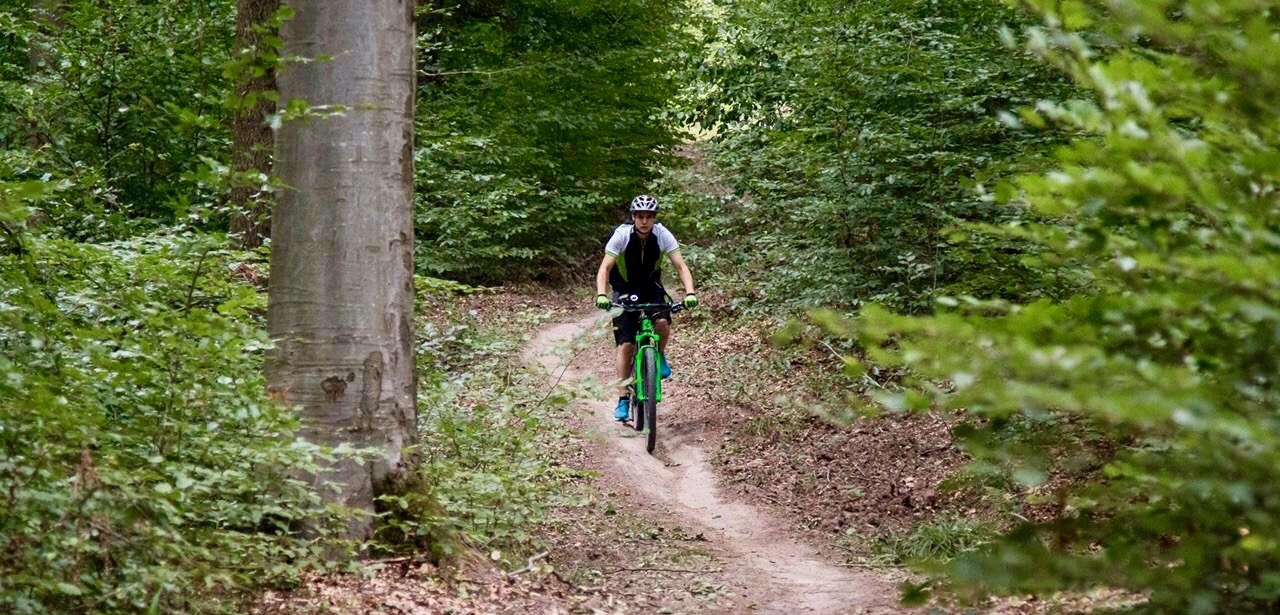
33 MTB trails through German forests
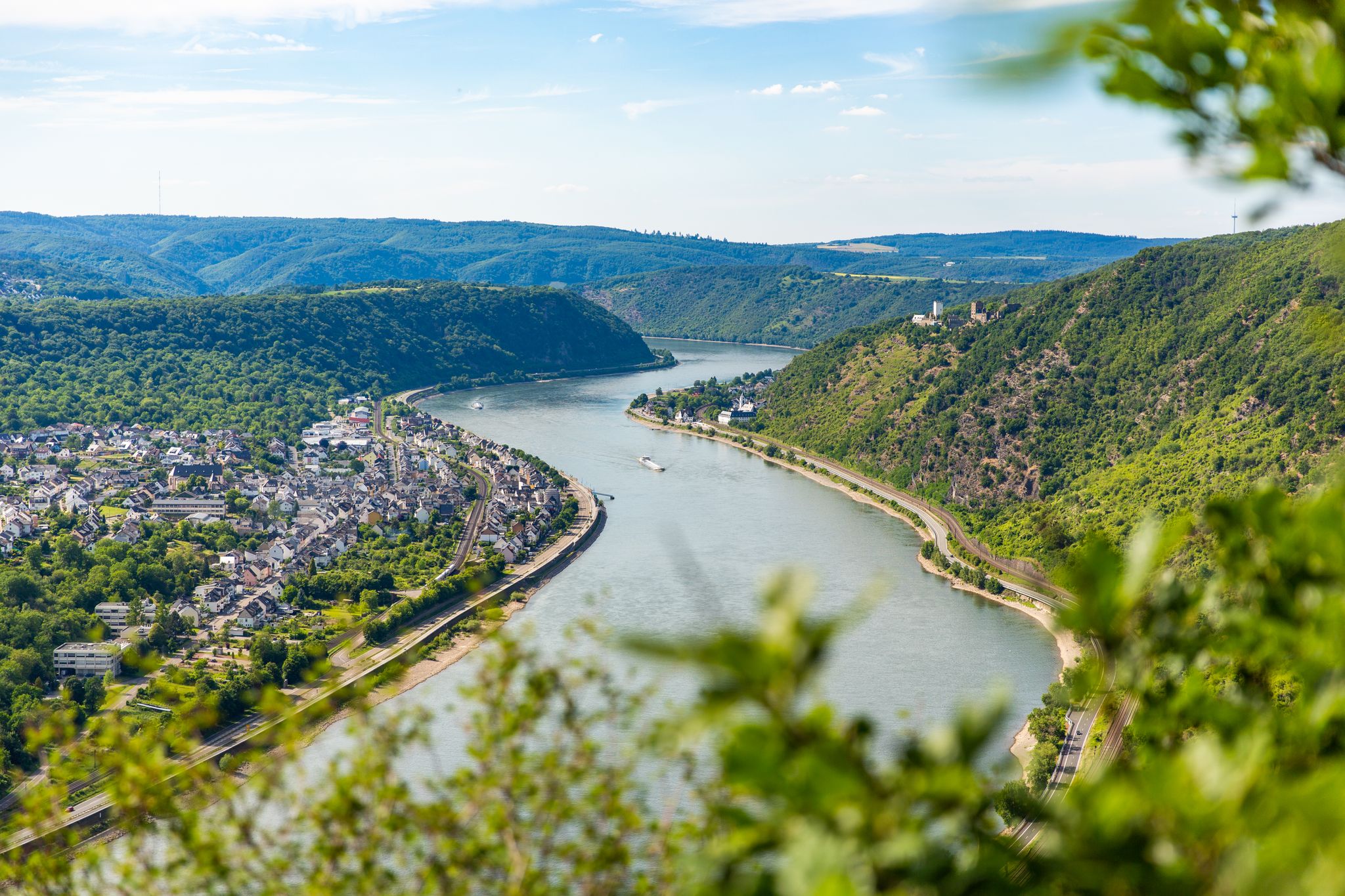
Bergauf und bergab entlang des Rheins – Abenteuer Rheinsteig
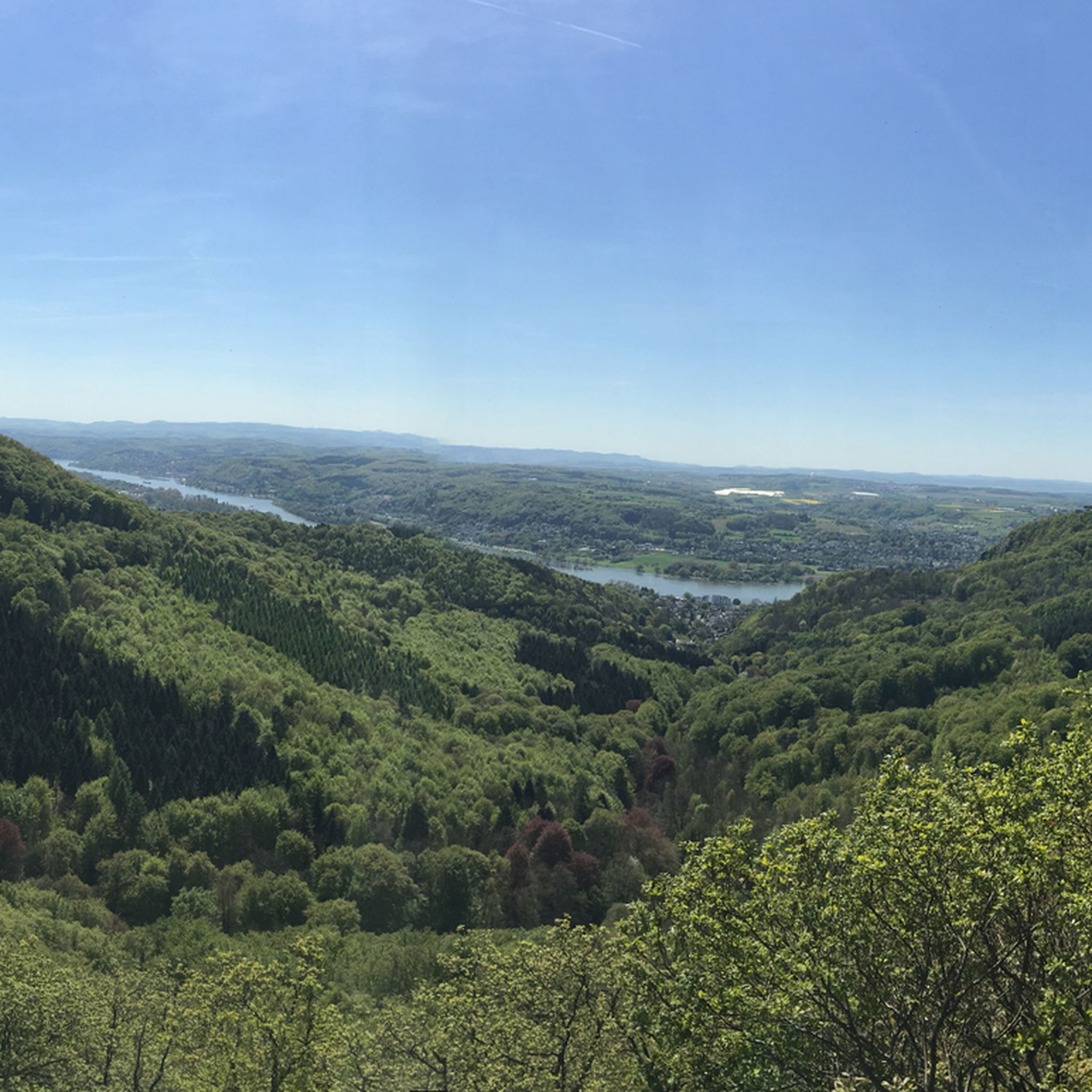
Hiking around Bad Honnef
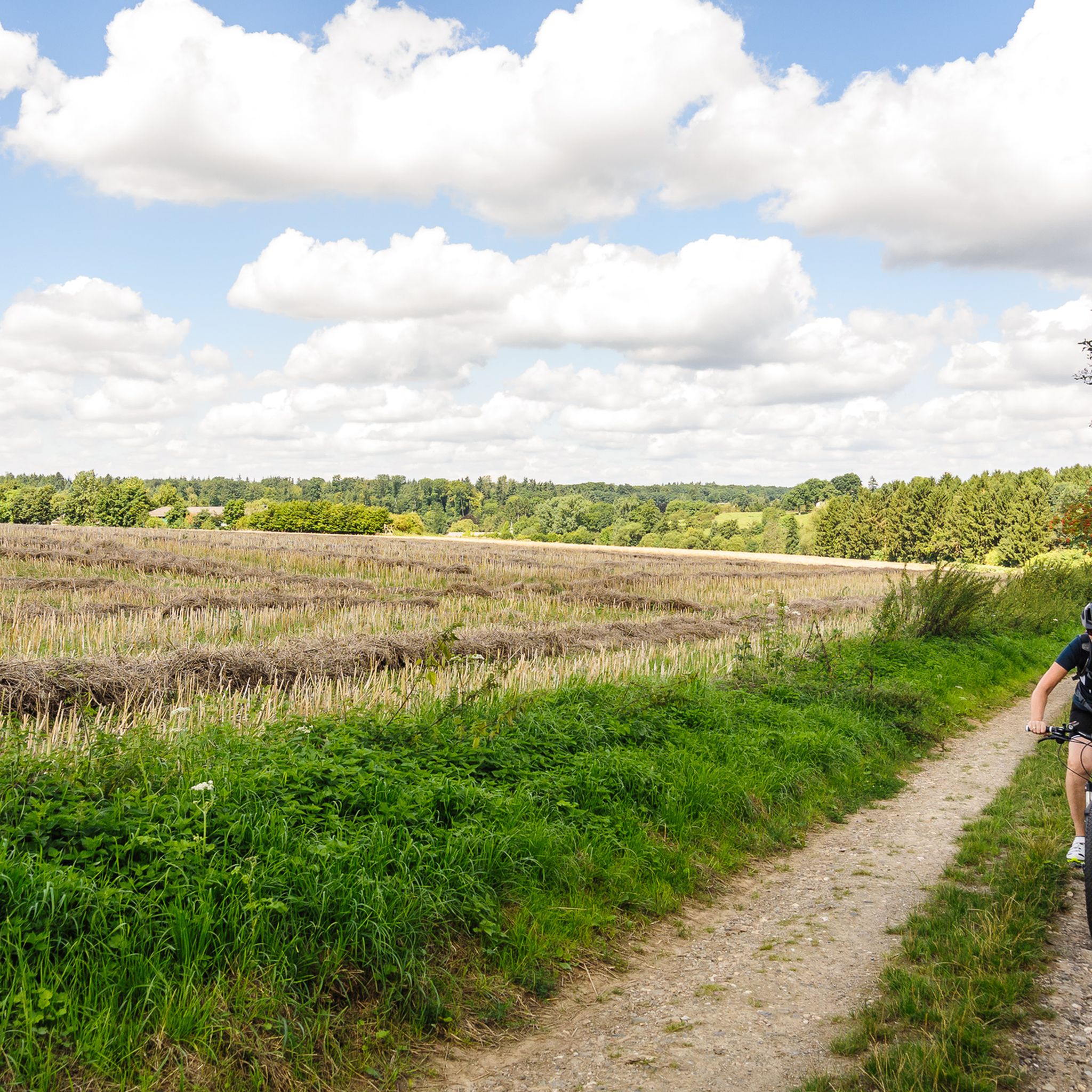
MTB Trails around Bad Honnef
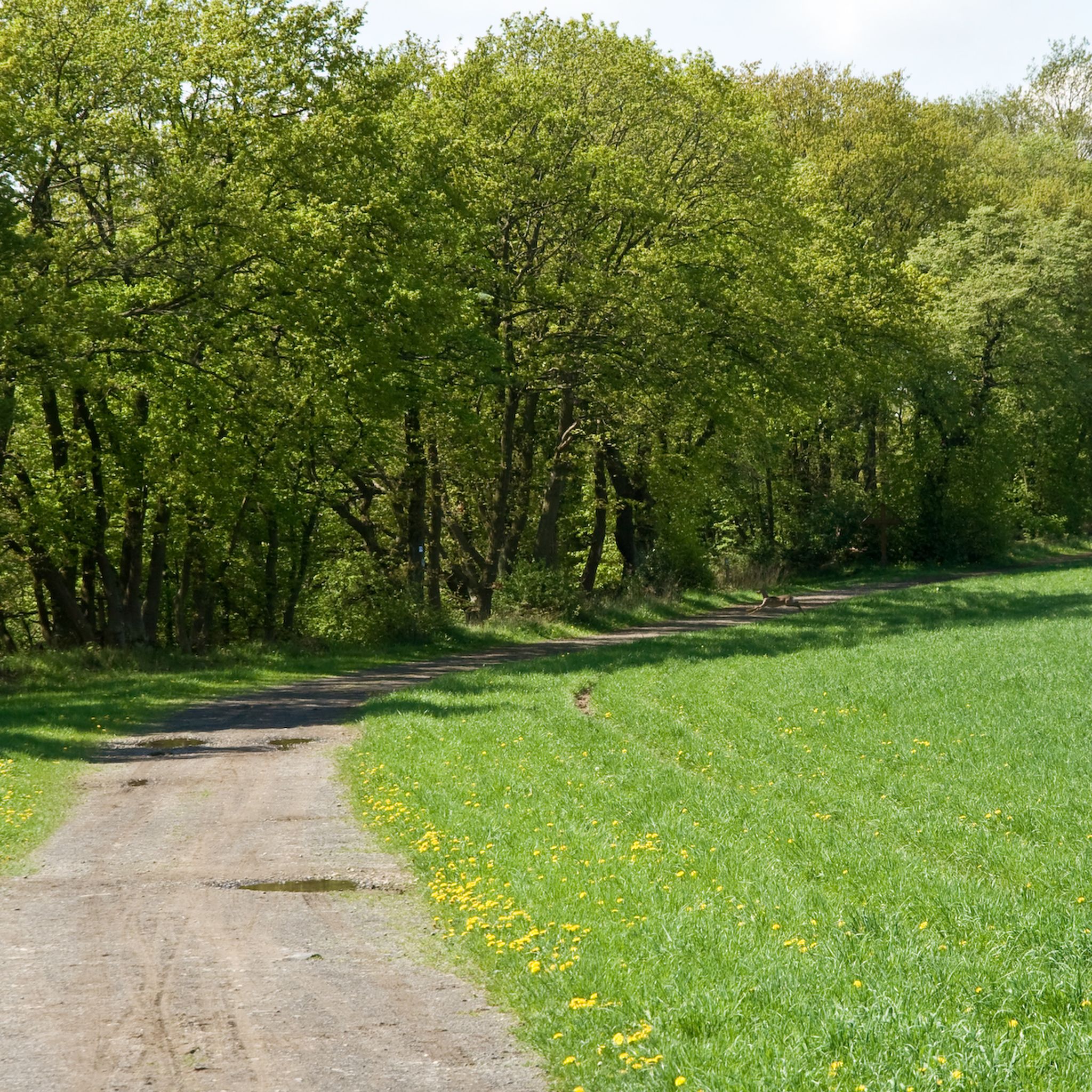
Cycling around Bad Honnef
Other adventures around Bad Honnef


Tips from the Community

Climbing on the Stenzelberg has been expressly forbidden since June 2005. Previously, the Rhein-Sieg district had tolerated climbing, although the Stenzelberg, like the entire Siebengebirge, had been designated as a nature reserve (NSG) since 1920. The climbing ban became necessary due to the new nature reserve ordinance in the course of the recognition of the Siebengebirge as FFH area 5309-301 (Fauna-Flora-Habitat) of the European Union. In particular, the occurrence of the wall lizard was concerned and egg-laying sites at the foothills of the fields were destroyed. Despite the ban, climbing continued illegally after 2005. The path to the rocks was therefore closed by the forestry department.
13
0

The Stenzelberg is geologically a spring dome from the volcanic rock Latit. The rising magma did not reach the earth's surface here, but got stuck in the surrounding tuff cover rock. The softer tuff was later eroded away, exposing the harder latite. The Stenzelberg has been used as a quarry since the 11th century, in which quartz latite rock was mined. The Heisterbach Abbey also operated a quarry on the Stenzelberg. The quarried material was also used to build the monastery buildings and the abbey church. Furthermore, rock from the Stenzelberg was used for the Propsteikirche in Oberpleis, the Nikolauskapelle in Heisterbacherrott and the Bonn Minster, and later also for the churches in Niederdollendorf, in Oberdollendorf and in Asbach. The operation of the quarry ended in 1931. Source: https://www.kuladig.de/Objectansicht/O-FJK-20100630-0032
13
0

The Stenzlberg offers rugged rocks, exciting views, history and beautiful narrow paths.
15
0

A bizarre rocky landscape in the Siebengebirge.
13
0
Has its appeal even in fog.
13
0

All in all, a trip to the Siebengebirge is always worthwhile - steeped in history and very scenic🥰
12
0
The Stenzelberg has retained its attractiveness even after stone quarrying ended. Stones have not been quarried since 1931. Due to its picturesque rocky landscape, the Stenzelberg is still a popular destination for many hikes. In addition, the 287-meter-high summit offers habitat for animals such as smooth snakes and wall lizards. For this reason, it is kept free of shrub and tree growth.
15
2

The Stenzelberg is a 287 meter high mountain in the Siebengebirge and is located southwest of the Heisterbacherrott district of Königswinter near the Heisterbach monastery. Geologically, the Stenzelberg is a spring dome from the volcanic rock Latit, whereby the rising magma did not reach the earth's surface, but got stuck in the surrounding tuff cover rock. Erosion later eroded the softer tuff and exposed the harder latite. The Stenzelberg has been used as a quarry for quartz latite since the 11th century. The stone was used, among other things, for the Propsteikirche in Oberpleis, the Nikolauskapelle in Heisterbacherrott and the Bonn Minster, and later also for the churches in Niederdollendorf, Oberdollendorf and Asbach. Quarrying ended in 1931.[3] After the closure of the quarries, a characteristic landscape developed on the Stenzelberg, which offers the special flora and fauna of a dry biotope. (Info taken from https://de.wikipedia.org/wiki/Stenzelberg)
21
0
Frequently Asked Questions
What unique geological features define the natural monuments around Bad Honnef?
The natural monuments around Bad Honnef are primarily shaped by the region's volcanic origins, particularly within the Siebengebirge Nature Park. You can observe features like the Stenzelberg Rock Formations, a former quarry of volcanic latite that now supports a unique dry biotope. The Siebengebirge itself is characterized by approximately 40 volcanic peaks and diverse ecosystems, offering a rich geological landscape.
Are there family-friendly natural monuments or activities in the Bad Honnef area?
Yes, several natural monuments around Bad Honnef are suitable for families. For instance, the area around Drachenburg Castle and the View of Drachenburg Castle offers accessible paths and the option of the historic cog railway, making the ascent to the viewpoints enjoyable for all ages. The View of the Rhine Valley from the Siegfried Pulpit is also listed as family-friendly, providing a scenic stopover.
What are some of the most scenic viewpoints among the natural monuments?
Beyond the well-known View of Drachenburg Castle, which offers a panorama of the castle and the Rhine Valley, you can also enjoy expansive views from the View of the Rhine Valley from the Siegfried Pulpit. The Drachenfels Castle Ruins also provide a great vantage point at 321 meters altitude, offering stunning views after a climb.
What kind of hiking trails can I find near the natural monuments in Bad Honnef?
The natural monuments around Bad Honnef are surrounded by a variety of hiking trails, ranging from moderate to difficult. You can explore routes like the 'Siebengebirge Seven Summits Trail' or 'Cloud 7', which offer diverse landscapes within the Siebengebirge Nature Park. For more options, you can explore the dedicated Hiking around Bad Honnef guide.
Are there opportunities for other outdoor activities besides hiking near these natural monuments?
Yes, the region offers various outdoor activities. For mountain biking enthusiasts, there are trails such as the 'Siebengebirge: Petersberg and Löwenburg Loop' or 'Kasbachtal and Rhine Loop'. Runners can find routes like 'Servatiushof, Frühmeßeiche & Logebach - Siebengebirge Nature Park'. You can find more details in the MTB Trails around Bad Honnef guide and the Running Trails around Bad Honnef guide.
What is the best time of year to visit the natural monuments around Bad Honnef?
The Siebengebirge Nature Park, where many natural monuments are located, is beautiful year-round. Spring brings blooming flora, while autumn offers vibrant foliage. Summer is ideal for longer hikes, though it can be crowded. Winter provides a different, quieter experience, especially for those prepared for colder conditions. The Drachenfels Castle Ruins are noted as being worth a visit no matter the season.
How can I access the natural monuments around Bad Honnef using public transport?
Many natural monuments, especially those within the Siebengebirge Nature Park, are accessible via public transport. Königswinter, a town near Bad Honnef, serves as a good starting point with connections to the Drachenfels cog railway. Specific routes and stops vary, but the region is generally well-connected, allowing visitors to reach trailheads and attractions without a car.
What kind of terrain should I expect on the hiking trails in the Siebengebirge Nature Park?
The Siebengebirge Nature Park features diverse terrain due to its volcanic origins. You can expect a mix of well-maintained paths, forest trails, and some rocky sections, especially around formations like the Stenzelberg Rock Formations. Trails often include ascents to volcanic peaks, offering varied gradients and surfaces.
Are there any historical sites integrated into the natural monument landscape?
Yes, the region beautifully blends natural beauty with historical significance. For example, the Drachenfels Castle Ruins are a prominent natural monument with historical context. While not a natural monument itself, the Drachenburg Castle is situated within this natural setting, offering a unique combination of nature and Wilhelminian architecture.
What do visitors particularly enjoy about the natural monuments in Bad Honnef?
Visitors frequently praise the stunning panoramic views, especially from locations like the View of Drachenburg Castle, where on clear days you can even see the skyline of Cologne. The unique geological formations, such as the Stenzelberg Rock Formations, and the diverse hiking opportunities within the Siebengebirge Nature Park are also highly appreciated.
Are there any specific regulations for dog owners when visiting the natural monuments?
While the guide data doesn't specify all regulations, the Siebengebirge Nature Park generally requires dogs to be kept on a leash to protect wildlife and ensure the safety of other visitors. It's always recommended to check local signage or park regulations for specific areas, especially concerning waste disposal.
Can I find cafes or restaurants near the natural monuments for a break?
Yes, the area around Bad Honnef and the Siebengebirge Nature Park offers various options for refreshments. For instance, the village of Rhöndorf, near the Siegfried Pulpit, is known for its quaint atmosphere and places to stop. There are also cafes and restaurants near Drachenburg Castle and in the surrounding towns.
Most popular routes around Bad Honnef
Most popular attractions around Bad Honnef

Get inspired with the komoot mobile app


Explore more
Extend your search for the best caves by checking out these guides of the top ones around Bad Honnef:
