Top 20 Natural Monuments around Buttenheim
Best natural monuments around Buttenheim are found in the Regnitz Valley, within the Bamberg district of Germany. This area is part of the Franconian Switzerland region, characterized by rolling hills, dense forests, picturesque valleys, and distinctive limestone cliffs. The region offers diverse natural attractions, including significant geological formations and unique landscapes. These sites provide opportunities for exploring geological history and natural beauty.
Best natural monuments around Buttenheim
- The most popular natural monuments is Ruins of Neideck Castle, a castle…
Last updated: September 26, 2026
Ruins of Neideck Castle
Highlight • Castle
Translated by Google •
Tip by

Ruins of Streitburg Castle
Highlight • Castle
Translated by Google •
Tip by

Sign up now to discover places like this
Get recommendations on the best single tracks, peaks, & plenty of other exciting outdoor places.
Shell Spring
Highlight • Natural Monument
But unfortunately dry at the moment.
But it gushes around the spring.
Sufficient seating available.
Translated by Google •
Tip by

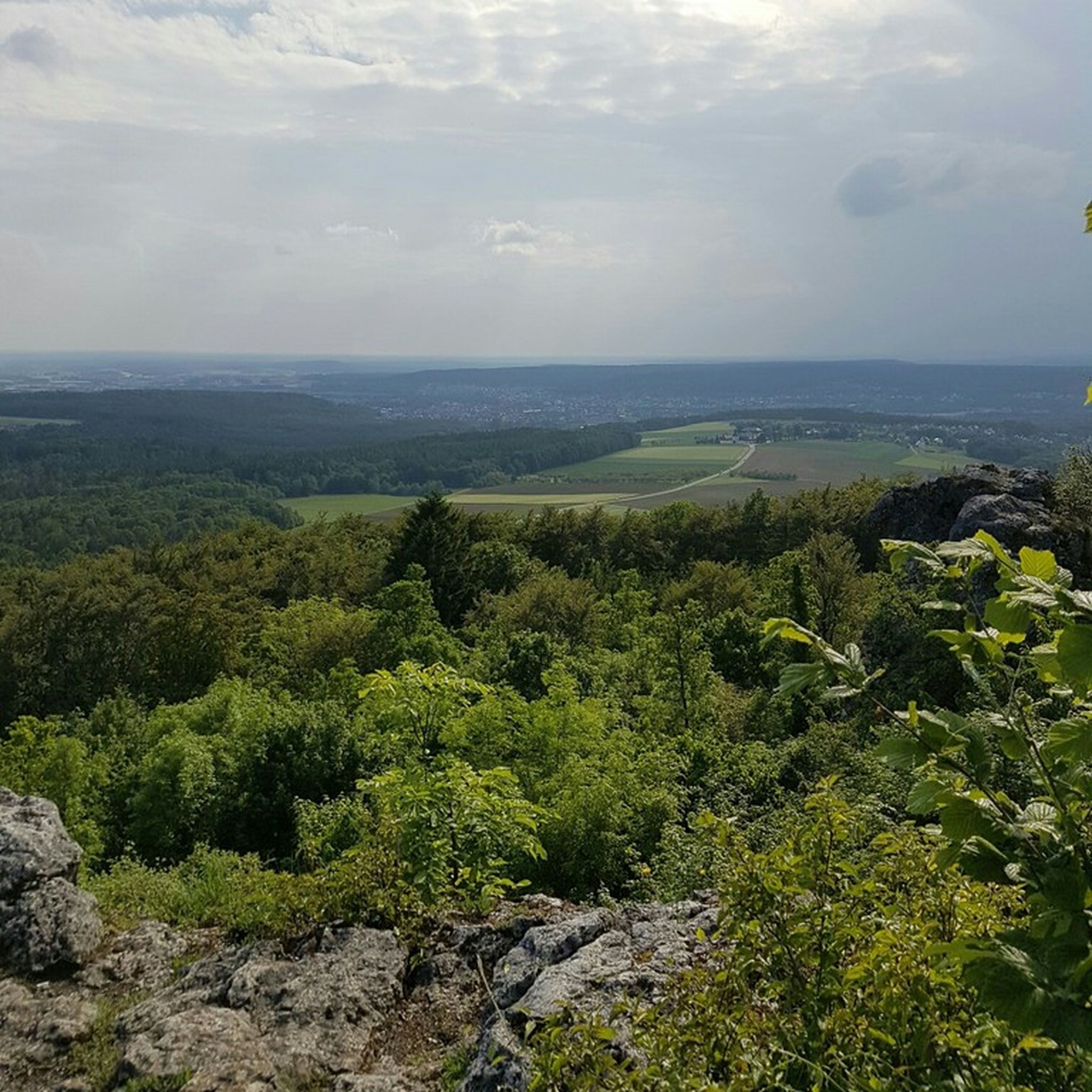
View of Kirchehrenbach from the Pre-Summit Cross
Highlight • Viewpoint
Translated by Google •
Tip by

Leinleiter Dry Valley
Highlight (Segment) • Gorge
In summer you only run in the sun, unfortunately no shade. But beautiful in every season.
Translated by Google •
Tip by

Sign up for free to discover even more natural monuments around Buttenheim.
Already have an account?
Start today with a free account
Your next adventure awaits.
Tips from the Community

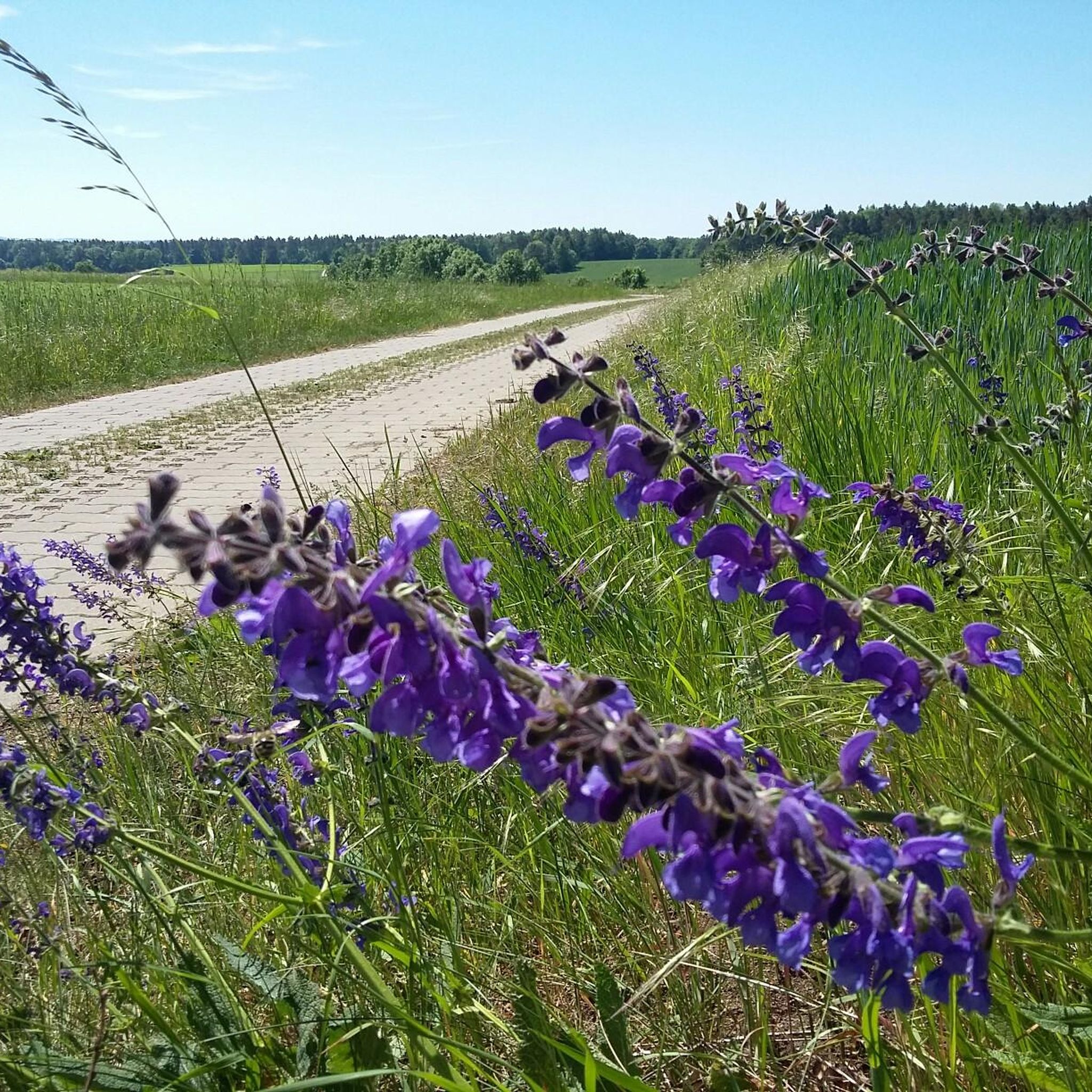
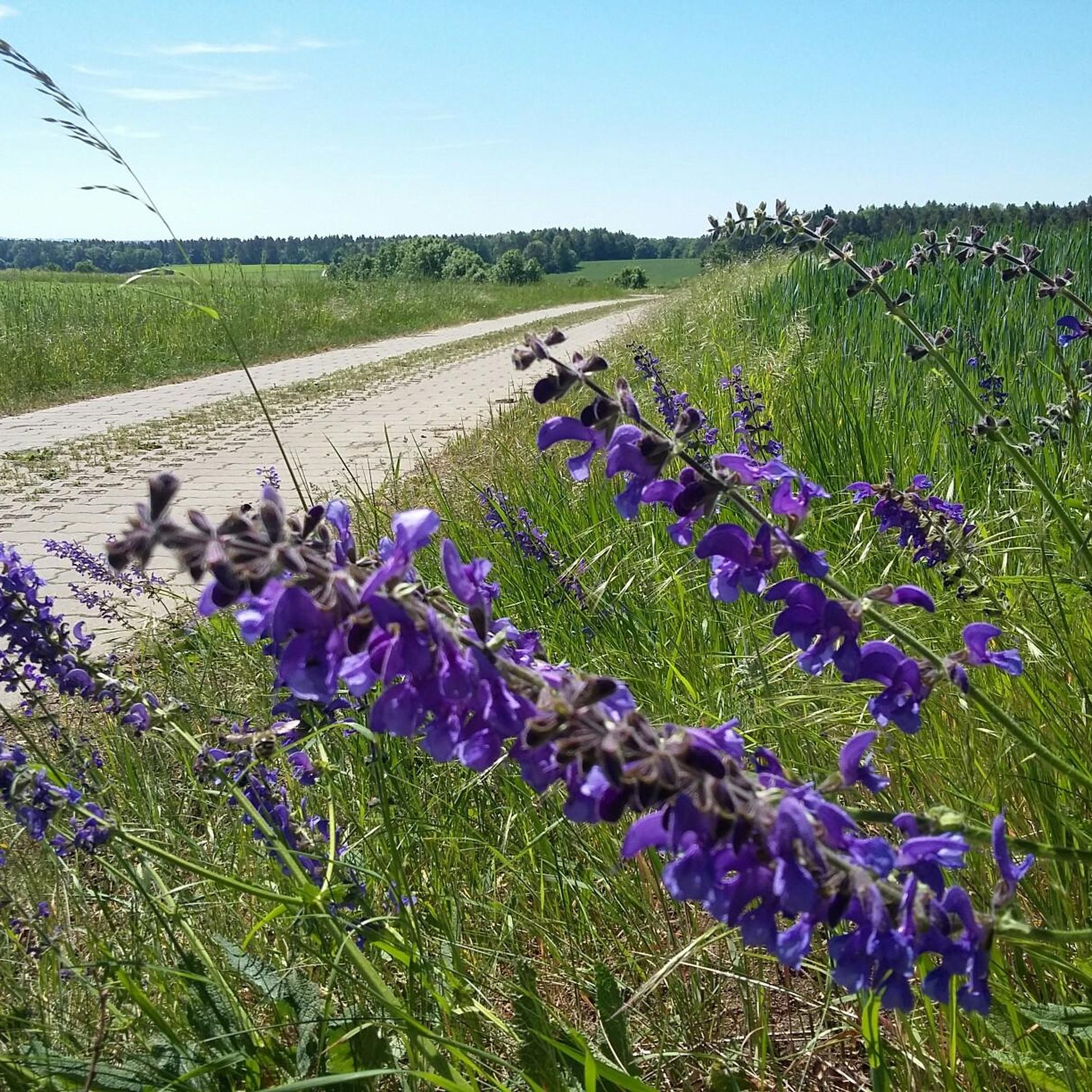
A beautiful, winding dry valley with lean grassland slopes. When the snow melts and after long periods of rain, the tumbleweeds transform the valley into a watery landscape.
7
0

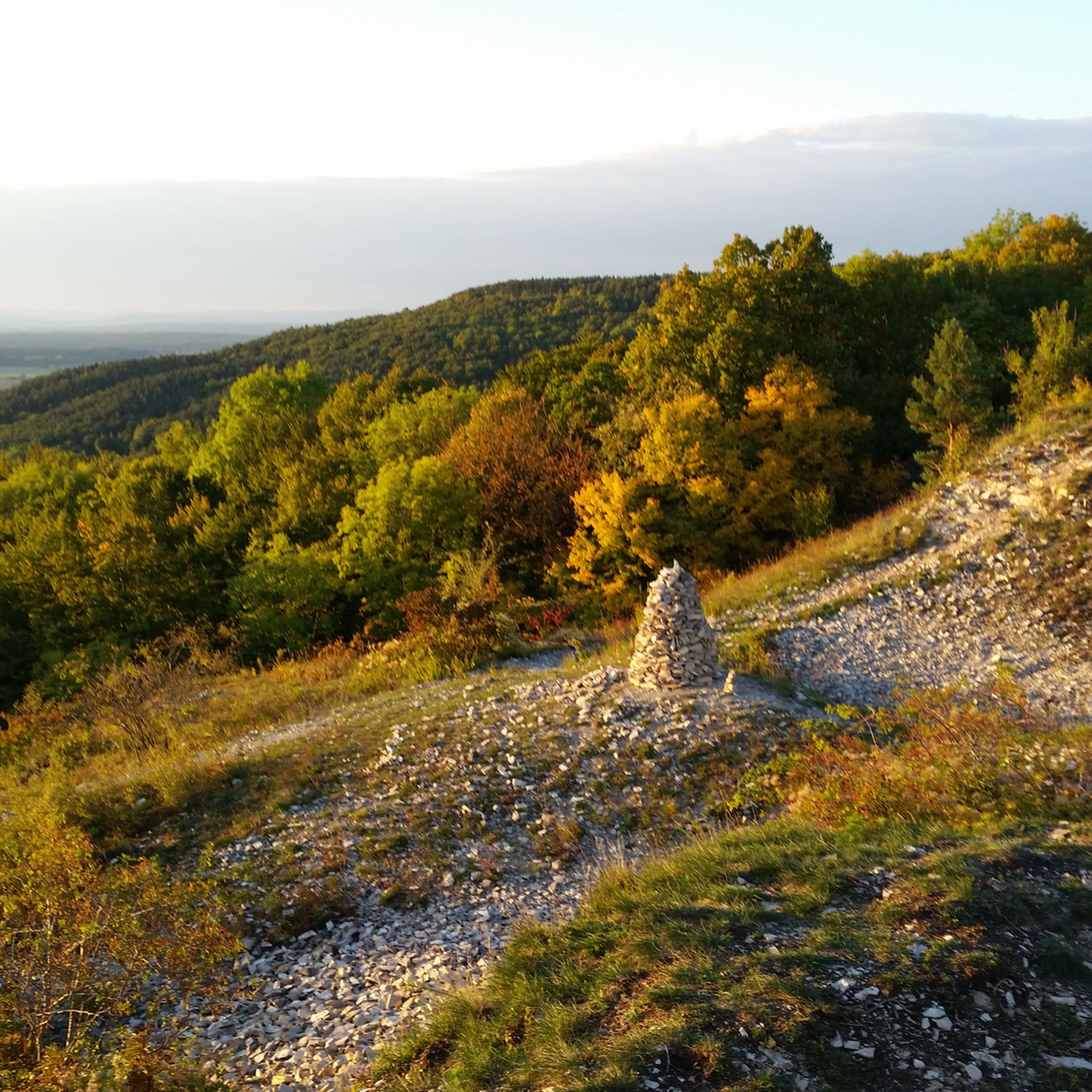
At almost any time of the year you have a beautiful view of Kirchenehrenbach and the surrounding region from here
5
0

The dry valley lives up to its name here. Only the source of the Leinleiter is still bubbling. Nevertheless, a beautiful valley for hiking.
5
0

We were there in April 2023. One of the most beautiful valleys you can hike through. If they hadn't found a place for the Shire in New Zealand, here would be one.
4
0

From here you have the first view. Now it's not far up 🤗 catch one more breath on the bench and let's go!
6
0

There are also several benches for a rest at the beautiful, today murmuring, shell spring.
8
0

This natural spectacle is simply to be recommended, after prolonged rainfall and snowmelt, the otherwise dry valley is transformed into an active water landscape that meanders through the valley. Don't forget rubber boots.
14
4

From Wikipedia: The shell spring is located in Franconian Switzerland northeast of Streitberg below the "Gatten Wand" in a narrow, rock-enclosed valley. At the upper end, in addition to the shell spring, there are two other small springs whose water is fed into a Kneipp facility . The spring water of the Muschelquelle comes to light as a layer spring from marls of the Upper Jura. It deposits calcareous tuff that was mined for a time in a large area below the source. This was created in the warm period about 120,000 years ago. The spring house of the shell spring was built from these calcareous tuff stones in 1910, which was used until 1968 to supply drinking water to the surrounding villages.
8
0
Frequently Asked Questions
What kind of natural features can I explore around Buttenheim?
The Buttenheim area, situated in Franconian Switzerland, is rich in diverse natural features. You can explore fascinating subterranean caves like the Bing Cave near Streitberg, known for its stunning stalactite and stalagmite formations, or the Teufelshöhle (Devil's Cave) near Pottenstein, the largest karst cave in the region. The area also features unique tufa formations, such as the Lillach Tufa Terraces, where calcium-rich groundwater creates intricate structures. Additionally, geological sites like the Holzbachacker Clay Pit offer insights into ancient geological processes and paleontology.
Are there family-friendly natural monuments to visit around Buttenheim?
Yes, several natural monuments in the area are suitable for families. The Ruins of Neideck Castle offers panoramic views from its main tower, which can be an exciting climb for children. The Shell Spring provides a pleasant resting spot with seating and a playground. Many of the caves, such as Bing Cave and Teufelshöhle, offer guided tours that are educational and engaging for all ages. The Leinleiter Dry Valley is also a great spot for a family walk, especially after rain when it transforms into a watery landscape.
What historical or cultural significance do some of the natural monuments hold?
Beyond their natural beauty, some sites carry historical weight. The Ruins of Neideck Castle and Ruins of Streitburg Castle are remnants of high medieval noble castles, offering glimpses into the region's past. The Feme Cave (Ulrichstein Cave) is linked to a Feme court, adding a layer of historical mystique. The Jungfernhöhle (Maiden's Cave) is a site of archaeological intrigue, where remains from around 5100 BC were discovered, believed to be victims of a cult celebration, commemorated by a nearby Black Cross.
Are there hiking opportunities near the natural monuments around Buttenheim?
Absolutely. The region offers numerous hiking trails that allow you to explore these natural wonders. For mountain hikes, you can find routes like the 'Neideck Castle Ruins – Ruins of Streitburg Castle loop' from Streitberg. If you're interested in tufa formations, there are 'Waterfall hikes' that include the Deichselbach Tufa Terraces. You can find more detailed information and routes in the Mountain Hikes around Buttenheim guide and the Waterfall hikes around Buttenheim guide.
Can I go cycling near the natural monuments in Buttenheim?
Yes, the area around Buttenheim is well-suited for cycling, with routes that pass by or offer views of natural monuments. You can explore various road cycling routes, such as the 'View of Rabeneck Castle – View of Neideck Castle Ruins loop'. For more options and detailed routes, refer to the Road Cycling Routes around Buttenheim guide.
What is the best time to visit the natural monuments around Buttenheim?
The natural monuments around Buttenheim can be enjoyed year-round, each season offering a unique experience. Spring and autumn are ideal for hiking, with pleasant temperatures and vibrant foliage. In spring, tufa formations like the Lillach Tufa Terraces are particularly striking with abundant water flow. Summer offers a cool escape in the caves, which maintain a constant temperature of about nine degrees Celsius. Even after prolonged rainfall or snowmelt, the Leinleiter Dry Valley transforms into an active water landscape, creating a unique spectacle.
Are there any natural monuments around Buttenheim that are particularly good for geology or paleontology enthusiasts?
For those interested in geology and paleontology, the Holzbachacker Clay Pit (also known as Tongrube Holzbachacker/Altendorf) near Buttenheim is a significant site. It exposes Lower Jurassic strata, rich in fossils from the Upper Pliensbachian and Lower Toarcian periods. It offers a unique opportunity to search for fossils, including notable pyrite crystals. The caves, such as Teufelshöhle, also showcase millions of years of geological processes through their impressive dripstone formations.
What do visitors enjoy most about the natural monuments in this region?
Visitors frequently appreciate the geological significance and unique natural beauty of the area. The opportunity to explore ancient caves, marvel at tufa formations, and witness the transformation of the Leinleiter Dry Valley after rain are often highlighted. Many also enjoy the panoramic views from spots like the Ruins of Neideck Castle and the View of Kirchehrenbach from the Pre-Summit Cross, as well as the historical context provided by the castle ruins and intriguing caves.
Are there any natural monuments around Buttenheim that are dog-friendly?
Many outdoor natural monuments, such as the Leinleiter Dry Valley and trails leading to viewpoints like the View of Kirchehrenbach from the Pre-Summit Cross, are generally dog-friendly, provided dogs are kept on a leash and owners clean up after them. However, specific rules may apply to indoor attractions like show caves, so it's advisable to check with individual sites beforehand regarding pet policies.
Are there any hidden natural gems or lesser-known spots worth discovering?
While the major caves and castle ruins are well-known, the Feme Cave (Ulrichstein Cave) offers a more rugged exploration experience for those seeking something less commercial. The Jungfernhöhle (Maiden's Cave), with its dark archaeological history, provides a unique blend of natural and historical intrigue. The Holzbachacker Clay Pit, though not a scenic monument, is a hidden gem for geology enthusiasts. Exploring the numerous smaller tufa creeks and rock formations mentioned in hiking routes near Ketschendorf can also reveal charming, less-trafficked spots.
What are the typical geological formations found in the natural monuments near Buttenheim?
The natural monuments near Buttenheim are primarily characterized by formations typical of Franconian Switzerland, which is a karst landscape. This includes extensive cave systems with impressive stalactites and stalagmites, formed from dissolved limestone. You'll also find distinctive limestone cliffs, dry valleys (like the Leinleiter Dry Valley), and unique tufa formations, which are porous calcium carbonate rocks built up by mineral-rich springs. The region's geology also includes exposed Lower Jurassic strata, as seen in the Holzbachacker Clay Pit.
Most popular routes around Buttenheim
Most popular attractions around Buttenheim

Get inspired with the komoot mobile app


Explore more
Extend your search for the best caves by checking out these guides of the top ones around Buttenheim:
