Top 20 Natural Monuments on Borkum
Natural monuments on Borkum, the largest of Germany's East Frisian Islands, encompass a diverse array of pristine landscapes. The island is characterized by shifting sand dunes, extensive wetlands, and significant ecological areas, much of which falls within the UNESCO World Heritage Wadden Sea. These sites offer unique experiences centered on rich biodiversity and ecological importance. Visitors can explore a dynamic natural environment and observe a multitude of wildlife.
Best natural monuments on Borkum
- The most popular natural monuments is Tüskendörsee…
Last updated: July 7, 2026
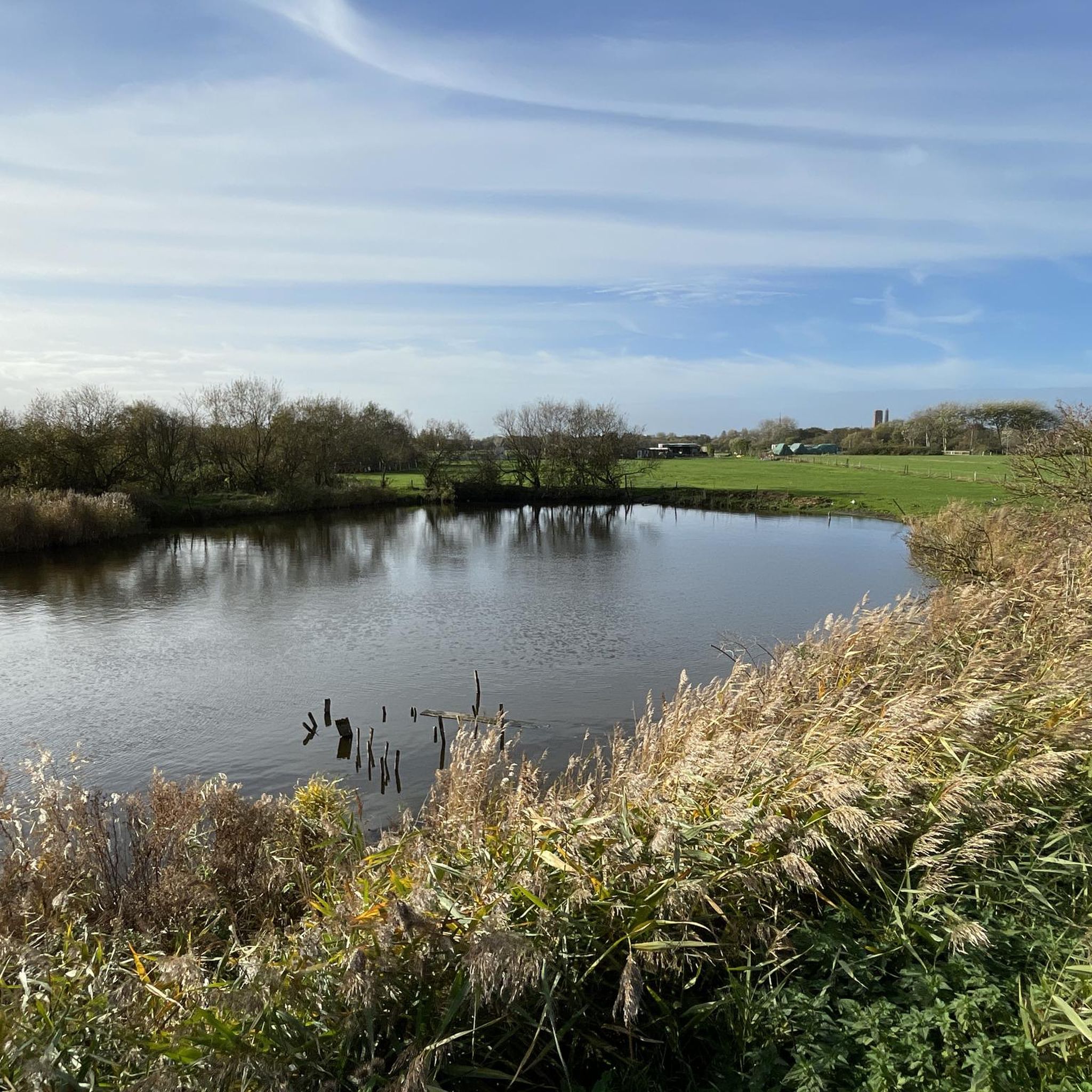
Tüskendörsee Nature Reserve
Highlight • Lake
Translated by Google •
Tip by

Greune Stee Nature Reserve
Highlight • Forest
Translated by Google •
Tip by

Sign up now to discover places like this
Get recommendations on the best single tracks, peaks, & plenty of other exciting outdoor places.
Sign up for free
View of Ruhezone I/8 from the dike
Highlight • Viewpoint
Translated by Google •
Tip by

Ruhezone I/8 Conservation Area
Highlight • Natural
Translated by Google •
Tip by

Northwesternmost Point of Germany
Highlight • Monument
Translated by Google •
Tip by

Sign up for free to discover even more natural monuments on Borkum.
Sign up for free
Already have an account?
Start today with a free account
Your next adventure awaits.
Login or Signup
Popular around Borkum
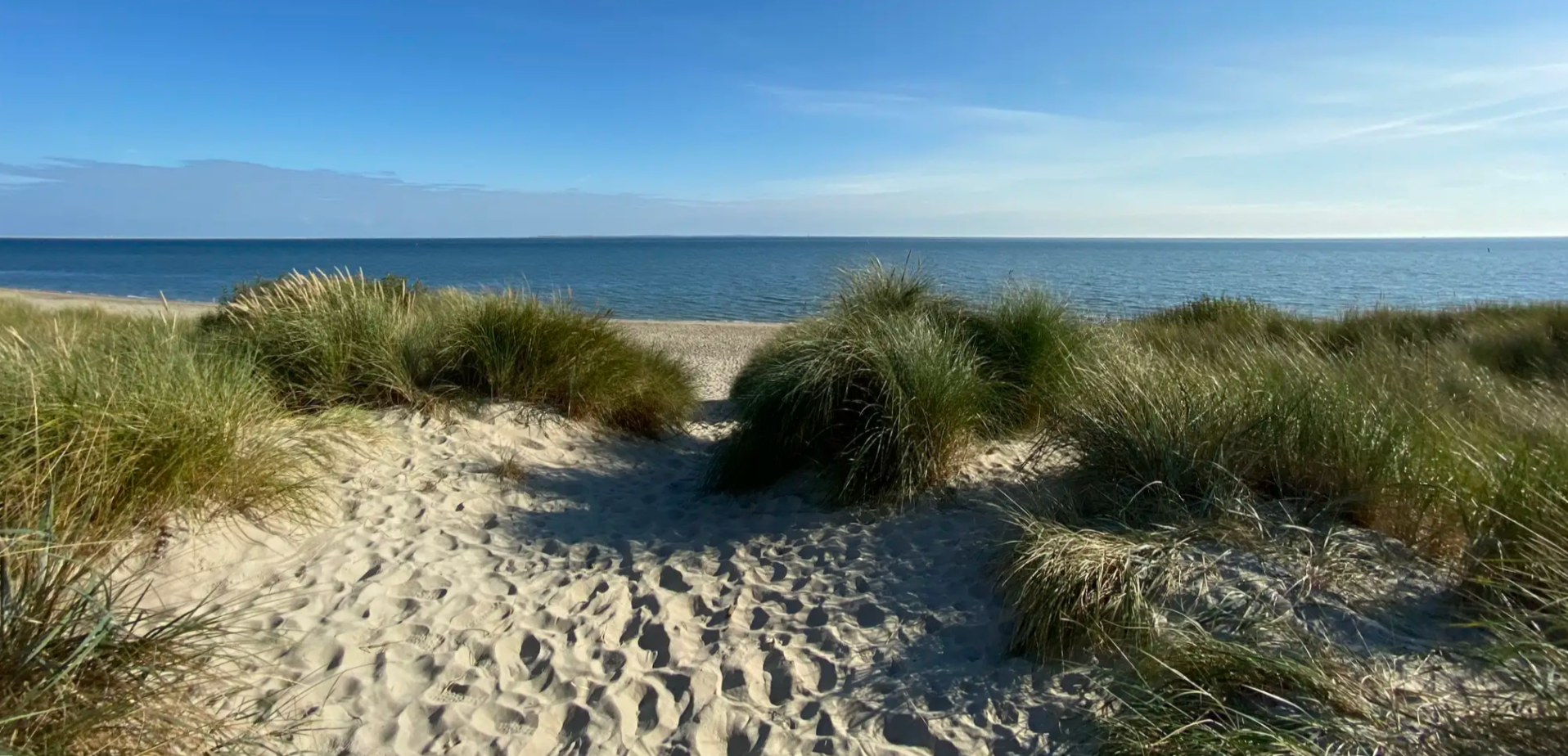
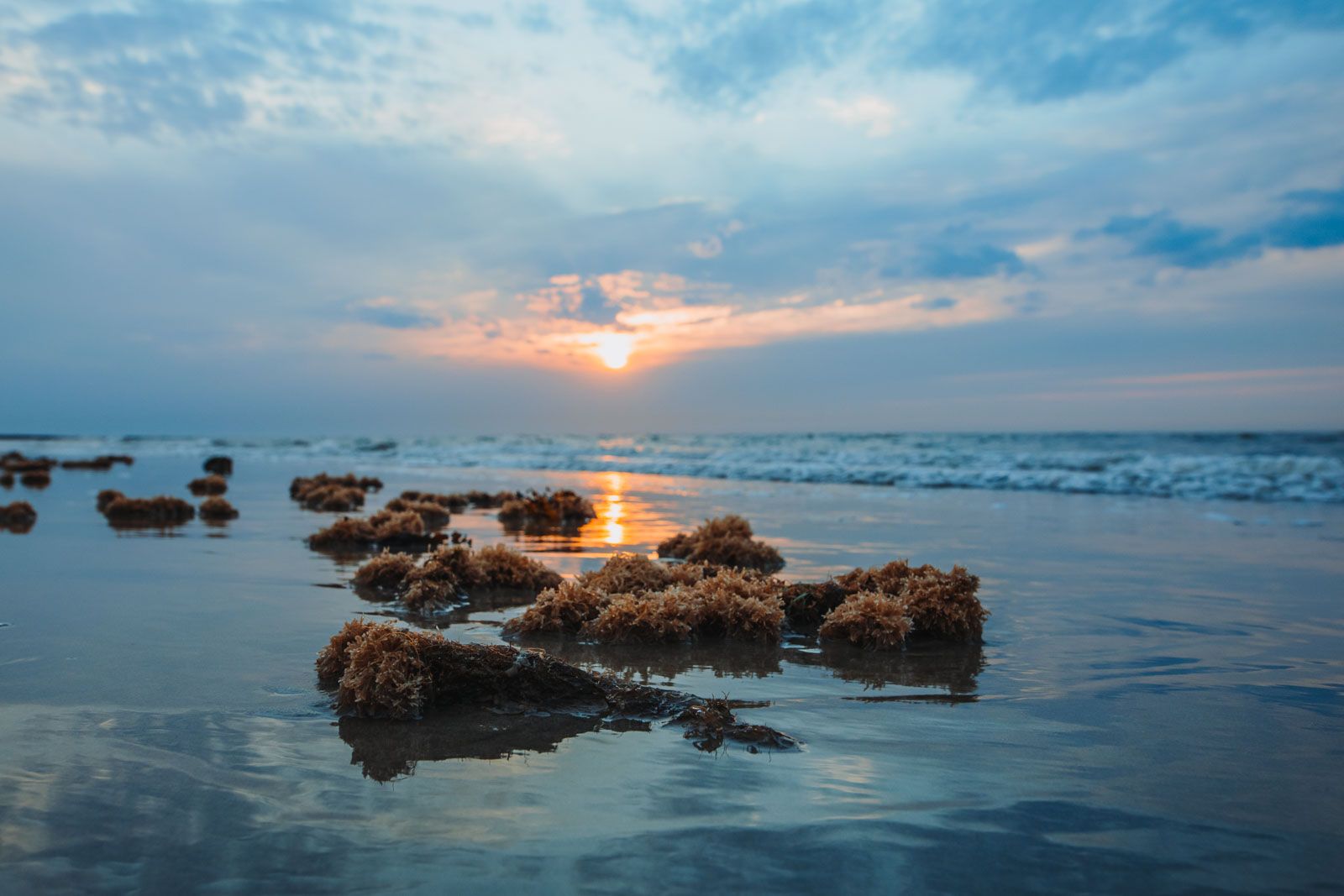
Regional Trail WaddenWalking (SP 04) - Hiking across the Wadden Sea.
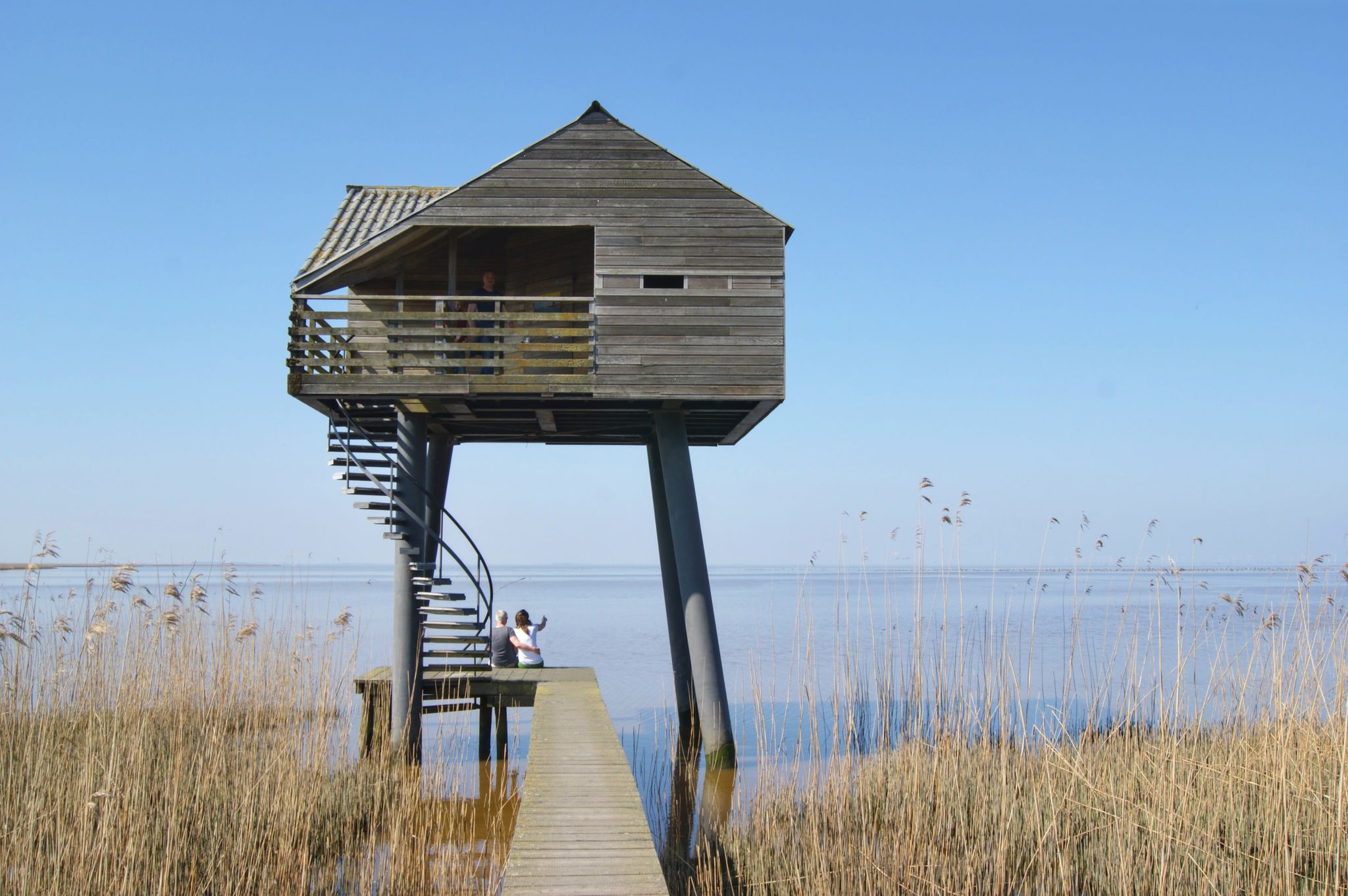
Experience East Frisia and the Netherlands on the Dollard Route
Sand between your toes — hiking on Germany’s East Frisian Islands
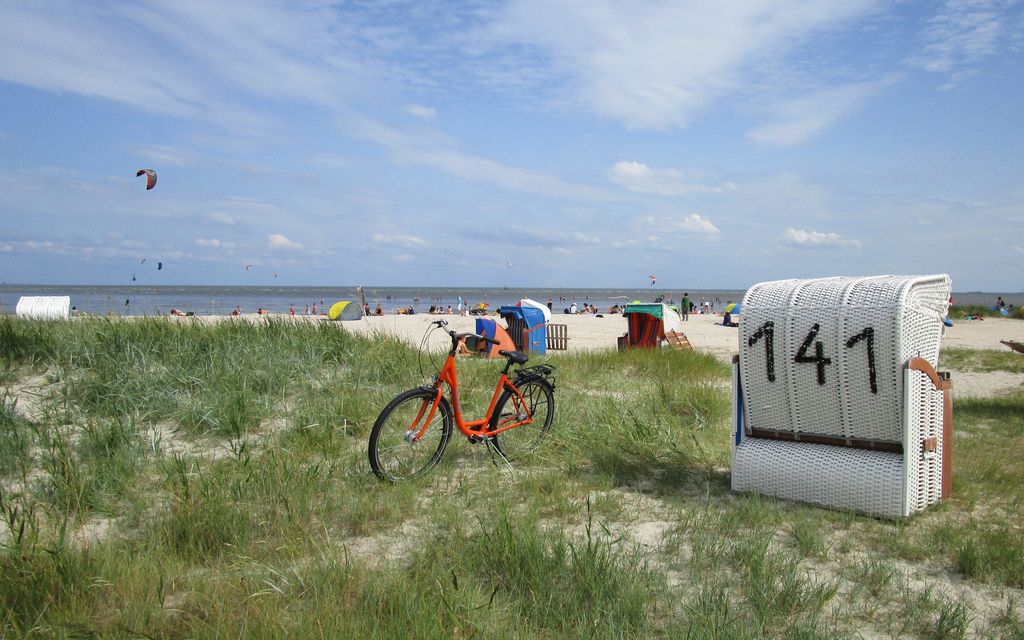
Through the land of wide horizons — Cycling holidays in East Frisia
Cycling on Borkum
Hiking on Borkum
Running Trails on Borkum
MTB Trails on Borkum
Road Cycling Routes on Borkum
Other adventures on Borkum


Tips from the Community

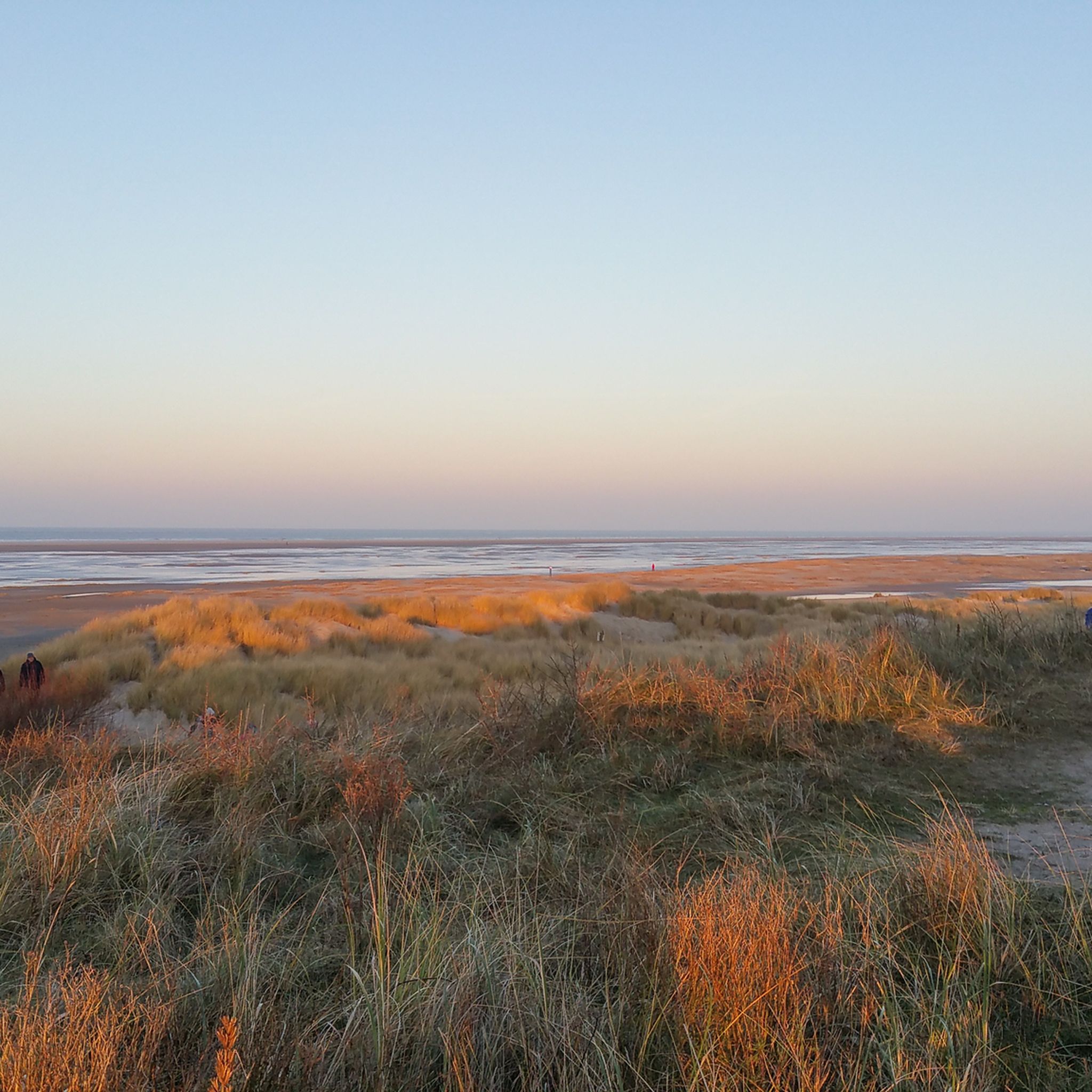
Low German for "Green Place" - part of an old dune landscape on Borkum. The Greune Stee is a transitional area between dunes, forest, and heath. It is considered one of the few areas on the East Frisian Islands where natural dune forest has developed. Typical features include: • Dune landscape with partially vegetated sand dunes • Deciduous and coniferous forest (e.g., birch, pine, oak) • Heath and grassland areas • Protected habitats for numerous bird species and insects When using the area, especially the paved paths, please be mindful of the many slow walkers, some with dogs. You should slow down. Best viewpoint: Herrmannshöhe at the corner of Greune Stee Weg and Jakob van Dyken Weg.
2
0

Watt for watt. Great view
2
0

The natural landscape of Greune Stee is unique on the East Frisian Islands. It lies south of the island and is criss-crossed with numerous cycling and hiking trails. Many dunes and valleys characterize the landscape, as does the large marsh forest with its damp valleys, which in some places looks as if it were an enchanted moor. Forests are not normally native to the East Frisian Islands. It is all the more astonishing that there is a forest area of around 80 hectares on the southern part of Borkum. In the 1870s there was a depression at this point that was very wet due to groundwater. The good conditions meant that a lot of lush grass grew. For this reason, the farmers and herders called this place "Greune Stee", which means "green place".
8
1

Always infinitely beautiful 💯
2
0

The dune landscape of the island of Borkum is repeatedly interrupted by small mixed forests. The largest forest on the island is the "Greune Stee" (green spot). This is a typical stunted forest.
9
1

Great cycling and hiking trail. Here too, you need to drive carefully...don't speed. Hey mountain bikers, the super-wide handlebars on your vehicles are not designed for cycle paths. So it's better to stop when there's oncoming traffic or drive onto the grass to avoid accidents.
10
1
Always a nice “stop destination” to linger and enjoy the view and unwind 💯
2
0

A must. One of the most beautiful places on Borkum. A tip: set off early in the morning in the dark with a good flashlight. And wait there on the benches with a great drink until it gets light. Then the dune landscape towards the sea slowly becomes visible. Great!
3
0
Frequently Asked Questions
What makes the Wadden Sea on Borkum a significant natural monument?
The Wadden Sea, a UNESCO World Heritage Site, covers 81 percent of Borkum's area. It's a vast intertidal zone with shifting sand dunes and diverse flora and fauna, including seal colonies. It's a crucial habitat for harbor seals, grey seals, porpoises, and an important resting place and nursery for migratory birds and fish. Visitors can explore through guided mudflat hikes to witness this dynamic natural environment and learn about its rich ecosystem.
Beyond the most popular, what other natural monuments are worth exploring on Borkum?
While Tüskendörsee Nature Reserve, Greune Stee Lowland Forest, and the Northwesternmost Point of Germany are very popular, you might also enjoy the Steerenklipp Observation Dune. This observation dune offers a unique view over Borkum's natural landscape, including the wild Steerenk-Klipp Dunes, and on clear days, you can even see the bird island of Memmert and neighboring islands.
What kind of wildlife can I expect to see at Borkum's natural monuments?
Borkum's natural monuments are rich in wildlife. At the Wadden Sea, you can observe seal colonies, harbor seals, grey seals, and porpoises. The Tüskendörsee Nature Reserve is a vital bird sanctuary, attracting many native and migratory birds, including various duck species, waders, and gulls. Greune Stee Lowland Forest is a significant breeding ground for swamp birds like marsh harriers and shovelers, and if you move quietly, you might even spot deer.
Are there family-friendly natural monuments on Borkum?
Yes, several natural monuments on Borkum are great for families. The Tüskendörsee Nature Reserve is ideal for birdwatching, often with national park staff providing insights. The Greune Stee Lowland Forest offers peaceful walks on both paved and unpaved paths. The Northwesternmost Point of Germany is easily accessible and provides panoramic views, making it a pleasant stop for all ages.
Can I go birdwatching at Borkum's natural monuments?
Borkum is an excellent destination for birdwatching. The Tüskendörsee Nature Reserve is a prime spot, known as a magnet for native and migratory birds. You can often find national park staff on the dike with spotting scopes, offering insights into the island's bird life. The Greune Stee Lowland Forest is also a significant breeding ground for swamp birds.
What kind of trails are available for exploring Borkum's natural monuments?
Borkum offers a variety of trails for exploring its natural monuments. In Greune Stee Lowland Forest, you'll find both paved and unpaved walking paths through dunes, forests, moors, and salt marshes. The Northwesternmost Point of Germany is easily accessible via cycling and hiking trails along the coast. For more extensive hiking, you can explore routes like the 'Salt Marshes of the North Sea – Greune Stee Lowland Forest loop' which is an easy 5.5 km hike.
Is it possible to explore Borkum's natural monuments by bike?
Yes, Borkum is very bike-friendly, and many natural monuments are accessible by cycling trails. For example, the Northwesternmost Point of Germany is directly on a cycling path. You can find easy cycling routes like the 'Lightship Borkumriff – Greune Stee Nature Reserve loop' which is about 16.5 km long, allowing you to experience the diverse landscapes.
What is the best time to visit Borkum's natural monuments?
The best time to visit Borkum's natural monuments largely depends on your interests. Spring and autumn are ideal for birdwatching, as the island is a crucial resting place for migratory birds. Summer offers pleasant weather for exploring the Wadden Sea and enjoying walks. The tranquil atmosphere of places like Greune Stee Lowland Forest can be enjoyed year-round, though be mindful of mosquitoes in summer.
Are there any historical or symbolic landmarks among Borkum's natural monuments?
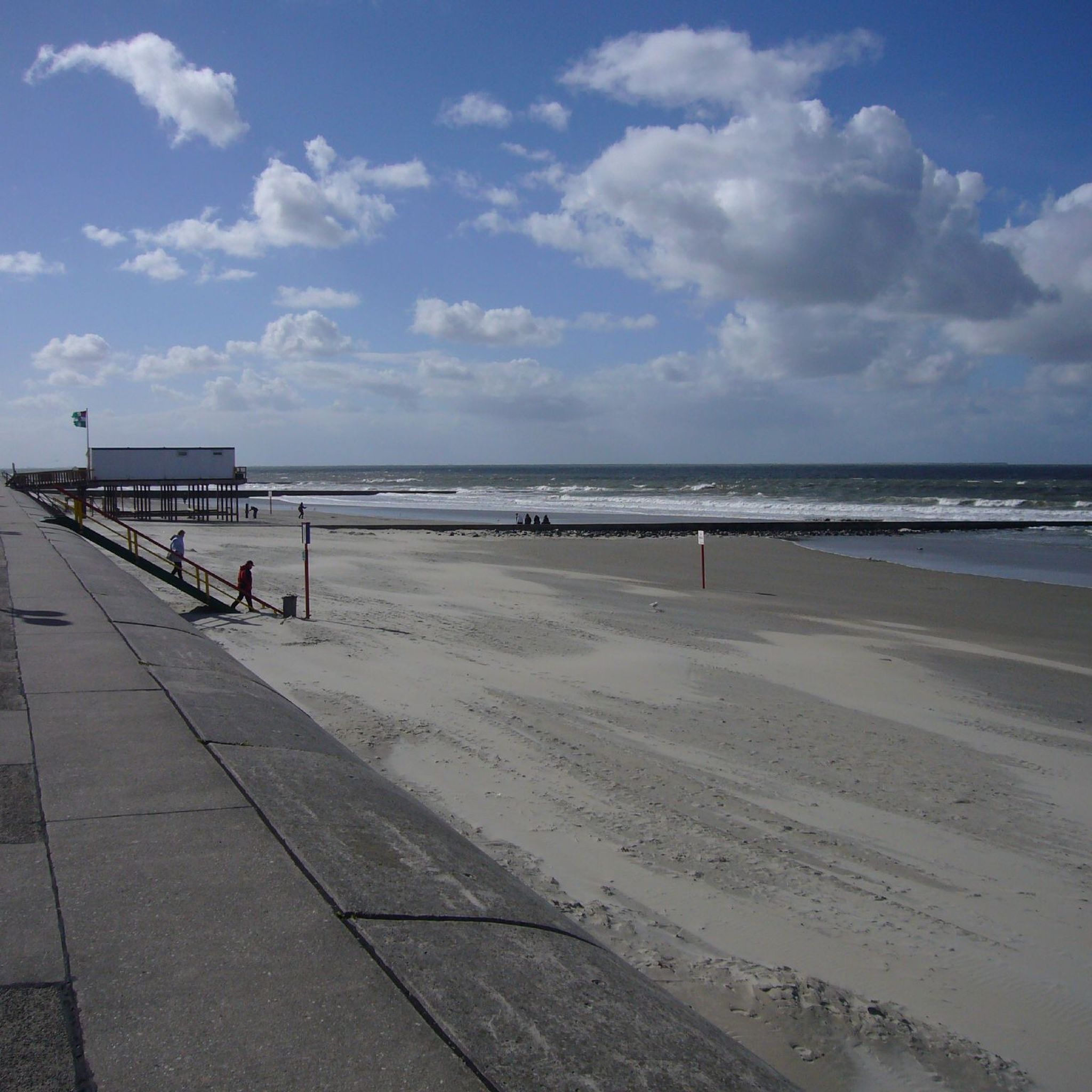
Yes, the Northwesternmost Point of Germany is a significant symbolic landmark. Located on the upper beach promenade, it features benches and an interesting compass rose, marking Borkum's unique geographical position. Information boards on a green and white wooden post also provide insights into Borkum's history.
Are there any natural monuments on Borkum that offer panoramic views?
Absolutely. The Northwesternmost Point of Germany offers breathtaking panoramic views over the dunes and the North Sea. Another excellent spot is the Steerenklipp Observation Dune, which provides a unique vantage point over the extensive natural landscape of Borkum, and on clear days, you can see neighboring islands.
What do visitors enjoy most about Borkum's natural monuments?
Visitors particularly enjoy the tranquility and diverse natural beauty. Many appreciate the opportunity for peaceful walks and excellent birdwatching in areas like Tüskendörsee Nature Reserve and Greune Stee Lowland Forest. The panoramic views from spots like the Northwesternmost Point of Germany are also highly praised, offering a contemplative experience by the sea.
What are the unique characteristics of the Greune Stee Nature Reserve?
The Greune Stee Nature Reserve, meaning 'Green Place,' is a 60-hectare wetland biotop in the southern part of Borkum. It's unique for its dune landscape interspersed with forested marshland, formed when seawater infiltrated the land. This area is a significant breeding ground for swamp birds and home to various bird species and rare plants, offering tranquil walks amidst diverse vegetation.
Most popular routes on Borkum
Most popular attractions on Borkum

Get inspired with the komoot mobile app


Explore more
Extend your search for the best caves by checking out these guides of the top ones on Borkum:
