Top 14 Natural Monuments around Greetsiel
Best natural monuments around Greetsiel are primarily centered around the unique Wadden Sea ecosystem on the East Frisian coast. This region is characterized by vast tidal flats, salt marshes, and nature reserves. These areas offer opportunities for nature observation and outdoor activities, showcasing a diverse range of resilient plant and animal life. The landscape provides a setting for exploring coastal environments.
Best natural monuments around Greetsiel
- The most popular natural monument is Lower Saxony Wadden Sea National Park – Upleward…
Last updated: August 30, 2026
Lower Saxony Wadden Sea National Park – Upleward Tidal Flats
Highlight • Natural Monument
Translated by Google •
Tip by

Leyhörn Nature Reserve Birdwatching Hut
Highlight • Mountain Hut
Translated by Google •
Tip by

Sign up now to discover places like this
Get recommendations on the best single tracks, peaks, & plenty of other exciting outdoor places.
Sign up for free
Dike Workers Memorial near Kindertagland
Highlight • Monument
Translated by Google •
Tip by

Lowest Point in Germany (Freepsum)
Highlight • Natural Monument
Translated by Google •
Tip by

Deichschluss memorial stone on the North Sea dike
Highlight • Monument
Translated by Google •
Tip by

Sign up for free to discover even more natural monuments around Greetsiel.
Sign up for free
Already have an account?
Start today with a free account
Your next adventure awaits.
Login or Signup
Popular around Greetsiel
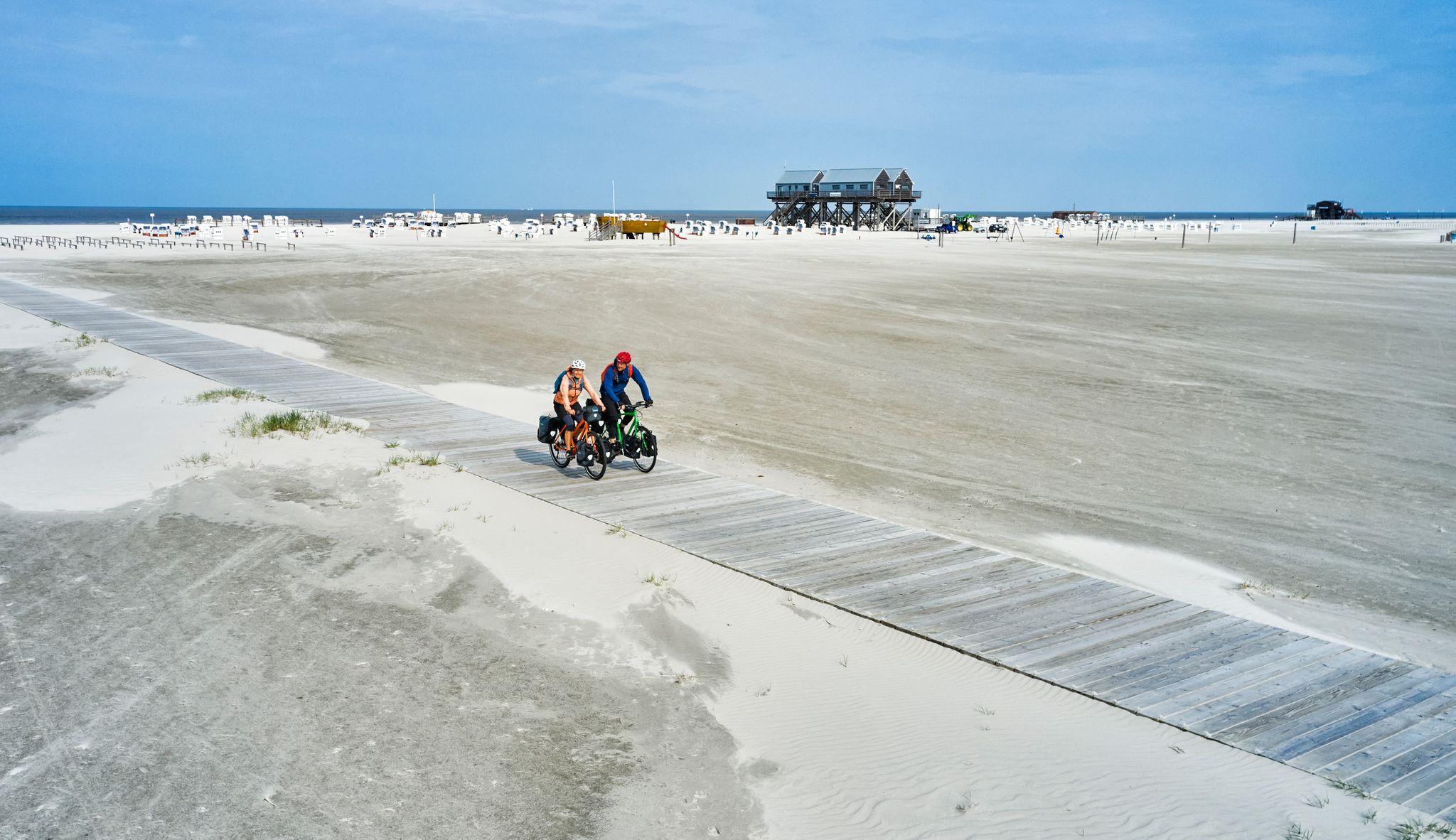
Nine hundred kilometres of pure freedom – North Sea Cycle Route
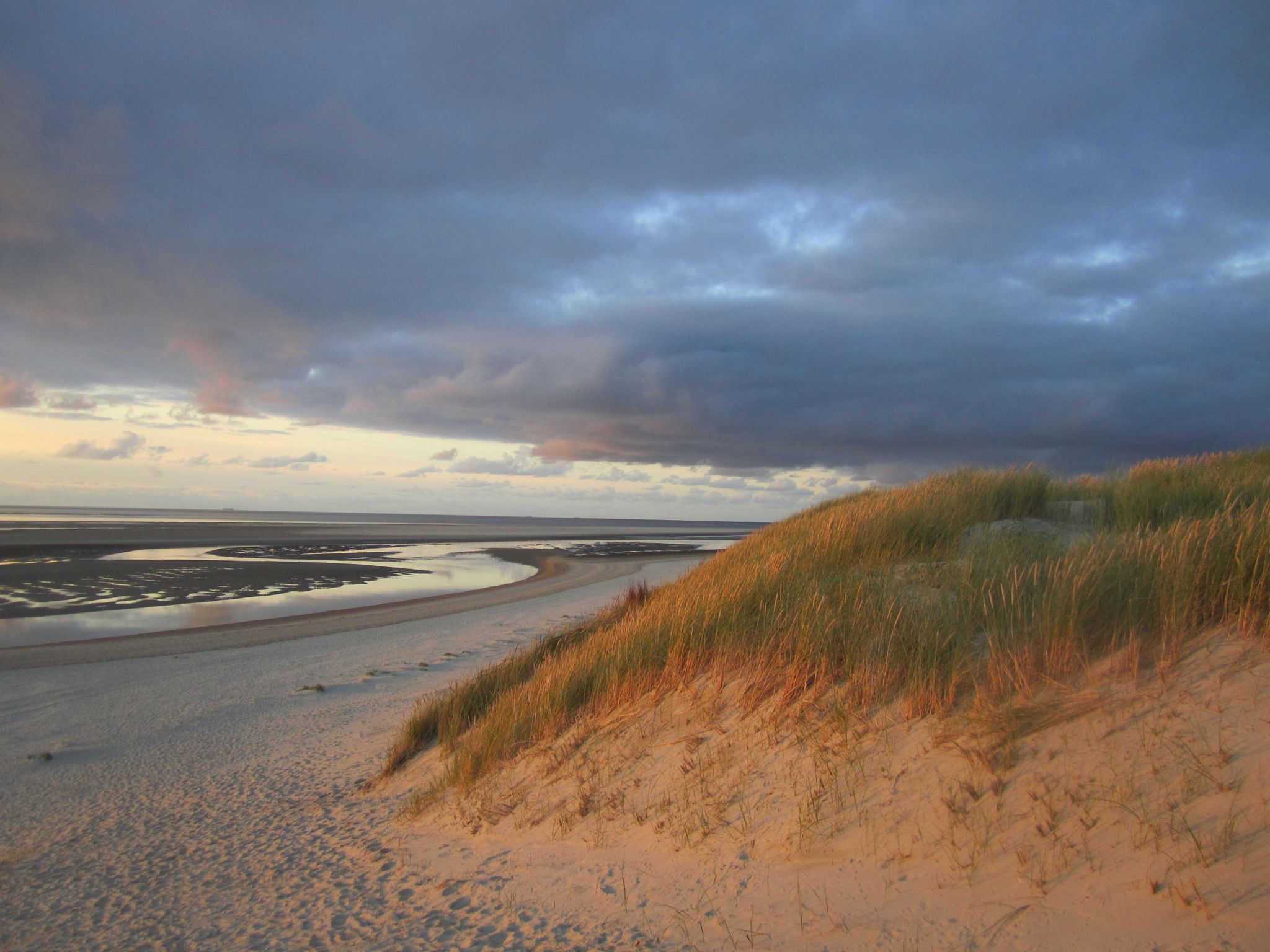
For real coastal lovers — long-distance hiking on Germany’s Störtebeker Trail
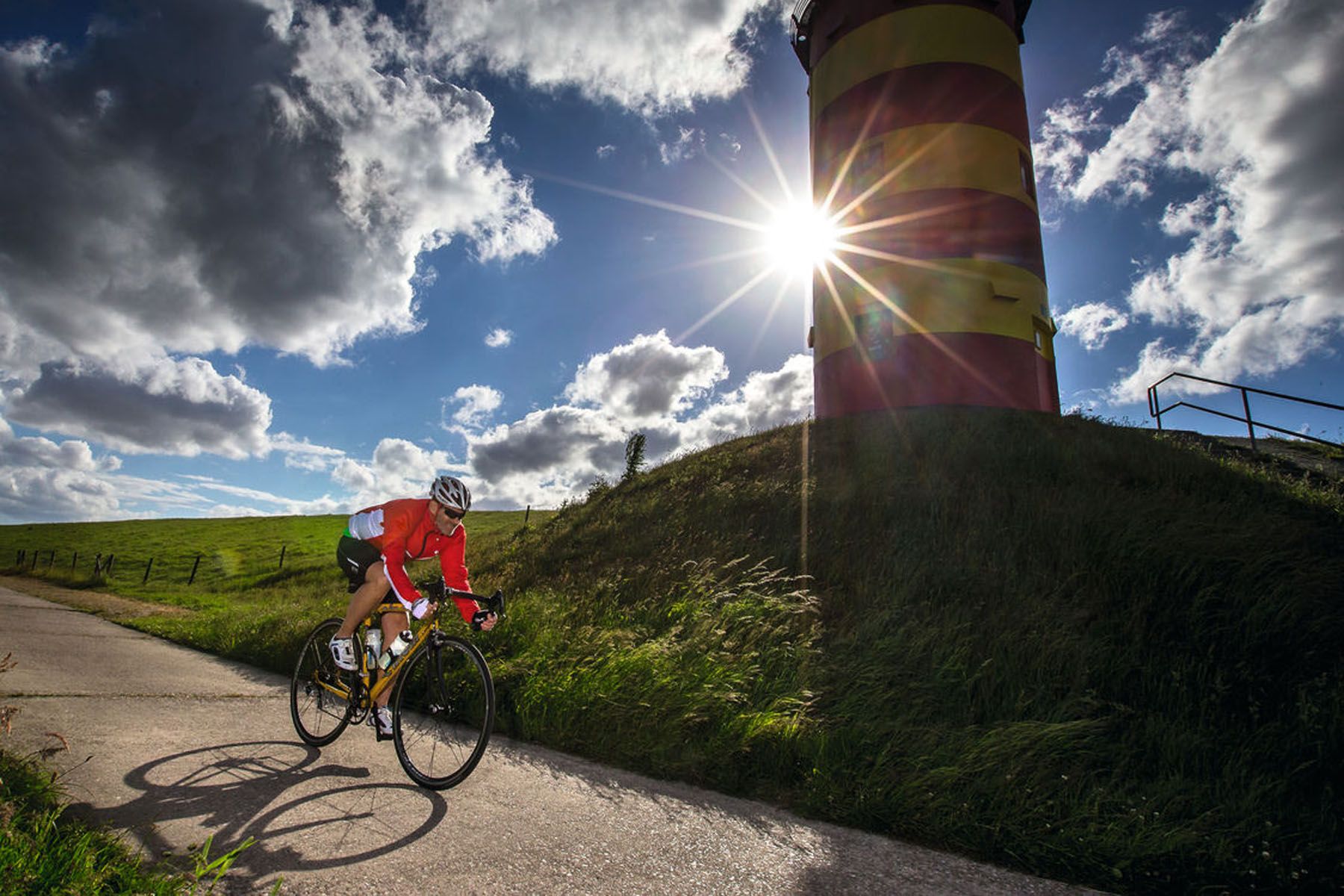
Nordsee: Road cycling tours in Ostfriesland
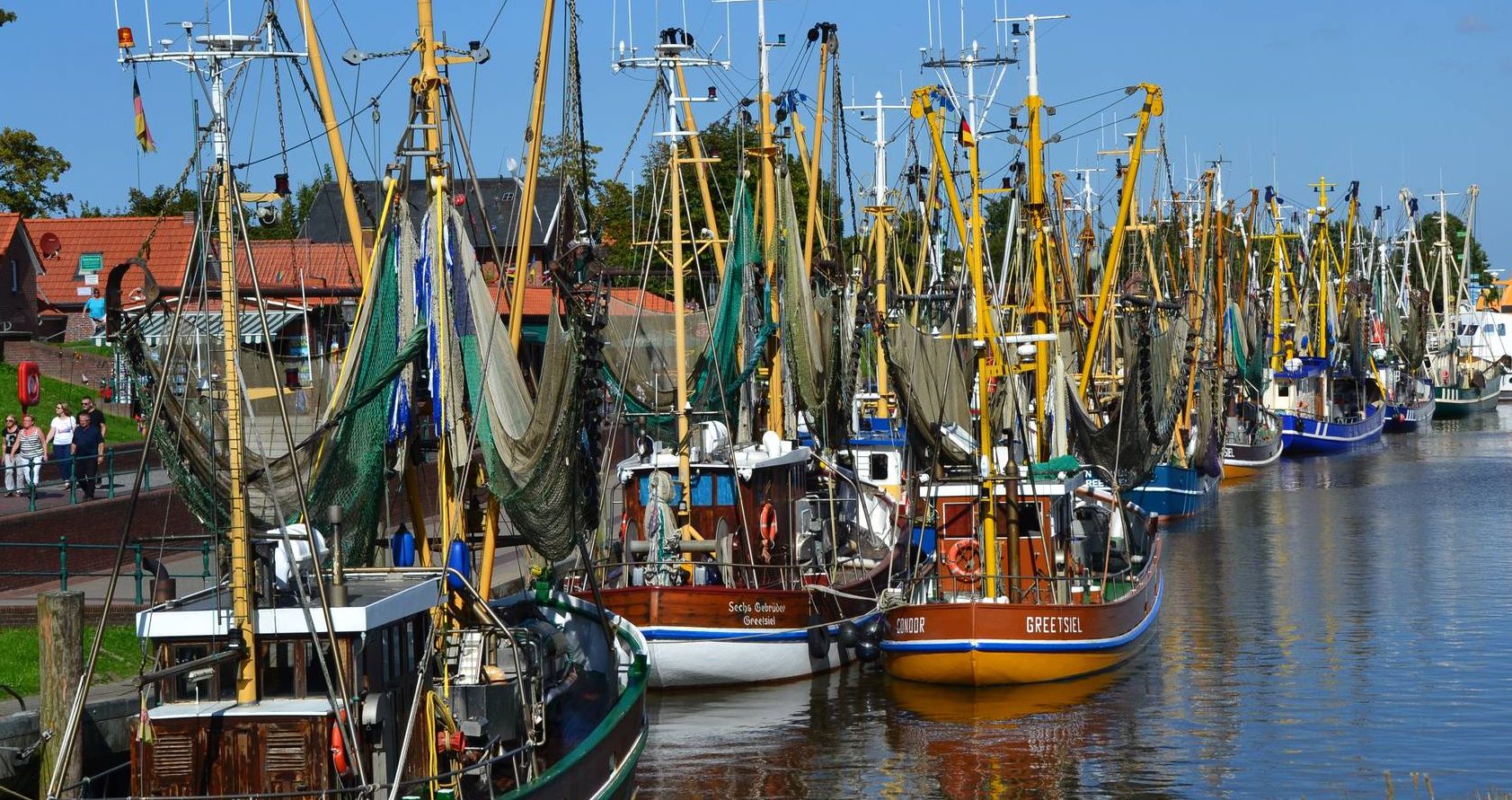
Picturesque fishing villages – North and Baltic Sea
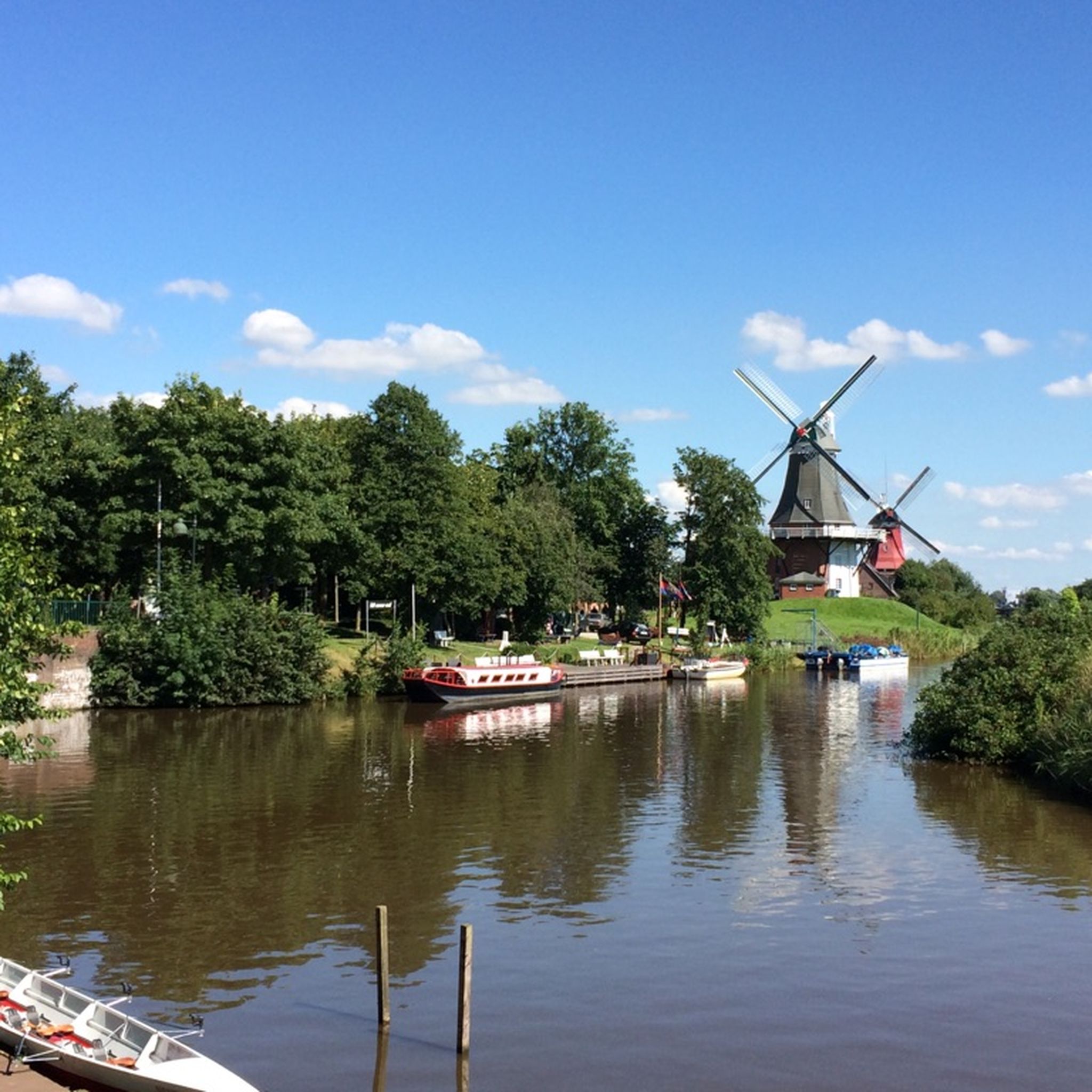
Cycling around Greetsiel
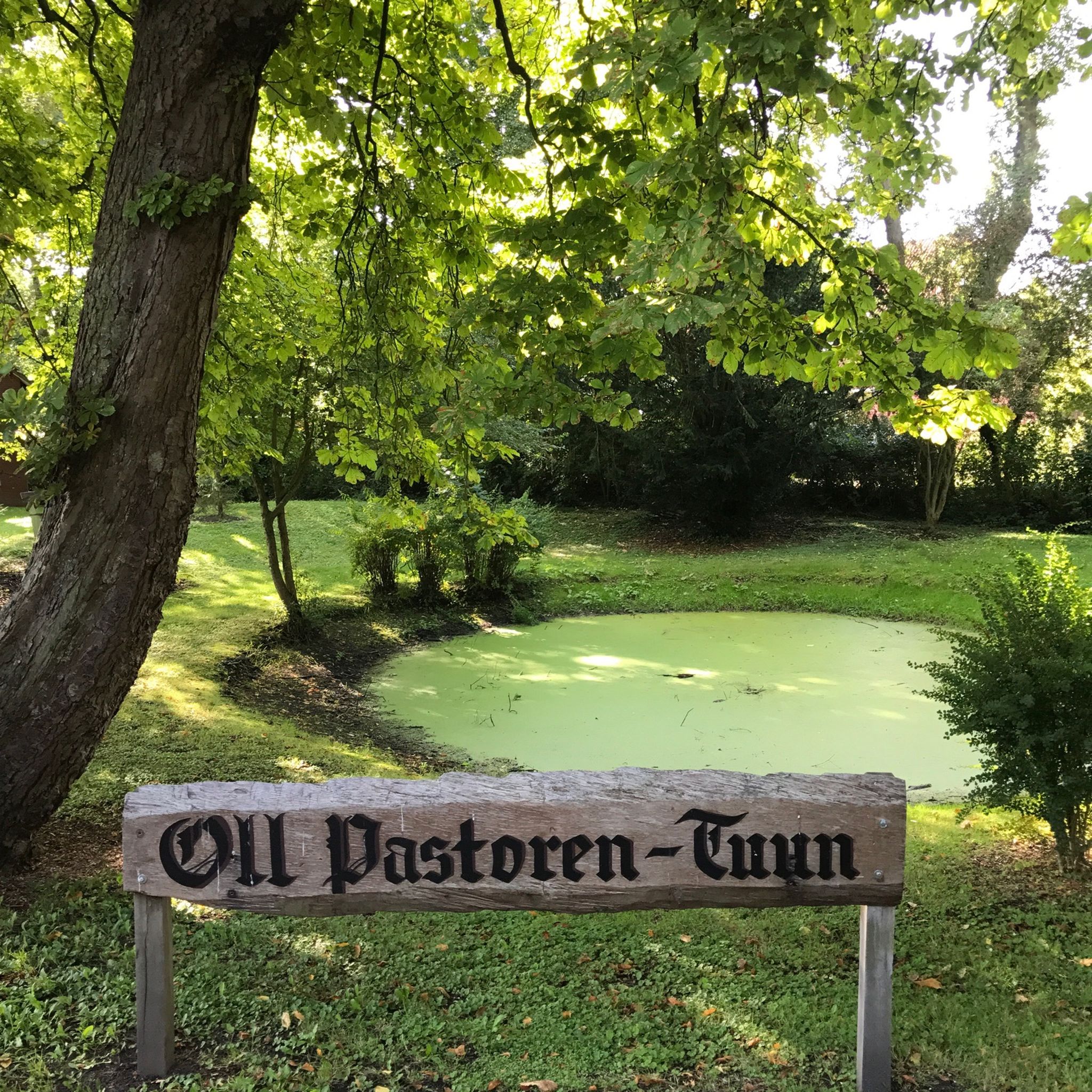
Hiking around Greetsiel
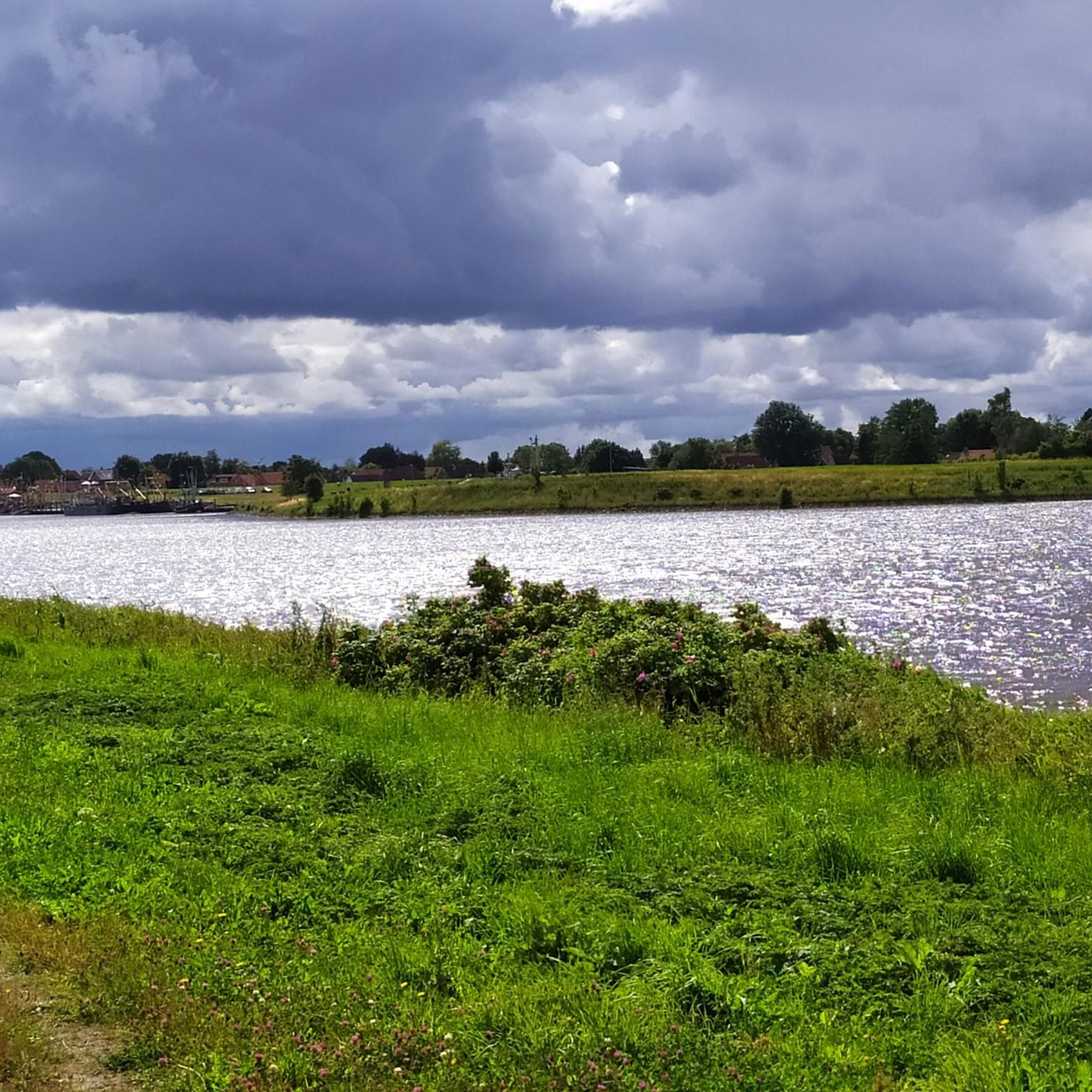
Road Cycling Routes around Greetsiel
MTB Trails around Greetsiel
Running Trails around Greetsiel
Other adventures around Greetsiel


Tips from the Community

Quiet rest area with two benches. View of the Pilsum lighthouse in the distance.
5
0

A memorial to the dike workers.
6
0

A memorial is a place of remembrance with a strong connection to important historical events or people, whether viewed positively or negatively. The gardens may be redesigned and monuments or memorials may be built. Memorials can also be places where people come together to commemorate an event named above. With anniversaries and monuments, memorials are part of the culture of remembrance and collective memory as a result of history politics and politics of the past.
5
0

here you can enjoy a pure view.
2
0

The 646 hectare "Leyhörn" nature reserve protrudes as a nose-shaped 👃 bulge into the Lower Saxony Wadden Sea National Park and is of great importance as a flood-free, coastal 🐣 breeding and resting area with diverse biotope structures. The bottom line, however, is that we see a lot more 🐑 🐑 🐑 sheep here than 🦅🦆🦢🪶 birds 😅.
2
0

The Leyhörn is a nature reserve on the peninsula of the same name in the south of the Leybucht in the Lower Saxony municipality of Krummhörn in the Aurich district, which was created in 1991 as part of coastal protection measures. The nature reserve with the registration number NSG WE 220 is 646 hectares in size. A large part of the nature reserve is part of the EU bird sanctuary “Krummhörn”. To the south and southeast it partly borders on the “Krummhörn” landscape protection area. The area has been protected since December 3, 1994. The responsible lower nature conservation authority is the Aurich district. (Source: Wikipedia)
3
0

Magnificent view of the Wadden Sea.
5
0
Nice view from there.
3
0
Frequently Asked Questions
What kind of wildlife can I observe in the natural monuments around Greetsiel?
The natural monuments around Greetsiel, particularly the Wadden Sea UNESCO World Heritage site and the Leyhörn Nature Reserve, are biodiversity hotspots. You can observe seals and millions of migratory birds, especially during autumn. The salt marshes also host resilient plant and animal life adapted to the salty environment. The Leyhörn Nature Reserve Birdwatching Hut is an excellent spot for birdwatching, and the Leyhörn Information Board – Refuge for Rare Bumblebee Species highlights unique insect life.
What types of outdoor activities are available around Greetsiel's natural monuments?
The region offers various outdoor activities. Guided mudflat hikes are highly recommended in the Wadden Sea to learn about its ecology. Birdwatching from dikes or observation huts is popular. You can also enjoy extensive walks and runs along the dikes and through nature reserves. For more structured activities, explore the running trails around Greetsiel, hiking routes, or cycling tours.
Are the natural monuments around Greetsiel suitable for families?
Yes, many natural monuments and activities are family-friendly. The interactive exhibition at the Greetsiel National Park House offers educational experiences. Easy walks along the dikes and visits to observation huts, such as the Leyhörn Nature Reserve Birdwatching Hut, are suitable for all ages. The Lowest Point in Germany (Freepsum) is also a unique, easy-to-visit landmark.
When is the best time of year to visit the natural monuments around Greetsiel?
The Wadden Sea is a crucial stopover for millions of migratory birds, making the autumn months particularly excellent for birdwatching. However, the unique tidal landscape and nature reserves offer beautiful experiences year-round, with spring and summer providing pleasant weather for walks and outdoor exploration.
How can I access the natural monuments, and is parking available?
Access to the natural monuments, such as the Wadden Sea and Leyhörn Nature Reserve, is generally good, often via dikes. Parking is typically available at key access points and villages like Greetsiel. For specific highlights like the Lower Saxony Wadden Sea National Park – Upleward Tidal Flats, mudflat hikes often start from designated areas with parking facilities.
What should I wear when visiting the natural monuments, especially for activities like mudflat hiking?
For general visits, comfortable walking shoes and weather-appropriate clothing are recommended, as coastal weather can change quickly. If you plan to participate in guided mudflat hikes, special mudflat shoes or old sturdy shoes that can get wet and muddy are essential. Layers are always a good idea, and consider bringing binoculars for birdwatching.
Where can I find the best viewpoints for observing the Wadden Sea?
Excellent viewpoints for the Wadden Sea can be found along the dikes, particularly near the Lower Saxony Wadden Sea National Park – Upleward Tidal Flats. Observation huts within the Leyhörn Nature Reserve, such as the Leyhörn Nature Reserve Birdwatching Hut, also provide fantastic opportunities to observe the unique landscape and its birdlife.
Beyond the Wadden Sea, are there other unique natural monuments to visit?
Yes, besides the expansive Wadden Sea, the Leyhörn Nature Reserve is a significant natural area, known for its birdlife and tranquil walks. Another unique geographical landmark is the Lowest Point in Germany (Freepsum), which offers a distinctive photo opportunity.
What is the significance of the <a href="https://www.komoot.com/highlight/1620936" target="_blank" rel="noopener">Lowest Point in Germany (Freepsum)</a>?
The Lowest Point in Germany (Freepsum) was historically considered the lowest point in Germany. While official measurements have since identified a new lowest point, it remains a unique geographical landmark and a popular spot for visitors passing through the area, offering a distinctive sense of place.
Can I bring my dog to the natural monuments in Greetsiel?
While dogs are generally welcome in the region, specific rules apply, especially on the dikes and within nature reserves to protect wildlife and livestock. For instance, dogs must be kept on a leash on most dikes. Some areas, like parts of the dike from Campener lighthouse to Upleward, are approved for dogs. Always check local signage or resources like greetsiel.de for the most current regulations regarding dogs.
Are there accessible paths for visitors with mobility needs?
Many of the dikes offer relatively flat and wide paths suitable for walking, which can also accommodate wheelchairs or strollers. However, the natural terrain of mudflats and some unpaved paths within nature reserves may not be fully accessible. It's advisable to check specific locations or contact the Greetsiel National Park House for detailed accessibility information.
What is the <a href="https://www.komoot.com/highlight/5597102" target="_blank" rel="noopener">Leyhörn Information Board – Refuge for Rare Bumblebee Species</a> about?
The Leyhörn Information Board – Refuge for Rare Bumblebee Species highlights the importance of the Leyhörn area as a habitat for various insect species, including rare bumblebees. It provides educational insights into the local ecosystem and the efforts to protect these vital pollinators, showcasing the region's diverse biodiversity beyond just birds and marine life.
What is the <a href="https://www.komoot.com/highlight/805574" target="_blank" rel="noopener">Dike Workers Memorial near Kindertagland</a>?
The Dike Workers Memorial near Kindertagland, also known as 'Diekskiel', commemorates the generations of dike workers who tirelessly protected the East Frisian coast from storm surges. It stands as a tribute to their efforts, with inscriptions like 'No dike – no land – no life,' emphasizing the historical struggle against the sea and the importance of coastal defense in the region.
Most popular attractions around Greetsiel

Get inspired with the komoot mobile app


Explore more
Extend your search for the best caves by checking out these guides of the top ones around Greetsiel:
