Top 20 Natural Monuments around Klingenthal
Best natural monuments around Klingenthal are situated in the scenic southeast of the Saxon Vogtland, within the expansive Naturpark Erzgebirge/Vogtland. This region is characterized by a diverse landscape featuring hedges, rocks, trees, moors, and extensive forests. The area offers numerous natural attractions, including reservoirs, waterfalls, and unique rock formations, providing opportunities for outdoor activities. Its varied terrain, shaped by centuries of natural processes and human activity, makes it a notable destination for exploring natural landmarks.
Best natural monuments around Klingenthal
…Last updated: July 7, 2026
Falkenstein Reservoir
Highlight • Lake
Translated by Google •
Tip by

South shore of Lake Vogtland
Highlight • Lake
Translated by Google •
Tip by

Sign up now to discover places like this
Get recommendations on the best single tracks, peaks, & plenty of other exciting outdoor places.
Sign up for free
Carlsfeld Reservoir (Wilzsch Reservoir)
Highlight • Lake
Translated by Google •
Tip by

Rißfälle Waterfalls
Highlight • Waterfall
Translated by Google •
Tip by

Schneckenstein Topaz Rock
Highlight • Natural Monument
Translated by Google •
Tip by

Sign up for free to discover even more natural monuments around Klingenthal.
Sign up for free
Already have an account?
Start today with a free account
Your next adventure awaits.
Login or Signup
Popular around Klingenthal
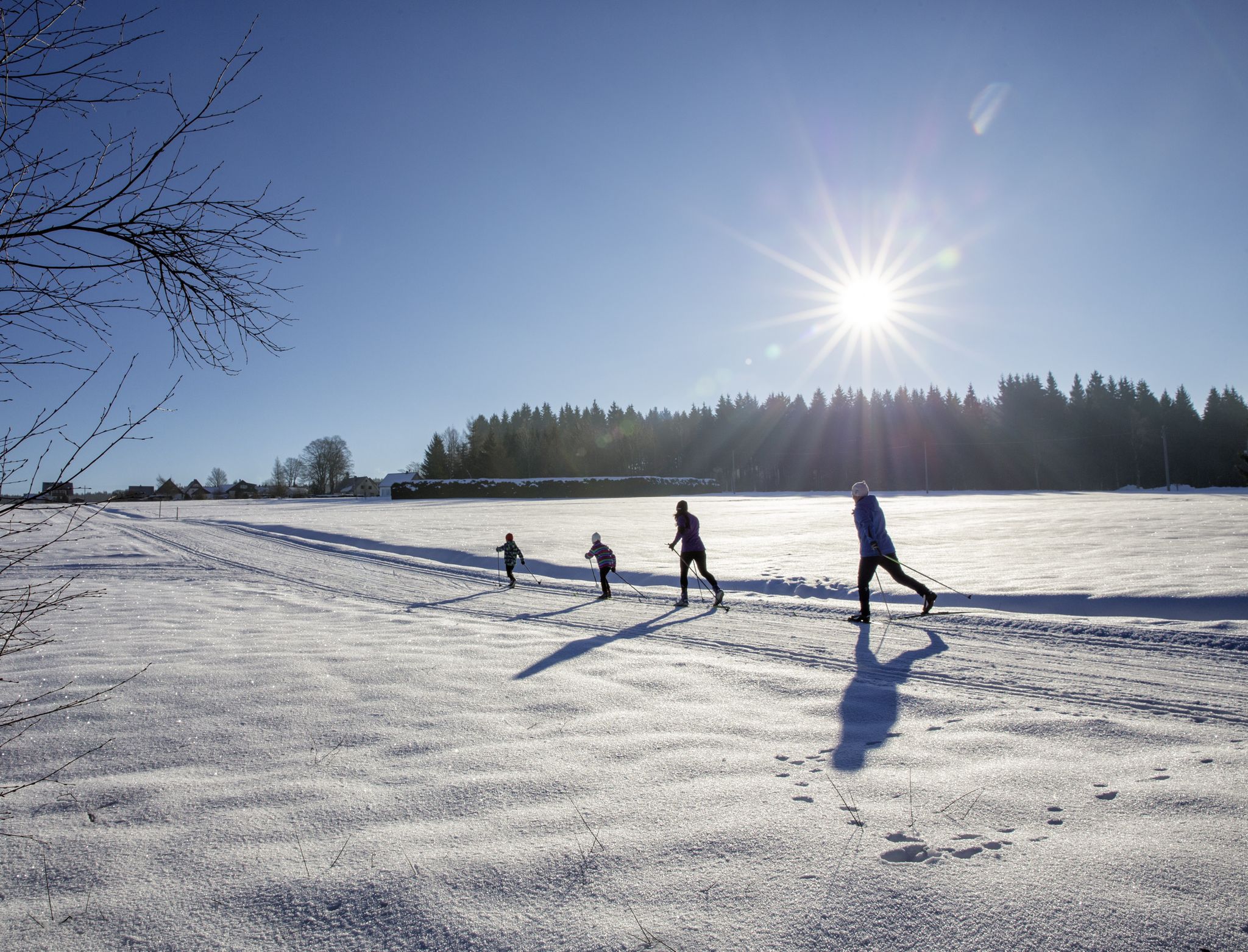
A snowy paradise – winter hiking and cross-country skiing in Germany’s Vogtland

Pure road and gravel riding joy through Saxony
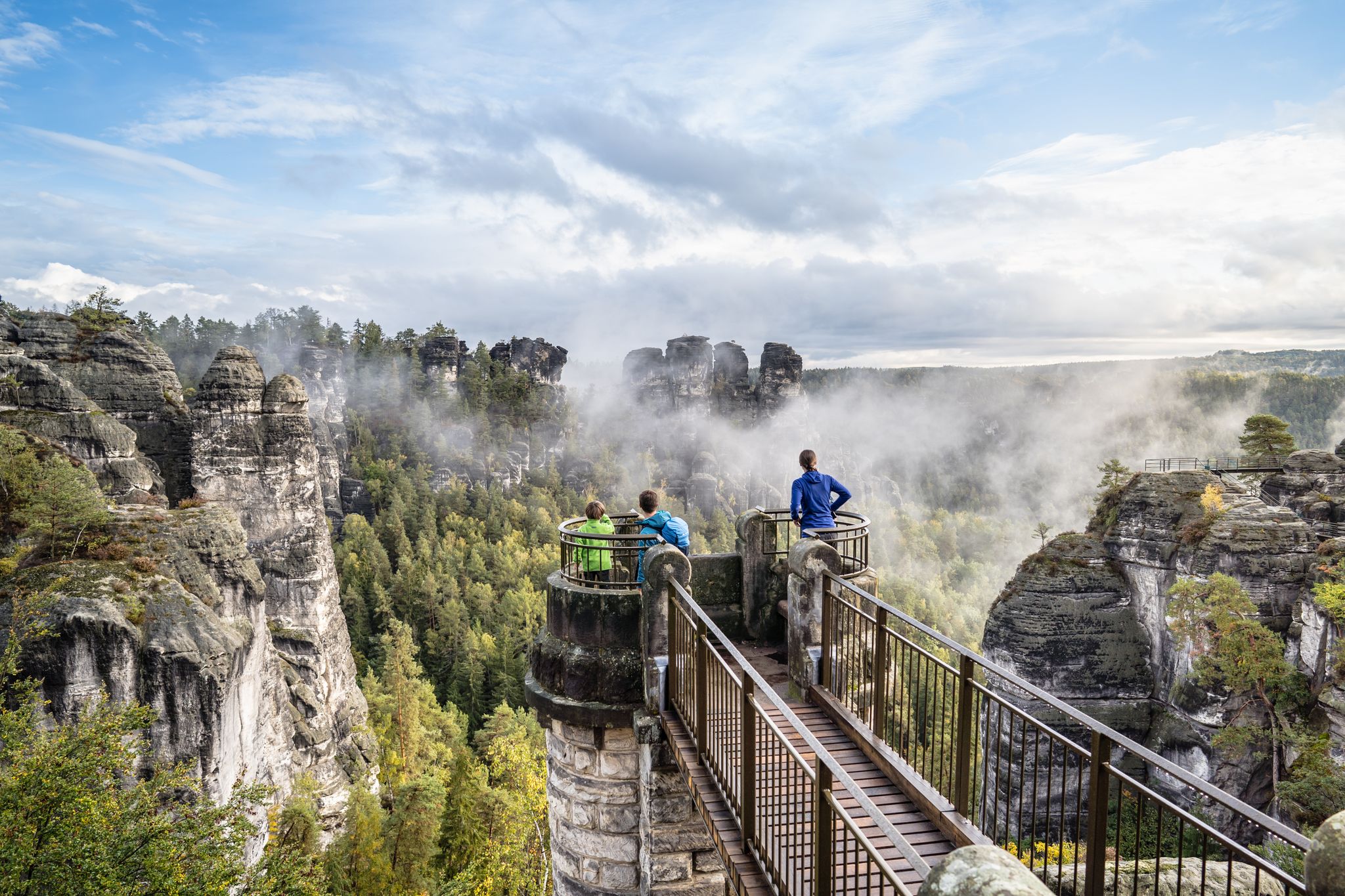
Natural wonders of Saxony – hiking with the wow factor

Gravel and road cycling in the Vogtland region
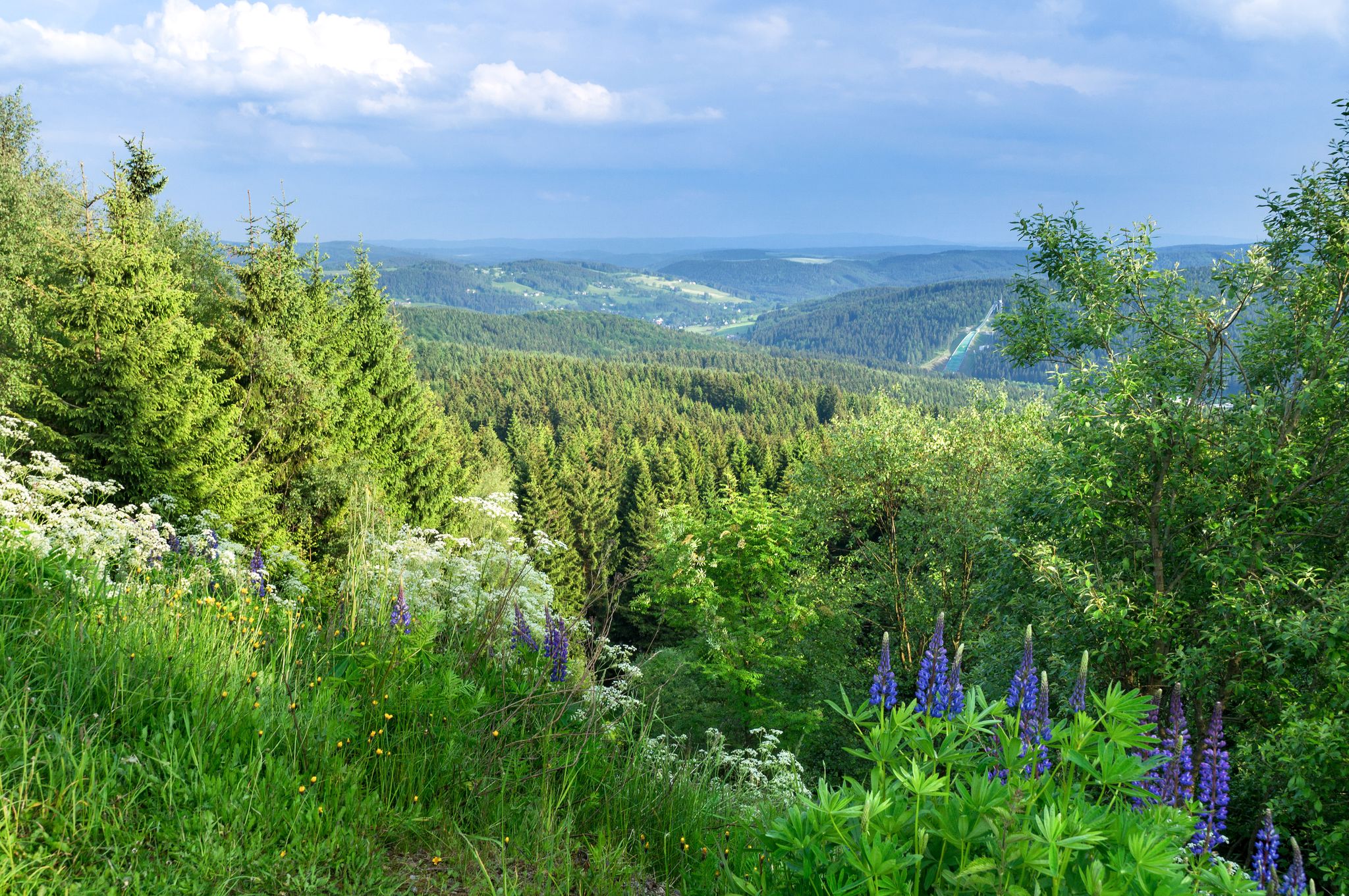
History meets nature – Erzgebirge-Vogtland Ridge Trail
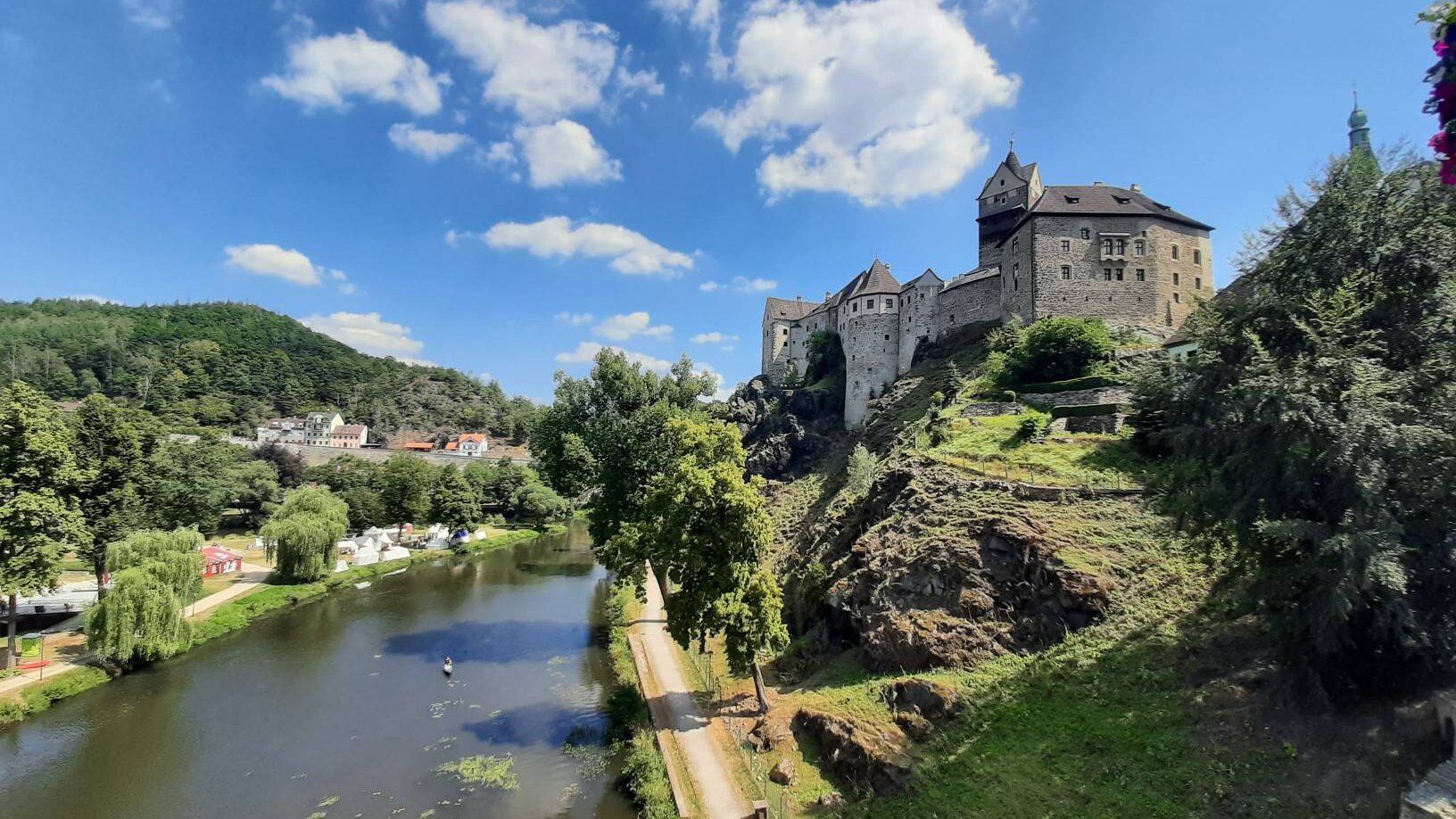
Through the heart of Europe – riding the Euregio Egrensis
The Klingenthal Trail & Zeulenroda Dam – Hiking in Vogtland in Germany
Experience nature’s symphony – Vogtland Panorama Trail
Schotterglück und Overnight-Abenteuer – Graveln mit Roeckl Sports
Hiking around Klingenthal
Other adventures around Klingenthal


Tips from the Community

Originally, the "Riß", the gorge, was carved into the rock by human hands to allow timber to easily overcome the difference in altitude. Over the centuries, the water has worked its way deeper and deeper into the rocky soil of the Göltzsch Valley. This last section, the Riß Falls, fits charmingly into the surrounding forest landscape. The Riß Falls no longer carry as much water year-round today. However, after heavy rainfall and after the snowmelt, they are particularly beautiful to behold.
7
0

☆ The construction time is remarkable... 👍
4
0
☆ With a small island and a small ferry to pull you to the other shore.
3
1

In, on, and around the dam. There's something for everyone. The kiosk/bistro is highly recommended.
2
0

The dam wall of the Carlsfeld dam is a listed building. The curved gravity dam wall made of rubble stone is 195 meters long and up to 20 meters wide at the base. Its height above the foundation base is almost 32 meters. The dam axis has a radius of 160 meters. Source: https://www.wasserwirtschaft.sachsen.de/TS_Carlsfeld.html?_cp=%7B%22accordion-content-13266%22%3A%7B%222%22%3Atrue%2C%223%22%3Atrue%7D%2C%22previousOpen%22%3A%7B%22group%22%3A%22accordion-content-13266%22%2C%22idx%22%3A3%7D%7D
4
0

The Carlsfeld Dam is located on the ridge of the Ore Mountains at a height of around 905 meters above sea level. This makes it the highest drinking water dam in Germany. Its catchment area extends into the Vogtland and the Czech Republic. The Carlsfeld Dam is sometimes also called the "Wilzsch Dam" or "Weiterwiese Dam". The first name refers to the Wilzsch River, whose water it dams. Weiterswiese was the name of a small forest settlement that had to make way for the dam to be built.
4
0


There is a great toilet at this point
1
0
Frequently Asked Questions
What are some popular natural monuments to visit around Klingenthal?
Beyond the well-known spots, visitors frequently enjoy the Falkenstein Reservoir, which features a small island accessible by ferry. Another favorite is the Carlsfeld Reservoir (Wilzsch Reservoir), known for its open-air exhibition and picturesque views. The Rißfälle Waterfalls also offer a fairytale-like setting in the middle of the Ore Mountains.
Are there family-friendly natural monuments in the Klingenthal area?
Yes, several natural monuments are suitable for families. The Falkenstein Reservoir and the Carlsfeld Reservoir (Wilzsch Reservoir) are both listed as family-friendly. The Rißfälle Waterfalls also offer an enjoyable walk for families, though some parts of trails around natural sites might not be barrier-free.
What kind of natural features can I expect to see in the Naturpark Erzgebirge/Vogtland?
The Naturpark Erzgebirge/Vogtland, where Klingenthal is located, boasts a diverse landscape. You can expect to see extensive forests, wetlands, moors, mountain pastures, and unique rock formations. The region is also characterized by numerous brook valleys and reservoirs like the Muldenberg Dam and Carlsfeld Dam.
Can I go hiking near the natural monuments around Klingenthal?
Absolutely! The region offers hundreds of kilometers of hiking trails. For easy hikes, you can explore routes like the Aschberg Alm – Aschberg Observation Tower loop or the View of Mühleiten Village – Schneckenstein Topaz Rock loop. You can find more options in the Easy hikes around Klingenthal guide.
Are there any historical or unique geological sites among the natural monuments?
Yes, the Schneckenstein Topaz Rock is a significant geological monument, famous for its topaz deposits and unique snail-shaped appearance. It has been protected since 1938. The Carlsfeld Reservoir (Wilzsch Reservoir) and Muldenberg Dam also have interesting histories related to their construction and purpose.
What do visitors enjoy most about the natural monuments in Klingenthal?
Visitors particularly appreciate the serene environment and picturesque views. Many enjoy the opportunity to linger by the water at places like the Falkenstein Reservoir, or the unique experience of exploring the Rißfälle Waterfalls. The well-groomed trails around areas like the Carlsfeld Dam are also a highlight, especially in winter.
What is the best time of year to visit the natural monuments around Klingenthal?
The natural monuments are beautiful year-round. Spring and summer are ideal for hiking and cycling, with lush greenery and pleasant temperatures. Autumn offers stunning fall foliage. Winter transforms the landscape into a snowy wonderland, perfect for winter sports and torchlight hikes, especially around the Carlsfeld Dam, which is known for being snow-sure.
Are there natural monuments suitable for easy walks or less strenuous activities?
Many areas within the Naturpark Erzgebirge/Vogtland offer easy paths. The dam wall of the Muldenberg Dam is open to the public and provides an accessible walk with panoramic views. The 3 km circular route around the South shore of Lake Vogtland also offers many resting places, though some parts may not be barrier-free.
Are there any viewpoints offering panoramic views of the region?
Yes, the Schneckenstein Topaz Rock offers a popular viewing point. Additionally, the Aschberg Mountain, at 936 meters, features the "Otto Hermann Böhm" observation tower, providing magnificent views over the Bohemian Ore Mountains, the Elstergebirge, and parts of Bavaria and Thuringia. The dam walls of the Carlsfeld and Muldenberg Dams also offer picturesque vistas.
What wildlife can be observed in the Naturpark Erzgebirge/Vogtland?
The Naturpark Erzgebirge/Vogtland is home to diverse flora and fauna. You might spot rare species such as pygmy owls, black grouse, kingfishers, and freshwater pearl mussels. The park also protects unique plants like tiger lilies, arnica, gentian, and various orchids, particularly in areas like the Naturschutzgebiet Hochmoor Großer Kranichsee.
Are there opportunities for cycling near the natural monuments?
Yes, the region offers excellent cycling opportunities. The Naturpark Erzgebirge/Vogtland has hundreds of kilometers of cycle paths. You can find various road cycling and gravel biking routes, including those that pass by the Muldenberg Dam or the Vogtland Arena Ski Jump. Explore more options in the Road Cycling Routes around Klingenthal or Gravel biking around Klingenthal guides.
What is the Naturschutzgebiet Hochmoor Großer Kranichsee?
The Naturschutzgebiet Hochmoor Großer Kranichsee is a unique nature reserve located above Carlsfeld. It encompasses a 300-hectare high moor ecosystem, making it a significant natural habitat. It offers insights into specialized flora and fauna adapted to moorland environments, providing a valuable experience for nature observers.
Most popular routes around Klingenthal
Most popular attractions around Klingenthal

Get inspired with the komoot mobile app


Explore more
Extend your search for the best caves by checking out these guides of the top ones around Klingenthal:
