Top 20 Natural Monuments around Müglitztal
Best natural monuments around Müglitztal are found in the Eastern Ore Mountains (Osterzgebirge) in Saxony, Germany. The region features a diverse natural landscape, including deeply incised valleys, prominent rock formations, and ancient trees. It is characterized by its geological features, varied forests, and historical connections. The area offers opportunities for exploring natural wonders and engaging with the local environment.
Best natural monuments around Müglitztal
- The most popular natural monuments is Liebethaler Grund, a gorge that serves as the starting…
Last updated: July 7, 2026
Liebethaler Grund
Highlight (Segment) • Gorge
Translated by Google •
Tip by

Friedrichsgrund Valley and Stone Bridges
Highlight • Gorge
Translated by Google •
Tip by

Sign up now to discover places like this
Get recommendations on the best single tracks, peaks, & plenty of other exciting outdoor places.
Sign up for free
Einsiedlerstein rock formation
Highlight • Natural Monument
Translated by Google •
Tip by

View from Rysselkuppe
Highlight • Viewpoint
Translated by Google •
Tip by

Wilisch Summit Triangulation Pillar and World War I Memorial
Highlight • Summit
Translated by Google •
Tip by

Sign up for free to discover even more natural monuments around Müglitztal.
Sign up for free
Already have an account?
Start today with a free account
Your next adventure awaits.
Login or Signup

Other adventures around Müglitztal

Tips from the Community

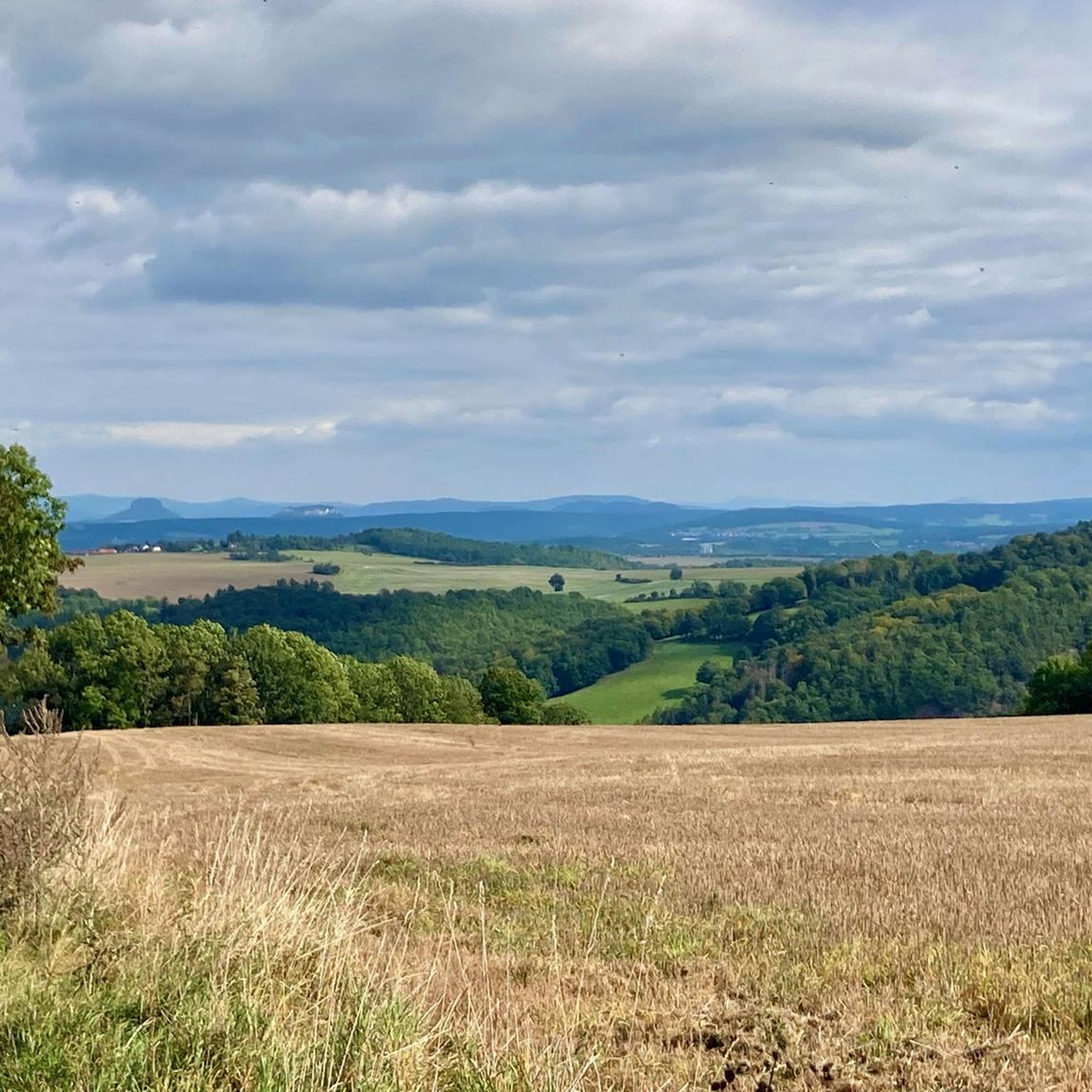
beautiful view over the treetops.
1
1

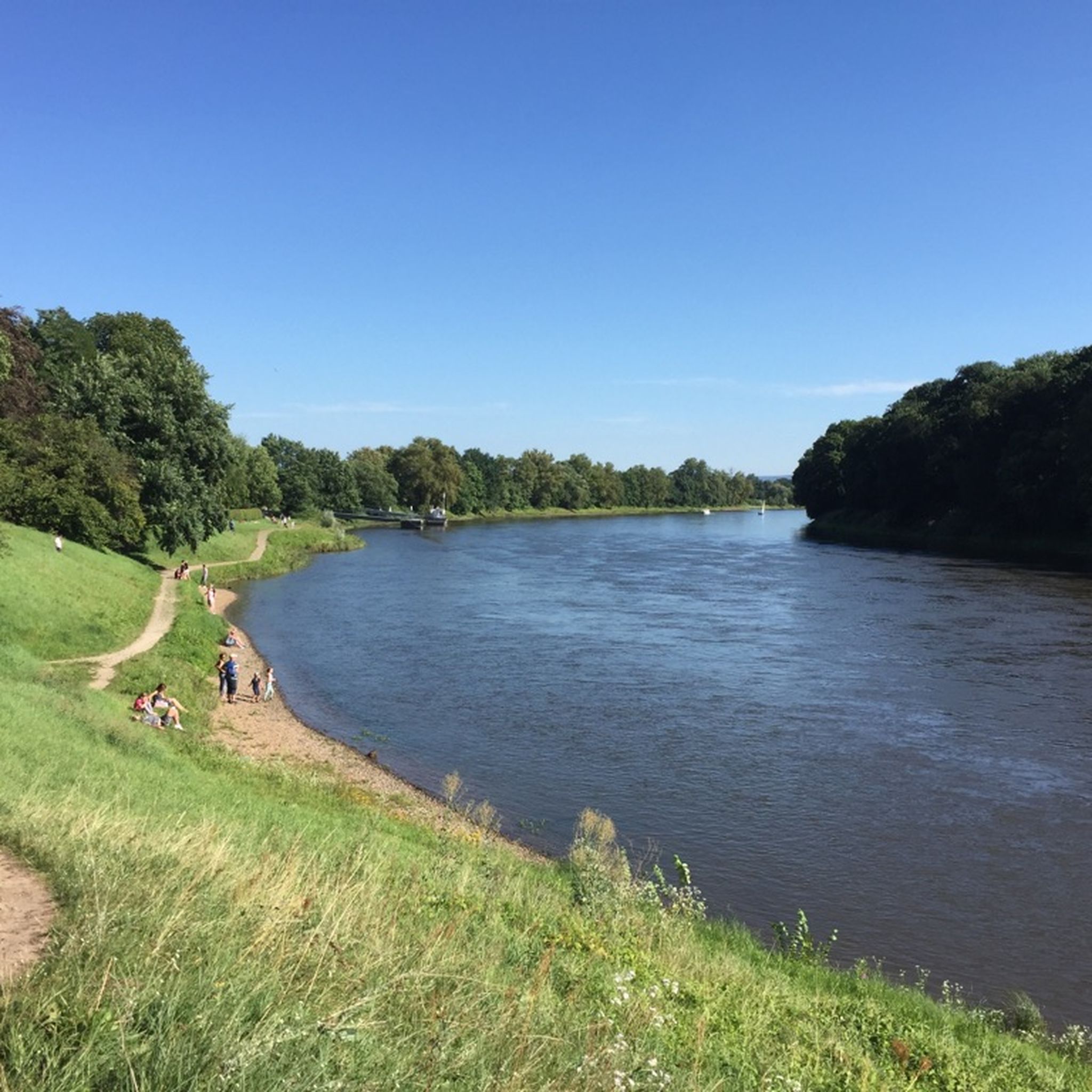
A small idyll on the outskirts of Dresden❤️
0
0

The hermit stone is a historical monument to the hermit Dippold, who lived in a hut here on Dippoldiswalder Marktsteig and looked after the Katharinen Chapel
1
1

The Friedrichgrundbach stream flows for about 1.5 km through the Friedrichsgrund, named after Elector Friedrich August III of Saxony. Towards the end of the 18th century, it was built and embellished with a total of 10 bridges, similar to the Seifersdorfer Valley.
3
0
The 476 meter high Wilisch consists mainly of basalt, which is due to its volcanic origin. The last volcanic activity that led to the formation of the Wilisch dates back to the Tertiary, more precisely the Oligocene to Miocene. The region around the Wilisch is also geologically interesting because it is rich in basalt, which in the past led to the intensive extraction and use of this rock. The view from the Wilisch and the triangulation column are also really very impressive.
4
0

Beautiful hiking trails often directly along the stream.
2
0

Very nice place to take a break, you have a wonderful view.
4
0

A nice place to relax....
3
0
Frequently Asked Questions
What kind of natural monuments can I expect to see in Müglitztal?
The Müglitztal region offers a diverse range of natural monuments, including deeply incised river valleys like the Liebethaler Grund and Friedrichsgrund Valley, prominent rock formations such as the Einsiedlerstein rock formation, and ancient trees like the Schmorsdorfer Linde and the Thousand-year-old Yew. You'll also find panoramic viewpoints and summits with unique geological features.
Are there any notable ancient trees in the Müglitztal region?
Yes, the Müglitztal region is home to several impressive ancient trees. The Schmorsdorfer Linde, a large-leaved lime tree estimated to be between 400 and 800 years old, is a significant natural monument. It's known for its immense size and historical connections, including visits by Clara Schumann. Another notable ancient tree is the Tausendjährige Eibe (Thousand-year-old Yew) located within the Müglitzhang nature reserve near Schlottwitz, part of Saxony's largest natural yew population.
Where can I find the best panoramic views in Müglitztal?
For breathtaking panoramic views, consider visiting the viewpoints near Glashütte, including Bastei, Pilz, and Teufelskanzel, which offer spectacular vistas of the valley and the Osterzgebirge. The View from Rysselkuppe also provides a wonderful outlook, extending as far as Saxon Switzerland. Additionally, the Wilisch Summit offers impressive views from its 476-meter height.
What outdoor activities can I do near the natural monuments in Müglitztal?
The Müglitztal region is excellent for various outdoor activities. You can enjoy hiking through picturesque valleys like the Liebethaler Grund, which is the starting point of the famous Malerweg. There are numerous hiking routes available, ranging from easy to moderate, such as those found in the Hiking around Müglitztal guide. The area also offers opportunities for gravel biking and mountain biking, with trails like those listed in the MTB Trails around Müglitztal guide.
Are there family-friendly natural monuments or trails in Müglitztal?
Yes, several natural monuments in Müglitztal are suitable for families. The Liebethaler Grund offers a relaxed walk with interesting sights like an old power station and the Richard Wagner monument. The Friedrichsgrund Valley and Stone Bridges is known for its quaint paths and diverse wildlife, making it enjoyable for hiking and biking with children. The Einsiedlerstein rock formation is also considered family-friendly, offering easy climbing opportunities.
Do any natural monuments in Müglitztal have historical significance?
Absolutely. The Schmorsdorfer Linde is a living historical monument, documented since the Thirty Years' War and connected to pianist Clara Schumann. The Liebethaler Grund is significant as the place where Richard Wagner found inspiration for his opera 'Lohengrin' in 1846, and features the world's largest Wagner memorial. The Einsiedlerstein rock formation is said to have hosted Bishop Adalbert of Prague, and the Wilisch Summit includes a World War I Memorial alongside its triangulation pillar.
What are the most significant geological features in Müglitztal?
The Müglitztal region is geologically diverse. The Wilisch Summit is notable for its basalt composition, indicating its volcanic origin from the Tertiary period. The viewpoints near Glashütte, including Bastei, Pilz, and Teufelskanzel, are situated on steep gneiss rock formations. The Müglitzhang nature reserve, home to the ancient yew, also presents interesting geological features with rock cliffs and diverse vegetation adapted to its south-facing slopes.
What do visitors enjoy most about the natural monuments in Müglitztal?
Visitors frequently praise the wild and romantic atmosphere of places like the Liebethaler Grund, where the sound of the Wesenitz river and birdsong create a mindful experience. The Einsiedlerstein rock formation is loved for its climbing fun for all ages and its beautiful setting in a pine forest. Many appreciate the diverse animal and plant life found in areas like the Friedrichsgrund Valley, making it a great spot for nature observation.
Are there challenging hiking trails around Müglitztal's natural monuments?
Yes, for those seeking more challenging hikes, the paths leading to viewpoints like the Rysselkuppe can be rocky and involve uphill sections, offering rewarding views. The Wilisch Summit also presents an intermediate climb. The region's deeply incised valleys and prominent rock formations often mean varied terrain, providing fulfilling outdoor adventures. You can find more challenging routes in the Hiking around Müglitztal guide.
Can I go mountain biking near the natural monuments?
Yes, the Müglitztal area offers opportunities for mountain biking. There are dedicated MTB trails that allow you to explore the diverse landscape, including routes that pass by or near natural monuments. For specific trails and their difficulty levels, you can consult the MTB Trails around Müglitztal guide.
What is the best time of year to visit the natural monuments in Müglitztal?
The Müglitztal region is beautiful year-round, but the best time to visit for outdoor activities and enjoying the lush scenery is typically from spring to autumn. During these seasons, the forests are green, and the weather is generally pleasant for hiking and exploring. Autumn offers vibrant fall foliage, while spring brings blooming plants. Winter can also be picturesque, especially for those who enjoy snowy landscapes, though some paths might be more challenging.
Most popular routes around Müglitztal
Most popular attractions around Müglitztal

Get inspired with the komoot mobile app


Explore more
Extend your search for the best caves by checking out these guides of the top ones around Müglitztal:
