Top 20 Natural Monuments around Melle
Best natural monuments around Melle are found within a landscape characterized by rolling hills, valleys, dense forests, and green meadows. This region, part of the TERRA.vita Nature and Geopark, offers diverse natural features. Visitors can explore various hiking routes that traverse varied terrain. The area provides opportunities to experience natural occurrences and geological interests.
Best natural monuments around Melle
- The most popular natural monuments is Teutoburg Forest, a forest that offers views of the TV tower. It is a…
Last updated: August 16, 2026
Freeden Nature Reserve
Highlight • Forest
Translated by Google •
Tip by

Juniper Heath Steinhagen
Highlight • Natural Monument
Translated by Google •
Tip by

Sign up now to discover places like this
Get recommendations on the best single tracks, peaks, & plenty of other exciting outdoor places.
Sign up for free
Bifurcation Hare-Else
Highlight • Natural Monument
Translated by Google •
Tip by

Great Roe Spring
Highlight • Natural Monument
Translated by Google •
Tip by

Teutoburg Forest
Highlight • Forest
Translated by Google •
Tip by

Sign up for free to discover even more natural monuments around Melle.
Sign up for free
Already have an account?
Start today with a free account
Your next adventure awaits.
Login or Signup
Popular around Melle
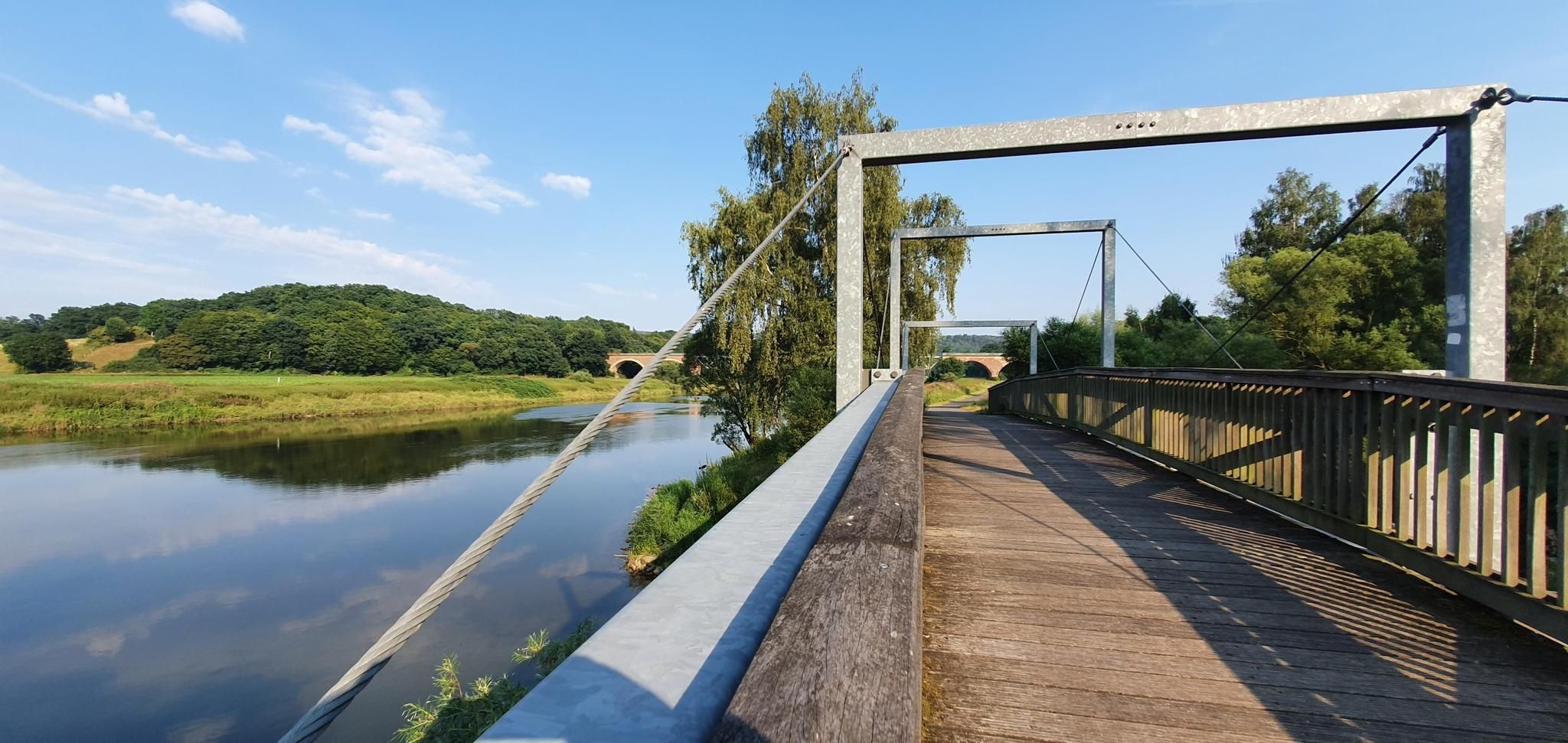
Hase Ems route — cycling through Hasetal and Emsland in 7 stages
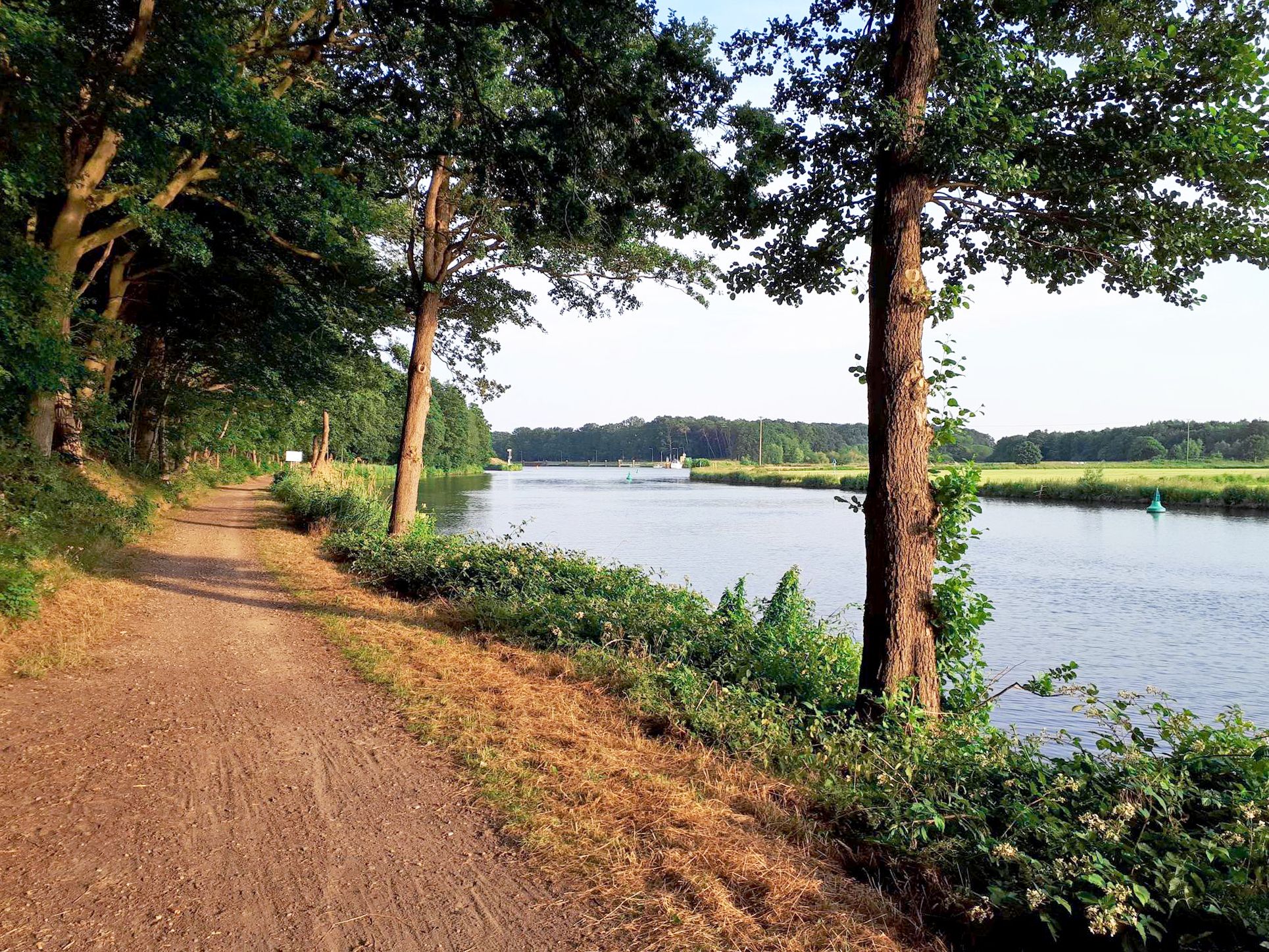
Riverside cycle Tours in Germany’s Teutoburg Forest region
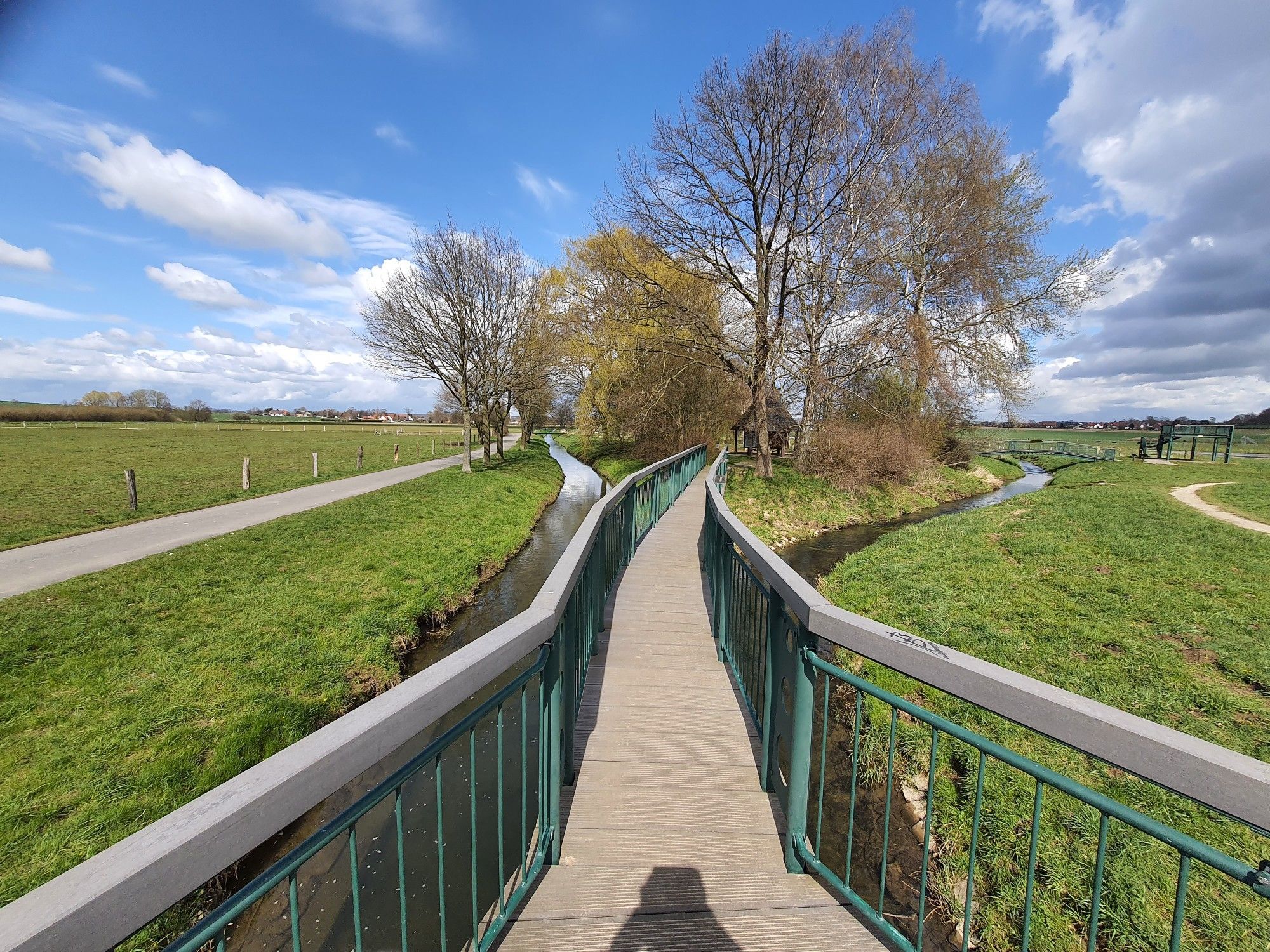
Else-Werre Cycle Path - Two days on the way in East Westphalia
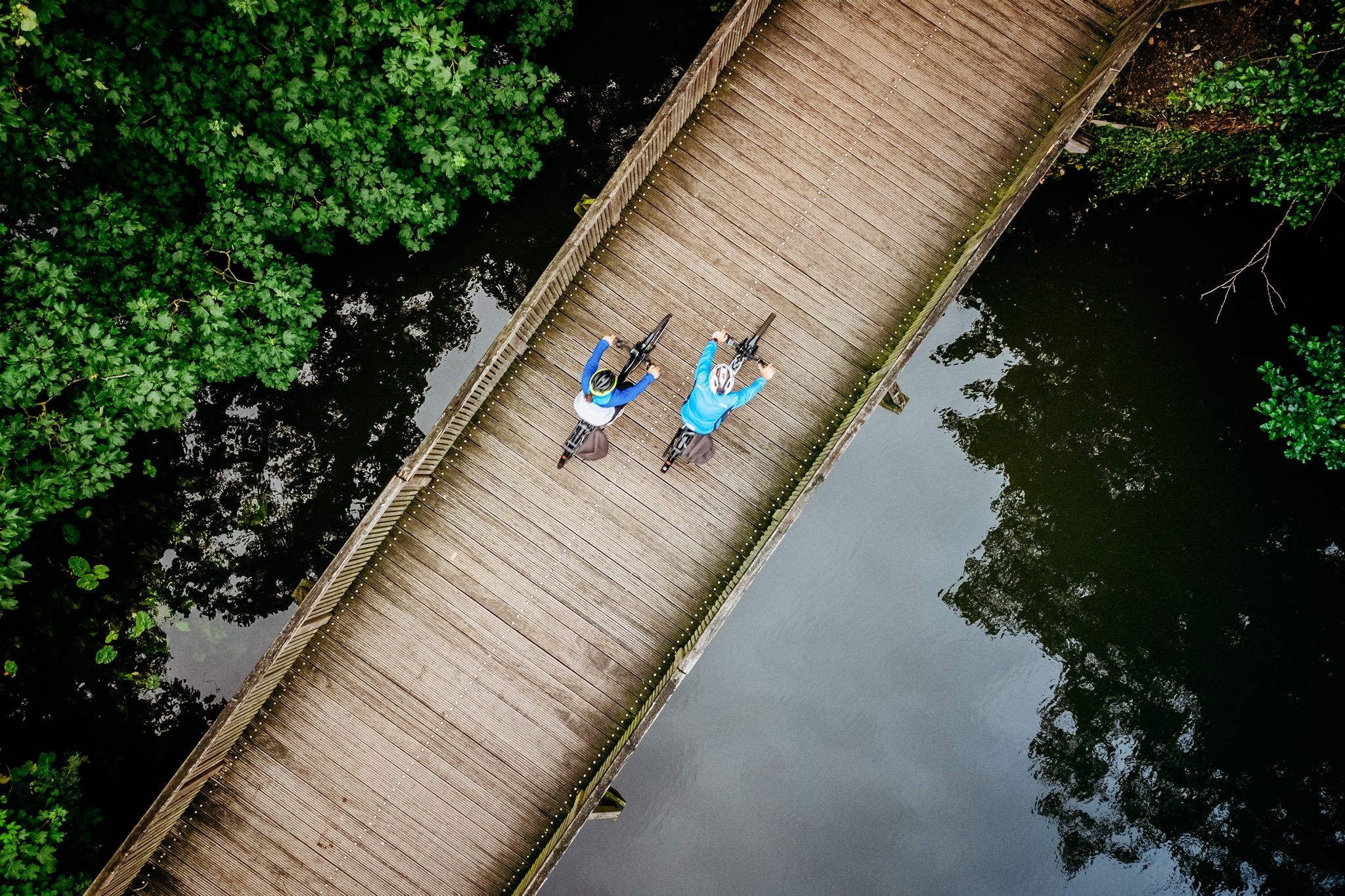
Following Germany’s Hase and Ems rivers – Hase-Ems-Tour
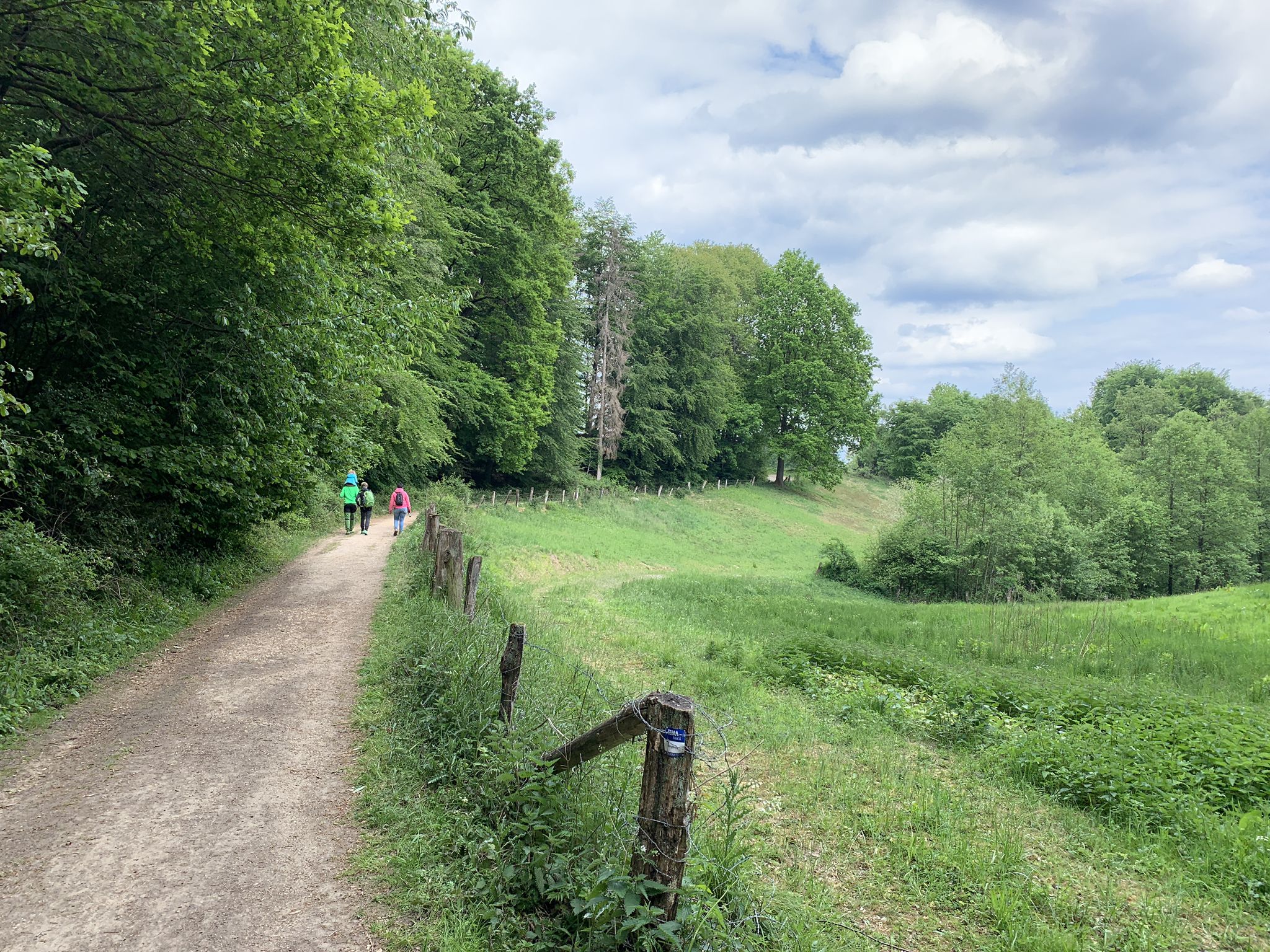
In the wild, old country – wonderful Tours around Germany’s Osnabrück
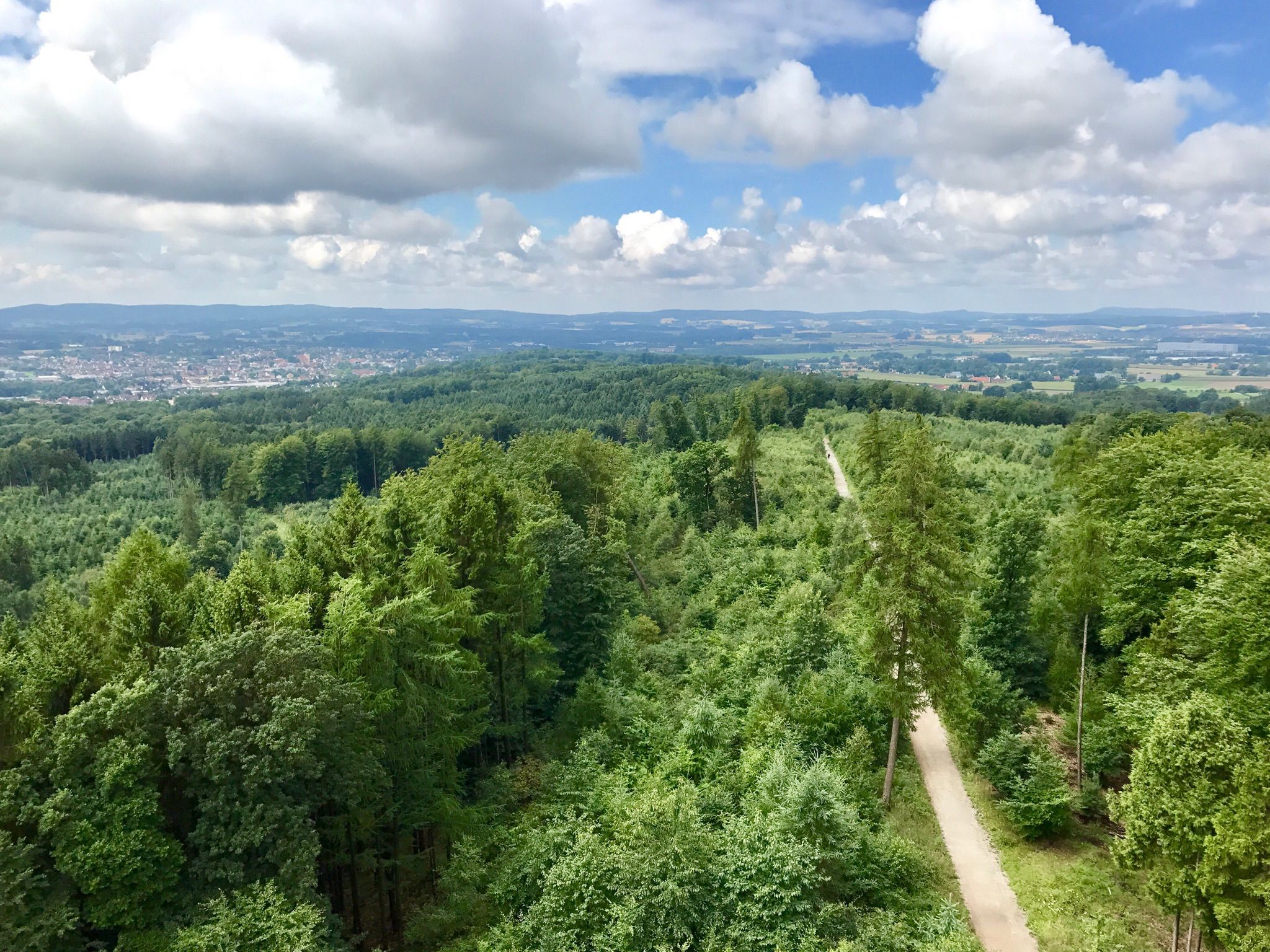
Peace and nature on Germany’s Ems-Hase-Hunte-Else Trail
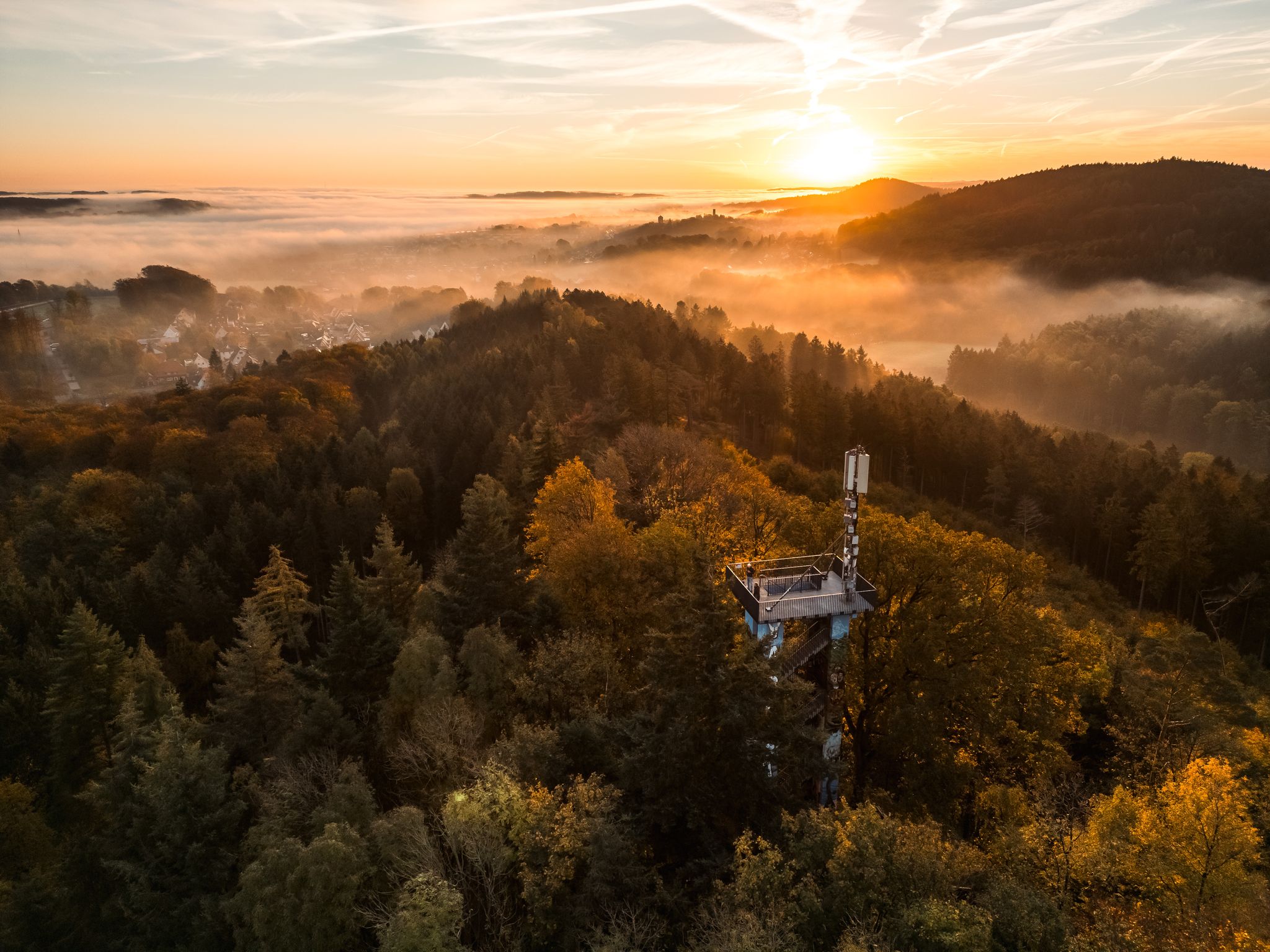
Germany’s Ahornweg – hiking among trees, blossoms and spas
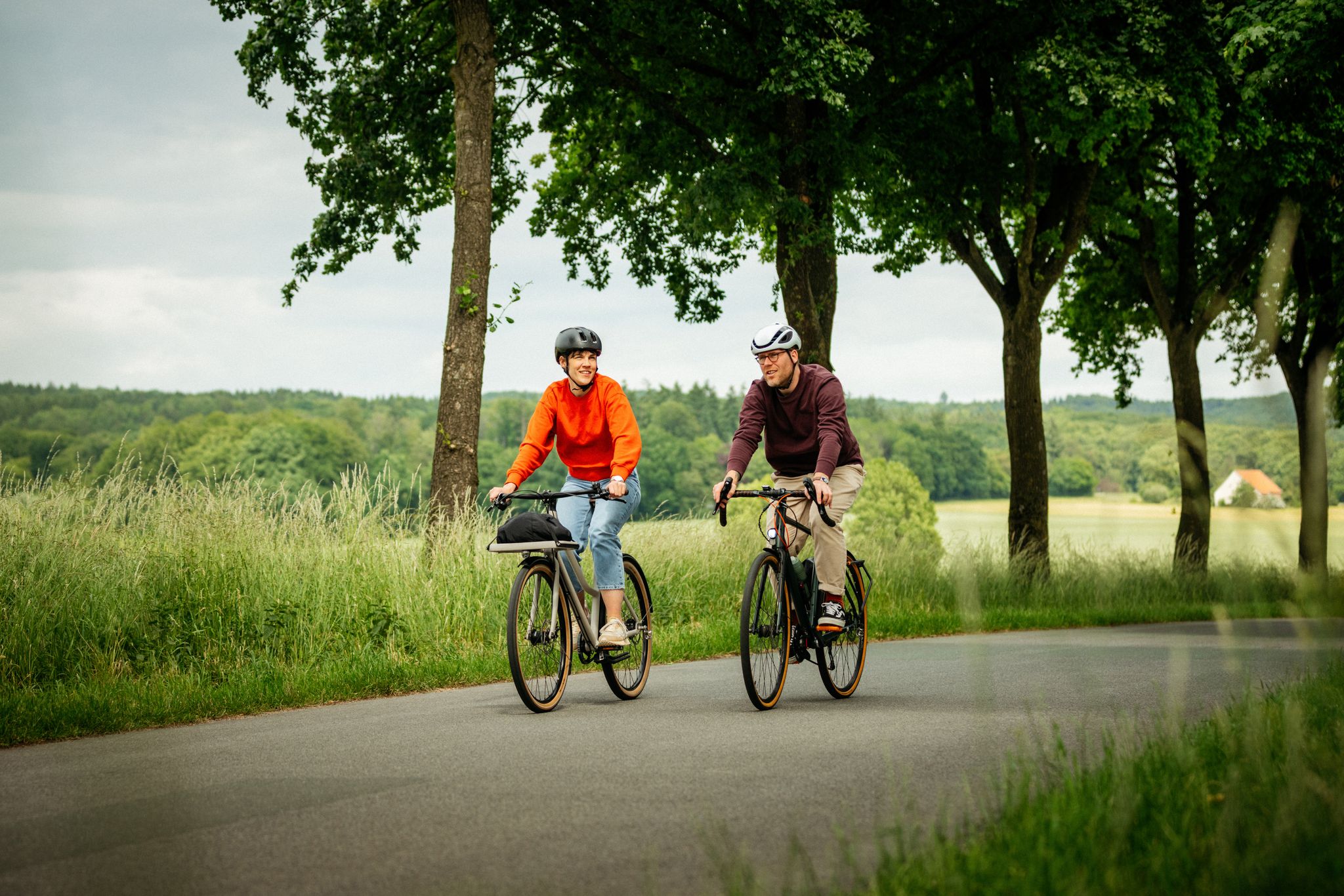
Day trips in the Osnabrück region – Exciting southeast
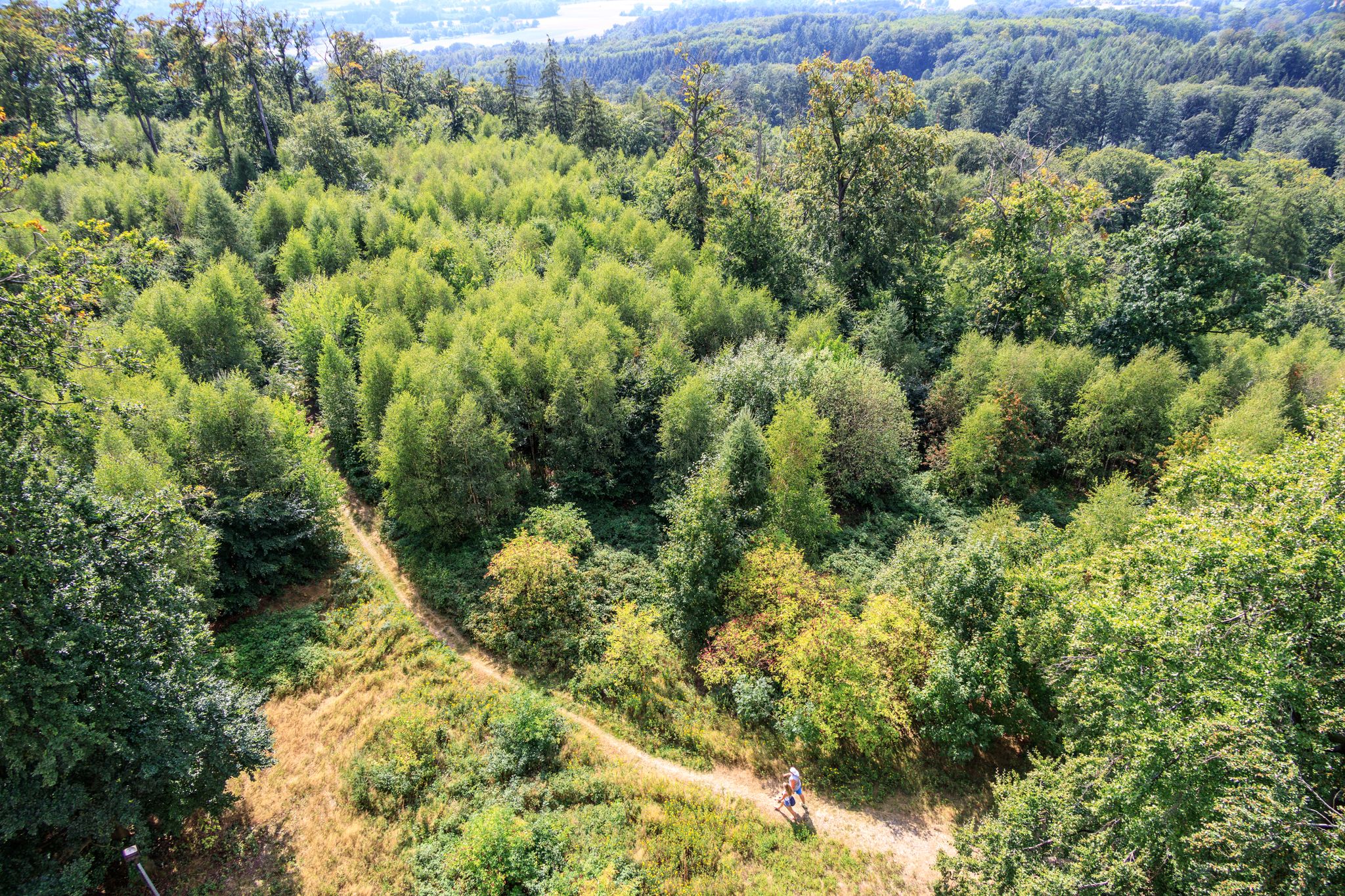
Forest, water, hiking pleasure — Germany’s Osnabrück Land
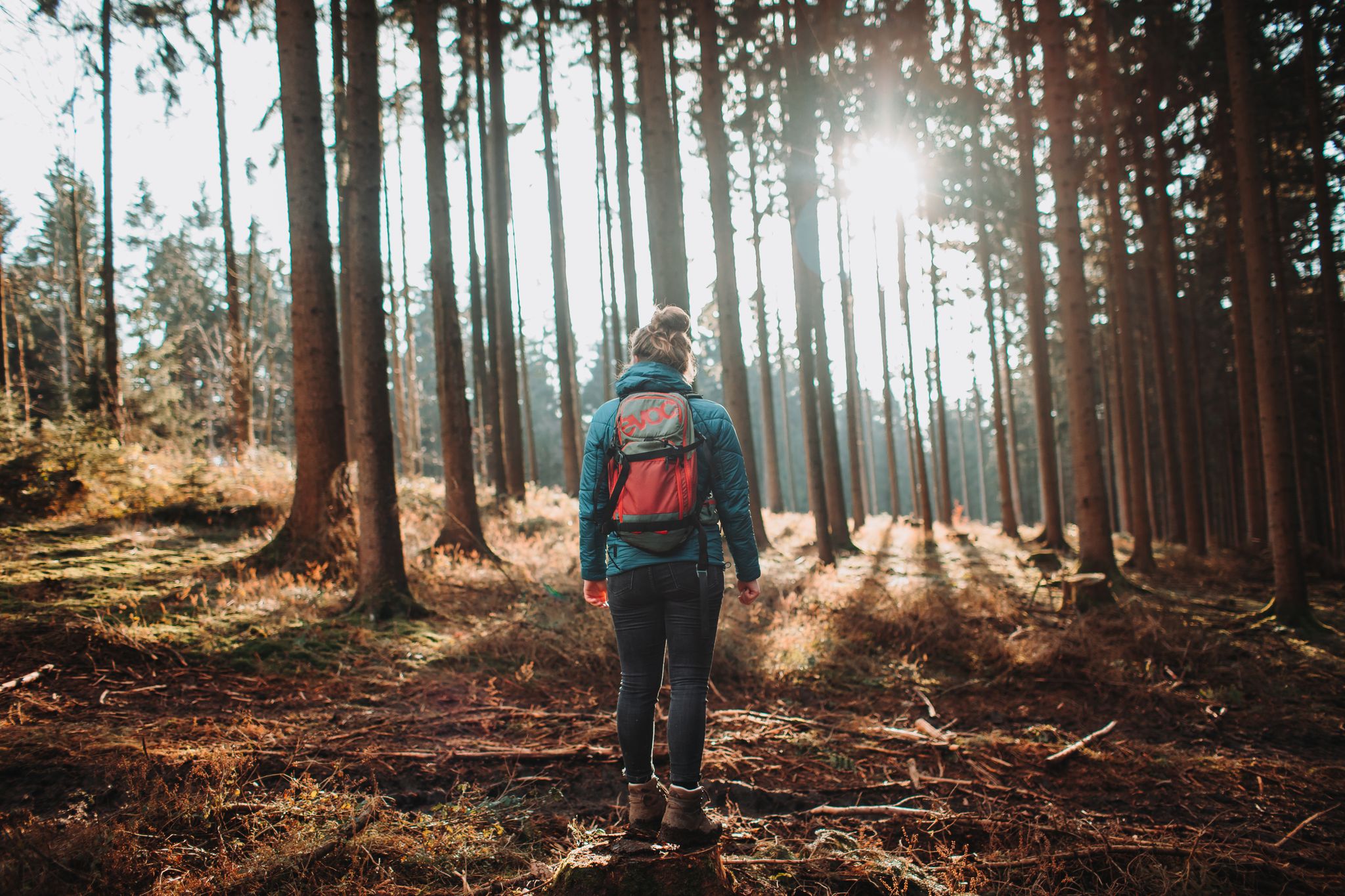
Follow in Saxon leader Widukind's footsteps – 6 days on the Wittekind Trail
Other adventures around Melle


Tips from the Community

The Teuto - always worth a hike.
1
0

Just above Gesmold, the Hase forms a bifurcation. Here, the Else branches off from the Hase, causing around 2/3 of its water to flow into the Weser river system. It is still not clear whether this branch was artificially created to supply more water to the watermills of Gesmold Castle. A great environmental education site has been developed at the bifurcation since 2000. And there is also more information at the Terra Tip Bifurcation. Bifurcation Day takes place here every year on the first Sunday in May. Cyclists, families and nature lovers meet for an exciting festival with environmental education activities, concerts and delicacies. The extensive pastures around this striking place are grazed extensively and serve as a refuge for meadow birds such as lapwings, skylarks and also grass frogs.
9
0

High up along the ridge path, the landscape changes from typical deciduous forest to beautiful heathland: Enjoy one of the last natural occurrences of fragrant juniper heath here.
6
2

The local juniper plants used to be the basis of the world-famous schnapps production in Steinhagen. Today there is only a small remnant on the ridge path of the Teutoburg Forest. In Steinhagen there are still numerous field names (including Deterts Heide, Hasenheide, Voßheide), which are reminiscent of the poor sandy soil and the time when the juniper heaths almost reached the village. In general, the slopes of the Teutoburg Forest used to be completely heathed - heathland was still to be found along the Hermannsweg in the first half of the 20th century. The juniper is a cypress plant that is widespread in Europe and North America in many species. Special abilities were ascribed to juniper as early as Germanic mythology and medieval popular belief. It should offer protection against magic and evil spirits and drive away the plague. The "berries" contain a lot of sugar and have been used in a variety of ways for centuries, for example as a kitchen spice or in game dishes. Even if the beginnings of the juniper distillery in Steinhagen are in the dark, a drink made from juniper berries is said to have been produced in the area as early as the late Middle Ages. Based on the knowledge gained over the following centuries, the farmers then initially produced juniper brandy for their own use. Source: https://www.teutonavigator.de/de/teutonavigator/streaming/detail/POI/p_100077797/wacholderheiden-am-petersberg-wanderwege-steinhagen
7
1

A bifurcation (fork) is the natural division of a river, in which one of the resulting branches does not reunite with the other, but moves on independently and connects with a foreign river. It occurs on plains where the watershed is very shallow and barely noticeable and represents a rare geographic feature.
9
1

The Teutoburg Forest is a to 446.4 m above sea level. NHN high low mountain range in the Lower Saxony highlands. It is now in Lower Saxony and North Rhine-Westphalia and stretches from the Tecklenburger Land past Osnabrück and through Bielefeld to Horn-Bad Meinberg in the southeast. Until the 17th century, the mountain range with the Eggegebirge to the south-east was called Osning and is sometimes still called that today. The Teutoburg Forest is known nationally above all for the Varus Battle (also known as the Hermannsschlacht or Battle in the Teutoburg Forest) between Romans and Germans in 9 AD. Tourist attractions include the Hermann Monument, the Externsteine and the Dörenther Cliffs. The highest mountain is the Barnacken. In addition, it is the longest ridge in Germany. (Source: Wikipedia)
3
0

A little break is mandatory here 💚
5
0

There, in the very early spring, a special natural spectacle takes place when the short but magnificent flowering of the liverwort begins. More than a million of these warmth-loving plants then illuminate the still barren forest and its soil, which at this time is still leafless and without flowers waiting for spring.
10
2
Frequently Asked Questions
What unique natural phenomena can I observe around Melle?
One particularly unique natural phenomenon is the Bifurcation Hare-Else. Here, the Else river branches off from the Hase river, with approximately two-thirds of its water flowing into the Weser river system. This site also features an environmental education center and is known for its extensive pastures, which serve as a refuge for meadow birds.
Are there specific nature reserves worth visiting near Melle?
Yes, the Freeden Nature Reserve is a significant natural monument. This 224-hectare reserve is part of the Teutoburg Forest and is especially beautiful in spring when its lime-beech forests are covered in blooming Corydalis flowers. It offers various hiking trails for exploration.
Where can I find scenic viewpoints or elevated natural areas in the Melle region?
For scenic views, consider visiting the Juniper Heath Steinhagen. This area offers beautiful heathland landscapes along a ridge path, providing a lovely change from typical deciduous forests. The Teutoburg Forest also provides elevated points with views, including glimpses of the TV tower.
What kind of natural features characterize the Melle region?
The Melle region, situated within the TERRA.vita Nature and Geopark, is characterized by a diverse landscape of rolling hills, idyllic valleys, dense forests, and green meadows. You'll find a mix of woodlands, unique geological formations like the Zwickenbachtal, and significant rivers such as the Hase and Else.
Are there family-friendly natural monuments or activities around Melle?
Many natural monuments around Melle are suitable for families. The Bifurcation Hare-Else is family-friendly, offering an environmental education site and open spaces. The Great Roe Spring is also a pleasant spot with picnic areas, ideal for a relaxing break in nature.
What outdoor activities can I do near these natural monuments?
The Melle region is excellent for outdoor activities, especially hiking and mountain biking. You can explore numerous trails, including easy loops like the "Great Roe Spring – Alma Spring" or more challenging routes. For detailed hiking options, refer to the Hiking around Melle guide, and for mountain biking, check the MTB Trails around Melle guide.
Are there easy hiking trails suitable for beginners near Melle's natural monuments?
Yes, there are several easy hiking trails. For instance, the "Great Roe Spring – Alma Spring (Schwarze Welle) loop from Hasequelle" is an easy 6.5 km route. Other easy options include the "Ottoshöhe Observation Tower – Zwickenbach Valley Nature Trail loop" and the "Zwickenbach Valley – Zwickenbach Valley Nature Trail loop." You can find more options in the Easy hikes around Melle guide.
What is the best time of year to visit the natural monuments around Melle?
Spring is particularly recommended, especially for places like the Freeden Nature Reserve, where the Corydalis flowers bloom lavishly. However, the diverse landscapes of forests, heathlands, and rivers offer beauty throughout the year, with autumn providing vibrant foliage and summer being ideal for longer hikes.
What do visitors enjoy most about the natural monuments in Melle?
Visitors frequently praise the tranquility and natural beauty. Many appreciate the well-maintained trails and the opportunity to connect with nature. Highlights like the Great Roe Spring are loved for their clear spring water and inviting picnic spots, while the Juniper Heath Steinhagen is noted for its unique landscape and resting places.
Can I find facilities like picnic areas or restrooms near the natural monuments?
Yes, some natural monuments offer facilities. For example, the Great Roe Spring has wooden seating areas perfect for picnics. The Bifurcation Hare-Else also features a toilet and barbecue areas, making it convenient for longer visits.
Are there any natural monuments that are particularly good for spotting wildlife?
The extensive pastures around the Bifurcation Hare-Else serve as an important refuge for meadow birds such as lapwings, skylarks, and grass frogs, making it a good spot for wildlife observation. Generally, the dense forests and nature reserves throughout the Melle region provide habitats for various local fauna.
Most popular routes around Melle
Most popular attractions around Melle

Get inspired with the komoot mobile app


Explore more
Extend your search for the best caves by checking out these guides of the top ones around Melle:
