Top 20 Natural Monuments on Norderney
Natural monuments on Norderney showcase the island's diverse coastal environment, with approximately 85% of the island falling within the Wadden Sea National Park. This UNESCO World Heritage Site features dynamic tidal mudflats, salt marshes, and extensive dune landscapes. The island's natural features offer varied ecosystems and opportunities for exploration. Norderney provides a pristine coastal environment for nature enthusiasts.
Best natural monuments on Norderney
- The most popular natural monuments is Lower Saxony Wadden Sea National Park (Norderney Dunes), a natural…
Last updated: August 30, 2026
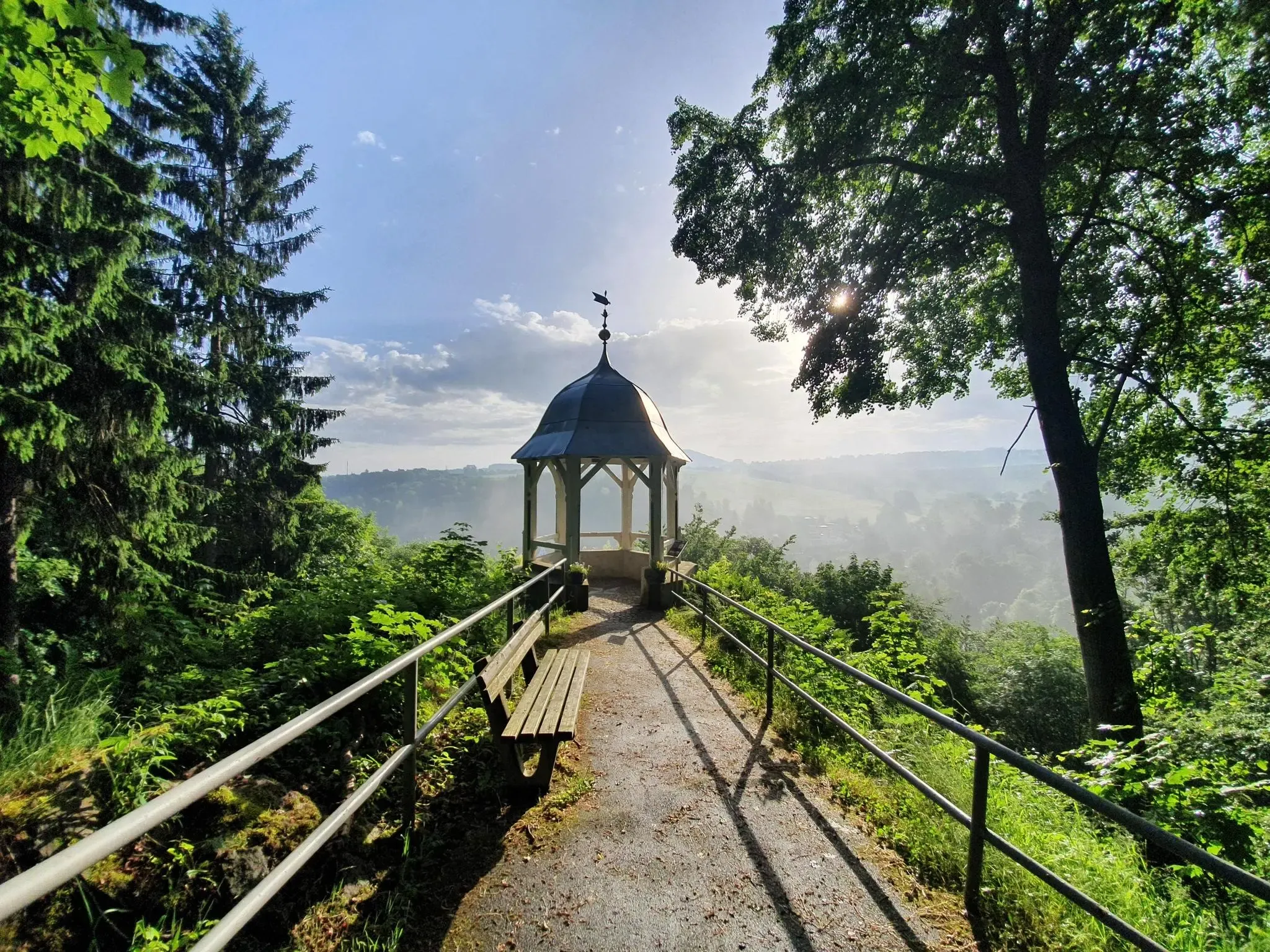
Walter-Großmann-Dune Observation Platform
Highlight • Viewpoint
Showing Translation
Tip by

Lower Saxony Wadden Sea National Park (Norderney Dunes)
Highlight • Natural Monument
Showing Translation
Tip by

Sign up now to discover places like this
Get recommendations on the best single tracks, peaks, & plenty of other exciting outdoor places.
Sign up for free
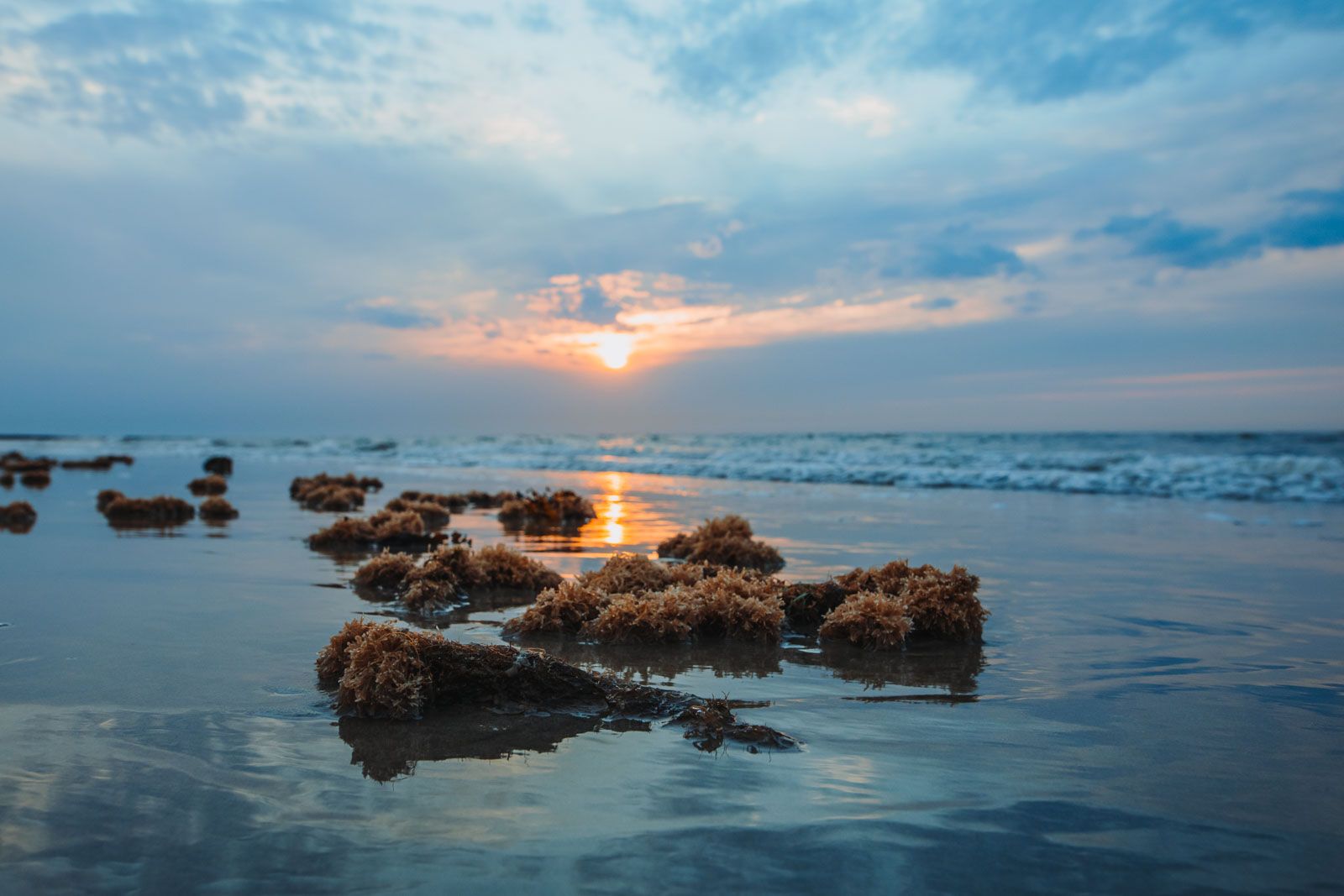
White Dune Norderney
Highlight • Natural Monument
Translated by Google •
Tip by

Navigation beacon on Möwendüne
Highlight • Monument
Translated by Google •
Tip by
Ostheller
Highlight • Natural Monument
Translated by Google •
Tip by

Sign up for free to discover even more natural monuments on Norderney.
Sign up for free
Already have an account?
Start today with a free account
Your next adventure awaits.
Login or Signup


Tips from the Community

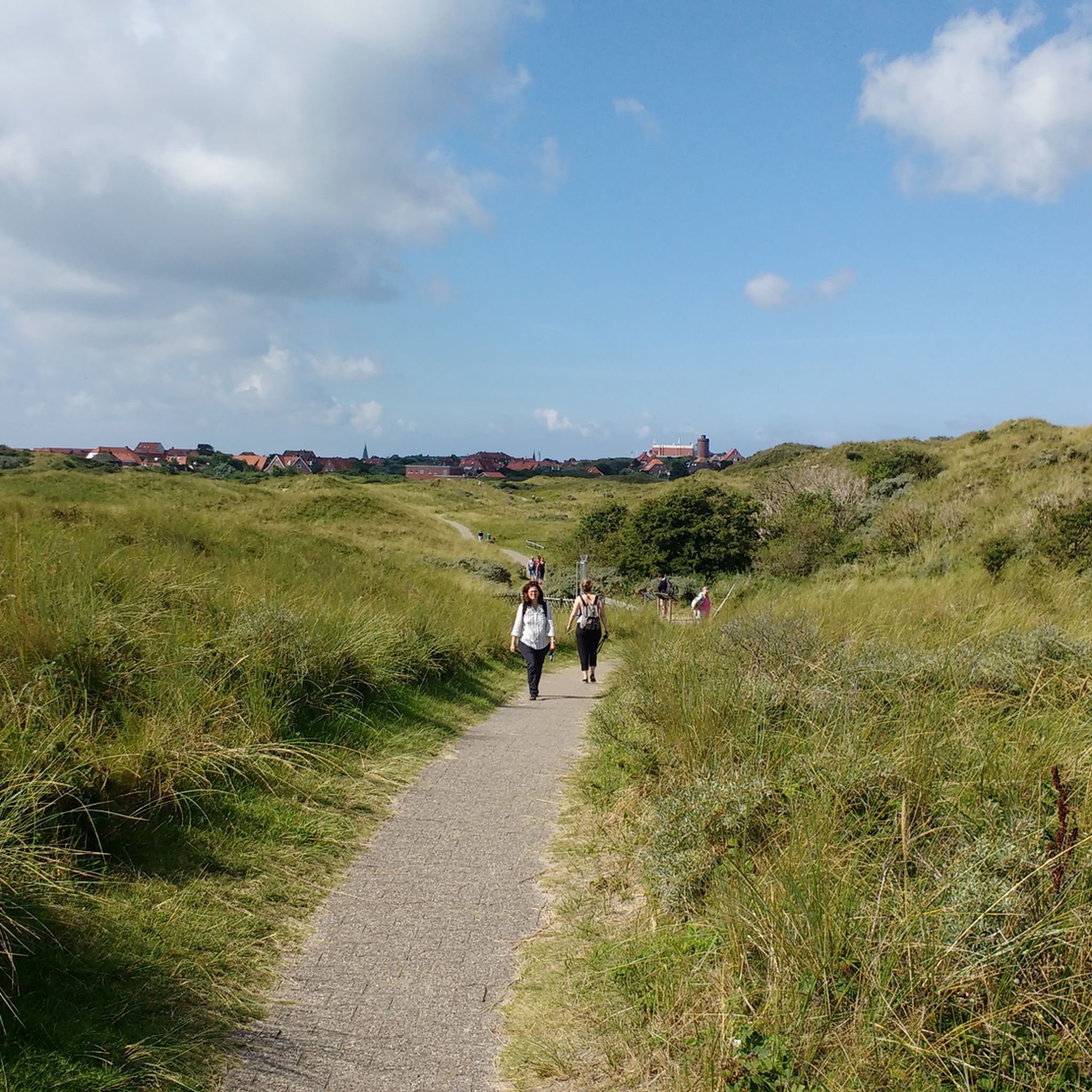
Well-maintained hiking trails lead through an amazing dune landscape. The area has been classified as a natural heritage site since 2009. There are great wooden structures that lead to viewing platforms.
1
0

Great natural landscape.
1
0

A very beautiful landscape.
1
0

Since its designation as a World Heritage Site in 2009, Norderney has increasingly committed itself to nature conservation to preserve its pristine natural beauty for future generations. The island thus offers a habitat where environmental awareness and appreciation for natural resources can be experienced in a practical way.
3
0
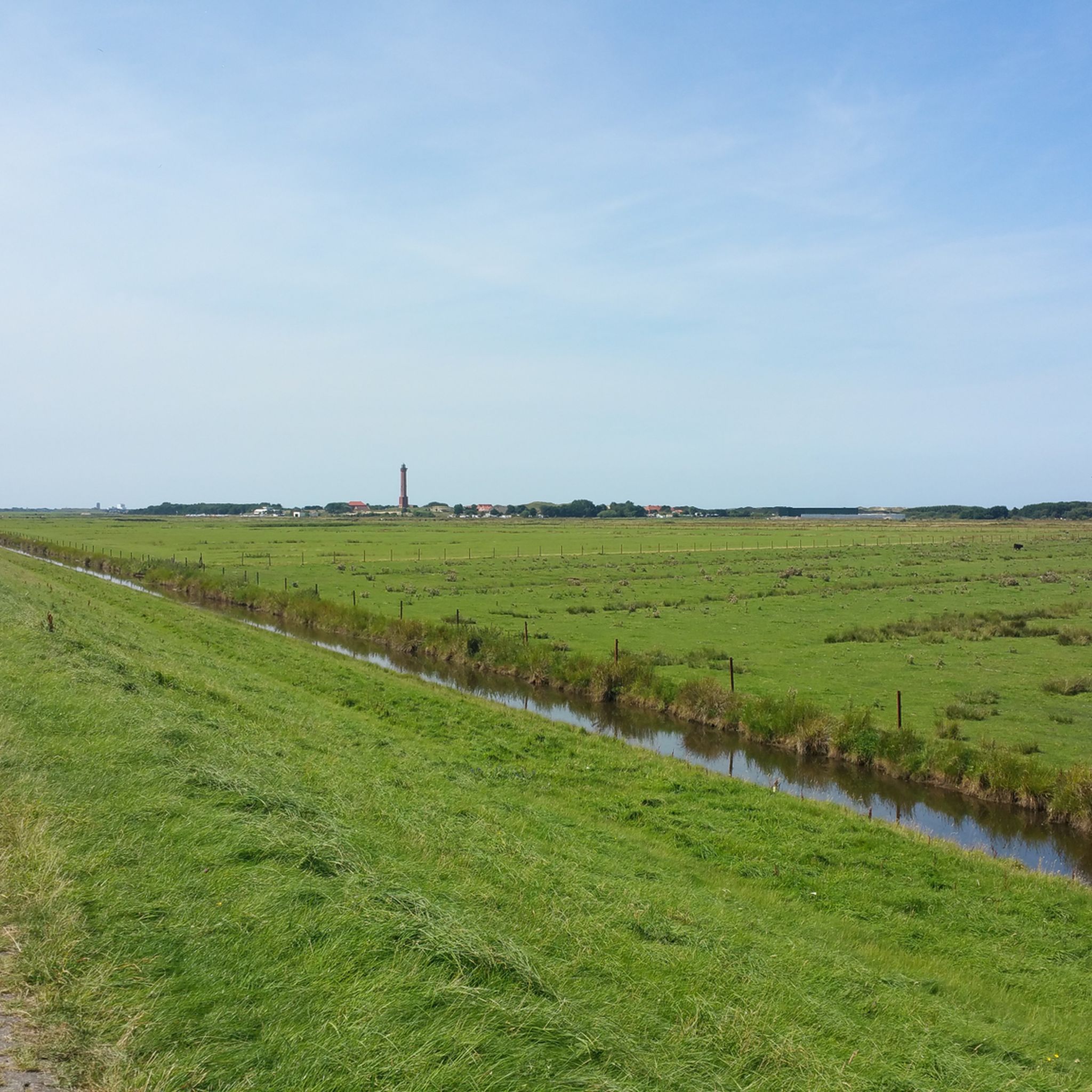
The last piece of the inhabited world. From here, only footpaths lead to the end of the island.
2
0

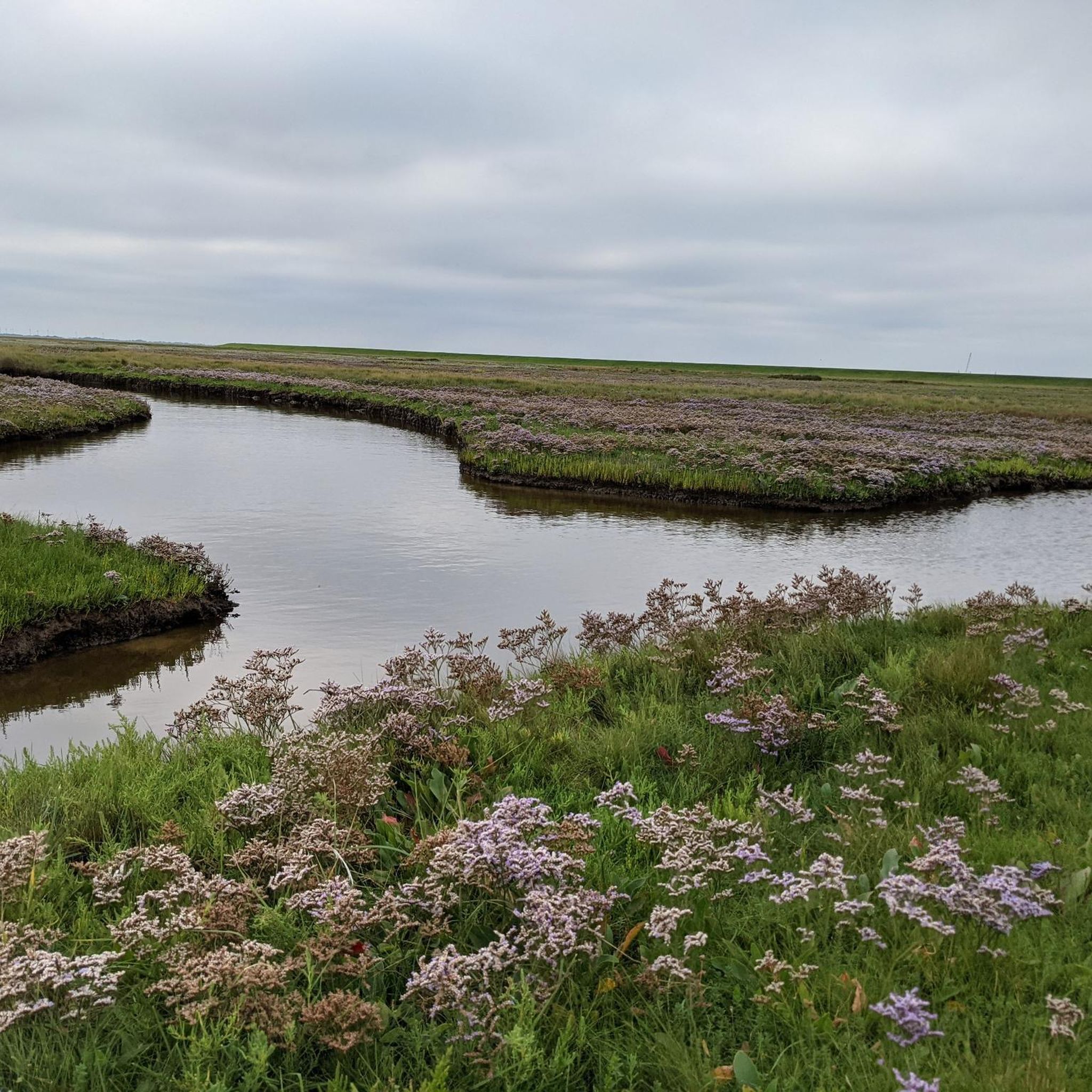
Lower Saxony Wadden Sea National Park “Holidaying in nature” like royalty: Magnificent buildings and parklands still bear witness today that King George V of Hanover chose the idyllic island as his summer residence as early as 1836. 150 years later, modern fathers and mothers of the nation placed the natural paradise under the protection of the Lower Saxony Wadden Sea National Park. Like all East Frisian Islands, Norderney also has a turbulent past. Wind and waves transport the sand that created the islands. But they not only deposit it there, but also take it away again and again. Especially the western ends of the islands are therefore secured by protective structures to protect the island villages, the construction of which began on Norderney as early as 1857. In the east of the island, on the other hand, you can observe the free play of nature, which conjures up a fascinating, constantly changing landscape. See: https://www.stadt-norderney.de/bauen-umwelt/natio
5
0

Very beautiful paths through the dunes
3
0

Beautiful paved path through the dunes.
2
0
Frequently Asked Questions
What makes Norderney's natural monuments unique?
Norderney's natural monuments are unique due to the island's significant portion (approximately 85%) falling within the UNESCO World Heritage Site of the Wadden Sea National Park. This creates a dynamic landscape of tidal mudflats, salt marshes, and extensive dune systems, offering a pristine coastal environment. The island's commitment to nature conservation ensures these wonders are preserved for visitors.
What is the most significant natural monument on Norderney?
The most significant natural monument on Norderney is the Lower Saxony Wadden Sea National Park (Norderney Dunes). This UNESCO World Heritage Site covers most of the island and is globally recognized for its ecological importance, featuring dynamic mudflats, creeks, salt marshes, and dunes. You can explore its unique ecosystem through guided mudflat hikes and observe diverse flora and fauna.
Where can I find panoramic views of Norderney's landscape?
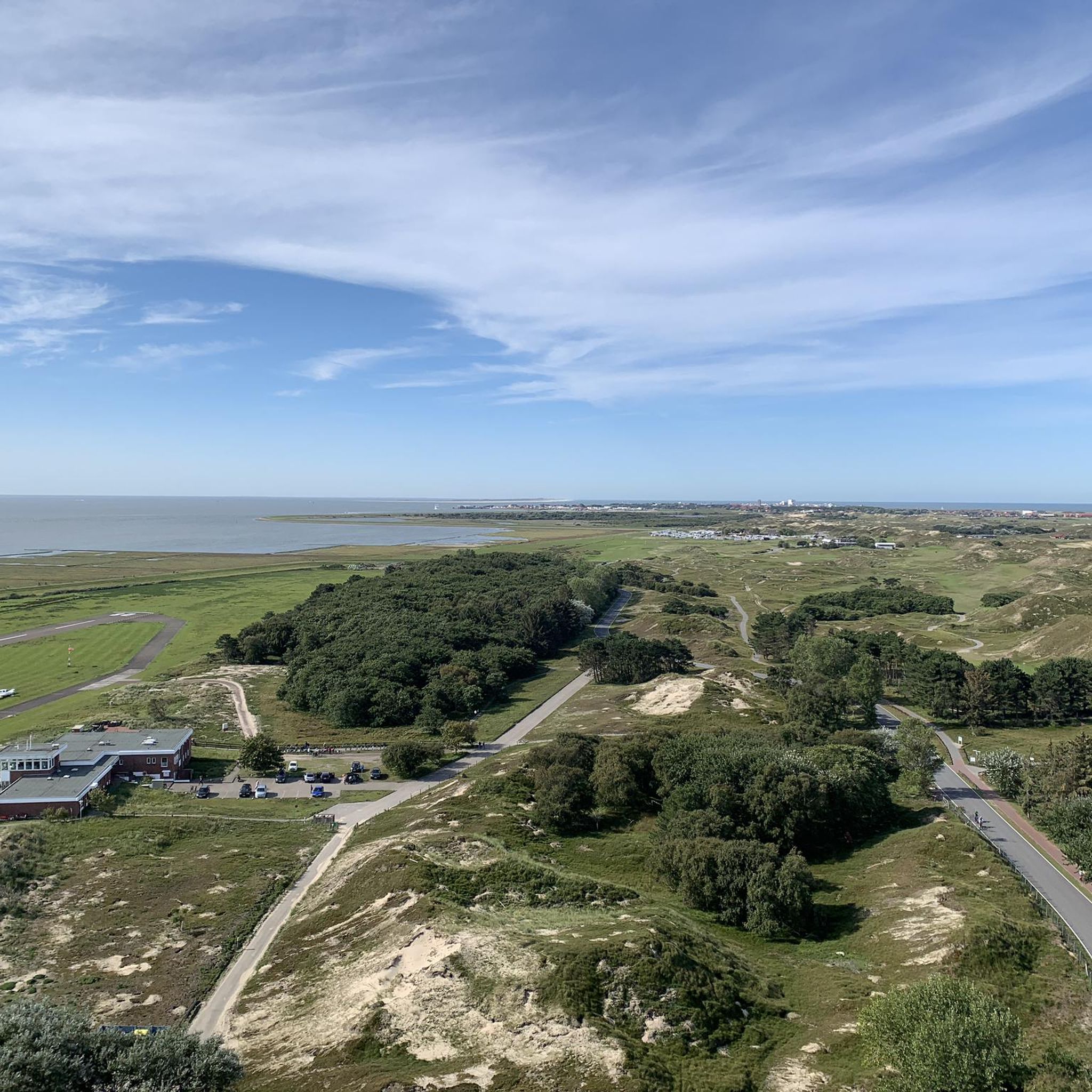
For breathtaking panoramic views, visit the Walter-Großmann-Dune Observation Platform. At 24.4 meters above sea level, it's the highest point on Norderney and offers expansive vistas of the surrounding dune landscape and the Wadden Sea. Another great spot for views over the dune landscape and salt marshes is the Navigation beacon on Möwendüne.
Are there opportunities for hiking near Norderney's natural monuments?
Yes, Norderney offers numerous hiking opportunities, especially through its extensive dune landscapes and along its beaches. You can explore paved paths within the Lower Saxony Wadden Sea National Park (Norderney Dunes). For more specific routes, check out the Easy hikes on Norderney guide, which includes trails like the one from Marienhöhe Restaurant to West Beach.
Can I cycle near the natural monuments on Norderney?
Cycling is a popular way to explore Norderney's natural beauty. Many paths wind through the dune landscapes and along the coast. You can find various routes in the Cycling on Norderney guide, such as the 'View of the Dunes of Norderney' loop, or explore mountain biking options in the MTB Trails on Norderney guide.
What kind of wildlife can I spot around Norderney's natural monuments?
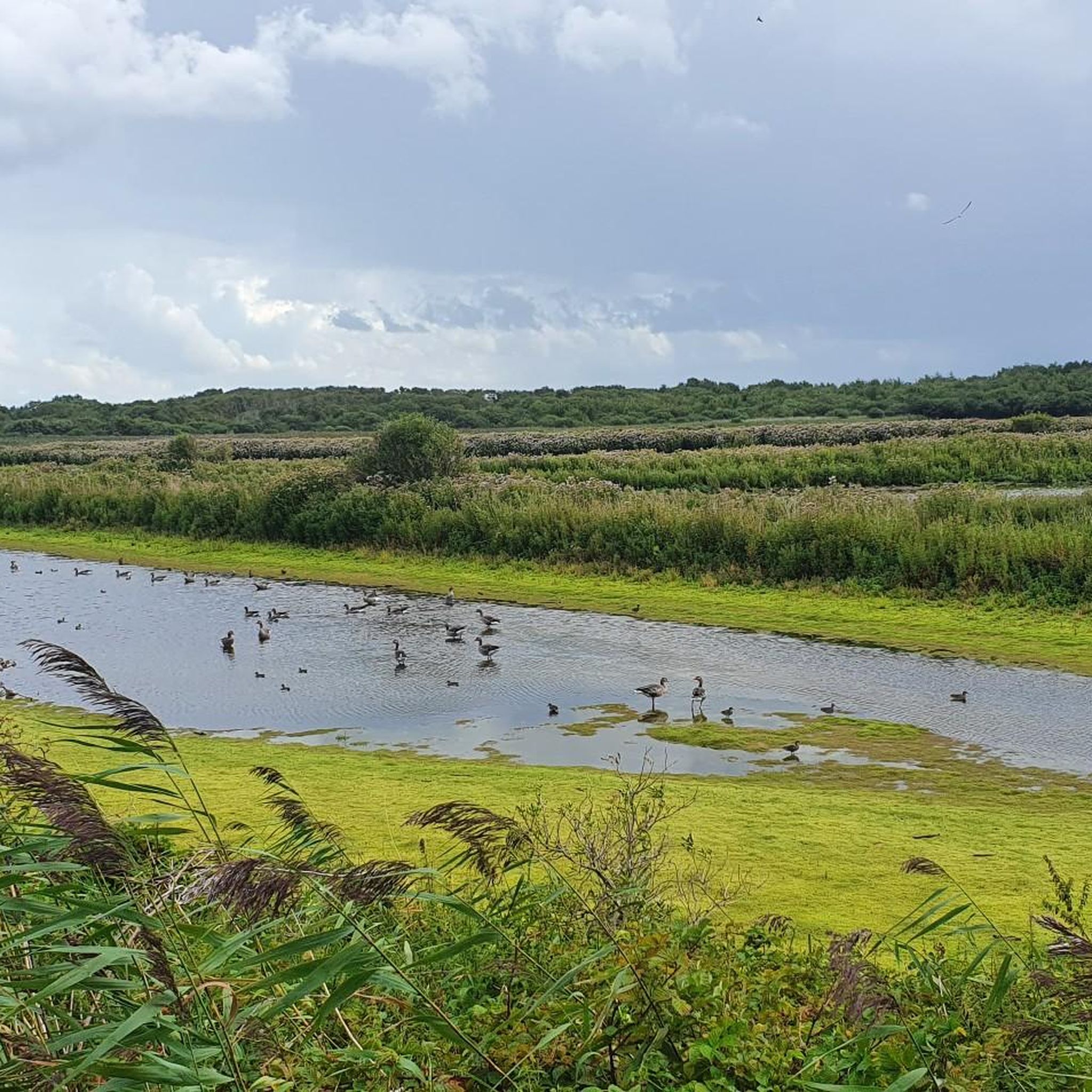
Norderney's natural monuments, particularly the Wadden Sea National Park and the Norderney Nature Reserve, are excellent for wildlife spotting. The island is a haven for diverse bird species, especially during migration. You can observe various coastal flora and fauna in the mudflats and salt marshes. The Möwendüne, for instance, is known as a breeding ground for seagulls in summer.
Are Norderney's natural monuments family-friendly?
Many of Norderney's natural monuments are very family-friendly. The Lower Saxony Wadden Sea National Park (Norderney Dunes) offers paved paths suitable for all ages. The expansive sands of White Dune Norderney are perfect for walks and relaxation, and the Walter-Großmann-Dune Observation Platform provides an accessible viewpoint for everyone to enjoy.
Is the Wadden Sea National Park accessible on Norderney?
Yes, the Wadden Sea National Park on Norderney is largely accessible. Many areas, particularly within the dune landscapes, feature paved paths suitable for exploration. The eastern half of Norderney, which is part of the National Park, has restricted access in some areas for wildlife protection, but there are designated trails and guided tours, such as mudflat hikes, that allow visitors to experience this unique ecosystem. The Watt Welten UNESCO World Heritage Wadden Sea Visitor Center provides interactive exhibitions and information.
What is the best time of year to visit Norderney's natural monuments?
The best time to visit Norderney's natural monuments largely depends on your preferences. Spring and autumn offer pleasant temperatures for hiking and cycling, with fewer crowds and excellent opportunities for birdwatching during migration seasons. Summer is ideal for enjoying the beaches and warmer weather, while winter provides a tranquil, rugged coastal experience. The Wadden Sea's dynamic nature is fascinating year-round.
How can I reach the natural monuments on Norderney?
Norderney is a car-free island in many areas, especially the eastern part. You can reach the island by ferry, and then use bicycles, local buses, or walk to access the natural monuments. For example, the eastern part of the island, known as Ostheller, has a large bicycle parking space and bus stops, from where you can continue on foot to the eastern end.
Are there parking options near Norderney's natural monuments?
While much of Norderney is car-free, there are designated parking areas at the edge of the accessible zones. For instance, at Ostheller, you'll find a parking lot for cars, which serves as a gateway to the eastern natural areas. From these points, you typically continue on foot or by bicycle to reach the specific natural monuments.
Where can I experience Norderney's extensive dune landscapes?
Norderney is renowned for its extensive dune landscapes, which can be explored throughout the island. The Lower Saxony Wadden Sea National Park (Norderney Dunes) offers well-maintained sandy paths winding through beautiful scenery. The Walter-Großmann-Dune Observation Platform is situated within these dunes, providing a prime location to immerse yourself in this unique environment.
Most popular routes on Norderney
Most popular attractions on Norderney

Get inspired with the komoot mobile app


Explore more
Extend your search for the best caves by checking out these guides of the top ones on Norderney:
