Top 20 Natural Monuments around Schweich
Best natural monuments around Schweich are situated within the picturesque Moselle Valley, a region defined by the winding Moselle River and its extensive vineyards. The area offers a diverse natural landscape, including forested areas like the Meulenwald. This setting provides numerous opportunities for outdoor activities, allowing visitors to explore its unique geological features and scenic beauty.
Best natural monuments around Schweich
- The most popular natural monuments is Klausen Cave (Hermit's Cave), a cave that is wonderfully secluded and features…
Last updated: July 7, 2026
Genoveva Cave
Highlight • Cave
Translated by Google •
Tip by

Klausen Cave (Hermit's Cave)
Highlight • Cave
Showing Translation
Tip by

Sign up now to discover places like this
Get recommendations on the best single tracks, peaks, & plenty of other exciting outdoor places.
Sign up for free
Roman copper mine and quarry Pützlöcher
Highlight • Historical Site
Translated by Google •
Tip by

Moselkino Viewpoint
Highlight • Viewpoint
Translated by Google •
Tip by

Silvester Cave
Highlight • Cave
Translated by Google •
Tip by

Sign up for free to discover even more natural monuments around Schweich.
Sign up for free
Already have an account?
Start today with a free account
Your next adventure awaits.
Login or Signup
Popular around Schweich
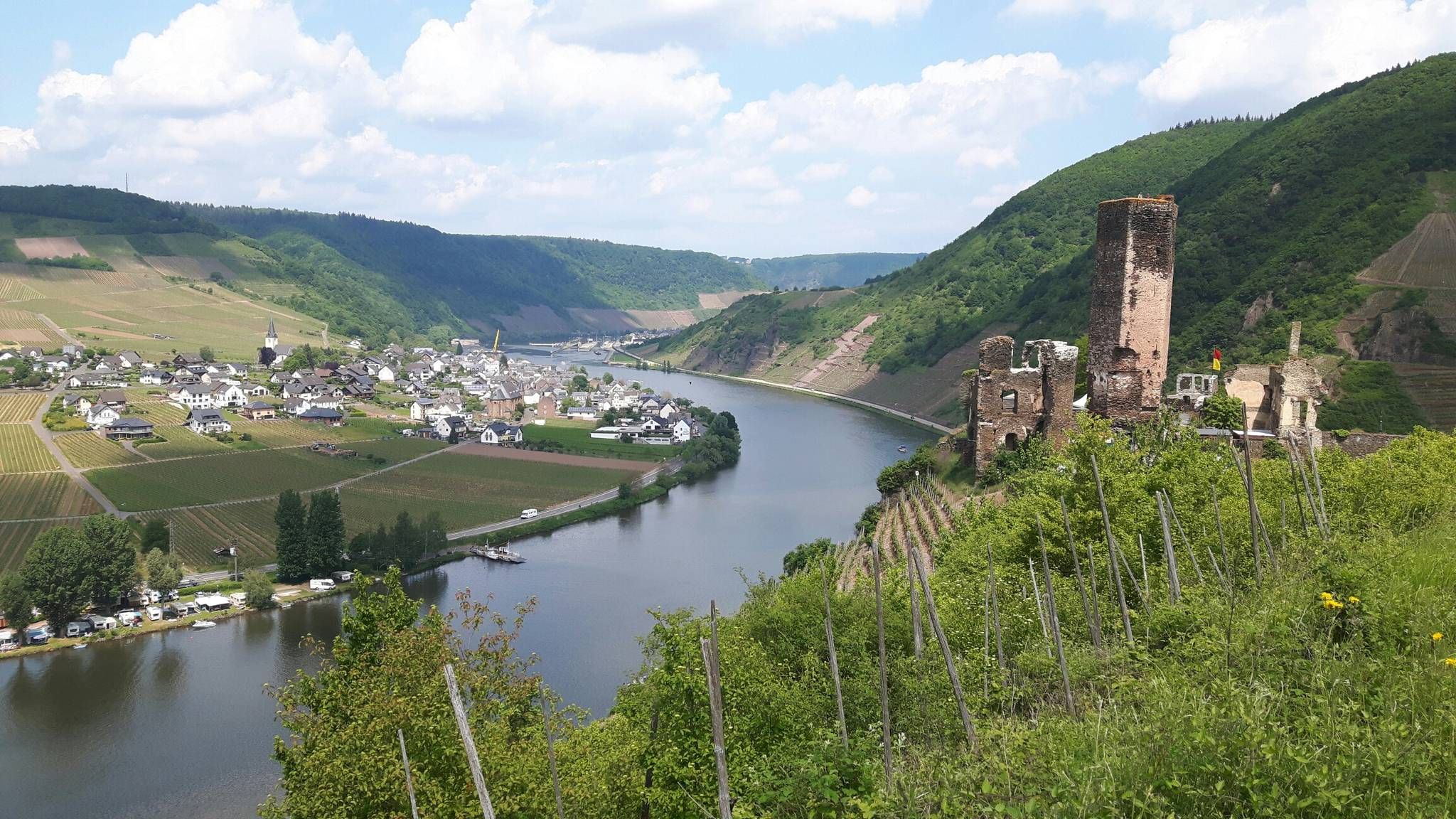
The Moselsteig trail – 24 stages along the sunny Moselle Valley
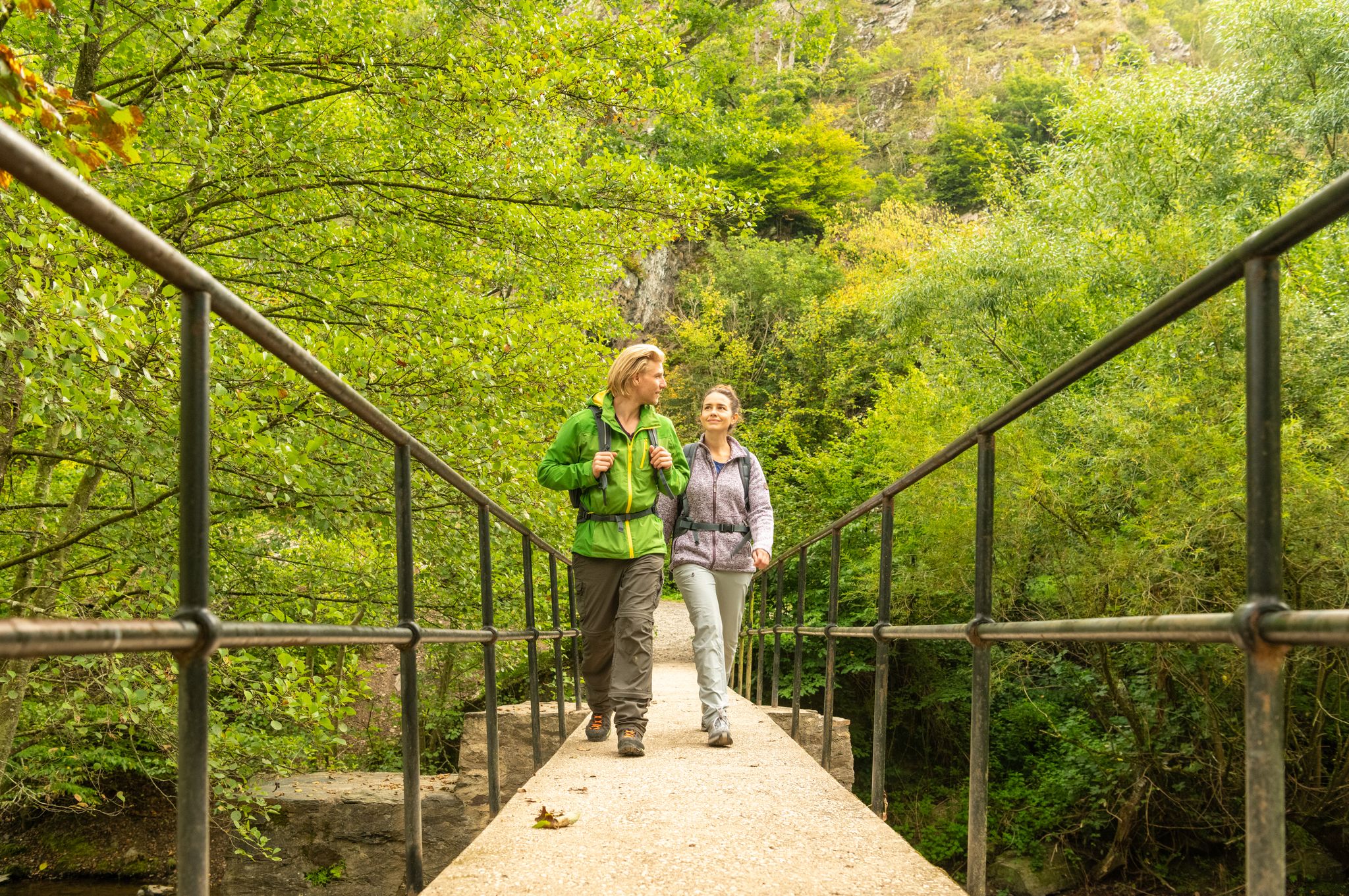
Moselsteig Partner Trails – nature, culture and views
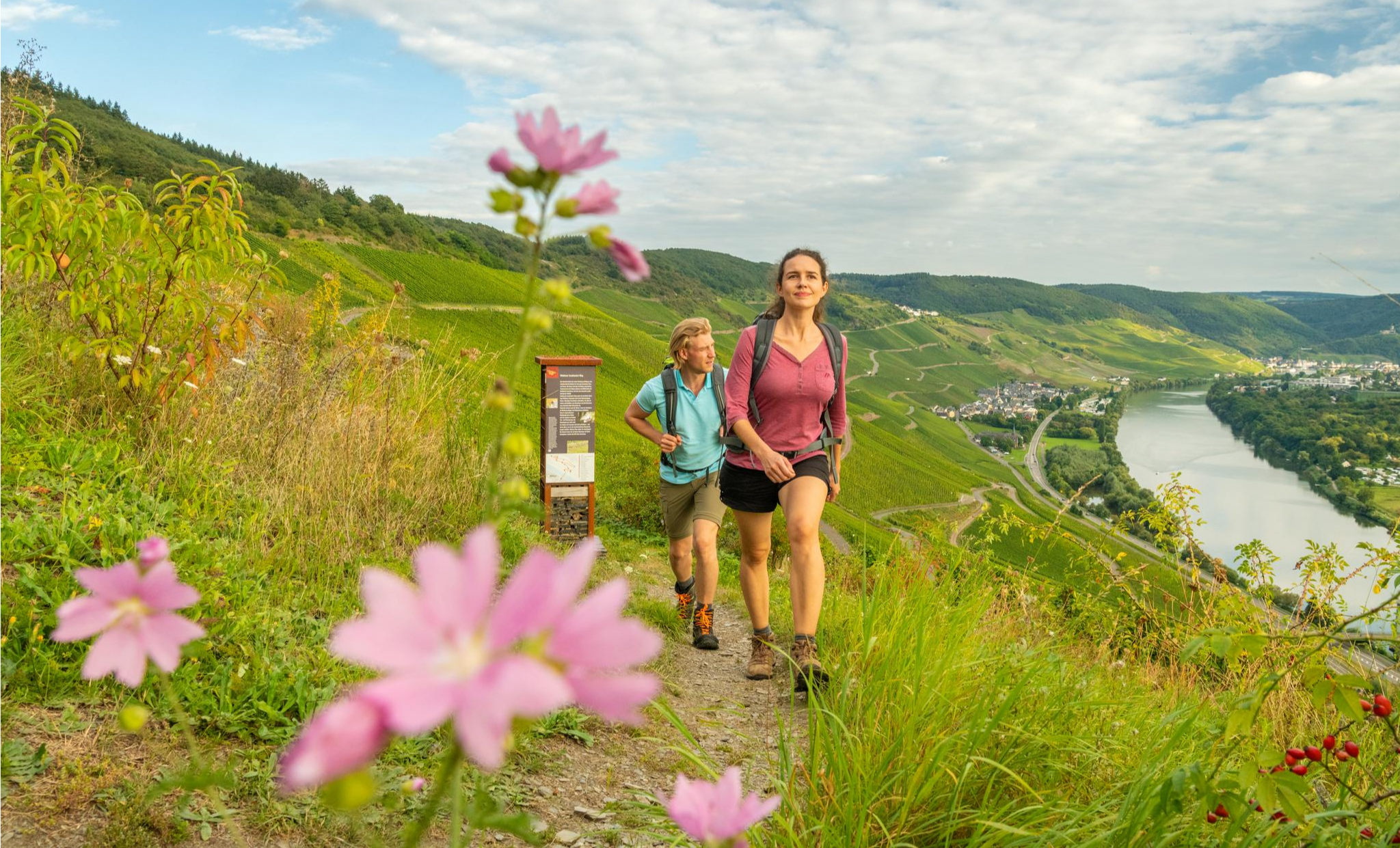
Moselsteig – 24 varied stages from Perl to Koblenz
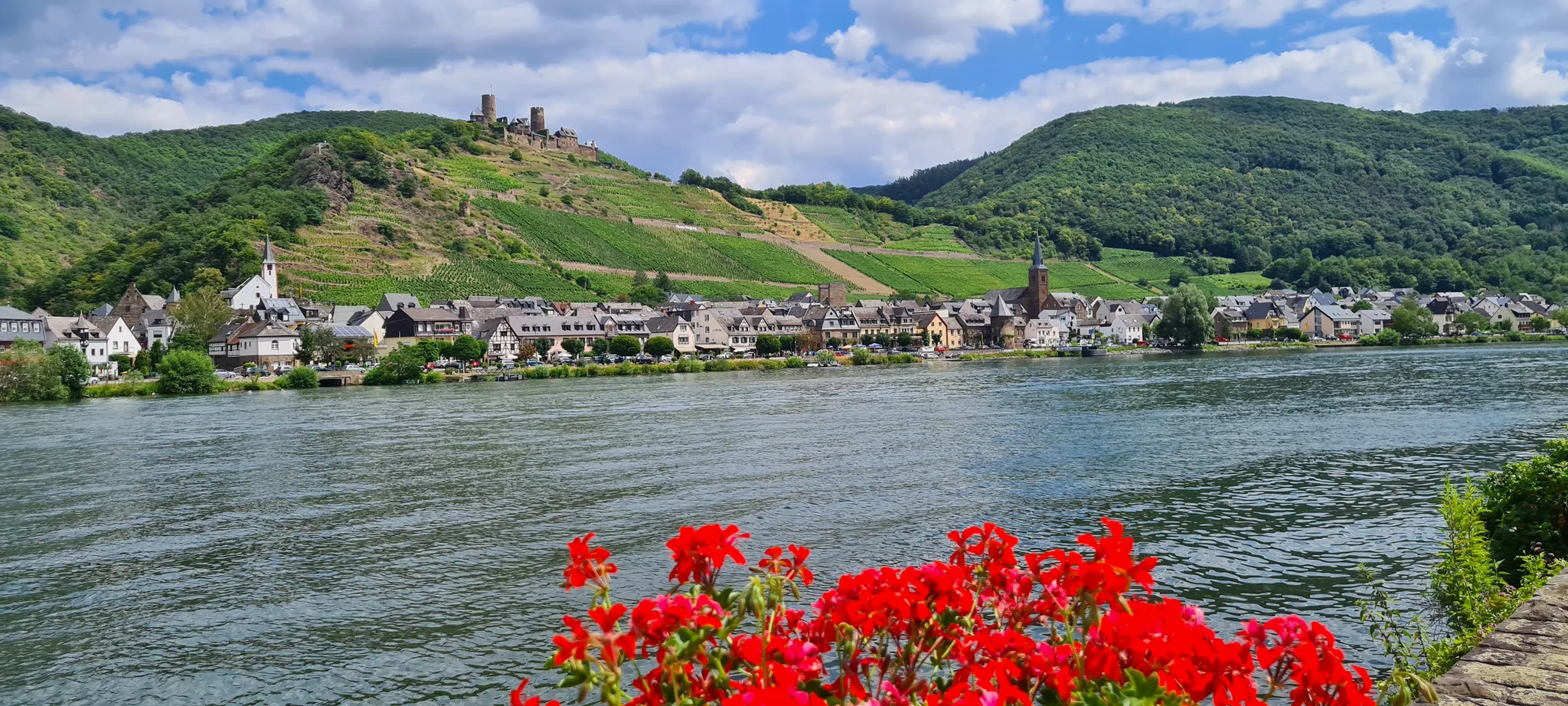
D-Route 5: Saar-Moselle-Main
Hiking around Schweich
Cycling around Schweich
Running Trails around Schweich
Road Cycling Routes around Schweich
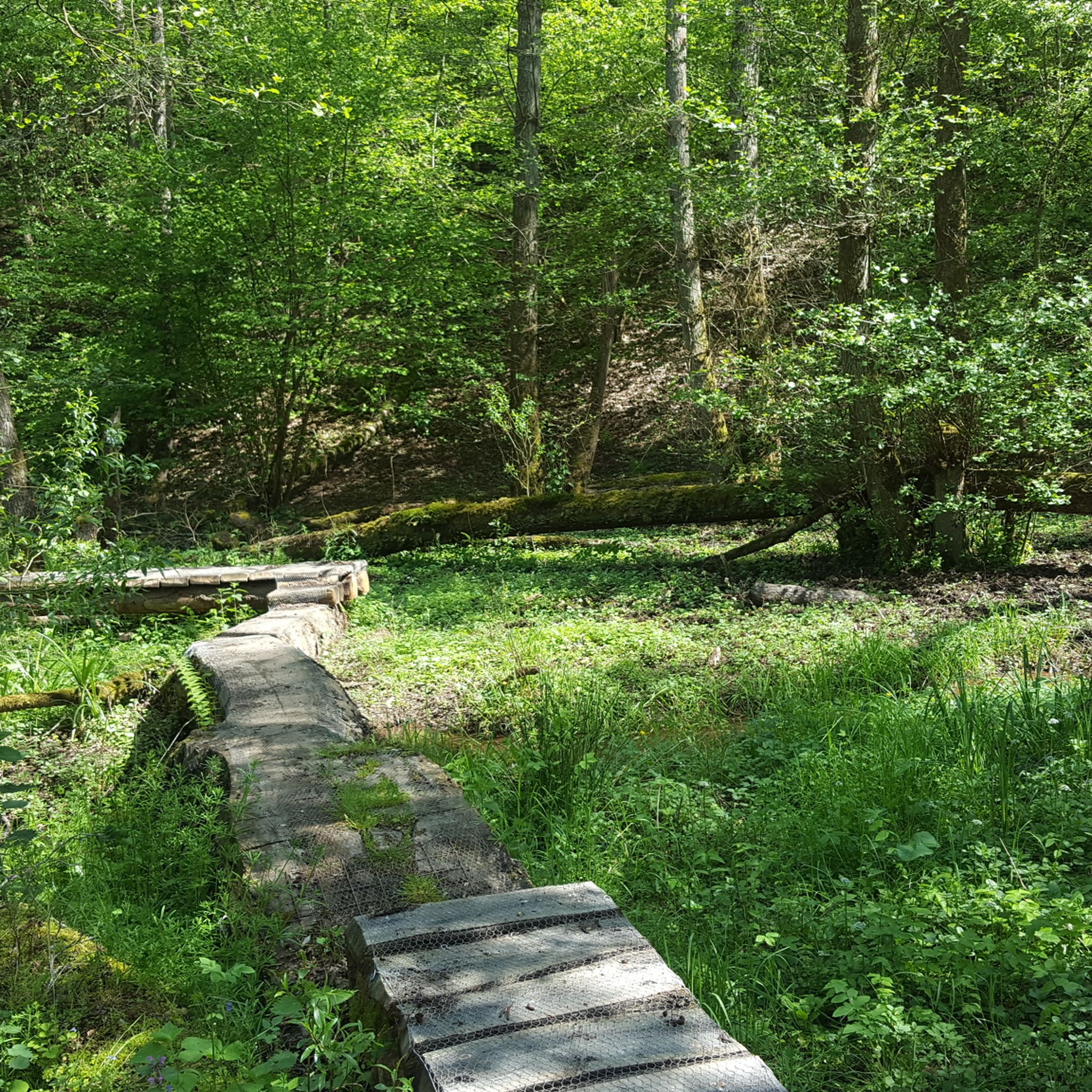
MTB Trails around Schweich
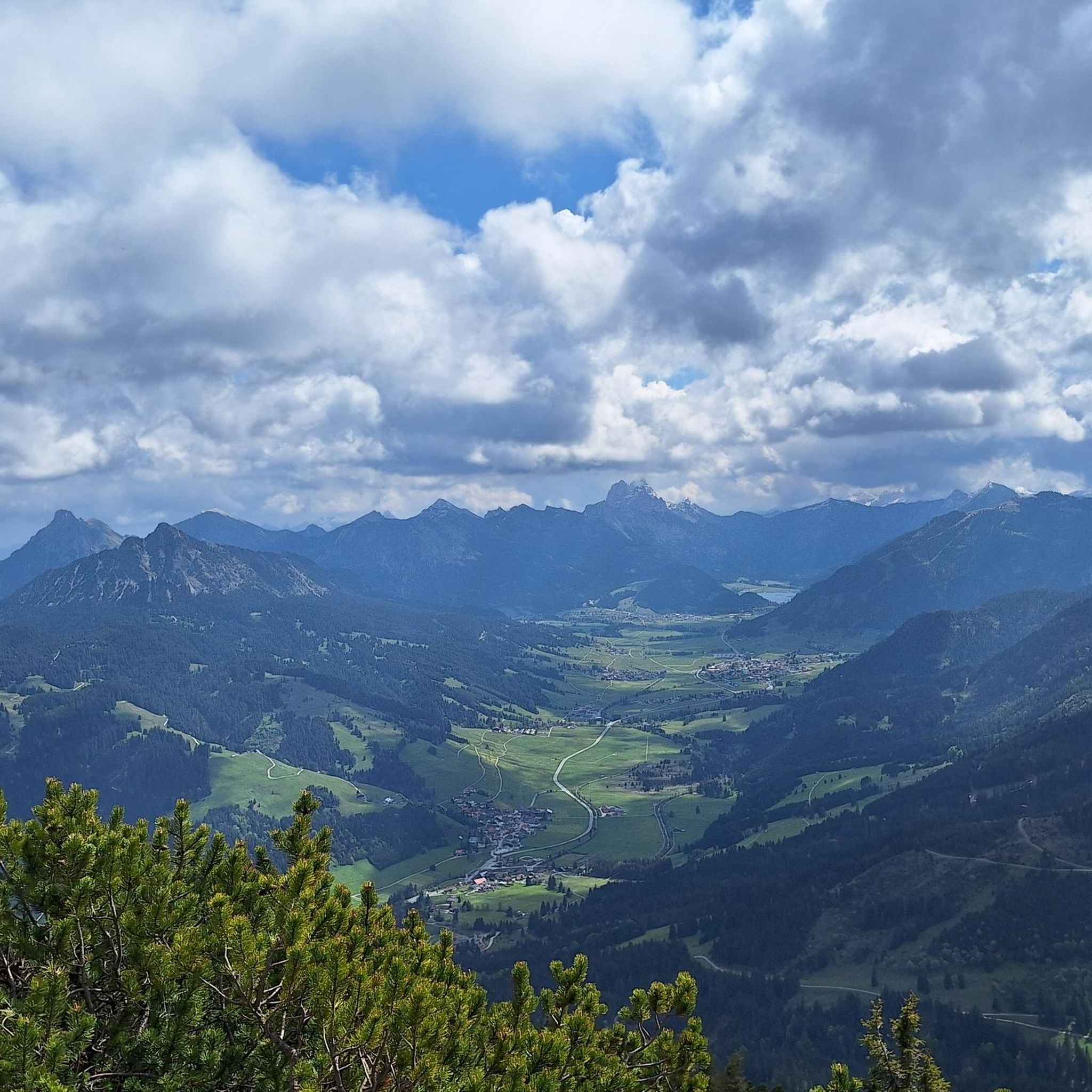
Gravel biking around Schweich
Other adventures around Schweich


Tips from the Community

The Klausenhöhle was inhabited in the 18th century by a hermit. Access is via ladders. Particularly impressive is the view through a natural rock opening, which reveals a view of the surrounding landscape. With its exceptional location and special atmosphere, the cave is one of the region's most appealing photo motifs.
40
0
Even today, blocks of stone with Roman numerals and inscriptions can be found in the mine. It is believed that quarrying continued into the 3rd century, as a coin of Emperor Maximinus Thrax was found in the tunnel. Much later, in the 18th century, the search for ore and copper resumed using state-of-the-art blasting techniques, creating new tunnels approximately 114 meters deep. However, the main tunnel collapsed during this process. Source: https://eifelfuehrer.de/touristische-ziele/geschichtliche-zeugnisse/puetzloecher
36
0
The Roman copper mine "Pützlöcher," located between Kordel and Butzweiler, is one of the oldest in Germany and means "waterhole." Here, in the 2nd century, ores such as malachite and azurite were mined at a depth of 20 meters. However, these ores were not found in large deposits, so the Romans later focused on the nearby quarry. The stones from this quarry were used, among other things, for the construction of the Porta Nigra. Source: https://eifelfuehrer.de/touristische-ziele/geschichtliche-zeugnisse/puetzloecher
43
0

The name comes from New Year's Eve 1982/83 when the Kordel local history society celebrated the completion of the work in the Butzerbachtal.
4
0

A nice resting place under a rocky outcrop that offers shelter even in a storm. The father's association, which celebrates its festivals here, has existed for 40 years.
7
0

Great, impressive photo opportunity 🎨📸👍🏻👌🏼 Klausenhöhle KORDEL Visit the Klausenhöhle on the Eifelsteig and Römerpfad premium hiking trails and let the past come to life again. In the 18th century, a Klausener, a hermit, who sought to achieve eternal salvation through a life in complete isolation, probably lived in the Klausenhöhle. It's gigantic to see😵👌🏼
11
0
The Porta Nigra in Trier, the Cologne Cathedral and the Reichstag in Berlin have something in common! The building blocks come from the same area near Butzweiler near Trier. "Pützlöcher" is the popular name for a Roman quarry in which the large blocks for the construction of the Porta Nigra were cut out of the rock. Previously, copper ore was mined here.⚒️
12
1
"Pützlöcher": Roman quarry in which large blocks were cut out of the rock to build the Porta Nigra. Before that, copper ore was mined here.⚒️
8
0
Frequently Asked Questions
What unique natural features define the Schweich area?
The Schweich area is characterized by the picturesque Moselle Valley, with the winding Moselle River at its heart. Extensive vineyards cover the steep slopes, creating a unique cultural landscape, while forested areas like the Meulenwald offer a contrasting natural environment. These elements combine to form a diverse and scenic region for outdoor exploration.
Are there any notable geological formations to explore near Schweich?
Yes, the region offers interesting geological features. The steep vineyards along the Moselle, such as the Calmont further along the river, are notable formations. Additionally, the area features several caves, which are natural geological formations. For example, the Genoveva Cave is a huge, open cave, and the Klausen Cave (Hermit's Cave) features fascinating faces in the rock.
What are some of the most popular natural monuments around Schweich that visitors enjoy?
Visitors particularly enjoy the Klausen Cave (Hermit's Cave) for its secluded beauty and fascinating rock formations. The Moselkino Viewpoint is also highly popular, offering a stunning panorama of the Moselle Valley with benches arranged like a movie theater. Another favorite is the Genoveva Cave, a large open cave with historical context.
What outdoor activities can I do to explore the natural monuments near Schweich?
The region around Schweich is ideal for various outdoor activities. You can enjoy extensive hiking through vineyards and forests, with trails like the 'Moselsteig Side Trail: Meulenwaldto(u)r Schweich'. Cycling is also very popular, with paths along the Moselle River offering scenic routes. Mountain biking trails are available too, such as the 'View of the Moselle Valley – Huxlay Hut and Viewpoint loop from Schweich DB'. For more details on routes, you can explore the hiking, cycling, and MTB guides for Schweich.
Are there specific hiking trails that lead to natural monuments in the Schweich region?
Yes, many hiking trails in the Schweich region incorporate natural monuments. For instance, the 'Moselsteig Side Trail: Meulenwaldto(u)r Schweich' takes you through forested areas. The 'Tree World Trail' near Quint is an accessible circular route focusing on trees. Trails often lead to viewpoints like Moselkino Viewpoint or past caves such as Genoveva Cave and Klausen Cave. You can find more hiking options in the hiking guide for Schweich.
Are there family-friendly natural monuments or trails suitable for children near Schweich?
Absolutely. The Moselkino Viewpoint is considered family-friendly, offering a relaxed experience with stunning views. The 'Tree World Trail' near Quint is an accessible circular route through a forest, designed to introduce visitors, including children, to various trees. The Silvester Cave, which is more of a rock overhang, provides a nice resting area that can be enjoyed by families.
Are the natural monuments and trails around Schweich dog-friendly?
Many natural areas and trails around Schweich are dog-friendly, allowing you to explore with your canine companion. For example, the Moselkino Viewpoint is listed as dog-friendly. When hiking or cycling, it's generally advisable to keep dogs on a leash, especially in vineyard areas or near wildlife. Always ensure you clean up after your dog to maintain the natural beauty for everyone.
What is the best time of year to visit the natural monuments around Schweich?
The Moselle Valley around Schweich is beautiful year-round, but each season offers a different experience. Spring (April-May) brings blooming vineyards and mild temperatures, ideal for hiking. Summer (June-August) is perfect for river activities and cycling, though it can be warmer. Autumn (September-October) is particularly stunning with the grape harvest and vibrant fall foliage, making it a popular time for wine walks and scenic drives. Even winter offers peaceful, crisp walks, especially in the Meulenwald Forest.
What do visitors particularly appreciate about the natural monuments in the Schweich area?
Visitors frequently highlight the breathtaking panoramic views, especially from spots like the Moselkino Viewpoint, which offers 'Dream Views of the Moselle Valley'. The unique experience of exploring caves like Klausen Cave and Genoveva Cave, with their historical and geological intrigue, is also highly valued. Many appreciate the tranquility and the opportunity to immerse themselves in nature, away from the crowds.
Beyond caves and viewpoints, what other types of natural monuments can I find?
While caves and viewpoints are prominent, the natural monuments around Schweich also encompass significant historical sites intertwined with nature. The Roman copper mine and quarry Pützlöcher is a fascinating example, combining ancient human activity with natural rock formations. The entire Moselle River and its valley, with the extensive vineyards, are considered a cultural landscape of immense natural beauty and significance.
Are there any lesser-known natural gems or unique spots to discover near Schweich?
Beyond the most popular spots, the region holds many hidden corners. Exploring the numerous side trails off the main routes can lead to secluded viewpoints or quiet forest clearings in the Meulenwald. The Silvester Cave, while more of a rock overhang, offers a peaceful resting spot often less frequented than larger caves. The interplay of the Moselle River's bends and the surrounding vineyards constantly reveals new, picturesque scenes.
How can I reach the natural monuments around Schweich using public transport?
Schweich is generally well-connected within the Moselle region by public transport, primarily buses and regional trains. From Schweich, you can often find bus routes that connect to nearby villages or trailheads. For specific natural monuments, it's best to check local bus schedules to see which stops are closest to your desired destination. Planning your route in advance using public transport apps or local transport websites is recommended.
Where can I find parking when visiting natural monuments near Schweich?
Parking options vary depending on the specific natural monument you wish to visit. Many trailheads and popular viewpoints, such as those leading to Moselkino Viewpoint or the caves, often have designated parking areas nearby. In towns like Schweich, you'll find public parking lots. For more remote locations, roadside parking might be available, but always ensure you park legally and safely, respecting local regulations and private property.
Most popular routes around Schweich
Most popular attractions around Schweich

Get inspired with the komoot mobile app


Explore more
Extend your search for the best caves by checking out these guides of the top ones around Schweich:
