Top 20 Natural Monuments around Wismar
Natural monuments around Wismar offer diverse natural features within the region. Wismar, a UNESCO World Heritage site known for its Hanseatic history, is surrounded by areas of ecological value. The landscape includes coastal cliffs, protected nature reserves, and historical waterways. These sites provide opportunities to explore the natural heritage of the Wismar region.
Best natural monuments around Wismar
- The most popular natural monument is Timmendorf Cliffs, a natural monument that features a steep coastal edge. This location offers views…
Last updated: October 24, 2026
Timmendorf Cliffs
Highlight • Natural Monument
Translated by Google •
Tip by

Timmendorf Cliffs on the island of Poel
Highlight • Gorge
Translated by Google •
Tip by

Sign up now to discover places like this
Get recommendations on the best single tracks, peaks, & plenty of other exciting outdoor places.
Baltic Sea Cliffs
Highlight • Natural Monument
Translated by Google •
Tip by

Cliff Coast at the Baltic Sea
Highlight • Beach
Translated by Google •
Tip by

Gollwitz Beach
Highlight • Beach
Translated by Google •
Tip by

Sign up for free to discover even more natural monuments around Wismar.
Already have an account?
Start today with a free account
Your next adventure awaits.
Popular around Wismar
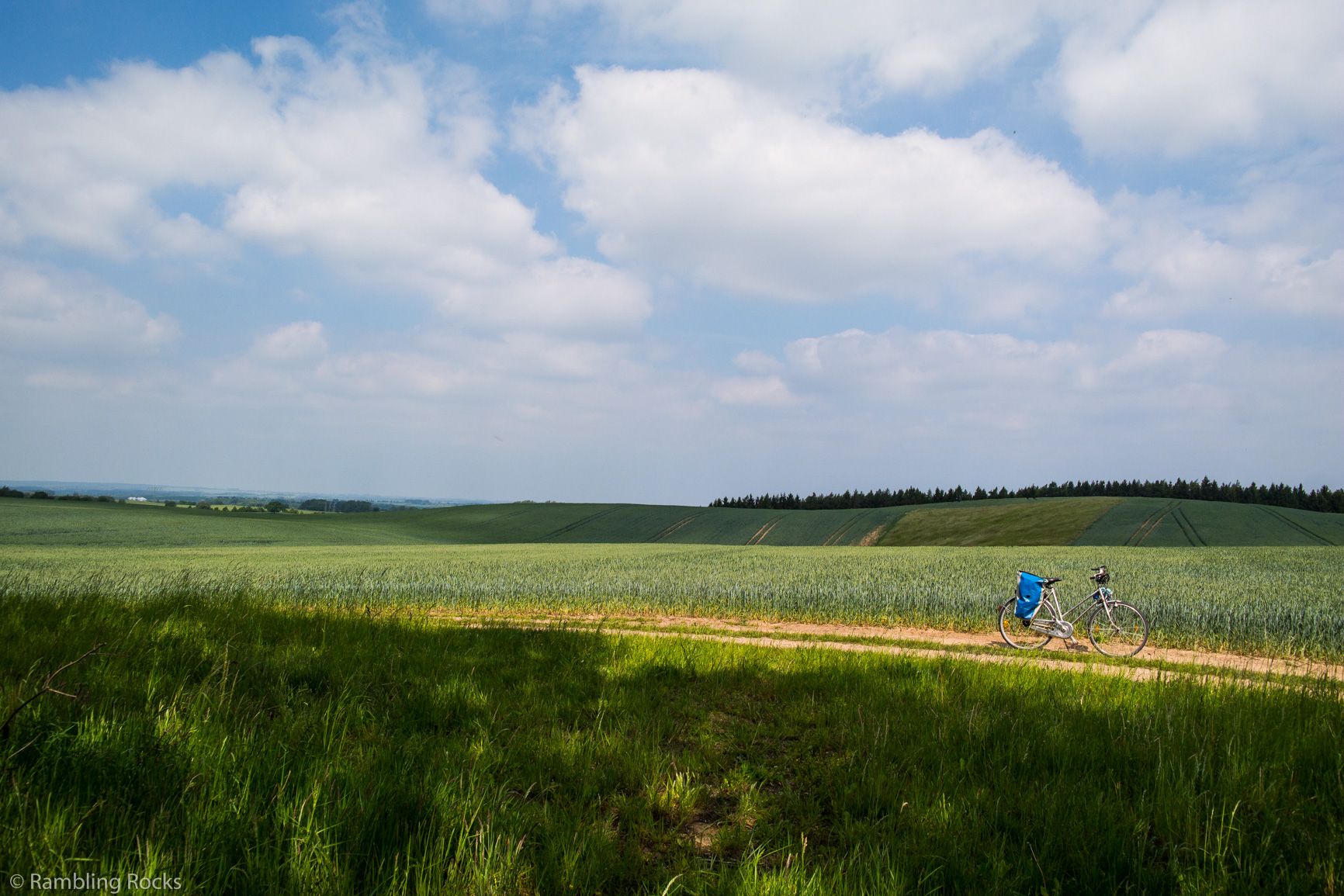
The Hanseatic Way – Cycling across North Germany to Poland, follow the cog!
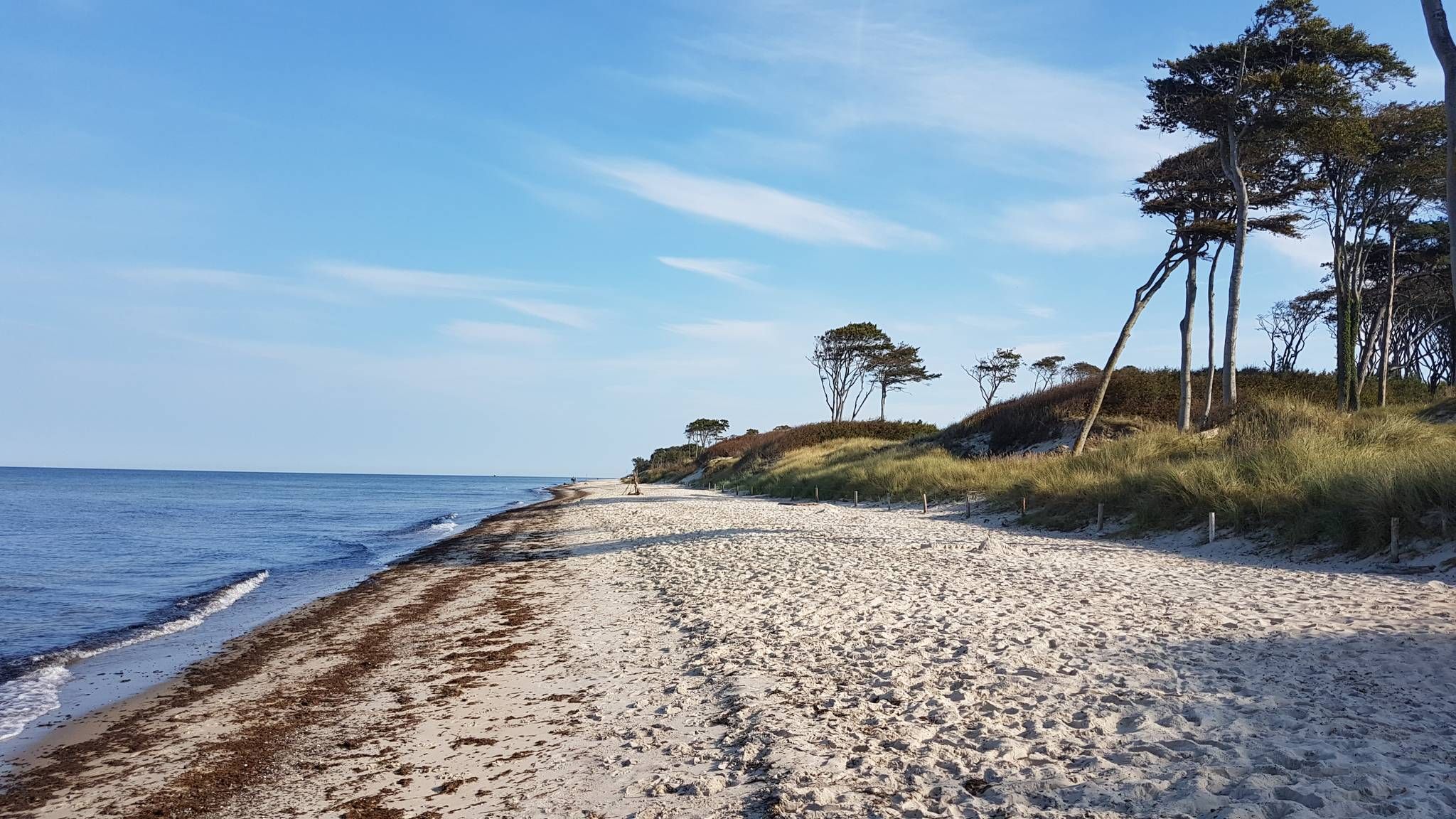
The E9 along the Baltic Sea — Explore an epic coastline
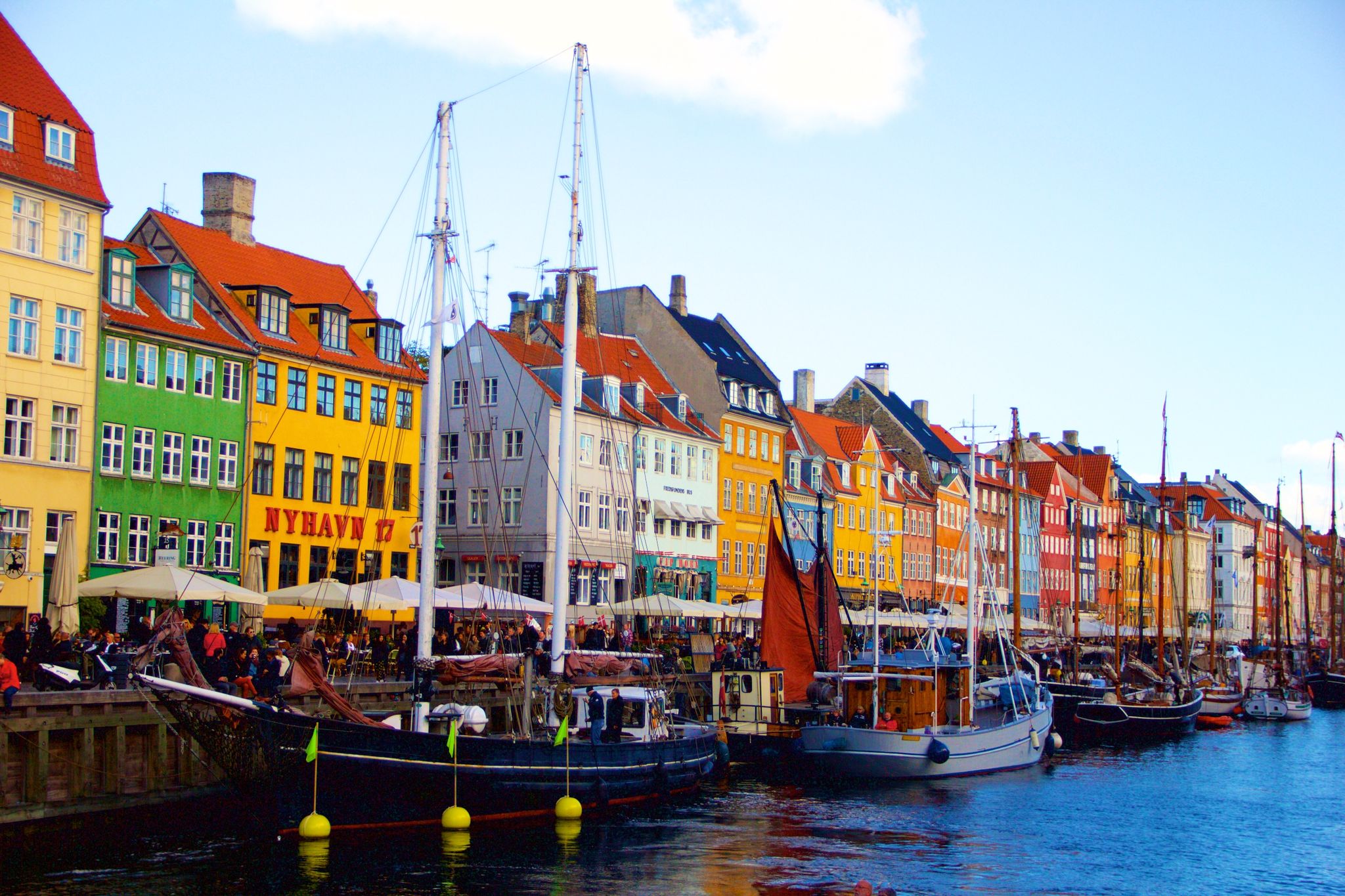
Berlin. Fehmarn. Copenhagen. An adventure on two wheels.
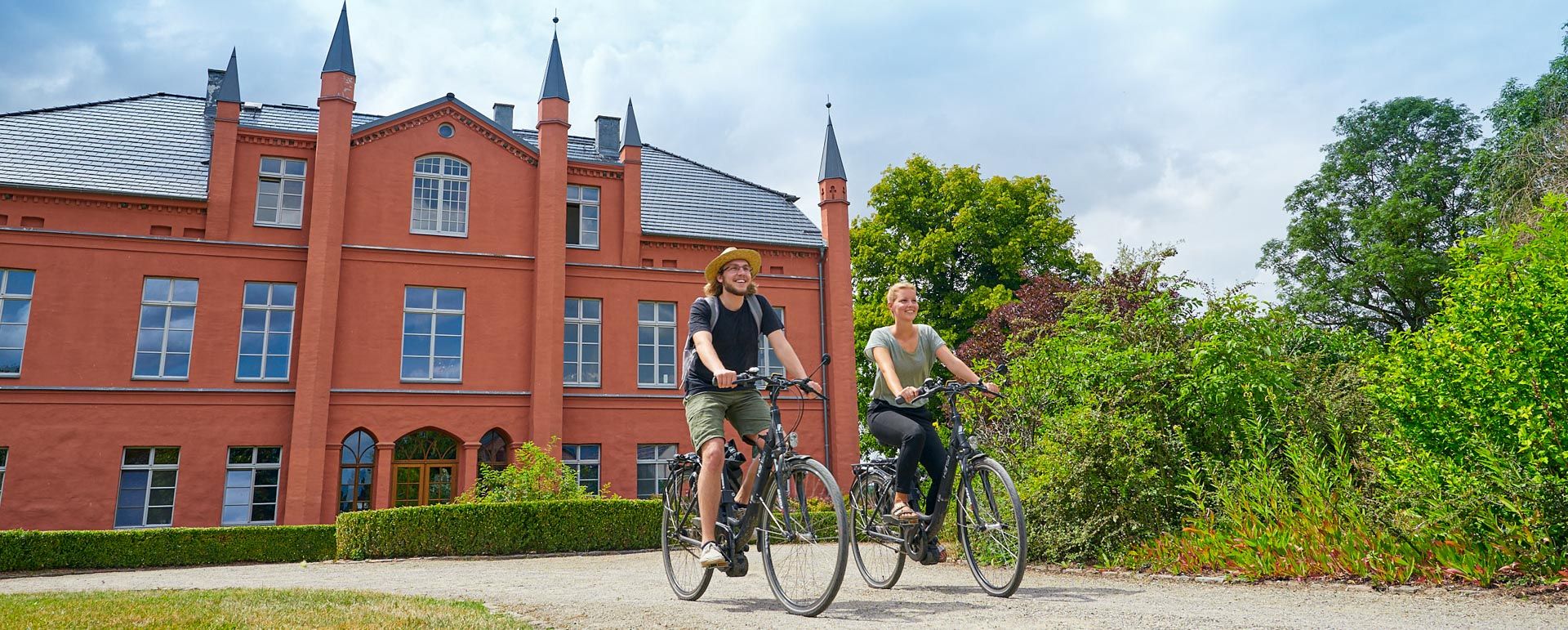
Baltic Manors – Exploring historic manor houses along the South Baltic coast
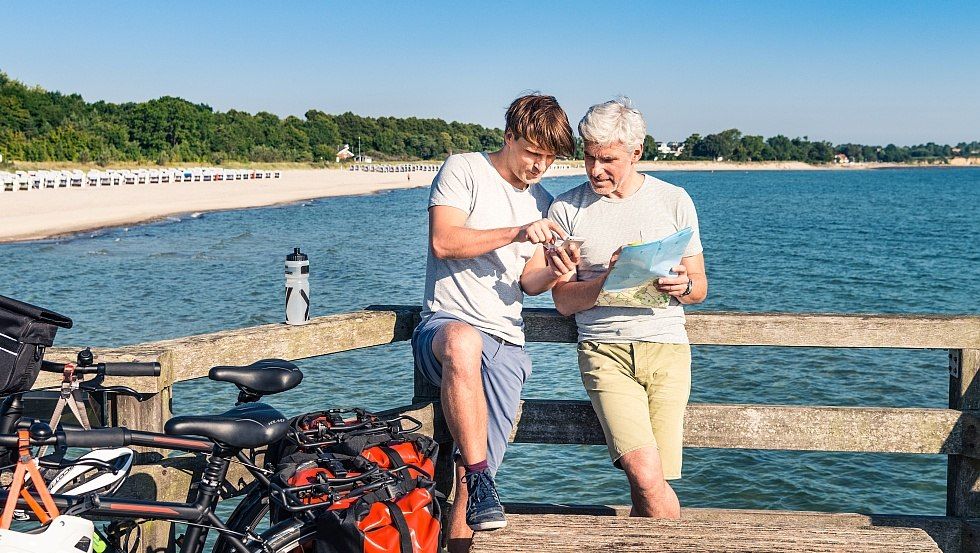
Bicycle touring on the Baltic Sea Cycle Path
D-Route 2: Baltic Coast Route
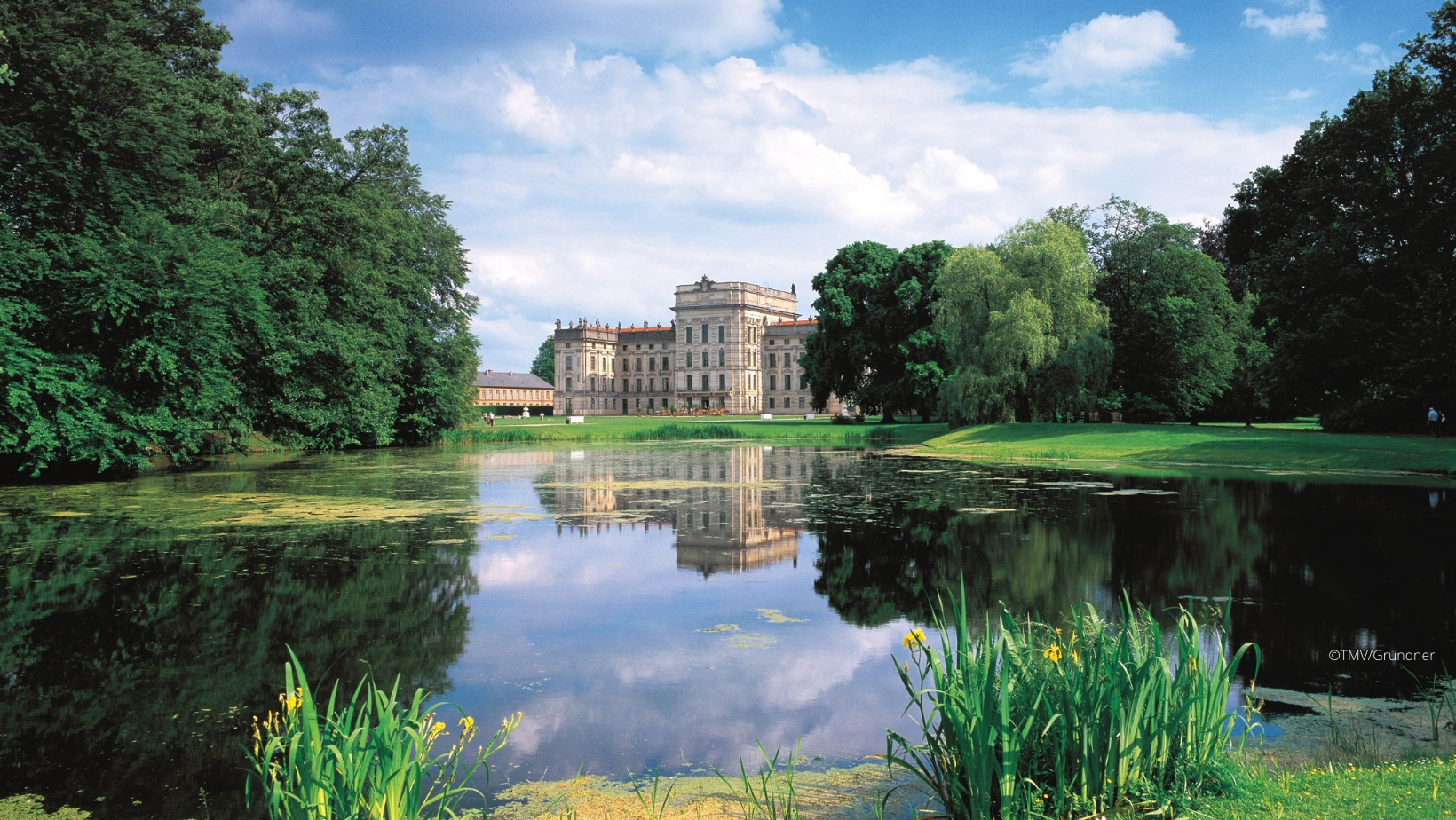
Auf dem Residenzstädte-Rundweg
Westlicher Backstein-Rundweg
Ostseeküsten-Radweg: Radeln, wo die Wellen flüstern
Cycling around Wismar
Other adventures around Wismar


Tips from the Community

I took the 230 bus from Wismar train station to the island of Poel, where - there are fantastic natural beaches 🏖️ and a stunning cliff coast, and - where there's always a place to stop for a bite to eat or stay overnight at the harbor in Timmendorf. Other things to see: - Cliff coast - Natural beach - Lighthouse - Harbor - Cliff path - Reed bog (nature trail) - Ghost Forest The bus stop for the return trip is just a 5-minute walk from the harbor. Please note the beach fee during peak season! More information is available at: insel-poel.de Check out my tour: Poel Island -
0
0

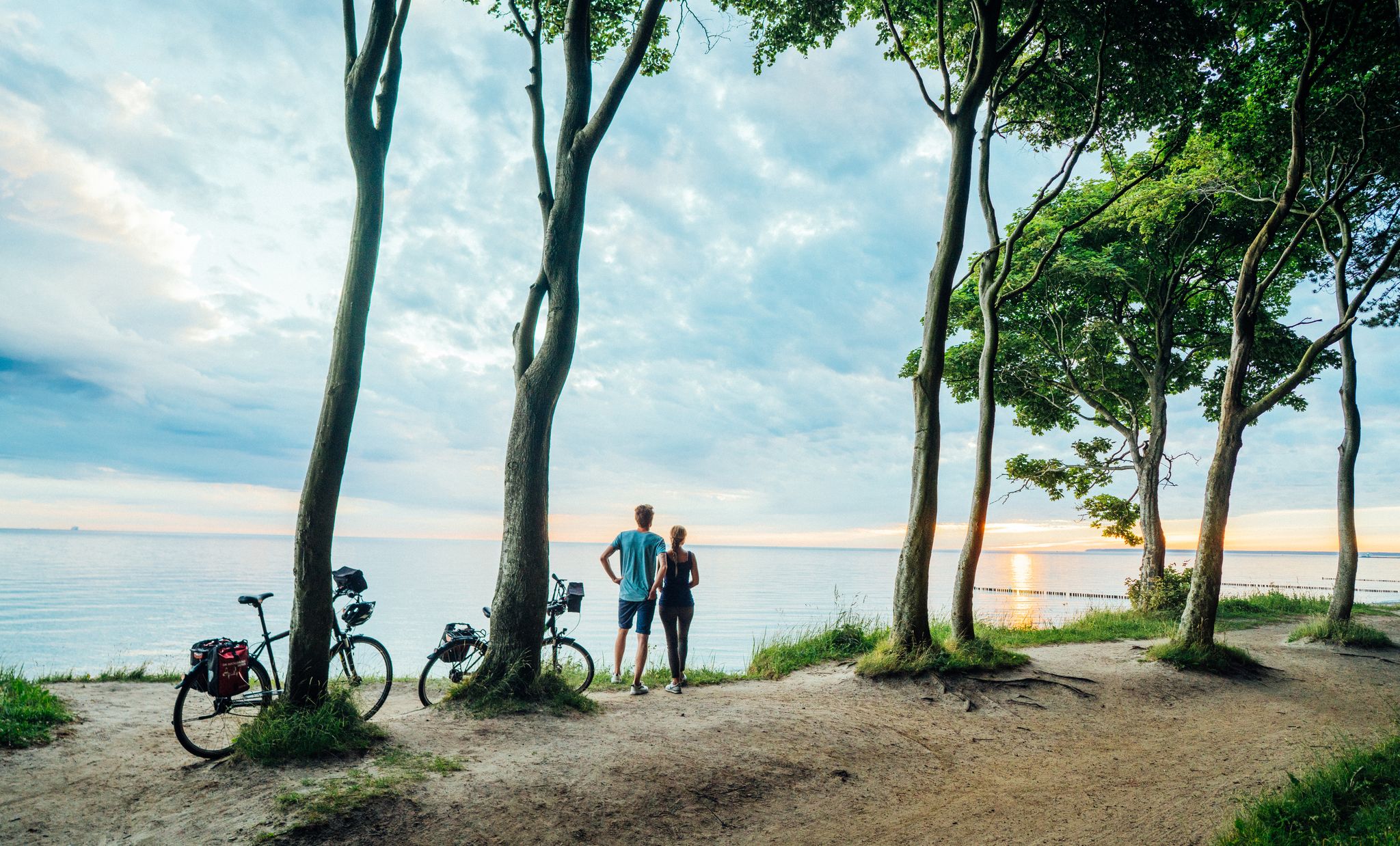
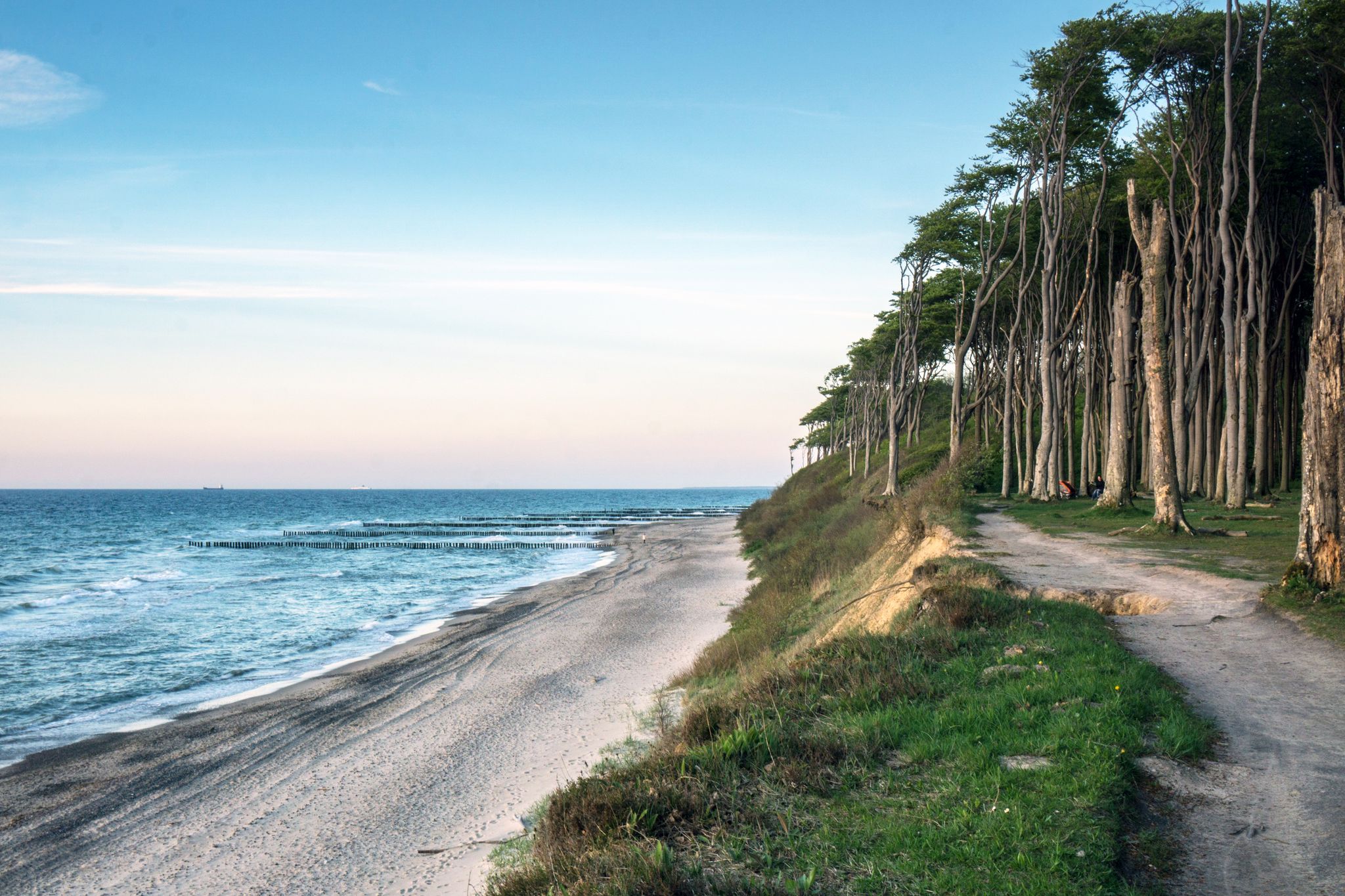
The steep coastline in the north of Poel Island stretches between Timmendorf Beach and Gollwitz and forms one of the island's most striking landscape features. It is a prime example of the Baltic Sea's sculptural power, constantly reshaping the coastline through wind, waves, and rain. The subsoil consists primarily of glacial till, clay, and sand deposited during the Weichselian glaciation. Erosion regularly causes small collapses, with material from the upper slopes plunging into the sea. These processes result in the coastline retreating slightly each year. Visitors should therefore avoid the edge of the cliffs and stay on the designated paths. At the foot of the steep coast lie narrow, natural beaches with pebbles, clay fragments, and occasional stretches of sand. Here, various types of rock and traces of geological deposits can be discovered. Especially after stormy weather, flint, fossils, or small pieces of amber may be found. The northern cliffs are a habitat for numerous animal and plant species. Hardy coastal plants such as marram grass, wild roses, and sea buckthorn thrive in the upper reaches, while gulls, swallows, and sand martins nest on the slopes. From the higher vantage points, a sweeping view opens up across the Baltic Sea to the bird sanctuary island of Langenwerder. With its blend of geological diversity, scenic beauty, and tranquil natural surroundings, the cliffs in northern Poel are among the island's most impressive natural areas.
2
0

Here you can experience nature up close.
0
0
Please exercise caution. Otherwise great stretch of coast.
3
0

In the west of the Baltic Sea island of Poel lies the coastal town of Timmendorf, where fishermen and farmers settled as early as the Middle Ages. The place was first mentioned in 1257 and is now divided into two districts. These are the district of Timmendorf, which extends a good one kilometer inland, and the district of Timmendorf Strand, which lies directly on the water. The cliffs stretch south of the port of Timmendorf Strand. From the seafront, the footpath leads down into a strip of coastal forest above the cliff. From the path, numerous accesses lead to the steep bank. So you can look far out at the Wismar Bay and the Baltic Sea and overlook the sometimes quite bizarre, steep slopes and the narrow beach at the foot of the cliff. As this cliff is located in the west of the island, the walk is particularly attractive, while the golden rays of the evening sun envelop the cliff in a warm light and a little later a glowing red sunset is reflected on the waves. https://www.sehenswertes-discoveren.de/Orte/Timmendorf-Insel-Poel/Steilkueste/index.php
7
1

The stones in the sand and clay are particularly interesting, they stand out different ones.
15
0

Very steep coast, beautiful and natural...
9
0
The swallows have their nests in the cliff, very nice to watch.
4
0
Frequently Asked Questions
What types of natural monuments can I explore around Wismar?
The Wismar region offers a variety of natural monuments, including coastal cliffs, protected nature reserves, and historical waterways. You can find marine landscapes like the Timmendorf Cliffs and Baltic Sea Cliffs, as well as inland features such as the Döpe Nature Reserve and the historical Metelsdorf Springs.
Are there family-friendly natural monuments near Wismar?
Yes, several natural monuments are suitable for families. Gollwitz Beach is ideal for small children with its wide, shallow waters. The Döpe Nature Reserve offers a peaceful setting with a lake and forest, while the Metelsdorf Springs provide an educational experience about Wismar's historic water supply.
What historical natural monuments can I visit in the area?
The Metelsdorf Springs are a significant historical natural monument. These springs supplied Wismar with water for over 400 years until 1967, and you can learn about the historic water supply system on site. Additionally, the Wallensteingraben, a historical waterway connecting Lake Schwerin with the Baltic Sea, flows through a beautiful natural landscape and has historical significance for the region.
What kind of wildlife can I observe in the natural areas around Wismar?
The Teichgebiet Wismar-Kluß (Wismar-Kluß Pond Area) is a vital breeding and resting ground for numerous species of swamp and water birds, including the great bittern, marsh harrier, and Eurasian penduline tit. Otters and bats also inhabit the area. A pair of white-tailed eagles has been breeding there since 1997, and kingfishers are regularly seen. The Döpe Nature Reserve is also an important biotope for water and meadow bird species.
Are there hiking trails near the natural monuments around Wismar?
Yes, there are several hiking opportunities. A circular hiking trail runs around the Mühlenteich in the Teichgebiet Wismar-Kluß, offering views of diverse waterfowl. You can also find trails along the Wallensteingraben. For more options, explore the various hiking routes around Wismar, including a moderate 10.7 km loop from Wismar that takes you through the Mühlenteich Wetland Boardwalk and Wallensteingraben.
Can I bring my dog to the natural monuments?
The Baltic Sea Cliffs are noted as dog-friendly, offering scenic views for you and your pet. When visiting other natural areas, it's always recommended to keep dogs on a leash and respect local regulations to protect wildlife and other visitors.
What outdoor activities are available near Wismar's natural monuments?
Beyond exploring the monuments themselves, the region offers various outdoor activities. You can find numerous hiking trails, road cycling routes, and running trails. For example, a moderate 51 km road cycling loop from Kindereisenbahn takes you to Wismar Old Town and the Bridge to Poel Island.
What do visitors enjoy most about the natural monuments around Wismar?
Visitors frequently appreciate the scenic views, especially from coastal locations like the Timmendorf Cliffs and Baltic Sea Cliffs. The tranquility and natural beauty of areas like the Döpe Nature Reserve are also highly valued, as is the historical insight offered by the Metelsdorf Springs.
Are there any beaches among the natural monuments?
Yes, Gollwitz Beach is a notable natural monument, known for its long stretch of sand ideal for families. The Timmendorf Cliffs and Baltic Sea Cliffs also offer access to natural beaches below the cliffs, though some sections may require sturdy shoes due to uneven terrain.
What is the Teichgebiet Wismar-Kluß and what makes it special?
The Teichgebiet Wismar-Kluß (Wismar-Kluß Pond Area) is a nature reserve on the southeastern outskirts of Wismar. It's special for its diverse wetland ecosystem, comprising fishing ponds, the Wallensteingraben, and the Viereggenhöfer Teich. It serves as a crucial habitat for numerous bird species, including breeding white-tailed eagles and kingfishers, as well as otters and bats. Its proximity to Wismar makes it a popular spot for nature observation and recreation.
What is the Wallensteingraben and how can I experience it?
The Wallensteingraben is a historical, man-made waterway that connects Lake Schwerin with the Baltic Sea in Wismar. It spans approximately 20 kilometers and flows through a beautiful natural end-moraine landscape. You can experience it by hiking along the trail that runs beside it, which also passes through the Teichgebiet Wismar-Kluß nature reserve, offering insights into both the natural environment and its historical significance.
Are there facilities available at the natural monuments?
The Döpe Nature Reserve is listed as having facilities. At the Metelsdorf Springs, you'll find a bench and a table, inviting you to take a break. For other locations, it's advisable to check specific highlight details or plan accordingly as amenities might be limited in natural, protected areas.
Most popular routes around Wismar
Most popular attractions around Wismar

Get inspired with the komoot mobile app


Explore more
Extend your search for the best caves by checking out these guides of the top ones around Wismar:
