Top 20 Natural Monuments around Wiesloch
Best natural monuments around Wiesloch are situated in a region featuring rolling hills and vineyards. The area encompasses diverse natural heritage, including ancient trees, significant wetland areas, and unique geological formations. These sites provide insights into the local environment and are recognized for their ecological importance.
Best natural monuments around Wiesloch
- The most popular natural monuments is Heidelberg Castle, a castle that rises 80 meters above the Neckar valley floor. Its historical significance and prominent location make it a…
Last updated: October 10, 2026
Heidelberg Castle
Highlight • Castle
Translated by Google •
Tip by

Felsenmeer in the Heidelberg City Forest
Highlight • Natural Monument
Translated by Google •
Tip by

Sign up now to discover places like this
Get recommendations on the best single tracks, peaks, & plenty of other exciting outdoor places.
Cycle path along the Wagbachniederung Nature Reserve
Highlight (Segment) • Cycleway
Translated by Google •
Tip by

Arboretum I in the Heidelberg city forest (Sequoias)
Highlight • Forest
Translated by Google •
Tip by

Heidelberg Castle Moat and View of the Castle
Highlight • Castle
Translated by Google •
Tip by

Sign up for free to discover even more natural monuments around Wiesloch.
Already have an account?
Start today with a free account
Your next adventure awaits.
Popular around Wiesloch
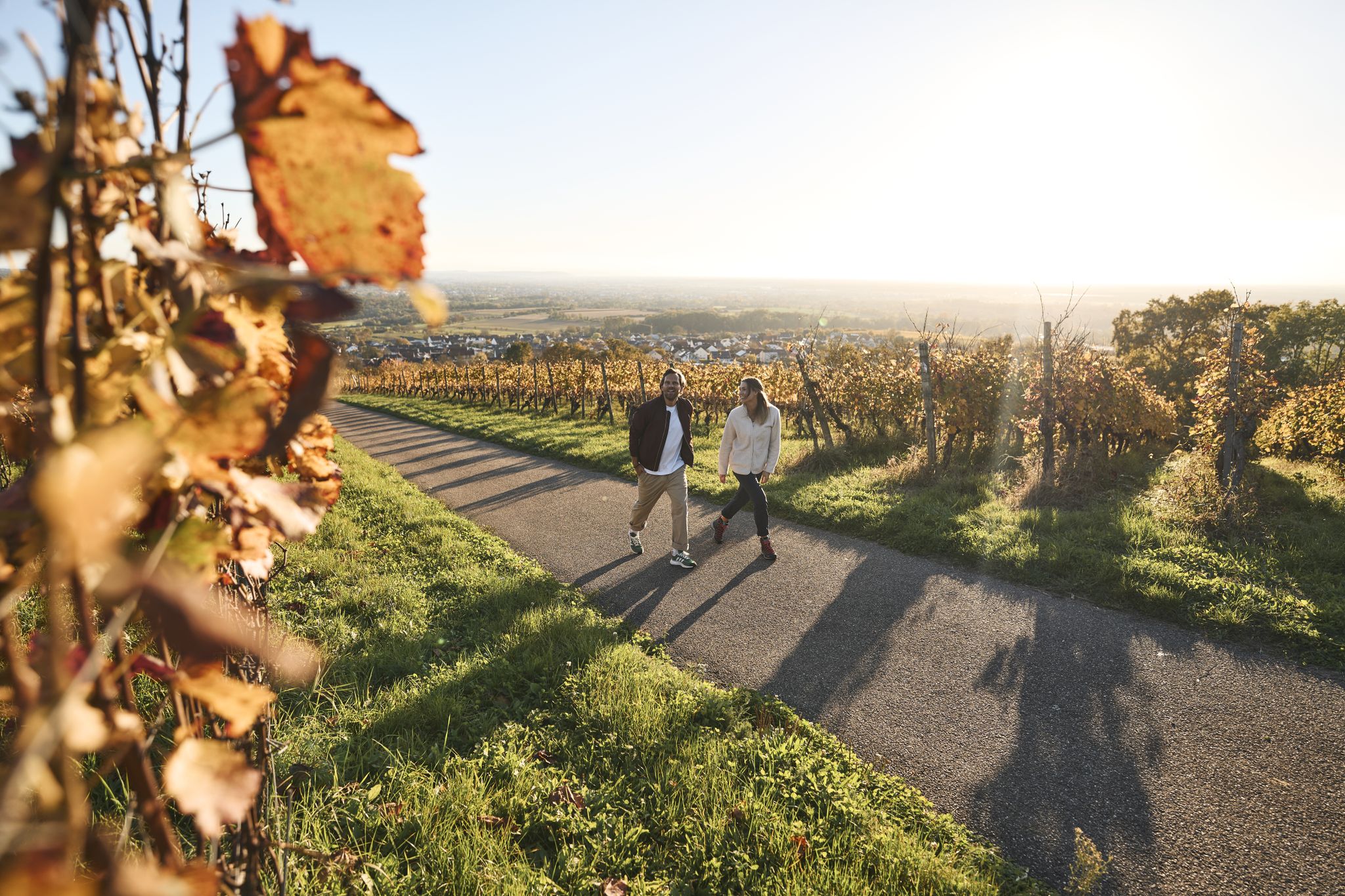
Fine drops and local cuisine – gourmet hiking in the Süden ganz oben
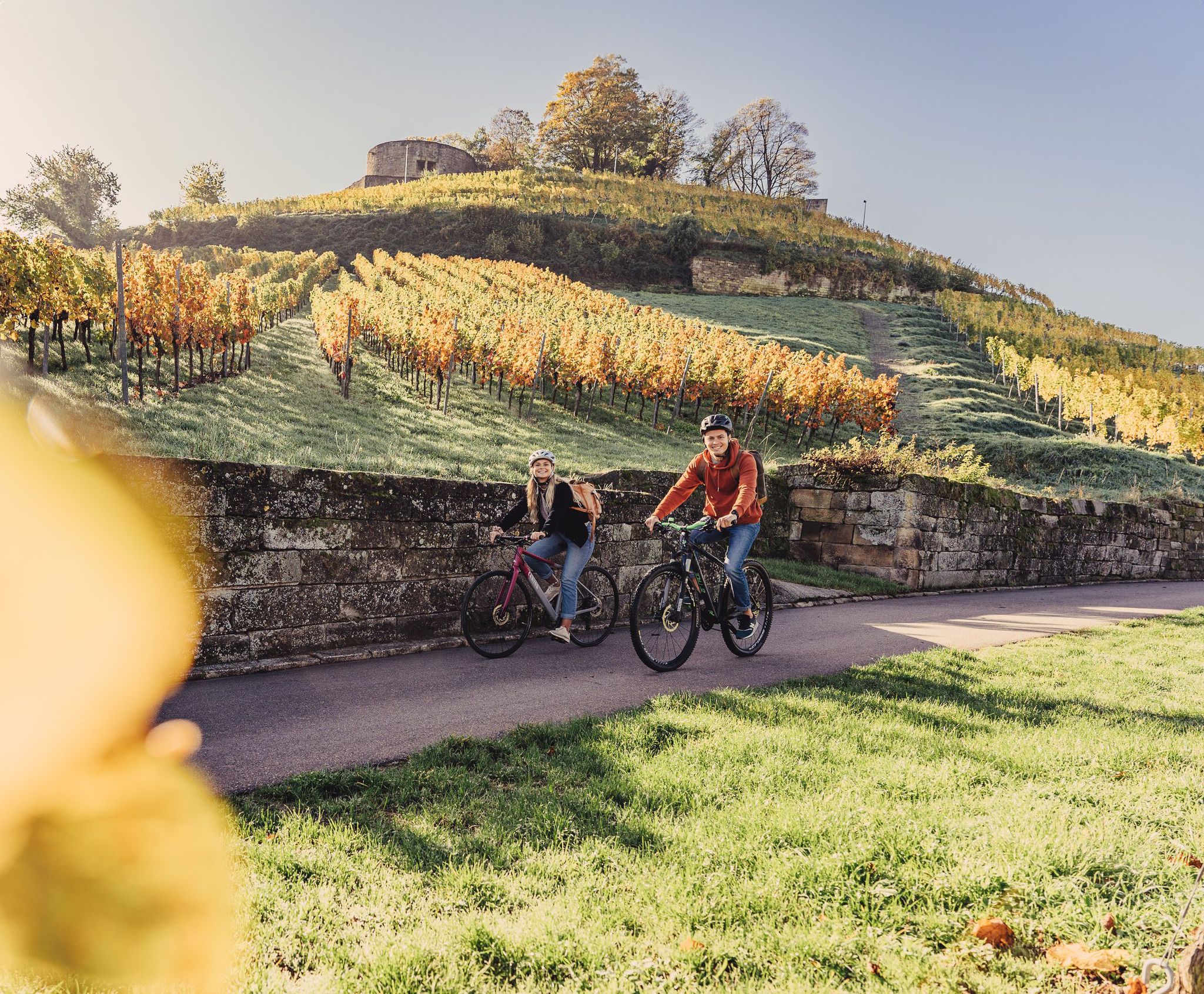
Cycling for pleasure in the north of Baden-Württemberg
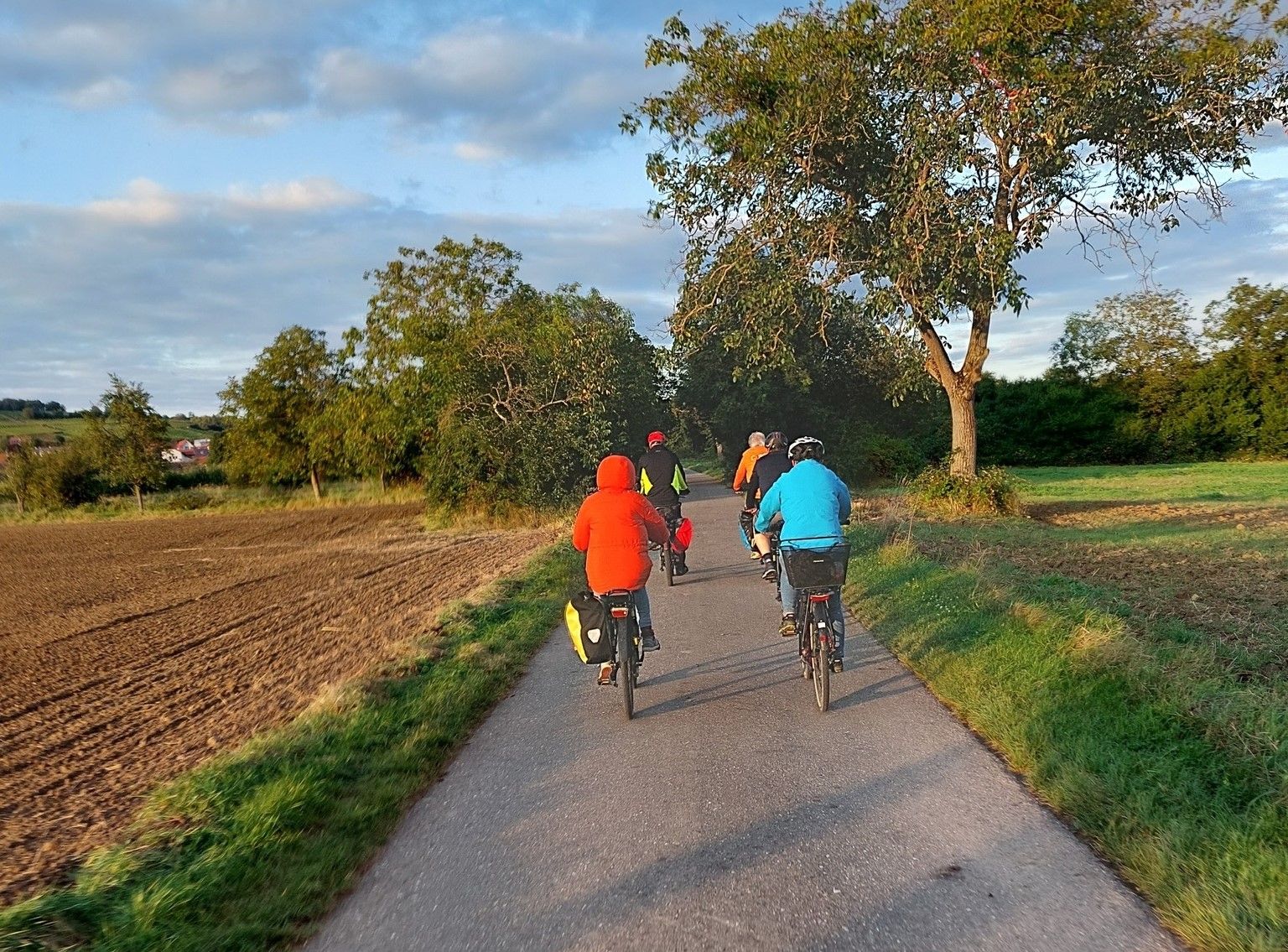
ADFC Wiesloch/Walldorf: After work cycling
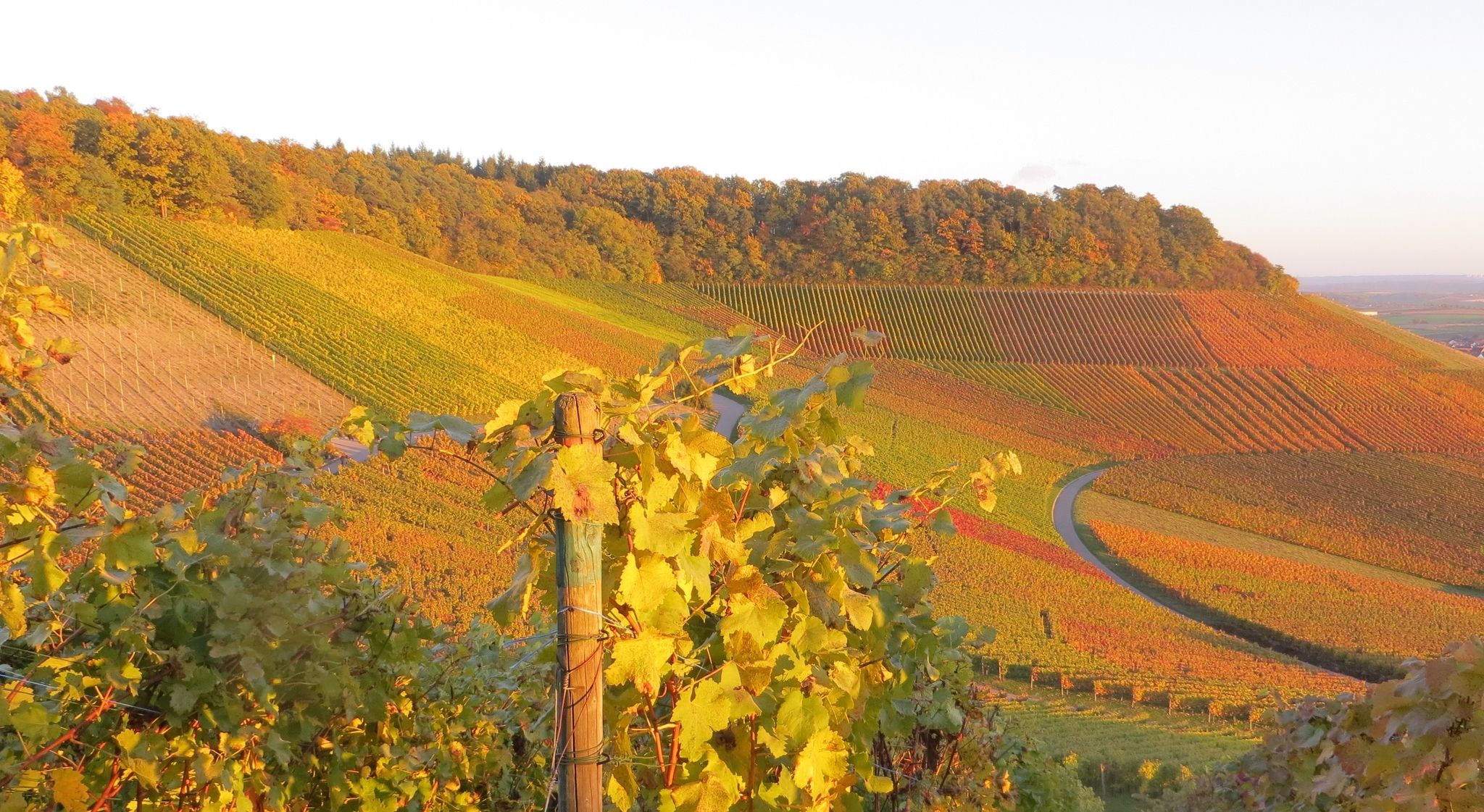
ADFC Wiesloch/Walldorf: Beautiful day tours in Kraichgau, the 'Land of 1000 hills'
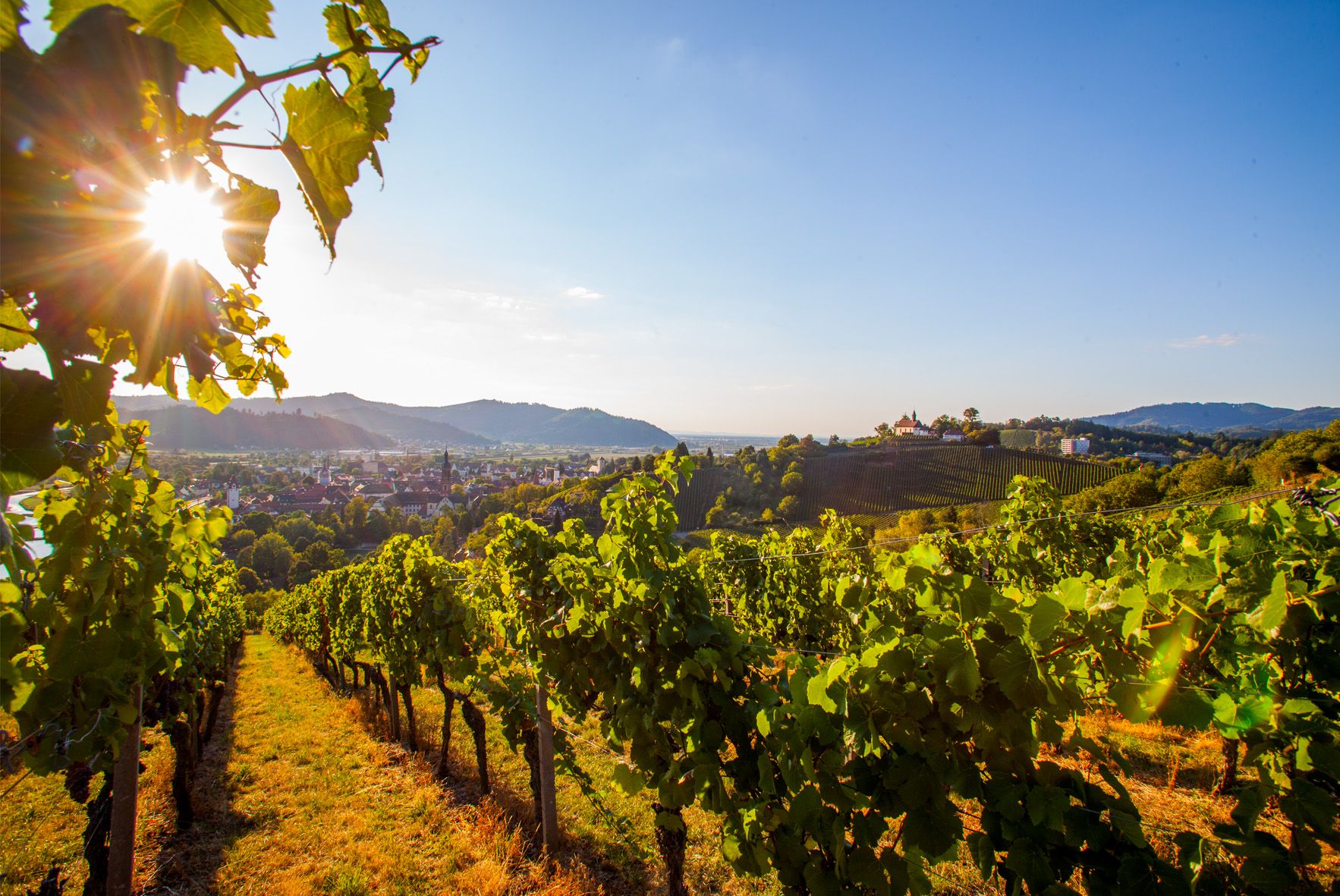
Right the Black Forest, left the Rhine – the Baden Wine Cycle Route
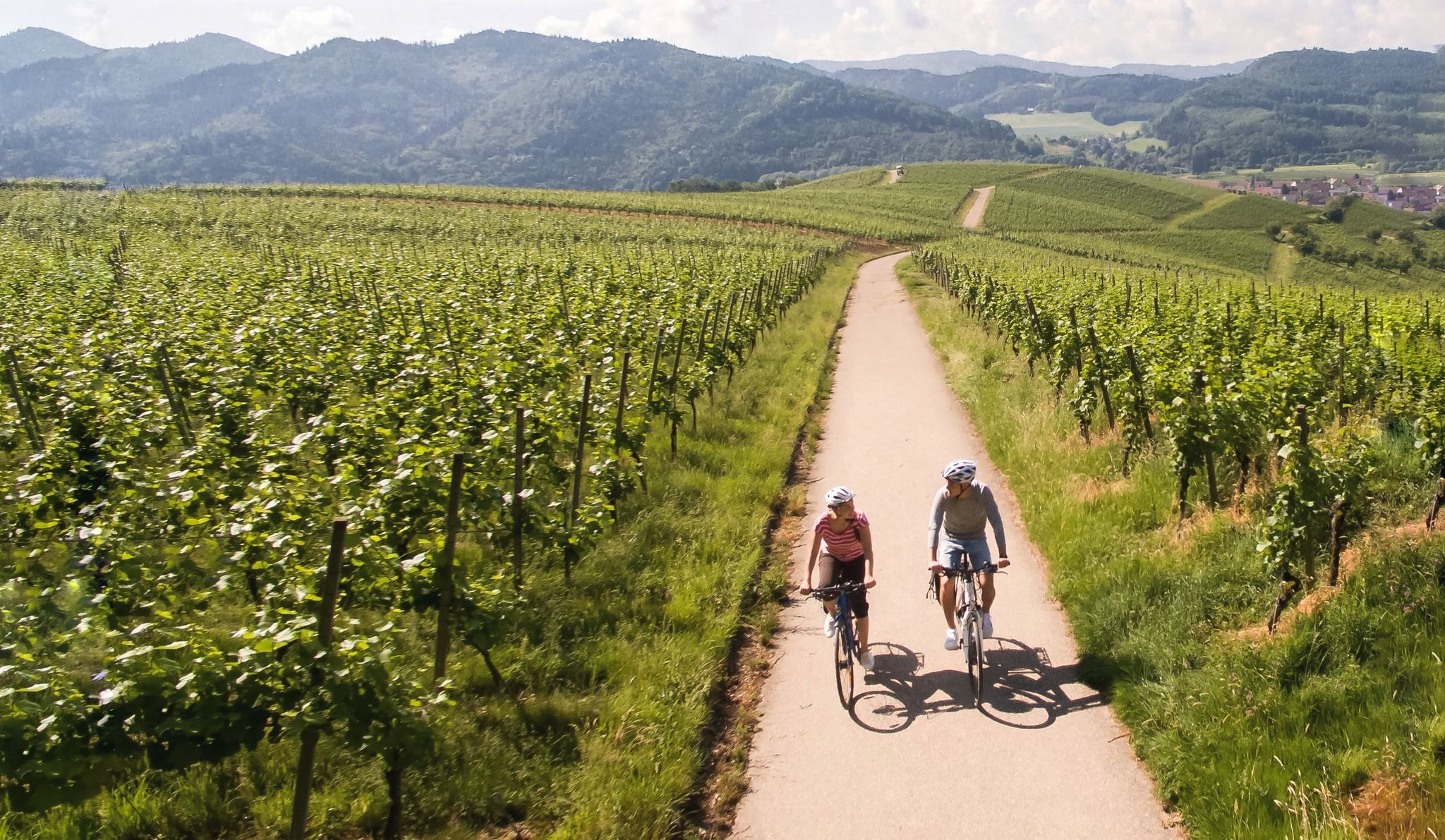
Vineyards and the Rhine Valley – the Baden Wine Cycle Route
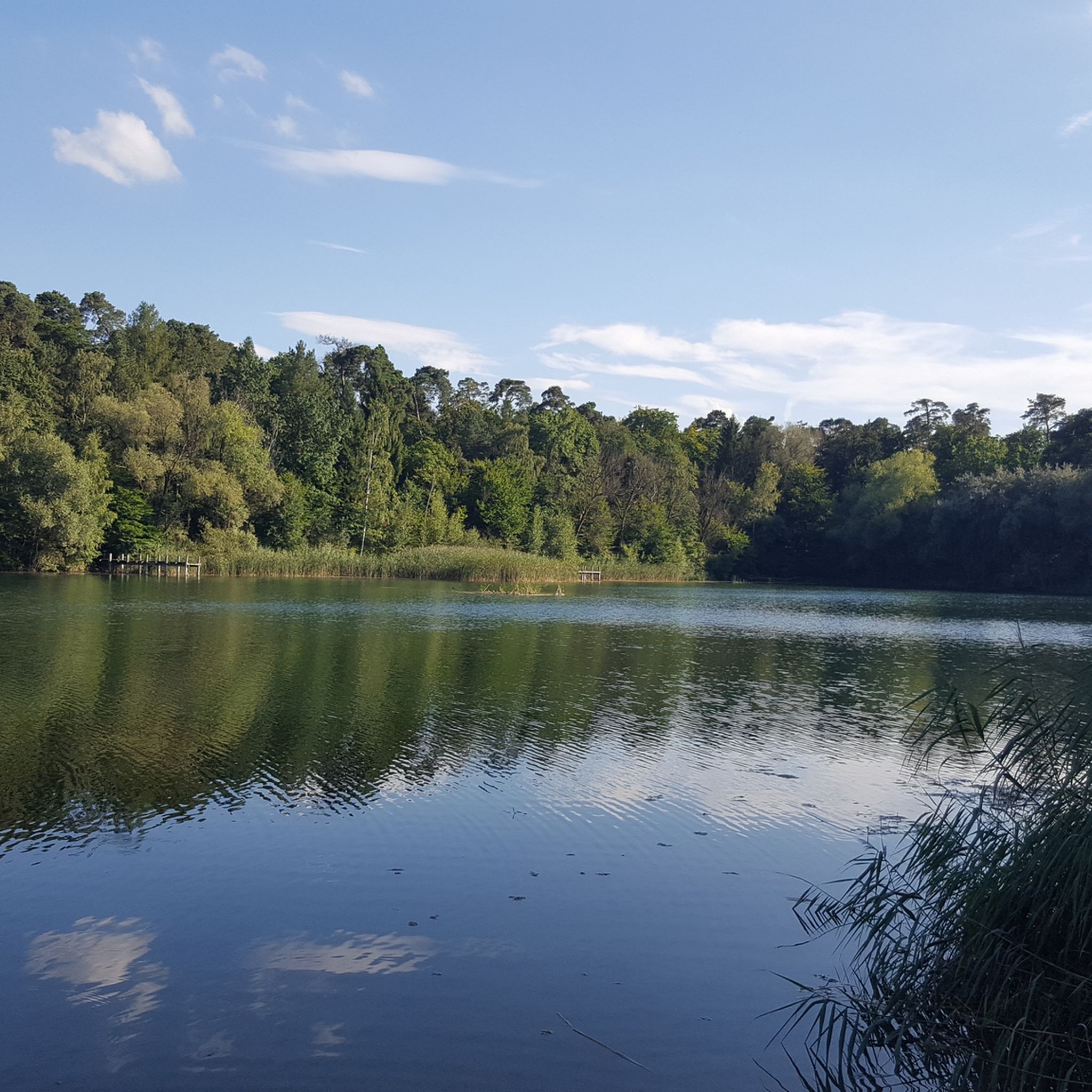
Cycling around Wiesloch
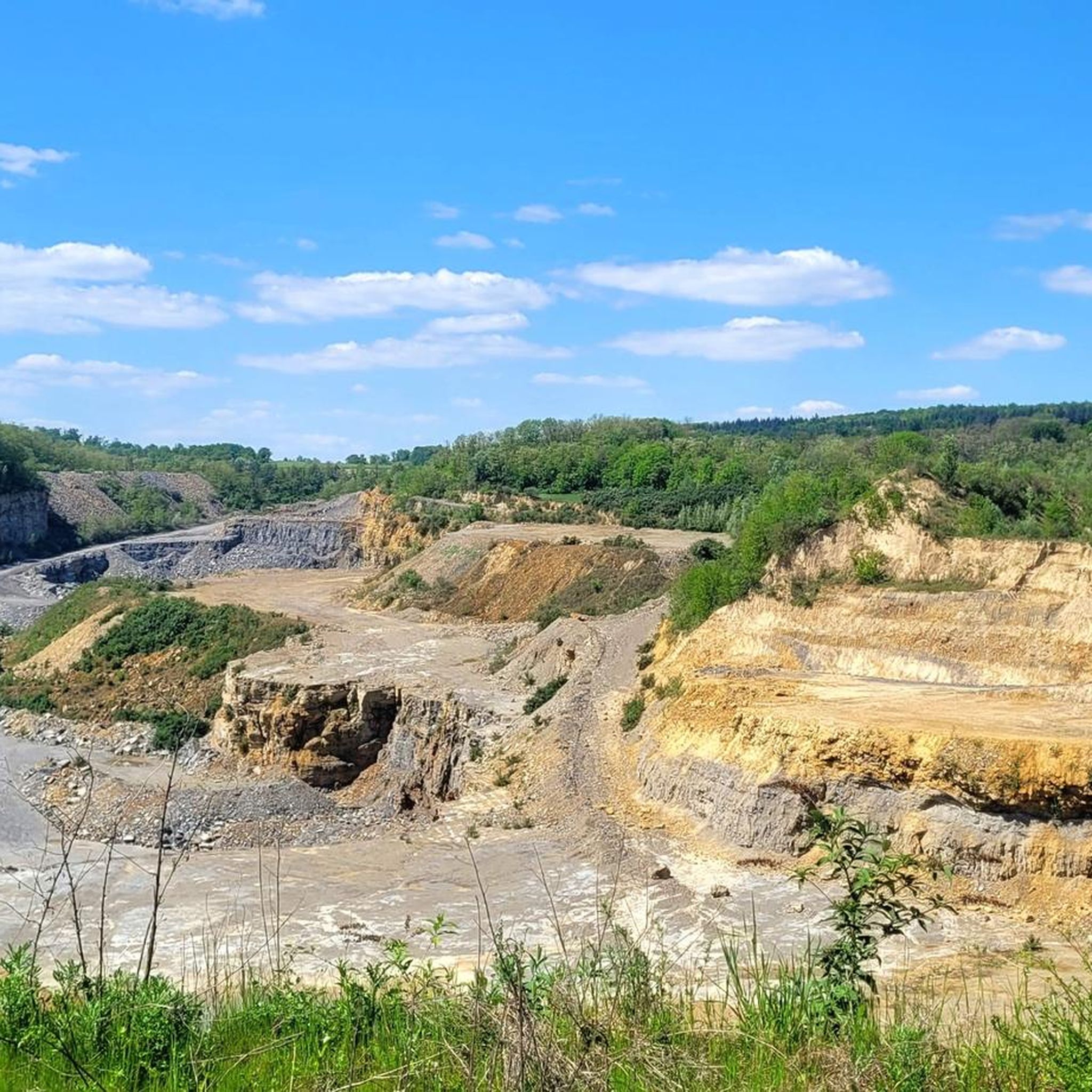
Road Cycling Routes around Wiesloch
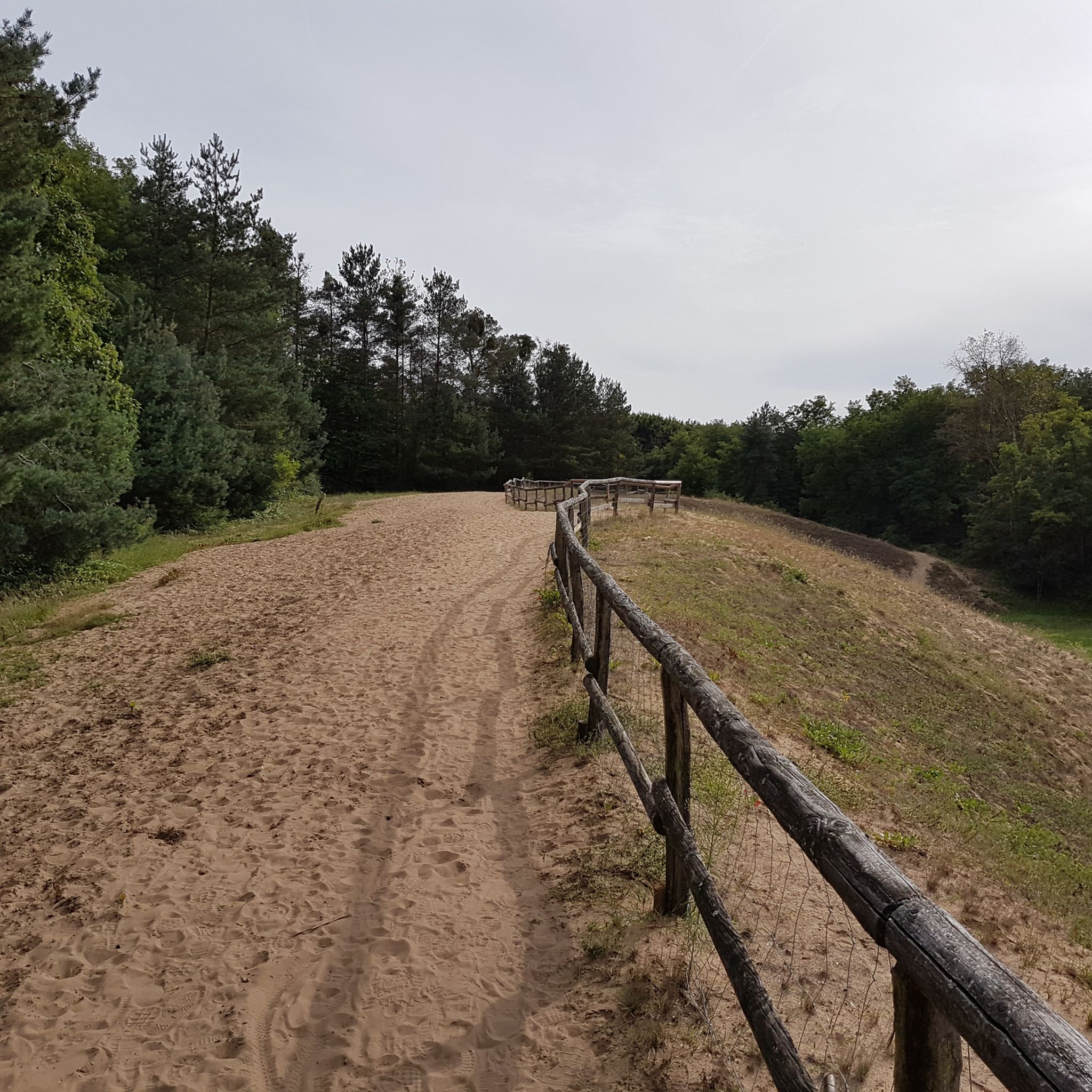
Hiking around Wiesloch
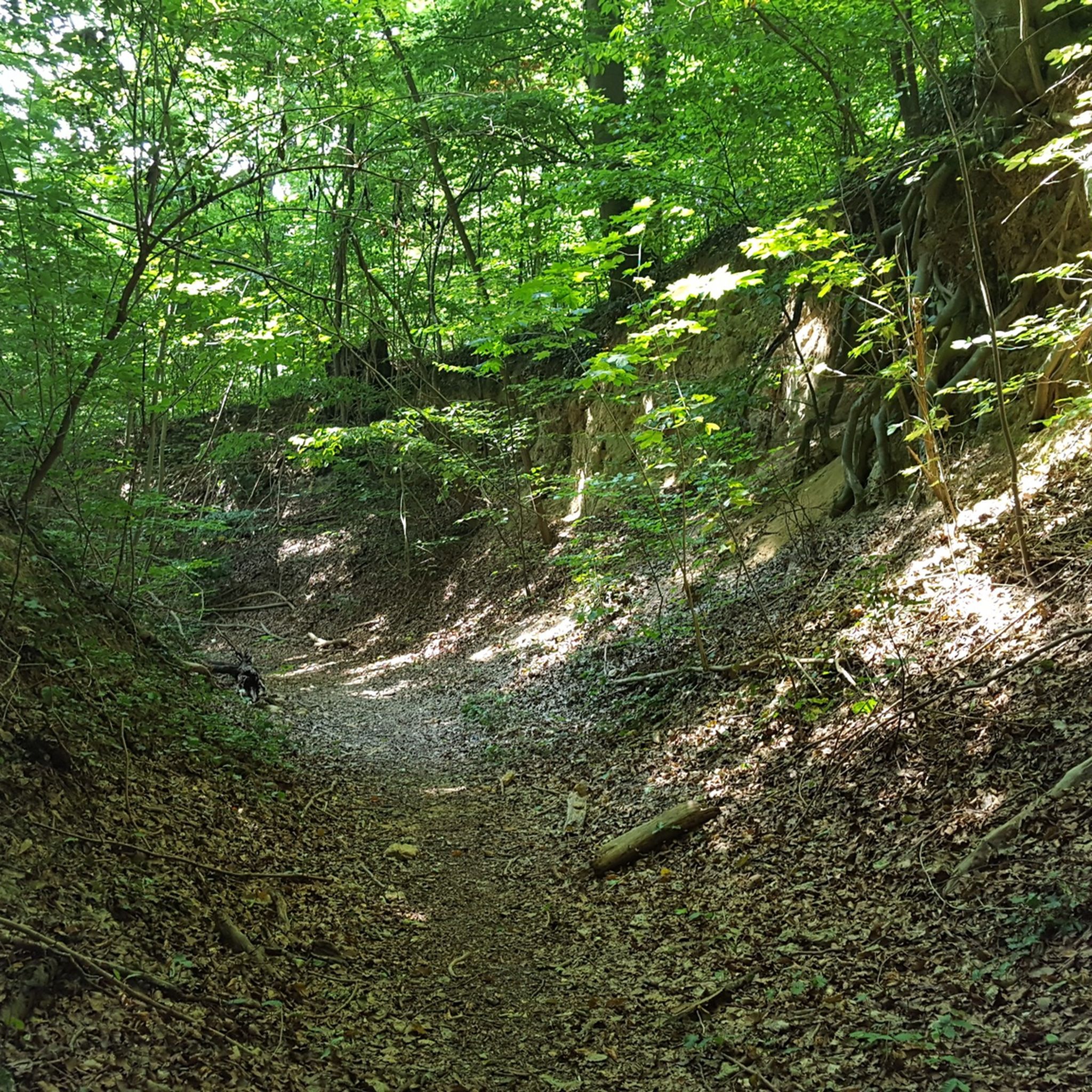
MTB Trails around Wiesloch
Other adventures around Wiesloch


Tips from the Community

The “blown up tower” painted by Goethe is also located here
9
1

The 🏰 Heidelberg Castle Moat and the view of the city, the Neckar and the Philosophenweg on the other side of the slope are very impressive.
10
1

Highlight of Heidelberg, the castle ruins. From up here you have a wonderful view of Heidelberg and the Neckar.
9
1

Heidelberg Castle is always worth a visit. This shows not only the high number of visitors but also the great view of the city from the garden.
9
1

Gives many beautiful views of the castle
10
1

Approaching the palace from the moat is actually even more impressive than via the main entrance.
13
1

The Felsenmeer is a nature reserve. On both sides of the path there are many sandstone rocks covered with mosses and lichens. Among other things, black pines, oaks, birches and horsetails grow.
10
0

there are a lot of stones lying around
13
1
Frequently Asked Questions
What unique natural monuments can I find directly within Wiesloch?
Wiesloch itself is home to several distinctive natural monuments. You can visit the Red Beech at the Courthouse, planted in 1914, known for its striking presence in the townscape. Another notable tree is the Black Pine at the Train Station Square, designated a natural monument in 2004. Additionally, the Group of Seven Winter Lindens on Wilhelmshöhe, established around 1860, offers a significant natural landmark near the PZN.
Are there any wetlands or nature reserves to explore near Wiesloch?
Yes, the region features several important wetland areas. The Ochsenbacher Rohrwiesen, partly extending into Wiesloch, is a typical wetland with a natural stream and reed beds, providing habitat for amphibians and birds. Within the district of Baiertal, you'll find significant protected wetlands like the Wetland at Wendehammer and the Wetland in Mainzer, both crucial for diverse invertebrates, amphibians, and birds. Further afield, the Wagbachniederung nature reserve is a beautiful area known for rare animal species and migratory birds.
Where can I experience unique geological formations or ancient forests?
For unique geological formations, the Felsenmeer in the Heidelberg City Forest offers a fascinating 'sea of rocks' on a slope, providing unique views of the Neckar valley. If you're interested in ancient and unusual trees, visit the Arboretum I in the Heidelberg city forest (Sequoias), where you can observe impressive sequoia trees and other non-native species.
What kind of wildlife can I observe at the natural monuments?
The wetland areas around Wiesloch are excellent for wildlife spotting. At the Ochsenbacher Rohrwiesen and the wetlands in Baiertal, you might see various amphibians, snails, spiders, and numerous bird species. The Wagbachniederung nature reserve is particularly renowned for its birdlife, including cormorants, ducks, herons, and various warblers, as well as amphibians and reptiles like grass snakes.
Are there hiking trails near the natural monuments around Wiesloch?
Absolutely. The region offers a variety of hiking opportunities. You can find numerous trails suitable for different skill levels, including easy hikes around Wiesloch. For more details and specific routes, explore the Easy hikes around Wiesloch guide.
What other outdoor activities are available near these natural monuments?
Beyond hiking, the area around Wiesloch provides options for various outdoor activities. You can find dedicated running trails for jogging enthusiasts and challenging MTB trails for mountain biking. Many of these routes pass through or near the natural landscapes and monuments.
Are the natural monuments in Wiesloch suitable for families with children?
Many natural monuments and nearby areas are family-friendly. For instance, the Arboretum I with its Sequoias offers an engaging experience for children to see giant trees. The Wagbachniederung nature reserve also has accessible paths and observation huts, making it suitable for families to enjoy nature and spot birds. Additionally, the cycle path along the Wagbachniederung Nature Reserve is noted as family-friendly.
Can I visit historical sites in conjunction with natural monuments?
Yes, the region beautifully combines natural beauty with historical significance. The iconic Heidelberg Castle, a prominent landmark rising above the Neckar valley, is a must-see historical site that is also considered a natural monument due to its location and surrounding landscape. It offers a rich history alongside stunning views.
What is the best time of year to visit the natural monuments around Wiesloch?
The natural monuments around Wiesloch can be enjoyed throughout the year, each season offering a different charm. Spring and summer are ideal for observing lush greenery, blooming flora, and active wildlife in the wetlands. Autumn provides beautiful foliage, especially around the ancient trees. Even winter offers a serene experience, particularly for quiet walks through the forests and along the wetlands.
Are there any semi-dry grasslands or unique flora to discover?
Yes, the Häldenberg in Baiertal is a significant semi-dry grassland, part of the 'Angelbachtal' landscape protection area. This rare habitat is notable for its unique flora, and historically, it was known for protected orchid species like *Helmknabenkraut* (Orchis militaris) and butterflies such as *Wiesenbläuling* (Polyommatus bellargus).
What do visitors enjoy most about the natural monuments in this area?
Visitors frequently appreciate the diverse natural heritage, from the impressive ancient trees like the Red Beech and Black Pine, to the ecologically rich wetland areas. The opportunity to observe local flora and fauna, enjoy peaceful walks, and combine nature experiences with historical sites like Heidelberg Castle are often highlighted as key attractions. The komoot community has shared over 4800 photos, reflecting the visual appeal of these sites.
Most popular routes around Wiesloch
Most popular attractions around Wiesloch

Get inspired with the komoot mobile app


Explore more
Extend your search for the best caves by checking out these guides of the top ones around Wiesloch:
