Top 19 Natural Monuments around Wasserburg am Inn
Best natural monuments around Wasserburg am Inn are found in a region shaped by the Inn River and its geological history. The town is situated in a distinctive bend of the Inn, creating unique landforms and riverine landscapes. This area offers a blend of glacial features, protected natural sites, and scenic viewpoints. Visitors can explore various natural monuments that showcase the region's ecological and geological significance.
Best natural monuments around Wasserburg am Inn
- The most popular natural monuments is Steep…
Last updated: May 11, 2026
Zillhamer Lake
Highlight • Lake
Translated by Google •
Tip by

Kettle hole
Highlight • Natural Monument
Blocks of ice that break away from the glacier tongue during melting and remain there are called dead ice.
Translated by Google •
Tip by

Sign up now to discover places like this
Get recommendations on the best single tracks, peaks, & plenty of other exciting outdoor places.
Sign up for free
Steep Banks of the Inn River
Highlight • Natural Monument
Translated by Google •
Tip by

Murner Filz Nature Reserve
Highlight • Natural
Translated by Google •
Tip by

Kesselsee Boathouse
Highlight • Lake
Translated by Google •
Tip by

Sign up for free to discover even more natural monuments around Wasserburg am Inn.
Sign up for free
Already have an account?
Start today with a free account
Your next adventure awaits.
Login or Signup
Popular around Wasserburg a. Inn
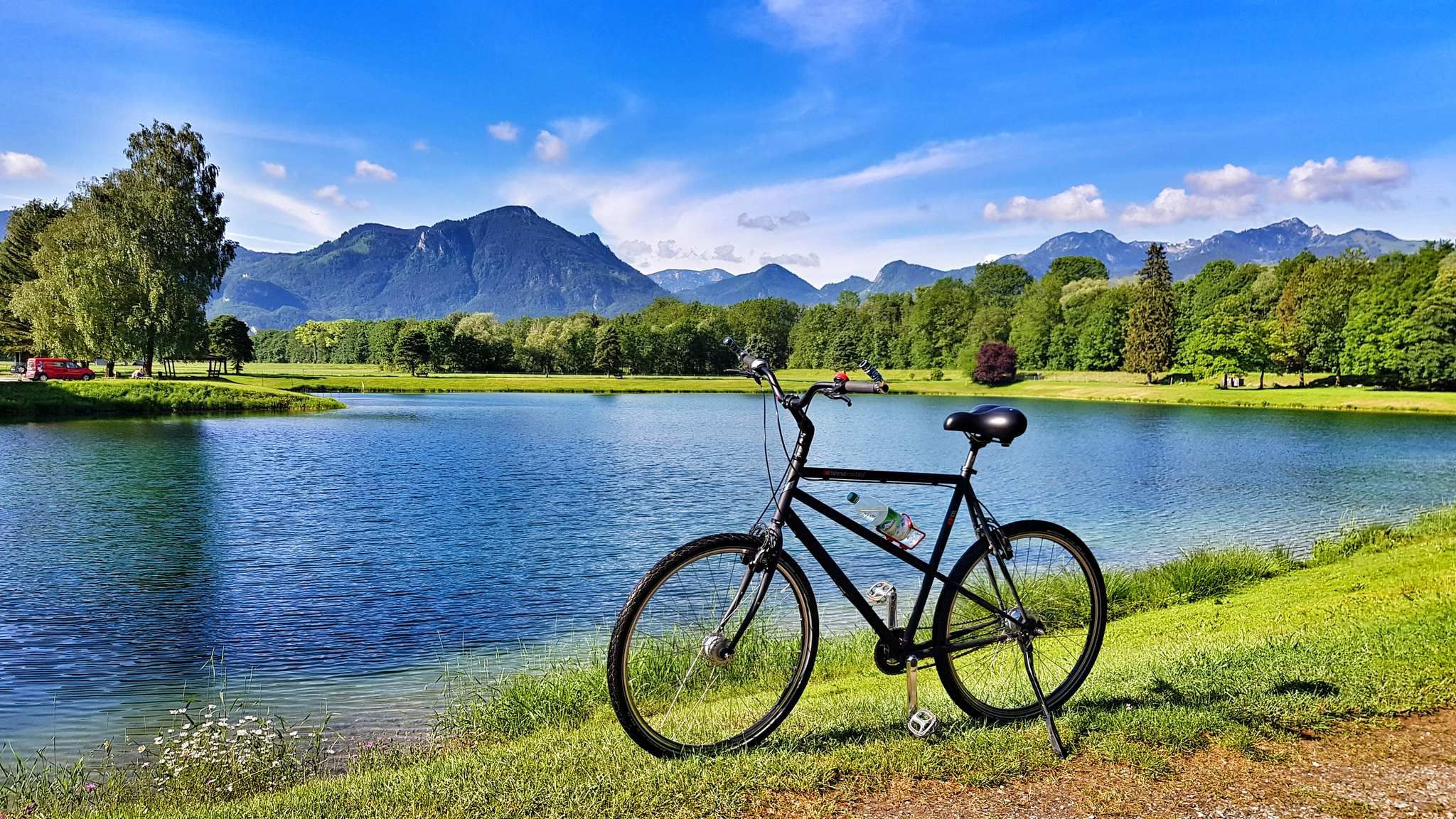
The Inn Cycle Path – From a babbling brook to a mighty river
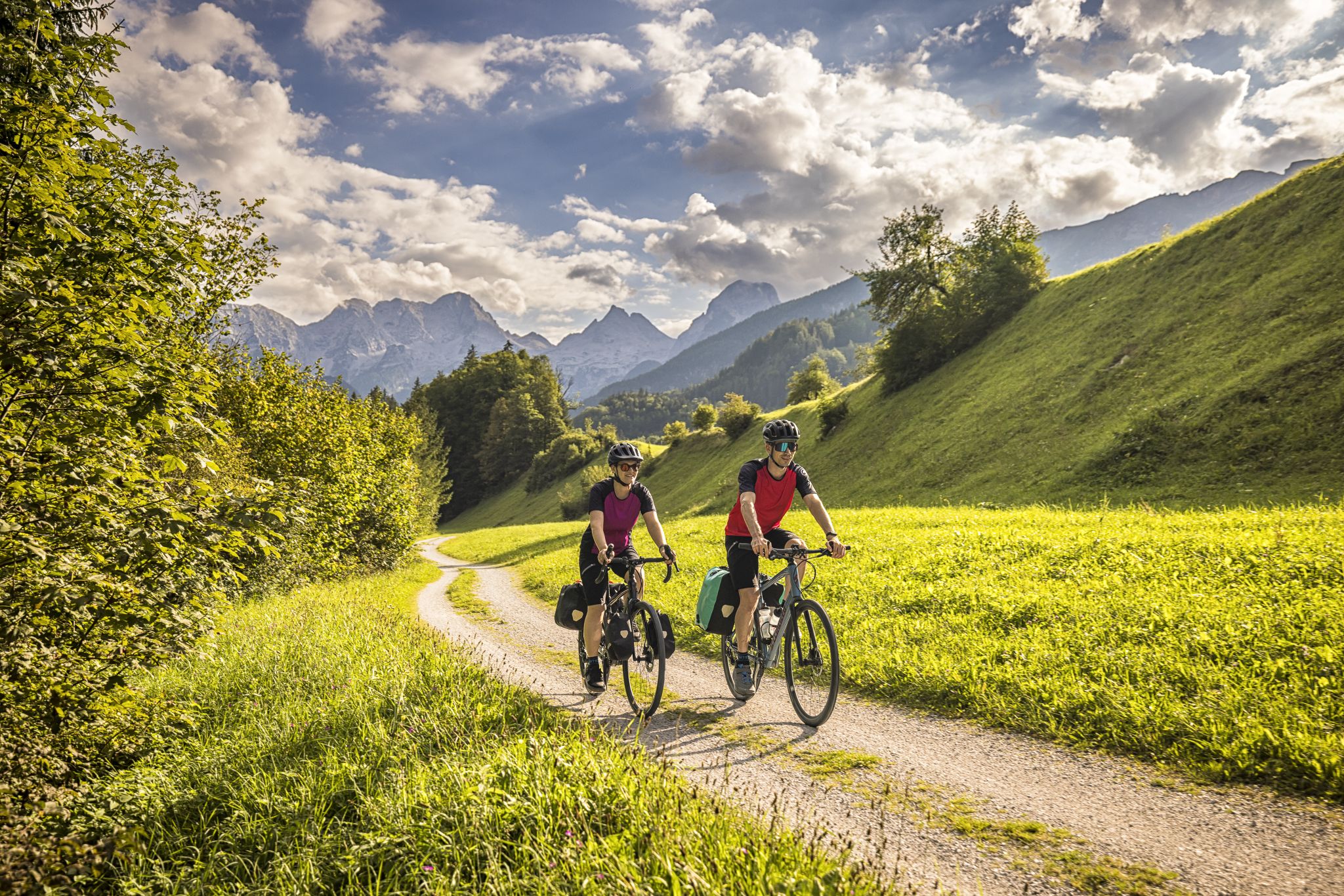
Classic and fantastic – Mozart Cycle Route
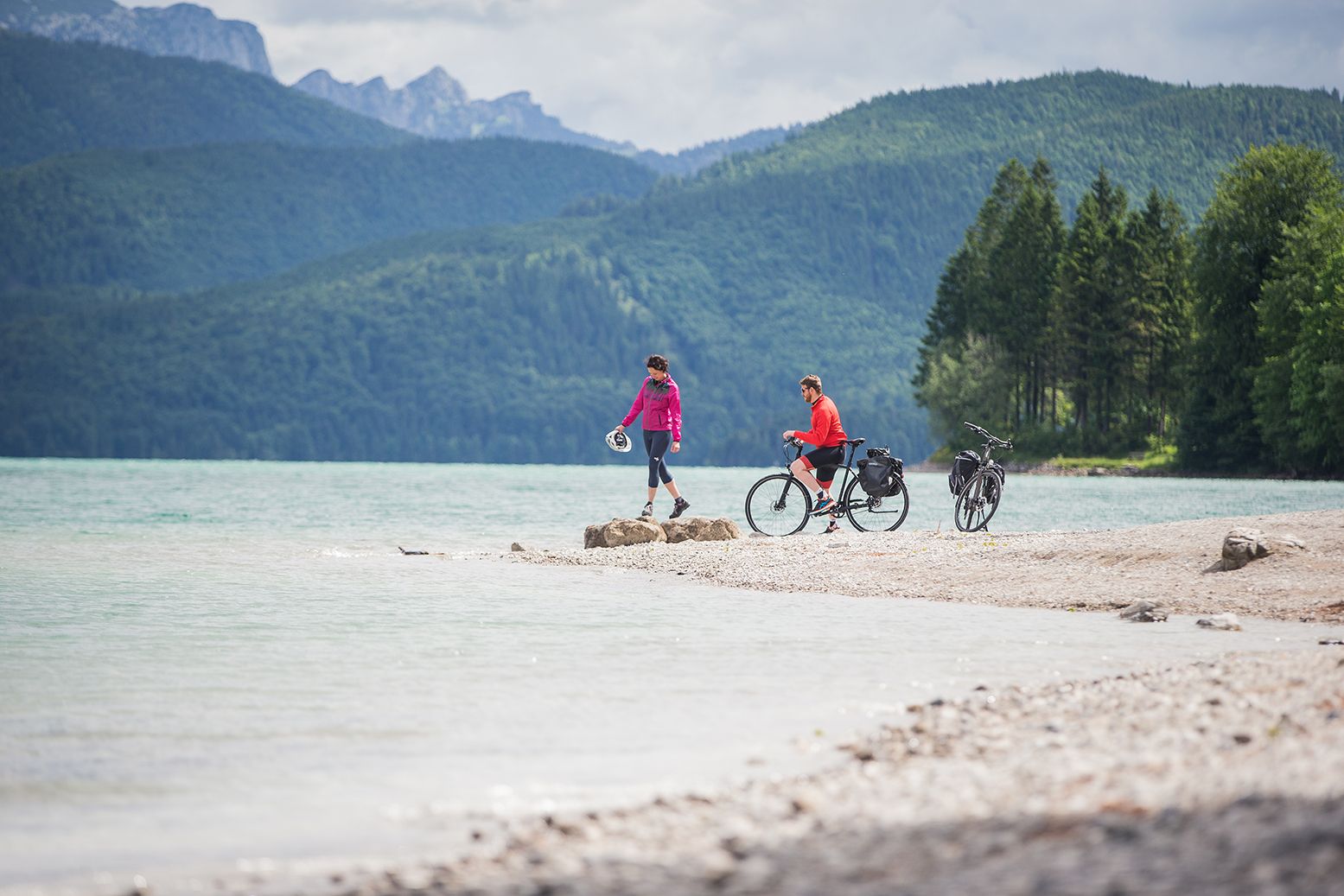
Ride through the countryside around Munich – Water-Cycle Paths
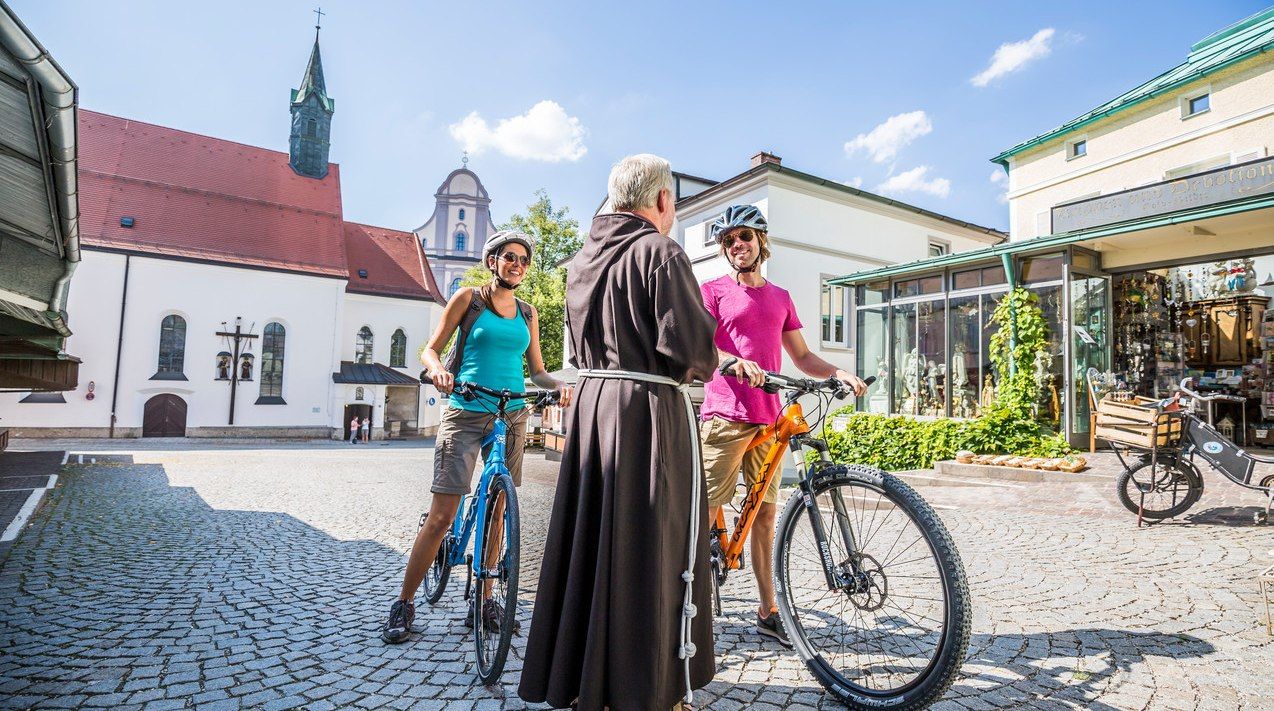
Benediktweg – On the trails of Pope em. Benedikt XVI.
Salzschleife – Wasser-Radlwege Oberbayern
Hiking around Wasserburg am Inn
Cycling around Wasserburg am Inn
Road Cycling Routes around Wasserburg am Inn
MTB Trails around Wasserburg am Inn
Running Trails around Wasserburg am Inn
Other adventures around Wasserburg am Inn


Tips from the Community

Unfortunately, entering the hut is no longer permitted due to the danger of collapse.
1
0


An ideal circular route along the Inn River. A classic walk.
0
0

A dead-ice basin is a dry, swampy, or water-filled depression formed by the melting of dead ice. Blocks of ice that break away from the glacier tongue during melting and remain there are called dead ice. Dead-ice basins in which a water-retaining layer has developed, or whose steep slopes sometimes extend below the groundwater level, are water-filled, swampy, or boggy. Their funnel shape allowed rain and meltwater to collect. These small bodies of water have experienced varying degrees of siltation and moor development, even within the same basin. The range of vegetation formations is very broad. It ranges from small reed beds to large sedge marshes, small sedge marshes, quaking grasslands, floating leaf and aquatic vegetation, transitional bogs, and even black alder swamps. Source: https://www.toteiskessel.de/uber-toteiskessel/was-ist-ein-toteiskessel/
0
0
The GPS has failed me. Better pay attention to the signposts. I have
0
0

You can go into the hut and have a good snack.
0
0

Beautiful hiking trail along the sculpture trail with beautiful views
1
0

A really nice view to the other side.
2
2
Frequently Asked Questions
What unique natural features can I explore around Wasserburg am Inn?
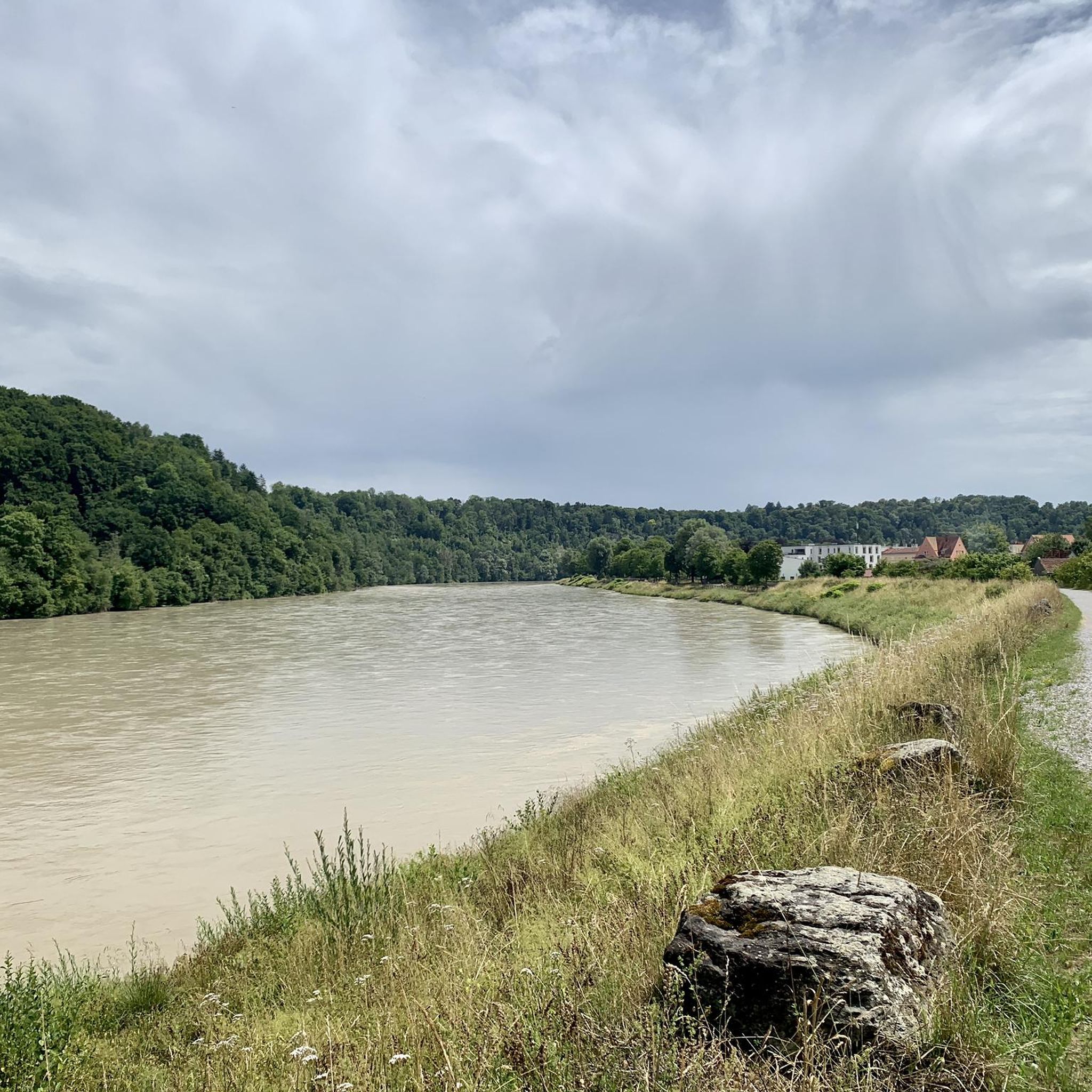
The region around Wasserburg am Inn is shaped by the Inn River and its geological history. You can explore dramatic river landscapes like the Steep Banks of the Inn River, which are part of the significant Innleiten und Umlaufberg geotope. This area features bright, steep riverbanks formed by moraine deposits from the Würm Ice Age, offering panoramic views of the historic old town. Additionally, you'll find serene bogs such as the Murner Filz Nature Reserve, and unique geological formations like kettle holes.
Are there any family-friendly natural monuments to visit?
Yes, the Zillhamer Lake is an excellent family-friendly option. It's idyllically situated in the Langen Moos and is known for its abundant nature, including fish and dragonflies. There's even a hut with an observation deck on the northeastern shore, though access to the hut itself is currently restricted due to safety concerns.
What kind of hiking experiences can I find near these natural monuments?
You'll find beautiful hiking trails, particularly along the Inn River. The Steep Banks of the Inn River offer paths directly along the water with views of the dramatic slopes. For more hiking options, check out the guide to Easy hikes around Wasserburg am Inn, which includes routes like the 'Steep Banks of the Inn River – Wasserburg am Inn — Old Town loop'.
What is the Kosaklinde and why is it a natural monument?
The Kosaklinde is an officially recognized individual natural monument in Wasserburg am Inn. It is a large, old lime tree, cherished for its age, size, and historical significance. Such trees serve as important landmarks, contribute to the local ecosystem, and offer a tranquil spot for contemplation, connecting visitors to the specific natural heritage of the region.
Are there any nature reserves or protected areas among the natural monuments?
Absolutely. The Murner Filz Nature Reserve is a small, wild moor where a bog is left to its natural state, offering a unique nature experience often via paths made of wooden planks. Additionally, the area around the Kesselsee Boathouse and the lake itself has been under nature conservation since 1982 to protect its special flora and fauna.
What should I know before visiting the Murner Filz Nature Reserve?
When visiting the Murner Filz Nature Reserve, it's highly recommended to wear waterproof shoes with a good profile. While there are paths, often made of wooden planks, the terrain can be bumpy or slippery, and the area is a bog left to its own devices, making appropriate footwear essential for a comfortable experience.
Can I swim or access the Kesselsee?
No, bathing is prohibited in the Kesselsee. The area around the Kesselsee Boathouse and the lake has been under nature conservation since 1982 to protect its special flora and fauna. While the bike and hiking trail runs along the eastern edge, numerous signs indicate that access to the lake itself is not permitted, though you might catch glimpses through the trees.
What is a 'Kettle hole' and where can I see one?
A kettle hole, such as the one highlighted as Kettle hole, is a depression formed by the melting of 'dead ice' – blocks of ice that broke away from glaciers during the Würm Ice Age. These basins can be dry, swampy, or water-filled, and they often develop into bogs with diverse vegetation, from reed beds to black alder swamps. They offer a fascinating glimpse into the region's glacial past.
Are there cycling routes near the natural monuments?
Yes, the region offers various cycling opportunities. You can find gravel biking routes around Wasserburg am Inn that pass by some of these natural areas. For example, the guide to Gravel biking around Wasserburg am Inn features routes like 'Along the Inn – Schocker Dam on the Inn loop from Wasserburg (Inn)' which allows you to experience the river landscape.
What do visitors particularly enjoy about the natural monuments in this area?
Visitors frequently praise the scenic beauty and the unique geological insights offered by the natural monuments. The panoramic views from the Steep Banks of the Inn River are highly appreciated, as are the tranquil nature experiences at places like the Murner Filz Nature Reserve. The opportunity to connect with the region's natural heritage and observe local wildlife, such as fish and dragonflies at Zillhamer Lake, is also a big draw.
What is the 'Innleiten und Umlaufberg' and what makes it special?
The Innleiten und Umlaufberg von Wasserburg am Inn is a significant geotope and a designated FFH-Gebiet (Habitat Directive area). It refers to the bright, steep riverbanks (Innleiten) and the landform created by the dramatic meander of the Inn River (Umlaufberg), which almost encircles the old town. This area is special for its geological formations, composed of moraine deposits from the Würm Ice Age, and offers breathtaking panoramic views, particularly from spots like the 'Schöne Aussicht'.
Are there running trails available near the natural monuments?
Yes, there are several running trails that allow you to enjoy the natural surroundings. You can find various options in the guide to Running Trails around Wasserburg am Inn. These routes often incorporate scenic views and natural areas, providing a great way to experience the landscape while exercising.
Most popular routes around Wasserburg am Inn
Most popular attractions around Wasserburg am Inn

Get inspired with the komoot mobile app


Explore more
Extend your search for the best caves by checking out these guides of the top ones around Wasserburg am Inn:
