Top 20 Natural Monuments around Sautens
Best natural monuments around Sautens are found in the picturesque Ötztal valley in Tyrol, Austria. This region is characterized by its diverse natural landscape, featuring pristine lakes, powerful waterfalls, dramatic gorges, and unique geological formations. The area offers a variety of outdoor experiences, showcasing the natural beauty of the Austrian Alps.
Best natural monuments around Sautens
- The most popular natural monuments is Lake Piburg, a lake recognized as one of Tyrol's oldest nature reserves. A beautiful and easy circular…
Last updated: July 7, 2026
Rosengarten Gorge
Highlight (Segment) • Gorge
Translated by Google •
Tip by

Stuiben Power Bridge
Highlight • Bridge
Translated by Google •
Tip by

Sign up now to discover places like this
Get recommendations on the best single tracks, peaks, & plenty of other exciting outdoor places.
Sign up for free
Stuibenfall Viewing Platform
Highlight • Viewpoint
Translated by Google •
Tip by

Lake Piburg
Highlight • Lake
Bathing facilities …
Translated by Google •
Tip by

Weller Bridge over the Ötztaler Ache
Highlight • Bridge
Translated by Google •
Tip by
Sign up for free to discover even more natural monuments around Sautens.
Sign up for free
Already have an account?
Start today with a free account
Your next adventure awaits.
Login or Signup
Popular around Sautens
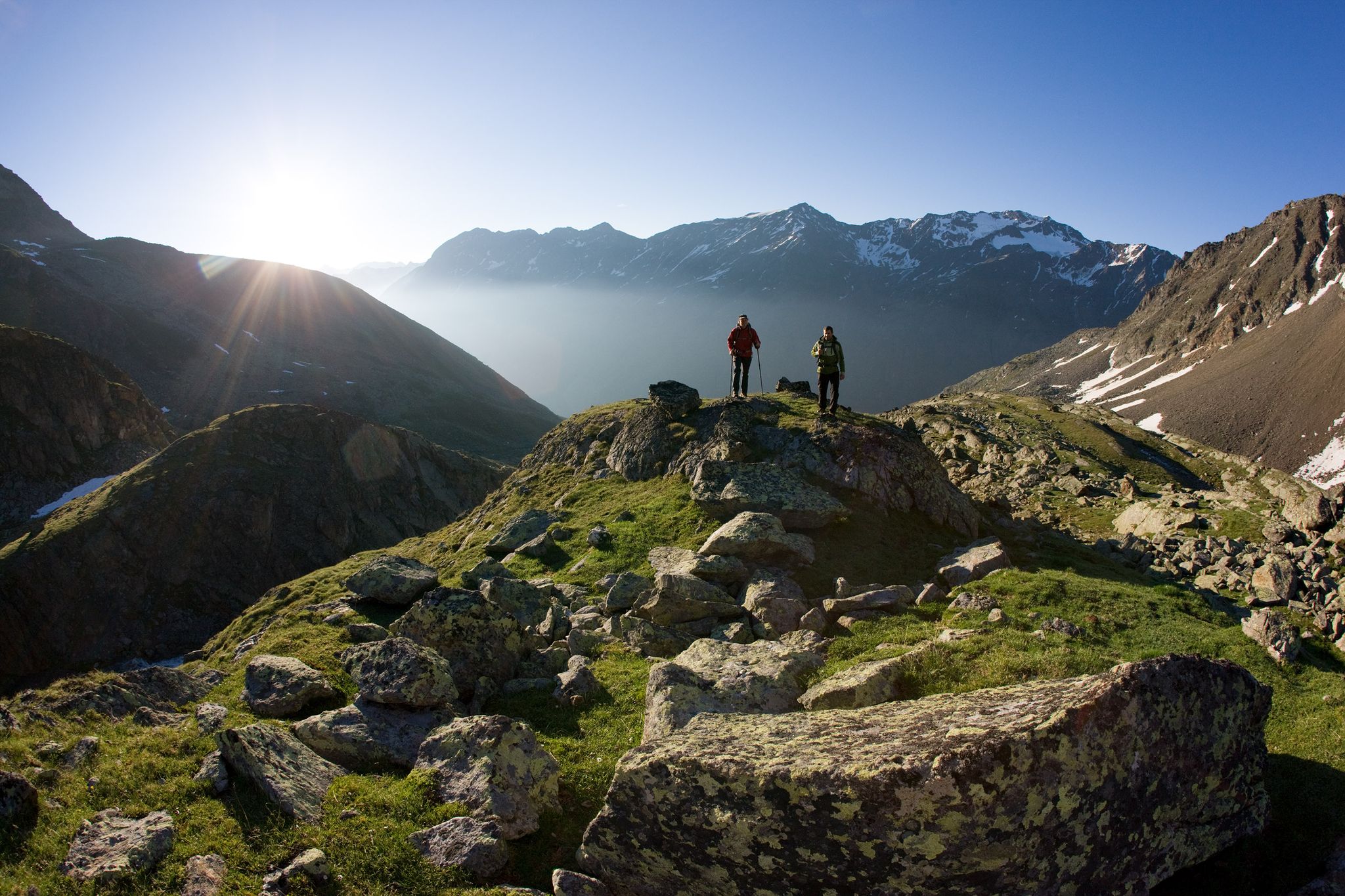
12 days hiking through the Tyrolean Alps – Ötztaler Urweg Trail
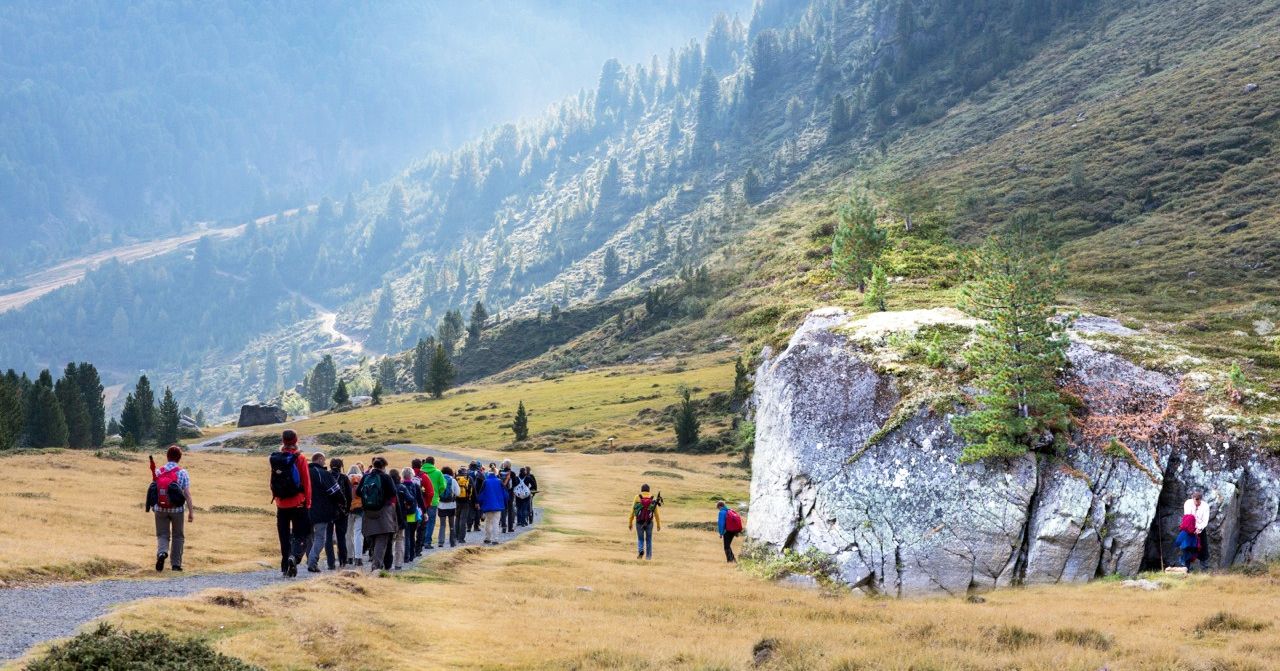
The 'hiking theater' Friedl and pleasure hiking in the Ötztal
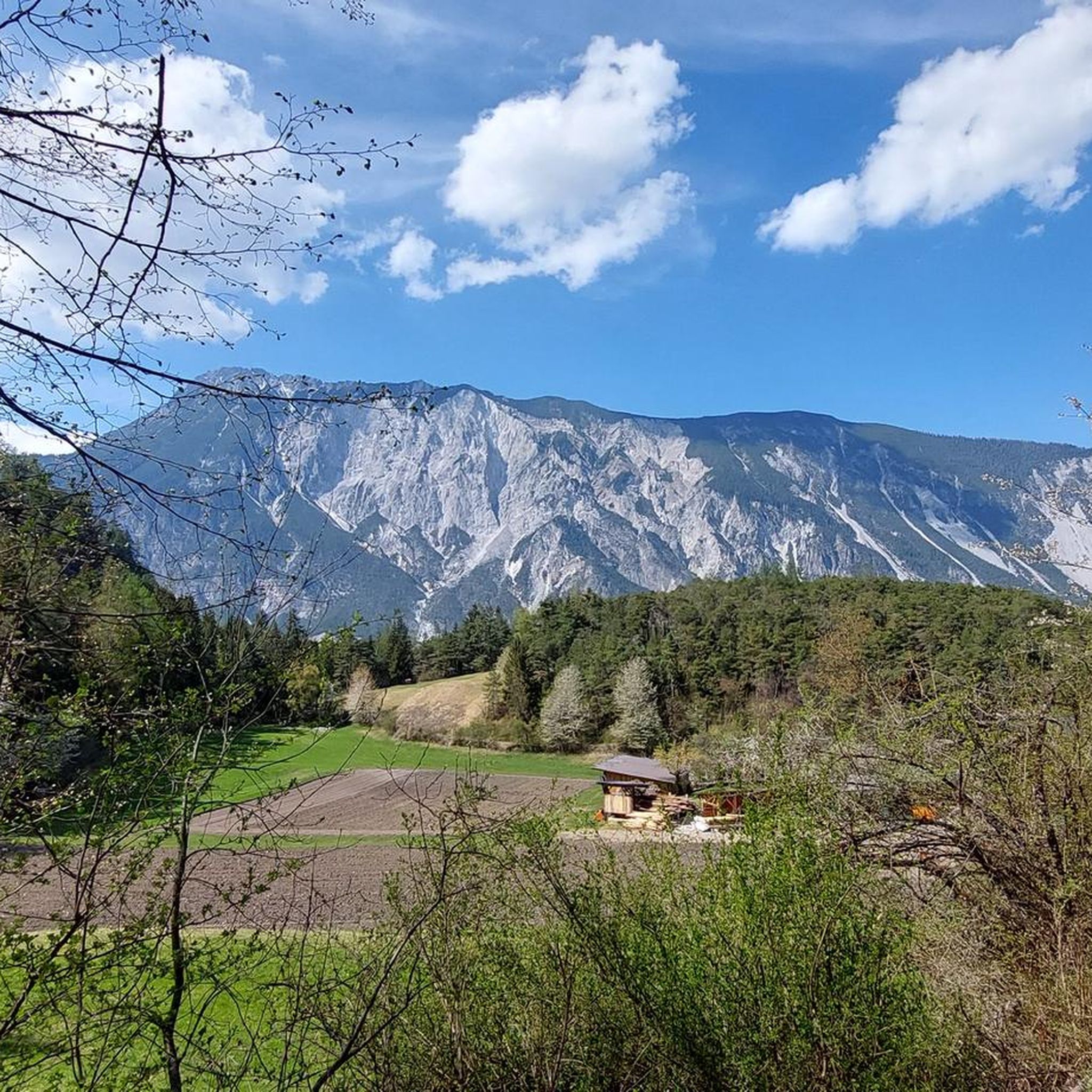
Road Cycling Routes around Sautens
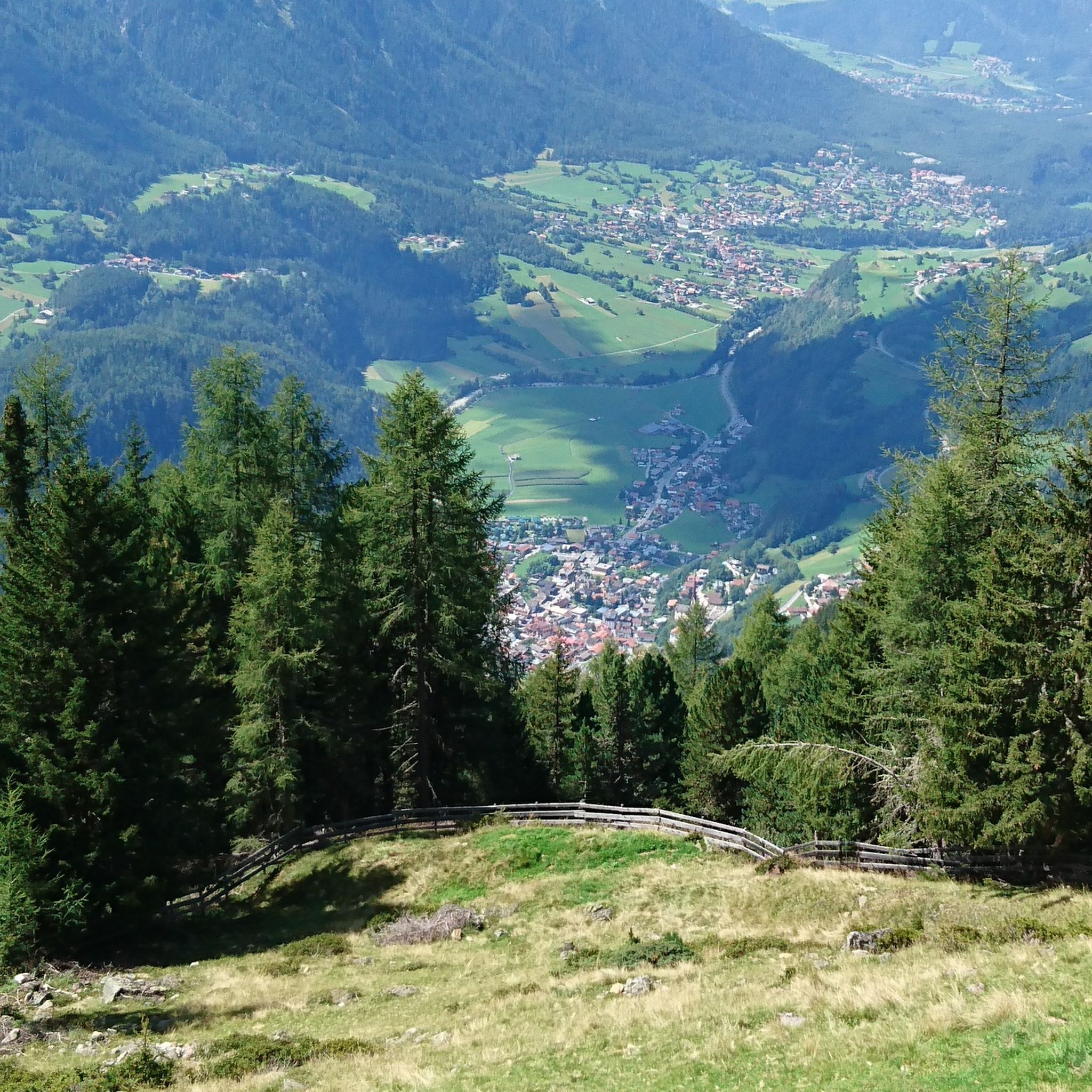
Hiking around Sautens
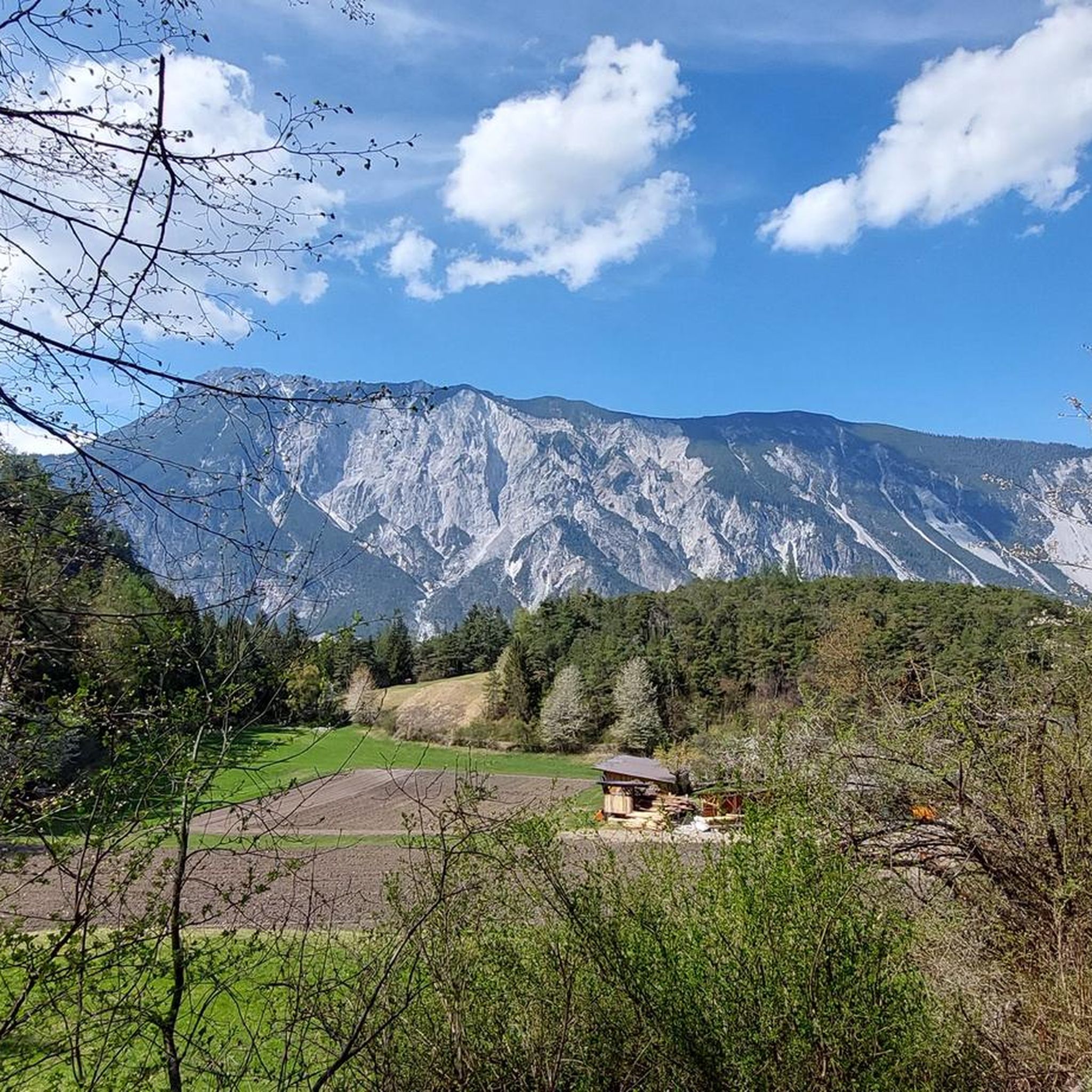
MTB Trails around Sautens
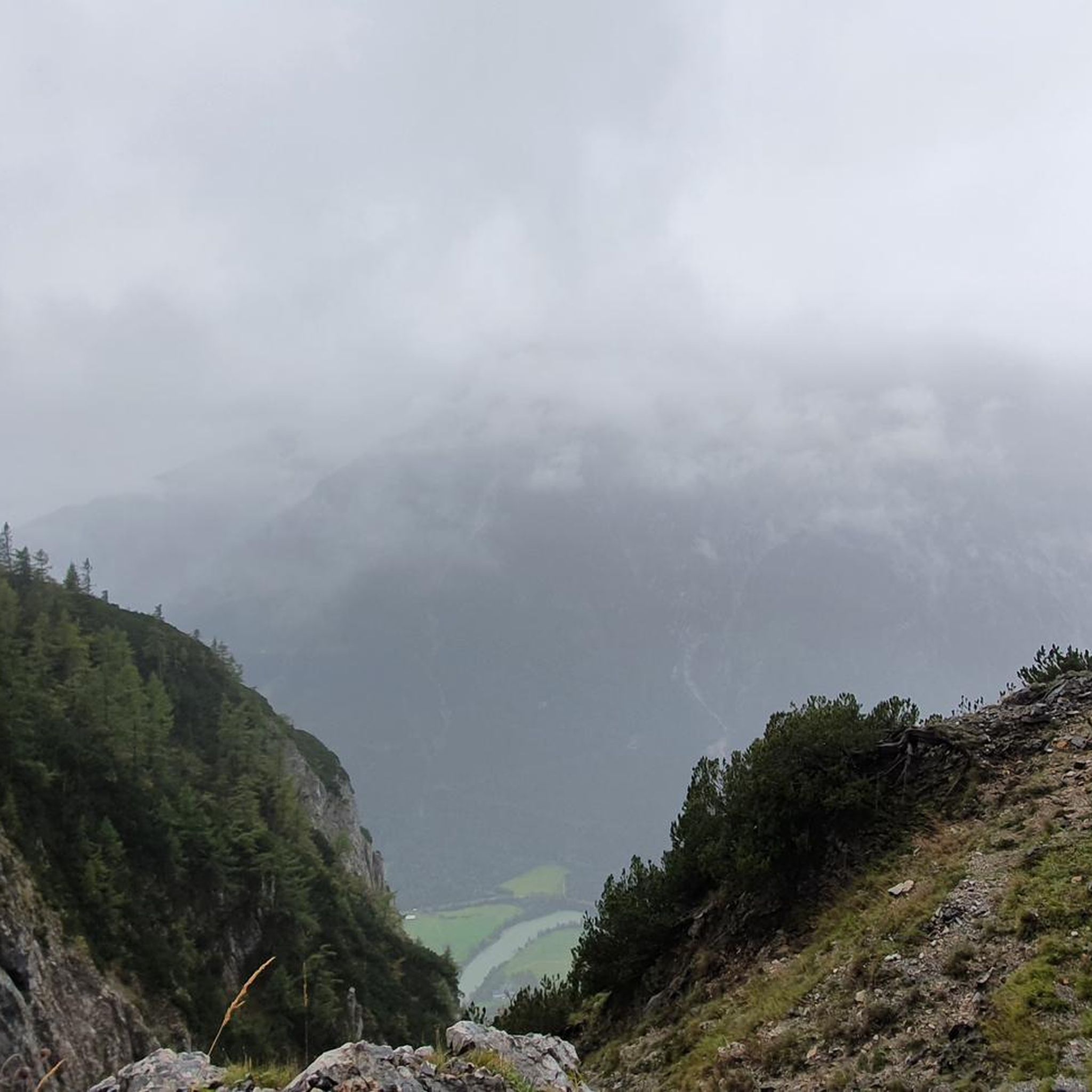
Gravel biking around Sautens
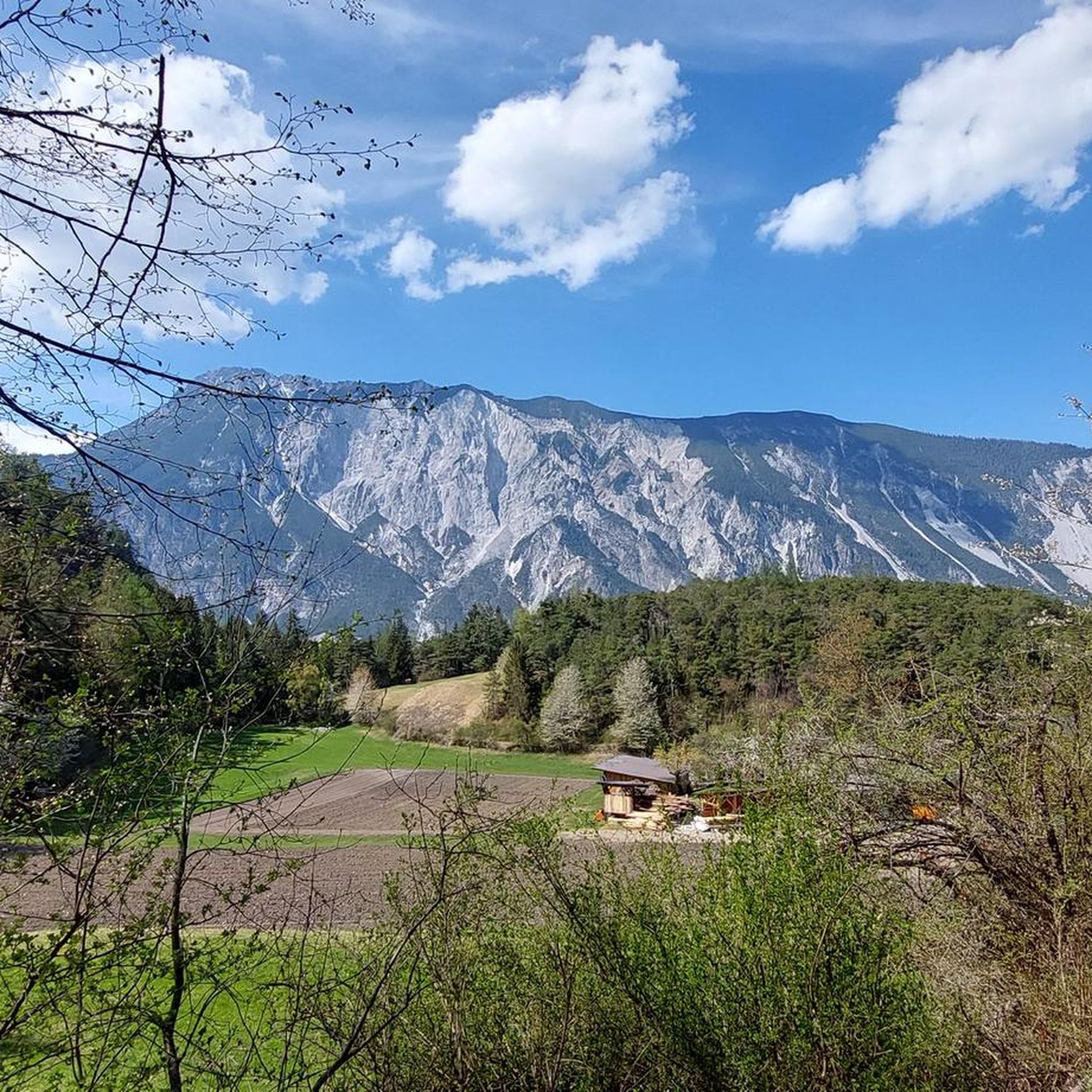
Cycling around Sautens
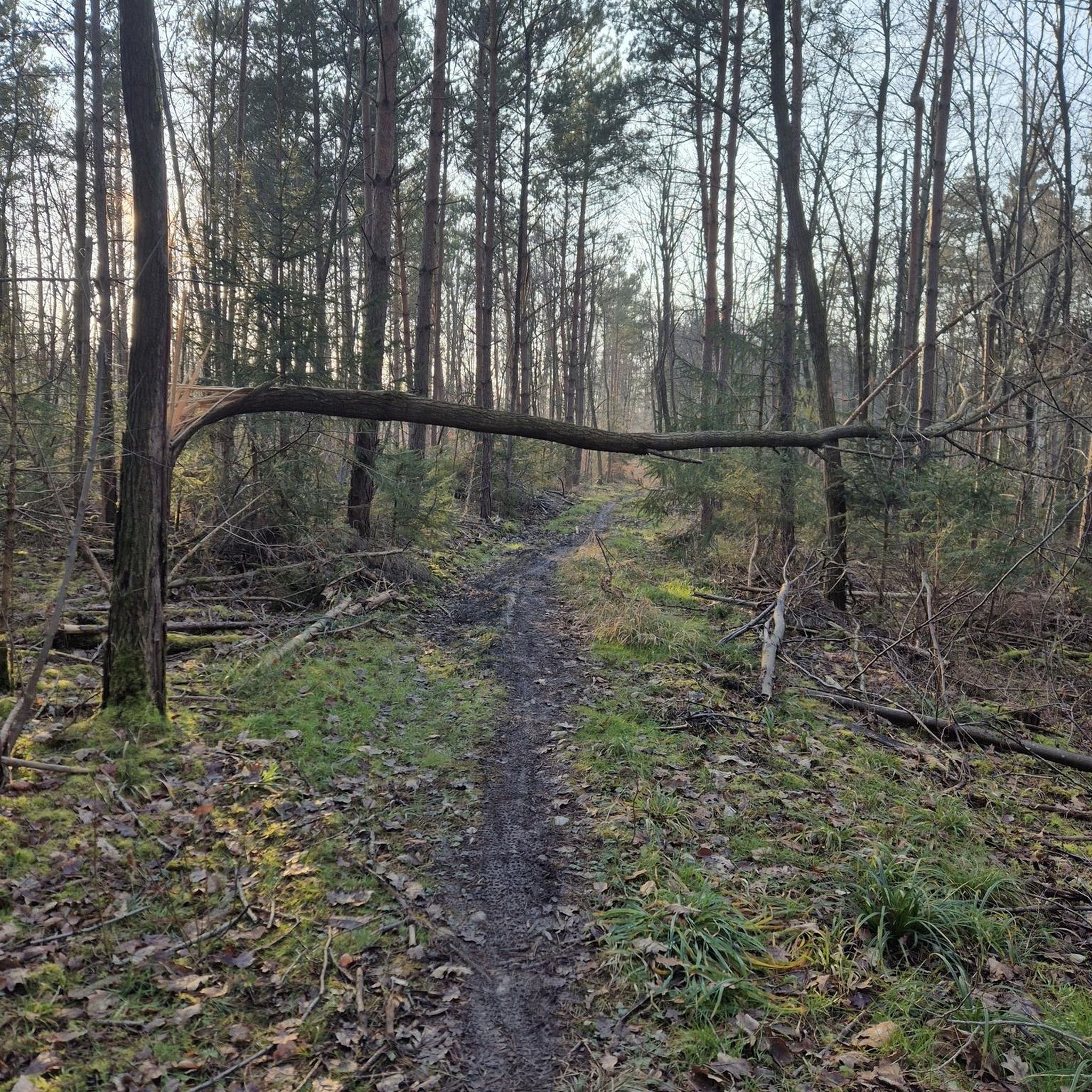
Mountain Hikes around Sautens
Running Trails around Sautens

Tips from the Community

Schinderbach / Rosengartenschlucht In the middle of Imst is the entrance to one of the most beautiful gorges in Austria and one of the most valuable biotopes in Tyrol. The Schinderbach roars through the 2 km long Rosengarten gorge - a spectacle that can be observed from the path that leads through the gorge. The Rosengartenschlucht is highly valued as one of the most valuable biotopes in Tyrol. It is also a treasure trove, especially for geologists, as millions of years of earth's history are reflected here. The Rosengartenschlucht begins at the Johanneskirche right in the city center of Imst. The gorge, which is bordered by a 100 m high rock wall, becomes increasingly narrower and leads to the Blue Grotto, a small cave in which silver-containing galena was searched for as early as Roman times. From the Blue Grotto you then reach Hoch-Imst and can either hike back to Imst via the Wetterkreuz or continue your tour with the Imster Bergbahnen and the Alpine Coaster Imst. Text / Source: Tirol.Tl https://www.tirol.tl/de/highlights/natur-landschaft/naturschauspiele/rosengartenschlucht/
14
1
The entrance to the Rosengartenschlucht The entrance to the Rosengartenschlucht is right in the center of the city and entry is free! Deep down there is the crystal clear, roaring water, vertically rising rock walls to the right and left, covered in mosses and ferns. ... Text / Source: Imst Tourism https://www.imst.at/urlaubserlebnisse/sommer/rosengartenschlucht
15
0

An interesting construction. Also to the photographed
3
0

More of a hike than a climb, but this is where you come down from the via ferrata.
8
1

720 steps await us, and in between there is a spectacular view of the valley and the Stuibenfall. The bridge swings a little - so it's best not to have a (great) fear of heights. But it's definitely worth it! Attention dog owners: The steps and platforms are large grates and not suitable for dogs. Small dogs should be carried as they can fall between the steps.
2
0

Also and especially worth a visit in winter.
6
0

Beautiful area. Even when there is snow, the rocks in the water look very beautiful. However, one should tread carefully, the paths around the Weller Bridge can be quite slippery.
5
0

The sloping hanging staircase is 89 m long and 31 m high, followed by stair towers all the way to the top. Totally over 700 levels.
5
4
Frequently Asked Questions
What are some of the most popular natural monuments for hiking around Sautens?
For hiking, Rosengarten Gorge is highly recommended, known for its impressive 100-meter-high rock walls and the mystical Blue Grotto. Another popular spot is the area around Stuibenfall Viewing Platform, offering spectacular views of Tyrol's largest waterfall. The Lake Piburg also features a beautiful and easy circular route.
Are there family-friendly natural monuments to visit near Sautens?
Yes, Lake Piburg is very family-friendly, offering an easy circular walk and bathing facilities in summer. The Sautens Magic Forest (Zauberwald Sautens) is also ideal for families, featuring an interactive educational trail with 11 stations, a forest playground, and a viewing platform. It's suitable for strollers and free of charge.
What is the best time of year to visit the natural monuments around Sautens?
The natural monuments around Sautens are beautiful year-round, but the best time often depends on your preferred activities. Summer (June to August) is ideal for swimming at Lake Piburg and enjoying warmer weather for hiking. Spring and autumn offer pleasant temperatures for exploring gorges and waterfalls, with autumn providing stunning foliage. Some trails, like the Sautens Magic Forest, are open all year.
What kind of geological features can I explore in the natural monuments near Sautens?
The region is rich in geological interest. The Rosengarten Gorge is a valuable biotope where millions of years of Earth's history are visible in its rock formations. The Sautner Forchet (Forchet Geo Trail) is a protected area formed by a massive rockslide nearly 3,000 years ago, with trailside signs explaining its geological background, flora, and fauna.
How long does it take to hike around Lake Piburg?
The circular route around Lake Piburg is considered easy and can typically be completed in about an hour, offering a peaceful walk through nature. It's a great option for a relaxed outing.
Are there any viewpoints offering panoramic views among the natural monuments?
Yes, the Stuibenfall Viewing Platform provides spectacular views of Tyrol's largest waterfall. Additionally, the Sautens Magic Forest features the 'Three Churches' viewing platform (Drei-Kirchen-Blick), offering scenic vistas of the surrounding area.
What outdoor activities can I do near these natural monuments?
Beyond exploring the natural monuments themselves, the area around Sautens offers various outdoor activities. You can find numerous hiking trails, including easy and moderate options like the 'View of the Ötztal Valley – Church of Ötzerau loop from Sautens'. There are also running trails and road cycling routes available. For more details on routes, you can check the Hiking around Sautens guide, Running Trails around Sautens guide, or Road Cycling Routes around Sautens guide.
How can I reach Stuibenfall from Sautens using public transport?
While specific public transport routes can vary, the Stuibenfall is a popular attraction. Generally, you would look for bus connections from Sautens towards Umhausen, which is the village closest to the waterfall. It's advisable to check local bus schedules for the most current information on routes and timings to plan your visit.
Are there cafes or facilities near Lake Piburg?
Yes, Lake Piburg offers facilities including a bathing area with a designated swimming zone, a buffet, and a restaurant. You can also rent rowing boats there, making it a comfortable spot for a longer stay.
What should I wear when hiking to natural monuments like Stuibenfall, especially in autumn?
When hiking to natural monuments like Stuibenfall, especially in autumn, it's essential to wear sturdy, comfortable shoes with good grip, as paths can be wet or uneven. Layered clothing is recommended to adapt to changing temperatures. A waterproof jacket is also advisable, as weather in the mountains can be unpredictable. For the Stuiben Power Bridge or the ascent alongside the waterfall, a head for heights is beneficial due to the lattice steps and shaky bridge.
Are there any natural monuments that are particularly suitable for dog owners?
Many natural trails in the region are dog-friendly, provided dogs are kept on a leash. The circular route around Lake Piburg is generally suitable for dogs. For the Rosengarten Gorge, sturdy shoes and surefootedness are required for both humans and dogs, but it's generally considered accessible for well-behaved pets.
What makes the Sautner Forchet a unique natural monument?
The Sautner Forchet is unique because it's an expansive forested rockslide area formed nearly 3,000 years ago by the Tschirgant rockslide. This protected natural oasis features the Forchet Geo Trail, which has twenty-five signs explaining its geological history, as well as the local flora and fauna, making it a fascinating site for those interested in geology and untouched landscapes.
Most popular routes around Sautens
Most popular attractions around Sautens

Get inspired with the komoot mobile app


Explore more
Extend your search for the best caves by checking out these guides of the top ones around Sautens:
