Top 20 Natural Monuments around Kaiserstuhl
Best natural monuments around Kaiserstuhl showcase a region of volcanic origin in southwest Germany, characterized by unique geological features and diverse ecosystems. This area features ancient volcanic rock formations, deep loess ravines, and prominent peaks. The Kaiserstuhl's natural monuments offer a compelling destination for nature enthusiasts and hikers seeking varied landscapes.
Best natural monuments around Kaiserstuhl
- The most popular natural monuments is Weiacher Höhe, a natural monument and viewpoint that features a 547 meter high molasse mountain. This location…
Last updated: July 7, 2026
Weiacher Höhe
Highlight • Trail
Translated by Google •
Tip by

Erdmannliloch
Highlight • Cave
Translated by Google •
Tip by

Sign up now to discover places like this
Get recommendations on the best single tracks, peaks, & plenty of other exciting outdoor places.
Sign up for free
Neeracherried – a bird paradise
Highlight • Natural Monument
Translated by Google •
Tip by

Neeracherried Nature Reserve
Highlight (Segment) • Natural Monument
As a racing cyclist, you are fast on the road.
- What can you see around you?
- How do you appear to others? …
Translated by Google •
Tip by

Silberbrünneli
Highlight • Natural Monument
Translated by Google •
Tip by
Sign up for free to discover even more natural monuments around Kaiserstuhl.
Sign up for free
Already have an account?
Start today with a free account
Your next adventure awaits.
Login or Signup
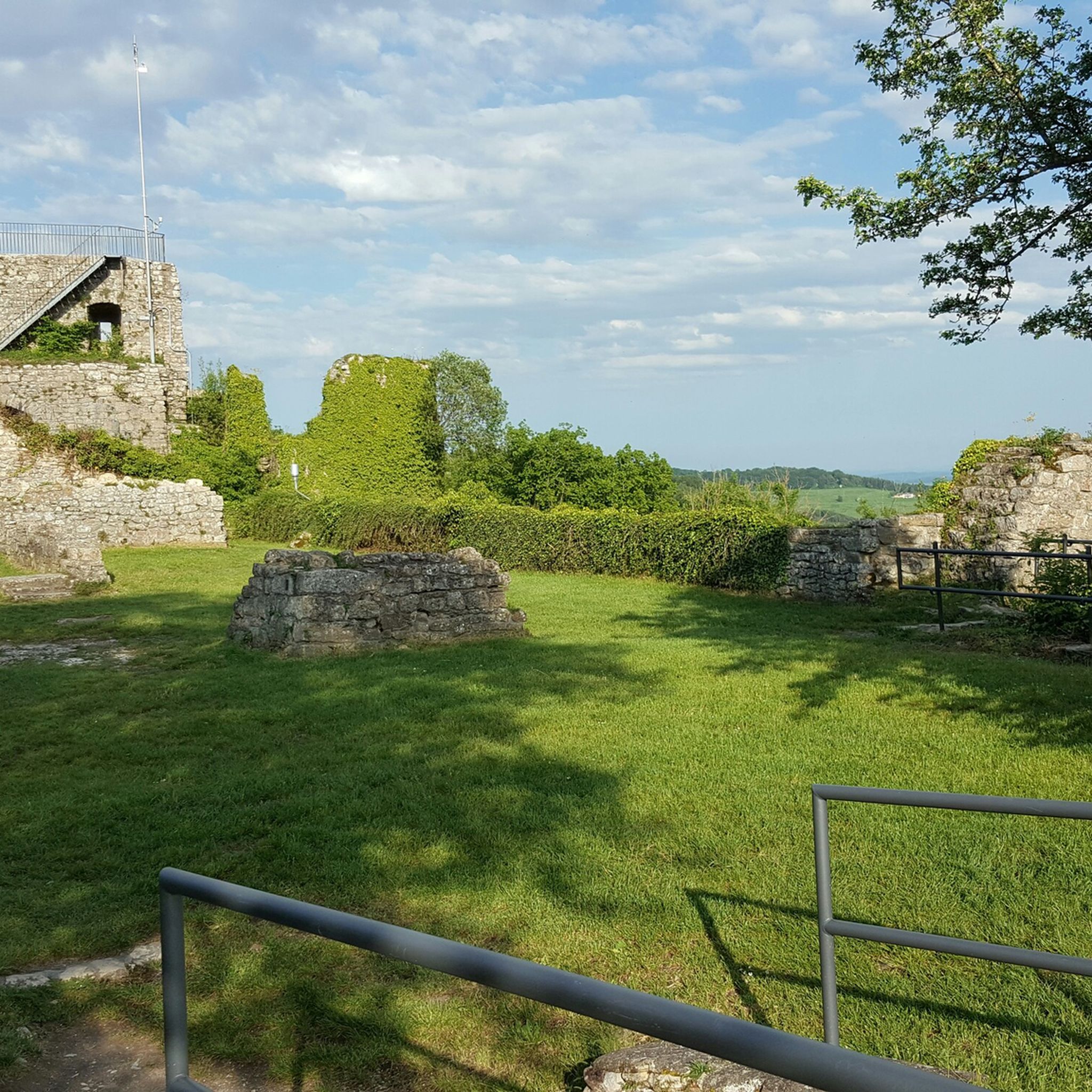
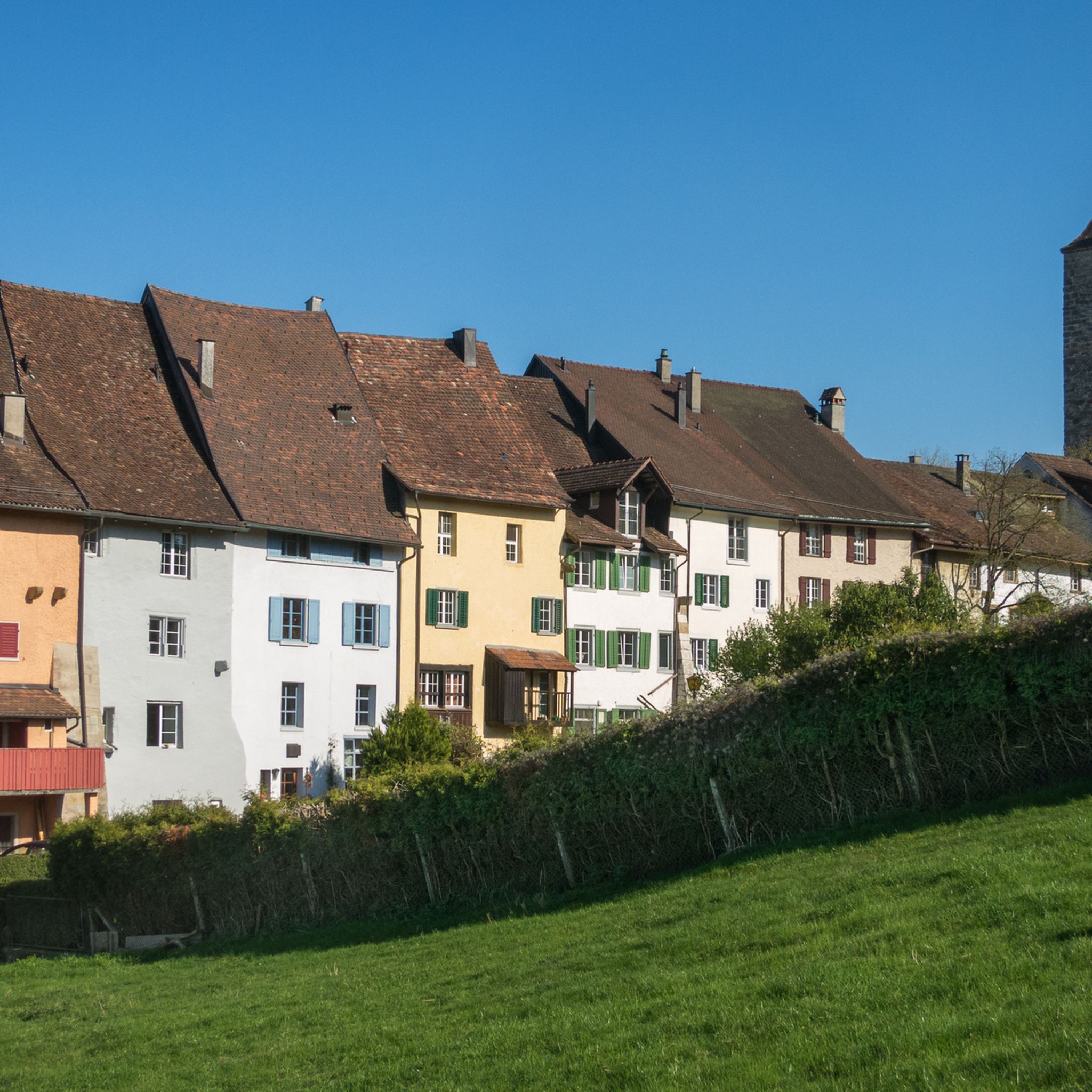
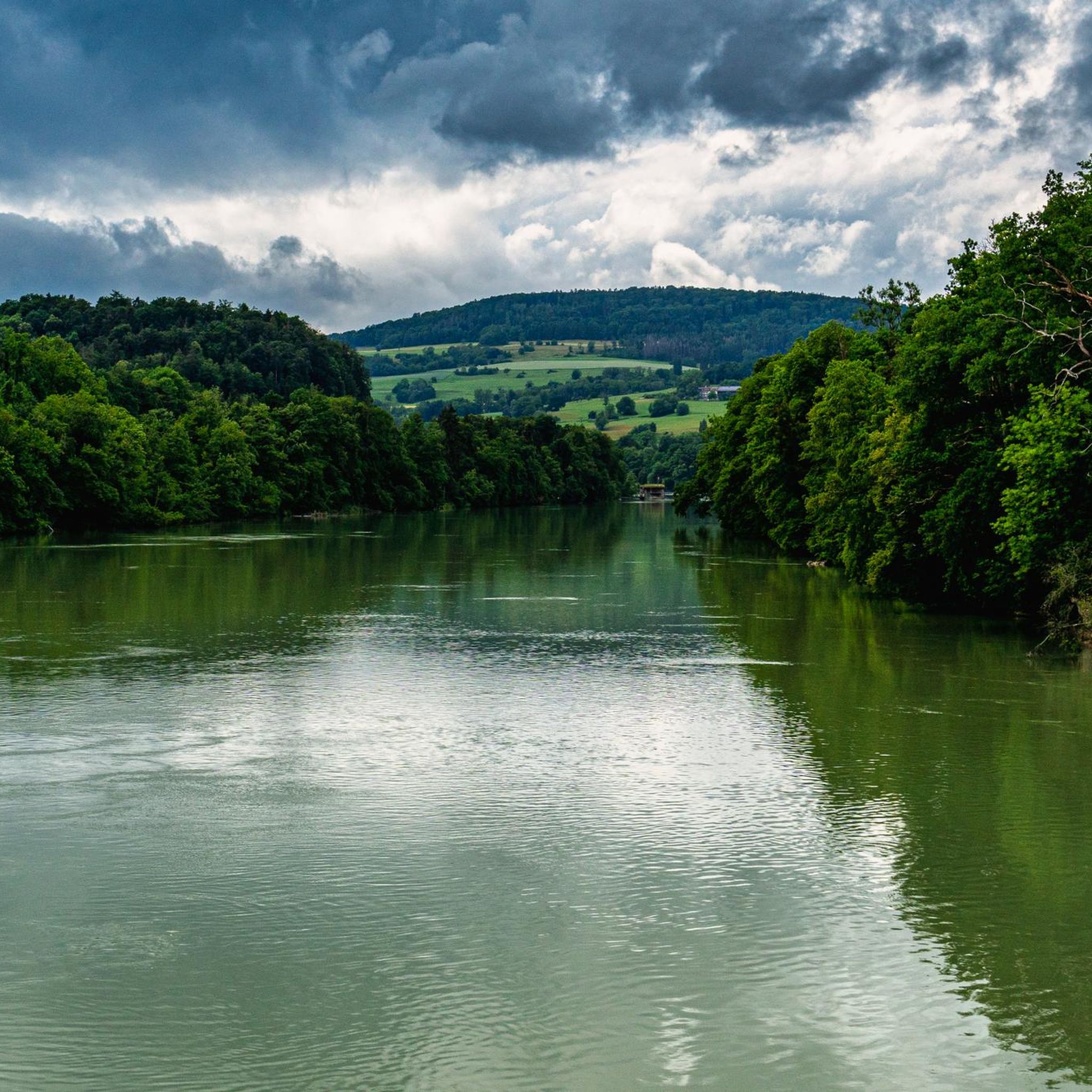
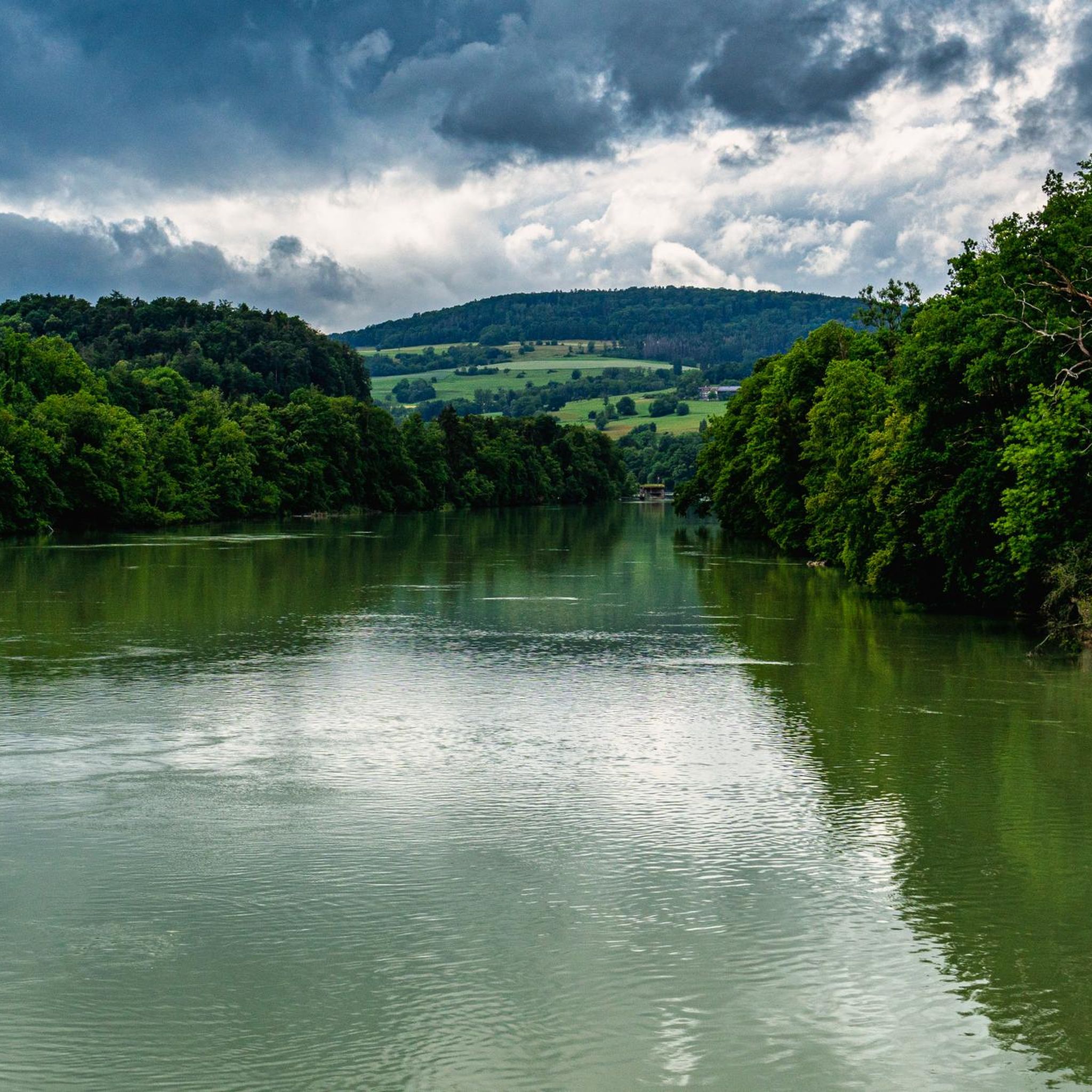
Tips from the Community

Great cycle path, super beautiful region
0
0

Small fountain with history.
0
0

The somewhat overgrown and mossy fountain is reminiscent of a legend in which a father pushed his son down the Spaltfluh because of a silver spoon.
1
0

A visit to the Erdmanndliloch is a MUST for bikers.
0
2
Arriving at the foot of the Erdmanndliloch is already exhausting enough, climbing the Erdmanndliloch with your biker boots is also a breathtaking effort. Once you've done it😃😀😃
1
1
Without many words, the Erdmandli Loch is unique, in an impressive mystical nature
1
1
Frequently Asked Questions
What are some of the most popular natural monuments around Kaiserstuhl?
Visitors frequently enjoy the unique geological and scenic features of the region. Among the most popular are Weiacher Höhe, a molasse mountain offering panoramic views, and Erdmannliloch, a challenging Nagelfluh cave with historical significance. The Neeracherried – a bird paradise is also highly regarded for its rich biodiversity.
What unique geological features can I explore in Kaiserstuhl?
The Kaiserstuhl region is of volcanic origin, featuring ancient volcanic rock formations like tephrites and phonolites, some unique to Europe. You can also explore impressive loess ravines, known as "Hohlgassen," which are deep, gorge-like paths carved into fine, wind-deposited sediment from the last Ice Age. These ravines offer a fascinating glimpse into the region's geological past.
Are there family-friendly natural monuments in Kaiserstuhl?
Yes, several natural monuments are suitable for families. The Neeracherried – a bird paradise and the broader Neeracherried Nature Reserve are excellent for wildlife observation. The Silberbrünneli, a forest spring with a spacious fireplace, also offers a pleasant family outing.
What kind of biodiversity can I expect to see in Kaiserstuhl's nature reserves?
The Kaiserstuhl's warm, sub-Mediterranean climate supports a unique array of heat-loving plants and animals. You might encounter over 30 species of wild orchids, emerald lizards, praying mantises, and various bird species like bee-eaters and hoopoes. The 16 nature reserves, such as the Badberg Nature Reserve, are dedicated to protecting this rich biodiversity.
What are the highest points or best viewpoints among Kaiserstuhl's natural monuments?
The highest point in Kaiserstuhl is the Totenkopf, reaching 556.6 meters, which, along with the Eichelspitze (521.3 meters), offers magnificent panoramic views. The Neunlinden observation tower on the Totenkopf provides vistas across the Black Forest, the Upper Rhine Valley, and even the distant Vosges Mountains. The Weiacher Höhe also offers extensive views, sometimes as far as the Alps in winter.
Are there any historical or cultural aspects to Kaiserstuhl's natural monuments?
Yes, the Erdmannliloch, a Nagelfluh cave, is known for its historical significance as a grotto castle, with legends and conjectures surrounding its past inhabitants. Additionally, the terraced vineyards, while shaped by human activity, are an integral part of the landscape, showcasing the region's long-standing wine culture and often featuring informative steles along walking paths.
What outdoor activities can I do near Kaiserstuhl's natural monuments?
The region offers a variety of outdoor activities. You can find numerous hiking trails, including those that explore the loess ravines and nature reserves. There are also many cycling routes, including touring bicycle and road cycling options, that allow you to explore the scenic landscapes. For more details on routes, you can check out the guides for Hiking around Kaiserstuhl, Cycling around Kaiserstuhl, and Road Cycling Routes around Kaiserstuhl.
What is the best time to visit Kaiserstuhl's natural monuments?
The Kaiserstuhl region, with its warm, sub-Mediterranean climate, is pleasant for visiting during spring and autumn for hiking and exploring. For the most expansive views, particularly from elevated points like Weiacher Höhe, winter can be ideal when deciduous trees are bare, allowing for views that can extend to the Alps.
Are there specific hiking trails that explore Kaiserstuhl's natural monuments?
Yes, the region offers numerous themed hiking trails that guide visitors through ecological hotspots and geological wonders. Examples include the Badbergpfad and Wiedehopfpfad, which traverse nature reserves. Many routes also lead through the terraced vineyards and loess ravines, offering unique experiences. You can find detailed hiking routes in the Hiking around Kaiserstuhl guide.
Can I find natural monuments with water features or springs?
Yes, the Silberbrünneli is a notable natural monument featuring a forest spring. It's a peaceful spot with a spacious fireplace, nestled among impressive rock formations.
What do visitors particularly enjoy about the natural monuments in Kaiserstuhl?
Visitors appreciate the unique combination of geological wonders, rich biodiversity, and cultural landscapes. The panoramic views from peaks like the Totenkopf and Weiacher Höhe are highly praised. The atmospheric loess ravines and the opportunity to observe rare flora and fauna in protected nature reserves like the Neeracherried also contribute to a memorable experience.
Most popular routes around Kaiserstuhl
Most popular attractions around Kaiserstuhl

Get inspired with the komoot mobile app


Explore more
Extend your search for the best caves by checking out these guides of the top ones around Kaiserstuhl:
