Top 20 Natural Monuments around Obergoms
Best natural monuments around Obergoms are found in the Upper Valais region of Switzerland, a landscape shaped by glaciers and alpine passes. The area is surrounded by three-thousand-meter peaks, offering a wealth of natural features primarily centered around its glacial and high-alpine environments. Obergoms features 7 natural monuments, providing diverse opportunities for exploration. This region is known for its grand alpine vistas, impressive glaciers, and dramatic mountain passes.
Best natural monuments around Obergoms
- The most popular natural monuments is Trift…
Last updated: July 7, 2026
Trift Bridge
Highlight • Bridge
Translated by Google •
Tip by

Guex Monument at Gotthard Pass
Highlight • Monument
Translated by Google •
Tip by

Sign up now to discover places like this
Get recommendations on the best single tracks, peaks, & plenty of other exciting outdoor places.
Sign up for free
Lake Lucendro
Highlight • Lake
Translated by Google •
Tip by

Totensee (Grimsel Pass)
Highlight • Lake
Translated by Google •
Tip by

Morasco Lake
Highlight • Lake
Translated by Google •
Tip by

Sign up for free to discover even more natural monuments around Obergoms.
Sign up for free
Already have an account?
Start today with a free account
Your next adventure awaits.
Login or Signup
Popular around Obergoms
Switzerland's Furka High Trail – Two days of history and nature
Aare Route – Everything Switzerland has to offer
The Rhone Route – from glaciers to Lake Geneva
Obergoms Tourismus AG I Sponsored Collections 2026
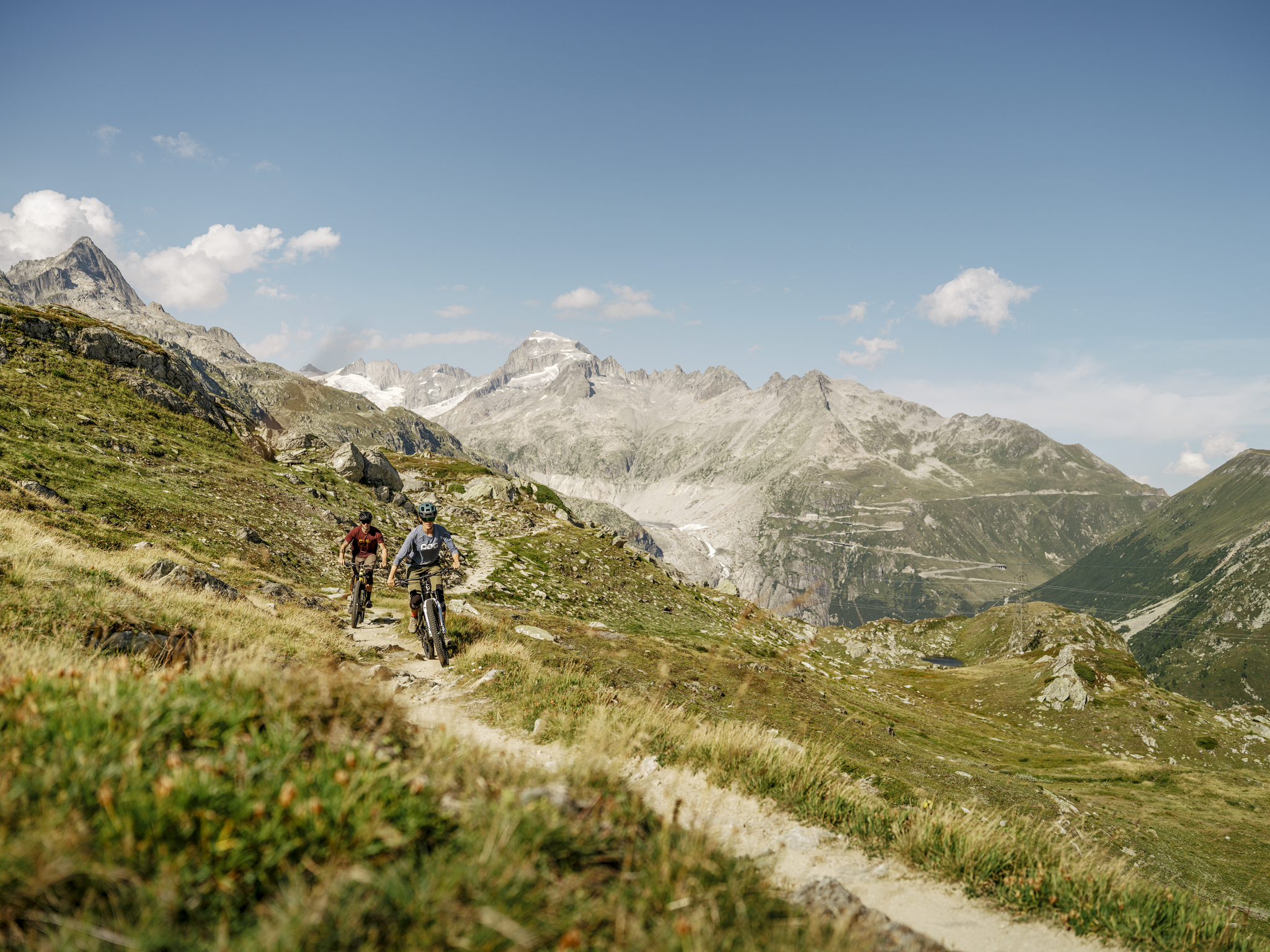
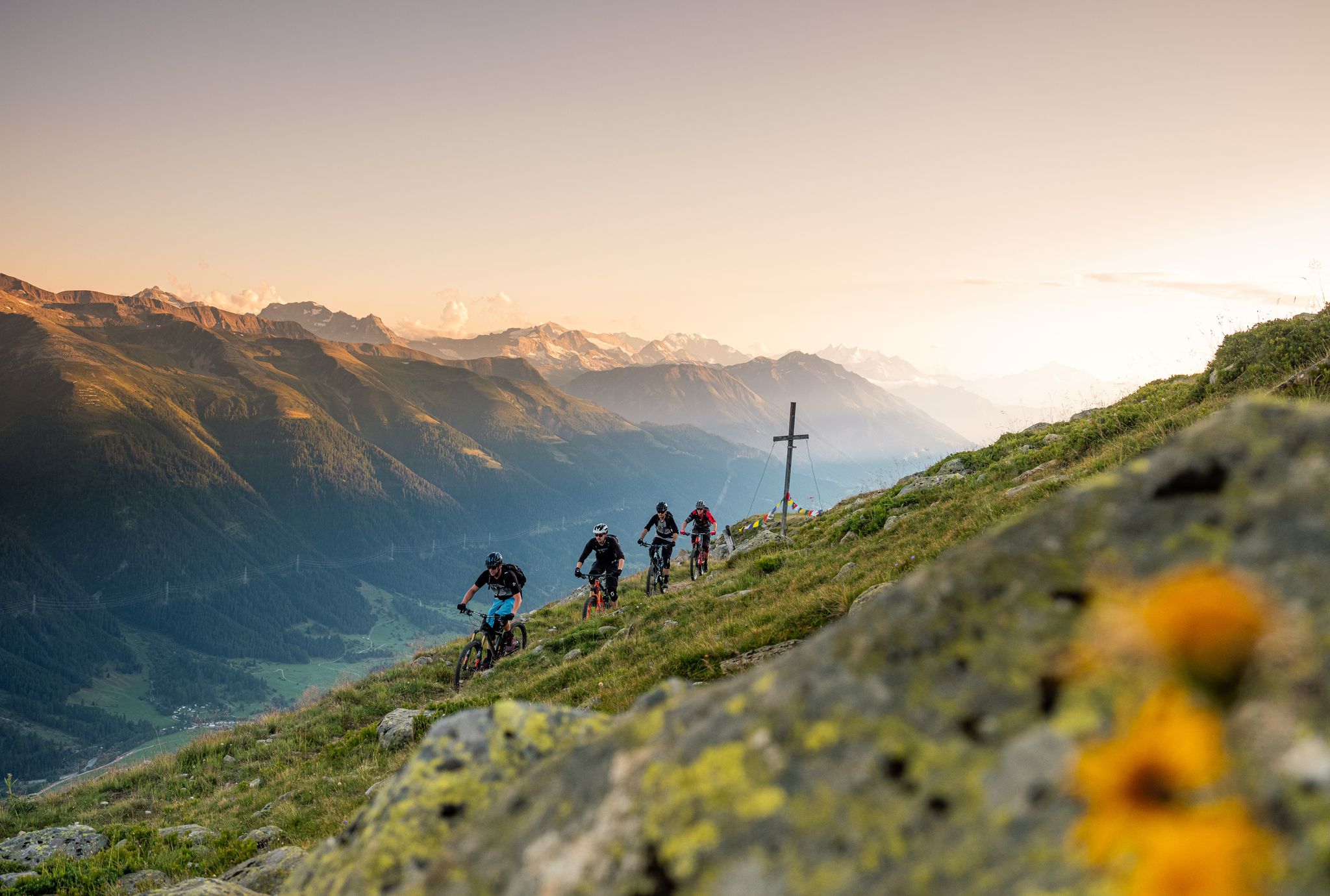
MTB adventures in the Upper Valais – Valais Panorama Bike Switzerland
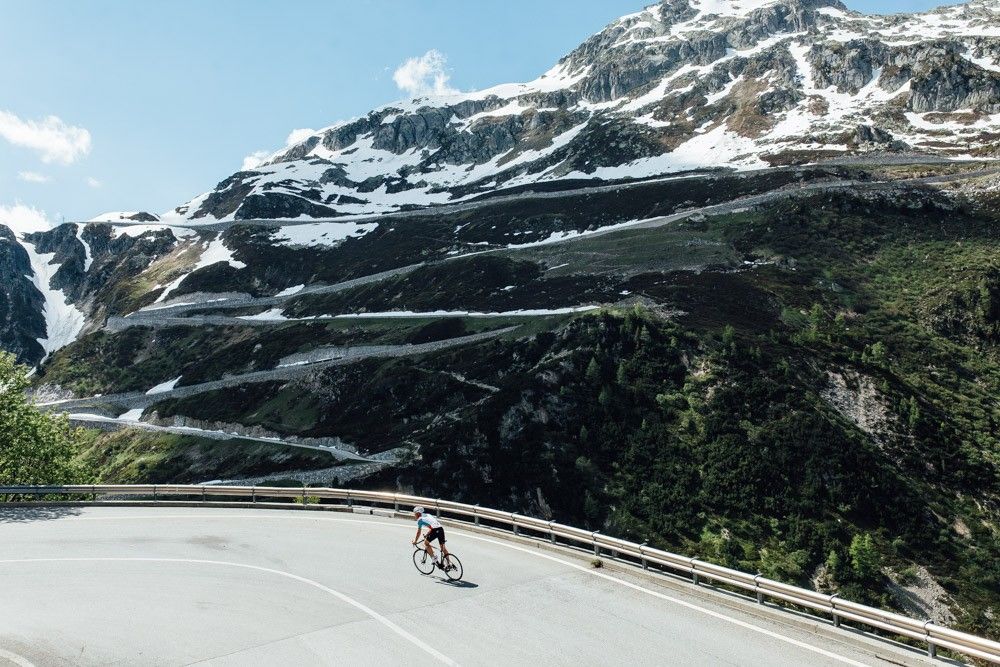
Off to the clouds on slick asphalt
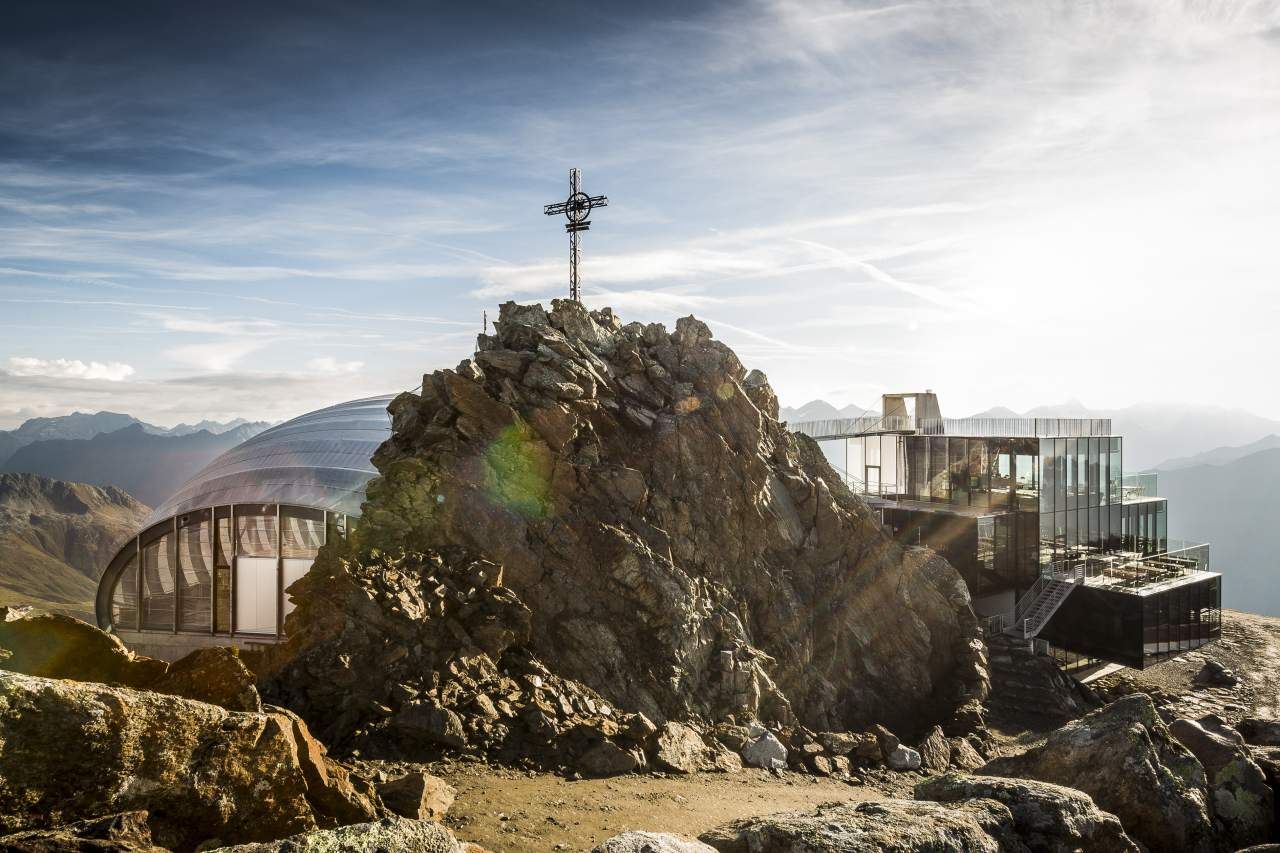
Into the Alps with 007
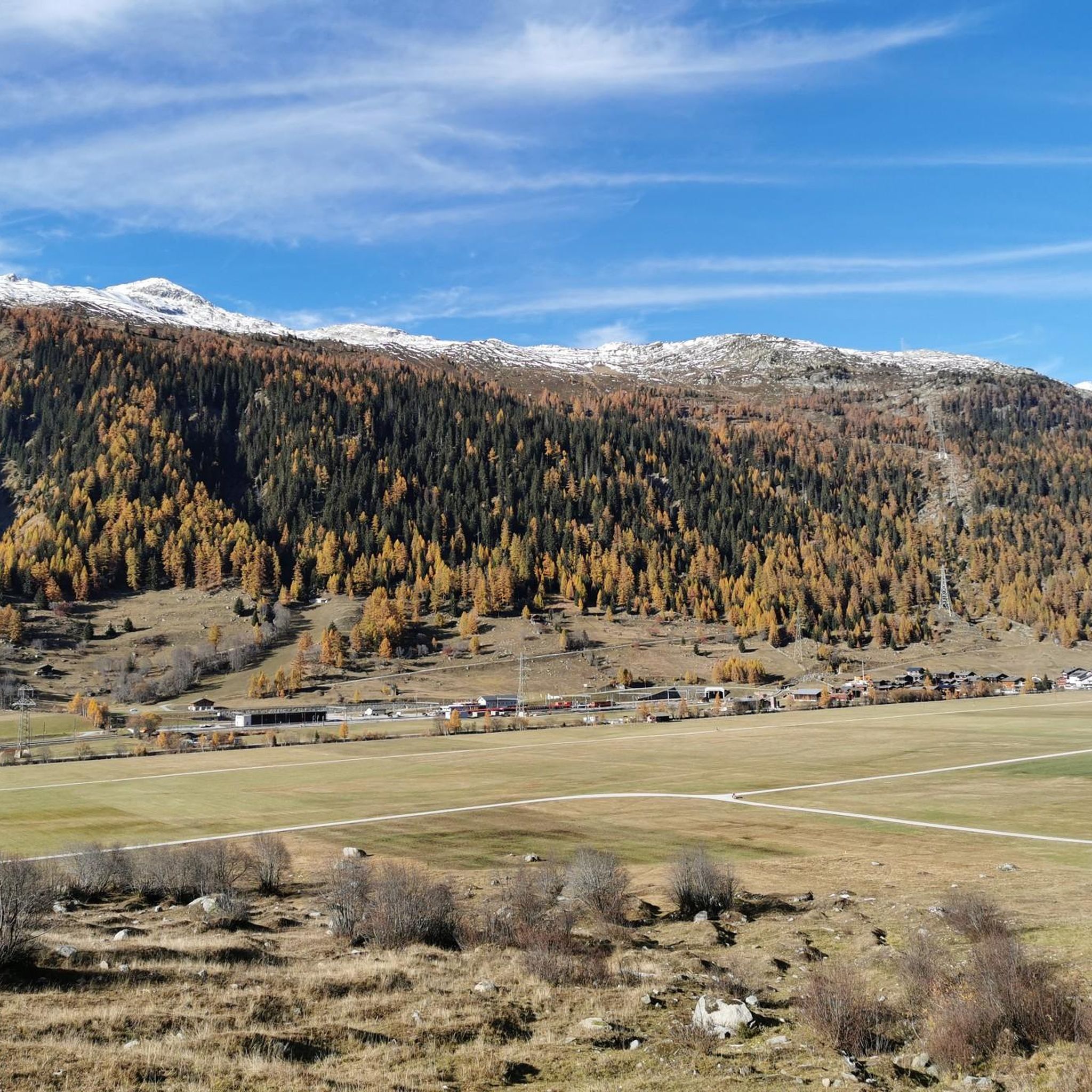
Hiking around Obergoms
Road Cycling Routes around Obergoms
MTB Trails around Obergoms
Other adventures around Obergoms


Tips from the Community


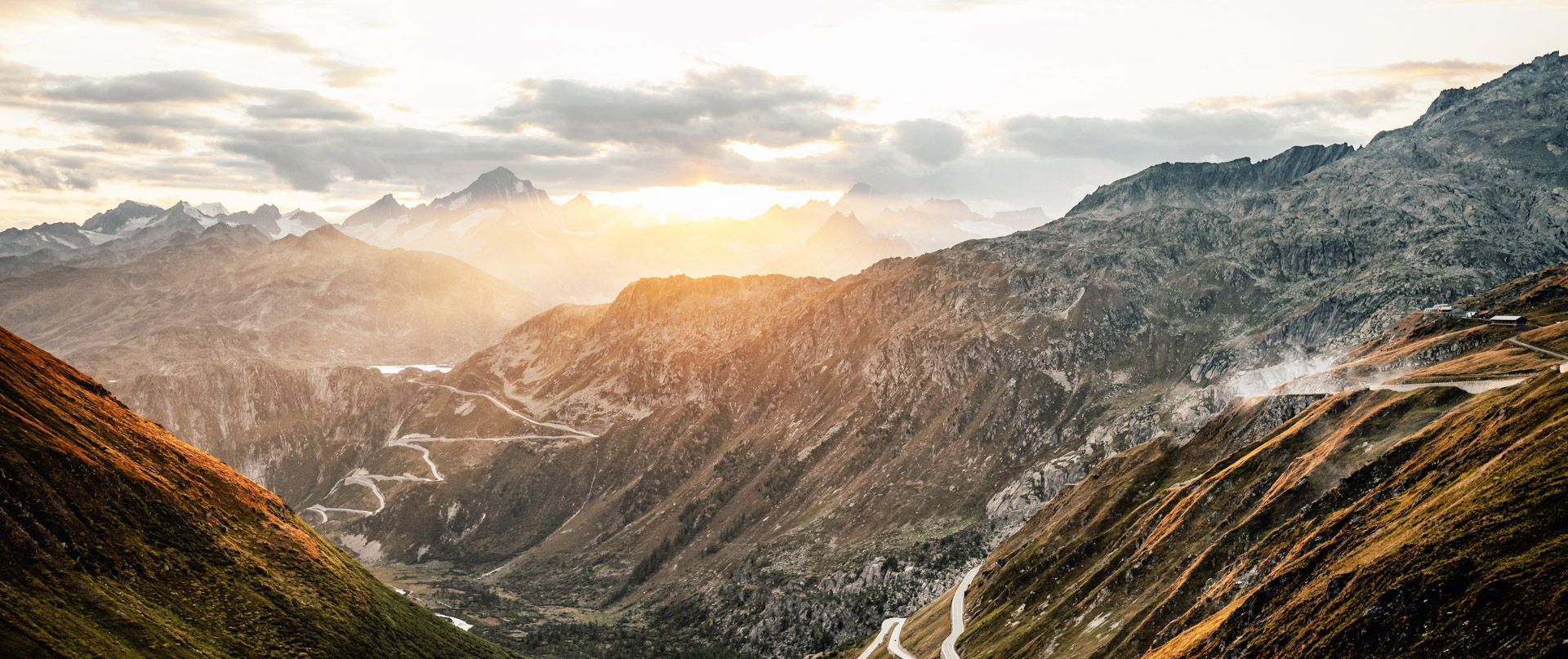
St. Gotthard Pass The Gotthard Pass divides waterways and connects various cultural and linguistic areas. Its significance as an "Alpine transversal" began at the beginning of the 13th century with the construction of the legendary Devil's Bridge in the Schöllenen Gorge. For many centuries, trade caravans (trading cattle and cheese for grain, wine, rice, and salt), mercenaries, messengers, and even entire armies crossed the pass. Between 1818 and 1836, the canton of Uri, with the help of other cantons, expanded the pass road, thus achieving its predominance among Swiss Alpine passes. The Gotthard Pass has significantly shaped the economy and culture of Central Switzerland for centuries. Until the opening of the Gotthard Railway in 1882, the Gotthard Pass was also used in winter. Dozens of roadmen and shovel workers were employed for this purpose. In 1922, the post bus replaced the stagecoach, and with the introduction of gasoline duties in 1923, the expansion of the pass roads began, continuing to this day. The old pass road on the south side, the Tremola between the top of the pass and Airolo, is still preserved and passable. This stretch of road recalls more tranquil journeys over the Gotthard that occurred not so long ago. In the 19th and 20th centuries, the Gotthard Pass was "condensed" into a myth, a symbol of Switzerland's independence, unity, and identity. Text / Source: Interest Group for Alpine Passes IAP, PO Box 11, 6491 Realp https://alpen-paesse.ch/de/alpenpaesse/gotthardpass
15
1

very pretty here, very pretty
2
0


Just wooowww... you have to see it 😎
8
1

A beautiful lake, I was lucky enough to photograph it with the snow-capped mountains.
22
1

In summer, arrival by post bus from Andermatt or Airolo is possible.
2
0

A must-see for every road cyclist! Featuring arguably the most famous cobblestone road in the Alps...
2
0
Frequently Asked Questions
What unique natural features can I explore in Obergoms?
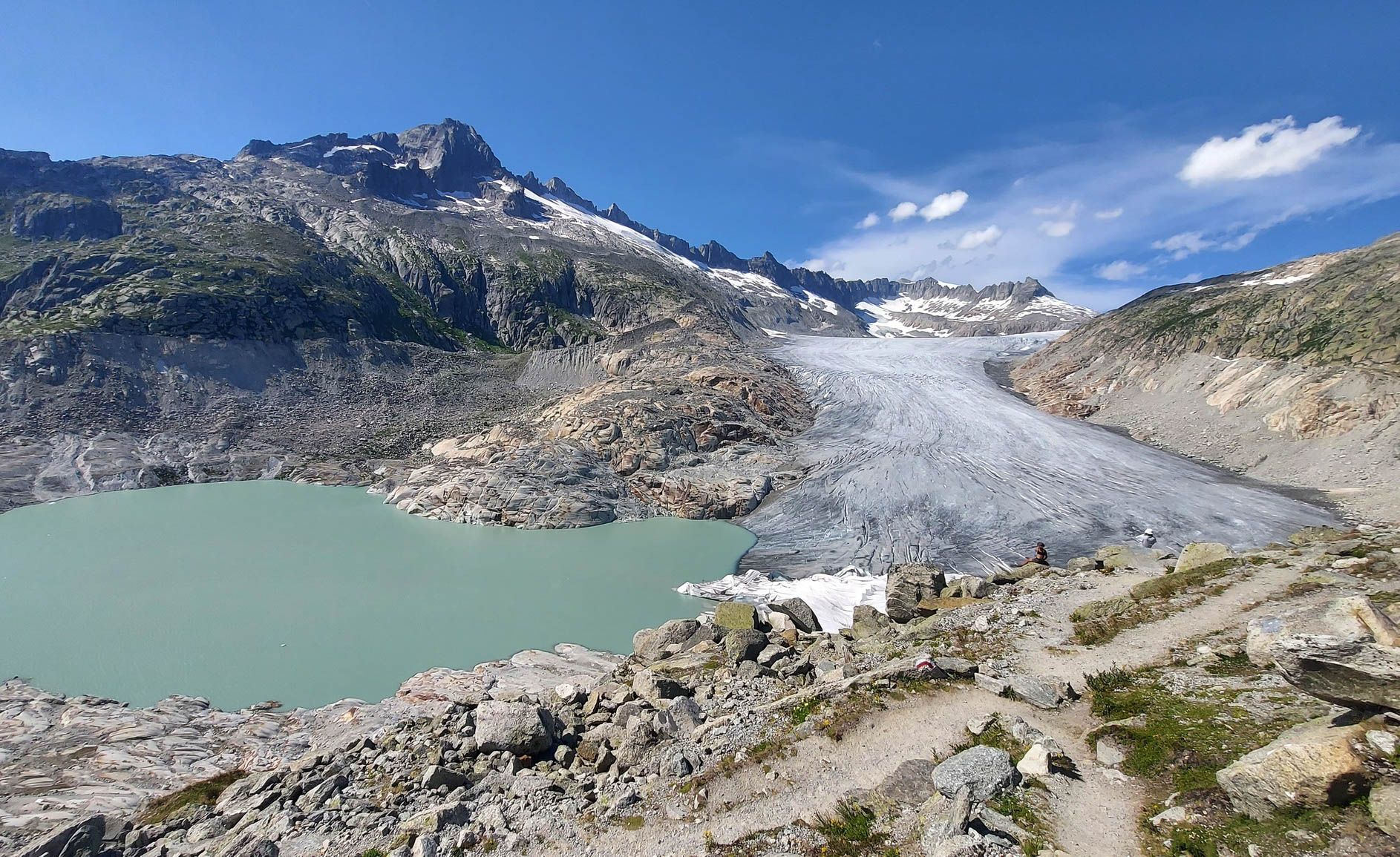
Obergoms is rich in diverse natural landscapes, primarily centered around its glacial and high-alpine environments. You can explore impressive glaciers like the Aletsch Glacier, the largest in the Alps, and the Rhone Glacier, known for its accessible ice grotto. The region also features dramatic mountain passes such as Furka Pass, Grimsel Pass, and Nufenen Pass, offering stunning alpine vistas and reservoir lakes like Totensee (Grimsel Pass), Lake Lucendro, and Lake Göscheneralp.
Are there any family-friendly natural monuments in Obergoms?
Yes, several natural monuments in Obergoms are suitable for families. The Rhone Glacier offers a unique experience with its annual ice grotto, which is easily accessible and fascinating for all ages. The Guex Monument at Gotthard Pass is also listed as family-friendly, providing historical context and scenic views. Many of the reservoir lakes, like Lake Göscheneralp, offer easy paths around them, perfect for family walks.
What kind of hiking opportunities are available near Obergoms' natural monuments?
Obergoms offers a wide range of hiking opportunities, from scenic walks around glacial lakes to challenging mountain treks. For instance, you can find routes near the Furka Pass and Grimsel Pass, which are excellent starting points for high-alpine hikes. The area around Lake Göscheneralp is a scenic hiking paradise. For more detailed routes, you can explore the Mountain Hikes around Obergoms guide.
Can I go cycling near the natural monuments in Obergoms?
Absolutely. The mountain passes in Obergoms, such as Furka Pass, Grimsel Pass, and Nufenen Pass, are particularly popular for road cycling due to their challenging hairpin bends and exhilarating descents. These routes offer stunning views of the surrounding alpine landscape and glaciers. For specific cycling routes, refer to the Road Cycling Routes around Obergoms guide.
What are some of the most popular viewpoints among Obergoms' natural monuments?
Obergoms is renowned for its breathtaking panoramic viewpoints. The Aletsch Glacier offers spectacular vistas from accessible spots like Moosfluh, Bettmerhorn, and Eggishorn. The Furka Pass and Grimsel Pass also provide stunning high-alpine clarity and views of glaciers and snow-capped mountains. The Trift Bridge is a popular spot for photography, offering a unique perspective over a gorge.
Is it possible to visit glaciers in Obergoms?
Yes, Obergoms is an excellent region for experiencing glaciers. The Aletsch Glacier, the largest in the Alps, can be explored through various hikes and glacier tours, with viewpoints accessible by cable car. The Rhone Glacier is particularly notable for its annual ice grotto, allowing visitors to walk inside and observe the magical blue ice formations firsthand. A nature trail also provides insights into the Rhone Glacier's development.
What is the best time of year to visit Obergoms for its natural monuments?
The best time to visit Obergoms for its natural monuments largely depends on the activity. The high-alpine passes (Furka, Grimsel, Nufenen) are typically open from late spring to early autumn (roughly June to October), offering ideal conditions for hiking and cycling. During these months, the glaciers are most accessible, and the alpine flora is vibrant. Winter offers opportunities for snow-related activities, but access to some high-altitude areas may be restricted.
Are there any historical or cultural sites integrated with the natural monuments?
Yes, the region's natural monuments often have historical significance. The Gotthard Pass, for example, is a historic route that connected different cultural and linguistic areas for centuries. The Guex Monument at Gotthard Pass marks this historical importance. The Furka Pass is also known for its historic road and the nostalgic Furka steam engine, offering a journey through time amidst impressive natural scenery.
What do visitors enjoy most about the natural monuments in Obergoms?
Visitors frequently praise the breathtaking panoramic views, especially from the high mountain passes and glacier viewpoints. The unique experience of walking inside the Rhone Glacier's ice grotto is a highlight for many. The serene beauty of the alpine lakes, such as Totensee (Grimsel Pass), and the impressive engineering of the dam walls at reservoirs like Lake Lucendro, also receive high acclaim. The Trift Bridge is particularly popular for its thrilling crossing and photo opportunities.
How can I access the natural monuments in Obergoms using public transport?
Many natural monuments in Obergoms are accessible via public transport, particularly the PostBus services. The Rhone Glacier, for instance, is easily accessible by car and public transport. The Gotthard Pass and Grimsel Pass are also served by PostBus routes during the warmer months. For specific routes and schedules to trailheads, it's advisable to check local public transport information for the Goms region.
Are there opportunities for running near Obergoms' natural monuments?
Yes, Obergoms offers various running trails that allow you to experience the natural monuments. You can find routes along the Rotten (Rhone River) and around some of the smaller lakes. For detailed running routes and their difficulty levels, consult the Running Trails around Obergoms guide.
Most popular routes around Obergoms
Most popular attractions around Obergoms

Get inspired with the komoot mobile app


Explore more
Extend your search for the best caves by checking out these guides of the top ones around Obergoms:
