Top 6 Natural Monuments in Ethiopia
Natural monuments in Ethiopia showcase a diverse landscape, from towering mountain ranges to unique geological formations. The country's varied terrain includes high peaks, deep gorges, and extensive cave systems. These sites offer opportunities to observe endemic wildlife and explore significant natural features. Ethiopia's natural attractions are recognized for their ecological importance and distinct geographical characteristics.
Best natural monuments in Ethiopia
- The most popular natural monuments is Gelada Baboons in Simien Mountains National Park, a natural monument that features these…
Last updated: July 7, 2026
Portuguese Bridge and Waterfalls
Highlight • Bridge
Translated by Google •
Tip by

Ras Dashen
Highlight • Summit
Translated by Google •
Tip by

Sign up now to discover places like this
Get recommendations on the best single tracks, peaks, & plenty of other exciting outdoor places.
Sign up for free
Gelada Baboons in Simien Mountains National Park
Highlight • Natural Monument
Translated by Google •
Tip by
Gelada herd in Simien Mountains National Park
Highlight • Natural
Translated by Google •
Tip by

View of Simien Mountains National Park
Highlight • Viewpoint
Translated by Google •
Tip by
Sunset View in Simien Mountains National Park
Highlight • Viewpoint
Translated by Google •
Tip by
View of Simien Mountains National Park
Highlight • Viewpoint
Translated by Google •
Tip by
Start today with a free account
Your next adventure awaits.
Login or Signup


Tips from the Community

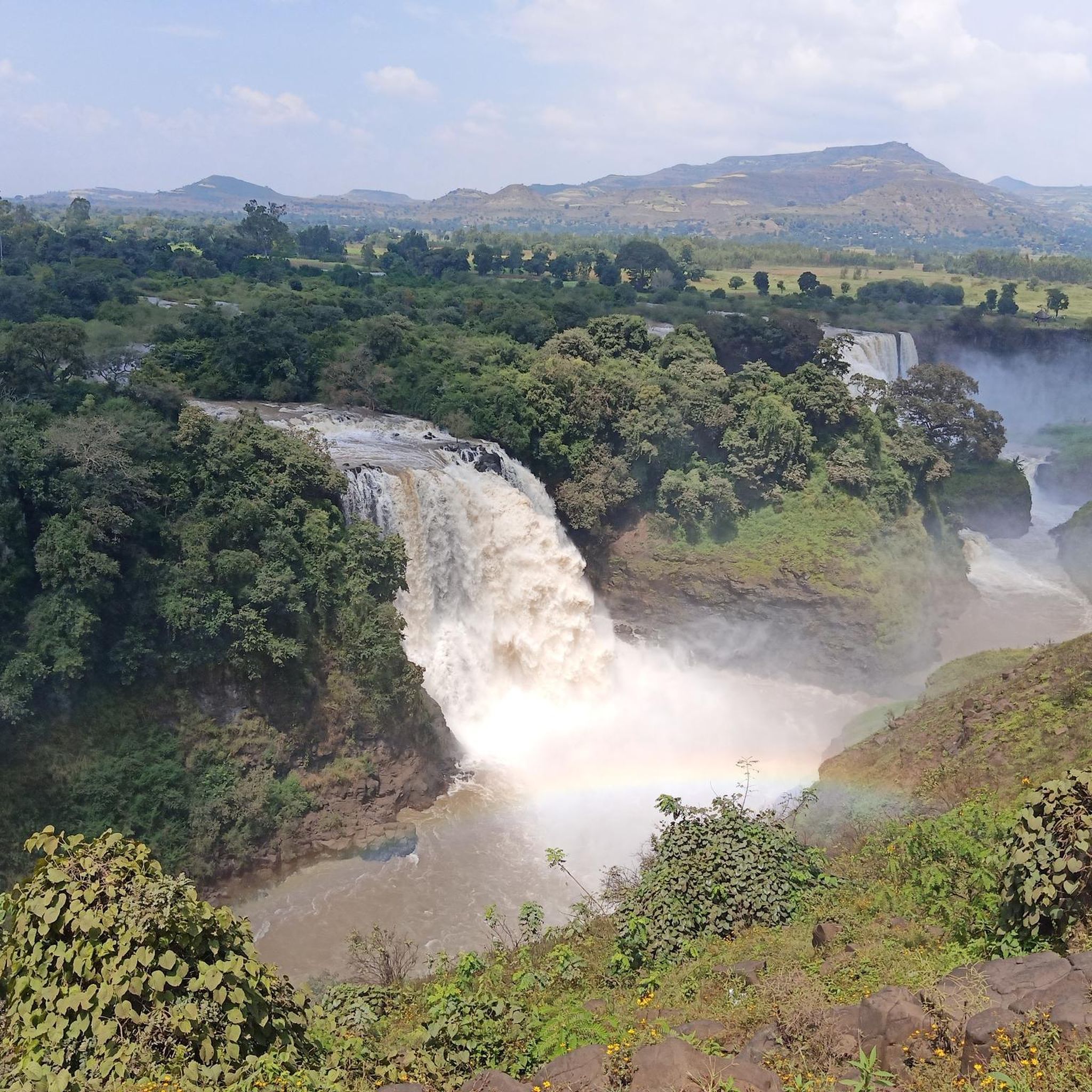
The landscape here changes dramatically depending on the season, but the gorge is also impressive in late summer (February), even though there are no waterfalls then. There's also a good place to eat at the starting point, and the cook is very friendly.
0
0

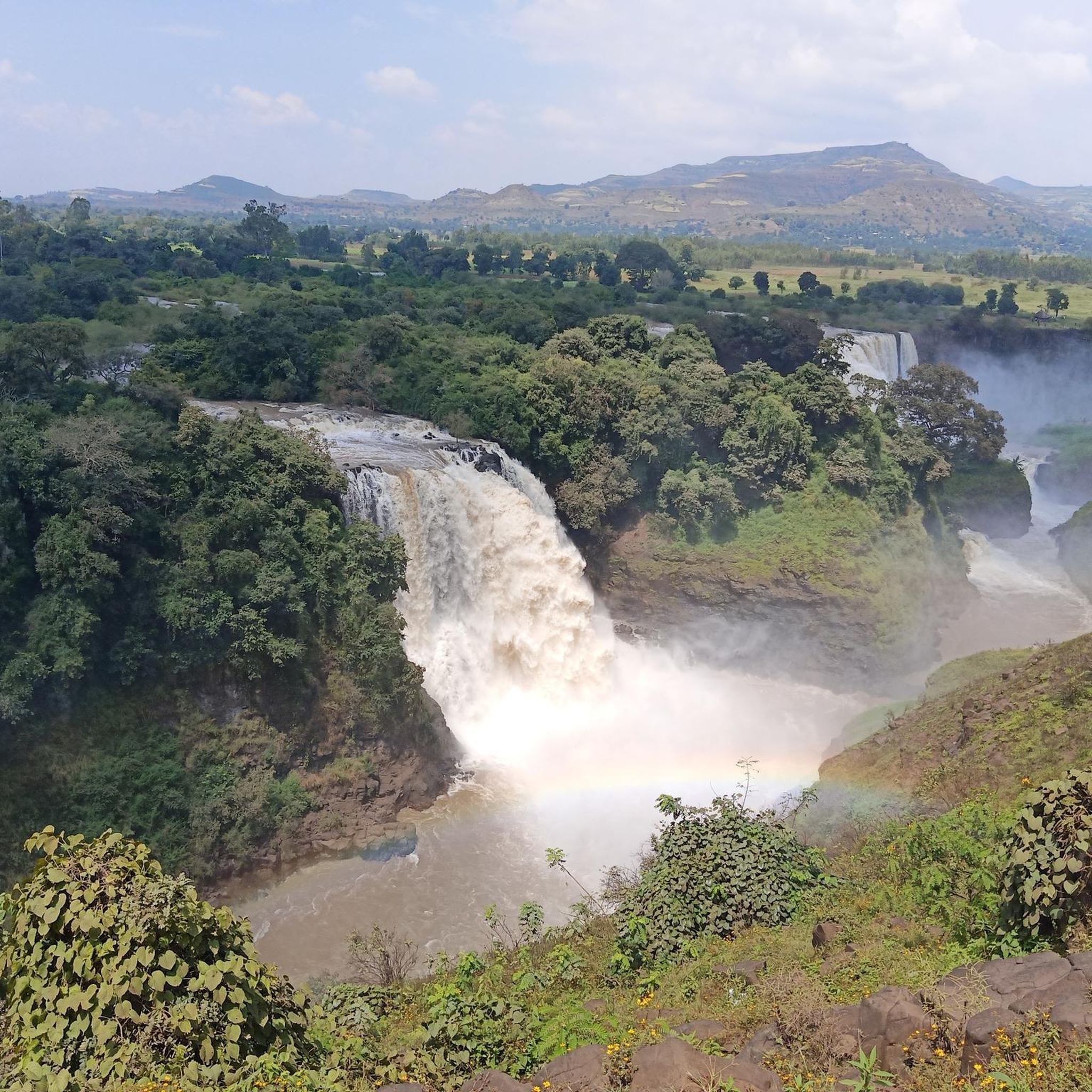
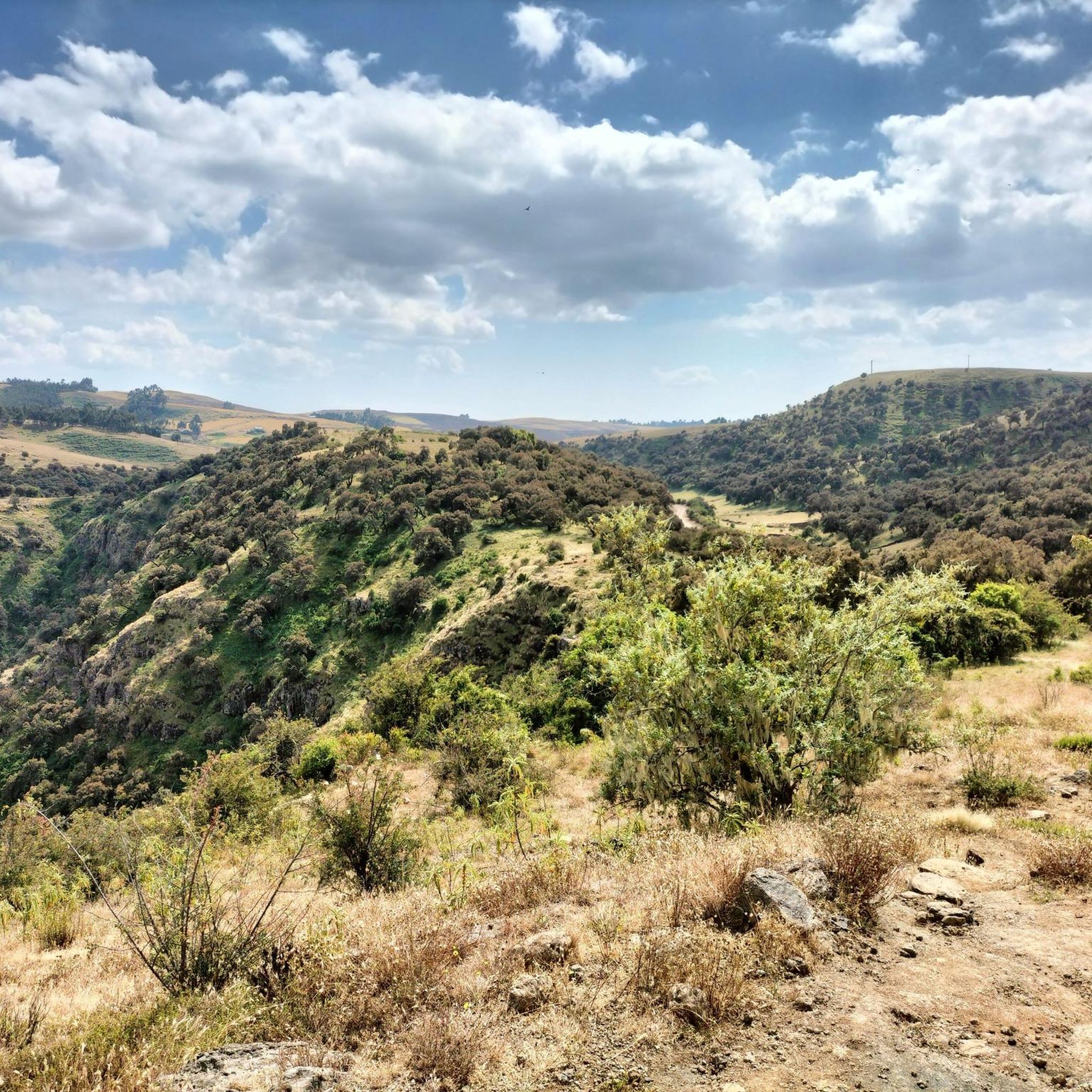
A short hike leads from the car park (4WD road!) to the Portuguese bridge and some waterfalls. There is also a magnificent view towards the Blue Nile Gorge. There is also unique vegetation and if you are lucky you can even see raccoon baboons. Ideal as a day trip from Addis Ababa, combined with the Debre Libanos monastery.
0
0

Ras Dashen is the highest peak in Ethiopia. Rising over 4,500 meters in the eastern escarpment of the Simien Mountains, Ras Dashen is a call to adventure for those seeking a challenge. The entire Ras Dashen trek can take up to 12 hours. 7 hours up and 5 hours down. You have to climb the last 100 m. After Kili, Mt Kenya, Ruwenzori and Mt Meru, Ras Dashen is the fifth highest mountain in Africa at 4543 m.
4
0
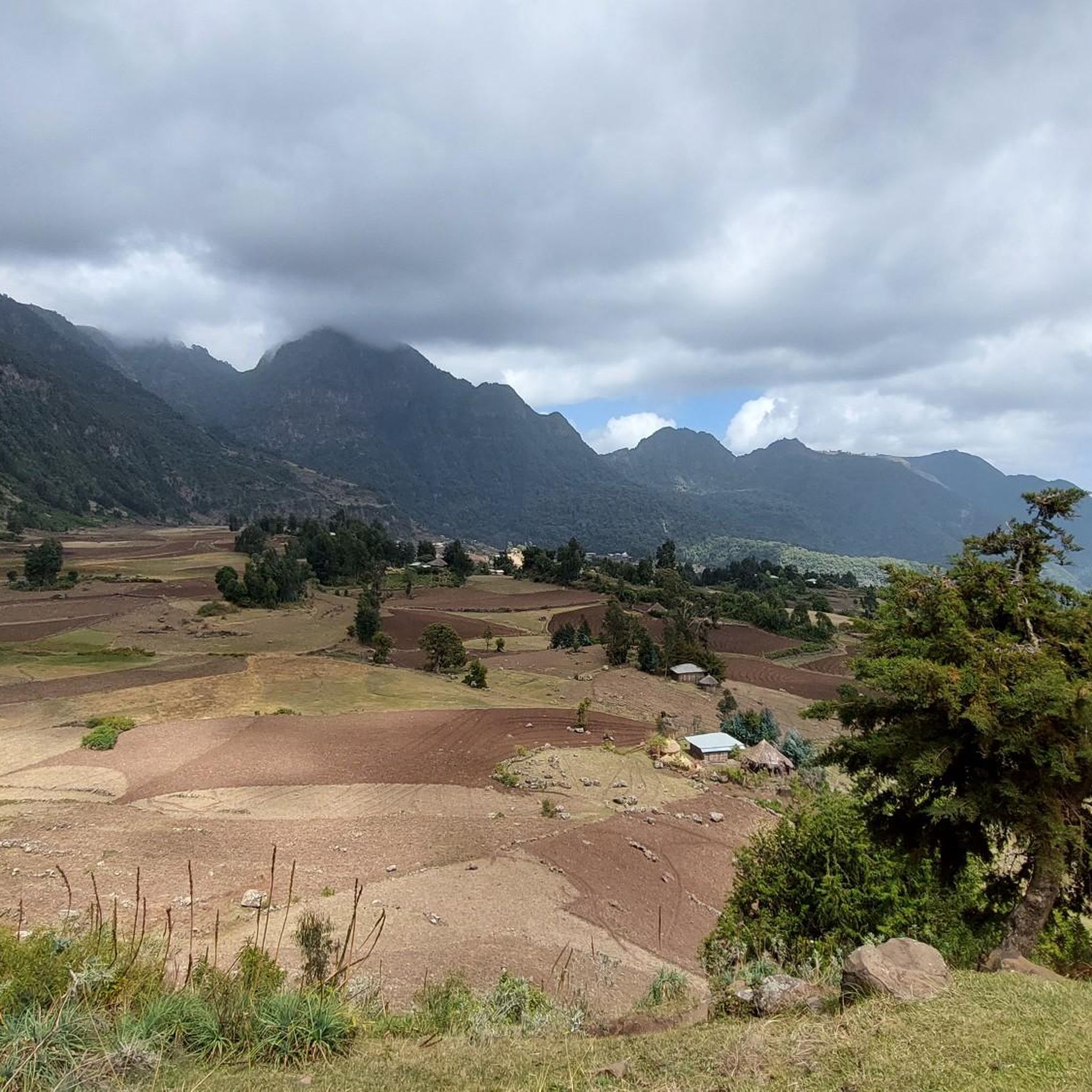
The scenery from up here with its unique views of a landscape and nature is stunning.
2
0
A distinctive feature of the gelada is the hairless patch on the chest. In males, it is hourglass-shaped and glows red. Therefore, the Dschelada is also referred to as blood breast baboon in German. If you sit in the garden of the "Altes Klösterli" restaurant in Zurich, you can watch blood-breasted baboon in the zoo.
2
0
On this ridge you always get brilliant views of the Simeon National Park.
2
0
In that case I was lucky with my photos today.
2
0

Meeting a herd of peaceful geladas in the wild is a special experience. The animals are vegetarian and therefore not at all dangerous for humans. You shouldn't get too close, however, because the males' turf wars in particular can be a bit rough.
0
0
Frequently Asked Questions
What are some of the most popular natural monuments in Ethiopia?
Ethiopia offers a variety of remarkable natural monuments. Among the most appreciated by the komoot community are the dramatic landscapes of Sunset View in Simien Mountains National Park, the unique wildlife viewing opportunities with Gelada Baboons in Simien Mountains National Park, and the scenic Portuguese Bridge and Waterfalls.
What kind of wildlife can I expect to see at Ethiopia's natural monuments?
Ethiopia's natural monuments are rich in biodiversity, especially endemic species. In the Simien Mountains, you can observe the distinctive Gelada baboons, Walia Ibex, and Ethiopian wolves. Bale Mountains National Park is a critical hotspot for the Mountain Nyala and the Ethiopian wolf. Awash National Park is home to various antelopes, monkeys, oryx, gazelles, kudu, warthogs, lions, jackals, and hyenas. Lake Tana also hosts diverse wild animals like hippos and various bird species.
Are there opportunities for challenging hikes at natural monuments in Ethiopia?
Yes, Ethiopia offers challenging hiking opportunities, particularly in its mountainous regions. The Simien Mountains National Park is renowned for some of Africa's best trekking routes, featuring high peaks, deep gorges, and dramatic plateaus. Reaching Ras Dashen, Ethiopia's highest peak, is a challenging climb within the Simien Mountains.
What is the best time of year to visit Ethiopia's natural monuments?
The best time to visit varies slightly by location. For the Simien Mountains, September to November is ideal, as lush vegetation follows the summer rains, offering great views. Bale Mountains National Park is best visited from November to April. Generally, the dry season from October to May is recommended for most natural monuments, providing more comfortable trekking conditions and clearer skies.
Are there family-friendly natural attractions in Ethiopia?
Many of Ethiopia's natural monuments can be enjoyed by families, though some activities might be more suitable for older children. Gentle walks and wildlife viewing in areas like Simien Mountains (keeping a respectful distance from animals) or boat trips on Lake Tana to explore its island monasteries can be engaging for families. The Portuguese Bridge and Waterfalls offers a short hike suitable for many.
What are the geological wonders I can explore in Ethiopia?
Ethiopia is a land of remarkable geological diversity. The Simien Mountains feature jaw-dropping plateaus, ridges, and gorges. The Sof Omar Caves are an extensive limestone cave system with stunning geological formations carved by the Weyib River. The Danakil Depression is one of the hottest places on Earth, known for its active volcanoes like Erta Ale with its continuously active lava lake, salt flats, and otherworldly terrain with neon-colored springs.
What outdoor activities can I do near natural monuments in Ethiopia?
Beyond exploring the monuments themselves, Ethiopia offers various outdoor activities. You can find numerous routes for road cycling, running, and general cycling. For example, there are several road cycling routes and running trails across the region. Trekking and wildlife viewing are prominent activities within national parks like Simien and Bale Mountains.
How can I experience the Blue Nile Falls?
The Blue Nile Falls, also known as Tis Abay or 'great smoke,' are a magnificent natural spectacle near Bahir Dar. You can witness the dramatic plunge of towering streams, creating a misty display. The surrounding lake is also home to diverse wildlife, including hippos, pelicans, and various bird species. A short hike leads to the Portuguese Bridge and Waterfalls, offering views towards the Blue Nile Gorge.
What makes the Simien Mountains National Park a unique natural monument?
The Simien Mountains National Park is a UNESCO World Heritage Site recognized for its dramatic landscapes, including high peaks, swooping valleys, and deep gorges. It's particularly unique for its endemic wildlife, such as the Walia Ibex, Ethiopian wolf, and the large populations of Gelada baboons. The park offers exceptional trekking routes with stunning scenery and cool mountain air.
Can I visit ancient monasteries and churches near natural monuments?
Yes, Lake Tana, Ethiopia's largest lake and the source of the Blue Nile, is dotted with ancient monasteries and churches on its islands, some dating back to the 14th century. Exploring these by boat offers a unique blend of natural beauty and historical significance. The Portuguese Bridge and Waterfalls can also be combined with a visit to the Debre Libanos monastery.
What should I pack for a tour of Ethiopia's natural monuments?
Given the diverse landscapes, packing layers is advisable. For mountain regions like Simien and Bale, bring warm clothing, sturdy hiking boots, and rain gear, especially during shoulder seasons. For hotter areas like the Danakil Depression, light, breathable clothing, sun protection (hat, sunglasses, high SPF sunscreen), and plenty of water are essential. Always carry a camera for wildlife and scenic views, and consider binoculars for birdwatching.
What is special about the Sof Omar Caves?
The Sof Omar Caves are considered one of Ethiopia's hidden jewels and are the country's longest cave system, stretching over 15 kilometers. Carved by the Weyib River, they feature a mesmerizing labyrinth of tunnels and chambers with stunning geological formations, including dripping pillars. The interior has been described as resembling a grand cathedral, with standing water often appearing in a milky blue tone, adding to its eerie beauty.
Most popular routes in Ethiopia
Most popular attractions in Ethiopia

Get inspired with the komoot mobile app


Didn’t find what you were looking for?
Find even more amazing natural monuments in Ethiopia by checking out the top Highlights region by region:
Explore more
Extend your search for the best caves by checking out these guides of the top ones in Ethiopia:
