Top 7 Natural Monuments in Pakistan
Best natural monuments in Pakistan include a diverse range of landscapes, from towering mountain peaks and vast alpine plateaus to pristine lakes and unique deserts. The country's geography features significant mountain ranges like the Himalayas and Karakoram, alongside extensive river valleys and coastal areas. These natural formations offer varied environments for exploration and appreciation of Pakistan's natural beauty.
Best natural monuments in Pakistan
- The most popular natural monuments is Lake Saiful Muluk, a lake located at an elevation of 3,224 m in the north of the Kaghan Valley. This mountainous lake is situated within the Saiful Muluk National Park.
- Another must-see spot is Ayubia National Park, a forest offering viewpoints and trails. Visitors can explore this area from early morning to sunset, with trekking shoes recommended for winter visits.
- Visitors also love View of Hingol National Park Coastline, a viewpoint offering views of the rugged mountains and pristine beaches of Pakistan's largest national park. This area is known for its varied wildlife and unique geological formations.
- Pakistan is known for its high-altitude lakes, extensive river valleys, and prominent mountain summits. These natural monuments provide a wide array of environments to explore, from challenging mountain trails to serene lakeside views.
- The natural monuments in Pakistan are appreciated by the komoot community, with 2 upvotes and 2 photos contributed by visitors.
Last updated: August 31, 2026
Masherbrum (7,821 m)
Highlight • Summit
From its southwest face, the Masherbrum Glacier flows south to the Hushe Valley. The southeast side of the mountain drains via the Gondogoro Glacier, which begins further east at Gondogoro La and also flows to the Hushe Valley. West, northwest, and northeast faces feed Liligo, Mandu, and Yermanendu glaciers, which flow north to the Baltoro Glacier.
de.wikipedia.org/wiki/Masherbrum
Tip by

Shalamar Gardens Pavilions, Lahore
Highlight • Historical Site
The Shalamar Gardens in Lahore are a UNESCO World Heritage Site. The elegance of these splendid gardens, built on three terraces with lodges, waterfalls, and large ornamental ponds, is unequalled.
whc.unesco.org/en/list/171
orientalarchitecture.com/sid/572/pakistan/lahore/shalamar-gardens
Tip by
Sign up now to discover places like this
Get recommendations on the best single tracks, peaks, & plenty of other exciting outdoor places.
Sign up for free
Ayubia National Park
Highlight (Segment) • Forest
Tip by

Indus River Valley
Highlight • River
en.wikipedia.org/wiki/Indus_River
Tip by
Lake Saiful Muluk
Highlight • Lake
en.wikipedia.org/wiki/Lake_Saiful_Muluk
Tip by
View of Hingol National Park Coastline
Highlight • Viewpoint
Translated by Google •
Tip by

View of Islamabad from Daman-e-Koh
Highlight • Viewpoint
Park and vantage point can be reached via a well-developed road, alternatively via hiking trails.
Translated by Google •
Tip by

Start today with a free account
Your next adventure awaits.
Login or Signup
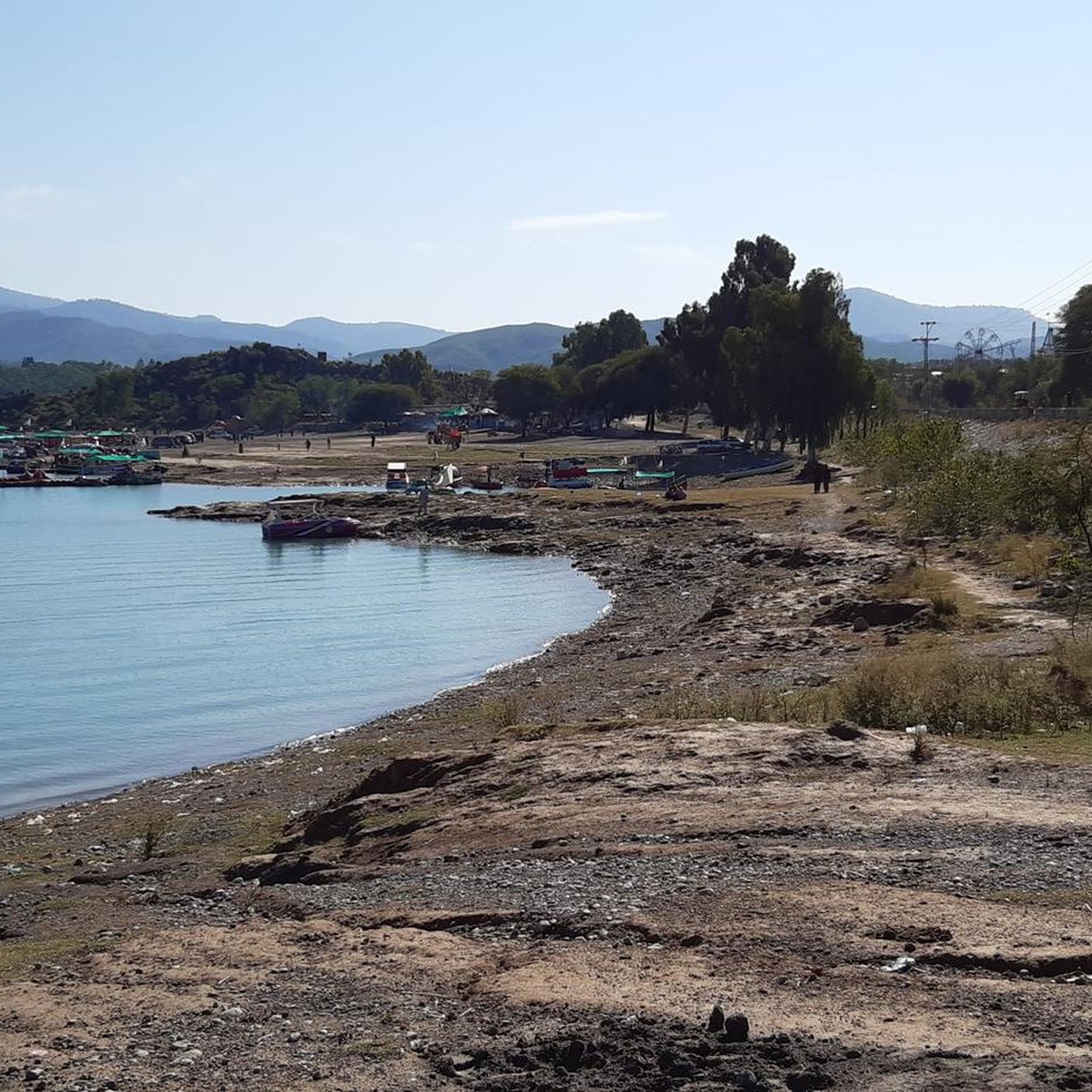
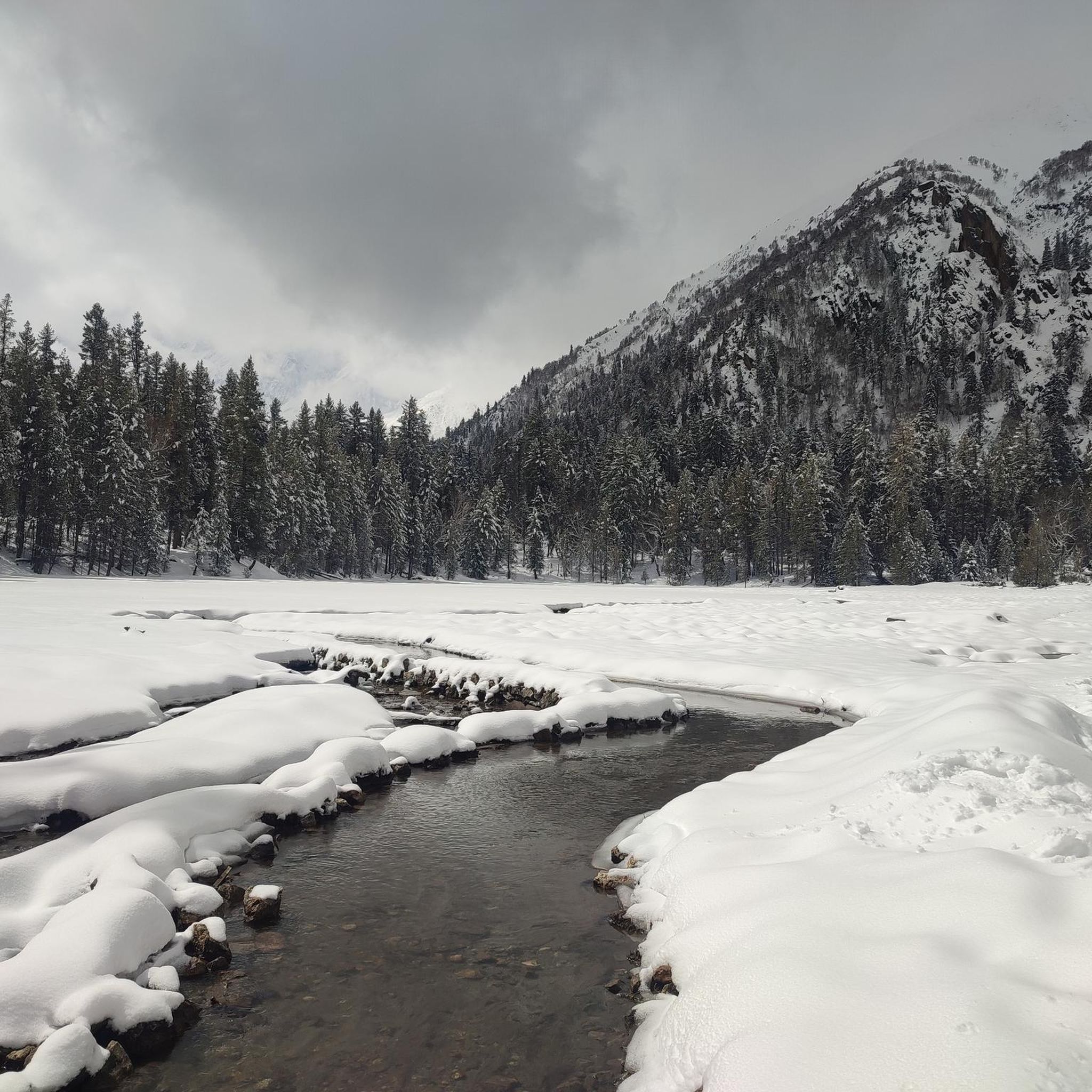
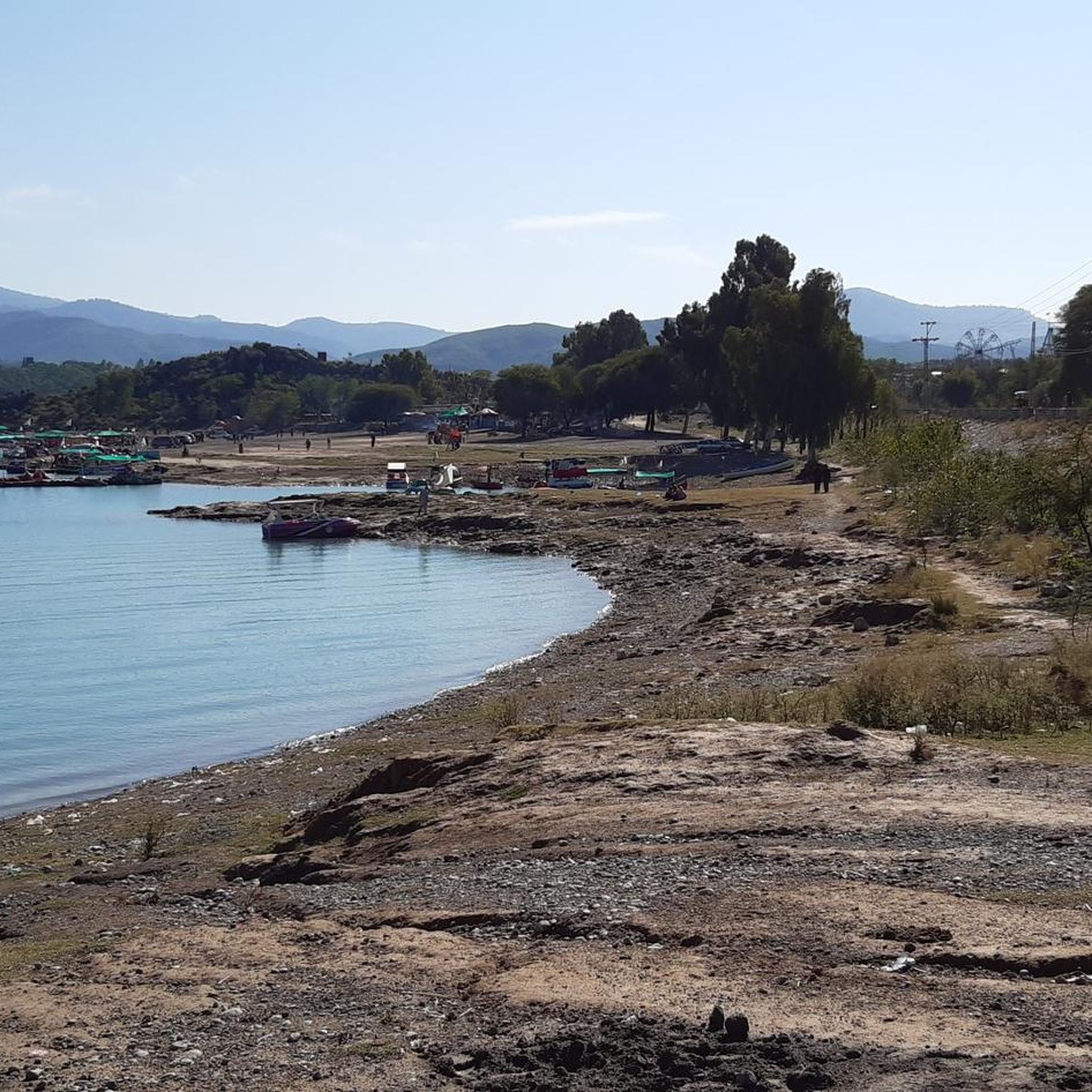
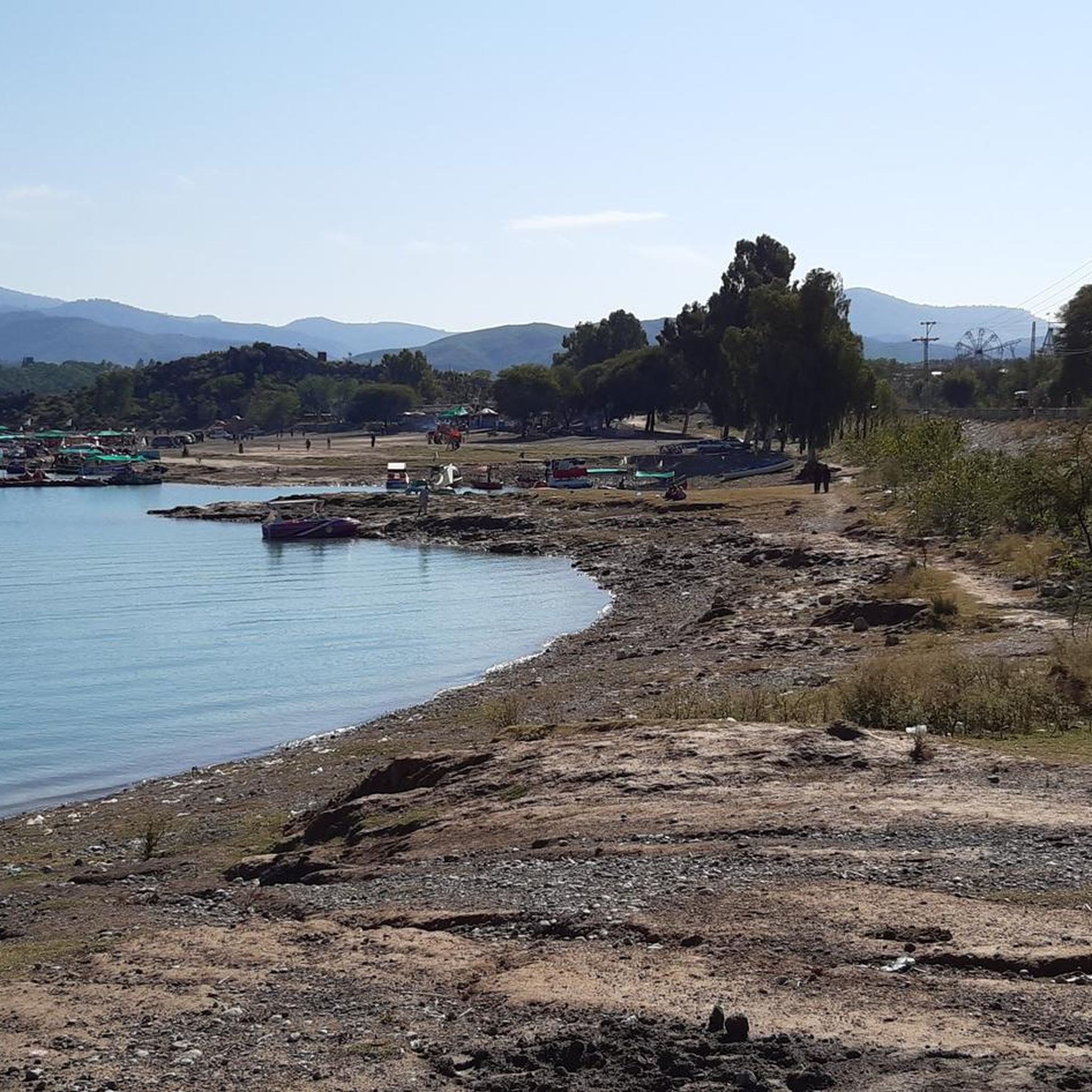
Tips from the Community

open from early morning to sunset. No special gear is needed, just recommend you trekking shoes and walk sticks in winter.
0
0

The Makran HWY runs through an area of barren sandy landscape far away from commercial tourism. Paradisiacal beaches with rather limited catering options. An experience for every adventurer. The 24-hour escort by the Baluch police is also an experience in itself.
0
0

You have a fantastic view of the whole - very green - city of Islamabad from this beautiful park called "Daman-e-Koh". From there you can see the two large parliament buildings and the Faisal Mosque. And you can see that the city is built around a large lake, Lake Lakhwal. Park and vantage point can be reached via a well-developed road, alternatively via hiking trails.
1
0

Masherbrum, formerly known as K1, is in Gilgit-Baltistan, Pakistan. At 7,821 m it rises between Baltistan in the south and the Baltoro Glacier in the north. Masherbrum is the highest peak in the ridge south of the Baltoro Glacier and belongs to the so-called "Little Karakoram". From its southwest face, the Masherbrum Glacier flows south to the Hushe Valley. The southeast side of the mountain drains via the Gondogoro Glacier, which begins further east at Gondogoro La and also flows to the Hushe Valley. West, northwest, and northeast faces feed Liligo, Mandu, and Yermanendu glaciers, which flow north to the Baltoro Glacier. https://de.wikipedia.org/wiki/Masherbrum
2
0
Saif-ul-Maluk is a mountainous lake located at an elevation of 3,224 m in the north of the Kaghan Valley, near the town of Naran in the Saiful Muluk National Park. https://en.wikipedia.org/wiki/Lake_Saiful_Muluk
2
0
The Indus is a transboundary river of Asia and a trans-Himalayan River of South and Central Asia. The 3,120 km river rises in mountain springs northeast of Mount Kailash in Western Tibet and is fed with glaciers and rivers in the Himalayan, Karakoram, and Hindu Kush ranges. The river bends sharply to the south after passing the Nanga Parbat massif, and flows south-by-southwest through Pakistan, before emptying into the Arabian Sea near the port city of Karachi. https://en.wikipedia.org/wiki/Indus_River
1
0
The Shalamar (Shalimar) Gardens are a Mughal Garden complex located in Lahore. The gardens date from the period when the Mughal Empire was at its artistic and aesthetic zenith and are now one of Pakistan's most popular tourist destinations. The Shalamar Gardens in Lahore are a UNESCO World Heritage Site. The elegance of these splendid gardens, built on three terraces with lodges, waterfalls, and large ornamental ponds, is unequalled. https://whc.unesco.org/en/list/171/ https://www.orientalarchitecture.com/sid/572/pakistan/lahore/shalamar-gardens
1
0
Frequently Asked Questions
What are some of the most popular natural monuments in Pakistan?
Among the most appreciated natural monuments in Pakistan, Lake Saiful Muluk stands out as a stunning mountainous lake at 3,224 m in the Kaghan Valley. Visitors also highly regard Ayubia National Park for its forest trails and viewpoints, and the View of Hingol National Park Coastline, offering dramatic views of rugged mountains meeting pristine beaches.
Are there family-friendly natural monuments to visit in Pakistan?
Yes, Pakistan offers several natural monuments suitable for families. Daman-e-Koh provides a fantastic view of Islamabad from a beautiful park with facilities, making it an easy and enjoyable outing. While not strictly natural, the Shalamar Gardens Pavilions in Lahore, a UNESCO World Heritage Site, offers a family-friendly historical and aesthetic experience with its splendid terraced gardens.
What unique geological features can I explore in Pakistan's natural monuments?
Pakistan's natural monuments boast diverse geological wonders. You can witness the dramatic rock formations of the Trango Towers, renowned for their nearly vertical drops, or explore the surreal landscape of the Katpana Desert, a high-altitude cold desert where sand dunes are often covered in snow. Hingol National Park also features active mud volcanoes like Chandragup and unique rock formations such as the 'Princess of Hope' and the 'Sphinx of Balochistan'.
What is the best time to visit Pakistan's natural monuments?
The best time to visit varies by region and specific monument. Generally, spring (March to May) and autumn (September to November) offer pleasant weather across much of the country. For high-altitude areas like Fairy Meadows or Deosai National Park, summer (June to August) is ideal when roads are clear and wildflowers bloom. Attabad Lake is perfect for boat trips in summer, while winter transforms it into an ice sheet. Swat Valley is beautiful in both summer for trekking and winter for snow sports.
What outdoor activities can I do near these natural monuments?
Many natural monuments in Pakistan are excellent starting points for outdoor adventures. You can find numerous options for hiking, including challenging routes like the Rakaposhi Glacier loop or moderate trails near Fairy Meadows. For those who enjoy running, there are moderate to difficult trails available. Cycling routes, ranging from easy to moderate, can also be found near various natural sites, such as loops around Rawalpindi or Karachi.
Are there any natural monuments in Pakistan known for wildlife spotting?
Yes, Deosai National Park, often called the 'Land of Giants,' is a prime location for wildlife spotting. This alpine plateau is a sanctuary for diverse species, including the Himalayan brown bear, Tibetan wolf, and golden marmot. Hingol National Park is also recognized for its varied wildlife, offering opportunities to observe different animals in its unique combination of rugged mountains and pristine beaches.
Which natural monuments offer stunning mountain views?
Pakistan is home to some of the world's most spectacular mountain scenery. The Hunza Valley is famous for towering peaks like Rakaposhi, Ultar Sar, and Ladyfinger Peak. Fairy Meadows provides a majestic backdrop of Nanga Parbat, the world's ninth-highest mountain. You can also experience the grandeur of Masherbrum (7,821 m), a prominent peak in Gilgit-Baltistan, surrounded by glaciers.
What are some notable lakes and rivers among Pakistan's natural monuments?
Pakistan features several breathtaking lakes and significant rivers. Attabad Lake, with its stunning turquoise-blue waters, was formed by a landslide and offers scenic boat trips. Neelum Valley is celebrated for its high-altitude lakes like Ratti Gali Lake and flowing streams. Within Deosai National Park, you'll find Sheosar Lake, a pristine alpine lake. The mighty Indus River Valley also stands as a significant natural monument, offering expansive views.
Are there any natural monuments that are particularly good for photography?
Many of Pakistan's natural monuments offer incredible photographic opportunities. The Katpana Desert, with its unique white sand dunes against a mountainous backdrop, provides surreal scenes. Fairy Meadows is renowned for its serene beauty and spectacular views, especially during sunrise and moonlight. The vibrant wildflowers of Deosai National Park in summer create a stunning landscape, and the turquoise waters of Attabad Lake are highly photogenic.
What are the accessibility considerations for natural monuments in Pakistan?
Accessibility varies greatly depending on the monument. Some sites like Daman-e-Koh are easily reachable via well-developed roads. However, many high-altitude or remote natural monuments, such as Fairy Meadows or Deosai National Park, require more challenging travel, often involving jeep tracks or trekking. It's advisable to research specific access requirements and road conditions for each destination, especially during off-peak seasons.
Can I find historical or cultural significance within Pakistan's natural monuments?
While primarily natural, some sites hold cultural or historical significance. Hingol National Park, for instance, features active mud volcanoes like Chandragup, which holds sacred importance for Hindus. The Shalamar Gardens in Lahore, though a man-made monument, is a UNESCO World Heritage Site that showcases the artistic and aesthetic zenith of the Mughal Empire, often visited in conjunction with natural explorations of the region.
What kind of forest and green spaces can I explore?
Pakistan offers lush green spaces and forests as part of its natural heritage. Fairy Meadows is known for its alpine forests and lush grasslands. Ayubia National Park is a prime example, offering forest trails and viewpoints. Swat Valley also boasts magnificent scenery with vibrant green fields and the Ushu Forest, providing ideal settings for nature walks and trekking.
Most popular routes in Pakistan
Most popular attractions in Pakistan

Get inspired with the komoot mobile app


Explore more
Extend your search for the best caves by checking out these guides of the top ones in Pakistan:
