Top 5 Mountain Passes in Pakistan
Mountain passes in Pakistan traverse the towering Himalayas, Karakoram, and Hindu Kush ranges. These routes have historically served as crucial trade paths and strategic locations. The region offers diverse landscapes, from high-altitude passes to scenic valleys. Pakistan's mountain passes provide access to remote areas and showcase the country's varied geography.
Best mountain passes in Pakistan
- The most popular mountain passes include Thalle La Pass, a mountain pass on a trekking route in the Karakoram Range at an altitude of…
Last updated: August 31, 2026
Karakoram Range
Highlight • Natural
Tip by

Thalle La Pass
Highlight • Mountain Pass
Tip by
Sign up now to discover places like this
Get recommendations on the best single tracks, peaks, & plenty of other exciting outdoor places.
Sign up for free
Karakoram Highway
Highlight • Trail
Tip by
Gilgit Valley
Highlight • River
Tip by
Babusar Pass
Highlight • Mountain Pass
Tip by
Start today with a free account
Your next adventure awaits.
Login or Signup
Tips from the Community

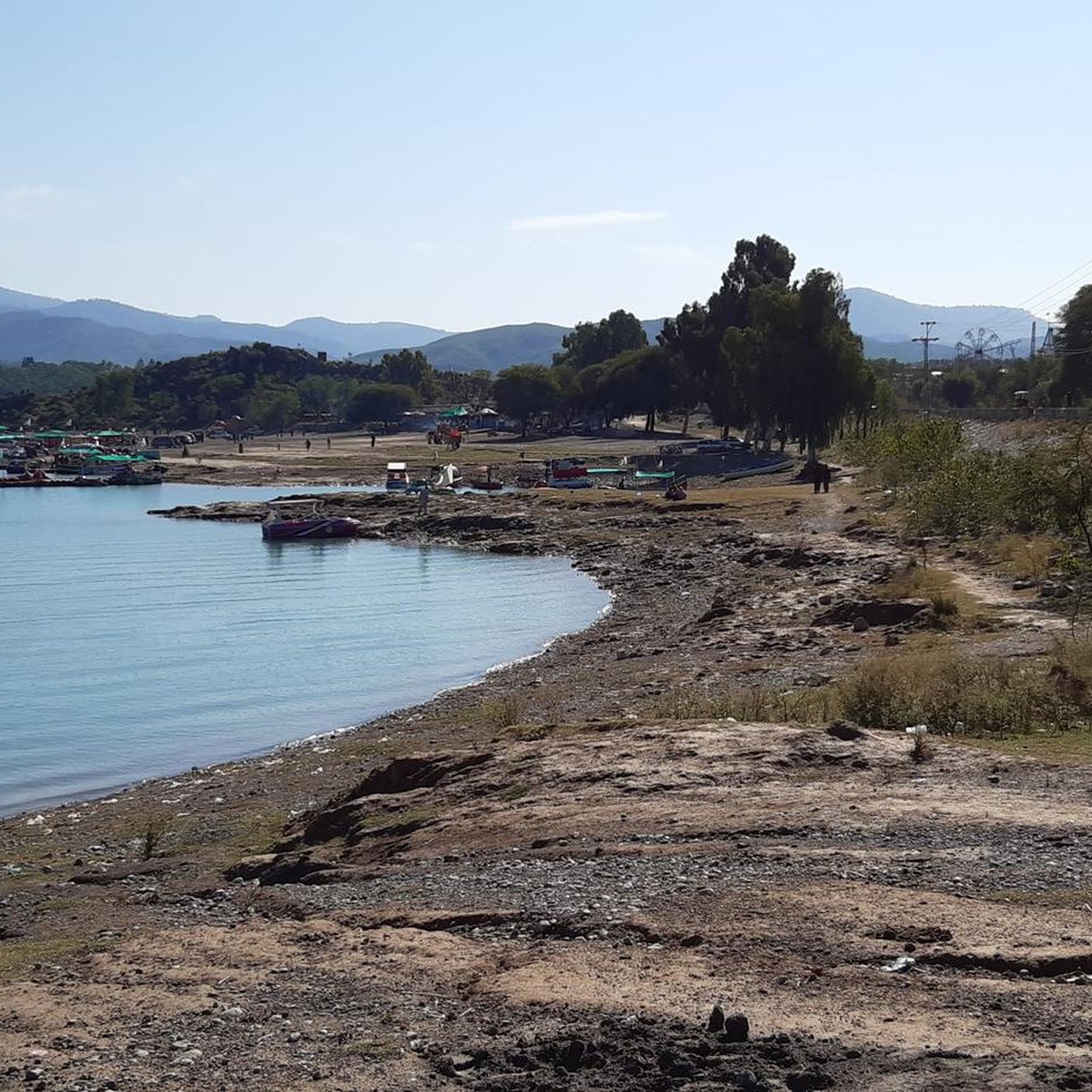
The Karakorum is a mountain range in Central Asia that is up to 8,611 m high and includes the K2, the second highest mountain on earth, as well as three other Eight-thousanders, namely Gasherbrum I, Broad Peak and Gasherbrum II. The Karakoram joins the main chain of the Himalayas to the north-west. The high mountain massif is separated by the valleys of the Shyok and the Indus but is not regarded as an independent mountain range. https://de-academic.com/dic.nsf/dewiki/744270 https://de.wikipedia.org/wiki/Karakorum_(Gebirge)
2
0
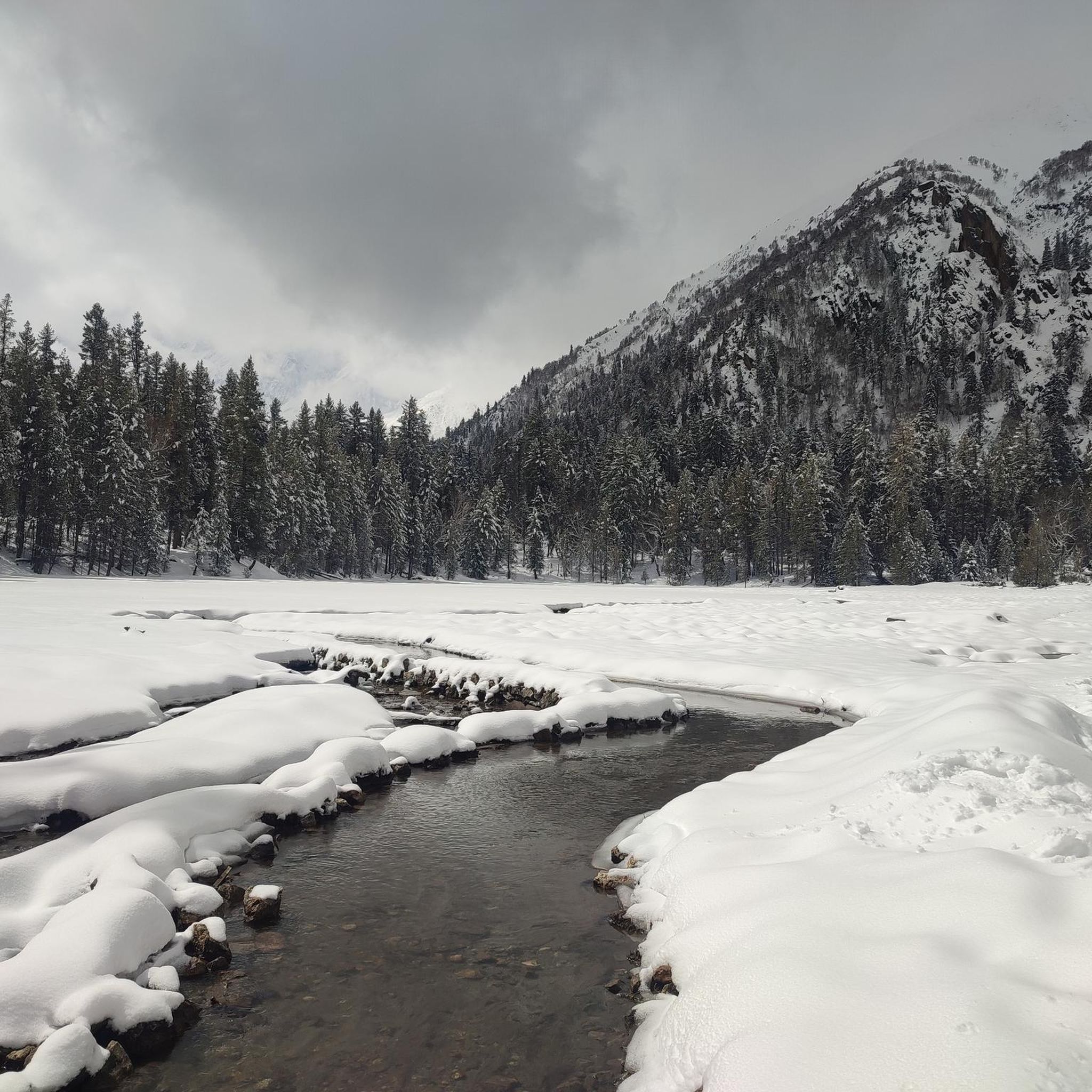
Thalle-La is a high mountain pass on a trekking route in the Karakoram Range at an altitude of 4,572 m. The Thalle-La is one of the few non-glaciated passes in Baltistan. It can be crossed in either direction. The route starts from Shigar Fort in the Shigar Valley, passes through the narrow valley of the Bauma-harel River, then over the pass and down the Thalle Lungma (Valley) to Kharkoo on the Shyok River a tributary of the Indus River or vice versa. https://trek.pk/thalle-la/
2
0
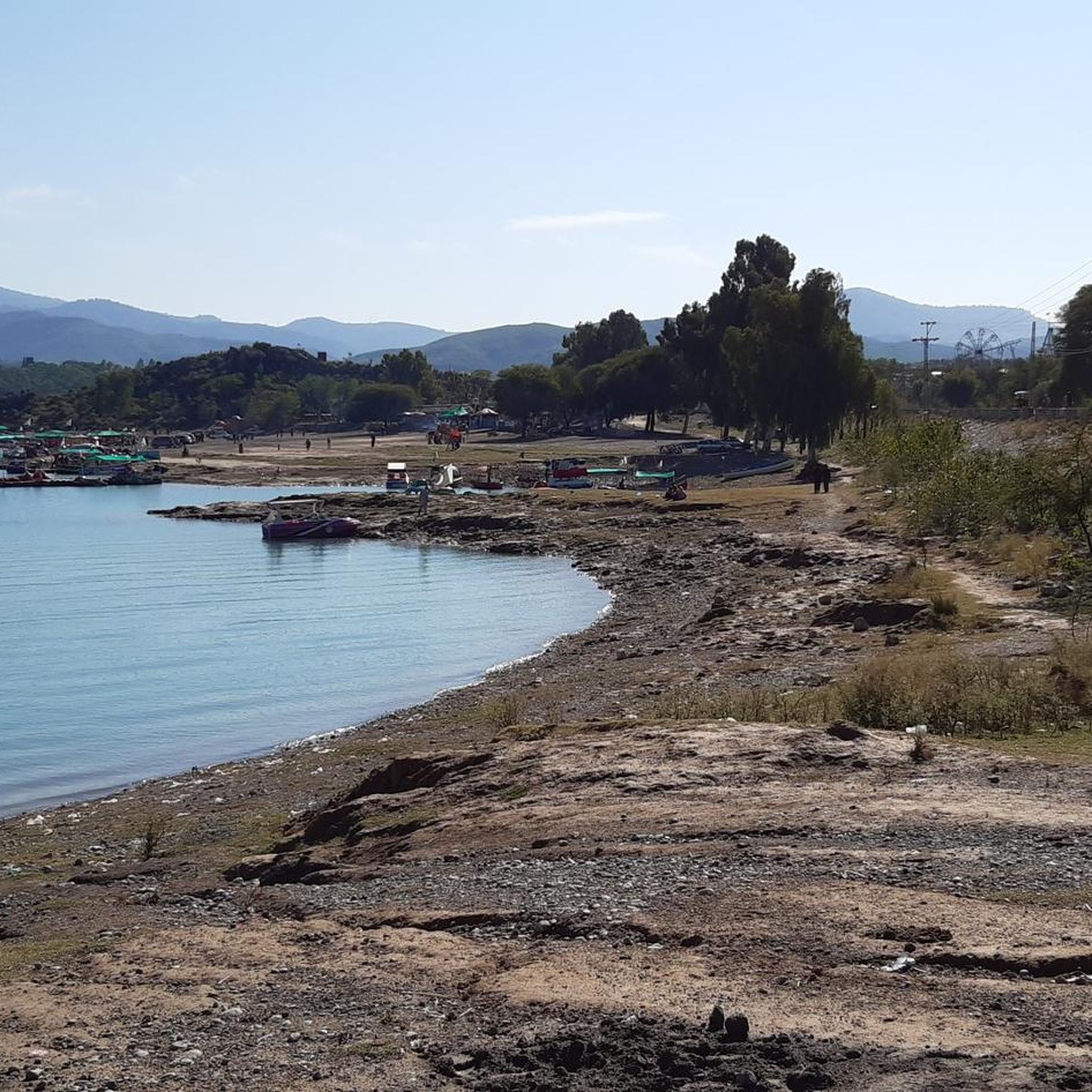
The town Gilgit is located in a broad valley near the confluence of the Gilgit River and the Hunza River in the Gilgit-Baltistan Region administered by Pakistan. Gilgit is serving as a hub for trekking and mountaineering expeditions in the Karakoram Mountain range. https://en.wikipedia.org/wiki/Gilgit https://en.wikipedia.org/wiki/Gilgit-Baltistan
2
0
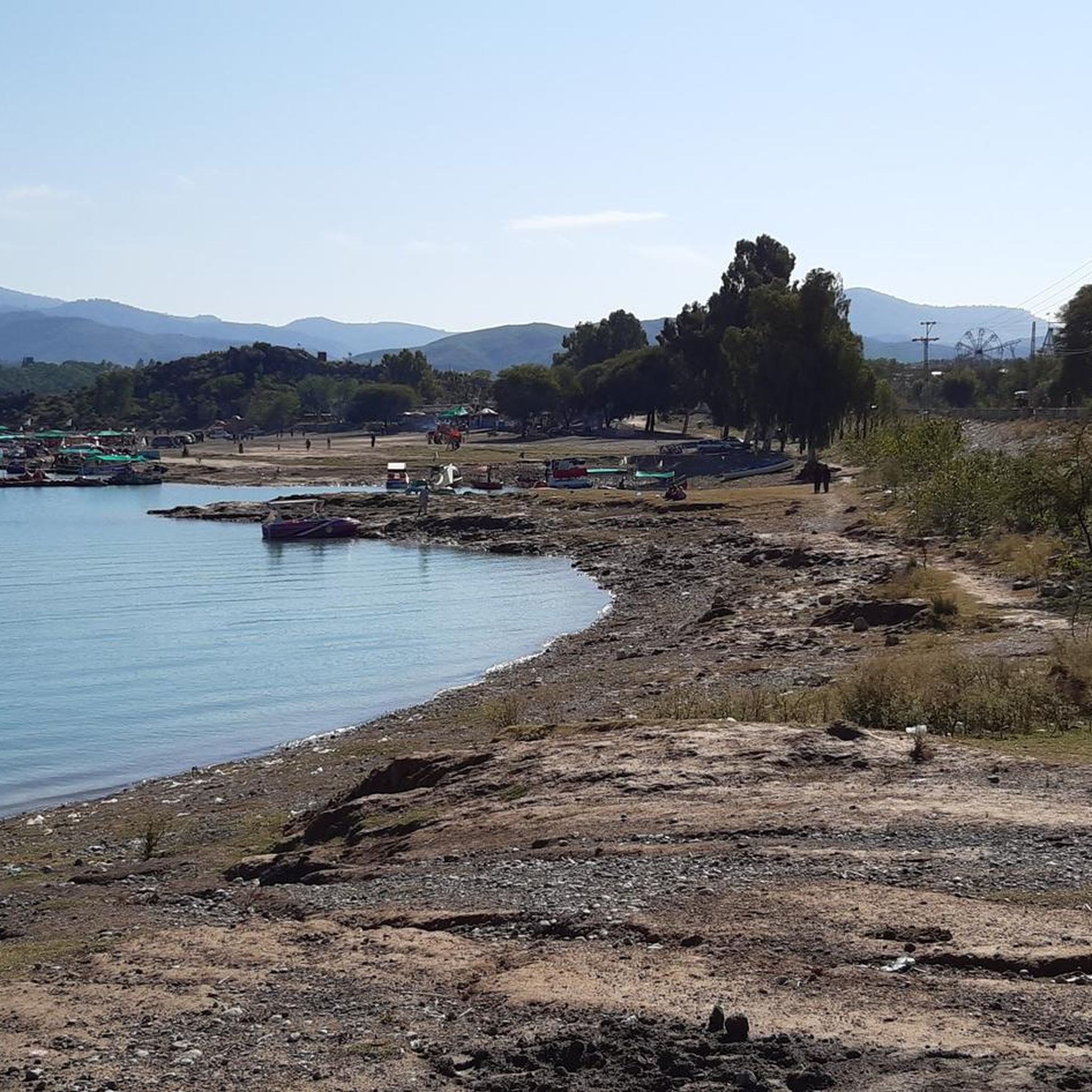
The Karakoram Highway (KKH), opened in 1984, is a 1,300 km national highway which extends from the Punjab province of Pakistan to the Khunjerab Pass in Gilgit-Baltistan, where it crosses into China. The highway is a popular tourist attraction and is one of the highest paved roads in the world, passing through the Karakoram Mountain range at maximum elevation of 4,714 m near Khunjerab Pass. https://en.wikipedia.org/wiki/Karakoram_Highway
0
0
Babusar Top is a mountain pass at an elevation of 4,173 m in the Kaghan Valley of Pakistan. Babusar Top is connecting with Chilas on the Karakoram Highway (KKH) in the north. The name of the pass is originating from the fact that the Mughal emperor Babur used to pass through this area in the early 16th Century. https://en.wikipedia.org/wiki/Babusar_Pass
1
0
Frequently Asked Questions
What are some of the highest mountain passes in Pakistan?
Pakistan is home to several incredibly high mountain passes. The Karakoram Highway reaches a maximum elevation of 4,714 m near Khunjerab Pass, which itself is at 4,693 meters (15,397 ft) and is the highest paved international border crossing. Other notable high passes include Gondogoro La at 5,940 meters (19,488 ft), Karakoram Pass at 5,540 meters (18,175 ft), and Chillinji La at over 5,300 meters.
Which mountain passes in Pakistan are known for their historical significance?
Many mountain passes in Pakistan have played crucial roles throughout history. The Khyber Pass, at 1,070 meters (3,510 ft), was a vital part of the Silk Route and witnessed invasions and migrations for centuries. The Bolan Pass in Balochistan also served as a crucial segment of the ancient Silk Road, connecting Central and South Asia. The Mintaka Pass was famously used by travelers on the ancient Silk Route, and the Khojak Pass is notable for its architectural marvel, the Khojak railway tunnel.
Are there any mountain passes in Pakistan that offer unique cultural experiences?
Yes, the Shandur Pass (Shandur Top) is particularly famous for its unique cultural event. Situated at 3,734 meters (12,250 ft), it hosts the annual Shandur Polo Festival every July, attracting thousands of visitors globally to the world's highest polo ground.
What are some scenic mountain passes ideal for road trips in Pakistan?
For breathtaking road trips, the Karakoram Highway, which passes through the Karakoram Range and leads to Khunjerab Pass, is considered one of the highest paved roads globally and offers spectacular views. Another excellent choice is the journey to Babusar Pass, which is known as one of Pakistan's most scenic drives, passing through lush valleys and picturesque villages.
What is the best time of year to visit mountain passes in Pakistan?
The best time to visit most mountain passes in Pakistan is generally during the summer months, from late May to early October, when the passes are clear of snow and accessible. Passes like Babusar Pass are typically open during this period. Some passes, like Lowari Pass, were historically seasonal due to heavy snowfall, but the construction of the Lowari Tunnels has improved year-round accessibility.
Are there challenging trekking routes over mountain passes in Pakistan?
Absolutely. Pakistan offers numerous challenging trekking routes over its mountain passes. Gondogoro La, at 5,940 meters, is a dream for serious trekkers and mountaineers, offering unparalleled views of K2 and other 8,000-meter peaks. Thalle La Pass, at 4,572 m in the Karakoram Range, is another challenging non-glaciated pass popular for trekking. The Dadarili Pass (5,030 meters) and Shimshal Pass (4,735 meters) also offer strenuous but rewarding treks.
What kind of natural features can I expect to see around Pakistan's mountain passes?
The mountain passes in Pakistan are set amidst diverse and stunning natural landscapes. You can expect to see towering snow-capped mountains, vast glaciers, alpine meadows, lush valleys, and powerful rivers. Passes like Khunjerab and Karakoram Pass offer spectacular views of the Karakoram Range, while Babusar Pass provides panoramic views of the Himalayas, including Malika Parbat. The Karambar Pass is known for the famed Karambar lake.
What outdoor activities can I do near the mountain passes in Pakistan?
The regions around Pakistan's mountain passes are excellent for various outdoor activities. You can find numerous opportunities for hiking, with trails ranging from moderate to difficult. For instance, near the passes, you can explore routes like the Rakaposhi Glacier – Rakaposhi Basecamp loop or the Behal Camp – View of Nanga Parbat Glacier loop. There are also options for running and cycling. You can find more details on these activities in our guides for Hiking in Pakistan, Running Trails in Pakistan, and Cycling in Pakistan.
Are there any mountain passes that are particularly important for regional connectivity?
Yes, several passes are crucial for connecting different regions. The Lowari Pass, with its tunnels, significantly improved year-round travel and land connectivity between Chitral and other areas. Babusar Pass connects Khyber Pakhtunkhwa with Chilas in Gilgit-Baltistan, serving as a gateway to northern regions like Hunza Valley. The Boroghil Pass connects Pakistan's Chitral District with Afghanistan's Badaskhan province.
What do visitors enjoy most about the mountain passes in Pakistan?
Visitors are consistently captivated by the unparalleled natural beauty, the sense of adventure, and the rich historical and cultural significance of Pakistan's mountain passes. Many appreciate the breathtaking views of snow-capped mountains and glaciers, the challenge of high-altitude treks, and the experience of traveling along historic trade routes. The unique cultural events, like the Shandur Polo Festival, also leave a lasting impression.
Can I find wildlife near the mountain passes?
Yes, the remote and high-altitude environments around many mountain passes are home to diverse wildlife. While specific sightings are never guaranteed, regions like the Karakoram Range and areas near passes like Khunjerab are known habitats for species such as the Marco Polo sheep, Himalayan ibex, and various bird species. Khunjerab Pass is notably part of the Khunjerab National Park, established to protect endangered species like the snow leopard.
Most popular routes in Pakistan
Most popular attractions in Pakistan

Get inspired with the komoot mobile app


Explore more
See even more epic mountain passes by checking out these guides in Pakistan:
