Top 20 Natural Monuments in Jordan
Natural monuments in Jordan feature diverse landscapes, from ancient desert formations to unique geological wonders. The country's terrain includes vast sandstone mountains, deep canyons, and the lowest point on Earth. These sites offer insights into both natural history and human civilization, with many locations holding cultural significance. Jordan's natural environment provides a range of outdoor exploration opportunities.
Best natural monuments in Jordan
- The most popular natural monuments is Royal Tombs of Petra, a historical site featuring impressive royal tombs…
Last updated: August 31, 2026
Al-Khazneh (The Treasury)
Highlight • Historical Site
Translated by Google •
Tip by

Royal Tombs of Petra
Highlight • Historical Site
Translated by Google •
Tip by

Sign up now to discover places like this
Get recommendations on the best single tracks, peaks, & plenty of other exciting outdoor places.
Sign up for free
Petra Theater
Highlight • Historical Site
Translated by Google •
Tip by

Djinn Blocks
Highlight • Historical Site
Translated by Google •
Tip by

The Monastery (Al-Deir), Petra
Highlight • Historical Site
Translated by Google •
Tip by

Little Petra (Siq al-Barid)
Highlight • Historical Site
Translated by Google •
Tip by

Al-Khubtha Trail (Petra)
Highlight (Segment) • Trail
Translated by Google •
Tip by

Sabinos Alexandros Station Votive Niches
Highlight • Historical Site
Translated by Google •
Tip by

Entrance to the Siq
Highlight • Gorge
Translated by Google •
Tip by

The Fish Rock Formation, Petra
Highlight • Natural Monument
Translated by Google •
Tip by

Sign up for free to discover even more natural monuments in Jordan.
Sign up for free
Already have an account?
Start today with a free account
Your next adventure awaits.
Login or Signup
Popular around Jordan
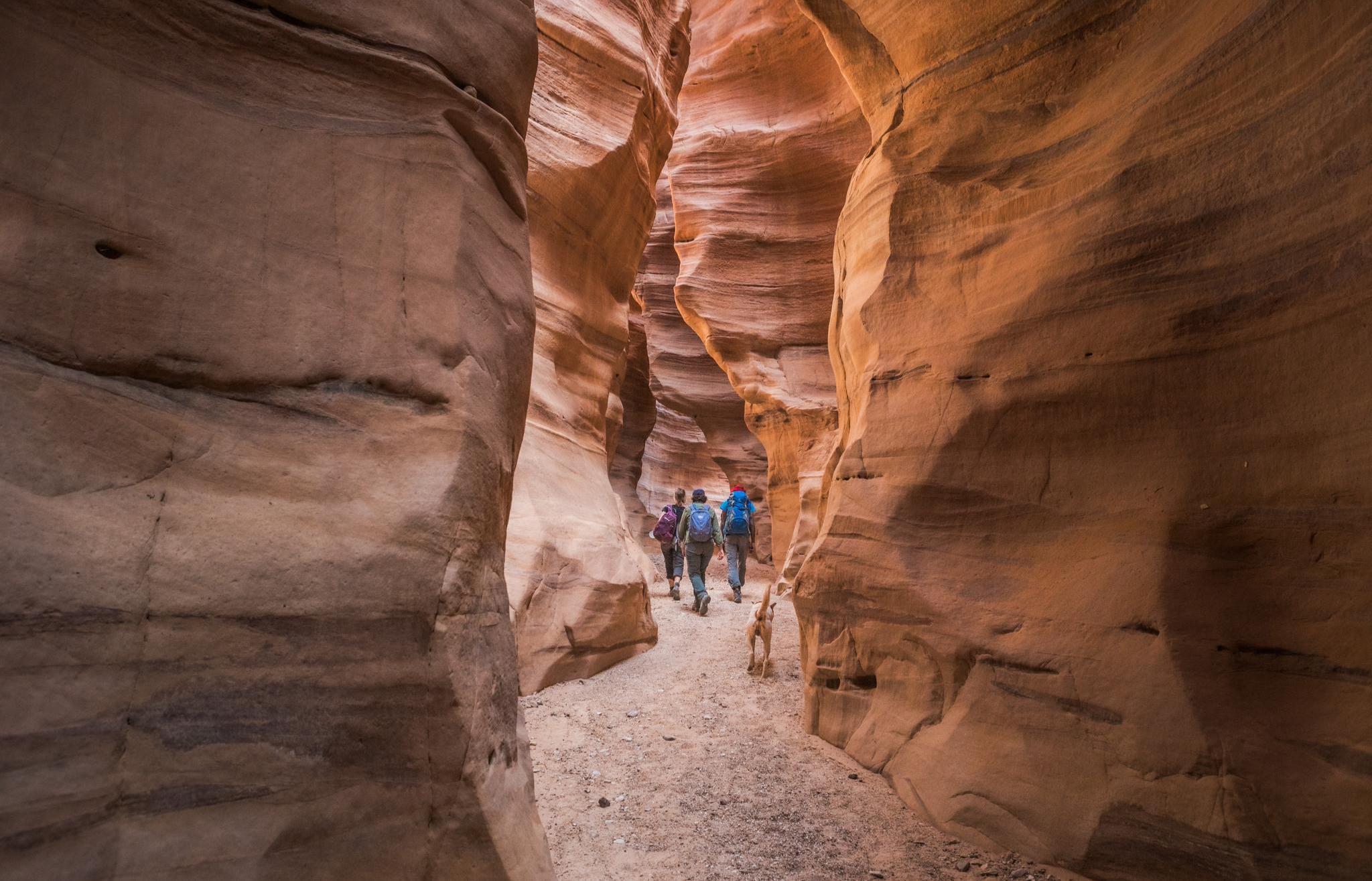
Jordan Trail Region 7 — an immersive 5-day hike from Petra to Wadi Rum
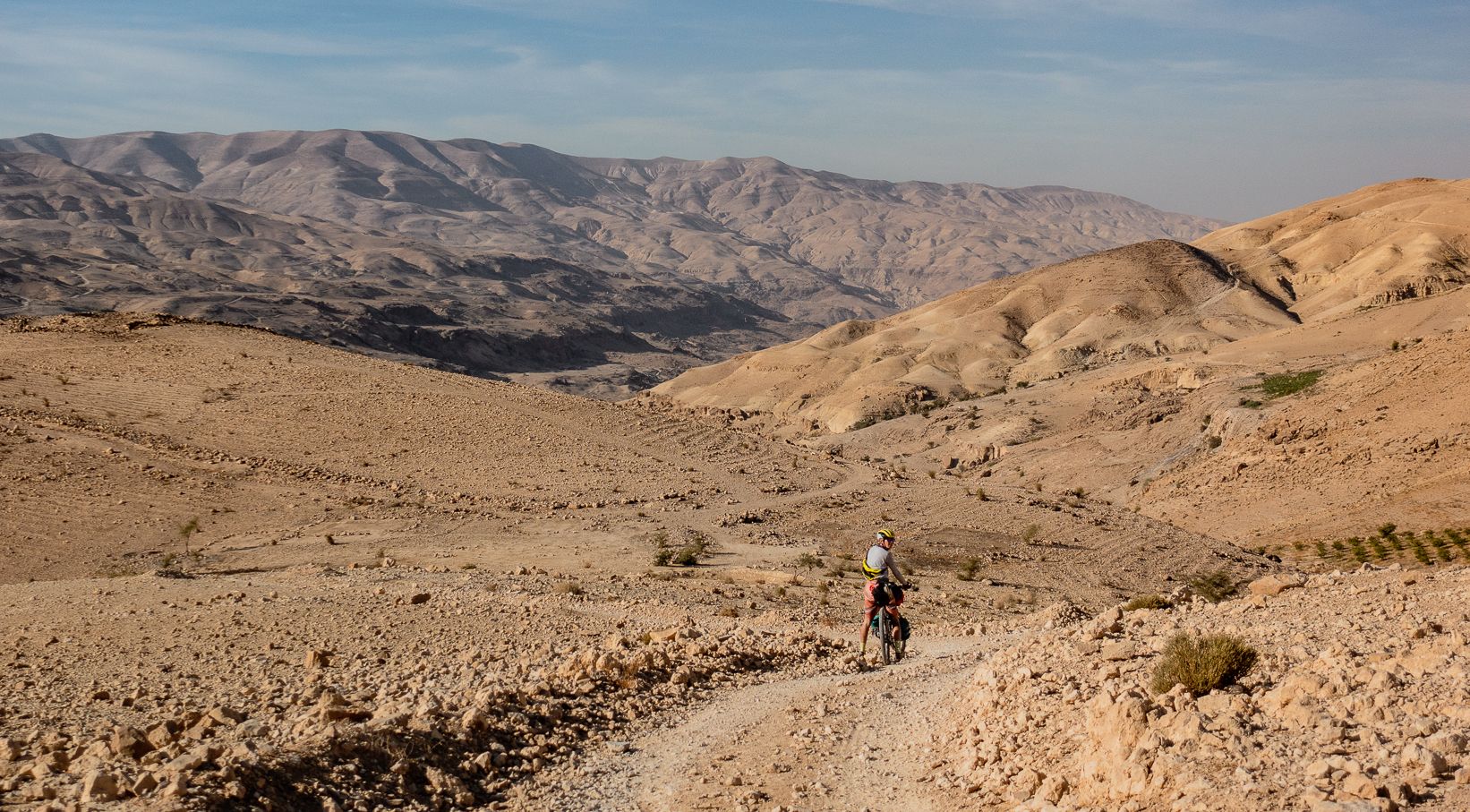
Jordan Trail – Bikepacking across Jordan
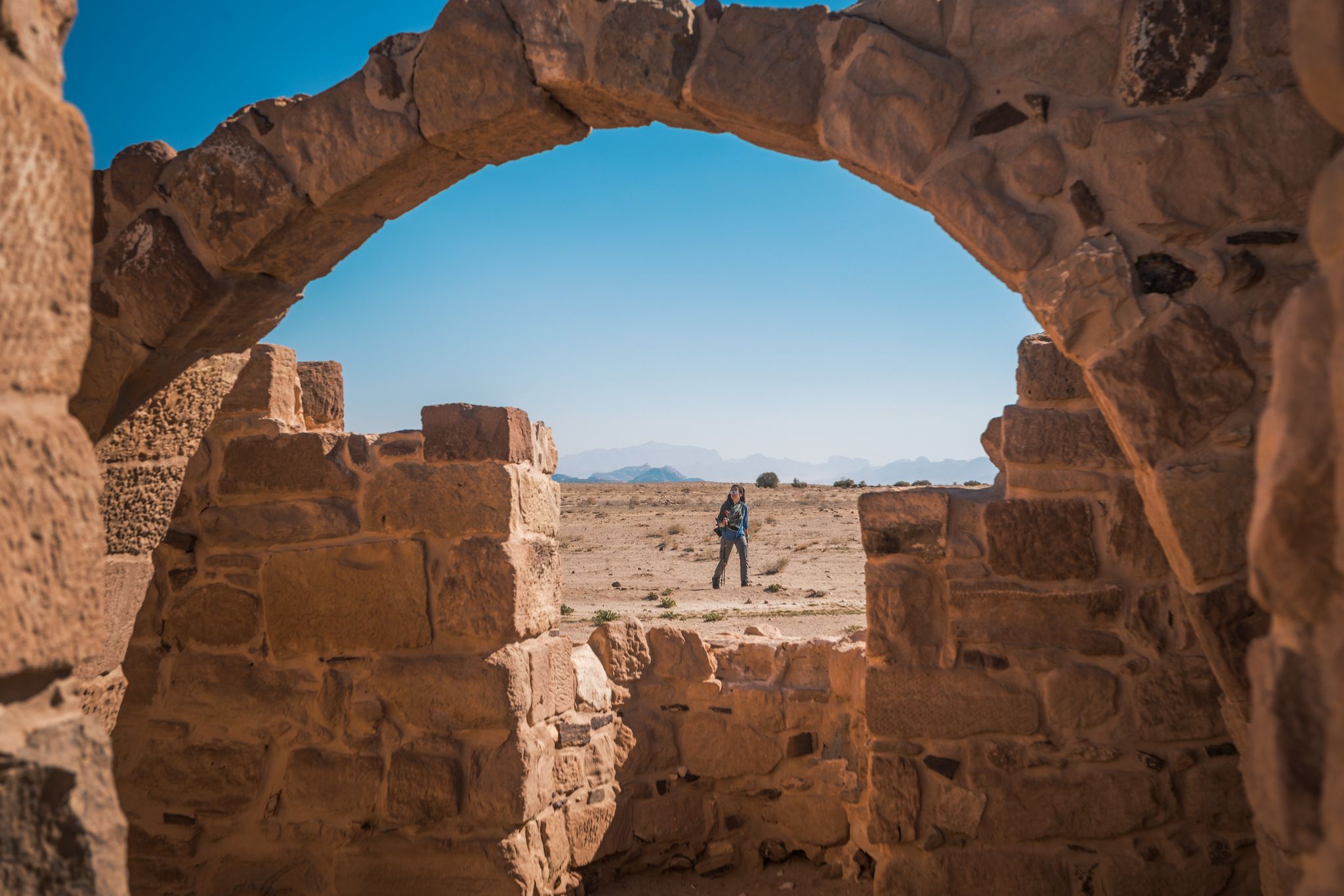
Your adventure on the Jordan Trail – culture, history and the Red Sea
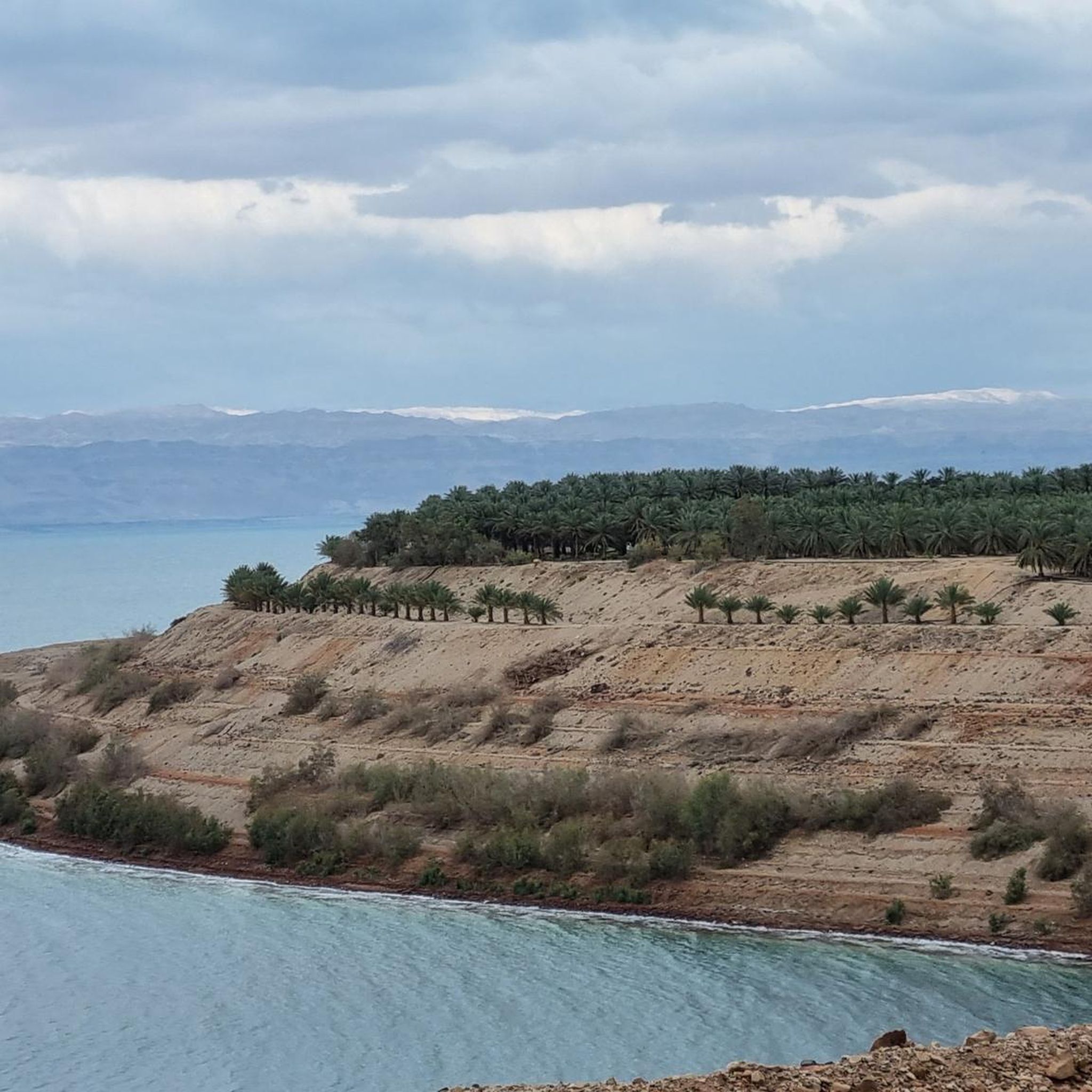
Hiking in Jordan
MTB Trails in Jordan
Road Cycling Routes in Jordan
Running Trails in Jordan
Cycling in Jordan

Gravel biking in Jordan
Other adventures in Jordan


Tips from the Community

Above Petra, the so-called Royal Tombs rise majestically, a series of large burial complexes with impressive facades. Entry costs a hefty 85 euros (70 Jordanian dinars).
0
0

Previously, a stone arch spanned the entrance
1
0
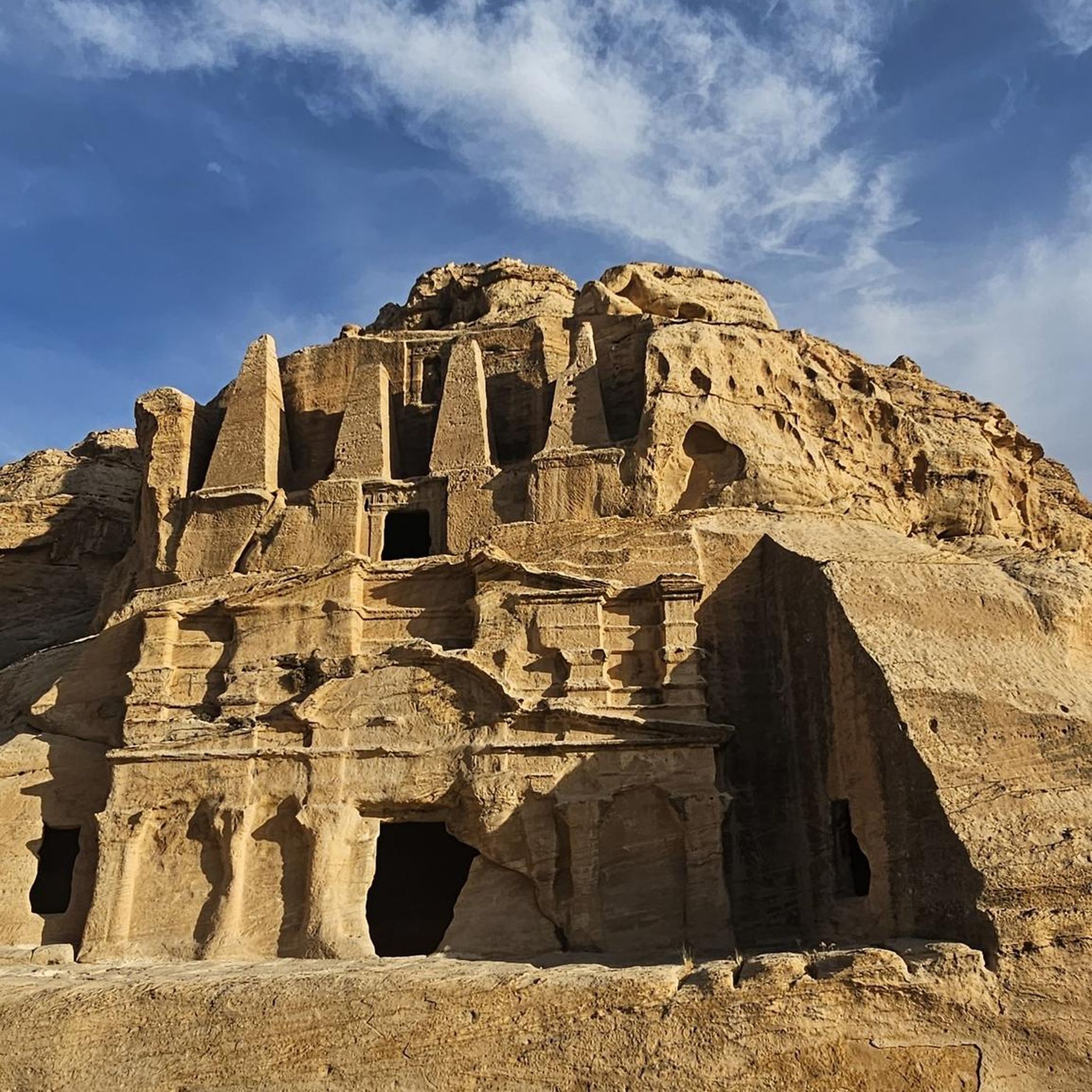
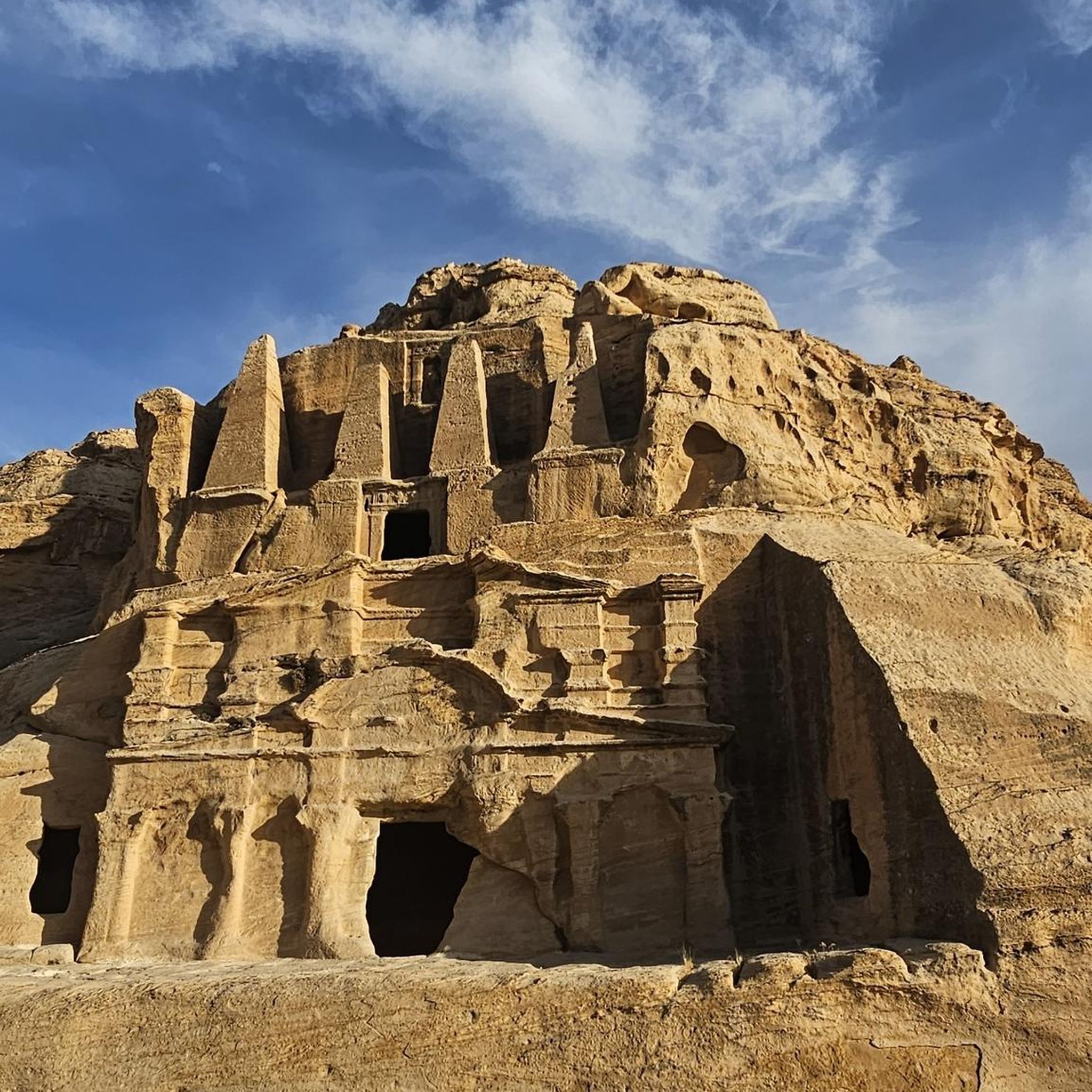
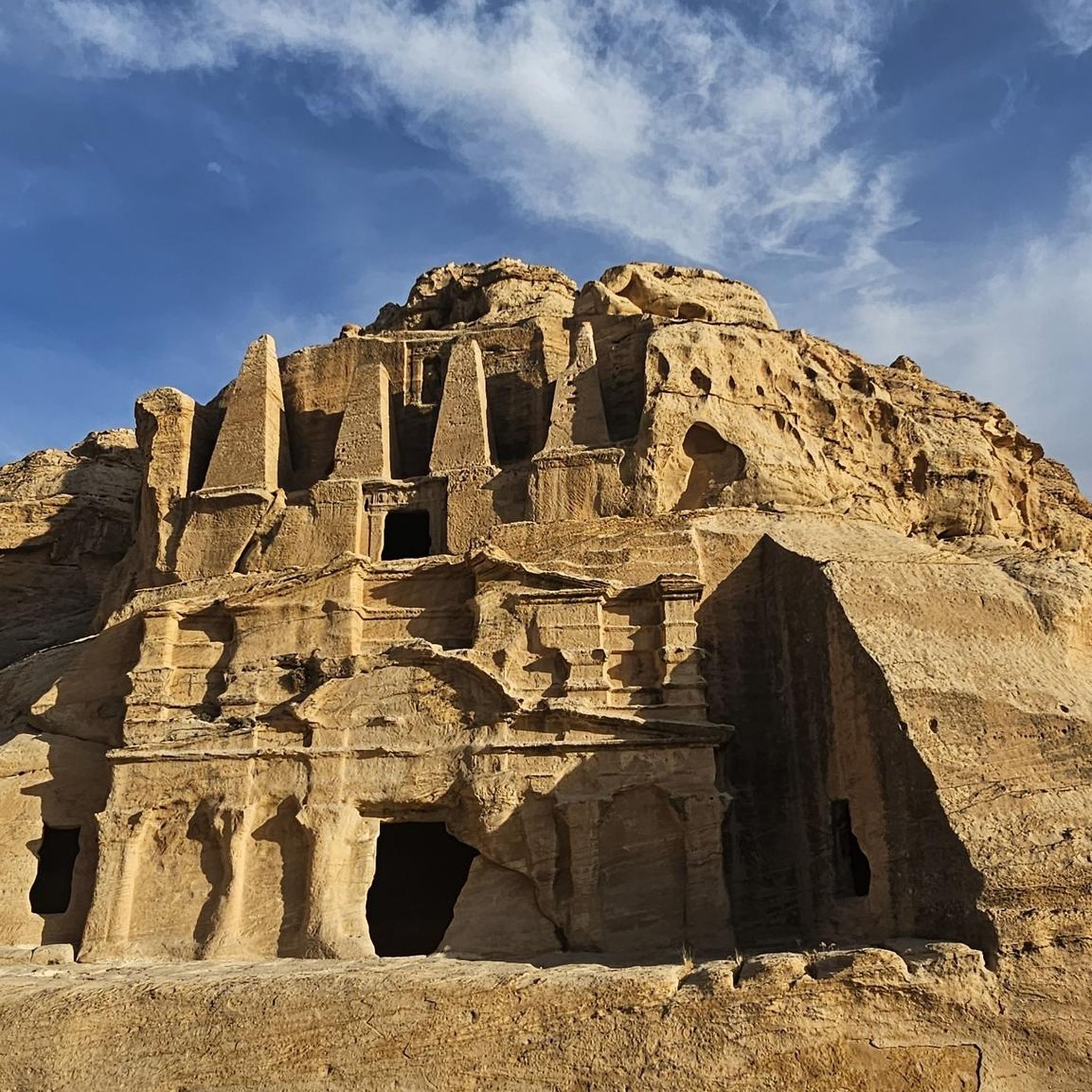
The Bedouins named these blocks (burial chambers) because the wind that whistles through them sounds like ghosts
0
0
the detour to the royal tombs is definitely worth it
0
0

Hike to the High Place of Sacrifice Trail
0
0

Little Petra is really worth the visit. You can take a free shuttle from Petra main entrance (in the bus area) to go there. From there you can also take the trail heading to the monastry.
0
0

It is impressive what earlier civilizations were able to achieve. You should also go inside and marvel at the size and acoustics.
0
0

The 'Painted House' is located on the main street in 'Siq al-Barid'. It is a rock-cut dining room (biclinium) with well-preserved murals. The paintings are evidence of the importance of the Dionysian religious cult of the Nabataeans. https://en.wikipedia.org/wiki/Little_Petra
2
0
Frequently Asked Questions
What unique natural features can I explore in Jordan?
Jordan offers a diverse range of natural features. You can experience the otherworldly desert landscapes of Wadi Rum, characterized by towering sandstone mountains and dramatic rock formations like the Burdah Rock Bridge. The Dead Sea, the lowest point on Earth, allows for effortless floating due to its extreme salinity. Dana Biosphere Reserve features diverse ecosystems from mountains to deserts, while Mujib Biosphere Reserve boasts rugged canyons and year-round rivers with impressive waterfalls.
Are there any historical natural monuments in Jordan?
Yes, many natural monuments in Jordan also hold significant historical value. The ancient city of Petra, for example, features impressive structures like Al-Khazneh (The Treasury) and the Royal Tombs carved directly into sandstone cliffs. The entrance to Petra, The Siq, is a natural gorge that served as the main access route. Wadi Rum also contains ancient petroglyphs and inscriptions, tracing human history.
What outdoor activities can I do near Jordan's natural monuments?
Near Jordan's natural monuments, you can enjoy a variety of outdoor activities. Wadi Rum is excellent for jeep safaris, camel rides, sandboarding, and rock climbing. The Mujib Biosphere Reserve is renowned for world-class canyoning, especially the 'Siq Trail' where you can climb waterfalls and swim through pools. Hiking is popular in Dana Biosphere Reserve and around Petra. For more structured routes, you can find various hiking trails, road cycling routes, and gravel biking tours across Jordan.
What is the best time to visit Jordan's natural monuments?
The best time to visit Jordan's natural monuments is generally during the spring (March to May) and autumn (September to November). During these seasons, the weather is mild and pleasant, ideal for outdoor activities like hiking and exploring. Summers can be very hot, especially in desert areas like Wadi Rum and the Dead Sea region, while winters can bring cooler temperatures and occasional rain, which might affect access to certain canyons like Mujib.
Are there family-friendly natural attractions in Jordan?
Yes, Jordan offers several family-friendly natural attractions. Floating in the Dead Sea is a unique and fun experience for all ages. Many areas in Wadi Rum offer jeep safaris and camel rides that families can enjoy together. While some trails in Dana and Mujib can be challenging, there are also easier walks and opportunities for wildlife spotting suitable for families. Mount Nebo Memorial of Moses is also listed as family-friendly.
How does Wadi Rum differ from other natural reserves like Dana Biosphere Reserve?
Wadi Rum and Dana Biosphere Reserve offer distinct natural experiences. Wadi Rum is primarily a vast, dramatic desert landscape known for its towering sandstone mountains, red sands, and Bedouin culture, offering activities like jeep tours and stargazing. Dana Biosphere Reserve, Jordan's largest nature reserve, is characterized by its exceptional biodiversity, encompassing four different biogeographical zones with diverse ecosystems from mountains to fertile valleys, making it a haven for hiking and wildlife spotting.
What makes the Dead Sea a unique natural monument?
The Dead Sea is unique as the lowest point on Earth, approximately 410 to 427 meters below sea level. Its extreme salinity, about ten times that of normal ocean water, allows visitors to float effortlessly on its surface. The water and mud are rich in minerals, believed to have therapeutic properties for skin conditions. The air in the region also boasts a higher oxygen content, adding to its distinctiveness.
Can I stay overnight near Jordan's natural monuments?
Yes, overnight stays are a popular way to experience some of Jordan's natural monuments. In Wadi Rum, you can stay in traditional Bedouin camps, offering cultural immersion and unparalleled stargazing. Dana Biosphere Reserve also provides options for staying in Bedouin camps, allowing visitors to connect with the local community and nature. Resorts are available along the Dead Sea for a more luxurious experience.
What should I pack for a trip to Jordan's natural monuments?
For a trip to Jordan's natural monuments, consider packing light, breathable clothing, especially if visiting during warmer months. Sturdy hiking shoes are essential for exploring sites like Petra, Dana, and Mujib. Sun protection, including a hat, sunglasses, and high-SPF sunscreen, is crucial. Don't forget a reusable water bottle to stay hydrated, and a camera to capture the stunning landscapes. If visiting the Dead Sea, swimwear and waterproof sandals are recommended.
Are there less crowded natural monuments in Jordan?
While popular sites like Petra and Wadi Rum can attract crowds, especially during peak season, exploring areas within larger reserves like Dana Biosphere Reserve or Mujib Biosphere Reserve can offer more secluded experiences, particularly on less-traveled trails. Visiting during the shoulder seasons (spring and autumn) or early mornings can also help avoid the busiest times at popular locations.
What are some of the most impressive rock formations in Jordan?
Jordan is home to several impressive rock formations. Wadi Rum is famous for its natural rock arches, such as the 80-meter high Burdah Rock Bridge, Um Fruth Rock Bridge, and Little Bridge, all sculpted by wind and erosion. The towering sandstone mountains and dramatic cliffs throughout Wadi Rum and the canyons of Dana and Mujib Biosphere Reserves also showcase remarkable geological artistry.
Most popular routes in Jordan
Most popular attractions in Jordan

Get inspired with the komoot mobile app


Didn’t find what you were looking for?
Find even more amazing natural monuments in Jordan by checking out the top Highlights region by region:
Explore more
Extend your search for the best caves by checking out these guides of the top ones in Jordan:
