Top 20 Natural Monuments in Albania
Best natural monuments in Albania showcase a diverse landscape, from rugged mountain ranges to pristine coastlines and mystical springs. The country features deep gorges, crystal-clear rivers, and ancient sites integrated with natural beauty. These areas offer experiences for nature enthusiasts and adventurers. Albania's natural monuments provide opportunities to explore geological wonders and rich ecosystems.
Best natural monuments in Albania
- The most popular natural monuments is Blue Eye (Syri i Kaltër) Waterfall, a waterfall that features vivid blue and turquoise waters resembling a pupil. This natural spring is known for its astonishing clarity and deep, vibrant center.
- Another must-see spot is Valbona Pass, a mountain pass connecting the Valbona valley with the village of Theth. Visitors can experience panoramic views of the Valbona valley from this pass.
- Visitors also love Grunas Waterfall, a waterfall located in a gorge. This site offers a beautiful natural setting with cold mountain water.
- Albania is known for its mountain passes, waterfalls, and lakes. These natural monuments offer a variety of landscapes to see and explore, from alpine regions to coastal areas.
- The natural monuments in Albania are appreciated by the komoot community, with 654 upvotes and 193 photos shared across 96 highlights.
Last updated: October 11, 2026
Valbona Pass
Highlight • Mountain Pass
Sometimes very steep climbs are good if you've trained 🤪 but it's worth it 😇
Translated by Google •
Tip by

Grunas Waterfall
Highlight • Waterfall
Showing Translation
Tip by

Sign up now to discover places like this
Get recommendations on the best single tracks, peaks, & plenty of other exciting outdoor places.
Blue Eye (Syri i Kaltër) Waterfall
Highlight • Waterfall
Showing Translation
Tip by
Peja Pass (Qafa e Pejës)
Highlight • Mountain Pass
Translated by Google •
Tip by

Clear Pool Near Blue Eye
Highlight • Lake
Showing Translation
Tip by
Popadija Peak
Highlight • Summit
Translated by Google •
Tip by

Koman Ferry
Highlight • River
Translated by Google •
Tip by

Cyclops' Eye Waterfall
Highlight • Waterfall
Translated by Google •
Tip by

Mount Korab Summit
Highlight • Summit
Showing Translation
Tip by
Trail to the Blue Eye (Syri i Kaltër)
Highlight (Segment) • Trail
Suitable for good shoes, the path is not flip-flop 🩴 suitable.
Offers very good viewpoints of the karst spring in some places.
Translated by Google •
Tip by

Sign up for free to discover even more natural monuments in Albania.
Already have an account?
Start today with a free account
Your next adventure awaits.
Popular around Albania
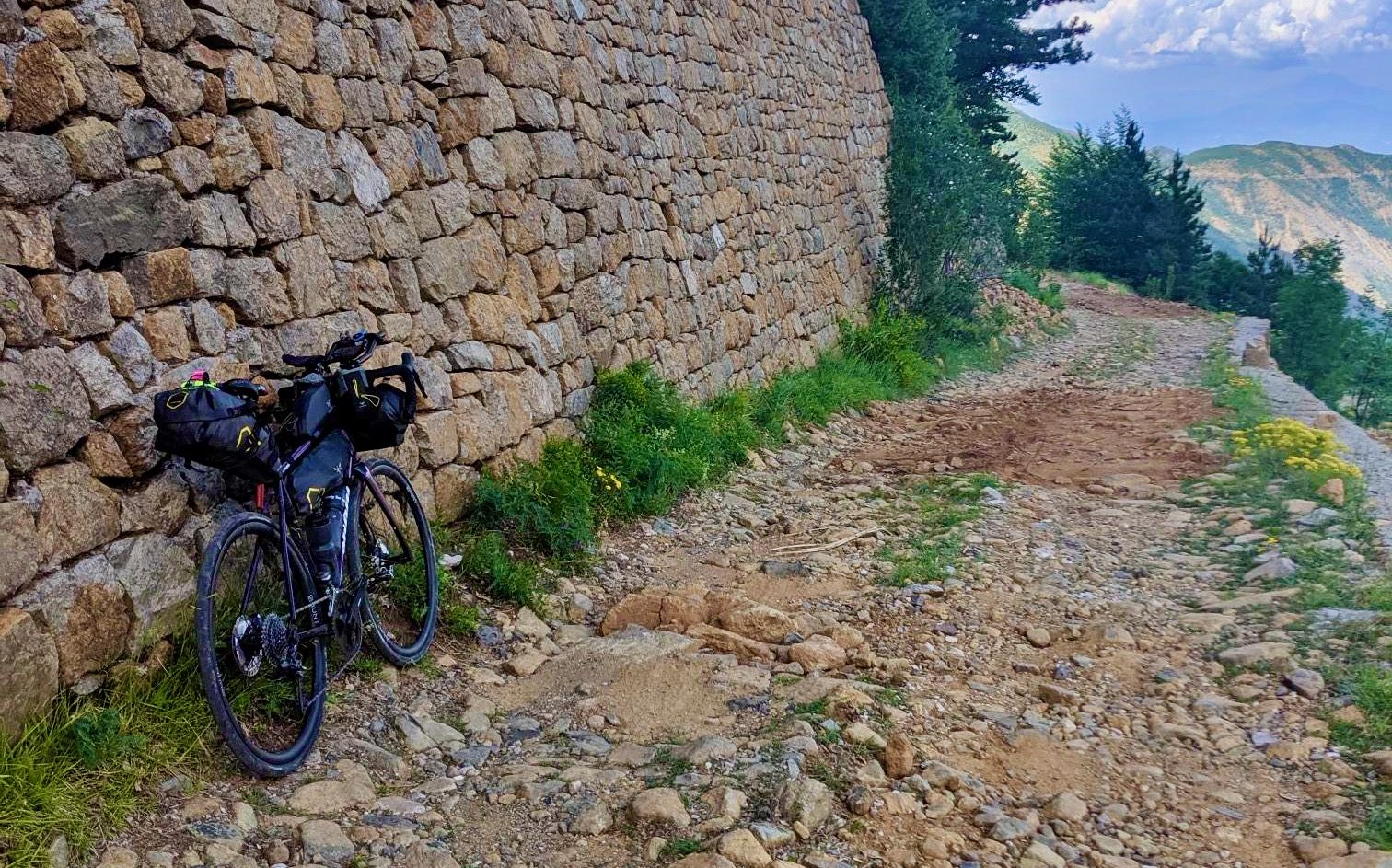
Traversing the Dinaric Alps — bikepacking from the mountains to the sea
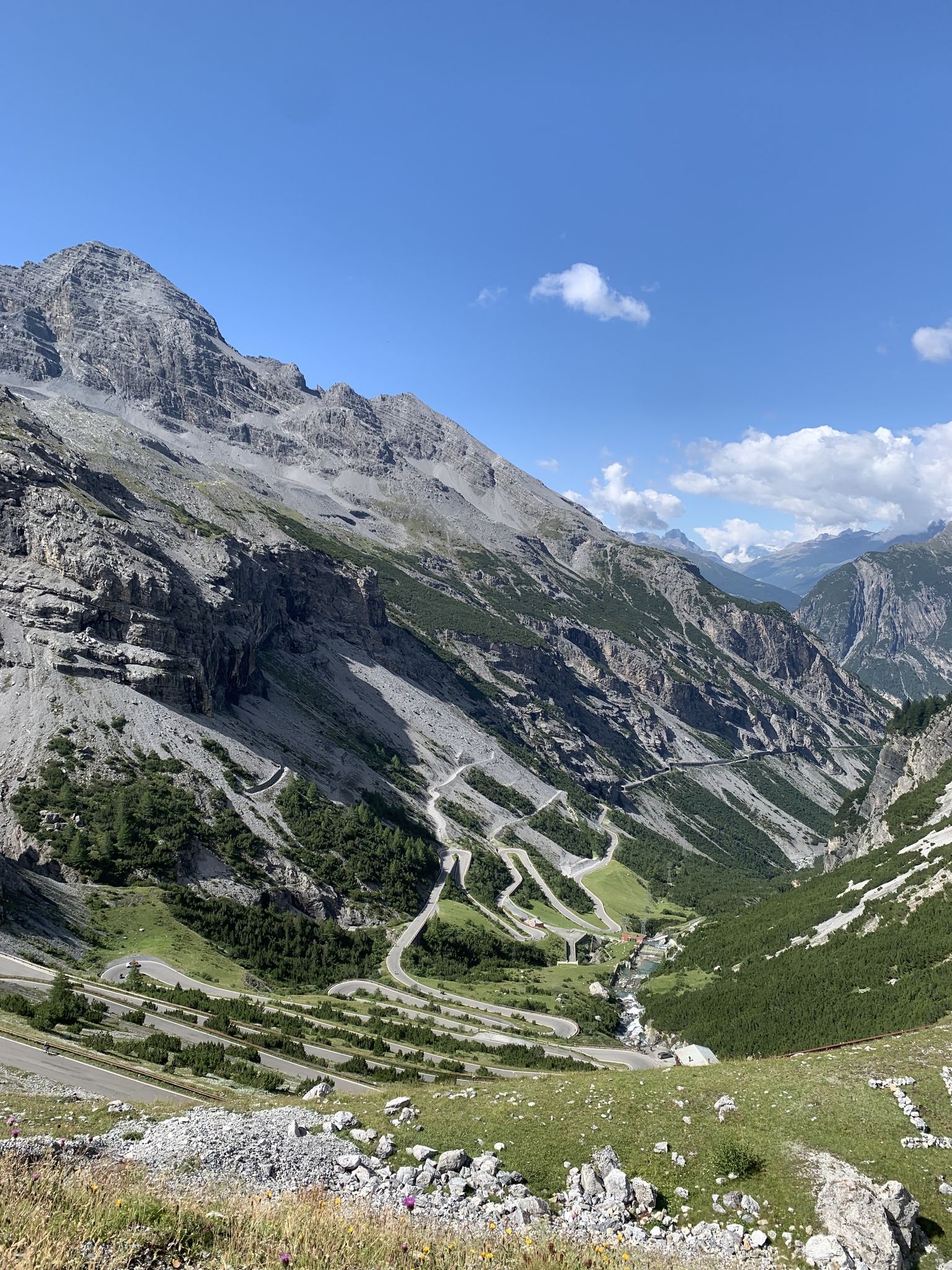
Transcontinental Race No9 2023
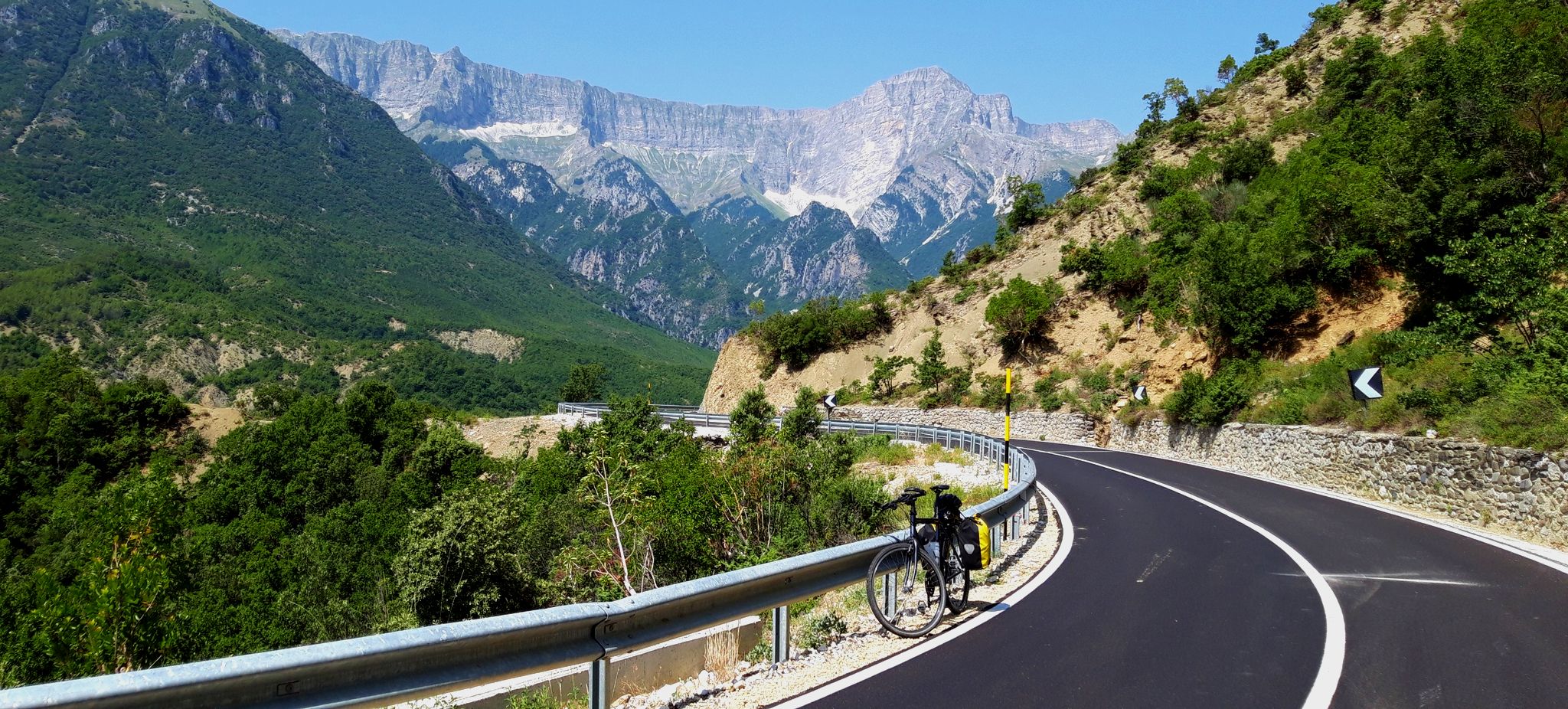
Balkan cycling adventure – Dubrovnik to Corfu
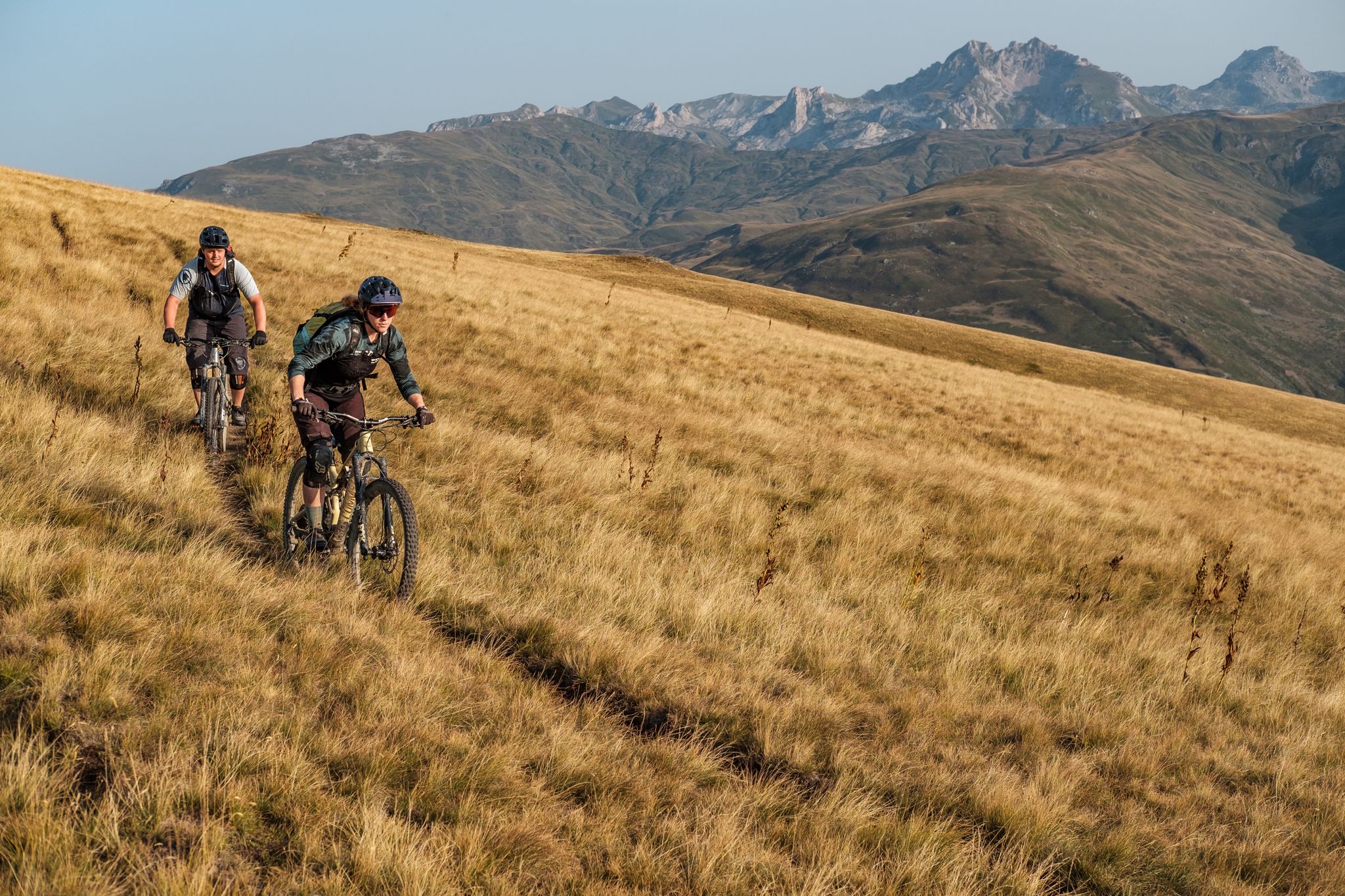
Explorer Trip through Kosovo and Albania
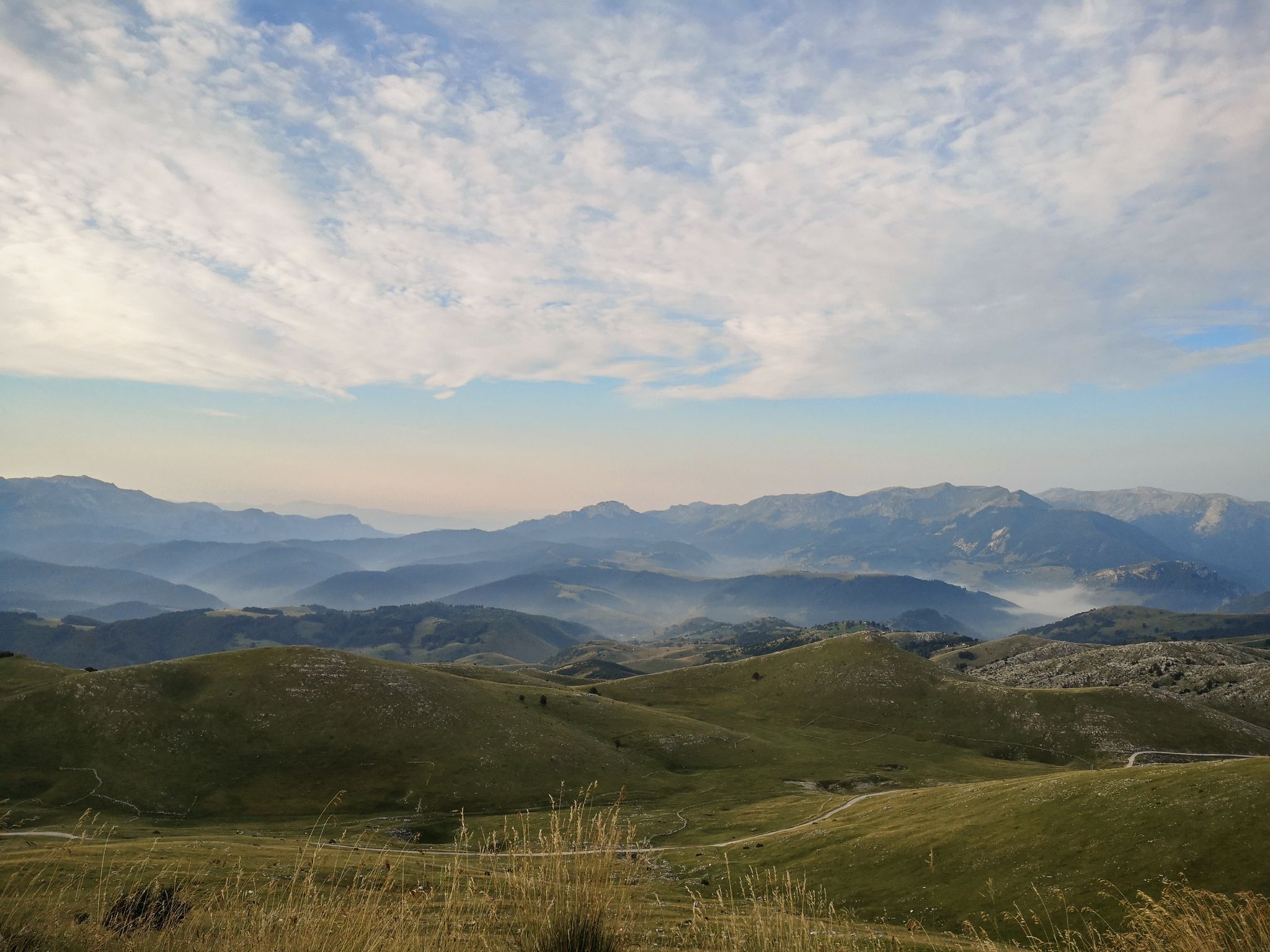
As we wrote history – the Transcontinental Race #TCRN06
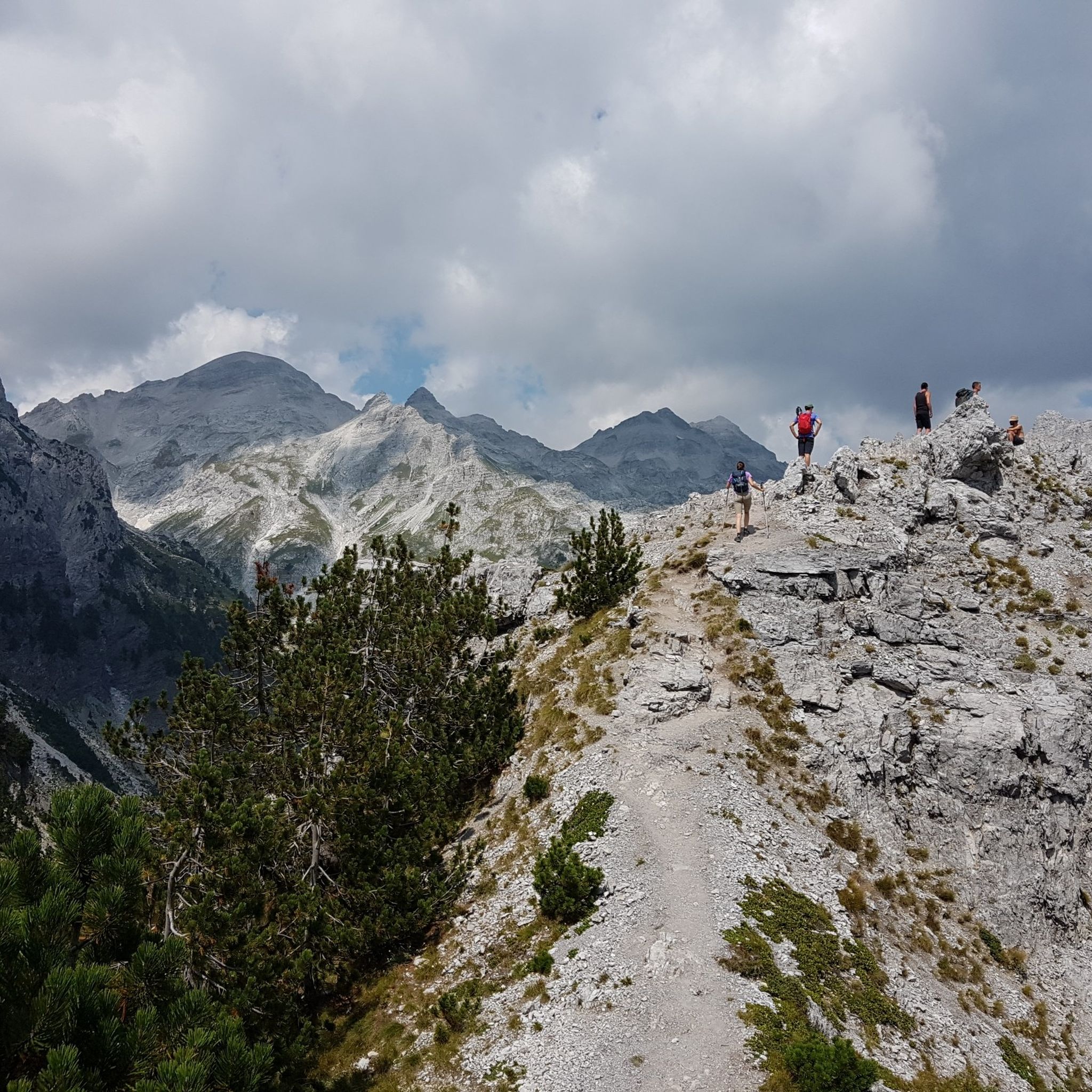
Hiking in Albania
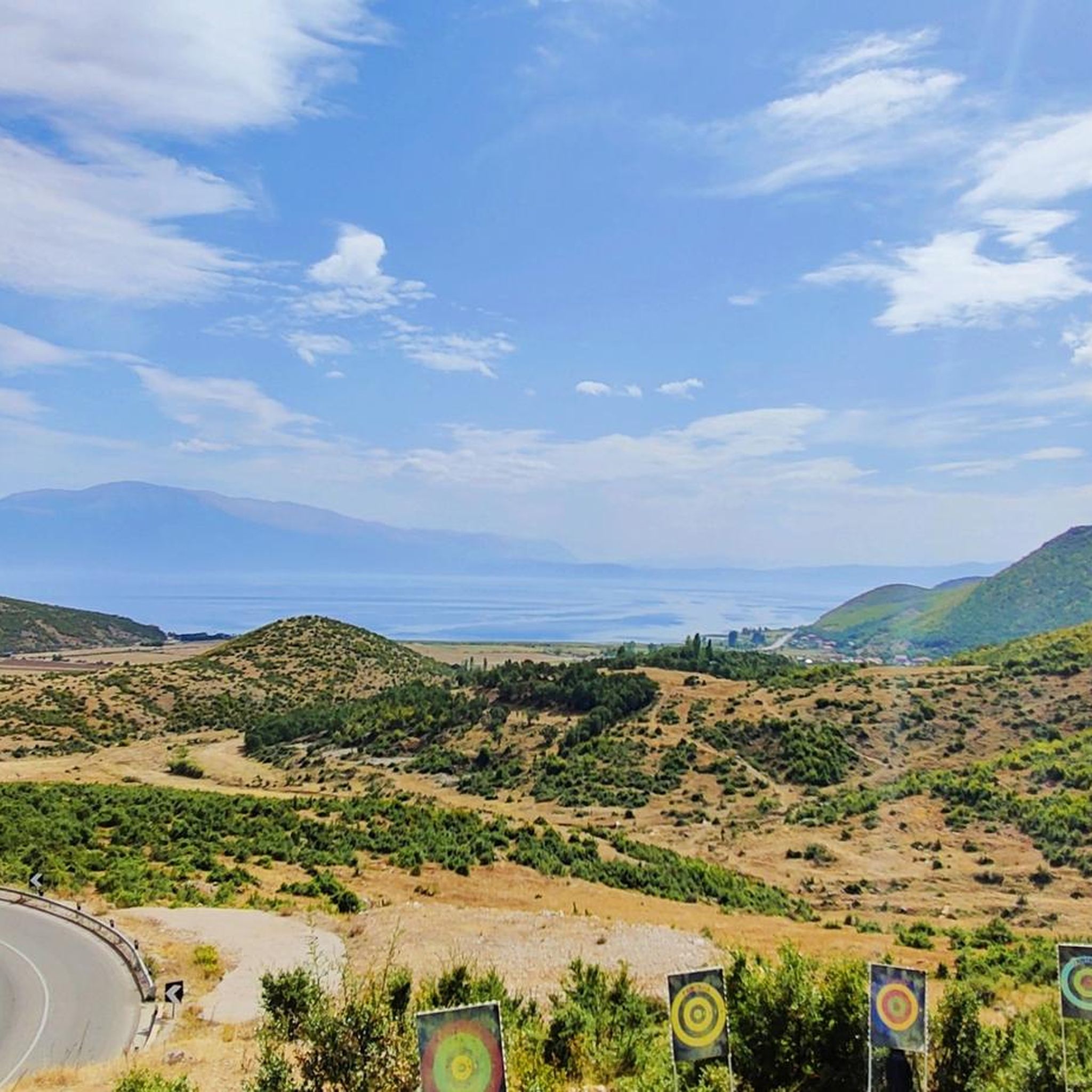
Cycling in Albania
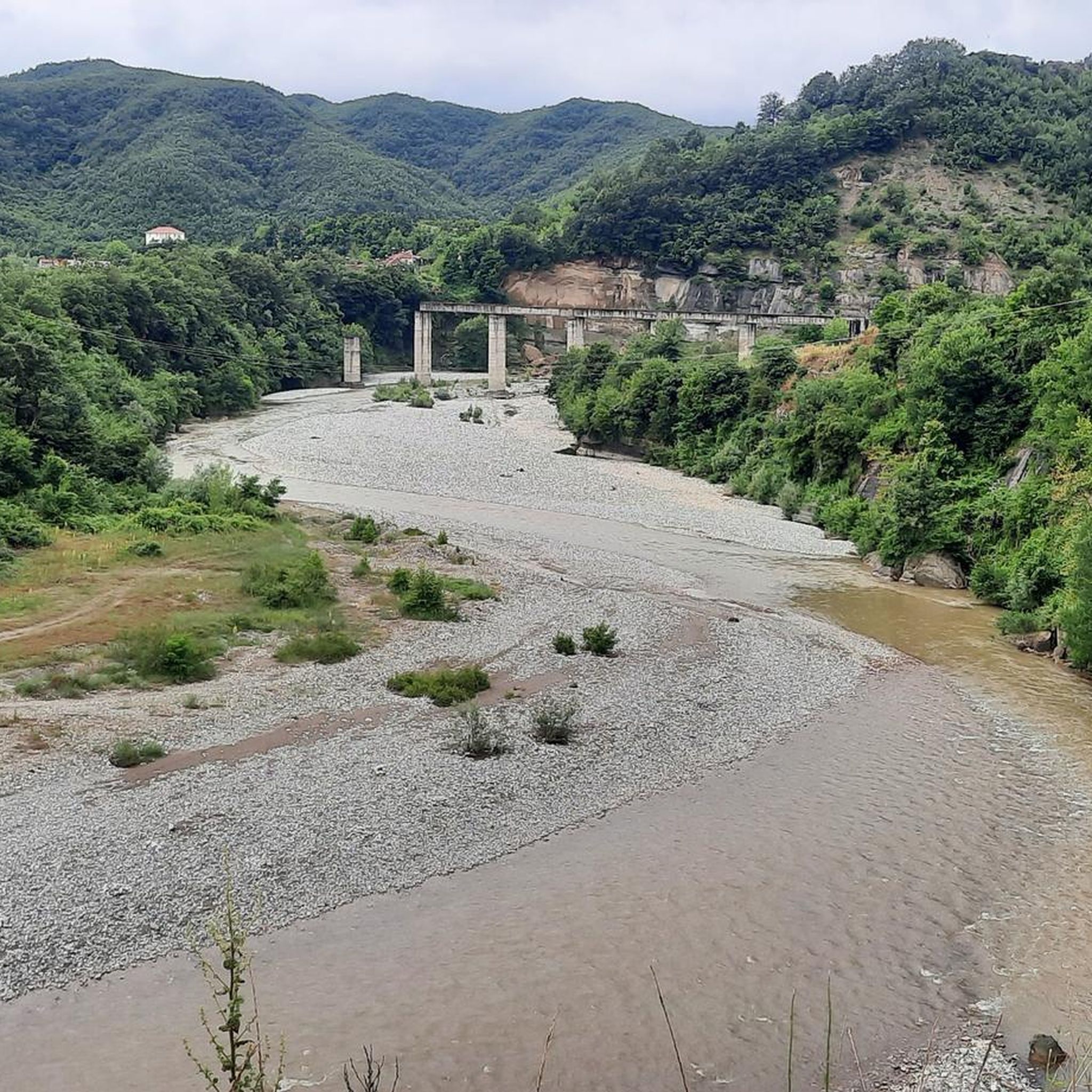
Running Trails in Albania
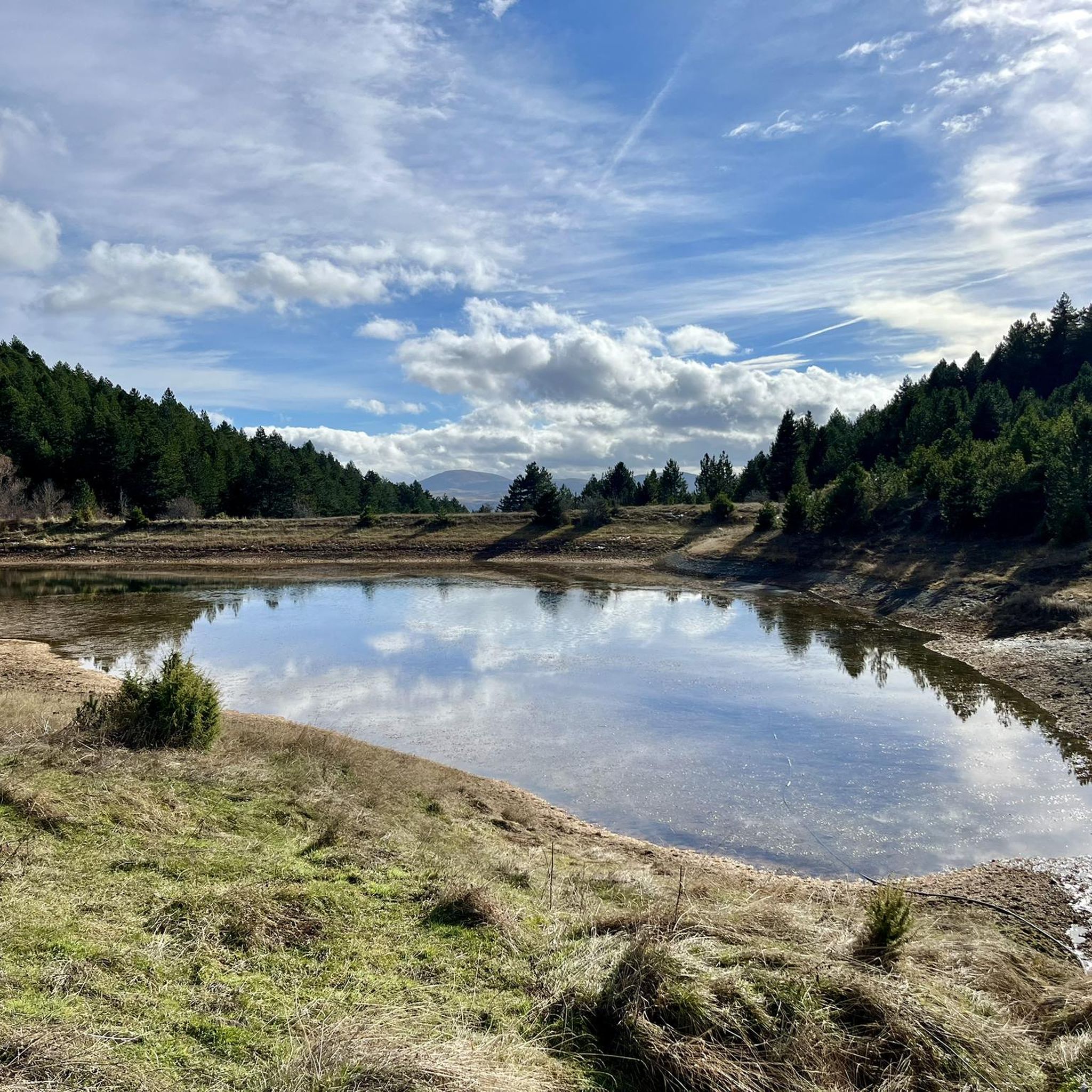
Road Cycling Routes in Albania
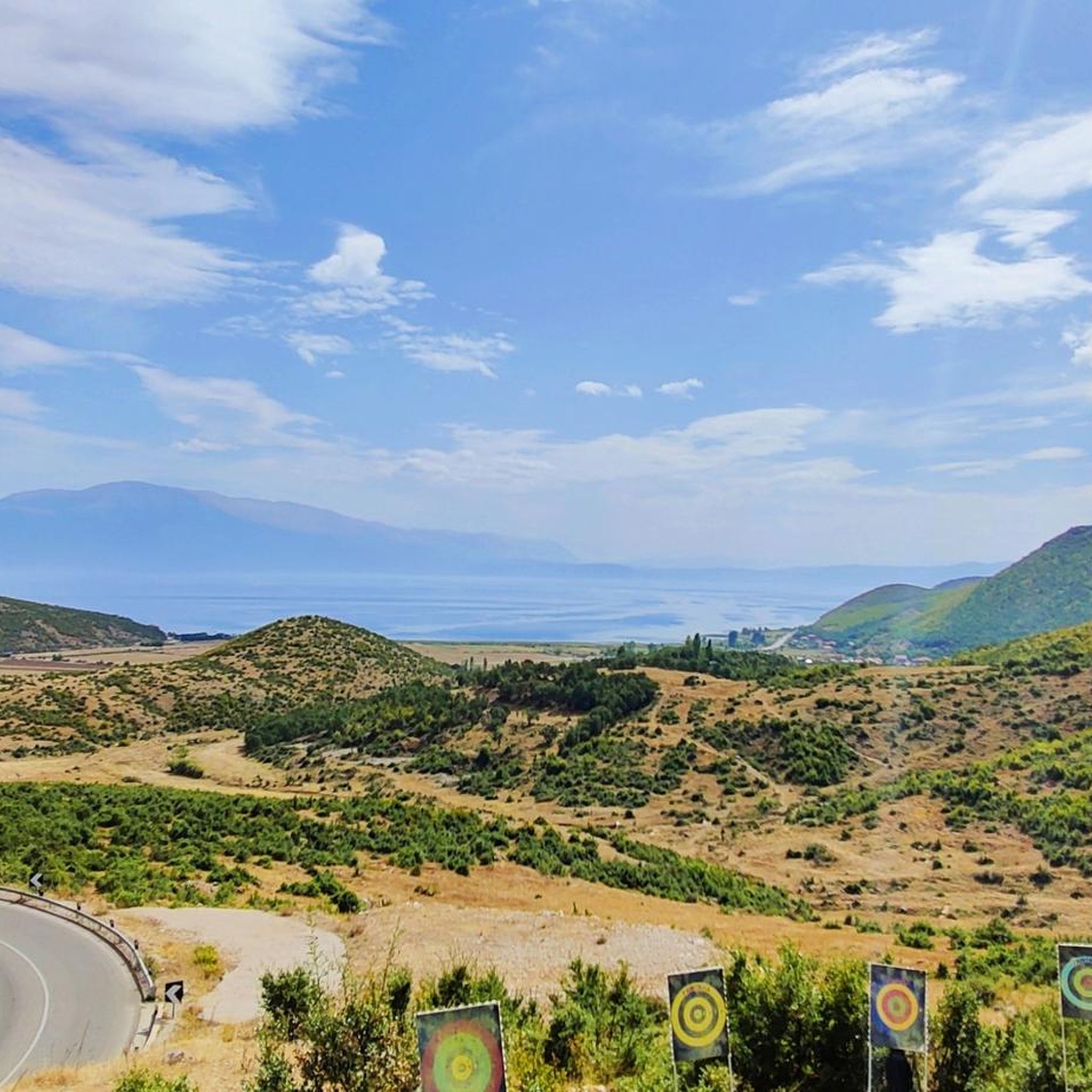
MTB Trails in Albania
Other adventures in Albania


Tips from the Community

"Getting to the top is optional, getting down is mandatory." you read on the trig frame.
5
0
Mount Korab (2,764 m) has two classic ascents: from Albania, a gradual, logically built route runs from Radomirë, through a long valley and over open karst plateaus to the broad border ridge; from North Macedonia, the rougher, steeper variant starts at Strezimir in Mavrovo Park, with less marking and scree slopes, after which both routes converge on the same ridge towards the metal trig frame on the summit.
6
0
The car ferry between Koman and Fierzë sails through a narrow mountain gorge where Lake Koman stretches between steep limestone cliffs. Large, robust ferries transport cars, bicycles, and travelers across the long water route, while the view constantly changes between narrow passages and wide, green valleys. It is a functional connection that simultaneously forms an impressive tour: clear mountain water, high walls, and a route that winds deep through the Drin Reservoir.
3
0
Idyllic, picturesque place. Worth the hike. The restaurant upstairs offers a pleasant break and is the ideal photo spot.
6
0
Deep in the valley of Theth lies the Blue Eye: a clear blue spring that forms in a natural pool between limestone and moss. The water comes directly from an underground karst spring and remains ice-cold, even in the middle of summer. Around the pool are smooth rocks, small waterfalls, and turquoise streams that together form one of the most photogenic spots in Theth National Park. The path to it winds along the river, through narrow passages and over wooden bridges, until you reach the pool where light and water create an almost surreal color.
6
0
You will encounter this rather elongated, popular pool before you reach Blue eye. Another 5' walk.
6
0
Narrow, powerful waterfall dropping 25–30 meters down a vertical limestone wall on the west flank of the Theth Valley. The source lies directly above the fall, fed by a high-altitude karst spring and meltwater, ensuring the water remains clear and cold even in summer. Since 2002, the waterfall has been an official nature monument. The path to it is short but steep, with wet, slippery stones and a river crossing that can be challenging in rain. Its location — wedged between rocks and greenery — makes this one of Theth's most characterful spots.
6
1

Koman harbour - from here you can take boat trips
1
0
Frequently Asked Questions
What are some of the most popular natural monuments in Albania?
Albania boasts a variety of stunning natural monuments. Among the most popular are the mesmerizing Blue Eye (Syri i Kaltër) Waterfall, known for its vivid blue and turquoise waters. The Valbona Pass offers panoramic views of the Valbona valley, and Grunas Waterfall provides a beautiful natural setting with cold mountain water.
Are there any family-friendly natural monuments in Albania?
Yes, several natural monuments in Albania are suitable for families. Lake Skadar, for instance, is categorized as family-friendly and offers a quieter experience on the Albanian side. Divjakë-Karavasta National Park, with its diverse wildlife and coastal landscapes, is another excellent option for families to explore.
What kind of natural features can I expect to see at these monuments?
Albania's natural monuments showcase a diverse range of features. You can find stunning waterfalls like Blue Eye (Syri i Kaltër) Waterfall and Grunas Waterfall, dramatic mountain passes such as Valbona Pass and Peja Pass (Qafa e Pejës), and serene lakes like Lake Skadar. The region also features deep gorges, crystal-clear rivers, and alpine meadows, especially in the Albanian Alps.
Are there historical or cultural sites integrated with natural monuments?
Absolutely. Butrint Archaeological Site is a prime example, combining ancient ruins with a rich natural ecosystem of wetlands and forests. Lake Ohrid, shared with North Macedonia, also offers charming villages with historical significance alongside its natural beauty.
What outdoor activities can I do near Albania's natural monuments?
The natural monuments in Albania are excellent for various outdoor activities. You can enjoy hiking, cycling, and mountaineering. For instance, near many natural monuments, you can find routes for mountain hikes, cycling, and road cycling. The Osumi and Langarica Canyons are particularly popular for whitewater rafting and canyoning.
Are there specific hiking trails near these natural monuments?
Yes, the Albanian Alps, including the Theth and Valbona Valleys, are a paradise for hikers. The famous Valbona-Theth hike is a must-do. You can find challenging trails leading to viewpoints like Popadija Peak or scenic paths like the Trail to the Blue Eye (Syri i Kaltër). For more options, explore the Mountain Hikes in Albania guide.
What do visitors enjoy most about the natural monuments in Albania?
Visitors frequently praise the stunning natural beauty and the sense of tranquility. Many highlight the clear, cold waters of places like Grunas Waterfall and the vibrant colors of the Blue Eye (Syri i Kaltër) Waterfall. The panoramic views from mountain passes like Valbona Pass are also highly appreciated, offering rewarding experiences after a hike.
What is the best season to visit Albania's natural monuments?
The best season largely depends on the specific monument and activity. For hiking in the Albanian Alps, late spring to early autumn (May to October) is ideal, offering pleasant weather. Coastal and wetland areas like Divjakë-Karavasta National Park can be enjoyed in spring and autumn for birdwatching, avoiding the peak summer heat. The Blue Eye is beautiful year-round, though swimming is best in warmer months.
Are there any marine protected areas among Albania's natural monuments?
Yes, Albania has the Karaburun-Sazan Marine Park, its only marine protected area. This park features mountains plunging into the Adriatic Sea, vital marine ecosystems, and an impressive array of species like dolphins and loggerhead turtles. It's an excellent location for sea kayaking, sailing, and exploring a rich, undisturbed marine environment.
Can I find places to swim or cool off at these natural monuments?
Yes, several natural monuments offer opportunities for swimming. The Blue Eye (Syri i Kaltër) Waterfall is a popular spot for a refreshing dip, though the water is very cold. The Clear Pool Near Blue Eye is also noted as a great place for swimming in the summer. The cold mountain water at Grunas Waterfall also attracts visitors looking to cool down.
What should I bring for a hike to natural monuments in Albania?
For hikes, especially to challenging areas like Valbona Pass or Peja Pass (Qafa e Pejës), it's crucial to bring plenty of water, as sources can be scarce. A sun hat is highly recommended, especially in warmer weather. Appropriate hiking footwear, layers of clothing, and snacks are also essential for a comfortable and safe experience.
Most popular routes in Albania
Most popular attractions in Albania

Get inspired with the komoot mobile app


Didn’t find what you were looking for?
Find even more amazing natural monuments in Albania by checking out the top Highlights region by region:
Explore more
Extend your search for the best caves by checking out these guides of the top ones in Albania:
