Top 18 Natural Monuments in Kazakhstan
Best natural monuments in Kazakhstan feature a diverse and expansive landscape, ranging from dramatic canyons to serene alpine lakes and unique geological formations. The country's vast terrain includes significant natural wonders, offering varied experiences for outdoor enthusiasts. These sites provide insights into Earth's geological past and host rich biodiversity. Kazakhstan's natural areas are ideal for exploration and connecting with nature.
Best natural monuments in Kazakhstan
- The most popular natural monuments is Lower Kolsai Lake, a lake that offers superb views. This location is a starting point for trips in the area.
- Another must-see spot is Charyn Canyon River Valley, a canyon with a river. Visitors can find space to sit and relax by the river, or take a canyon taxi.
- Visitors also love Alma-Arasan Hot Springs, a natural monument where you can bathe for free. There is a checkpoint at the entrance to the mountain where an environmental fee must be paid.
- Kazakhstan is known for its canyons, lakes, and unique rock formations. These natural monuments offer a variety of landscapes to see and explore, from the "Valley of Castles" in Charyn Canyon to the submerged forest of Lake Kaindy.
- The natural monuments in Kazakhstan are appreciated by the komoot community, with 29 upvotes and 22 photos shared across various highlights.
Last updated: August 31, 2026
Charyn Canyon River Valley
Highlight • Canyon
Translated by Google •
Tip by

Lower Kolsai Lake
Highlight • Lake
Tip by

Sign up now to discover places like this
Get recommendations on the best single tracks, peaks, & plenty of other exciting outdoor places.
Sign up for free
Alma-Arasan Hot Springs
Highlight • Natural Monument
Translated by Google •
Tip by

Issyk Lake
Highlight • Lake
Tip by

Kok-Zhailau Plateau
Highlight (Segment) • Viewpoint
Tip by

Second Kolsai Lake
Highlight • Lake
Tip by
Kapamsay Canyon
Highlight • Canyon
Tip by

Big Almaty Lake
Highlight • Lake
There are several points where you can stop around the lake but the one marked is near the parking. You can even get there by car or taxi and hike around. There are also few benches and tables.
There is no gastronomy near the lake. So make sure you have your own snacks. The nearest place is Alpine Rose Hotel (with restaurant)
Tip by
Valley of the Stone Spheres (Torysh)
Highlight • Natural Monument
Layers of clay and sand, polymictic quartz sands with glauconite, and interlayers of clay and spherical sand nodules. It's no wonder it's called the Valley of Stone Spheres:
The area is home to a scattering of spherical mineral formations, nodules.
The origin story of the strange spherical stones of the Mangghistau region includes a legend of enemy warriors who, thanks to the prayers of the local population, transformed into large, round stones.
Scientists have proven that these are concretions from the seabed. This means that at their core are small marine organisms that have been mineralized and, over millions of years, concentrically deposited many mineral layers—back in the Cretaceous period, when the sea level was about 170 meters higher.
Scientists have proven that these are concretions from the seabed. This means that at their core are tiny marine organisms that have mineralized and, over millions of years, have formed many concentric mineral layers – back in the Cretaceous period, when sea levels were about 170 meters higher.
Scientists have proven that these are concretions from the seabed. This means that at their core are tiny marine organisms that have mineralized and, over millions of years, have formed many concentric mineral layers – back in the Cretaceous period, when sea levels were about 170 meters higher.
However, this does not diminish the uniqueness of Torysh, as the rounded stones found here have always been a source of surprise and fascination, sparking the imagination.
Despite their rounded outlines (some are split in two), each stone is unique and has its own distinctive shape, stretching over a length of 20 kilometers – a wonder of nature.
According to scientists, these spheres were formed about 120-180 million years ago.
The largest of them reach a diameter of up to 4 meters.
Translated by Google •
Tip by

Waterfall
Highlight • Waterfall
Nice waterfall. The path towards it is pretty steep, but there are iron chains to help tourists. Don't drink water from the waterfall! Upstream, a stream runs through the path, and cattle drink from it.
Translated by Google •
Tip by

Sign up for free to discover even more natural monuments in Kazakhstan.
Sign up for free
Already have an account?
Start today with a free account
Your next adventure awaits.
Login or Signup
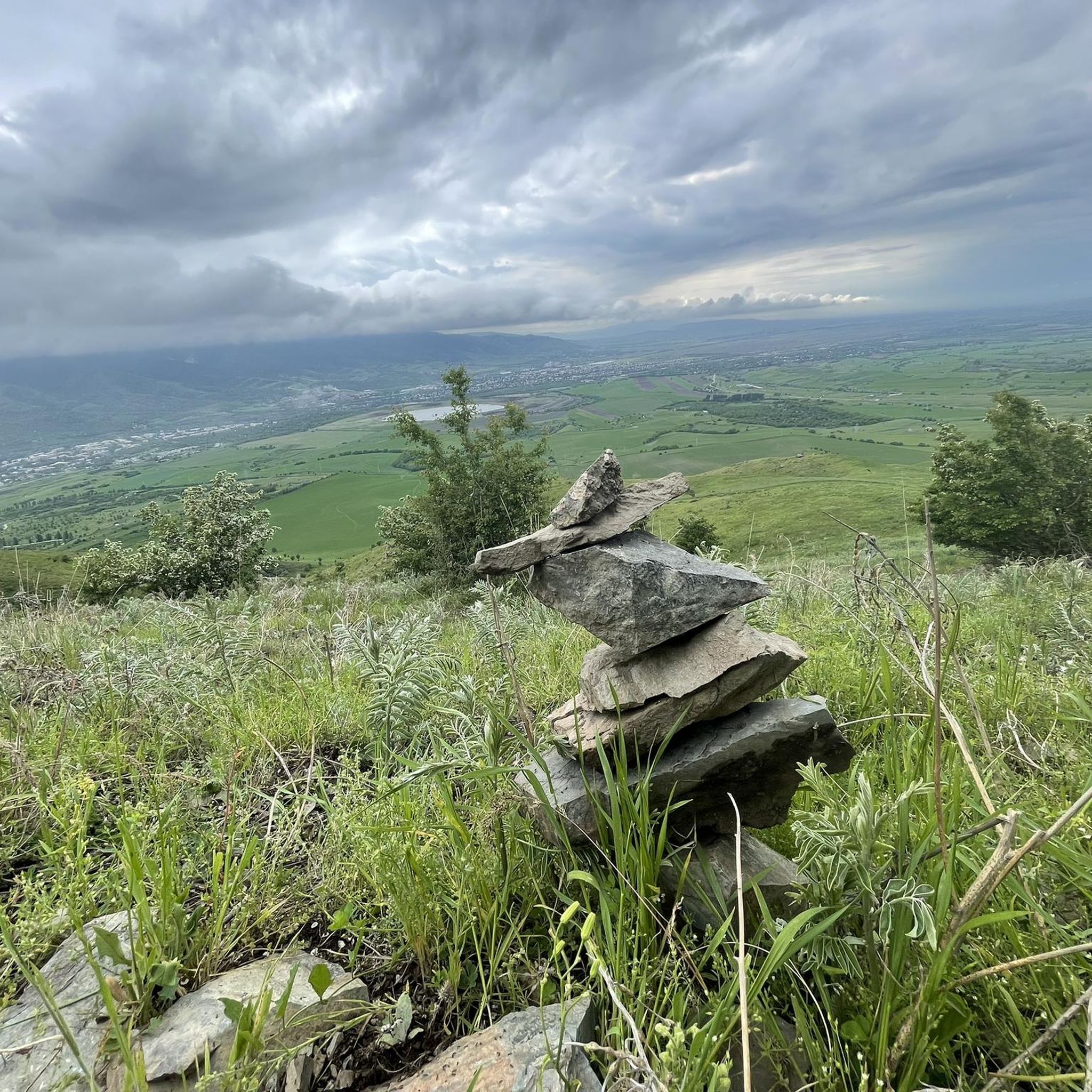
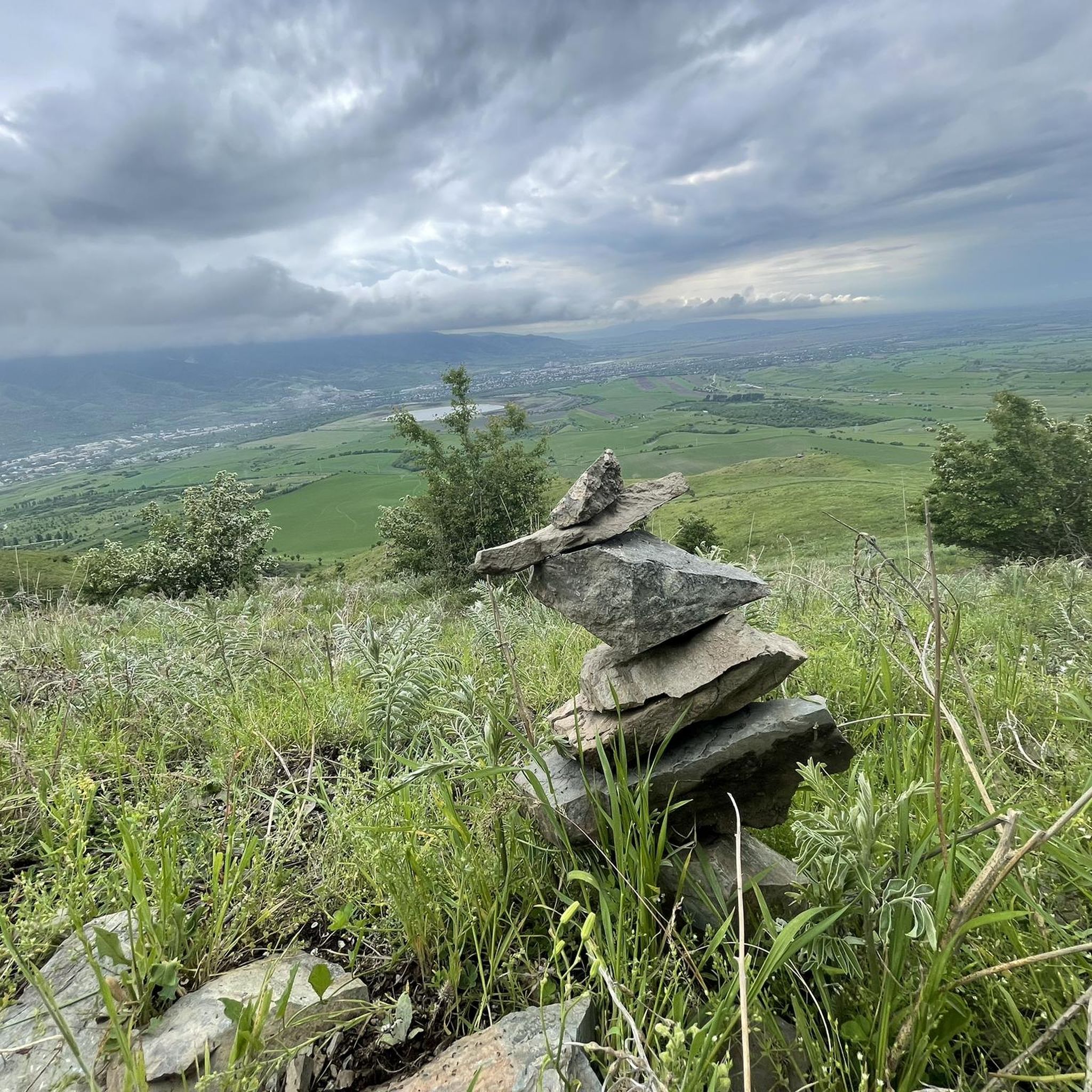
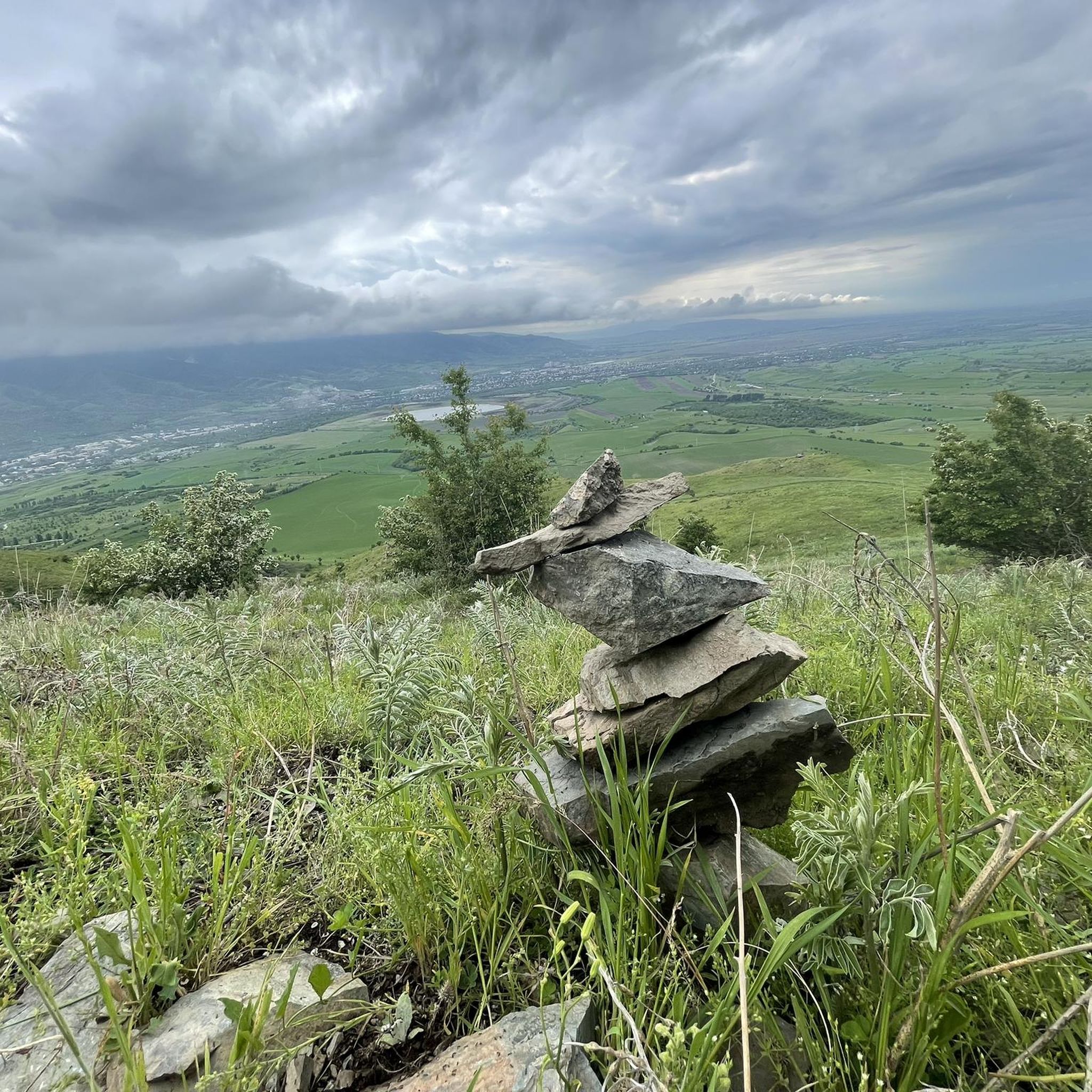
Tips from the Community

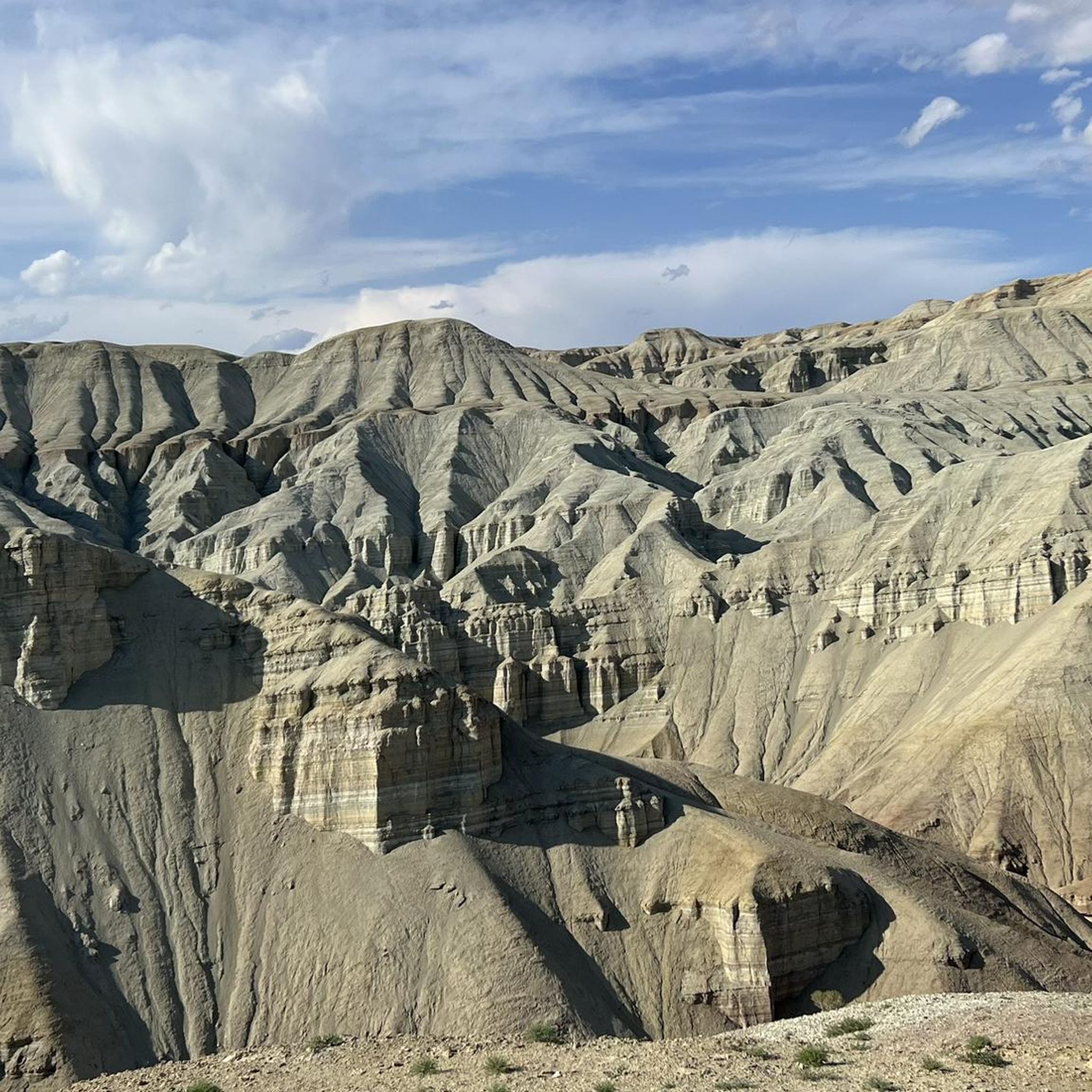
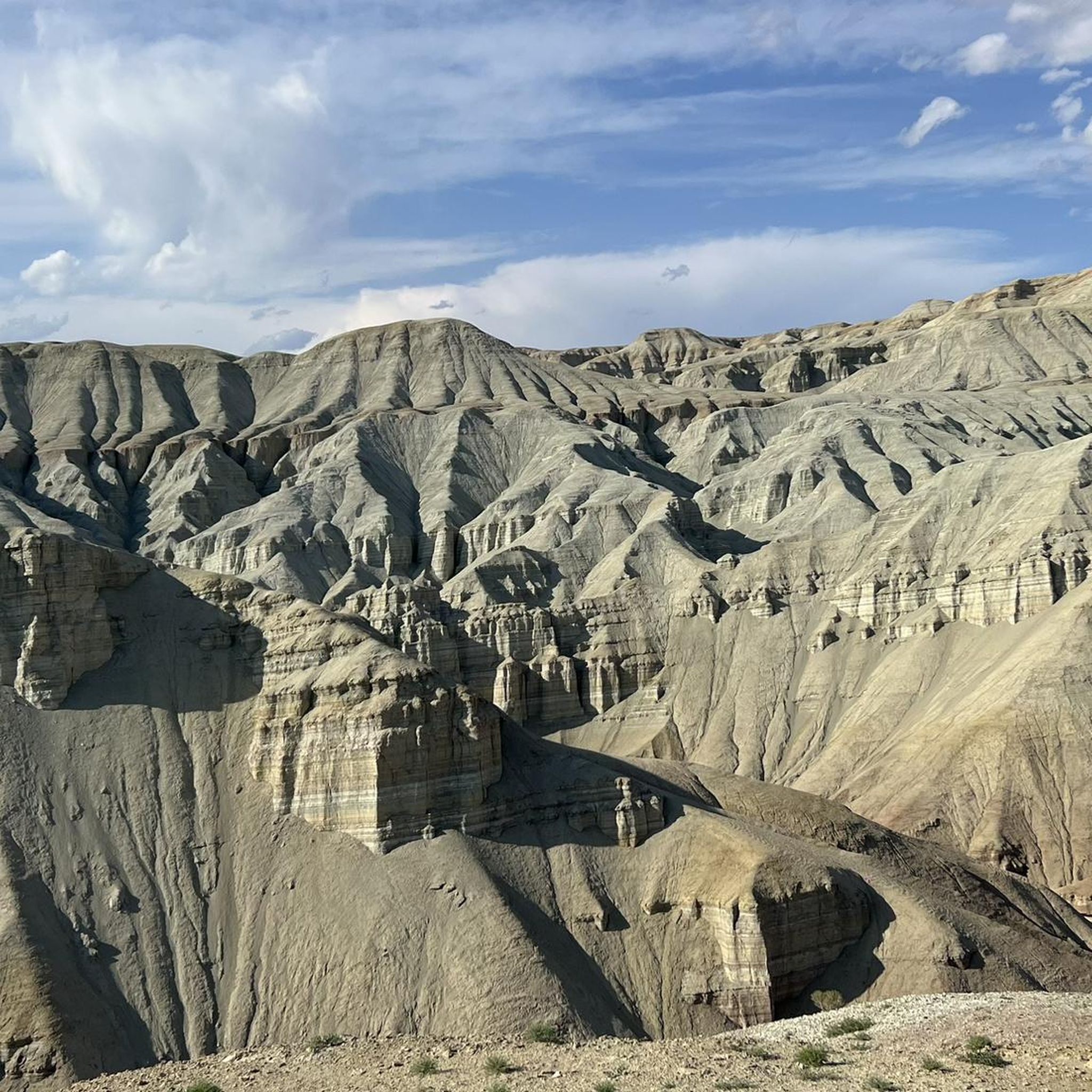
The Kapamsay Canyon offers at least some shade in the sun-drenched, hot plain. It shines bright chalk-white, partly sandstone-yellow. A dwelling cave of shepherds is accessible via a ladder. Quails live in a damp, green corner. The walls are harmonious and partly wonderfully shaped.
0
0

What a great surprise, when you reach the end of the canyon, a very beautiful resting place by the river awaits you.
1
1
The lake lies at an altitude of approximately 1,800 meters above sea level, reaches a depth of up to 80 meters, and measures around 1,850 meters in length and 500 meters in width. It is fed by meltwater from the glaciers of the Zailiyskiy Alatau Mountains, which are part of the northern Tian Shan range.
0
0

The canyon's massive chalk cliffs reach heights of up to 70 meters in places and stretch for 2.7 kilometers, with an average width of 140 meters. The canyon is located on the Tupkaragan Plateau in Mangghistau's Silicon Valley. The slopes consist of Paleogene and Lower Neogene deposits. The Paleogene is composed of massive, chalky marls, white chalk, and limestone. The cream-colored, sometimes dazzling white, walls reach heights of several dozen meters. At the bottom of the canyon lie some very large, fallen boulders. Archaeologists suspect that a deep river once flowed at the foot of the chalk cliffs. Today, the river is gone, but rainwater has collected in its reservoir, forming a pool. Thanks to the shade and moisture, a small grove or green oasis has formed among the cliffs. The Paleogene is the oldest period of the Cenozoic Era (the modern geological era), beginning about 66 million years ago and ending with the Neogene around 23.3 million years ago. It is the period after the extinction of the dinosaurs, during which mammals established themselves as the dominant land animals and evolved rapidly. Proboscideans evolved into the largest land mammals. Initially, the continents were isolated. Around 27 million years ago, a land bridge formed between Africa and Eurasia, allowing animals to spread. This continental drift also led to the formation of the Molasse Sea in the Alpine foothills of Austria. The climate was relatively warm at the beginning of the Cretaceous period and drier towards the end. The Paleogene encompasses the Paleocene, Eocene, and Oligocene epochs. The term "Tertiary" is no longer used; instead, Paleogene and Neogene are used.
0
0
The valley consists of numerous spherical rock formations scattered across a vast steppe landscape. Layers of clay and sand, polymictic quartz sands with glauconite, and interlayers of clay and spherical sand nodules. It's no wonder it's called the Valley of Stone Spheres: The area is home to a scattering of spherical mineral formations, nodules. The origin story of the strange spherical stones of the Mangghistau region includes a legend of enemy warriors who, thanks to the prayers of the local population, transformed into large, round stones. Scientists have proven that these are concretions from the seabed. This means that at their core are small marine organisms that have been mineralized and, over millions of years, concentrically deposited many mineral layers—back in the Cretaceous period, when the sea level was about 170 meters higher. Scientists have proven that these are concretions from the seabed. This means that at their core are tiny marine organisms that have mineralized and, over millions of years, have formed many concentric mineral layers – back in the Cretaceous period, when sea levels were about 170 meters higher. Scientists have proven that these are concretions from the seabed. This means that at their core are tiny marine organisms that have mineralized and, over millions of years, have formed many concentric mineral layers – back in the Cretaceous period, when sea levels were about 170 meters higher. However, this does not diminish the uniqueness of Torysh, as the rounded stones found here have always been a source of surprise and fascination, sparking the imagination. Despite their rounded outlines (some are split in two), each stone is unique and has its own distinctive shape, stretching over a length of 20 kilometers – a wonder of nature. According to scientists, these spheres were formed about 120-180 million years ago. The largest of them reach a diameter of up to 4 meters.
0
0


Nice waterfall. The path towards it is pretty steep, but it has steel cables installed. Don't drink from the water, as the stream is dirty - there are people, cattle and some housing on the stream that forms it. Nice waterfall. The path towards it is pretty steep, but there are iron chains to help tourists. Don't drink water from the waterfall! Upstream, a stream runs through the path, and cattle drink from it.
0
1
Frequently Asked Questions
What are some of the most popular natural monuments in Kazakhstan?
Kazakhstan boasts a diverse array of natural monuments. Among the most popular are the serene Lower Kolsai Lake, known for its superb views, and the dramatic Charyn Canyon River Valley, often compared to the Grand Canyon. Visitors also enjoy the unique experience of the Alma-Arasan Hot Springs, where you can bathe for free.
Are there family-friendly natural monuments in Kazakhstan?
Yes, several natural monuments are suitable for families. The Alma-Arasan Hot Springs offer a relaxing experience where you can bathe for free. Additionally, Big Almaty Lake is a beautiful destination that families can enjoy.
What kind of unique geological formations can I see in Kazakhstan?
Kazakhstan is home to extraordinary geological formations. The Charyn Canyon features towering red-hued rock formations in its 'Valley of Castles.' In Altyn-Emel National Park, you can witness the mysterious Singing Dunes, which produce a humming sound, and the vibrant, striped Aktau Mountains. The Mangystau Region offers the chalk cliffs of Bozzhyra and the enigmatic spherical boulders of the Valley of the Stone Spheres (Torysh).
What outdoor activities can I do near Kazakhstan's natural monuments?
Many natural monuments offer opportunities for outdoor activities. The Kolsai Lakes are ideal for hiking, camping, and horse riding. Burabay National Park provides options for paddling, hiking, fishing, and rock climbing. You can find various hiking trails, including easy routes near Charyn Canyon and Lake Kaindy, as well as more challenging options. For cycling enthusiasts, there are numerous road cycling routes and MTB trails across Kazakhstan. You can explore these options further in the Road Cycling Routes in Kazakhstan, MTB Trails in Kazakhstan, and Easy hikes in Kazakhstan guides.
Are there any natural monuments known for their biodiversity or wildlife?
Absolutely. The Aksu-Zhabagly Nature Reserve, Kazakhstan's oldest nature reserve, is a UNESCO Biosphere Reserve renowned for its rich biodiversity, including over 1,000 plant species and wildlife like the elusive snow leopard, argali sheep, and golden eagles. Altyn-Emel National Park is also a haven for wildlife, with endangered species such as the goitered gazelle and rare snow leopards.
What is the best time to visit Charyn Canyon?
The Charyn Canyon is a spectacular sight year-round. However, for hiking and exploring its scenic routes comfortably, spring (April-May) and autumn (September-October) offer pleasant temperatures. The dramatic contrasts of the red and orange rock layers are particularly stunning at sunset, making it a photographer's paradise.
Where can I find serene lakes in Kazakhstan?
Kazakhstan is home to several serene lakes. The Kolsai Lakes, known as the 'Pearls of the Northern Tien Shan,' are a system of three pristine alpine lakes, including Lower Kolsai Lake and Second Kolsai Lake, offering crystal-clear waters. Lake Kaindy is famous for its surreal submerged forest. Burabay National Park also features beautiful lakes like Lake Burabay amidst its pine forests.
Are there any challenging natural monuments for experienced hikers?
For those seeking a challenge, the Bokty Massif is categorized as a challenging natural monument. The Aksu-Zhabagly Nature Reserve also offers diverse landscapes ranging from snow-capped mountains to lush valleys, providing numerous hiking trails of varying difficulty.
What do visitors enjoy most about the natural monuments in Kazakhstan?
Visitors frequently praise the breathtaking views and peaceful atmosphere. For instance, the Lower Kolsai Lake is noted for its superb views, and the Second Kolsai Lake is described as a very beautiful and peaceful place. Many appreciate the opportunity to relax by the river in the Charyn Canyon River Valley and the unique experience of bathing in the Alma-Arasan Hot Springs.
Are there any natural monuments with historical or cultural significance?
While primarily natural, some sites are steeped in local folklore. Burabay National Park, often called 'Kazakhstani Switzerland,' has legends and folklore associated with its majestic rock formations, such as the iconic Zhumbaktas Rock, adding a layer of mystique to the natural beauty.
What are the 'Tiramisu Mountains' and where can I find them?
The 'Tiramisu Mountains' refer to Kyzylkup, a natural monument known for its unique layered rock formations that resemble the dessert. These striking geological features offer a distinct visual experience and are a popular viewpoint for visitors.
Is there an environmental fee to visit certain natural monuments?
Yes, for some natural monuments, an environmental fee may be required. For example, there is a checkpoint at the entrance to the mountain leading to the Alma-Arasan Hot Springs where an environmental fee must be paid (545 KZT per person).
Most popular routes in Kazakhstan
Most popular attractions in Kazakhstan

Get inspired with the komoot mobile app


Didn’t find what you were looking for?
Find even more amazing natural monuments in Kazakhstan by checking out the top Highlights region by region:
Explore more
Extend your search for the best caves by checking out these guides of the top ones in Kazakhstan:
