Top 8 Natural Monuments around St. Martin am Wöllmißberg
Best natural monuments around St. Martin am Wöllmißberg showcase the region's diverse natural landscape in Styria, Austria. The area is characterized by its mountainous terrain, including the Wöllmißberg, and features several significant water bodies. These natural attractions offer opportunities for outdoor activities such as hiking and exploring scenic routes. The municipality is situated amidst a rich natural environment, providing various points of interest for visitors.
Best natural monuments around St. Martin am Wöllmißberg
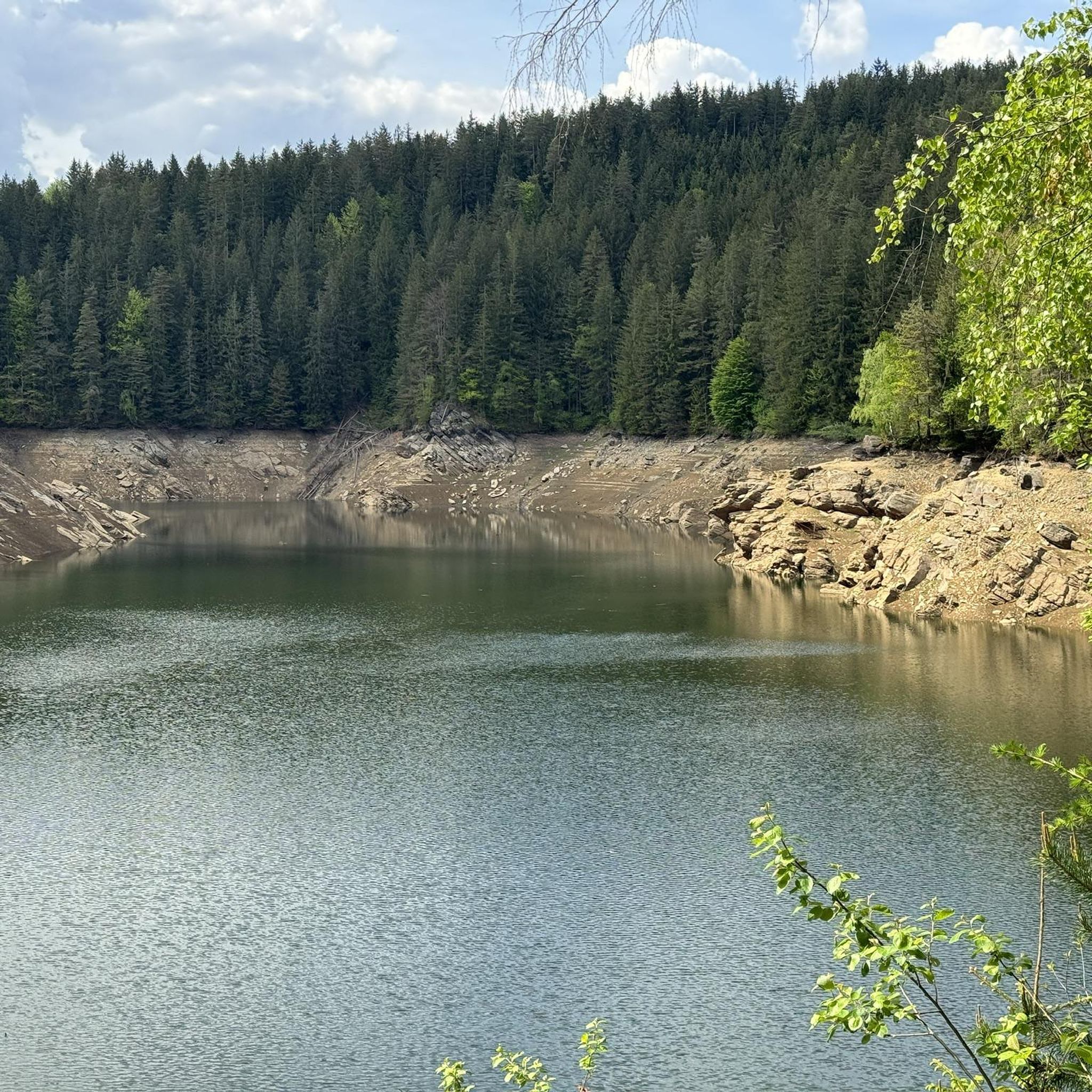
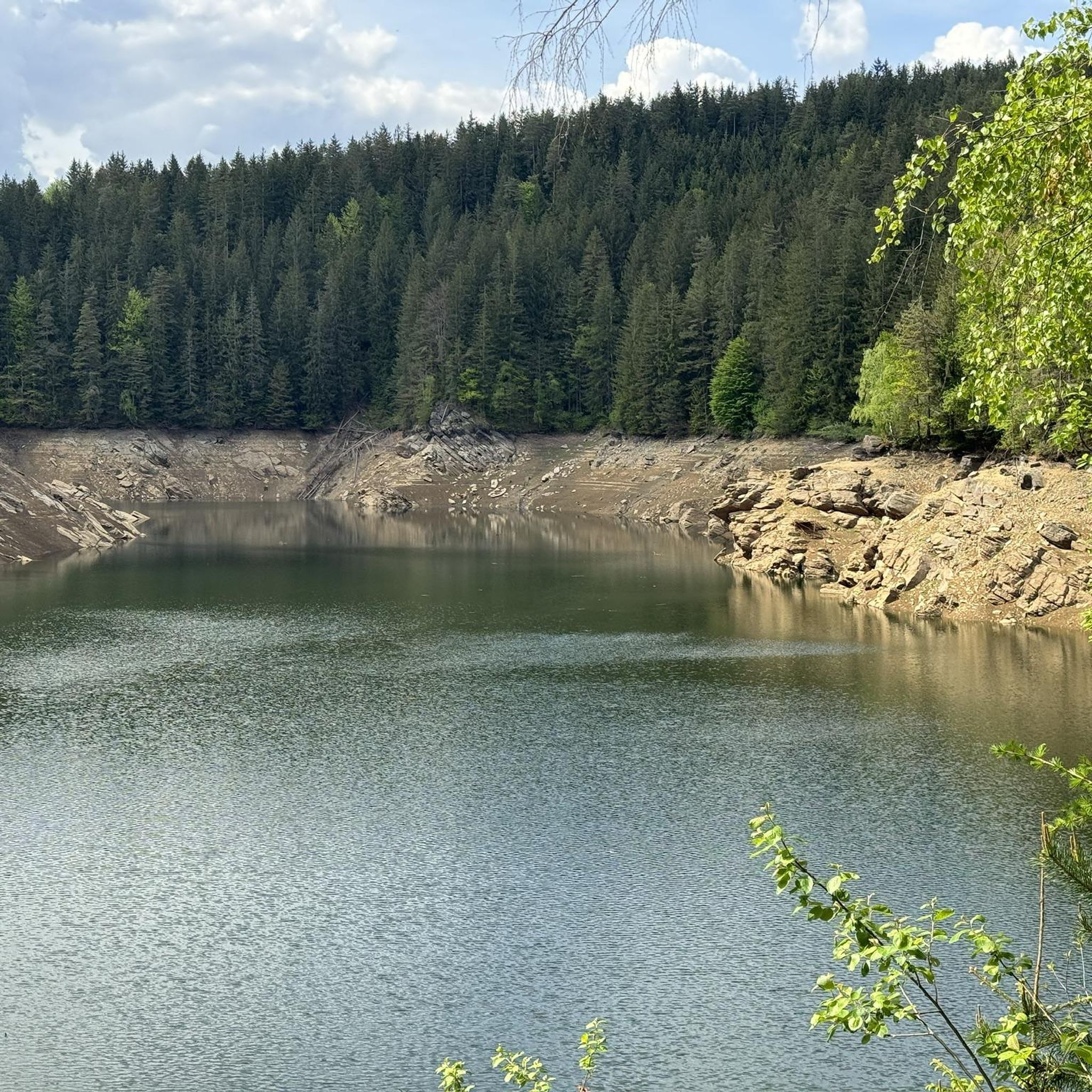
- The most popular natural monuments is Rocky Island in Hebalmsee, a lake that features a rocky stone island in its center. This small lake is known for its fish and ducks.
- Another must-see spot is Stainz Johannes Spring, a natural monument located in a forest setting. This spring is officially certified as a healing spring and is situated northwest of Stainz.
- Visitors also love Teigitschklamm Gorge, a gorge offering a very nice hiking trail. This wild and romantic gorge is part of scenic routes that connect various reservoirs in the region.
- St. Martin am Wöllmißberg is known for its natural springs, lakes, and gorges. The region offers a variety of natural monuments to see and explore, providing diverse landscapes for outdoor enthusiasts.
- The natural monuments around St. Martin am Wöllmißberg are appreciated by the komoot community, with 32 upvotes and 13 photos shared.
Last updated: November 21, 2026
Stainz Johannes Spring
Highlight • Natural Monument
The words "Sauer" and "Brunn" contained in "Sauerbrunn" undoubtedly indicate a well or a spring. Sauerbrunn is officially certified as a healing spring and is located about 6.3 kilometers northwest of the municipality of Stainz in western Styria at an altitude of about 500 meters. If the visitor drives from Stainz towards the headwaters, idyllic places and hamlets such as Wald in West Styria, Marhof, Trog and Sauerbrunn are driven through while the road climbs uphill. He drove along lush green meadows, freshly spring watercourses and past flower-adorned farmsteads; mostly with a view of the mountain range of the up to 2,140 meter high Koralpe, which is shared by the province of Carinthia and Styria. The last kilometers to the source - located in the middle of the forest - meander quite narrowly, but with sufficient marginal strips where the motorist can easily avoid the oncoming traffic. An idyllic, narrow lane that has not yet been discovered by the authorities to be closed.
Translated by Google •
Tip by

Cathedral of the Forest
Highlight • Structure
Translated by Google •
Tip by

Sign up now to discover places like this
Get recommendations on the best single tracks, peaks, & plenty of other exciting outdoor places.
Rocky Island in Hebalmsee
Highlight • Lake
Translated by Google •
Tip by

Teigitschklamm Gorge
Highlight • Gorge
Translated by Google •
Tip by

Moses Fountain by Ernst Fuchs, Bärnbach City Park
Highlight • Monument
Translated by Google •
Tip by

Sign up for free to discover even more natural monuments around St. Martin am Wöllmißberg.
Already have an account?
Start today with a free account
Your next adventure awaits.
Popular around St. Martin am Wöllmißberg

Tips from the Community

Unfortunately, the complex is falling into disrepair. The wooden walkway, which is supposed to represent the outline of a church, is partially rotten and is therefore closed for good reason. If you are in the area, you can take a look, but overall the complex is no longer worth a visit.
1
0

Unfortunately, the entire wooden walkway is closed for safety reasons.
1
0

The Brunner was built in 1998 according to the plans of Prof. Ernst Fuchs as a biblical addition to the Barbara Church. The 7-sided water basin shows various motifs from the Bible relating to the story of Moses. The fountain was decorated with 430,000 pebbles, 144,000 pieces of glass mosaic. The base is covered with 3600 glass prisms from Swarovski and the statue is covered with 400 pieces of gold leaf.
0
0

Just beautiful, MTB but forbidden 🚫
2
1

A 756 meter long wooden walkway around a central rock recreates the floor plan of Milan Cathedral, including five wooden entrance portals. The project by artists Anne and Peter Knoll was built in the early 2000s.
2
0

Beautiful little lake that is unfortunately littered. Dog waste, diapers, cigarette butts and much more. It's a shame that some people don't appreciate this little paradise.
1
1

If you've ever been to the lake, you have to walk around the mountain. The wooden walkway is supposed to represent the floor plan of a church.
0
1

You have to see the fountain here in the city park of Bärnbach.
4
0
Frequently Asked Questions
What are some of the most notable natural attractions around St. Martin am Wöllmißberg?
The region around St. Martin am Wöllmißberg offers several impressive natural attractions. Highlights include the serene Rocky Island in Hebalmsee, known for its unique rocky island, and the wild and romantic Teigitschklamm Gorge, which features a very nice hiking trail. You can also visit the Stainz Johannes Spring, a certified healing spring nestled in a forest setting.
Are there any natural springs or healing waters in the area?
Yes, the Stainz Johannes Spring is a natural monument located in a forest setting northwest of Stainz. It is officially certified as a healing spring, offering a unique natural experience.
Can I visit any lakes or reservoirs near St. Martin am Wöllmißberg?
Absolutely. The region is home to several significant water bodies. The Rocky Island in Hebalmsee is a popular small lake with fish and ducks. Additionally, the Hirzmann Reservoir and Packer Reservoir are notable for their scenic beauty and recreational opportunities like bathing, hiking, and fishing. The Langmannsperre is another significant reservoir often included in hiking tours.
What kind of outdoor activities can I do near these natural monuments?
The natural monuments are excellent starting points for various outdoor activities. You can enjoy hiking, running, and gravel biking. For instance, the Teigitschklamm Gorge is popular for hiking. You can find numerous routes for these activities in the area, such as those listed in the Hiking around St. Martin am Wöllmißberg guide or the Running Trails around St. Martin am Wöllmißberg guide.
Are there family-friendly natural monuments around St. Martin am Wöllmißberg?
Yes, several natural monuments are suitable for families. The Rocky Island in Hebalmsee is a lovely spot with fish and ducks, making it enjoyable for children. The Stainz Johannes Spring, set in a forest, also offers a peaceful and accessible natural experience for families.
What do visitors enjoy most about the natural monuments in this region?
Visitors appreciate the diverse natural landscape, from serene lakes to wild gorges and healing springs. The natural monuments are well-regarded by the komoot community, with many upvotes and photos shared, highlighting their scenic beauty and the opportunities for outdoor exploration. The tranquil settings and well-maintained paths around reservoirs are frequently mentioned as enjoyable aspects.
Are there hiking trails near the natural monuments?
Yes, there are many hiking trails that either lead to or pass by the natural monuments. The Teigitschklamm Gorge, for example, is renowned for its very nice hiking trail. You can explore various routes, including loops around the Teigitschklamm Gorge or the Hirzmann Dam. More details can be found in the Hiking around St. Martin am Wöllmißberg guide.
What is the best time of year to visit the natural monuments?
The natural monuments and reservoirs in the region, such as Hirzmann Reservoir and Packer Reservoir, are particularly appealing on warm summer days for activities like bathing and hiking. However, the scenic beauty can be enjoyed throughout the warmer months, from spring to autumn, when the trails are clear and the flora is vibrant. Winter offers a different, tranquil experience, though some paths might be less accessible.
Are there any unique natural landmarks that are not just lakes or gorges?
Beyond lakes and gorges, the region features the Stainz Johannes Spring, a unique natural monument recognized as a healing spring. While not strictly natural, the Moses Fountain by Ernst Fuchs in Bärnbach City Park is also listed as a natural monument, offering an artistic interpretation within a natural setting.
Can I find circular walks that include natural monuments?
Yes, there are several circular walks available. For instance, the Teigitschklamm Gorge is part of popular loop trails, such as the 'Teigitschklamm Gorge loop from St. Martin am Wöllmißberg' which is a moderate 7.5 km hike. These routes allow you to experience the natural beauty in a comprehensive way.
Are there any natural monuments that are also good for dog walking?
Many of the natural areas and hiking trails around the reservoirs and gorges are suitable for dog walking, provided dogs are kept on a leash and owners clean up after them. The paths around Hirzmann Reservoir and the Teigitschklamm Gorge are generally dog-friendly, offering ample space for walks in nature.
What kind of flora and fauna can I expect to see?
The region's diverse natural environment, including forests, lakes, and gorges, supports a variety of flora and fauna. Around the lakes like Hebalmsee, you can often spot ducks and fish. The forested areas surrounding the springs and gorges are home to typical Styrian woodland plants and various bird species. The untouched nature around the Packer Reservoir, for example, is known for its serene environment.
Most popular routes around St. Martin am Wöllmißberg
Most popular attractions around St. Martin am Wöllmißberg

Get inspired with the komoot mobile app


Explore more
Extend your search for the best caves by checking out these guides of the top ones around St. Martin am Wöllmißberg:
