Top 10 Natural Monuments around Absdorf
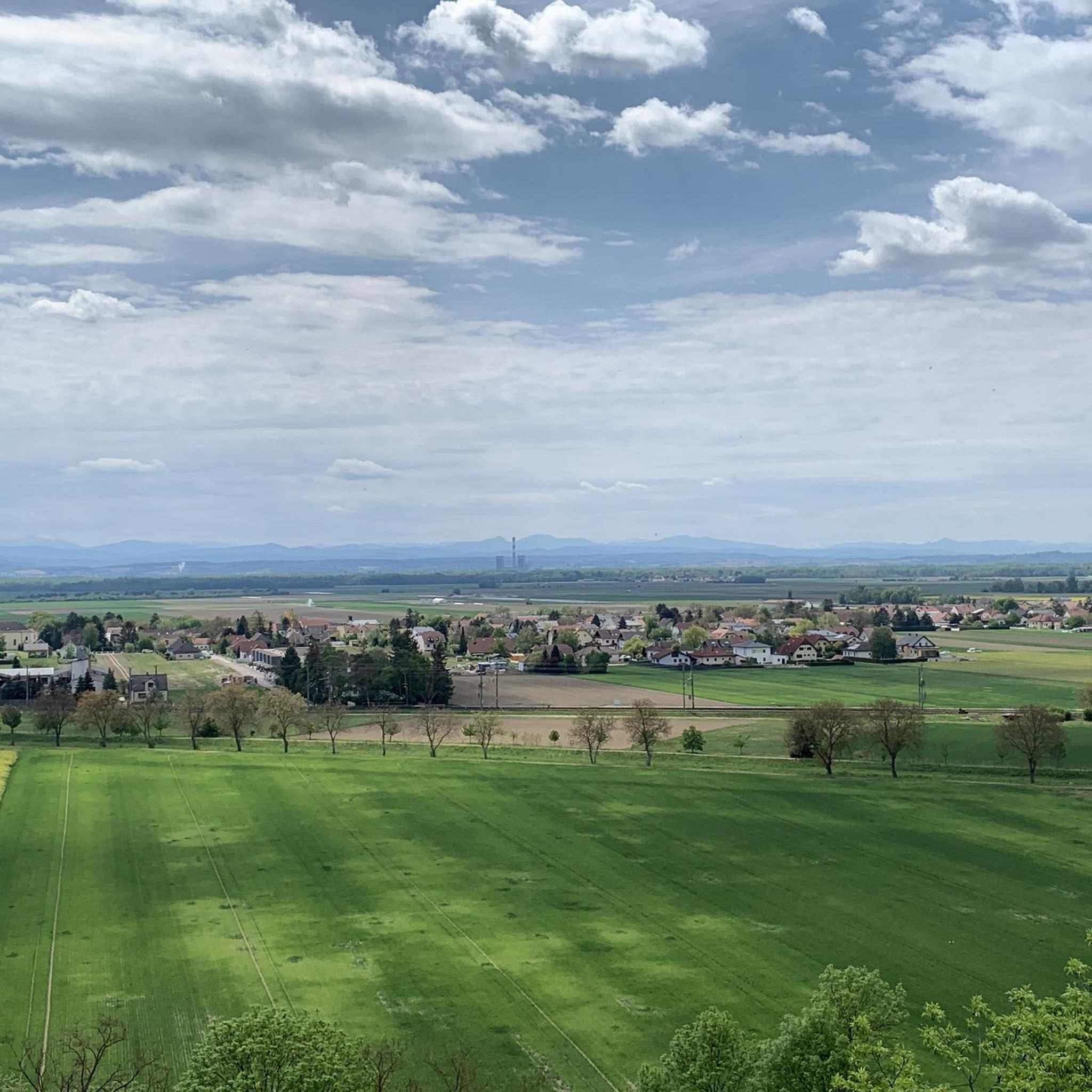
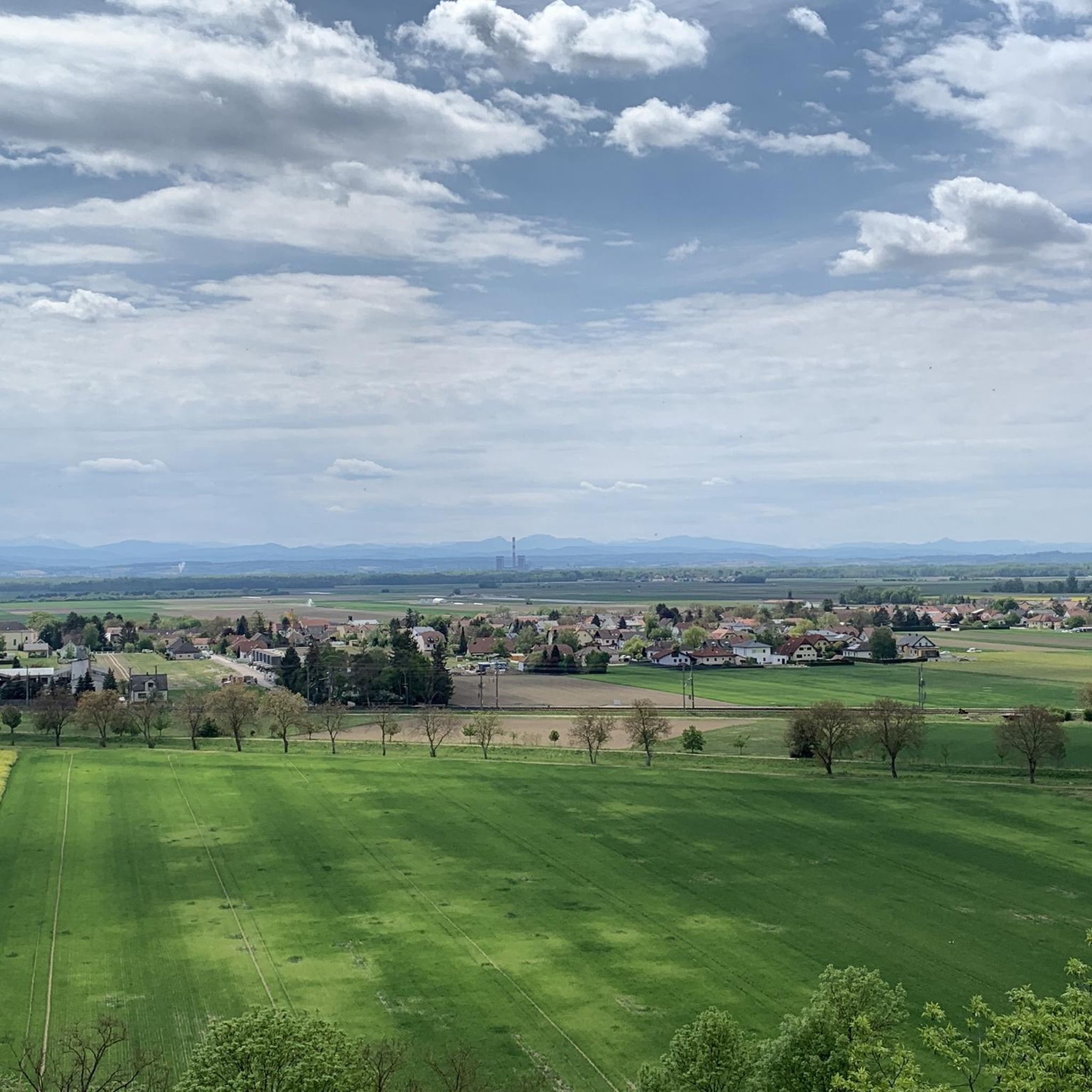
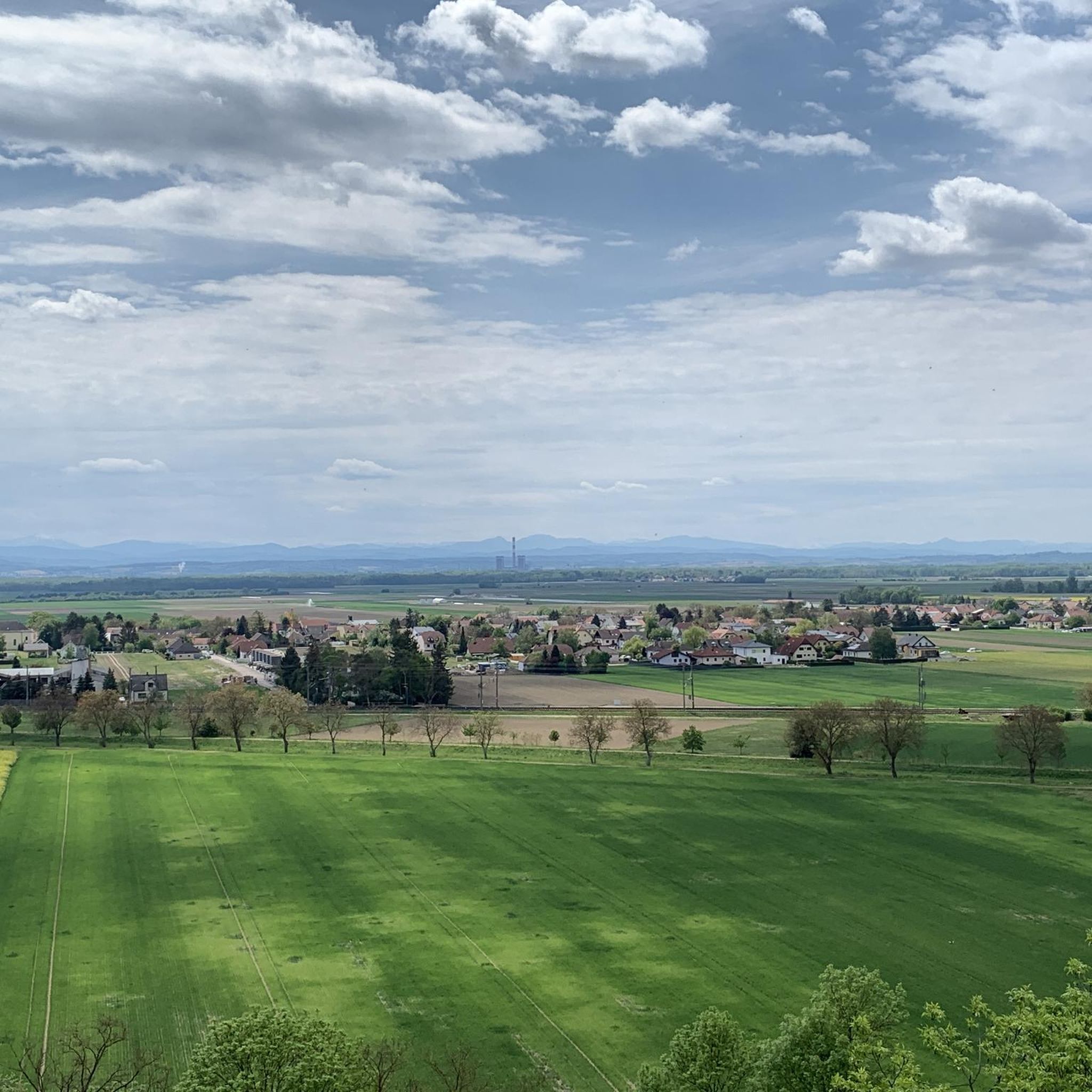
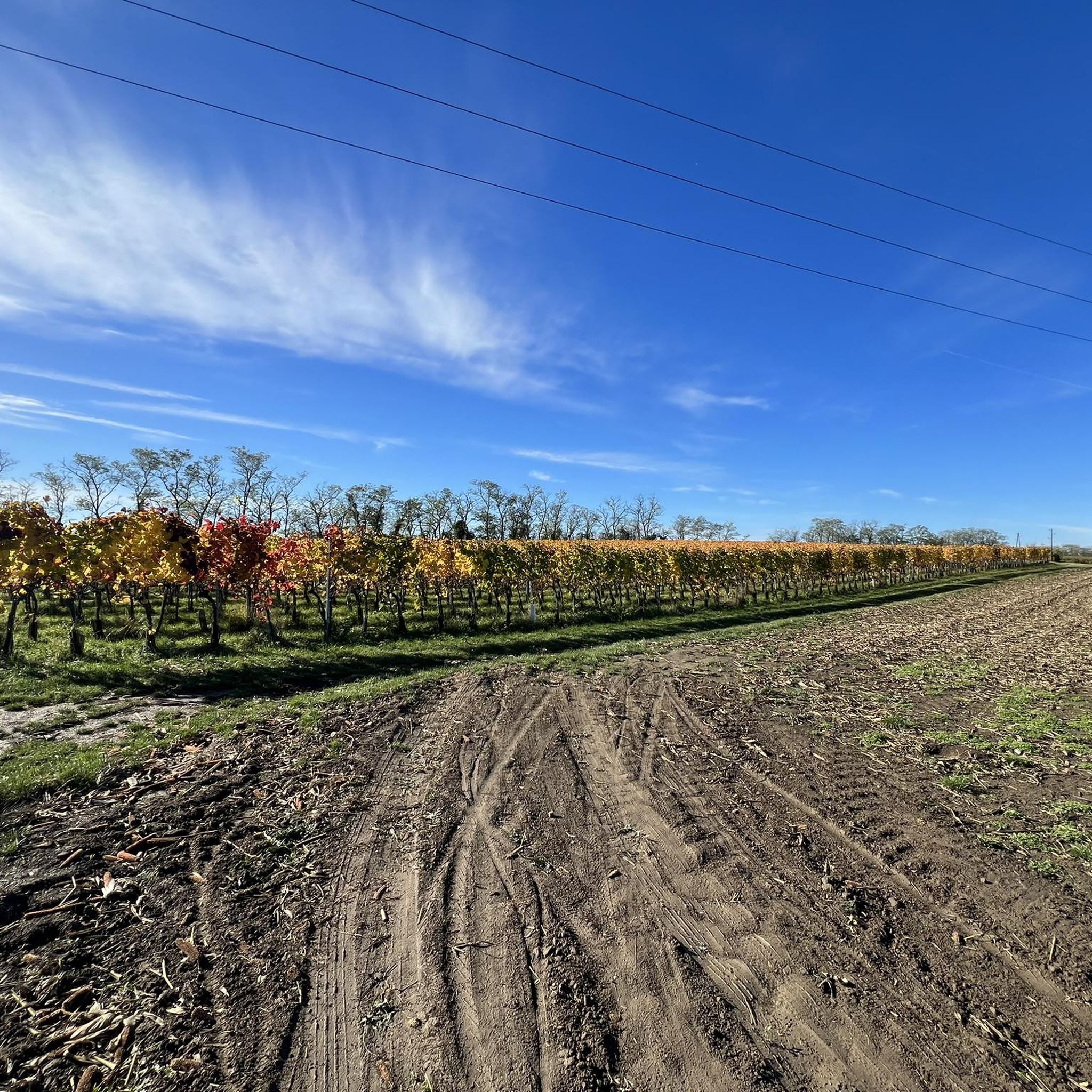
Natural monuments around Absdorf offer diverse natural attractions within Lower Austria. The region is characterized by the Wagram, a natural terrace formed by the Danube River, providing panoramic views of the Tullnerfeld. This area features loess-rich soils that support viticulture and various outdoor activities. While Absdorf itself may not host formally designated natural monuments, the surrounding landscape provides significant natural beauty and recreational value.
Best natural monuments around Absdorf
- The most popular natural monuments is Nibelung Monument (Nibelungendenkmal), a…
Last updated: July 7, 2026
Nibelungen Monument
Highlight • Monument
Translated by Google •
Tip by

Mouth of the Traisen River at the Danube
Highlight • River
Translated by Google •
Tip by

Sign up now to discover places like this
Get recommendations on the best single tracks, peaks, & plenty of other exciting outdoor places.
Sign up for free
LIFE+ Traisen renaturation
Highlight • River
Translated by Google •
Tip by

Tree masterpieces
Highlight (Segment) • Natural Monument
Translated by Google •
Tip by

THE GARDENS TULLN
Highlight • Structure
Translated by Google •
Tip by

Sign up for free to discover even more natural monuments around Absdorf.
Sign up for free
Already have an account?
Start today with a free account
Your next adventure awaits.
Login or Signup
Popular around Absdorf


Tips from the Community

a very interesting renaturation project
0
0
The Traisen renaturation was a very interesting project
0
0

The mouth of the Traisen river near Traismauer in Lower Austria is a fascinating example of how technology and nature can successfully come together. Here, the Traisen river meets the Danube, but it wasn't always as idyllic as it is today. Originally, the Traisen flowed into the Danube about 7.5 kilometers further upstream. With the construction of the Altenwörth Danube power plant in the 1970s, everything changed: As the water level of the Danube was raised for the power plant, the Traisen could no longer flow naturally. Therefore, a completely new riverbed had to be dug for it.
1
0
This is Europe's first ecological garden show with over 70 show gardens. The treetop path is particularly popular, offering a great view over the Tullnerfeld.
0
0


Entertainment for the family 😄
1
0

The LIFE+ Traisen project was one of the largest renaturation projects in Austria and was implemented between 2009 and 2019. The aim was to transform the previously straightened lower reaches of the Traisen into a near-natural floodplain landscape. This resulted in a new, meandering river course with diverse bank structures and wetlands over a length of around 9.4 kilometers. This created valuable habitats for numerous animal and plant species, including endangered species. The implementation required extensive earthworks, in which large quantities of gravel and sediment were moved to create still waters and shallow water zones. The cost of the project was around 30 million euros and was financed by various public and private partners.
5
0
"Die Garten Tulln" is a state garden show of the federal state of Lower Austria established in Tulln an der Donau in 2008 and subsequently became a permanent fixture. The Lower Austrian State Garden Show described itself as the first ecological and permanent state garden show in Europe. Address: Am Wasserpark 1, 3430 Tulln an der Donau. If you have the opportunity, you should visit "Die Garten." Here, among other things, the full diversity of ecological garden design is presented in seventy show gardens. It is a worthwhile destination for a tour or as a short detour from the main route. Worth seeing.
2
0
Frequently Asked Questions
What unique natural features define the Absdorf region?
The Absdorf region is primarily characterized by the Wagram, a significant natural terrace formed by the Danube River. This approximately 30-kilometer-long feature offers panoramic views of the Tullnerfeld and is known for its loess-rich soils, which support extensive viticulture. Additionally, the area features important river landscapes, including the renatured sections of the Traisen River.
Are there any significant ecological restoration projects to see near Absdorf?
Yes, the region is home to the LIFE+ Traisen renaturation project. This was Austria's largest renaturation effort, transforming the lower reaches of the Traisen into a near-natural floodplain landscape. It created valuable habitats for numerous species and is an excellent example of ecological restoration.
What historical monuments are integrated into the natural landscape around Absdorf?
You can visit the Nibelung Monument (Nibelungendenkmal). This bronze sculpture documents the legendary encounter of Kriemhild and Etzel and serves as a notable historical site and viewpoint, offering a blend of cultural heritage within a natural setting.
Are there family-friendly natural attractions in the Absdorf area?
Many of the natural attractions are suitable for families. For instance, the Mouth of the Traisen River at the Danube, a renatured river area, is considered family-friendly, offering space for observation and relaxation. The Tree masterpieces in Tulln also provide an engaging experience for all ages with interesting information about impressive tree specimens.
What outdoor activities can I do near the natural monuments around Absdorf?
The region offers a variety of outdoor activities. You can explore numerous cycling routes, including road cycling and mountain biking trails, or enjoy running paths. For example, you can find various MTB Trails around Absdorf, Road Cycling Routes around Absdorf, and Running Trails around Absdorf.
What is special about the Mouth of the Traisen River at the Danube?
The Mouth of the Traisen River at the Danube is a prime example of a recultivated river. After being straightened for decades, this area underwent significant restoration, transforming it into an impressive, near-natural floodplain landscape. It's a great spot to observe nature and relax.
Are there any wheelchair-accessible natural attractions near Absdorf?
The Nibelung Monument (Nibelungendenkmal) is listed as wheelchair-accessible, allowing visitors to enjoy this historical site and viewpoint regardless of mobility.
What do visitors enjoy most about the natural monuments around Absdorf?
Visitors frequently appreciate the impressive views, especially from locations along the Wagram and at the Nibelung Monument. The ecological restoration projects, like the Traisen renaturation, are also highly valued for creating beautiful, natural habitats. Many enjoy the peaceful atmosphere and the opportunity for photography.
Can I find unique tree specimens in the area?
Yes, the city of Tulln, near Absdorf, has an initiative highlighting Tree masterpieces. These are impressive tree specimens provided with exciting information, offering a peaceful and educational experience for nature lovers.
What is the terrain like for outdoor activities around Absdorf's natural monuments?
The terrain around Absdorf is diverse. The Wagram offers a natural terrace with elevated views, while the river landscapes along the Danube and Traisen are generally flatter, ideal for cycling and running. The loess-rich soils of the Wagram contribute to its unique character.
When is the best time to visit the natural monuments around Absdorf?
The region is beautiful throughout the warmer months, from spring to autumn, when the vineyards on the Wagram are lush and the river landscapes are vibrant. Autumn is particularly scenic with the changing colors and harvest season in the wine-growing areas.
Most popular routes around Absdorf
Most popular attractions around Absdorf

Get inspired with the komoot mobile app


Explore more
Extend your search for the best caves by checking out these guides of the top ones around Absdorf:
