Top 20 Natural Monuments around Grafenwörth
Natural monuments around Grafenwörth showcase diverse natural features within the Tulln district of Lower Austria. The region is characterized by its significant riverside forests, such as the Grafenwörther Au, situated between the Danube and Kamp rivers. Visitors can explore ancient trees and renatured river landscapes that highlight the area's natural heritage. These sites provide opportunities for outdoor recreation and offer insights into the local ecology.
Best natural monuments around Grafenwörth
- The most popular natural monuments is Giant Sequoias of Paudorf…
Last updated: November 21, 2026
Giant Sequoias of Paudorf
Highlight • Forest
Translated by Google •
Tip by

Altenwörth fish pass
Highlight • Structure
Translated by Google •
Tip by

Sign up now to discover places like this
Get recommendations on the best single tracks, peaks, & plenty of other exciting outdoor places.
Fountain in Krems City Park
Highlight • Monument
In the park you …
Translated by Google •
Tip by
Zellergraben
Highlight • Gorge
Translated by Google •
Tip by
LIFE+ Traisen renaturation
Highlight • River
Translated by Google •
Tip by

Sign up for free to discover even more natural monuments around Grafenwörth.
Already have an account?
Start today with a free account
Your next adventure awaits.
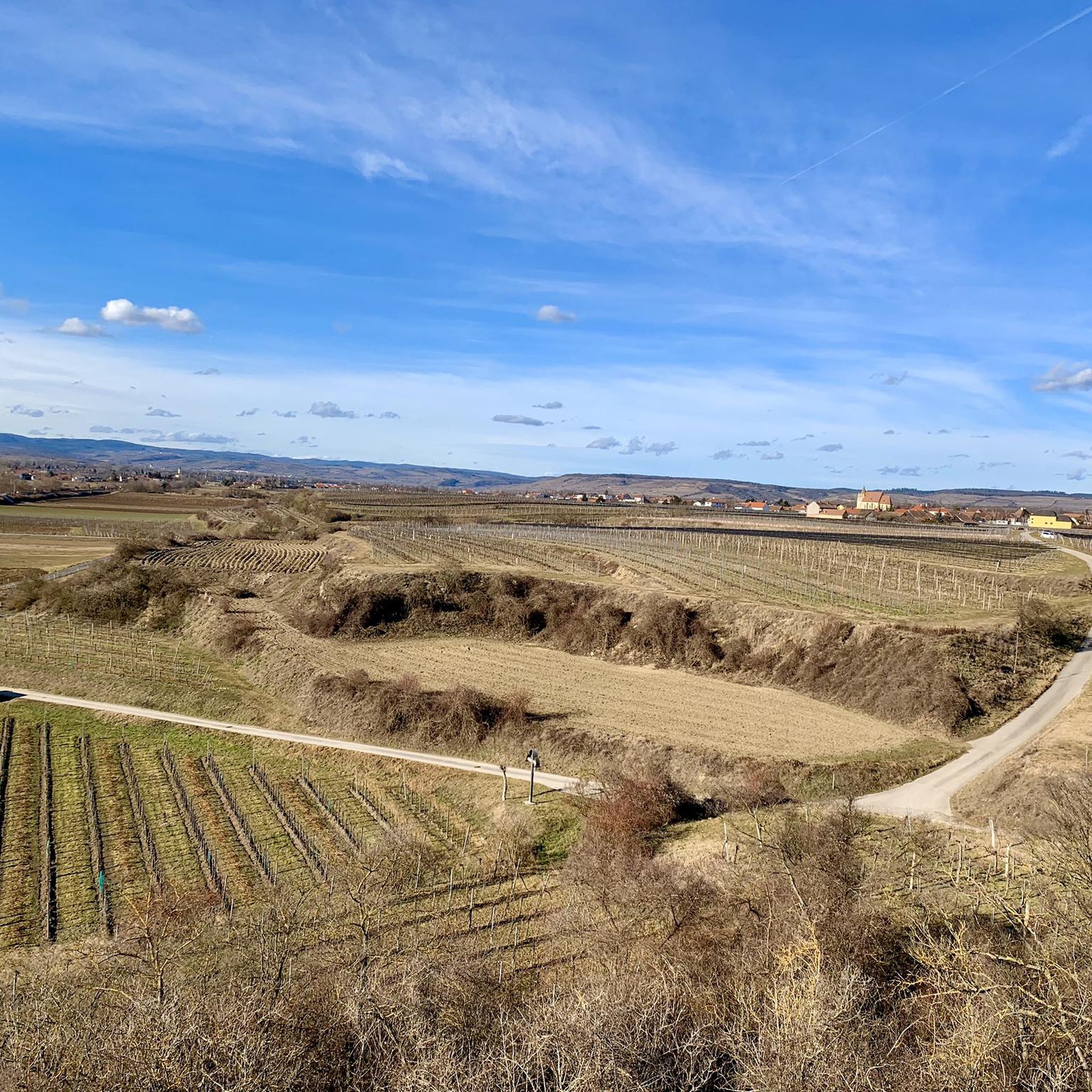
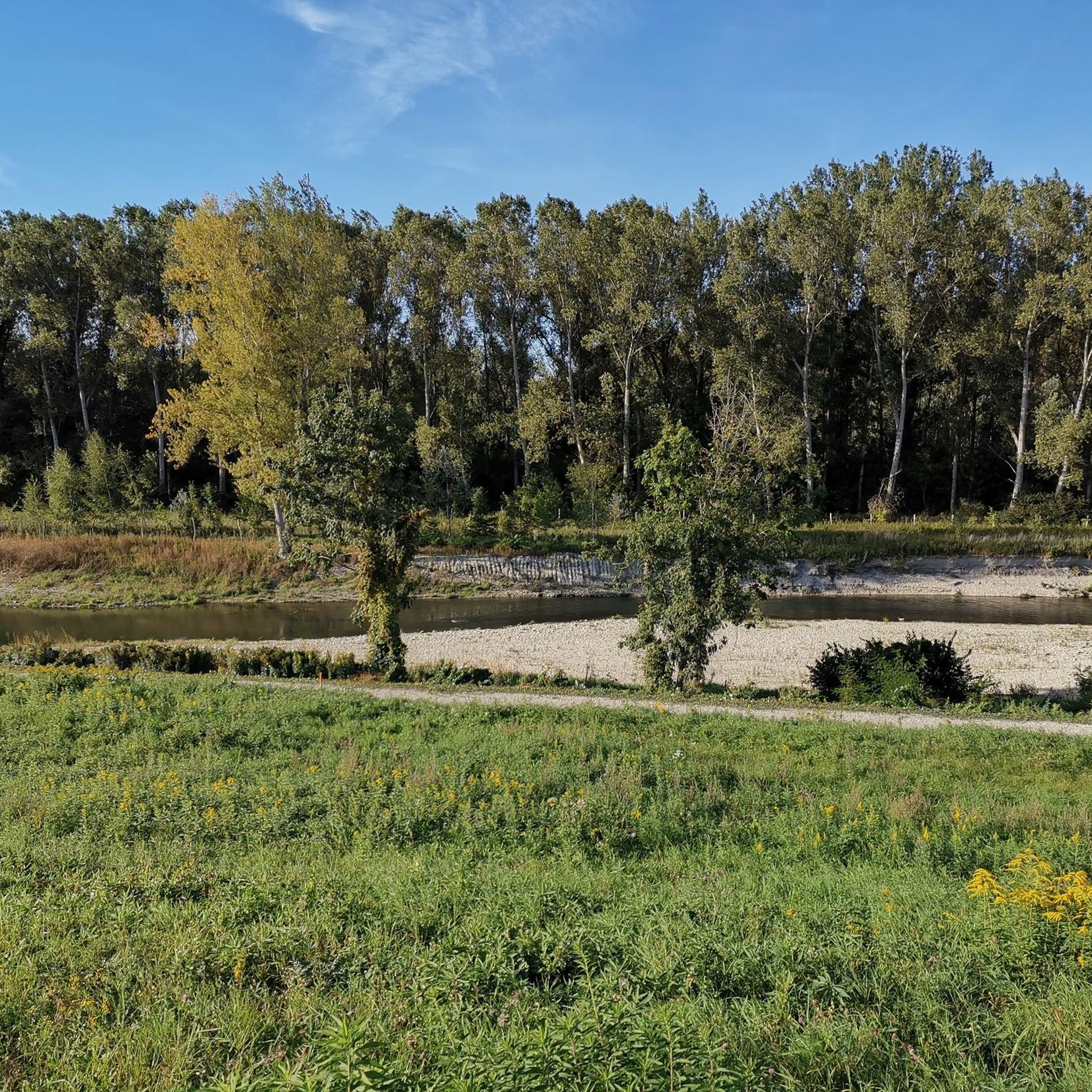
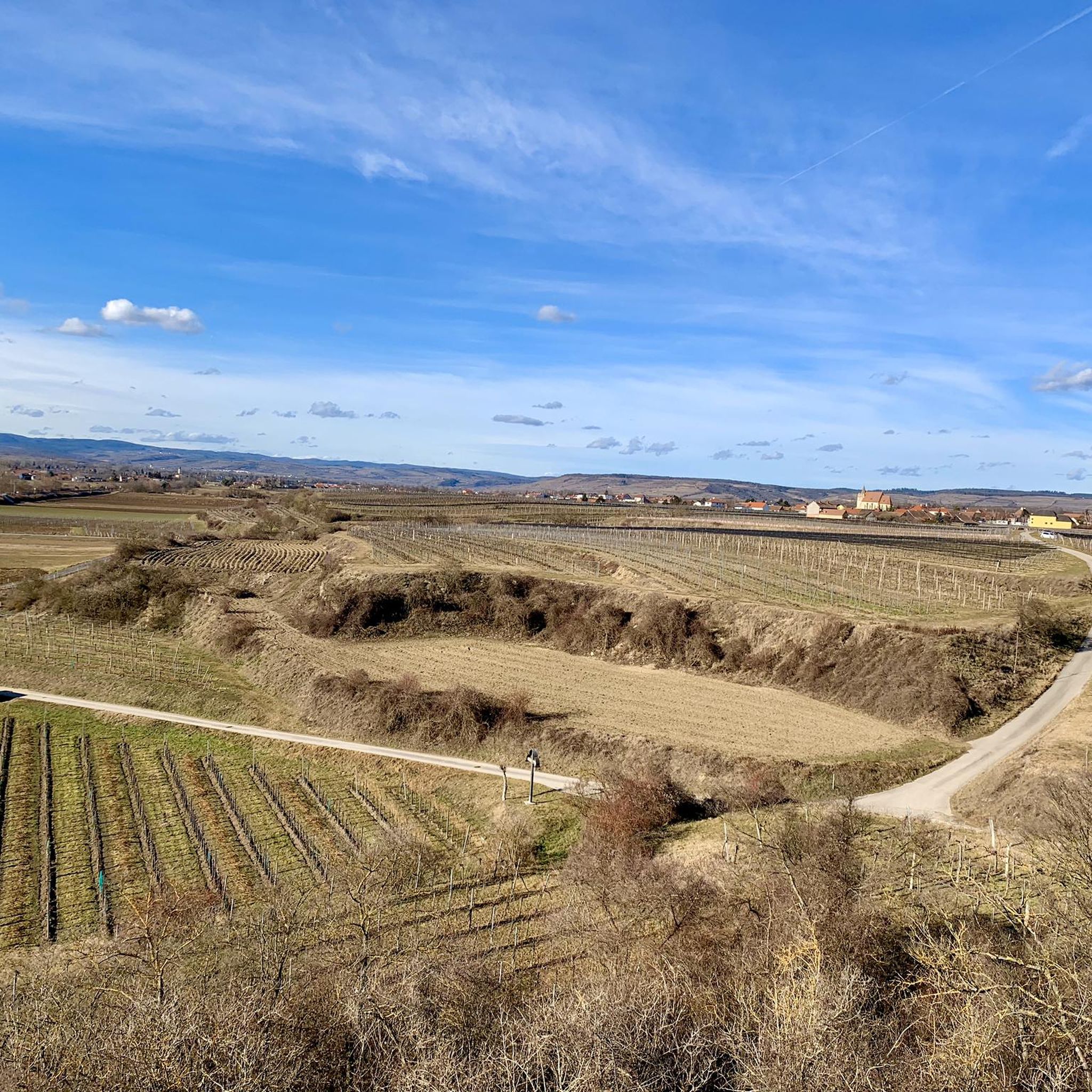
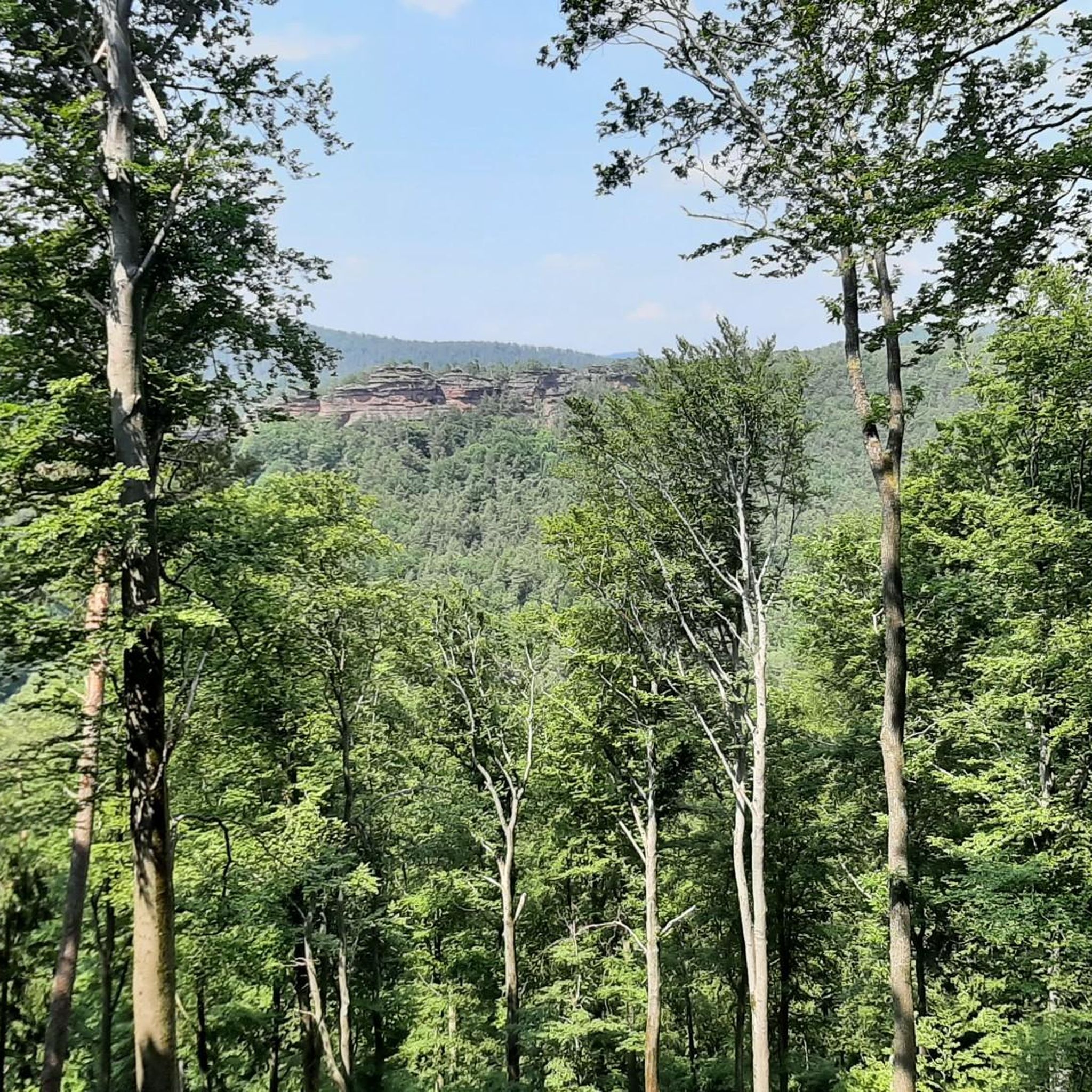
Tips from the Community

Cool loop of water, fun to watch!
2
0

a very interesting renaturation project
0
0
very well done and nice to look at
2
0

At approximately 12.5 kilometers, the Altenwörth Fish Bypass is the longest of its kind in Austria and was built between 2019 and 2022 as part of the LIFE Network Danube Plus project. It allows fish such as huchen, schied, and zingel to bypass the Altenwörth Danube power plant and provides a continuous connection to the tributaries, the Kamp and Krems. The near-naturally designed bypass stream, with shallow water zones, gravel banks, and deadwood, also creates new habitats for numerous animal and plant species. The facility is also of interest to cyclists: Along the Danube and its adjacent waterways, natural paths offer views of renaturalized landscapes, small bays, and ecologically valuable rest areas. It is a successful example of how flood protection, energy use, and biodiversity can be reconciled.
3
0
One of Austria's longest fish bypasses was created between Altenwörth and Greifenstein as part of the "LIFE Network Danube Plus" project. The approximately 12.5-kilometer-long, near-naturally designed bypass stream allows fish such as huchen, zebrafish, and schied to migrate freely along the Danube and connects important habitats in the tributaries of the Kamp and Krems. Between 2019 and 2022, approximately 34 hectares of new aquatic areas were created, featuring shallow water zones, gravel banks, and deadwood areas – also for kingfishers, otters, and other protected species. In addition to its ecological benefits, the area is now also attractive to recreational travelers: Along the waterway corridor, natural banks, small bays, and viewpoints invite visitors to linger – a successful example of the combination of nature conservation, water development, and sustainable tourism.
2
0


Very interesting and beautiful, you just don't see it every day
2
0

The Altenwörth fish bypass is an important ecological measure at the Altenwörth Danube power plant in Lower Austria. It was implemented as part of the LIFE Network Danube Plus project and, with a length of 12.5 kilometers, is recognized as the longest of its kind in Lower Austria.
3
0
Frequently Asked Questions
What unique natural features can I explore in Grafenwörth?
Grafenwörth offers a variety of natural features, including ancient trees and significant riverside forests. You can discover remarkable English oaks, some designated as natural monuments since 1979, standing as testaments to the area's natural heritage. The region is also known for its renatured river landscapes and the expansive Grafenwörther Au, a beautiful riparian forest.
Are there family-friendly natural monuments to visit near Grafenwörth?
Yes, several natural monuments are suitable for families. The Giant Sequoias of Paudorf offer an impressive experience with their towering trees. The Zellergraben gorge is another great option, with a themed trail exploring loess formations. Additionally, the Altenwörth fish pass and the Mouth of the Traisen River at the Danube are accessible and offer insights into river ecology and renaturation efforts.
Where can I find impressive trees around Grafenwörth?
Grafenwörth is home to several historic trees. You can find ancient English oaks, some of which are officially designated natural monuments, within the Grafenwörth cadastral community. For a truly unique experience, visit the Giant Sequoias of Paudorf, where North American giant sequoia trees, planted over a century ago, now stand impressively tall.
What kind of hiking trails are available near Grafenwörth's natural monuments?
The Grafenwörther Au, a significant riverside forest, features well-marked routes ideal for hiking and picnicking. For easy hikes, you can explore trails like the 'Origin of Roter Veltliner – Engabrunner Observation Tower loop' or the 'Volunteer Fire Department Gösing – Wagram Viewing Platform loop.' Find more options on the Easy hikes around Grafenwörth guide.
Are there cycling opportunities near the natural monuments?
Absolutely. The Altenwörth fish pass is known for relaxed cycling along the Danube. The Grafenwörther Au also offers routes suitable for cycling. For more structured cycling tours, explore the Road Cycling Routes around Grafenwörth or the Gravel biking around Grafenwörth guides, which include routes like the 'Altenwörth Power Plant – Grafenegg Castle loop'.
What is the Grafenwörther Au and what can I do there?
The Grafenwörther Au is a significant riverside forest, considered one of the most beautiful riparian forests in the region. Located between the Danube and Kamp rivers, it provides a stunning natural backdrop for hiking and picnicking. You'll find well-marked routes winding through its deciduous trees, offering a peaceful escape and opportunities to explore nature away from main roads.
Can I see wildlife at the natural monuments around Grafenwörth?
Yes, areas like the Zellergraben gorge, with its high loess walls, provide habitats for various animal and bird species. The LIFE+ Traisen renaturation project has also created valuable habitats for numerous animal and plant species, including endangered ones, by transforming the river into a near-natural floodplain landscape with diverse wetlands.
What is the significance of the renaturation projects in the region?
Renaturation projects, such as the LIFE+ Traisen renaturation and the efforts at the Mouth of the Traisen River at the Danube, aim to restore rivers to a more natural state. These projects transform straightened river sections into meandering courses with diverse bank structures and wetlands, creating vital habitats for wildlife and improving the overall ecological health of the river systems. They are prime examples of modern ecological restoration.
What do visitors enjoy most about the natural monuments around Grafenwörth?
Visitors frequently appreciate the impressive scale of sites like the Giant Sequoias of Paudorf and the unique loess formations of the Zellergraben. The tranquil environment of the Grafenwörther Au is also highly valued for peaceful outdoor recreation. Many enjoy the opportunity to cycle along the Danube near the Altenwörth fish pass and witness the successful ecological restoration efforts at the Mouth of the Traisen River.
Are there any gorges or ravines to explore in the area?
Yes, the Zellergraben is a notable loess gorge near Grafenwörth. It's considered the most beautiful ravine in the municipality of Furth, featuring walls up to twelve meters high along its roughly one-kilometer length. It's an impressive natural formation and part of the Wachau World Heritage Trail.
What is the best time of year to visit the natural monuments in Grafenwörth?
The natural monuments around Grafenwörth, especially the riverside forests like the Grafenwörther Au, are beautiful throughout the warmer months from spring to autumn, offering lush greenery and pleasant temperatures for hiking and cycling. Spring brings blooming flora, while autumn showcases vibrant fall colors. Even in winter, some trails can be enjoyed, though conditions may vary.
Most popular routes around Grafenwörth
Most popular attractions around Grafenwörth

Get inspired with the komoot mobile app


Explore more
Extend your search for the best caves by checking out these guides of the top ones around Grafenwörth:
