Top 20 Natural Monuments around Niederleis
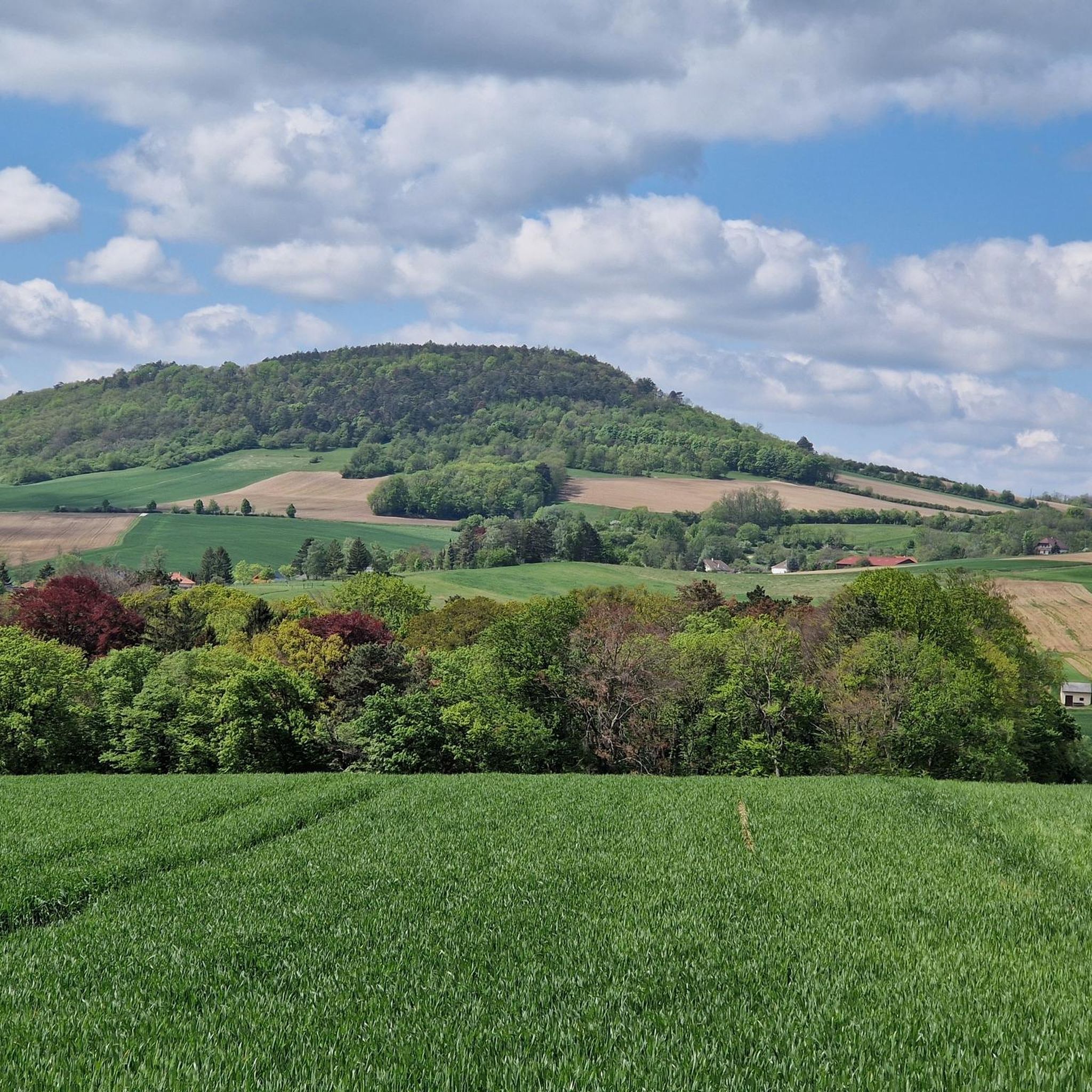
Natural monuments around Niederleis are predominantly located within the Naturpark Leiser Berge, a region characterized by diverse landscapes including extensive fields, forests, and steppe-like dry grasslands. This area, the only nature park in the Weinviertel, features prominent elevations such as the Buschberg and Oberleiser Berg. These natural landmarks offer insights into the region's unique geology and historical settlement patterns. The terrain provides varied opportunities for exploring its natural features and biodiversity.
Best natural monuments around Niederleis
- The most popular natural…
Last updated: July 7, 2026
Buschberg Summit Cross
Highlight • Summit
The Buschberghütte, Austria's lowest mountain shelter, is nearby.
Translated by Google •
Tip by

Marienbründl Spring on Heiligen Berg (Hautzendorf)
Highlight • Natural Monument
Translated by Google •
Tip by

Sign up now to discover places like this
Get recommendations on the best single tracks, peaks, & plenty of other exciting outdoor places.
Sign up for free
St. Francis of Assisi Chapel on Buschberg
Highlight • Religious Site
Translated by Google •
Tip by

Mistelquelle (Source of the Mistelbach)
Highlight • Natural Monument
Translated by Google •
Tip by

Buschberg Radar Dome (Goldhaube)
Highlight • Monument
Translated by Google •
Tip by

Sign up for free to discover even more natural monuments around Niederleis.
Sign up for free
Already have an account?
Start today with a free account
Your next adventure awaits.
Login or Signup
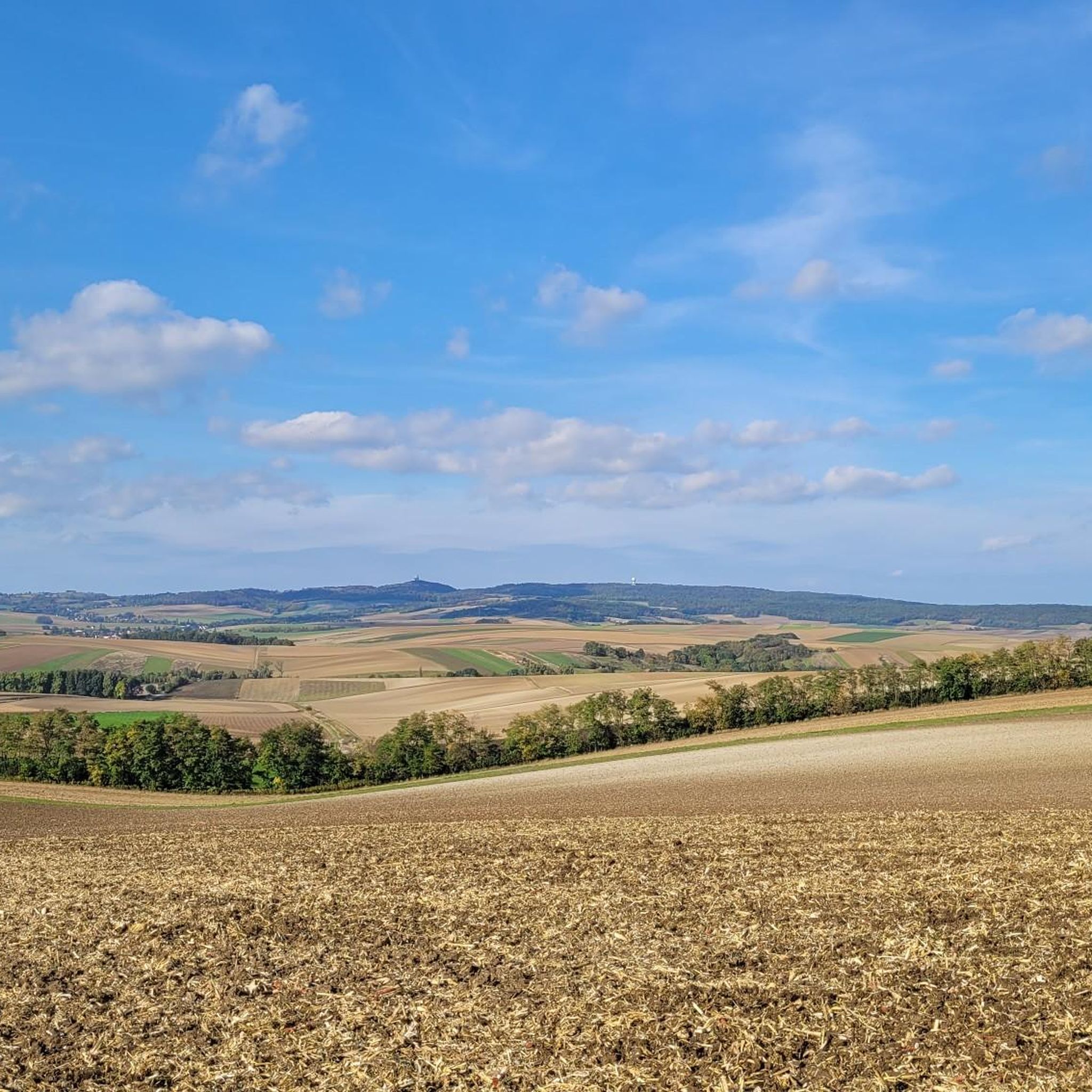
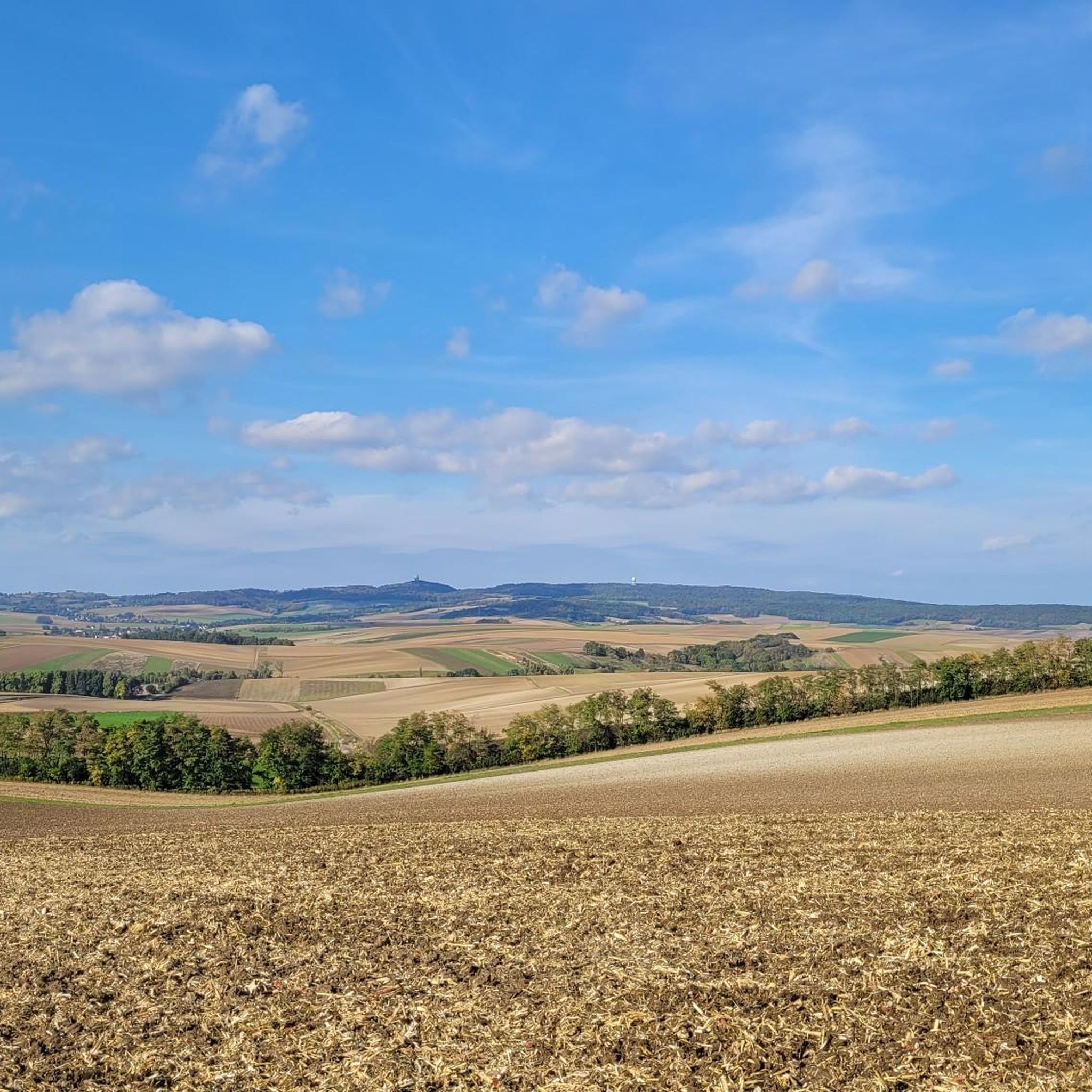
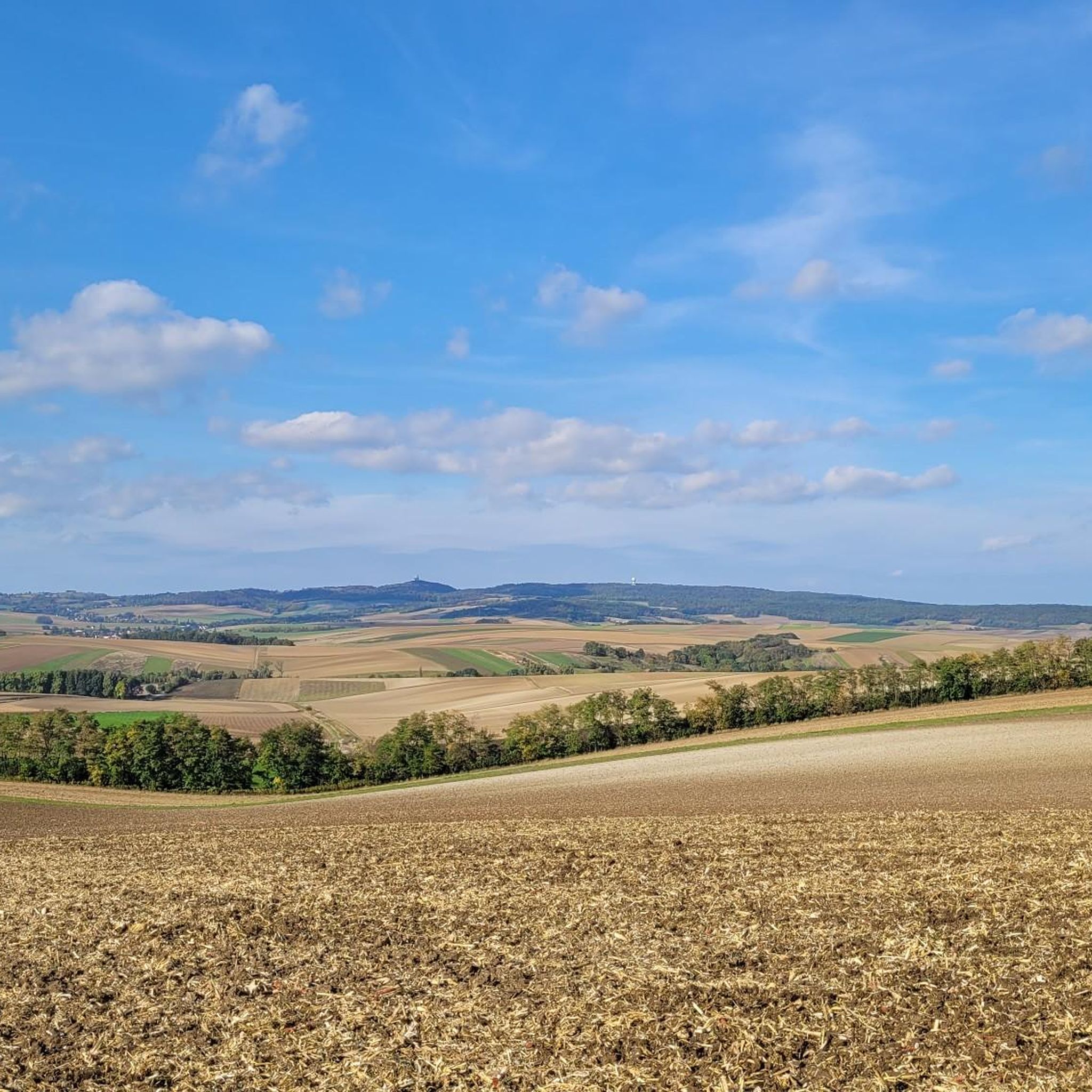
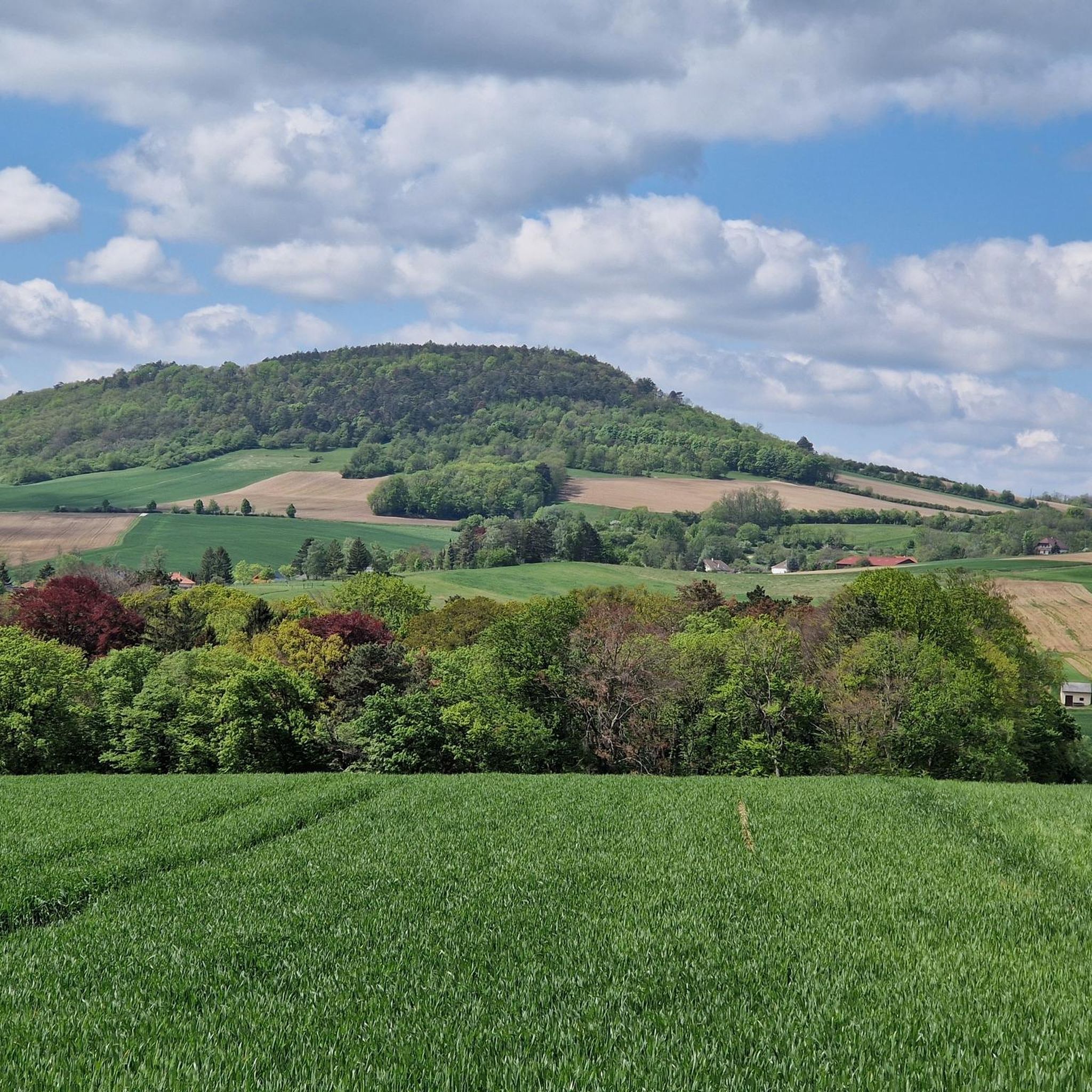
Tips from the Community

First of all, we would like to thank you for your extremely interesting comments and now share our opinion. As a nature- and culture-friendly community, we have come to the conclusion that the term "desertification" is, in our opinion, a mere exaggeration and that you, dear Mr. Laurenz, have merely used it as a vague umbrella term for the precious, fertile agricultural soil of the Weinviertel. Consider this fountain in this little corner of Eden, but as a timeless testament to the important agricultural advances that have taken place in northern Lower Austria in recent decades. Technical advances in these sectors have revolutionized agriculture and forestry and made life in the countryside easier. Let us leave these primitive times behind us, and with them this spring, which serves as a monument to the past, and look forward with joy to a future full of luxury and abundance.
0
0

A special architectural feature is the 12-sided pyramidal roof. In the tower hangs a bell weighing approximately 35 kg, cast at the Grassmayr bell foundry in Innsbruck and bearing an image of St. Francis.
1
0
The chapel is named after Saint Francis of Assisi, the patron saint of animals, nature, and the environment – fittingly for its location in the nature park. The chapel is located directly on the Weinviertel Way of St. James and serves as a spiritual place of tranquility for pilgrims, hikers, and nature lovers. Today, the chapel is a popular tourist destination and hosts events such as the annual animal blessing ceremony around World Animal Day.
1
0
The chapel was planned and built by the Buschberg local group of the Lower Austrian Mountain and Nature Watch, together with numerous volunteers. The groundbreaking ceremony took place in February 2022, and it was officially inaugurated in the summer of the same year.
1
0
The St. Francis of Assisi Chapel on the Buschberg in the Weinviertel region of Lower Austria was built in 2022. It is located in the Leiser Berge Nature Park near the radar station on the Buschberg, which, at 491 m, is the highest elevation in the region.
1
0

Completely open chapel
0
0

Built by mountain rescue volunteers, WOW
0
0

To find the Bründl you have to look over the inconspicuous wall.
1
0
Frequently Asked Questions
What natural features can I expect to see in the Niederleis area?
The natural monuments around Niederleis are primarily located within the Naturpark Leiser Berge, offering diverse landscapes. You'll find extensive fields, mixed oak forests, and steppe-like dry grasslands. Prominent features include elevated viewpoints like the Buschberg Summit Cross, which is the highest point in the Leiser Berge, and historical water sources such as the Marienbründl Spring.
What are the best viewpoints among the natural monuments in Niederleis?
For breathtaking panoramic views, the Buschberg Summit Cross offers extensive vistas of the surrounding hilly landscape. Another excellent spot is the Oberleiser Berg, which features an observation tower providing wide-ranging views across the Weinviertel hills, and on clear days, even to the Carpathian Mountains and Rax.
Are there any natural monuments with historical significance in Niederleis?
Yes, the Oberleiser Berg is a site of significant historical and archaeological importance, with a 6,000-year settlement history. An open-air museum and bee trail around its observation tower showcase the region's ancient past, including prehistoric, Celtic, Roman, and Germanic settlements. The Marienbründl Spring also holds historical and spiritual significance, with a small chapel and traditions of healing water.
What kind of hiking trails are available near the natural monuments?
The Naturpark Leiser Berge offers numerous well-marked hiking trails suitable for various skill levels. You can find easy walking trails, such as those around the Buschberg, like the "Buschberg Summit Cross – Buschberg Hut loop from Niederleis" (6.48 km). For more options, explore the easy hikes around Niederleis guide.
Are there options for cycling near the natural monuments?
Yes, the region around Niederleis provides opportunities for both gravel biking and road cycling. You can find routes that take you through the scenic landscapes of the Weinviertel. For example, there are gravel biking routes like the "Leiser Hill Tour Forest Trail – Great route up Buschberg loop" and road cycling routes such as "Towards Buschberg – Wilfersdorf Castle loop." More details can be found in the Gravel biking around Niederleis and Road Cycling Routes around Niederleis guides.
Are the natural monuments around Niederleis suitable for families?
Many areas within the Naturpark Leiser Berge are ideal for family excursions, offering well-marked trails and diverse natural experiences. The Marienbründl Spring and the Mistelquelle are noted as family-friendly highlights. The Buschberghütte near the Buschberg Summit Cross even has a playground, making it a good stop for families.
When is the best time of year to visit the natural monuments in Niederleis?
The natural monuments in Niederleis, particularly the Buschberg, are recommended at any time of the year. The changing colors of the landscape throughout the seasons offer a scenic experience. Spring and autumn are particularly pleasant for hiking, while the diverse flora, including protected plant species, is best observed during warmer months.
Where can I park when visiting the natural monuments?
While specific parking locations are not detailed for every monument, the Naturpark Leiser Berge generally provides access points and parking for visitors. For popular spots like the Buschberg and Oberleiser Berg, you can typically find designated parking areas near trailheads or key attractions. It's advisable to check local signage upon arrival.
How can I reach the natural monuments using public transport?
Access to the Naturpark Leiser Berge and its natural monuments by public transport may require some planning. While the region is well-connected by road, public transport options might be limited to specific bus routes or train stations in nearby towns, often requiring a final leg by foot or local taxi. For detailed public transport information, it's best to consult regional transport providers or the official Naturpark Leiser Berge website.
What do visitors particularly enjoy about the natural monuments in Niederleis?
Visitors frequently highlight the extensive panoramic views from elevated points like the Buschberg Summit Cross and the Oberleiser Berg observation tower. The unique dry grasslands and diverse flora, including rare orchids, are also much appreciated. The historical and spiritual significance of sites like the Marienbründl Spring and the ancient settlement history of Oberleiser Berg also draw considerable interest.
Are there places to eat or rest near the natural monuments?
Yes, near the Buschberg Summit Cross, you'll find the Buschberghütte, which is noted as the lowest-lying Alpine Club hut. It provides a cozy resting place amidst shady pines, offering refreshments and a place to relax after a hike.
Are there any unique geological formations to explore?
The Naturpark Leiser Berge is characterized by its varied terrain, including extensive fields, forests, and steppe-like dry grasslands. While not explicitly geological formations in the traditional sense, these diverse landscapes, shaped over millennia, offer unique ecological and topographical features. The prominent elevations of Buschberg and Oberleiser Berg themselves are significant natural landmarks within this varied terrain.
Most popular routes around Niederleis
Most popular attractions around Niederleis

Get inspired with the komoot mobile app


Explore more
Extend your search for the best caves by checking out these guides of the top ones around Niederleis:
