Top 20 Natural Monuments around Poysdorf
Best natural monuments around Poysdorf include a landscape characterized by rolling vineyards and unique cellar lanes. This region in Austria offers a blend of natural beauty and historical winemaking tradition. The area features distinctive geological formations and cultural heritage sites, providing opportunities for exploration. Visitors can discover various natural attractions, from historical ruins atop limestone cliffs to unique cellar lane formations.
Best natural monuments around Poysdorf
- The most popular natural monuments is Ruins of Staatz Castle, a castle that…
Last updated: July 7, 2026
Baumkreis Cellar Kettlasbrunn
Highlight • Natural
The tree circle provides interesting information about the individual tree species and is intended to promote the intimate relationship between humans and trees and nature.
Translated by Google •
Tip by

Mistelquelle (Source of the Mistelbach)
Highlight • Natural Monument
Translated by Google •
Tip by

Sign up now to discover places like this
Get recommendations on the best single tracks, peaks, & plenty of other exciting outdoor places.
Sign up for free
Picture Pine Kettlasbrunn
Highlight • Natural Monument
Translated by Google •
Tip by
Lourdes Grotto Falkenstein
Highlight • Religious Site
Translated by Google •
Tip by
Calvary Hill
Highlight • Religious Site
An extraordinary sight of the market town of Staatz is the Calvary, the "Holy Mountain" in the town of Enzersdorf, located in the west on the federal highway 46. …
Translated by Google •
Tip by

Sign up for free to discover even more natural monuments around Poysdorf.
Sign up for free
Already have an account?
Start today with a free account
Your next adventure awaits.
Login or Signup
Popular around Poysdorf
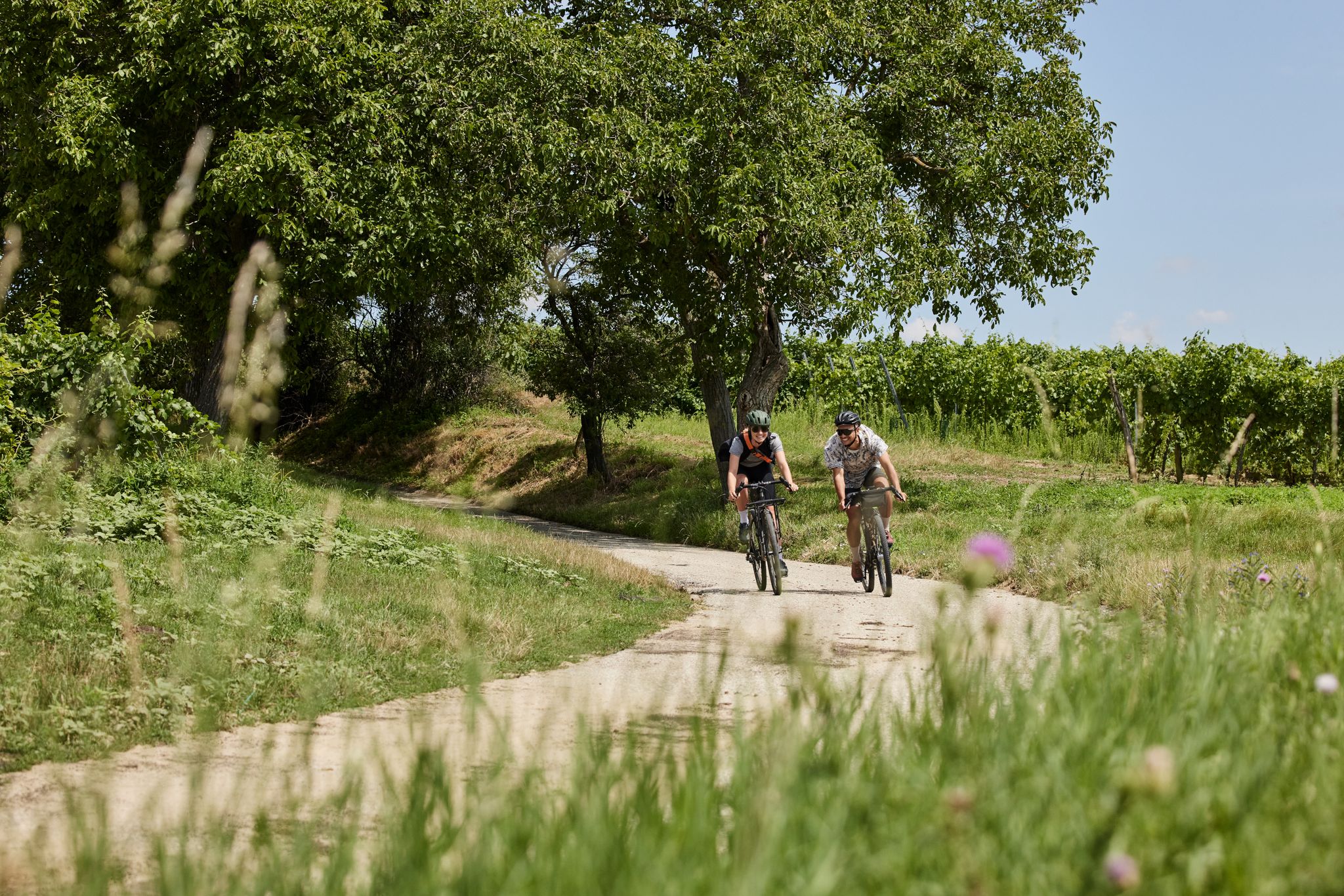
Cycling between the vines – wine routes in the Weinviertel
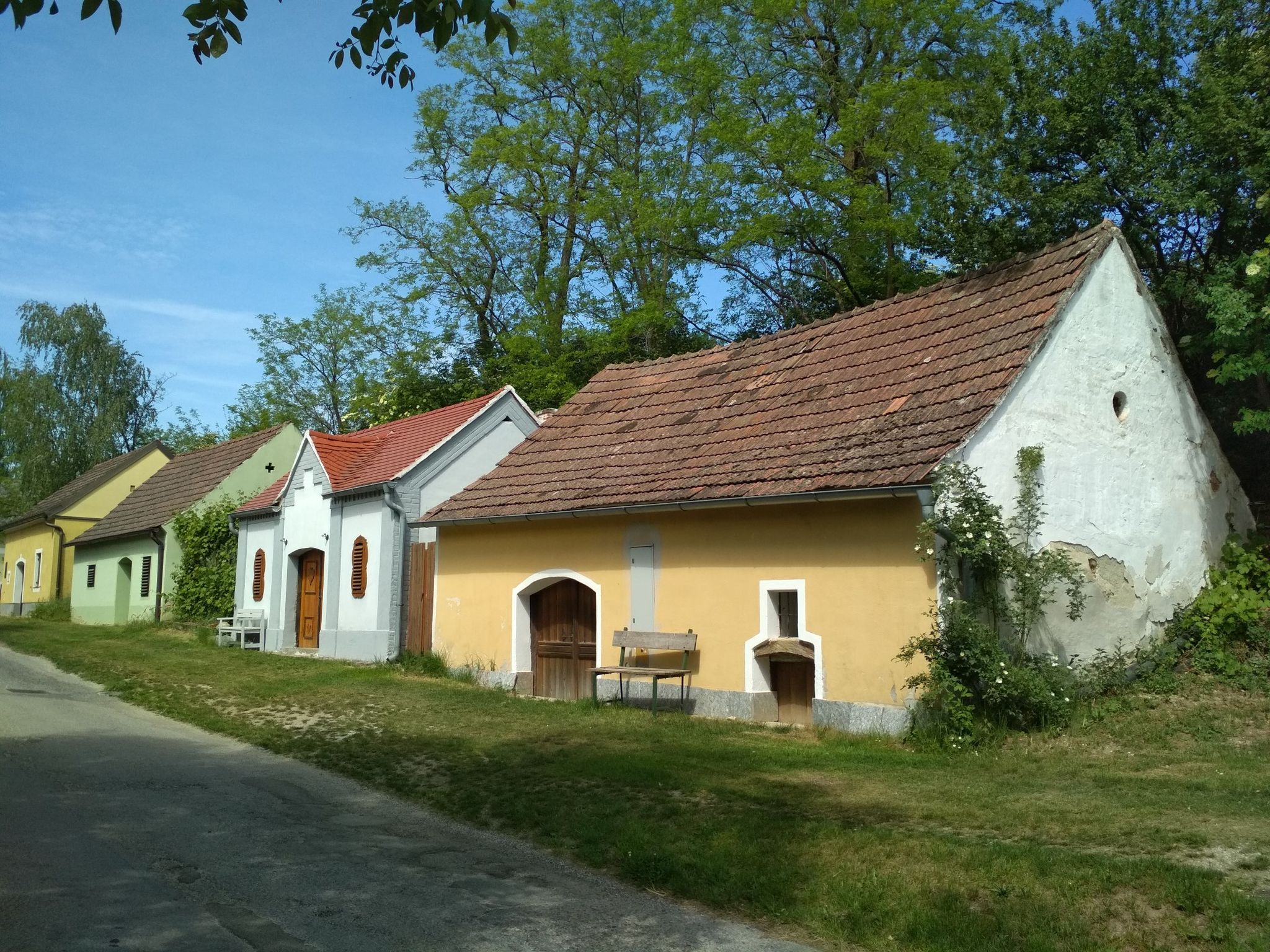
The most beautiful wine cellar lanes along the Jakobsweg Weinviertel
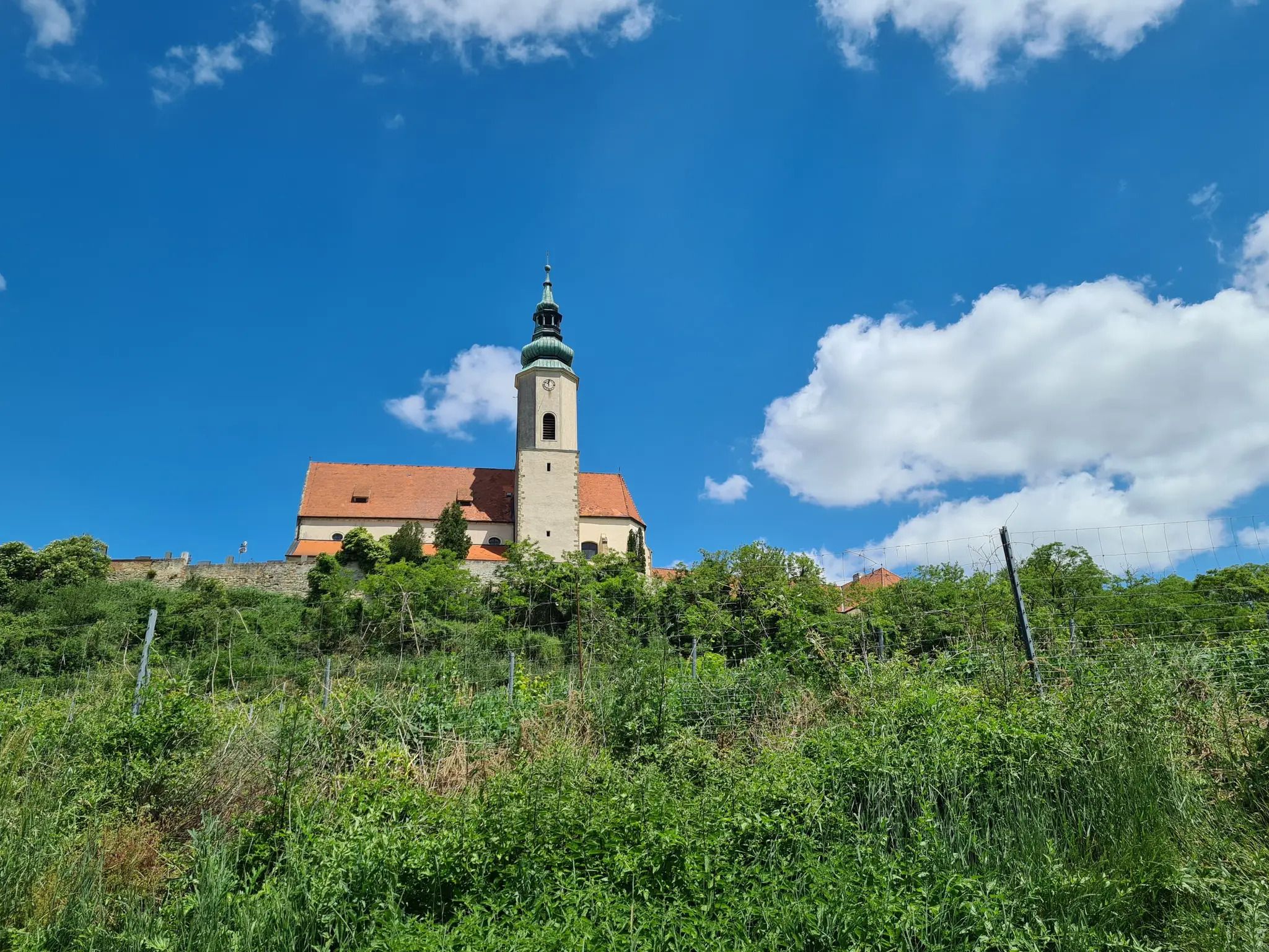
Jakobsweg Weinviertel

Die besten Orte der Inspiration
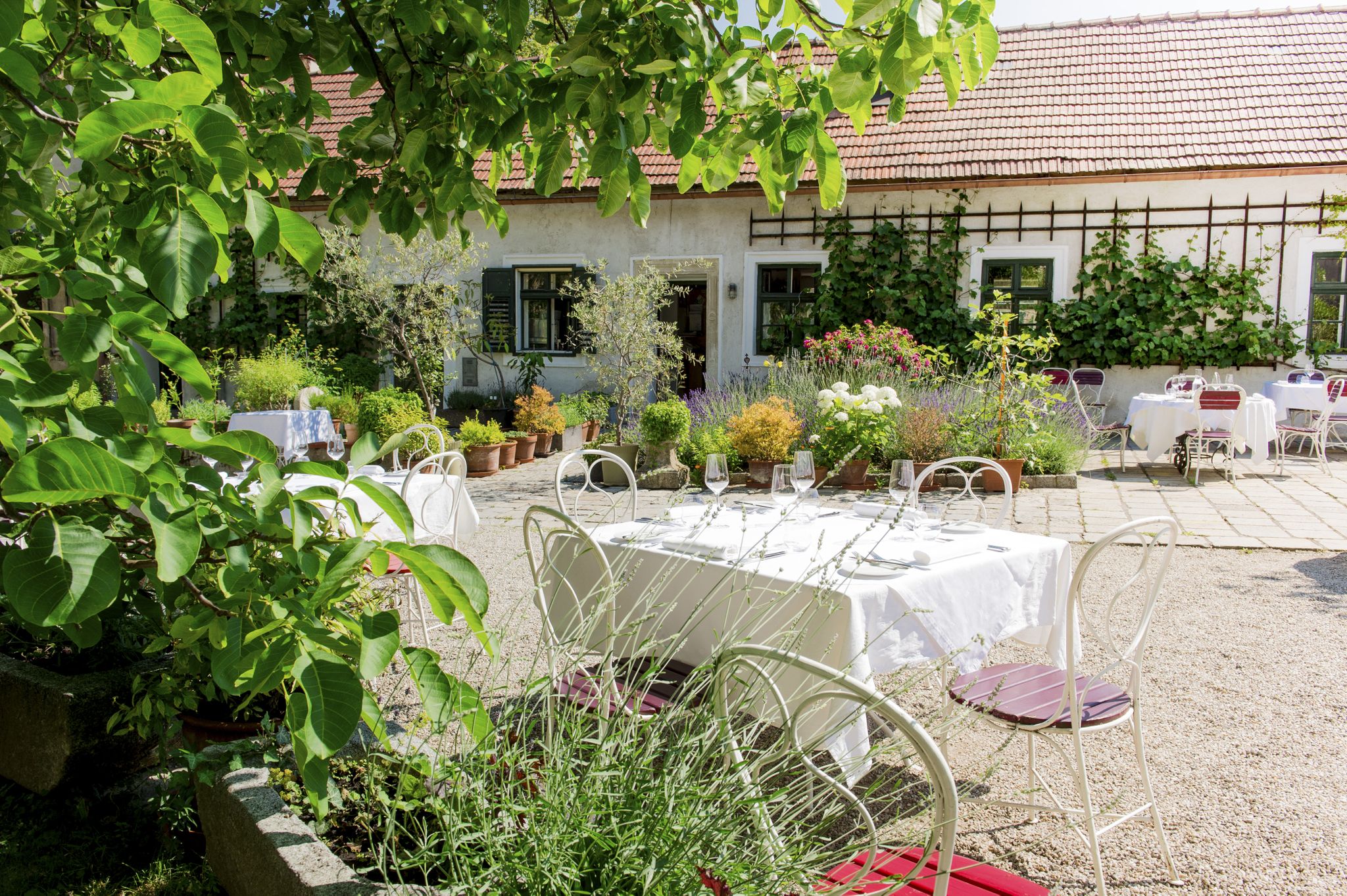
Die besten Orte für Genießer

Cycling around Poysdorf
Hiking around Poysdorf

MTB Trails around Poysdorf

Road Cycling Routes around Poysdorf
Running Trails around Poysdorf
Other adventures around Poysdorf

Tips from the Community

First of all, we would like to thank you for your extremely interesting comments and now share our opinion. As a nature- and culture-friendly community, we have come to the conclusion that the term "desertification" is, in our opinion, a mere exaggeration and that you, dear Mr. Laurenz, have merely used it as a vague umbrella term for the precious, fertile agricultural soil of the Weinviertel. Consider this fountain in this little corner of Eden, but as a timeless testament to the important agricultural advances that have taken place in northern Lower Austria in recent decades. Technical advances in these sectors have revolutionized agriculture and forestry and made life in the countryside easier. Let us leave these primitive times behind us, and with them this spring, which serves as a monument to the past, and look forward with joy to a future full of luxury and abundance.
0
0

The Mariengrotte is a 15-meter-high half-cave beneath the Falkenstein castle ruins, which was designed as a Lourdes grotto in 1889. The larger-than-life statues - of the Mother of God and St. Bernadette - are the work of Theodor Haf from Pfronten, a sculptor in Munich.
1
0


The tree circle Veltlinerland in Kettlasbrunn consists of 21 trees and invites you to linger. There is also a self-service wine cellar. Here you can get snacks and drinks.
0
0

http://www.staatz.at/Kalvarienberg_Heiliger_Berg_ An extraordinary sight of the market town of Staatz is the Calvary, the "Holy Mountain" in the town of Enzersdorf, located in the west on the federal highway 46. A Calvary was erected in 1743 on the probable local mountain from the 11th century. The "Holy Mountain" is a mound of earth of unknown origin. Two assumptions: The first assumption says that the mound is a burial mound from the Hallstatt period around 750 BC. The second: it is a local mountain from the 11th century. Both possibilities have already been documented with finds, but not proven with certainty.
2
0

Today, intensive use tends to squeeze the water into narrow, deepened channels already in the spring area – like the mistletoe creek bed. Some Frättingsdorfer still remember the cup that was attached to a string at the spring to invite people to drink. In the meantime, no water is visible in the Mistelbach at the place of the Mistelstein. At around 3 m below the surface, the source area is deeper than in previous years. The small stream begins a little below. Drainage and stream regulation lowered the water level in the ground. A dry microclimate was promoted by rapid water drainage in the regulated stream and the lack of water reservoirs such as meadows. Intensive farming above the mistletoe source without permanent ground cover caused the soil to shift and thus be deposited in the source area.
0
0

The tree circle conveys interesting facts about the individual tree species and is intended to promote the intimate relationship between people and trees and nature.
0
0
The Mistel has a catchment area of 41.4 km² and is fed by several feeders.
0
0
Frequently Asked Questions
What unique natural features can I explore around Poysdorf?
Poysdorf is renowned for its picturesque wine landscape and distinctive cellar lanes, known as Kellergassen. These are not just paths but historical formations where wine cellars and press houses were built directly into loess layers, offering a unique blend of natural beauty and cultural heritage. You can also find geological formations like the limestone cliff at Ruins of Staatz Castle.
Are there any family-friendly natural monuments in the Poysdorf area?
Yes, Baumkreis Cellar Kettlasbrunn is a family-friendly natural monument. It's a pleasant place to wander and rest, offering interesting information about various tree species and promoting the relationship between humans and nature. The site also features a show wine garden and a self-service room with drinks and snacks.
What historical natural monuments can I visit near Poysdorf?
The Ruins of Staatz Castle and Staatz Castle Ruins and Staatzer Berg are prominent historical natural monuments. These sites feature castle ruins perched on an approximately 100-meter-high rock cone, offering insights into the region's history and geology. The Staatzer Berg is part of the Waschberg zone, known for its mighty limestone cliffs.
What kind of views can I expect from the natural monuments?
Many natural monuments around Poysdorf offer excellent panoramic views. For instance, the Ruins of Staatz Castle, situated on a 100-meter-high limestone cliff, provides magnificent vistas, even extending to the Czech Republic on clear days. The unique cellar lanes also offer picturesque views of the surrounding wine landscape.
What outdoor activities can I do near these natural monuments?
The hilly vineyards and natural areas around Poysdorf are ideal for various outdoor activities. You can enjoy walking, hiking, and cycling on signposted wine panorama trails. For specific routes, consider exploring the easy hikes around Poysdorf, or if you prefer cycling, check out the gravel biking or MTB trails around Poysdorf.
Are there hiking trails near the natural monuments in Poysdorf?
Yes, there are several hiking opportunities. You can find easy hikes that take you through the vineyards and past unique cellar lanes, such as the Radyweg Cellar Lane. For more options, explore the easy hikes around Poysdorf, which include routes like the 'Vineyards near Poysdorf – Radyweg Cellar Lane loop'.
What is the Radyweg Cellar Lane and why is it significant?
The Radyweg Cellar Lane is highlighted as the longest cellar lane in Poysdorf, considered a 'jewel in the landscape' and a classic hollow path cellar alley. It features approximately 90 cellars built into loess layers and is overgrown by acacia trees, offering a tranquil escape where 'time seems to stand still'. Guided tours are often available to explore these unique formations.
What do visitors enjoy most about the natural monuments in Poysdorf?
Visitors appreciate the unique blend of natural beauty and cultural heritage, particularly the distinctive Kellergassen. The tranquility of places like the Radyweg Cellar Lane is often highlighted. The panoramic views from sites like the Ruins of Staatz Castle are also a major draw, offering a chance to see the broader landscape.
Can I find facilities or refreshments near the natural monuments?
Yes, some natural monuments offer facilities. For example, Baumkreis Cellar Kettlasbrunn has a self-service room open from 8:00 a.m. to 10:00 p.m., providing alcoholic and non-alcoholic drinks, as well as snacks like bread and spreads. There are also seating areas and a toilet nearby.
Are there any natural monuments related to water sources in the region?
Yes, the Mistelquelle (Source of the Mistelbach) marks the place where the Mistelbach stream rises. While the seepage spring is several meters underground and doesn't gush water at the surface, a stone marks its location. A public pump well is available a few hundred meters along the creek in the village for refreshment.
What is the 'Picture Pine Kettlasbrunn' and its story?
The Picture Pine Kettlasbrunn is a site with a rich local legend. It was once an ancient, mighty pine adorned with an old painted wooden panel. According to folklore, it was an assembly point for witches. Although the original pine fell victim to a storm, seeds were taken, and a new pine is growing at the old location, with the roots and trunk preserved as a reminder.
What is the geological significance of the Staatzer Berg?
The Staatzer Berg, home to the Staatz Castle Ruins, belongs to the Waschberg zone. This zone divides the Weinviertel region and is characterized by mighty limestone cliffs, forming a unique geological unit found only here, in Falkenstein, and adjacent South Moravia. The cliff rises about 100 meters above the surrounding landscape.
Most popular routes around Poysdorf
Most popular attractions around Poysdorf

Get inspired with the komoot mobile app


Explore more
Extend your search for the best caves by checking out these guides of the top ones around Poysdorf:
