Top 18 Natural Monuments around Kirchberg am Wagram
Best natural monuments around Kirchberg am Wagram are found within a landscape characterized by the Wagram mountain range, a distinctive loess step between the Tullnerfeld and the Danube Valley. This region is known for its viticulture and diverse natural features, including fertile soils and deep, dry valleys. The nearby Auland preserves natural wetland characteristics, featuring extensive riparian forests. These areas offer opportunities to explore varied natural environments.
Best natural monuments around Kirchberg am Wagram
- The most popular natural monuments is…
Last updated: July 7, 2026
Altenwörth fish pass
Highlight • Structure
Translated by Google •
Tip by

Mouth of the Traisen River at the Danube
Highlight • River
Translated by Google •
Tip by

Sign up now to discover places like this
Get recommendations on the best single tracks, peaks, & plenty of other exciting outdoor places.
Sign up for free
LIFE+ Traisen renaturation
Highlight • River
Translated by Google •
Tip by

Traismauer ecological showcase area
Highlight • Natural Monument
Translated by Google •
Tip by

Ecological Corridor Altenwörth–Greifenstein
Highlight • Structure
Translated by Google •
Tip by

Sign up for free to discover even more natural monuments around Kirchberg am Wagram.
Sign up for free
Already have an account?
Start today with a free account
Your next adventure awaits.
Login or Signup
Popular around Kirchberg am Wagram
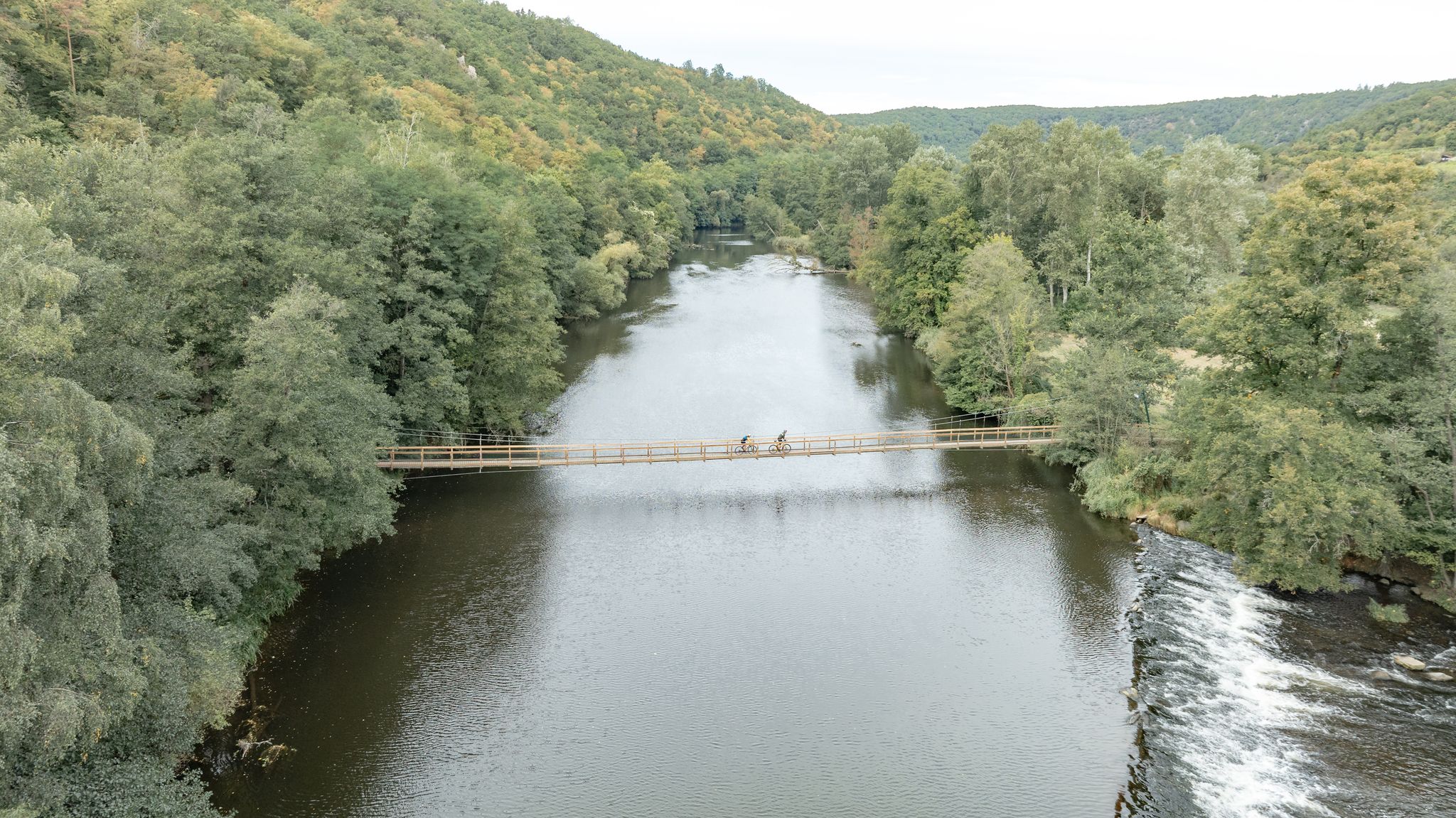
Long and short cycling Tours in the Waldviertel
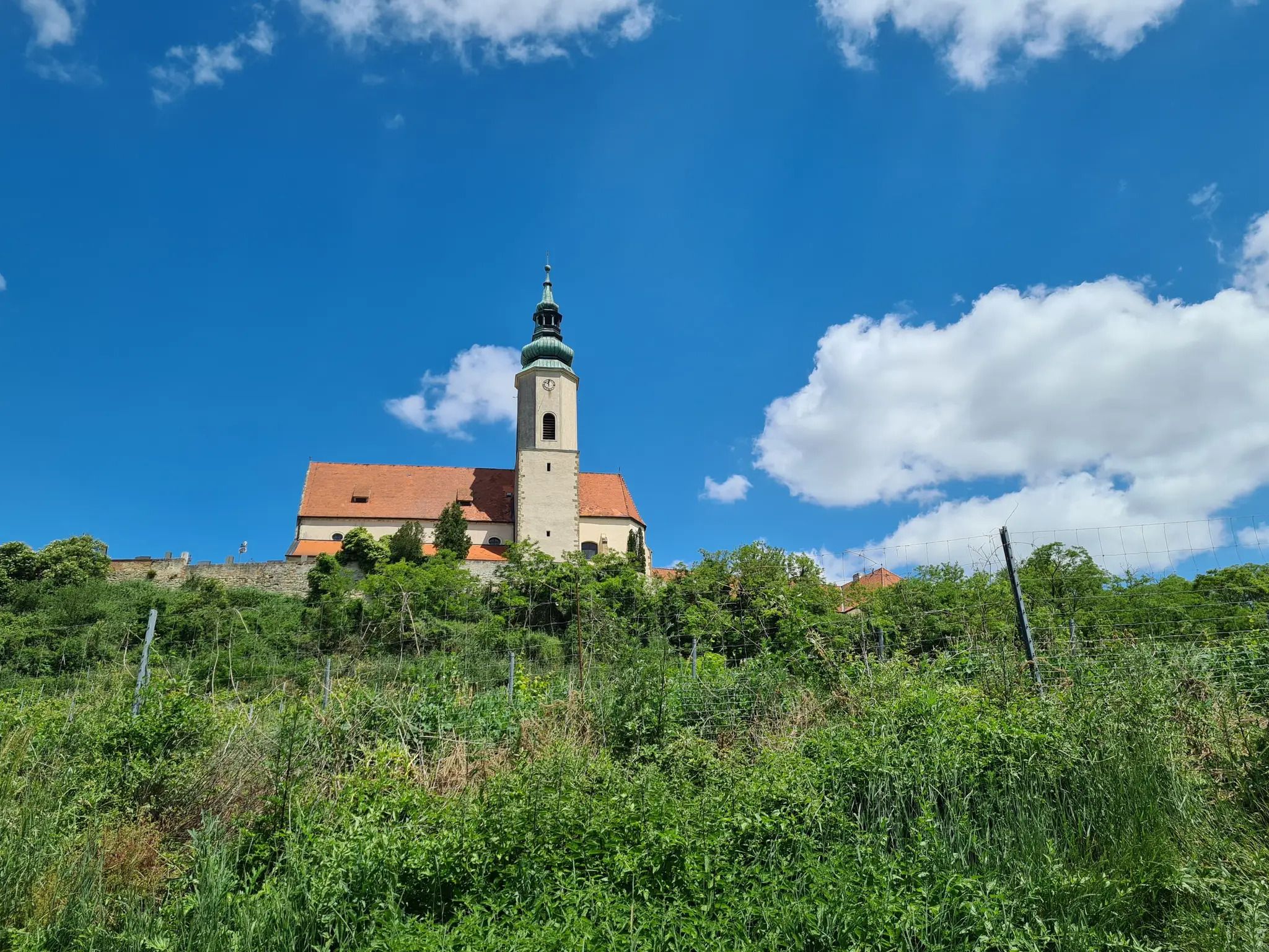
Jakobsweg Weinviertel
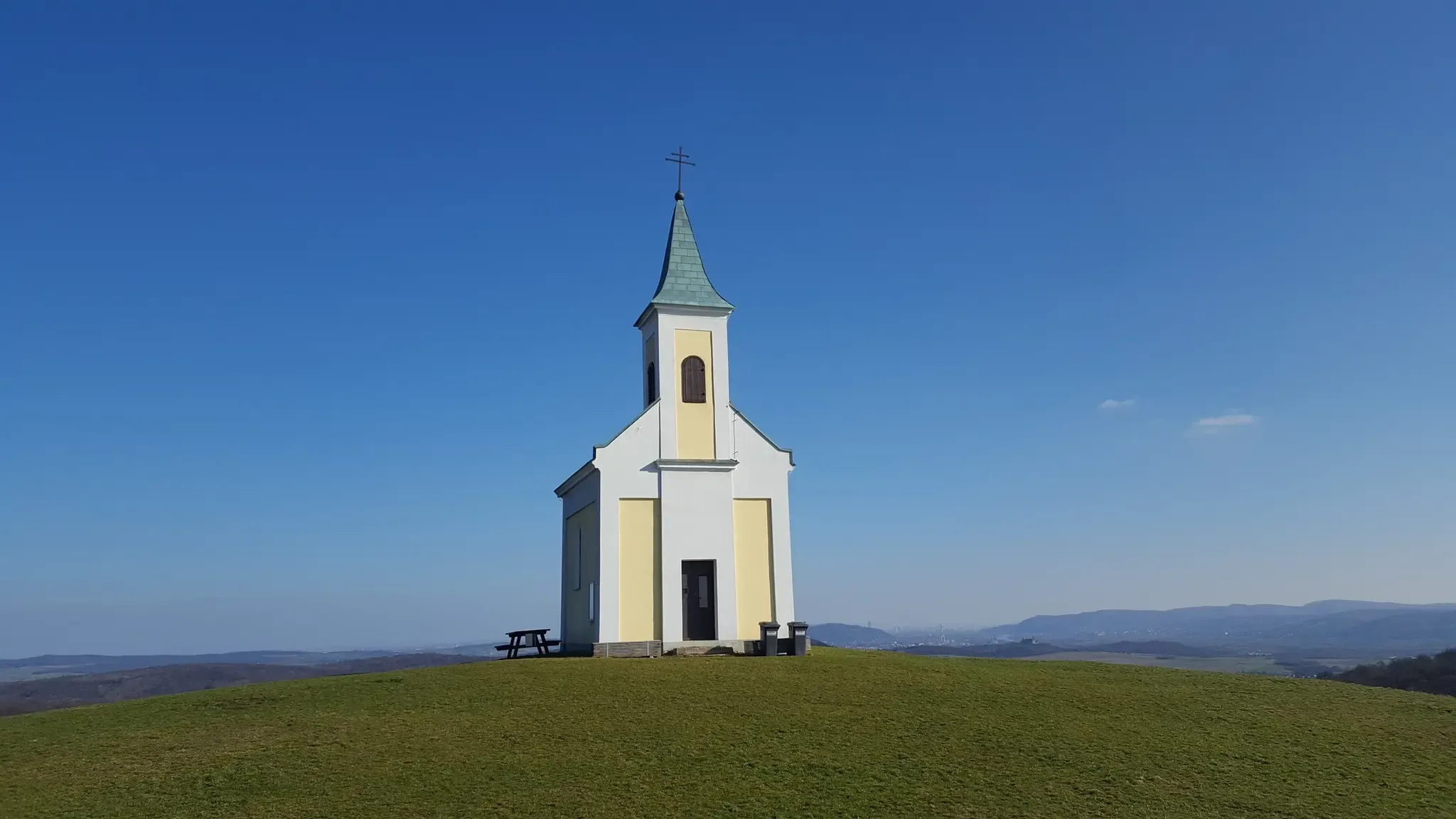
Die besten Orte der Stille
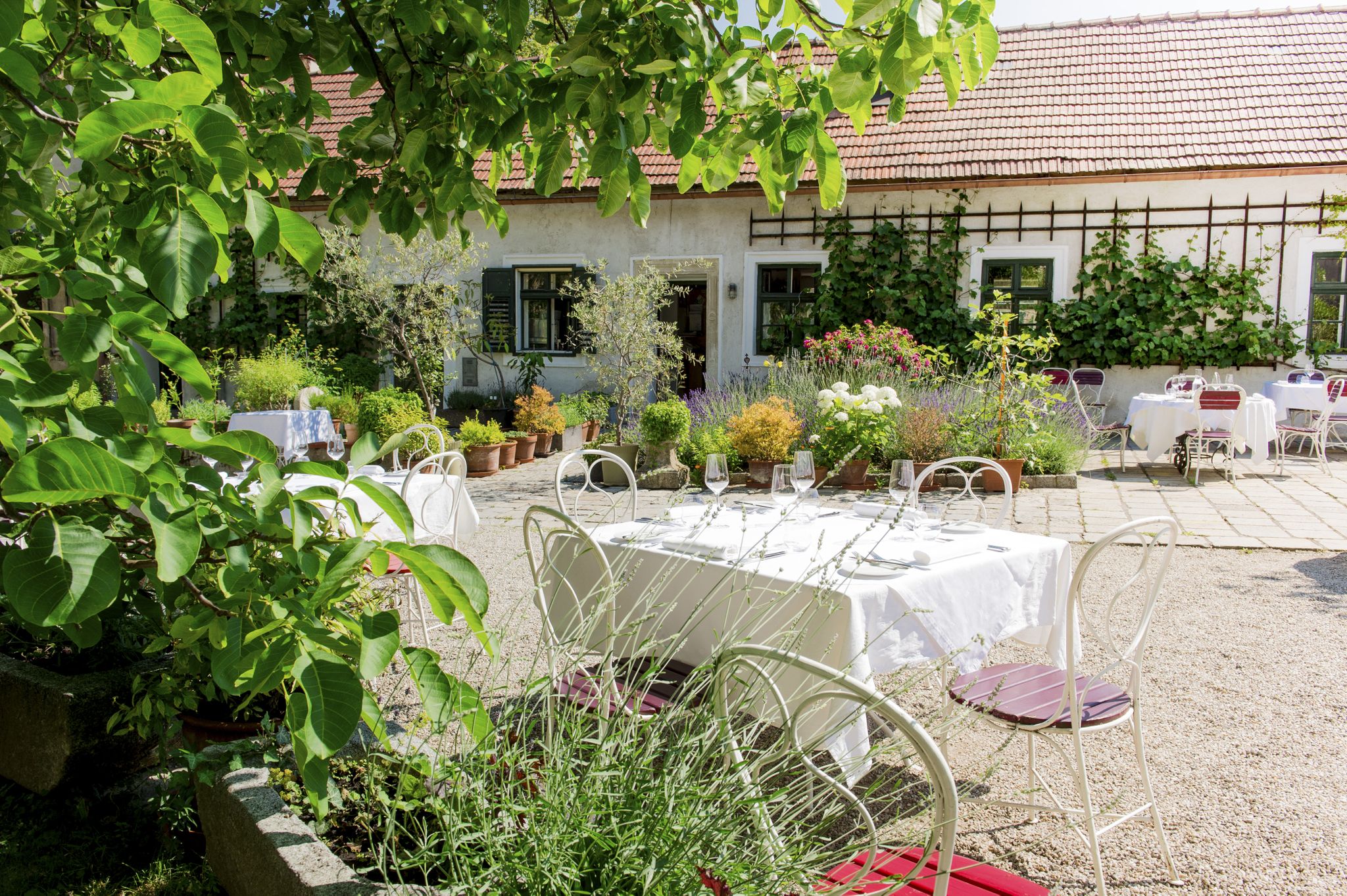
Die besten Orte für Genießer
Cycling around Kirchberg am Wagram
Road Cycling Routes around Kirchberg am Wagram
Hiking around Kirchberg am Wagram
MTB Trails around Kirchberg am Wagram
Running Trails around Kirchberg am Wagram
Gravel biking around Kirchberg am Wagram


Tips from the Community

a very interesting renaturation project
0
0
The Traisen renaturation was a very interesting project
0
0
nicely made fish ladder
0
0
very well done and nice to look at
0
0

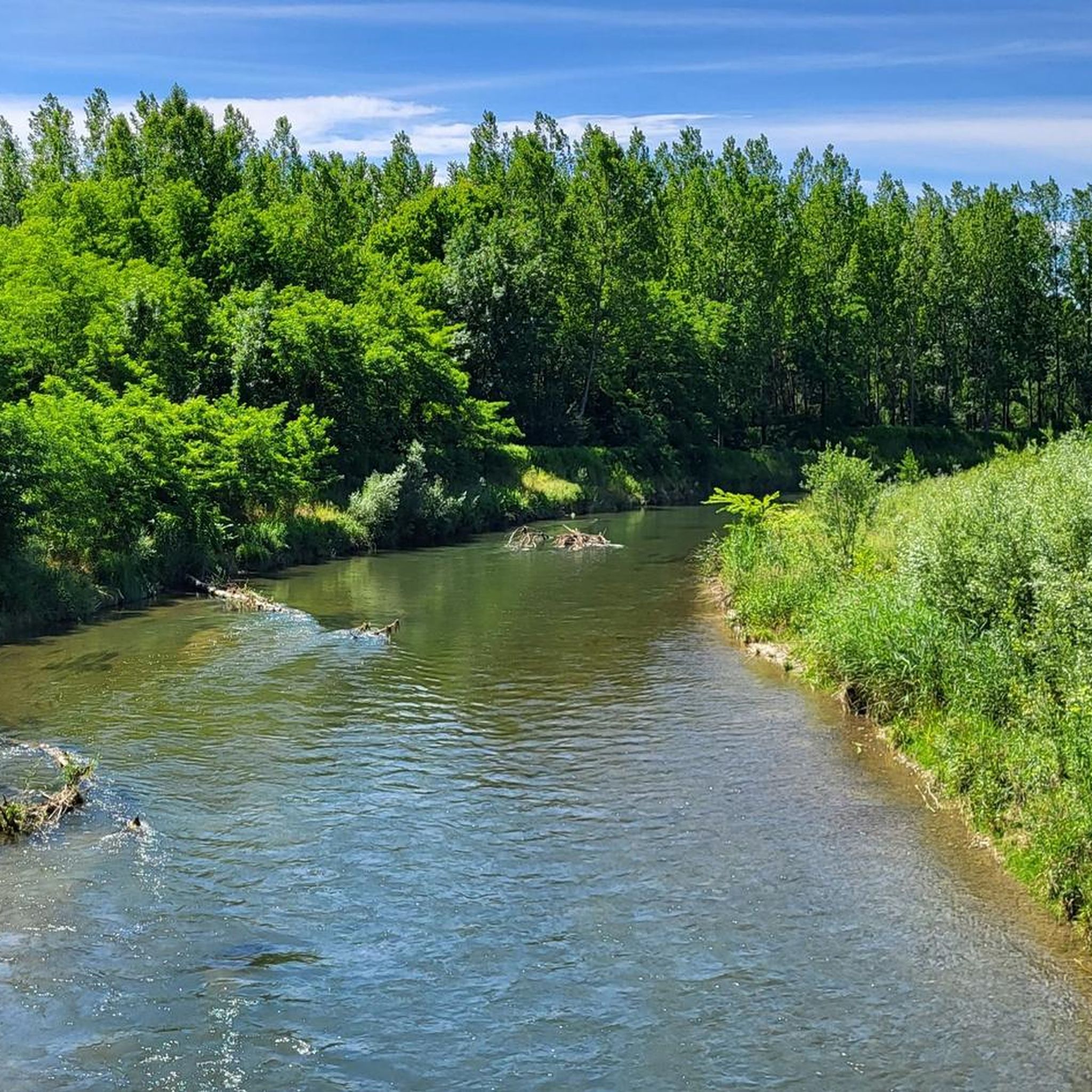
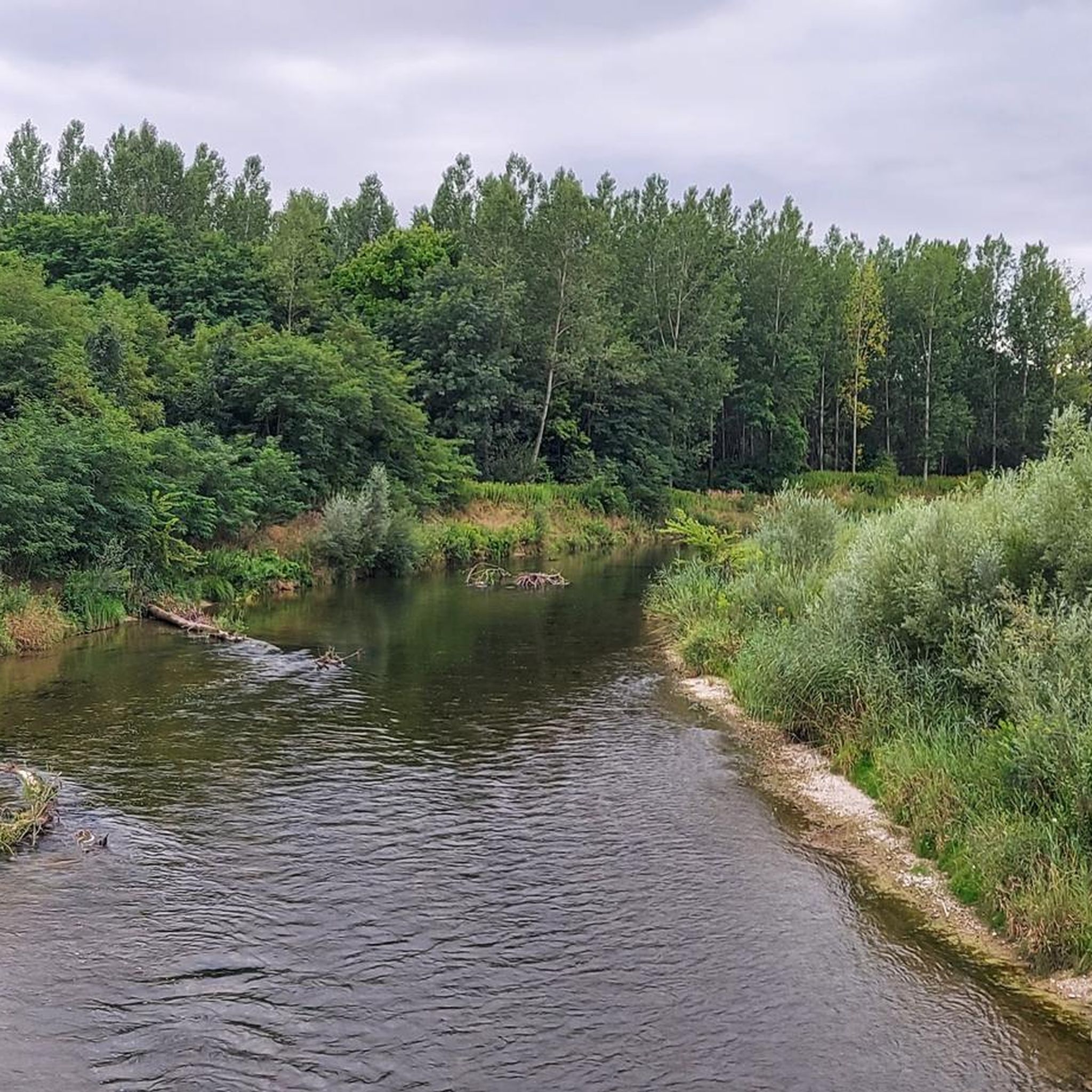
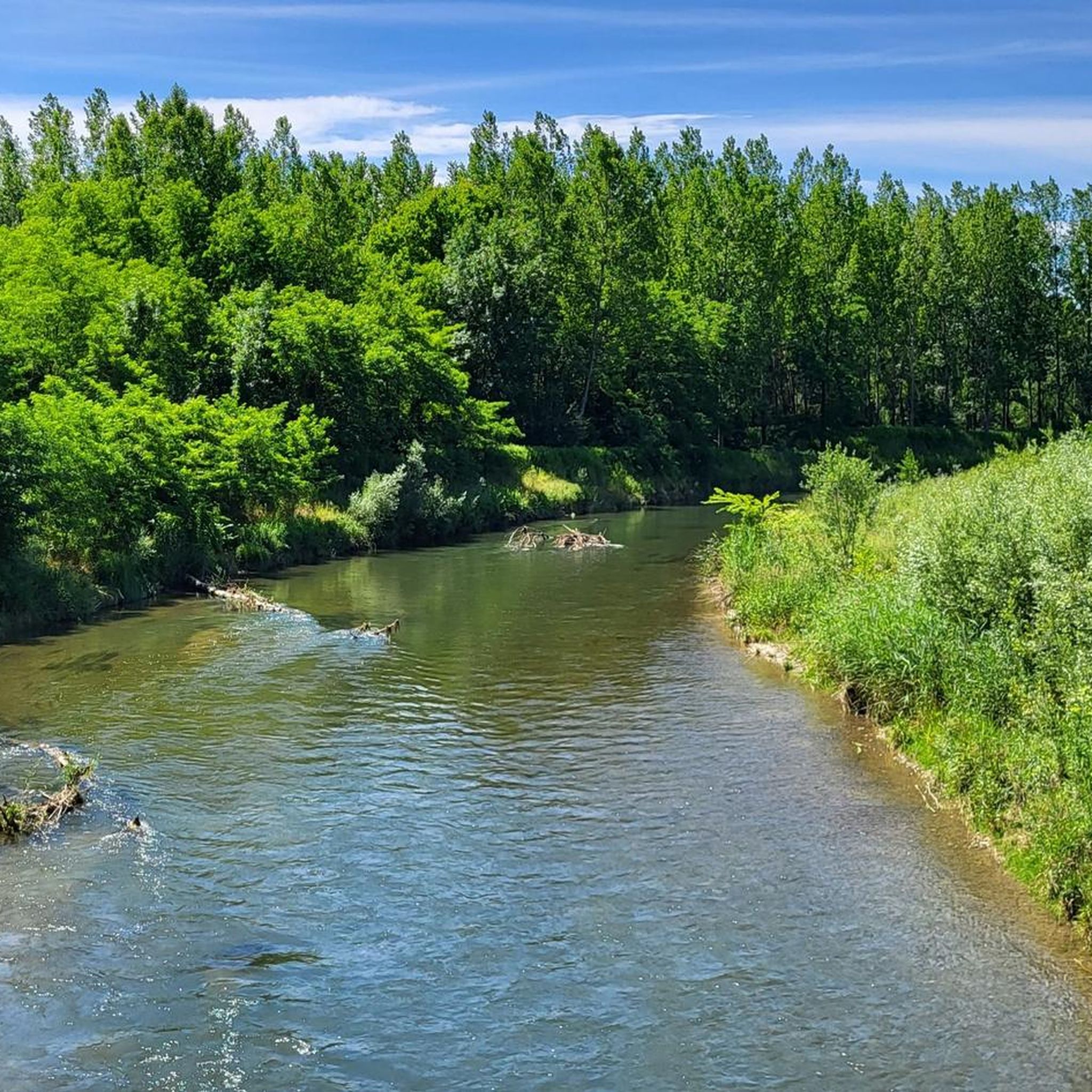
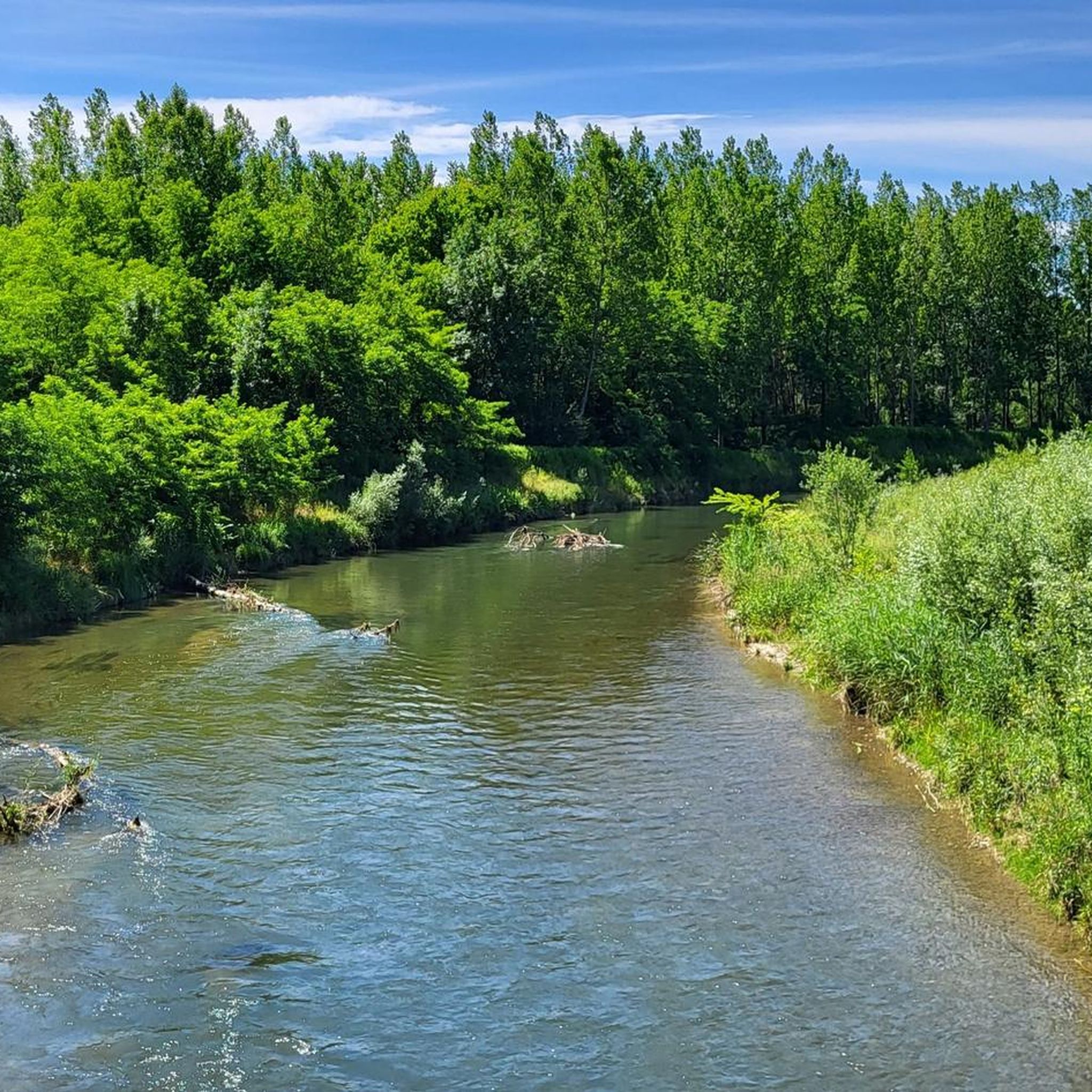
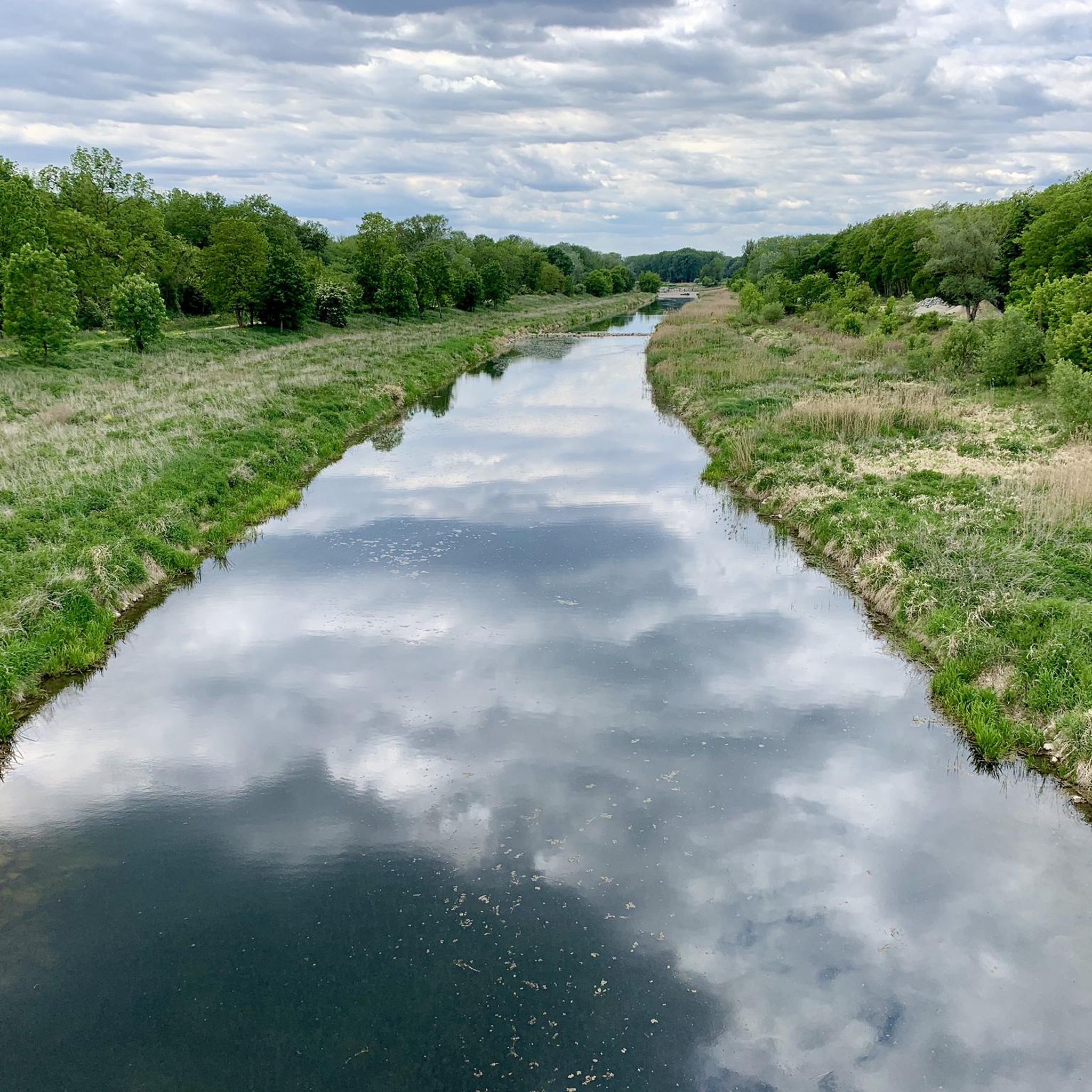
The mouth of the Traisen river near Traismauer in Lower Austria is a fascinating example of how technology and nature can successfully come together. Here, the Traisen river meets the Danube, but it wasn't always as idyllic as it is today. Originally, the Traisen flowed into the Danube about 7.5 kilometers further upstream. With the construction of the Altenwörth Danube power plant in the 1970s, everything changed: As the water level of the Danube was raised for the power plant, the Traisen could no longer flow naturally. Therefore, a completely new riverbed had to be dug for it.
1
0

Very idyllic place
3
0

At approximately 12.5 kilometers, the Altenwörth Fish Bypass is the longest of its kind in Austria and was built between 2019 and 2022 as part of the LIFE Network Danube Plus project. It allows fish such as huchen, schied, and zingel to bypass the Altenwörth Danube power plant and provides a continuous connection to the tributaries, the Kamp and Krems. The near-naturally designed bypass stream, with shallow water zones, gravel banks, and deadwood, also creates new habitats for numerous animal and plant species. The facility is also of interest to cyclists: Along the Danube and its adjacent waterways, natural paths offer views of renaturalized landscapes, small bays, and ecologically valuable rest areas. It is a successful example of how flood protection, energy use, and biodiversity can be reconciled.
3
0
One of Austria's longest fish bypasses was created between Altenwörth and Greifenstein as part of the "LIFE Network Danube Plus" project. The approximately 12.5-kilometer-long, near-naturally designed bypass stream allows fish such as huchen, zebrafish, and schied to migrate freely along the Danube and connects important habitats in the tributaries of the Kamp and Krems. Between 2019 and 2022, approximately 34 hectares of new aquatic areas were created, featuring shallow water zones, gravel banks, and deadwood areas – also for kingfishers, otters, and other protected species. In addition to its ecological benefits, the area is now also attractive to recreational travelers: Along the waterway corridor, natural banks, small bays, and viewpoints invite visitors to linger – a successful example of the combination of nature conservation, water development, and sustainable tourism.
1
0
Frequently Asked Questions
What kind of natural features define the Kirchberg am Wagram region?
The Kirchberg am Wagram region is characterized by the distinctive Wagram mountain range, a loess step between the Tullnerfeld and the Danube Valley. This area is known for its fertile soils, deep, dry valleys, and extensive vineyards. Additionally, the nearby Auland preserves natural wetland characteristics, including significant riparian forests. The region also features several river renaturation projects that have transformed straightened river sections into new floodplain landscapes, creating diverse habitats.
Beyond the river projects, what other unique natural attractions can be found in Kirchberg am Wagram?
A truly unique natural attraction is the Alchemistenpark (Alchemist's Park). This permaculture garden showcases a wide array of annual and perennial fruit and nut varieties, as well as edible vegetables and spices that thrive in the local climate. It's an educational hub where visitors can discover rare and old fruit varieties, and even taste unusual specialties. The park is freely accessible year-round.
Are there any significant river renaturation projects to explore in the area?
Yes, the region is notable for its river renaturation efforts. You can explore the Mouth of the Traisen River at the Danube, which transformed a straightened river section into a new floodplain landscape, creating habitats for various animal species. Another significant project is the Ecological Corridor Altenwörth–Greifenstein, designed to restore a section of the river to a more natural state parallel to the Danube.
What outdoor activities are popular near the natural monuments in Kirchberg am Wagram?
The diverse landscape around Kirchberg am Wagram offers various outdoor activities. You can enjoy hiking, with options ranging from easy walks to more moderate trails. Cycling is also very popular, especially along the Danube and through the vineyard-laden Wagram region. For specific routes, you can explore easy hikes or gravel biking routes in the area.
Are there easy walking or hiking trails suitable for exploring the natural monuments?
Yes, there are several easy walking and hiking trails. For instance, you can find easy routes like the 'Alchemists' Park Kirchberg – Pilgrimage Church of Maria Trost loop' or various loops around the 'Danube Oxbow Altenwörth'. These trails allow you to experience the natural beauty and renatured river landscapes at a relaxed pace. More options are available in the easy hikes guide.
Can I go cycling near the natural monuments in Kirchberg am Wagram?
Absolutely. The region offers excellent cycling opportunities, particularly along the Danube and through the Wagram's scenic vineyards. Many of the renaturation areas, like the Altenwörth fish pass, are accessible by bike paths. You can find various cycling routes, including gravel biking options, to explore the natural monuments and the broader landscape. Check out the gravel biking guide for more details.
Are the natural monuments around Kirchberg am Wagram family-friendly?
Many of the natural monuments and attractions are family-friendly. The Alchemistenpark, for example, integrates a nature-oriented playground and offers a sensory experience for all ages with its diverse edible plants. Renaturation areas like the Mouth of the Traisen River at the Danube and LIFE+ Traisen renaturation provide open spaces for walks and observing wildlife, making them suitable for families.
What is the best time of year to visit the natural monuments in Kirchberg am Wagram?
The best time to visit is generally from spring to autumn (April to October). During these months, the weather is pleasant for outdoor activities like hiking and cycling. The Alchemistenpark is particularly vibrant during these seasons, with fruits ripening and plants in full bloom. The vineyards of the Wagram region are also beautiful during spring and autumn, offering scenic views and opportunities for wine tasting.
What do visitors enjoy most about the natural monuments in Kirchberg am Wagram?
Visitors particularly appreciate the innovative renaturation projects, such as the Altenwörth fish pass, which are seen as exemplary efforts to restore natural river conditions. The transformation of river sections into new floodplain landscapes, like at the Mouth of the Traisen River, is often described as impressive and a place to relax and connect with nature. The unique biodiversity and educational aspect of the Alchemistenpark also receive high praise.
Are there any natural monuments that offer insights into the region's geological history?
While not a traditional geological monument, the entire Wagram mountain range itself is a significant geological feature. It's a distinctive loess step, formed by wind-blown sediment over millennia, creating the fertile soils and unique landscape of rolling highlands and deep, dry valleys. Exploring this region offers a direct experience of its geological past and its impact on the current environment and viticulture.
Can I find cafes or restaurants near the natural monuments in Kirchberg am Wagram?
Kirchberg am Wagram and its surrounding villages offer various dining options. While specific cafes might not be directly adjacent to every natural monument, the town center and nearby communities provide restaurants and traditional taverns (Heurigen) where you can enjoy local cuisine and wines. The Alchemistenpark is located within Kirchberg, making it easy to find refreshments nearby.
What is the 'Altenwörth fish pass' and why is it significant?
The Altenwörth fish pass is a man-made structure on the Danube that exemplifies a successful fish pass project. It's a crucial part of efforts to restore natural river conditions and allow fish to migrate upstream past the Altenwörth power plant. Visitors often highlight it as an impressive example of ecological engineering and a positive step towards river renaturation.
Most popular routes around Kirchberg am Wagram
Most popular attractions around Kirchberg am Wagram

Get inspired with the komoot mobile app


Explore more
Extend your search for the best caves by checking out these guides of the top ones around Kirchberg am Wagram:
