Top 20 Natural Monuments around Kottingbrunn
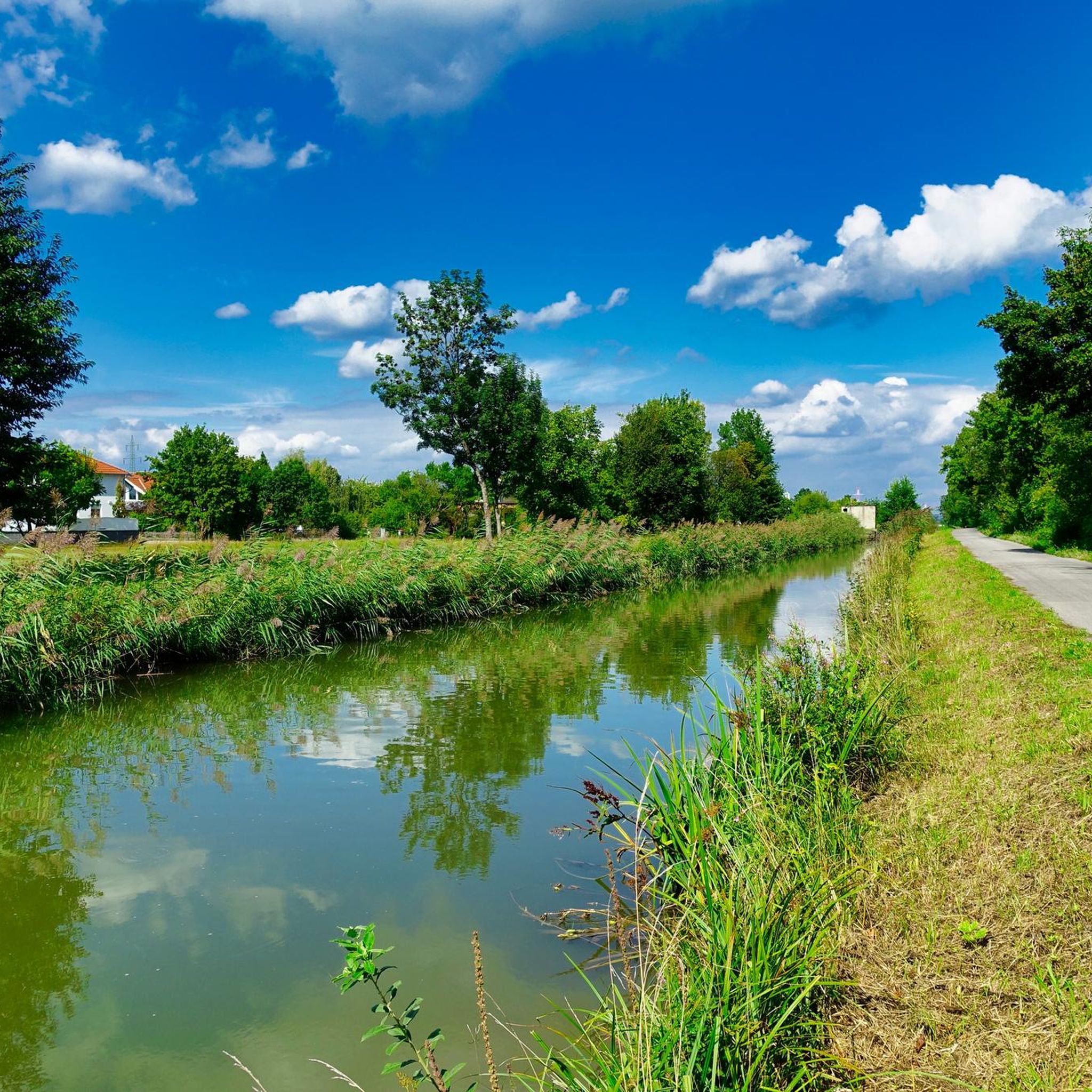
Best natural monuments around Kottingbrunn are found within the Thermenregion Vienna Woods, presenting a varied natural landscape. The area includes a wild pond landscape and the Wiener Neustadt Canal, which features a cycle route. The Schlosspark is designated as a natural monument, and the nearby Anninger Mountain area contributes to the region's natural features. This environment offers opportunities for outdoor activities.
Best natural monuments around Kottingbrunn
- The most popular natural monuments is Jubilee Tower on Eschenkogel, a viewpoint that…
Last updated: July 7, 2026
On Harzberg
Highlight • Viewpoint
Refuge with the sun terrace and the wonderful view is awesome.
Then the visit to …
Translated by Google •
Tip by

Jubilee Cross
Highlight • Viewpoint
Translated by Google •
Tip by
Sign up now to discover places like this
Get recommendations on the best single tracks, peaks, & plenty of other exciting outdoor places.
Sign up for free
King's Cave
Highlight • Cave
Translated by Google •
Tip by
Anton's Grotto
Highlight • Cave
Translated by Google •
Tip by
Jubilee Tower on Eschenkogel
Highlight • Viewpoint
Translated by Google •
Tip by

Sign up for free to discover even more natural monuments around Kottingbrunn.
Sign up for free
Already have an account?
Start today with a free account
Your next adventure awaits.
Login or Signup

Tips from the Community

The people who lived in the Baden region around 3000 years ago were referred to as the "Baden culture" due to the sensational finds made around the so-called "Königshöhle" (King's Cave).
1
0

The observation tower, which was ceremoniously reopened in 2021, is the landmark of the Anninger and sits enthroned on the Eschenkogel. In 1878, the Mödling Nature Friends Association, the "Verein 1877", built a wooden observation platform. Almost 20 years later, the then so-called "Sofienwarte" was replaced by a 16 m high iron observation tower on the occasion of the 50th anniversary of the government. Thanks to the "Verein 1877" (which still exists today) and the surrounding communities, the observation tower was renovated for the 100th anniversary of the reign of Emperor Franz Josef I and replaced with a new 20 m high solid iron structure with a dizzying and impressive viewing platform and was ceremoniously opened in 2021. The Kaiser-Jubiläumswarte on the Eschenkogel is the landmark of the Anninger and impresses with a breathtaking view from the south/west of Vienna and the Vienna Basin. Source: www.niederoesterreich.at/ausflugsziele/a-jubilaeumswarte-am-eschenkogel
8
2
The Antonsgrotte opposite the Cholera Chapel in Helenental is a popular destination. The place of worship, always decorated with candles, now has another attraction. Bird feeding is carried out there with particular passion, and indeed: the birds eat a lot and happily. BADEN. Bird feeding at the Antonsgrotte is a tradition. Elisabeth Werkmann - she has been looking after the Antonsgrotte for five years - took over this task last year from her predecessor, who suddenly dropped out. Source: www.meinbezirk.at/baden/c-lokales/kerzerln-vogerln-und-baeume-mit-gesichtern_a7034811
9
1

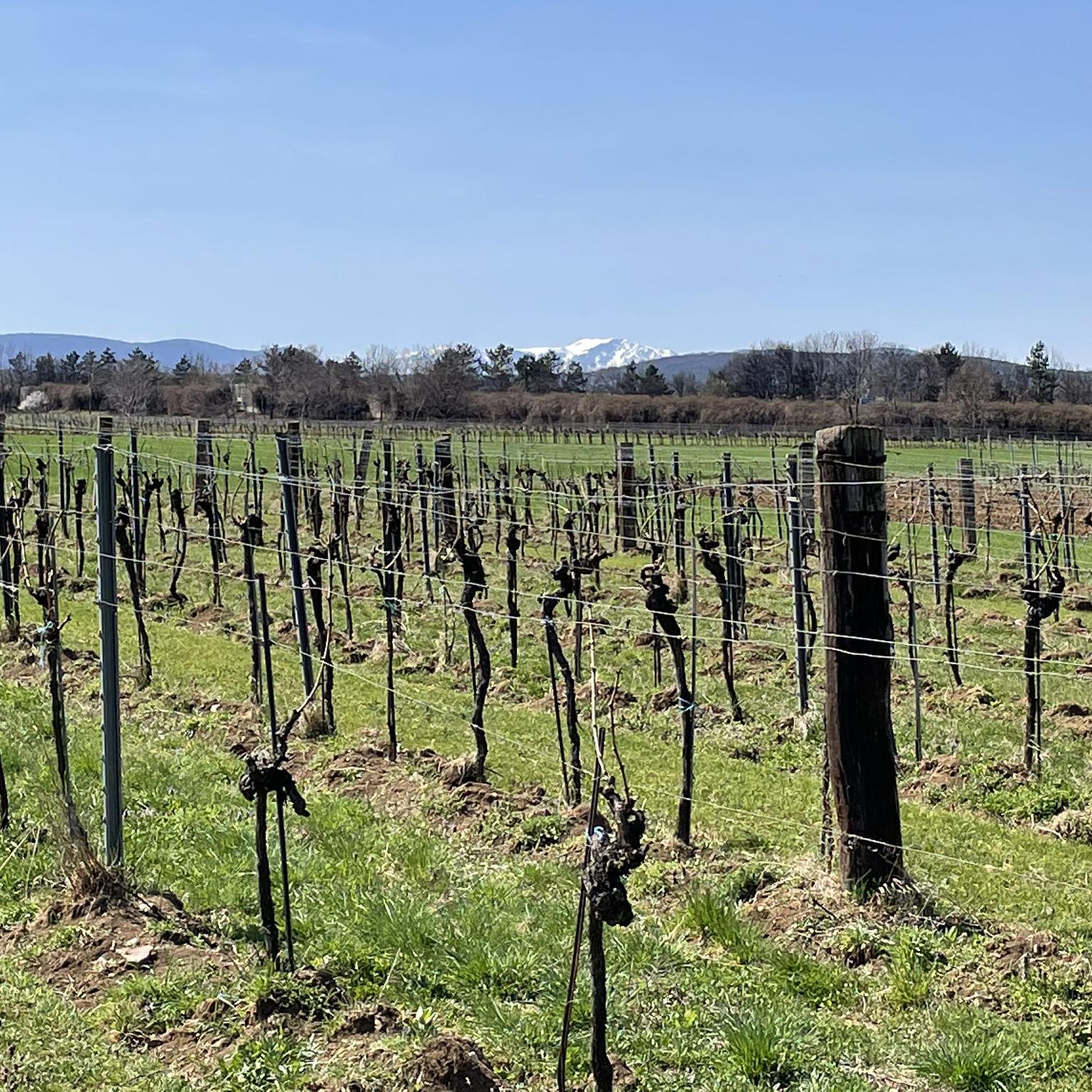
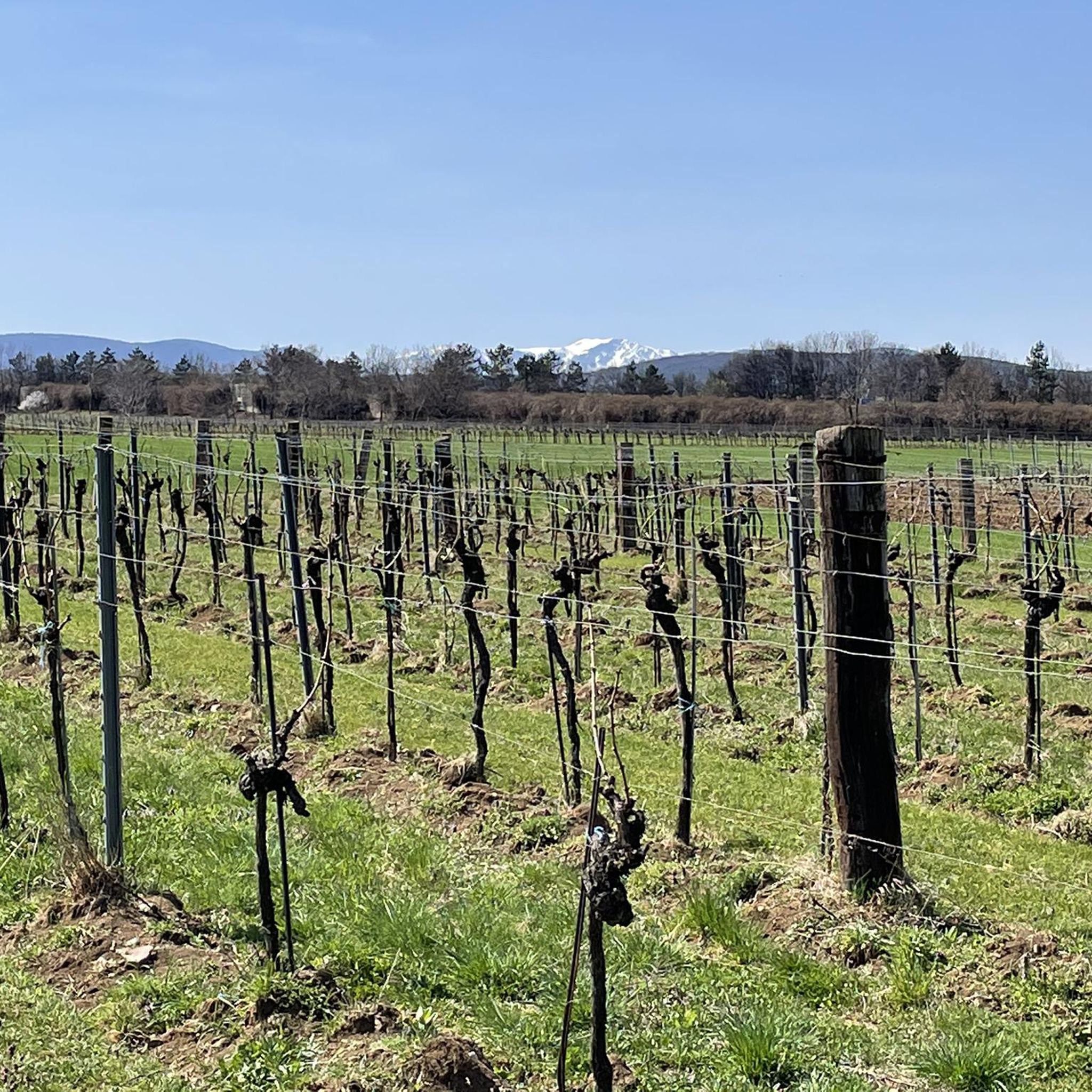
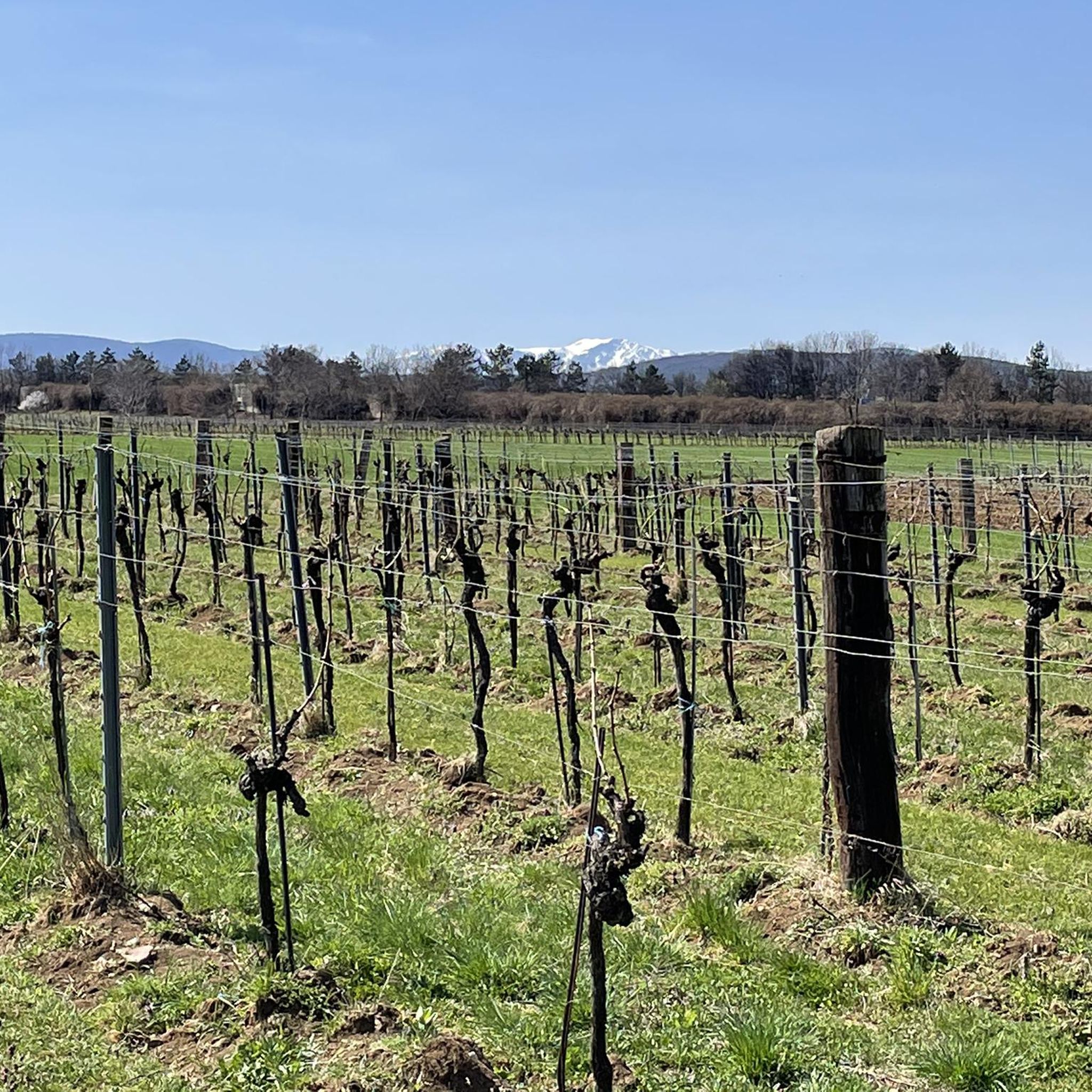
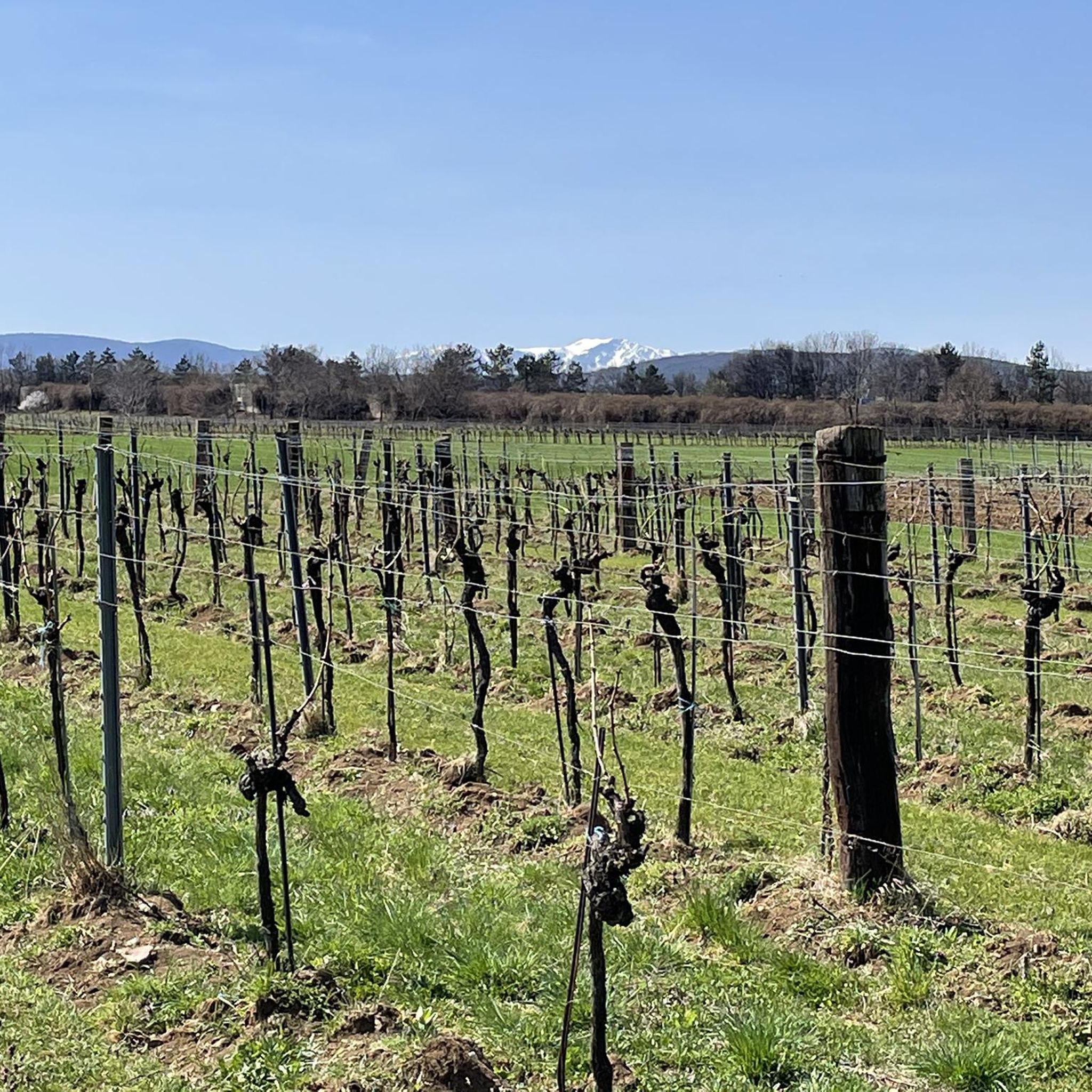
Great view over the pines to the Schneeberg and the surrounding mountains.
1
0
The network of promenades dates back to Archduke Anton (1779–1835), who had it built in the years up to 1829. The highlight was the Antonsgrotte, which stands roughly opposite the Cholera Chapel, which did not yet exist at the time. The approximately 2.2 km long section of the Helenental from Antonsbrücke to Antonsgrotte is therefore called Antonstal. Source: https://de.m.wikipedia.org/wiki/Helenental
9
0

Just a few steps from the Anningerhaus is the Jubiläumswarte, which offers an impressive panoramic view - a real highlight, especially in clear weather. The 20-meter-high observation tower, newly built in 2021, offers spectacular views of Vienna, the Vienna Woods and as far as the Schneeberg. A short detour is worthwhile for every visitor who wants to enjoy the vastness of the landscape. I visited this mountain as part of my Dwarf Mountain Tours series (ZBT#8). My goal is to climb every mountain in the Vienna Woods. Find my tours here: https://www.komoot.de/collection/2517195/-zwergbergtouren-im-wienerwald
6
0

The Antonsgrotte is located on the Wegerl in the Helenental, near the cholera chapel.
8
8
10/02/2022 - Near the former Rauheneck Castle, which together with the Rauhenstein controlled the entrance to the picturesque Helenental near Baden, lies the bizarre royal cave, which was already inhabited in the Neolithic Age (2200 to 1800 BC). Archaeological excavations made such important finds that the entire period is called the "Baden culture". The presence of humans in the La Tène and Hallstatt periods has also been proven; individual finds date from Roman times and the Middle Ages. Just listing the scientific publications about the cave fills a whole book page. It is not surprising that there are many legends about the cave. King Bela IV of Hungary is said to have sought refuge there, and there are also reports of evil dwarves and wild people. Here and there, the royal cave still serves as a bivouac site, as some traces in the natural monument show.
8
1
Frequently Asked Questions
What natural features can I explore around Kottingbrunn?
Kottingbrunn, located in the Thermenregion Vienna Woods, offers a diverse natural landscape. You can explore the wild and romantic pond landscape, enjoy the scenic Bad Vöslau Spa Park, or visit the Schlosspark, which is a designated natural monument itself. The nearby Anninger Mountain area also provides extensive natural beauty and hiking opportunities.
Are there any historical natural monuments in the area?
Yes, several natural monuments around Kottingbrunn also hold historical significance. The King's Cave, for instance, was inhabited as early as the Neolithic Age and is the eponymous site for the Neolithic Baden culture. Anton's Grotto is another historical site, part of a network of promenades built in the early 19th century. The Jubilee Tower on Eschenkogel also has historical roots as a man-made monument within a natural setting.
What kind of views can I expect from the natural monuments?
The region is known for its viewpoints. The Jubilee Tower on Eschenkogel offers panoramic views of the Vienna Woods, providing an extensive all-round view on clear days. Similarly, the Jubilee Cross provides extensive views over various hiking destinations and is a popular rest area with scenic outlooks. Even the Bad Vöslau Spa Park offers pleasant views within its tranquil setting.
Are there any caves to visit near Kottingbrunn?
Yes, there are notable caves in the vicinity. The Anton's Grotto is a popular destination, often decorated with candles and known for bird feeding. The King's Cave is another significant cave, known for its archaeological importance and local legends.
What do visitors particularly enjoy about the natural monuments around Kottingbrunn?
Visitors appreciate the diverse experiences offered by the natural monuments. The panoramic views from spots like the Jubilee Tower on Eschenkogel and the Jubilee Cross are highly praised. The tranquil atmosphere of places like the Bad Vöslau Spa Park and the historical intrigue of the caves, such as King's Cave and Anton's Grotto, are also frequently highlighted. The komoot community has shared over 200 photos and given more than 400 upvotes, indicating a strong positive reception for the region's natural beauty.
Are there family-friendly natural monuments around Kottingbrunn?
Yes, several natural monuments are suitable for families. The Anton's Grotto is categorized as family-friendly. The Bad Vöslau Spa Park offers a quiet environment with shady areas, perfect for a leisurely family outing. Additionally, the Schlosspark in Kottingbrunn, a natural monument itself, is part of the 'Kultur- und Naturpfad' which features interactive stations like a tree xylophone and a long jump arena, making it engaging for children.
What outdoor activities can I do near the natural monuments?
The area around Kottingbrunn offers various outdoor activities. You can enjoy cycling along the Thermenradweg, which follows the Wiener Neustadt Canal, providing pleasant temperatures even on warm days. Hiking is also very popular, with numerous trails available. For example, you can find easy hikes like the 'Mushroom Pond – View of Gainfarn loop' or more challenging mountain hikes near the Anninger Mountain area. You can find more details on hiking routes in the Hiking around Kottingbrunn guide.
Are there hiking trails near these natural monuments?
Absolutely. Many natural monuments serve as starting points or are integrated into hiking trails. The Bad Vöslau Spa Park is a known starting point for various hikes. The Schlosspark is part of a 2.3 km circular 'Kultur- und Naturpfad'. The Anninger Mountain area, accessible from Kottingbrunn, is a significant destination for hikers. You can explore a range of hiking options, from easy walks to more difficult mountain trails, by checking the Hiking around Kottingbrunn guide.
What is the best time of year to visit the natural monuments around Kottingbrunn?
The Thermenregion Vienna Woods, including Kottingbrunn, is enjoyable throughout the year. Spring and autumn offer pleasant temperatures for hiking and cycling, with vibrant foliage or blooming nature. Summer is ideal for enjoying the cooler temperatures along the Wiener Neustadt Canal or in shaded areas like the Bad Vöslau Spa Park. Even in winter, the landscape can be beautiful, especially for those who enjoy crisp air and potentially snowy views from viewpoints like the Jubilee Tower on Eschenkogel.
Are the natural monuments around Kottingbrunn accessible for dogs?
Many natural areas and hiking trails in the Thermenregion Vienna Woods are generally dog-friendly, provided dogs are kept on a leash and owners clean up after them. Specific rules may apply to certain parks or protected areas, so it's always advisable to check local signage. The general outdoor environment, including the pond landscape and canal paths, is suitable for walks with dogs.
Are there any wheelchair-accessible natural monuments or paths?
While many natural monuments involve uneven terrain or trails, some areas may offer better accessibility. The Schlosspark in Kottingbrunn, being a park, might have more accessible paths. For specific information on wheelchair accessibility for individual natural monuments or trails, it is recommended to check local tourist information or the specific site's details. The Thermenradweg along the Wiener Neustadt Canal, being a cycle route, might also offer smoother, more accessible sections.
Where can I find parking for natural monuments around Kottingbrunn?
Parking availability varies depending on the specific natural monument. For popular spots like the Schlosspark in Kottingbrunn or the Bad Vöslau Spa Park, there are often designated parking areas nearby. For trailheads leading to viewpoints or caves, parking might be available at the start of the routes or in nearby villages. It's advisable to check maps or local information for specific parking locations before your visit.
Most popular routes around Kottingbrunn
Most popular attractions around Kottingbrunn

Get inspired with the komoot mobile app


Explore more
Extend your search for the best caves by checking out these guides of the top ones around Kottingbrunn:
