Top 20 Natural Monuments around Hinterbrühl
Natural monuments around Hinterbrühl offer a diverse landscape within Lower Austria's Vienna Woods. The region is characterized by its geological features, including limestone formations and an extensive underground lake system. It provides a blend of natural beauty and historical significance, making it a notable area for outdoor exploration. The Naturpark Föhrenberge, part of the Vienna Woods, further enhances the natural appeal with its unique flora and varied ecosystems.
Best natural monuments around Hinterbrühl
- The most popular natural monuments is Liechtenstein…
Last updated: July 7, 2026
Breite Föhre Rest Area
Highlight • Rest Area
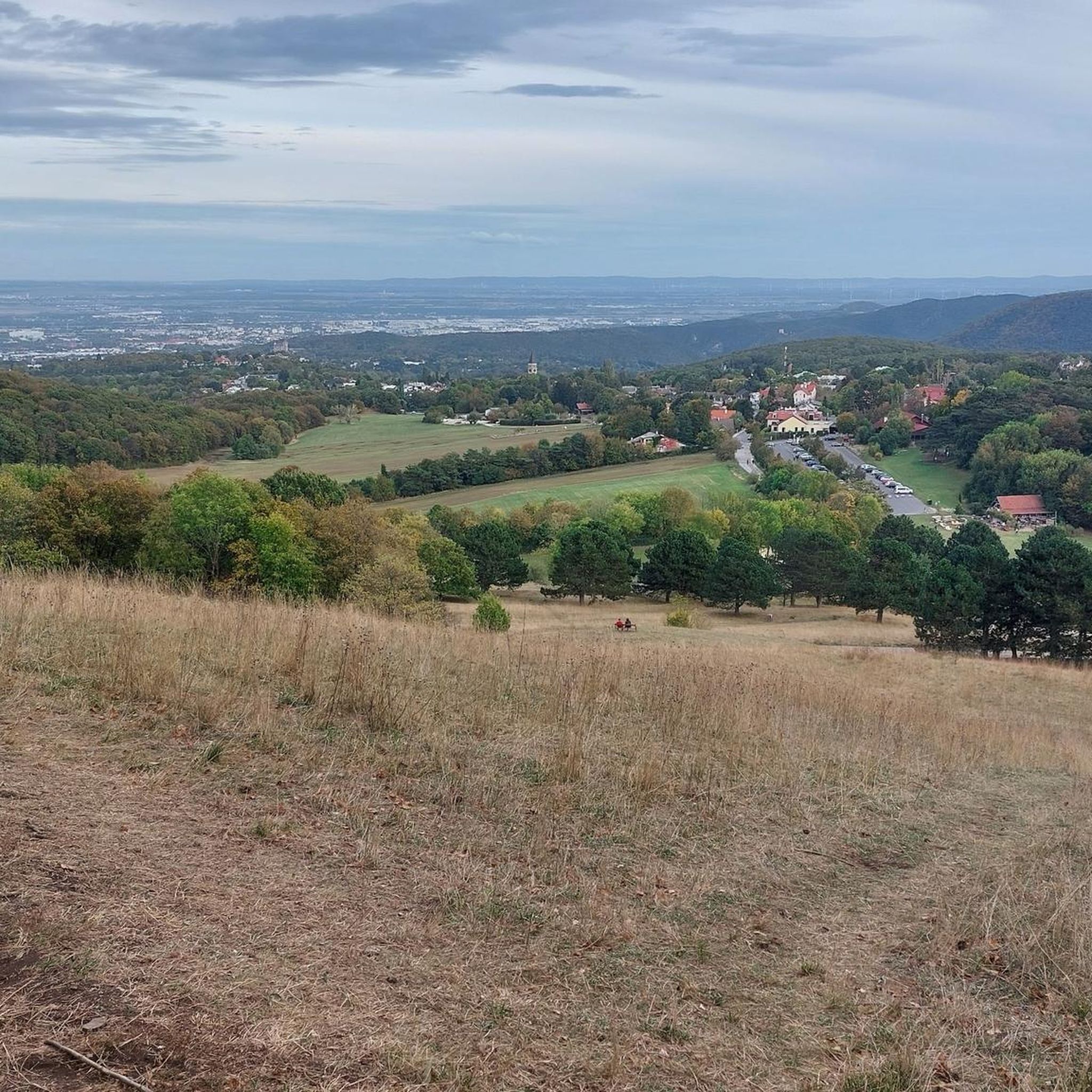
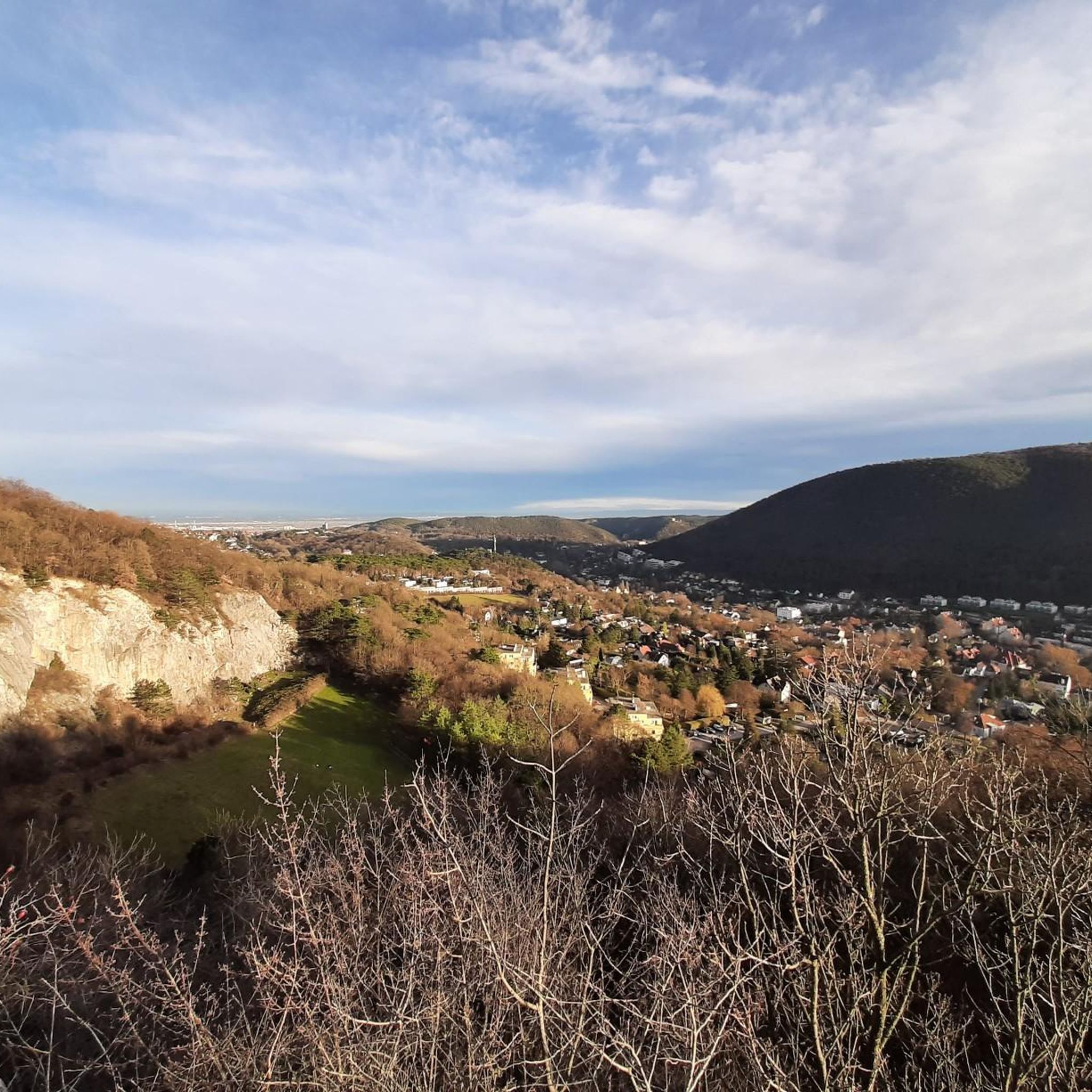
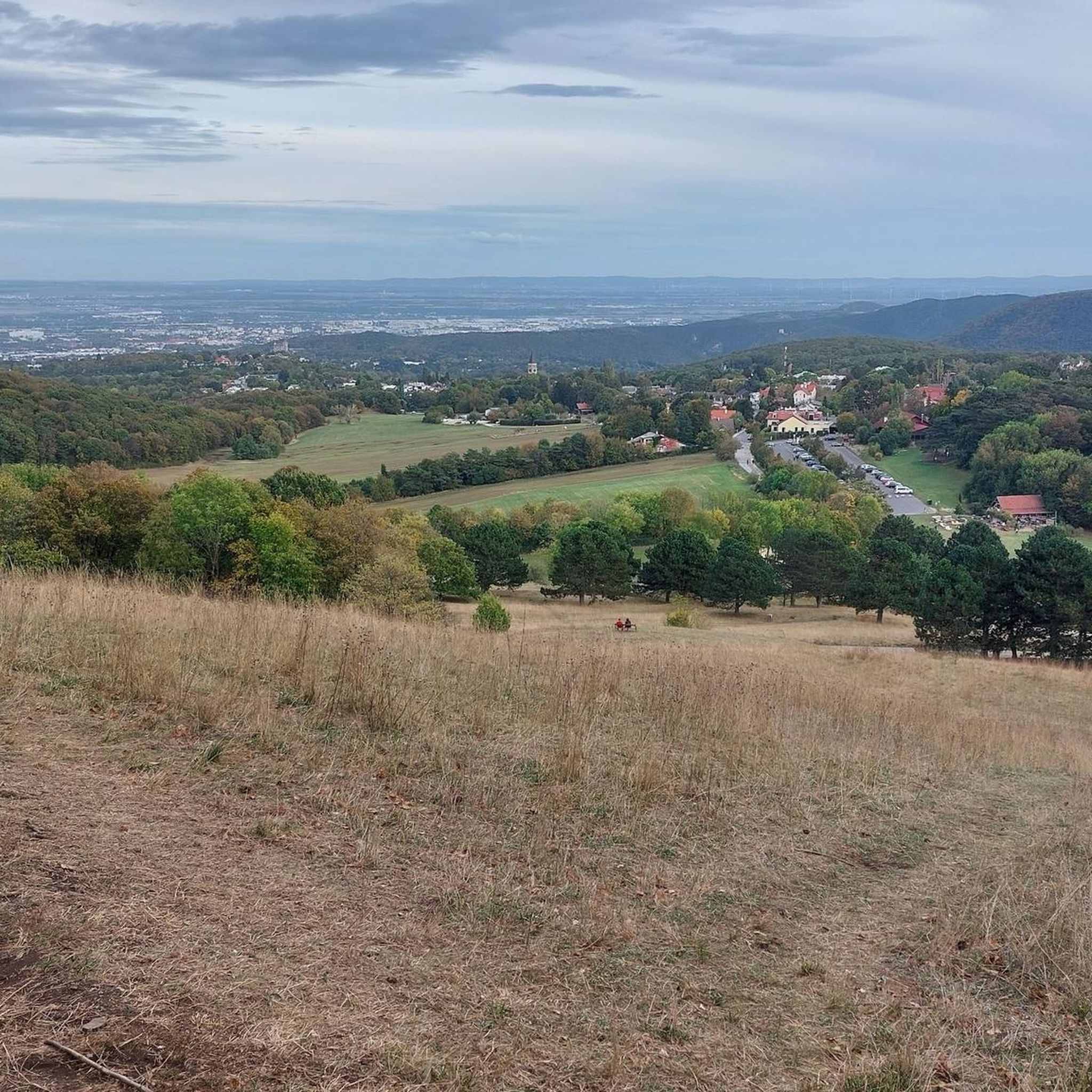
Breite Föhre was a popular excursion destination on the slopes of the Anninger near Mödling, from which there is a wide view down to the …
Translated by Google •
Tip by

Liechtenstein Castle
Highlight • Castle
Translated by Google •
Tip by

Sign up now to discover places like this
Get recommendations on the best single tracks, peaks, & plenty of other exciting outdoor places.
Sign up for free
Matterhörndl
Highlight • Natural Monument
Translated by Google •
Tip by

Jubilee Cross
Highlight • Viewpoint
Translated by Google •
Tip by

King's Cave
Highlight • Cave
Translated by Google •
Tip by
Sign up for free to discover even more natural monuments around Hinterbrühl.
Sign up for free
Already have an account?
Start today with a free account
Your next adventure awaits.
Login or Signup
Popular around Hinterbrühl
Other adventures around Hinterbrühl

Tips from the Community

The people who lived in the Baden region around 3000 years ago were referred to as the "Baden culture" due to the sensational finds made around the so-called "Königshöhle" (King's Cave).
1
0

Great view over the pines to the Schneeberg and the surrounding mountains.
1
0


The Matterhörndl is a small but impressive rock in the Vienna Woods that is perfect for a short rest. It is a little hidden away from the main path and easy to miss, but it is worth the visit. With a small opening through and the opportunity to climb around a bit, it is a mystical place for photographers, children and nature lovers. I visited this mountain as part of my Dwarf Mountain Tours series. My goal is to climb every mountain in the Vienna Woods. Find my tours here: https://www.komoot.com/de-de/collection/2517195/-zwergbergtouren-im-wienerwald
7
1

Location description Liechtenstein Castle is located south of Maria Enzersdorf on the edge of the former Liechtenstein Landscape Park about 300 m above sea level on the edge of the Vienna Woods in the Föhrenberge Nature Park, about 75 meters above the center of Maria Enzersdorf. It is built on an extremely narrow rock ridge north of the Kalenderberg, which runs east-west and consists of dark (but light weathering) Gutenstein limestone, Reichenhall Rauhwacke and Steinalm limestone. At the southern foot of the castle hill, in a Baden conglomerate gully on the northeast edge of the Gaaden Basin, stands Liechtenstein Castle, which was built at a later date.
14
3

Ancestral castle of the Princes of Liechtenstein. The current castle complex was completely renovated by the House of Liechtenstein in the 19th century and is now a temporary family museum. Opening times and more on the history: https://www.burgliechtenstein.eu/de/home.html
4
1

10/02/2022 - Near the former Rauheneck Castle, which together with the Rauhenstein controlled the entrance to the picturesque Helenental near Baden, lies the bizarre royal cave, which was already inhabited in the Neolithic Age (2200 to 1800 BC). Archaeological excavations made such important finds that the entire period is called the "Baden culture". The presence of humans in the La Tène and Hallstatt periods has also been proven; individual finds date from Roman times and the Middle Ages. Just listing the scientific publications about the cave fills a whole book page. It is not surprising that there are many legends about the cave. King Bela IV of Hungary is said to have sought refuge there, and there are also reports of evil dwarves and wild people. Here and there, the royal cave still serves as a bivouac site, as some traces in the natural monument show.
8
1
Frequently Asked Questions
What unique natural features can I explore around Hinterbrühl?
Hinterbrühl is home to the Seegrotte Hinterbrühl, Europe's largest underground lake, formed from a former gypsum mine. This geological wonder offers boat rides on its emerald-green waters. The region is also part of the Naturpark Föhrenberge, characterized by its distinctive Black Pines and diverse forest ecosystems.
Are there family-friendly natural monuments or activities in the Hinterbrühl area?
Yes, several natural monuments are suitable for families. The Liechtenstein Castle, while a historical site, is listed as family-friendly and offers an engaging experience. The Matterhörndl, a small but impressive rock formation, is also family-friendly and offers a mystical spot for exploration. Additionally, the Anton's Grotto is a popular and accessible cave destination.
What historical significance do the natural monuments around Hinterbrühl hold?
Beyond their natural beauty, some sites have significant history. The Seegrotte Hinterbrühl served as a secret underground factory for Heinkel jet fighters during World War II, a somber but important part of its past. Liechtenstein Castle, an ancestral seat, represents 900 years of family history with over 60% Romanesque building material.
What are the best times of year to visit the natural monuments in Hinterbrühl?
The Seegrotte Hinterbrühl maintains a consistent temperature of 9°C (48°F) year-round, making it a refreshing escape in summer and a mild environment in winter. For outdoor natural monuments and hiking in the Naturpark Föhrenberge, spring and autumn offer pleasant temperatures and beautiful scenery, though summer is also popular. Winter hiking is possible, but some paths might be icy.
Are there easy walking trails or short routes to experience the natural monuments?
Yes, the Naturpark Föhrenberge offers extensive hiking routes suitable for various fitness levels. For easy walks, you can find numerous options within the park. For specific easy hikes around Hinterbrühl, you can explore routes like the 'Husarentempel – Schubertweg loop' or the 'View of Liechtenstein Castle – White Cross loop'. Find more options on the Easy hikes around Hinterbrühl guide.
What kind of outdoor activities can I do near the natural monuments?
The area around Hinterbrühl, particularly within the Naturpark Föhrenberge, is excellent for outdoor activities. You can enjoy hiking, trail running, and road cycling. There are dedicated guides for these sports, such as Easy hikes around Hinterbrühl, Running Trails around Hinterbrühl, and Road Cycling Routes around Hinterbrühl.
Is public transport available to reach the natural monuments in Hinterbrühl?
Hinterbrühl is well-connected, and public transport options are available to reach the general area. For specific natural monuments like the Seegrotte Hinterbrühl, local buses often provide access from nearby train stations or Vienna. It's advisable to check local bus schedules for the most convenient routes to your chosen destination.
What should I wear when visiting the natural monuments, especially the underground lake?
When visiting the Seegrotte Hinterbrühl, remember that the temperature is a constant 9°C (48°F) year-round, so a warm jacket or sweater is recommended even in summer. For outdoor activities in the Naturpark Föhrenberge, wear comfortable hiking shoes and layered clothing suitable for the weather conditions, as temperatures can vary.
Are there any viewpoints offering scenic vistas of the region?
Yes, the area boasts several excellent viewpoints. The Breite Föhre Rest Area, though its famous tree is gone, still offers wide views down to the Vienna Basin. The Jubilee Cross is another notable resting area with views over the surrounding hiking destinations and mountains. Liechtenstein Castle also provides fantastic panoramic views.
What makes the Naturpark Föhrenberge unique?
The Naturpark Föhrenberge is named for its characteristic umbrella-shaped Austrian Black Pines (Schwarzföhren), which thrive on the limestone soil. It features diverse forest ecosystems, including beech and downy oak forests, as well as dry grasslands. The park is a significant recreational area for the Vienna region, offering extensive routes and unique botanical rarities.
Can I find cafes or refreshment options near the natural monuments?
While specific cafes might not be directly adjacent to every natural monument, the towns and villages within and around the Naturpark Föhrenberge, including Hinterbrühl itself, offer various dining and refreshment options. Many popular hiking routes also pass by traditional huts or restaurants where you can take a break.
What is the <a href="https://www.komoot.com/highlight/149082" target="_blank" rel="noopener">Breite Föhre Rest Area</a>, and what can I expect there?
The Breite Föhre Rest Area was once famous for a 450-year-old tree, a significant natural monument that unfortunately had to be removed. Despite the tree's absence, it remains a popular excursion destination on the slopes of the Anninger, offering wide views down to the valley of the Vienna Basin and serving as a good spot for a rest.
Most popular routes around Hinterbrühl
Most popular attractions around Hinterbrühl

Get inspired with the komoot mobile app


Explore more
Extend your search for the best caves by checking out these guides of the top ones around Hinterbrühl:
