Top 20 Natural Monuments around Langenzersdorf
Best natural monuments around Langenzersdorf offer opportunities to explore diverse natural features and protected areas. Langenzersdorf, located in Lower Austria, provides access to landscapes characterized by riverine ecosystems and forested hills. The region features a mix of natural and historical sites designated for their ecological or cultural significance. These areas are suitable for walks and experiencing the local environment.
Best natural monuments around Langenzersdorf
- The most popular natural monuments is Plague Column (Pestsäule) on the Graben, a man-made monument…
Last updated: July 7, 2026
Plague Column (Pestsäule) on the Graben
Highlight • Monument
Translated by Google •
Tip by

Greifenstein Danube Oxbow
Highlight • Lake
Translated by Google •
Tip by

Sign up now to discover places like this
Get recommendations on the best single tracks, peaks, & plenty of other exciting outdoor places.
Sign up for free
Hameau Hut and Meadow (Schwarzenberg Park)
Highlight • Mountain Hut
Translated by Google •
Tip by

Kreuzeichenwiese
Highlight • Forest
Translated by Google •
Tip by

Monument in memory of the approximately 18,000 soldiers of the Red Army who died in battle during the liberation of Vienna.
The Liberation Monument (also …
Translated by Google •
Tip by

Sign up for free to discover even more natural monuments around Langenzersdorf.
Sign up for free
Already have an account?
Start today with a free account
Your next adventure awaits.
Login or Signup
Popular around Langenzersdorf
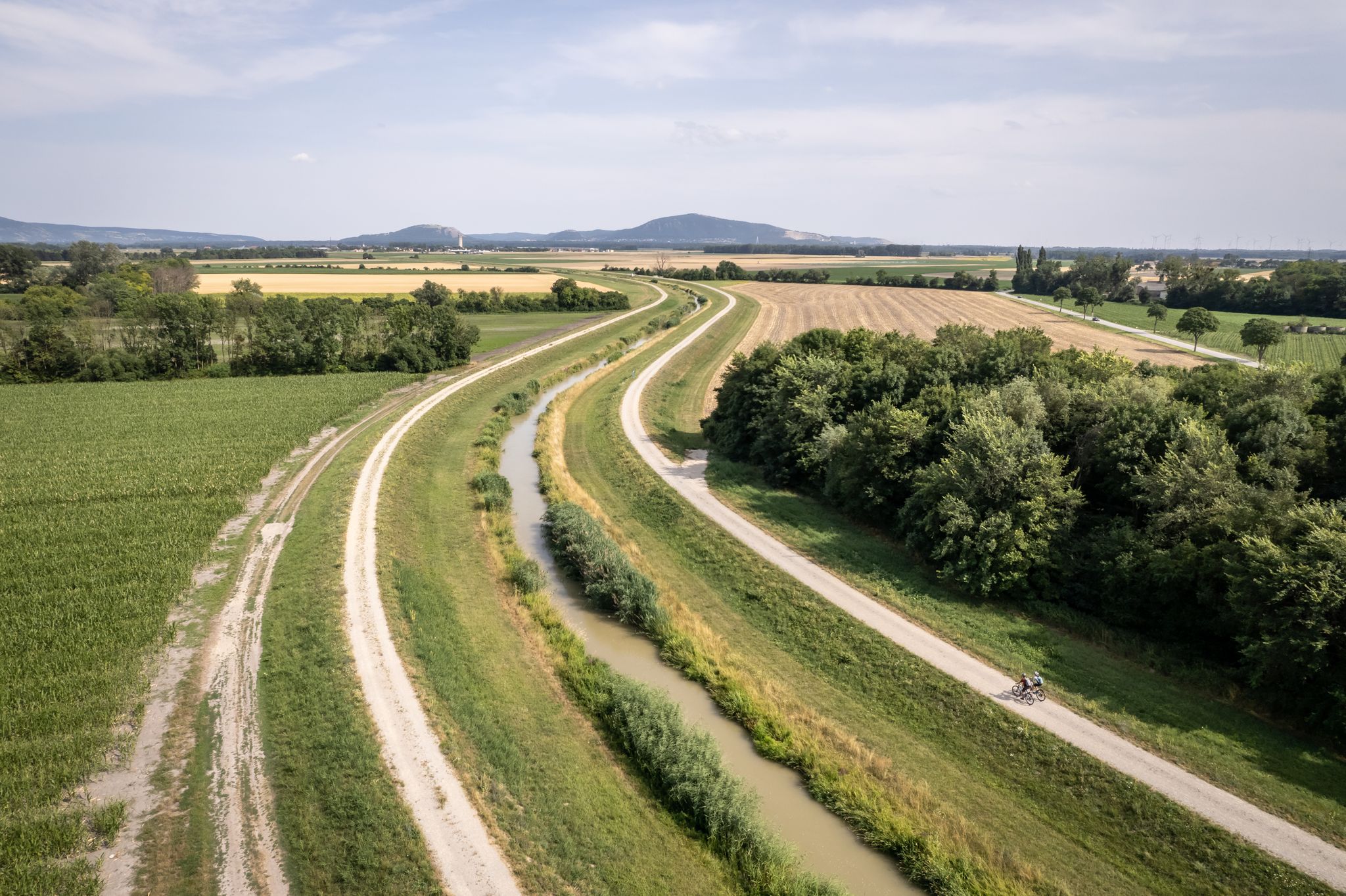
To the Weinviertel! – joyous cycling on Vienna's doorstep
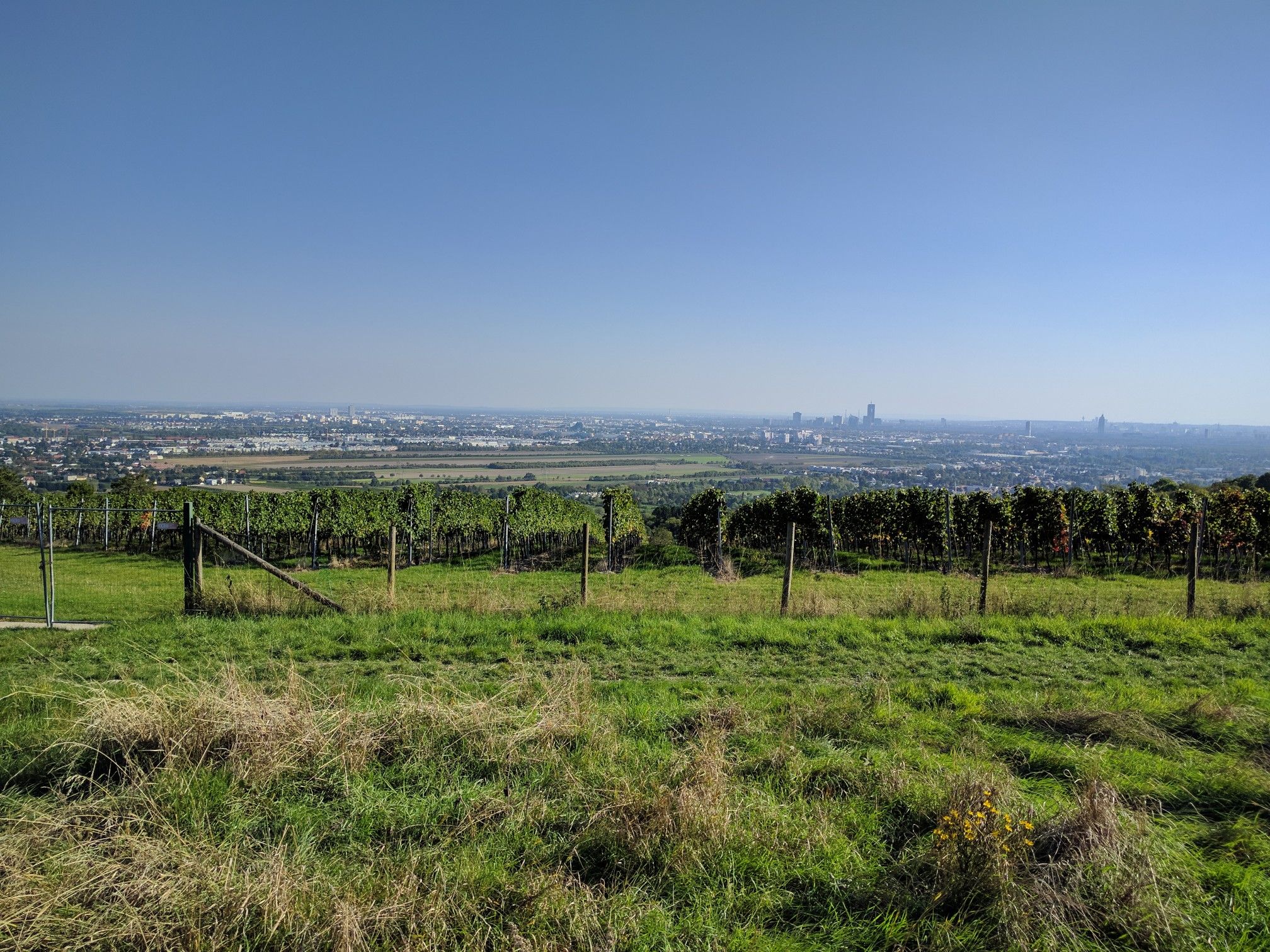
Hiking between Vienna and the Vineyards
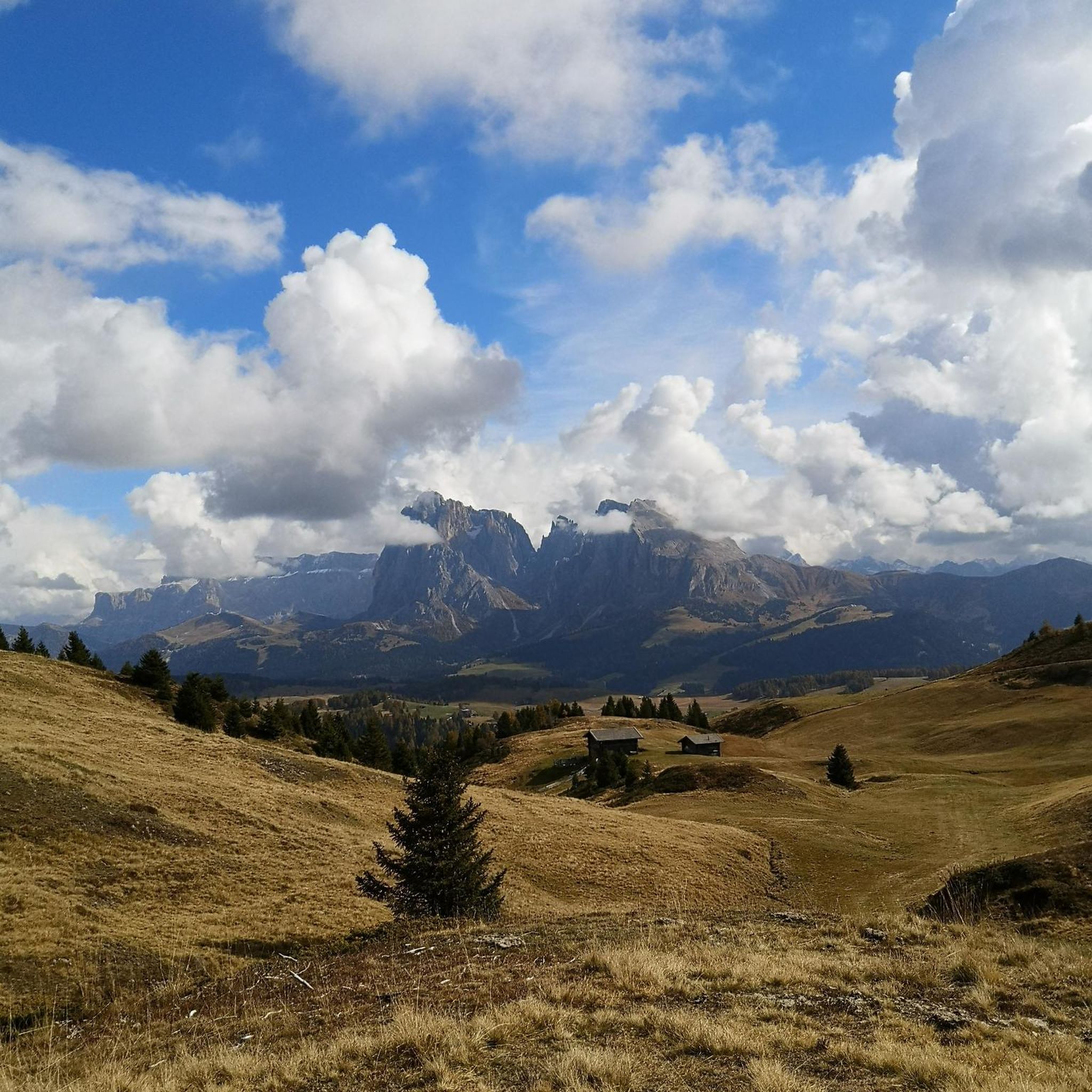
Gravel biking around Langenzersdorf
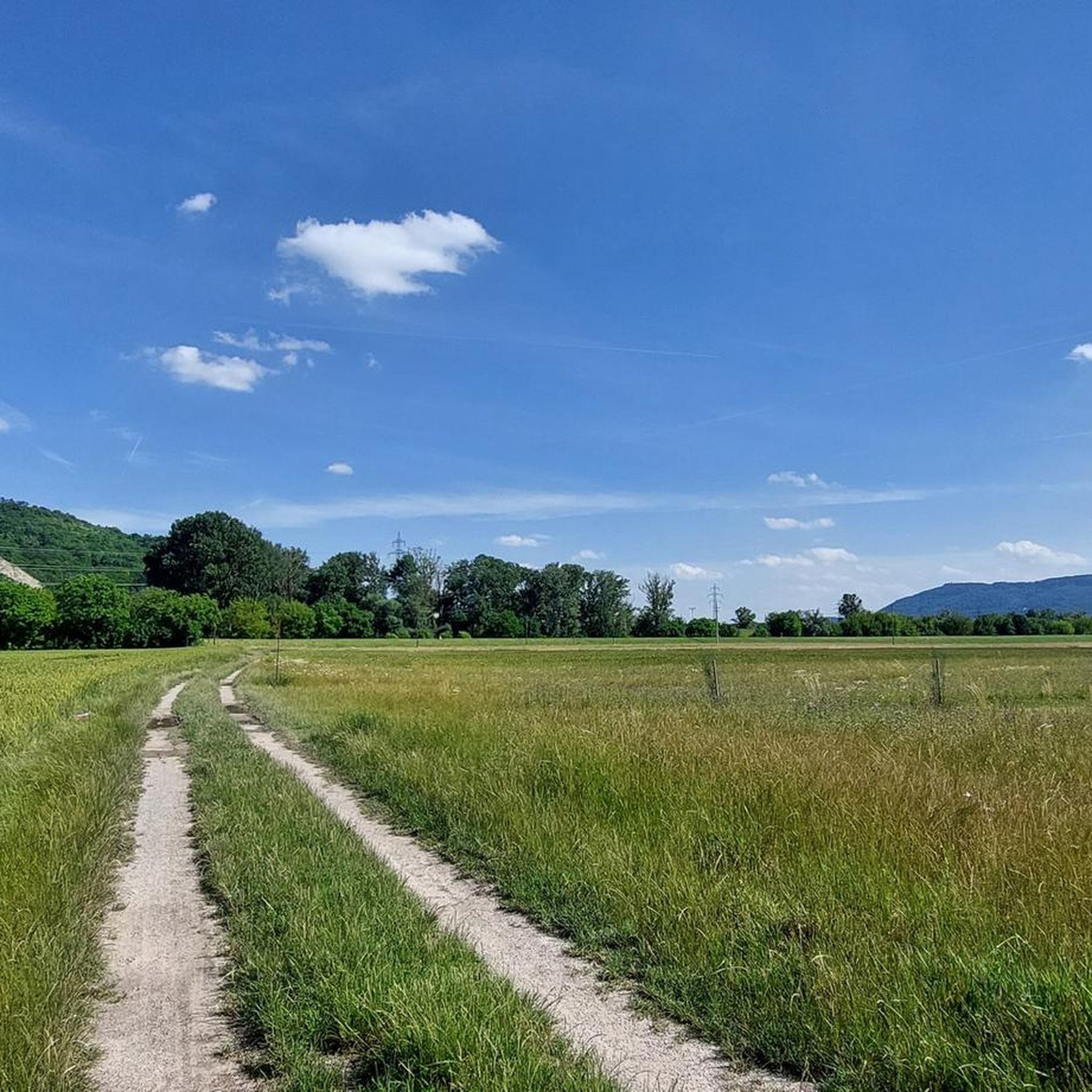
Cycling around Langenzersdorf
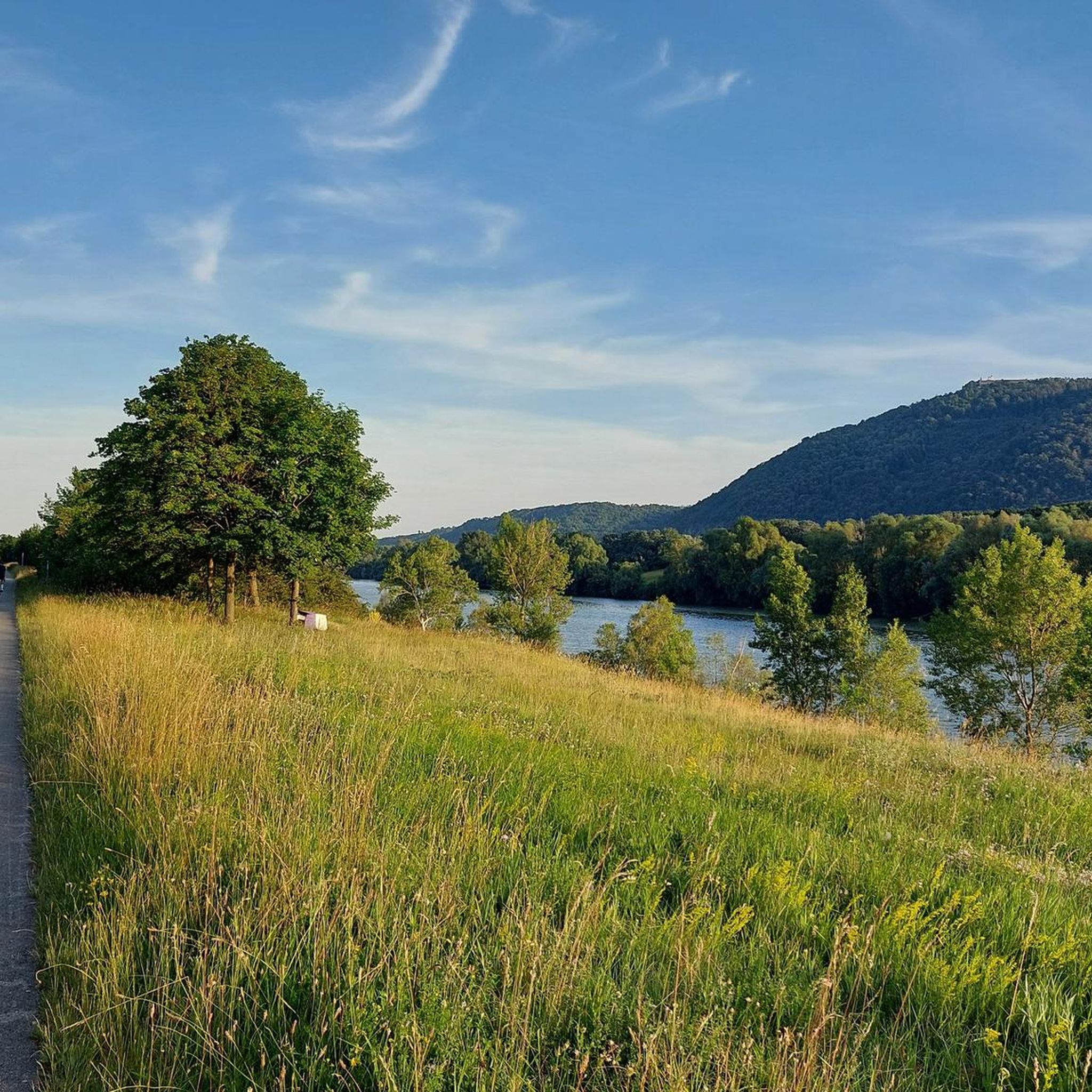
Hiking around Langenzersdorf
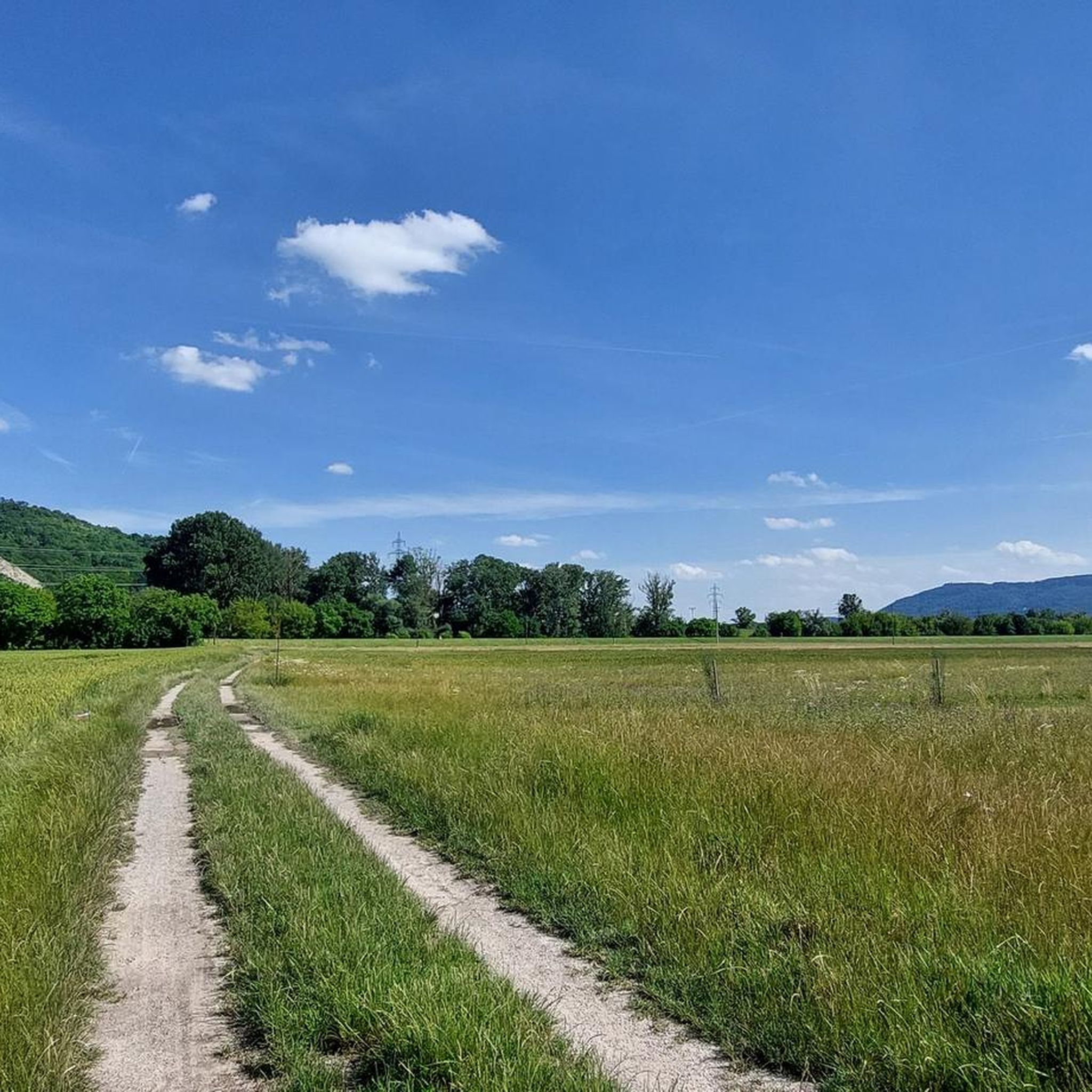
Road Cycling Routes around Langenzersdorf
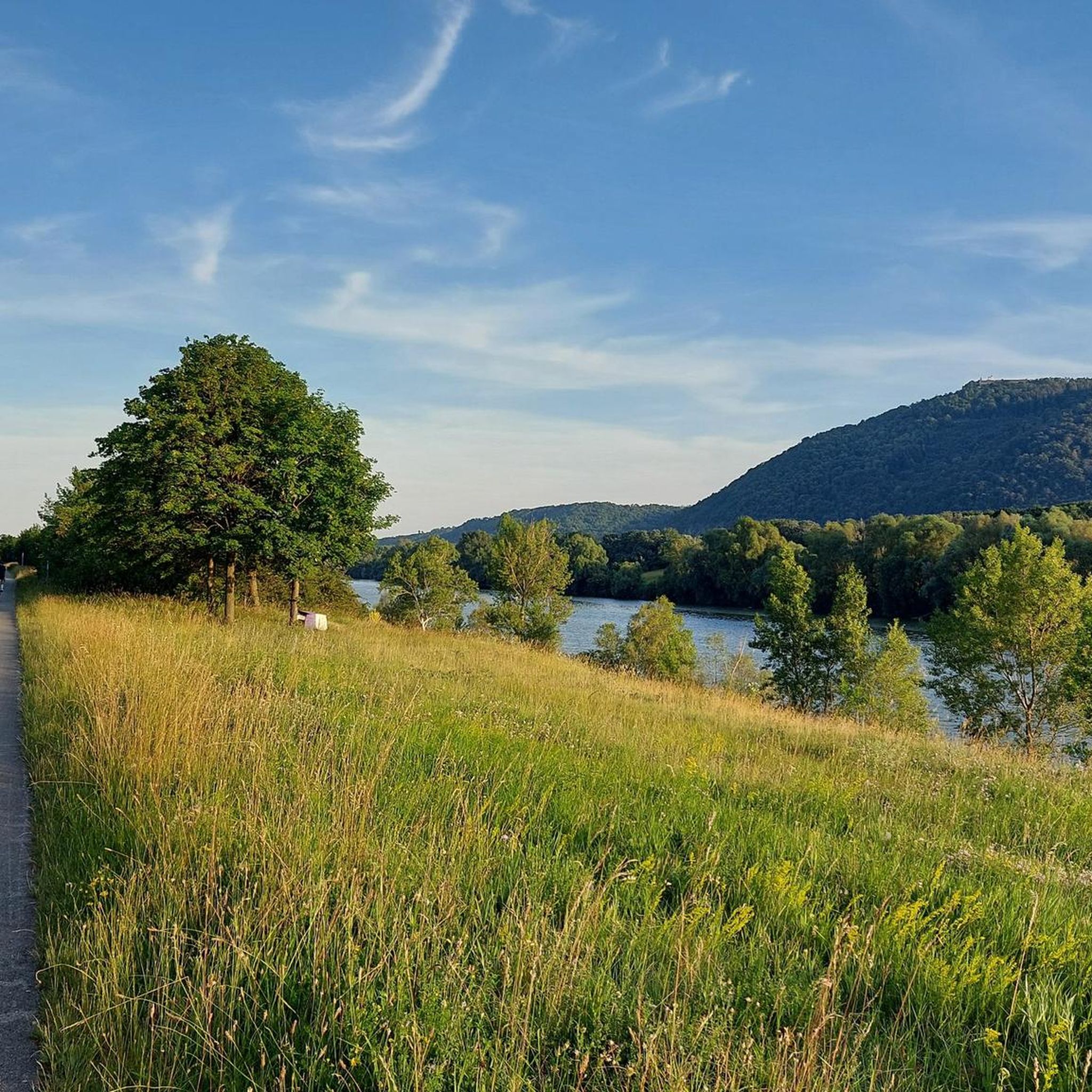
Running Trails around Langenzersdorf
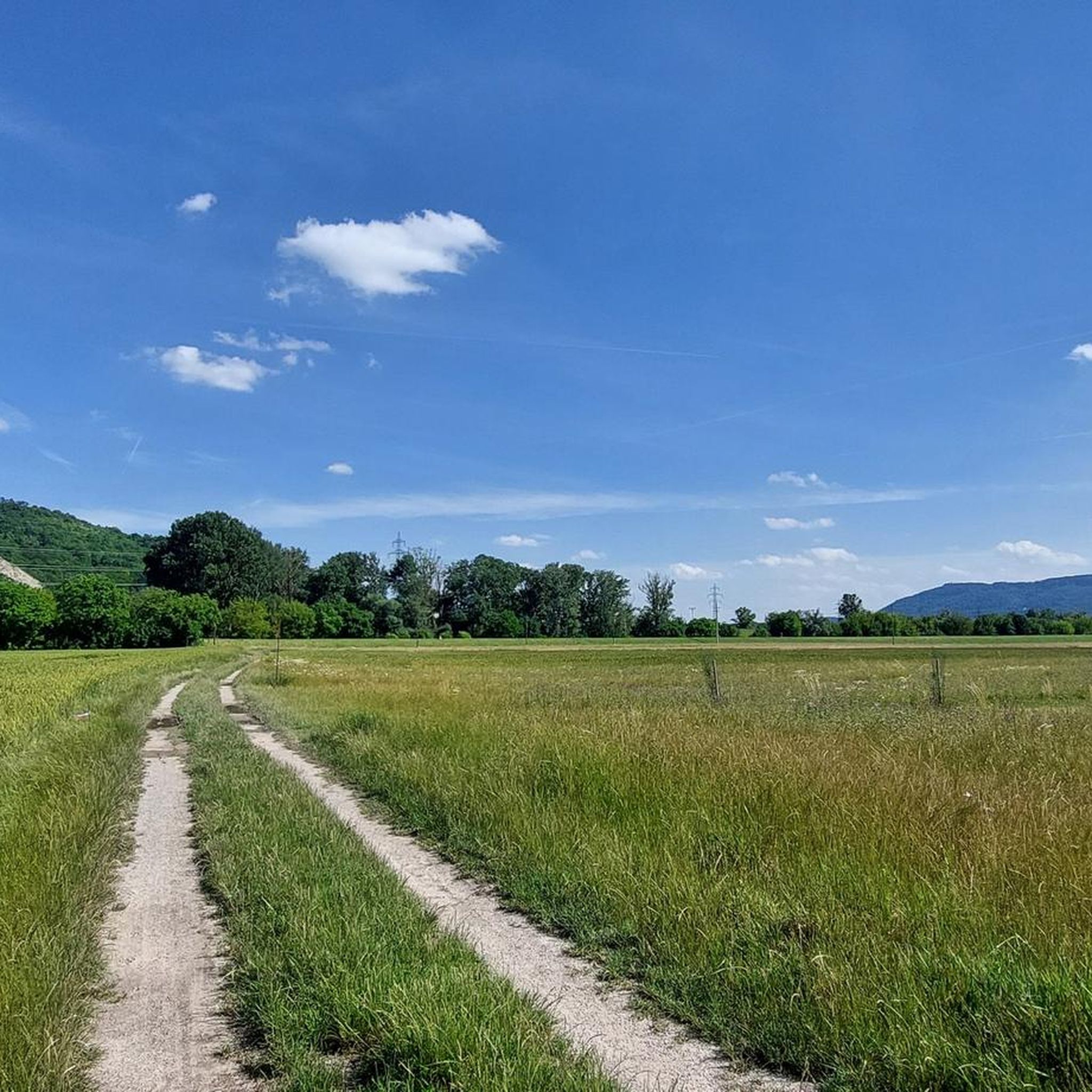
MTB Trails around Langenzersdorf

Mountain Hikes around Langenzersdorf


Tips from the Community

The Kreuzeichenwiese is a spacious clearing in the Vienna Woods, offering a beautiful contrast to the surrounding forest passages. The open area invites you to linger and conveys a sense of vastness in the middle of nature. A pleasant resting spot along the hiking trails, especially on sunny days.
4
0

The Kreuzeichenwiese is a large meadow in the middle of a forest. There are several good rest areas here.
4
1

Liberation Monument (Soldiers of the Red Army) Memorial in memory of the approximately 18,000 Red Army soldiers who fell in battle during the liberation of Vienna. The Liberation Monument (also known as the Monument in Honor of the Soldiers of the Soviet Army), popularly known as the Russian Monument on 3rd Schwarzenbergplatz, stands on the part of the square that was called Stalinplatz from April 1946 to July 1956. The Heroes' Monument to the Unknown Russian Soldier, erected on the Red Army's orders to commemorate the liberation of Vienna, on whose 20-meter-high base stands the twelve-meter-high statue of a Red Guard with a flag in his hand, stands against the backdrop of an eight-meter-high balustrade, at each end of which a group of two fighters was attached. The monument was erected exactly on the main axis of the square, so that it can be easily seen from the Ringstrasse. The design was by Major C. G. Jakowlew, the sculptures were created by Lieutenant M. A. Intisarjan, the overall management was carried out by Major Engineer M. S. Schönfeld; assembly was carried out by Ernst Hawlik (Vienna 3). The monument bears the following inscription (in Russian): Eternal glory to the heroes of the Red Army who fell in battle against the German fascist robbers of the freedom and independence of the peoples of Europe. In front of the central column with the statue, a tilted metal cube was erected in the late 1970s (according to POREM 1986), on which one can read in German and Russian: Monument in honor of the soldiers of the Soviet Army who fell for the liberation of Austria from fascism. April 1945. Creator of the monument: sculptor M. A. Intesarjan, architect S. G. Jakowlew. The monument was inaugurated on August 19, 1945." The monument was prepared by the Red Army before the capture of Vienna and was ceremoniously unveiled on August 19, 1945, when the Soviet forces still occupied Vienna alone (see also Allied Occupation). The 3rd district came under the administration of the British Army on September 1, 1945. The monument was therefore not in the Soviet sector; however, the 4th district, which was occupied by the Soviets until 1955, is immediately adjacent to the monument. Text / Source: City of Vienna https://www.geschichtewiki.wien.gv.at/Befreiungsdenkmal
14
1

Nice place to jump into the water, well paved, but very narrow in places. Drive carefully!
1
0

nice to drive, - luckily the weather wasn't so good, so we got through.
1
0

Bombastic memorial for the liberation from Nazi rule. Reminiscent of monuments in the East. The fountain is particularly beautiful in the morning, when the sunlight creates a rainbow 🌈 in the water.
5
1

Always interesting to come by here. The house in the middle of the forest, a meadow to romp around and lots of benches to rest. And of course, off to the Roan Trail, which starts right here.
2
0

The Graben is one of the most famous streets in the center of Vienna's old town, the 1st district. It is a luxurious shopping and promenade street decorated with historical buildings, fountains and monuments. It has a long and exciting history dating back to Roman times. The ditch starts from Stock-im-Eisen-Platz / Stephansplatz (with St. Stephen's Cathedral) at the beginning of Kärntner Straße and runs north-west to the Kohlmarkt - Tuchlauben transverse axis. Narrow historic alleys branch off from the Graben and lead to other sights such as St. Peter's Church or the Dorotheum. The Graben is designed as a square-like pedestrian area and offers a pleasant atmosphere for walkers. The Graben is also a place of art and culture. It is home to some of the city's most prestigious shops, boutiques and cafés, such as Julius Meinl am Graben, Frick am Graben or Café de l'Europe. It is also a scene for various festivals and events, such as the Christmas market or the carnival parade. It is a meeting point for locals and tourists, who can enjoy the flair and beauty of Vienna here.
7
1
Frequently Asked Questions
What types of natural features can I expect to see around Langenzersdorf?
The region around Langenzersdorf offers a mix of natural features, including significant riparian forests like the Aupark, which is a protected area with black and silver poplars and elm trees. You can also find lakes and riverine landscapes, such as the Greifenstein Danube Oxbow, which is ideal for swimming and relaxation, and forested hills like those surrounding the Hameau Hut and Meadow.
Are there family-friendly natural monuments in the area?
Yes, several natural monuments are suitable for families. The Greifenstein Danube Oxbow is a great spot for swimming and relaxing by the water. The Hameau Hut and Meadow (Schwarzenberg Park) offers a clearing with benches, perfect for a family rest. Additionally, the Kreuzeichenwiese provides a spacious meadow with shady trees, ideal for picnics.
What historical or cultural sites are designated as natural monuments around Langenzersdorf?
Beyond purely natural landscapes, the region includes sites with historical significance that are also recognized as natural monuments. The Plague Column (Pestsäule) on the Graben in Vienna's Old Town is a prominent man-made monument with historical importance. The Hameau Hut and Meadow within Schwarzenberg Park also has a rich history, once being part of an English garden with huts.
What outdoor activities can I do near these natural monuments?
The area around Langenzersdorf is excellent for various outdoor activities. You can find numerous easy hiking trails, such as those leading to views of Vienna or around Bisamberg. For cyclists, there are routes like the Wine cycle route – Danube-Veltliner or the Marchfeld Canal cycle route. Mountain biking enthusiasts can explore trails like the Marchfeld Canal – Krumpenwasser loop. You can find more details on these activities in the easy hikes, cycling, and MTB trails guides for Langenzersdorf.
Are there any natural monuments that are wheelchair accessible?
Yes, some sites offer better accessibility. The Plague Column (Pestsäule) on the Graben and Schwarzenbergplatz, both located in urban settings, are generally wheelchair accessible, allowing visitors to appreciate their historical and natural monument status.
What is the Aupark in Langenzersdorf and why is it significant?
The Aupark in Langenzersdorf is a designated natural monument (KO-036) covering approximately 7 hectares. It's a unique riparian forest ecosystem, characterized by tree species like black and silver poplars and elm. This area is ecologically significant for its biodiversity, flood regulation, and water purification, while also serving as a recreational space for walking and relaxation.
Where can I go for a peaceful walk in nature near Langenzersdorf?
For a peaceful walk, the Aupark in Langenzersdorf offers a tranquil setting within its protected riparian forest. You can also enjoy serene walks amidst mature trees and open spaces at the Kreuzeichenwiese, which is part of the Vienna Woods and an ideal resting spot on city hiking trails.
What do visitors particularly enjoy about the natural monuments around Langenzersdorf?
Visitors appreciate the diverse opportunities for relaxation and connection with nature. Many enjoy swimming and unwinding at the Greifenstein Danube Oxbow. The peaceful atmosphere of places like the Aupark and the Kreuzeichenwiese for picnics and walks are also highly valued. The historical context of sites like the Plague Column adds another layer of interest.
Are there any viewpoints among the natural monuments?
Yes, several natural monuments offer scenic viewpoints. The Greifenstein Danube Oxbow provides lovely views of the lake and surrounding nature. The Hameau Hut and Meadow is also a great spot for views, serving as a starting point for trails with panoramic vistas. The Kreuzeichenwiese, with its open spaces, also offers pleasant views.
Can I find places to rest or picnic at these natural monuments?
Absolutely. The Hameau Hut and Meadow features several benches in a clearing, perfect for resting. The Kreuzeichenwiese is described as a spacious meadow with old trees, making it an ideal spot for a picnic. Many areas within the Aupark also provide natural settings for relaxation.
What is the best time of year to visit the natural monuments around Langenzersdorf?
The natural monuments around Langenzersdorf can be enjoyed throughout the year, depending on your preferred activity. Spring and autumn offer pleasant temperatures for hiking and exploring the forests like the Aupark and Schwarzenberg Park. Summer is ideal for water activities at the Greifenstein Danube Oxbow. Even in winter, some areas like the Schwarzenbergplatz with its illuminated fountain can be charming.
Most popular routes around Langenzersdorf
Most popular attractions around Langenzersdorf

Get inspired with the komoot mobile app


Explore more
Extend your search for the best caves by checking out these guides of the top ones around Langenzersdorf:
