Top 13 Natural Monuments around Herrnbaumgarten
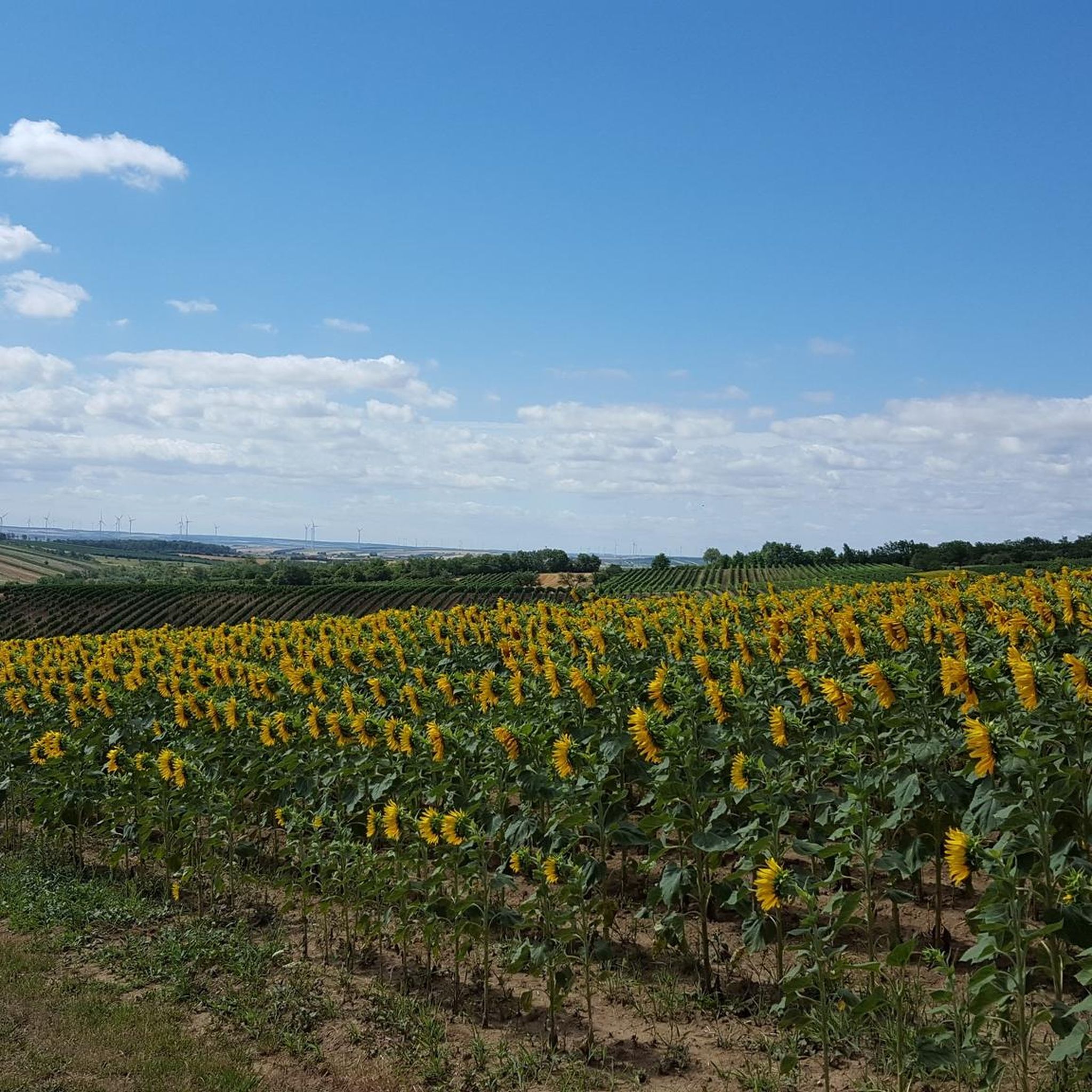
Best natural monuments around Herrnbaumgarten are found within a region characterized by its wine-growing landscape, expansive vineyards, and surrounding forests. While Herrnbaumgarten itself is known for its idyllic setting, designated natural monuments are primarily located in the immediate surrounding areas. These sites offer diverse natural features, from geological formations to unique ecosystems. The area provides opportunities to explore natural beauty alongside its cultural viticultural heritage.
Best natural monuments around Herrnbaumgarten
- The most popular natural monuments is Flooded Limestone Quarry Janíčův…
Last updated: July 7, 2026
Lourdes Grotto Falkenstein
Highlight • Religious Site
Translated by Google •
Tip by

Flooded Limestone Quarry Janíčův Vrch
Highlight • Natural Monument
Translated by Google •
Tip by

Sign up now to discover places like this
Get recommendations on the best single tracks, peaks, & plenty of other exciting outdoor places.
Sign up for free
Flooded Quarry U Mariánského mlýn
Highlight • Lake
Translated by Google •
Tip by

South Moravian Cross
Highlight • Monument
Translated by Google •
Tip by

Maria Bründl Spring
Highlight • Natural Monument
Translated by Google •
Tip by

Sign up for free to discover even more natural monuments around Herrnbaumgarten.
Sign up for free
Already have an account?
Start today with a free account
Your next adventure awaits.
Login or Signup
Tips from the Community

The Mariengrotte is a 15-meter-high half-cave beneath the Falkenstein castle ruins, which was designed as a Lourdes grotto in 1889. The larger-than-life statues - of the Mother of God and St. Bernadette - are the work of Theodor Haf from Pfronten, a sculptor in Munich.
1
0

The U Mariánské mlýna quarry, also called Na Janičov vrchu, is an abandoned and flooded limestone quarry in the Pálava Protected Landscape Area. The water in the quarry is crystal clear thanks to the limestone. The stony beach is followed by a shoal several meters long, which suddenly turns into a great depth. However, it is not yet known how deep the lake is. The quarry is open to a maximum of 100 visitors at a time and rules have been established according to which a visit to the quarry is allowed. The aim is to protect the Janičův vrch quarry. The flooded quarry is part of the natural monument Quarry Janičův vrch and bathing is allowed here only on condition that the water ecosystem and the adjacent banks are not damaged.
0
0

The quarry encourages people to take a dip in the water, which is beautifully clean. There is also the possibility of gradual entry and observation of fish. There is also a facility - 2 changing rooms + two dry toilets. There was an extremely nice lady at the entrance who will make you feel completely at ease.
2
0

The memorial commemorates the expelled German-speaking South Moravian people after the Second World War. More info at https://de.wikipedia.org/wiki/S%C3%BCdm%C3%A4hrenkreuz
0
0

already done, but only driving is not possible.
0
0
The South Moravians erected several memorials on the mountain. At the top of the Cross Hill is the South Moravian Cross, on a small square a little below there are other monuments.
1
0

Very nicely designed. With fresh water.
0
0

A woman had a dream of a grotto in the mountain, then one was actually discovered,
2
0
Frequently Asked Questions
What kind of natural features can I explore around Herrnbaumgarten?
The region around Herrnbaumgarten is characterized by its idyllic wine-growing landscape, expansive vineyards, and surrounding forests. While Herrnbaumgarten itself offers a beautiful natural setting, designated natural monuments in the immediate vicinity include unique geological formations like flooded limestone quarries, natural grottoes, and healing springs. You can discover sites such as the Flooded Limestone Quarry Janíčův Vrch and the Maria Bründl Spring.
What makes the Flooded Limestone Quarry Janíčův Vrch a significant natural monument?
The Flooded Limestone Quarry Janíčův Vrch, located near Mikulov, was declared a natural monument in 2014. It's a haven for biodiversity, supporting developing animal communities and rare plant and animal species that have adapted to its unique environment. It's also an important paleontological site, offering insights into ancient life forms. The water is crystal clear, and it's a popular spot for swimming, though summer visitor numbers are limited and an entrance fee is charged.
Are there any historical or cultural sites combined with natural monuments?
Yes, the Lourdes Grotto Falkenstein is a notable example. While primarily a religious site, this 15-meter-high half-cave beneath the Falkenstein castle ruins is a natural formation that was designed as a Lourdes grotto in 1889. Visitors are drawn to its serene atmosphere and the historical context of its discovery, which, according to local lore, was inspired by a dream in the 19th century.
Are there family-friendly natural monuments to visit near Herrnbaumgarten?
Yes, several natural monuments are suitable for families. The Lourdes Grotto Falkenstein offers an accessible and interesting visit for all ages. Additionally, the Maria Bründl Spring, with its small healing spring next to a chapel, is also considered family-friendly and provides a peaceful setting for a short excursion.
What kind of wildlife can be observed at these natural monuments?
The Flooded Limestone Quarry Janíčův Vrch is particularly rich in biodiversity. It's home to rare plant species like the Common Needle Rose and endangered bird species such as the Grey Heron and Kingfisher. The developing animal communities in the flooded quarries make it a significant ecological spot for wildlife observation.
What outdoor activities can I do near the natural monuments around Herrnbaumgarten?
The region offers various outdoor activities. You can find numerous cycling routes, including road cycling and touring bicycle options, that take you through the scenic wine country and past some natural landmarks. For instance, you can explore routes like 'Cyclists' Rest Area Althöflein – Sulphur Spring loop' or 'Valtice – Monument at Lednice Castle loop'. For more details, check out the Cycling around Herrnbaumgarten guide or the Road Cycling Routes around Herrnbaumgarten guide.
Are there running trails available near these natural sites?
Yes, there are several running trails that allow you to experience the natural beauty of the area. You can find routes that pass through vineyards or near points of interest like the Maria Bründl Spring. For example, the 'Maria Bründl Spring – Poysdorf Cellar Lanes and Art loop' is a moderate 5.8 km run. More running options are available in the Running Trails around Herrnbaumgarten guide.
What is the best time of year to visit the natural monuments?
The region's natural monuments are enjoyable throughout the year, but each season offers a different experience. Spring and autumn are ideal for hiking and cycling, with pleasant temperatures and beautiful vineyard colors. Summer is perfect for swimming at the Flooded Limestone Quarry Janíčův Vrch, though it can get busy. Winter offers a tranquil, often snow-covered landscape, suitable for quiet walks.
Is the Flooded Quarry U Mariánského mlýn the same as Janíčův Vrch?
The Flooded Quarry U Mariánského mlýn is also known as Na Janičov vrchu and is part of the natural monument Quarry Janičův vrch. It is an abandoned and flooded limestone quarry within the Pálava Protected Landscape Area. The water is crystal clear, and while bathing is allowed, rules are in place to protect the water ecosystem and adjacent banks, with a maximum of 100 visitors allowed at a time.
What is the South Moravian Cross and what does it offer?
The South Moravian Cross is a significant man-made monument located on a small hill, offering a great viewpoint. While not a natural monument itself, it provides expansive views of the surrounding natural landscape. The South Moravians erected several memorials on this hill, making it a site of historical and cultural interest alongside its scenic appeal.
Are there any natural springs with historical significance?
Yes, the Maria Bründl Spring is a small healing spring located next to a chapel on the Way of St. James. It has historical significance, as it was demonstrably visited for healing purposes during the Thirty Years' War and likely even before. Local legends also speak of its miraculous properties, particularly for eye and foot ailments.
Can I find information about the Herrnbaumgarten municipality itself?
While this guide focuses on natural monuments, Herrnbaumgarten is a charming wine-growing community known for its idyllic landscape. For more general information about the municipality, you can visit the official Lower Austria tourism website: lower-austria.info/municipality/herrnbaumgarten.
Most popular routes around Herrnbaumgarten
Most popular attractions around Herrnbaumgarten

Get inspired with the komoot mobile app


Explore more
Extend your search for the best caves by checking out these guides of the top ones around Herrnbaumgarten:
