Top 4 Natural Monuments around Deutsch Jahrndorf
Best natural monuments around Deutsch Jahrndorf are found in Austria's easternmost municipality, situated at the tripoint of Austria, Slovakia, and Hungary. This region is characterized by its unspoiled natural landscapes and significant ecological areas. The area offers diverse natural features, including proximity to the Nationalpark Neusiedler See–Seewinkel, a unique steppe lake ecosystem. Its flat terrain also provides opportunities for outdoor activities like cycling and hiking.
Best natural monuments around Deutsch Jahrndorf
- The most popular natural monument is Kleine Warte, view…
Last updated: July 21, 2026
Römerquelle Spring, Edelstal
Highlight • Natural Monument
Edelstal, Neusiedl am See district, Burgenland
6–180 AD spa and bathing facility near the Roman military camp of Carnuntum, according to legend, Emperor Marcus Aurelius healed his …
Translated by Google •
Tip by

Twin Swimming Lakes
Highlight • Lake
Translated by Google •
Tip by

Sign up now to discover places like this
Get recommendations on the best single tracks, peaks, & plenty of other exciting outdoor places.
Sign up for free
Sri Chinmoy Peace Blossom
Highlight • Monument
Translated by Google •
Tip by

Pannonian Bee Garden Nickelsdorf
Highlight • Natural Monument
Translated by Google •
Tip by

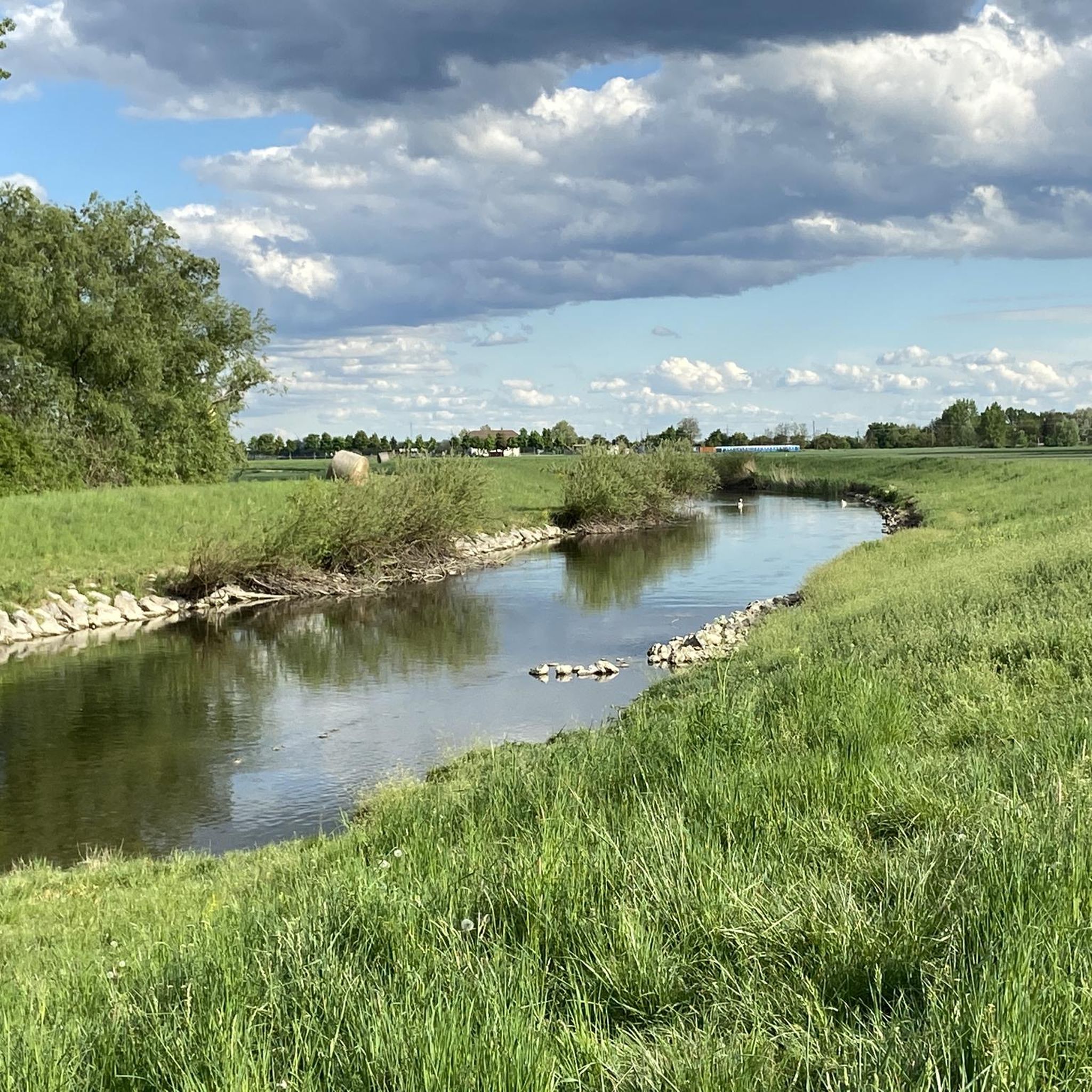
Kleine Warte, view of the untouched Danube wetlands
Highlight • Viewpoint
Translated by Google •
Tip by
Start today with a free account
Your next adventure awaits.
Login or Signup
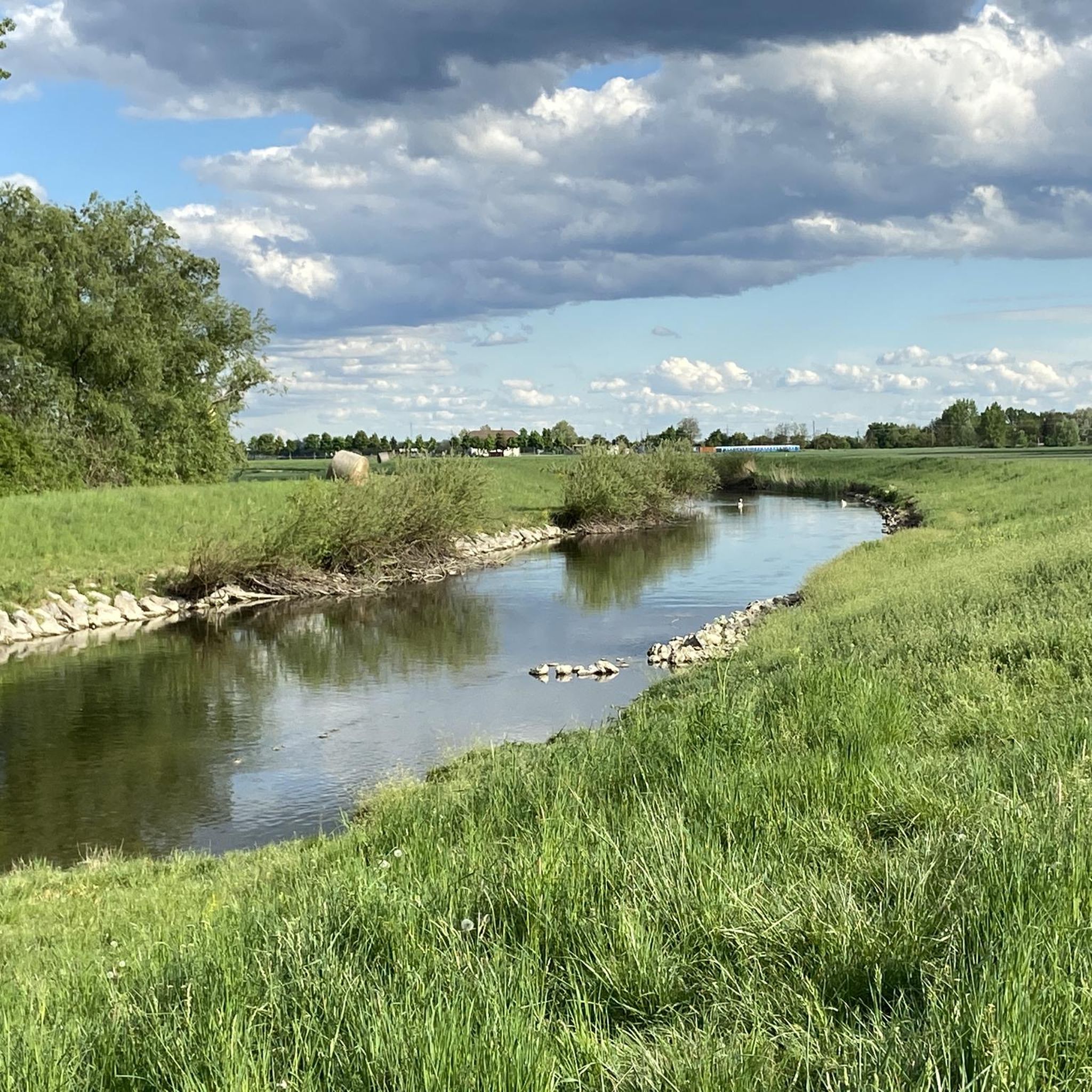
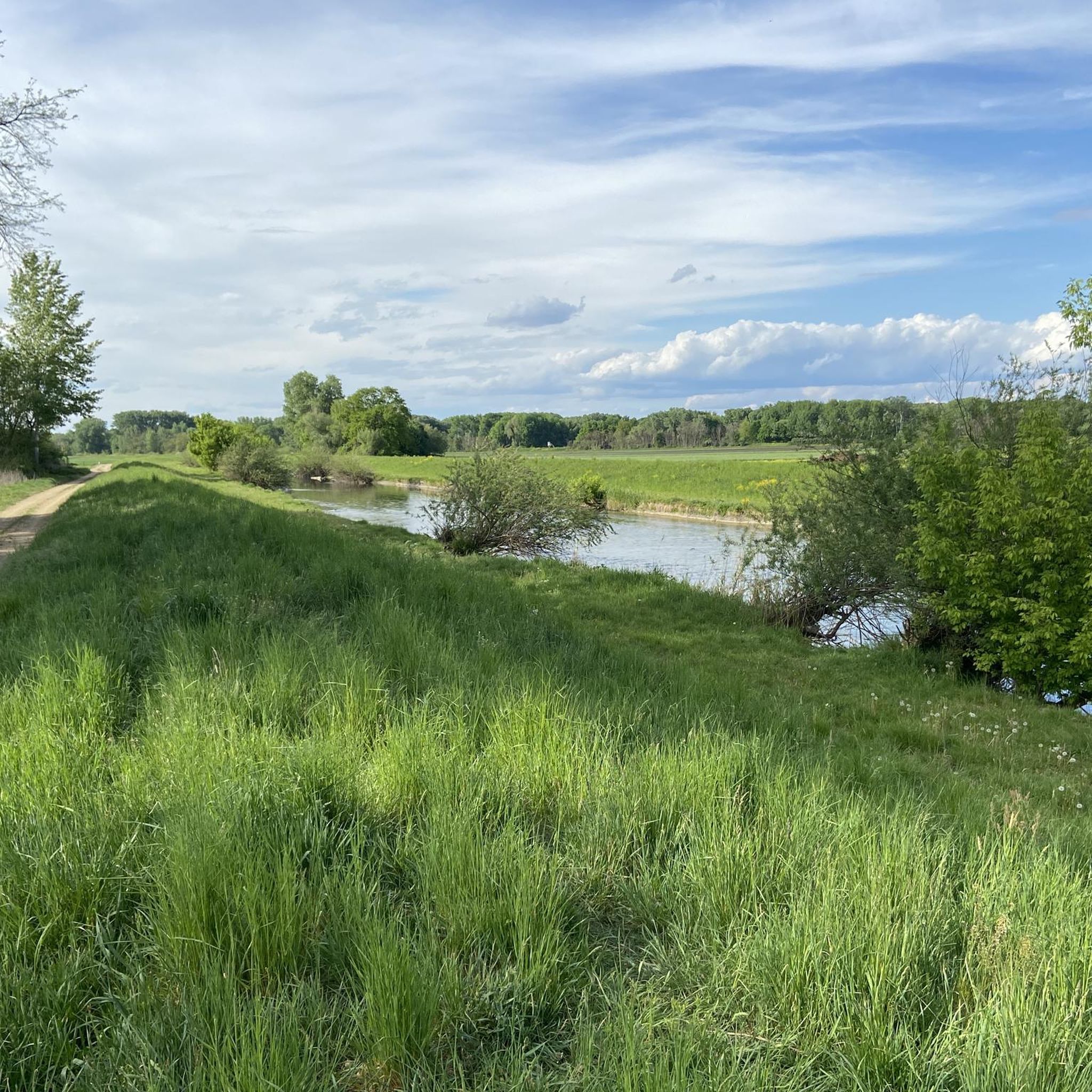
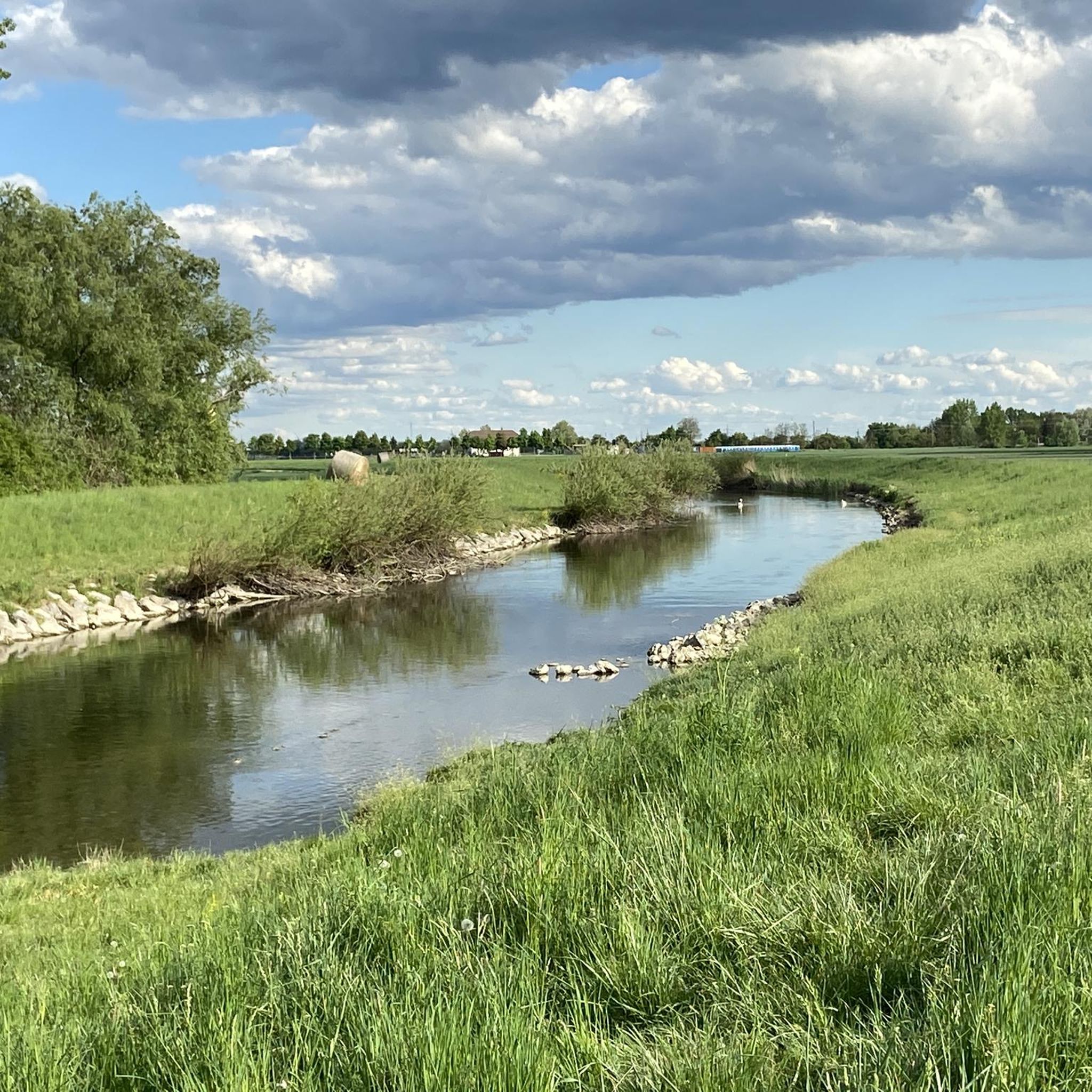
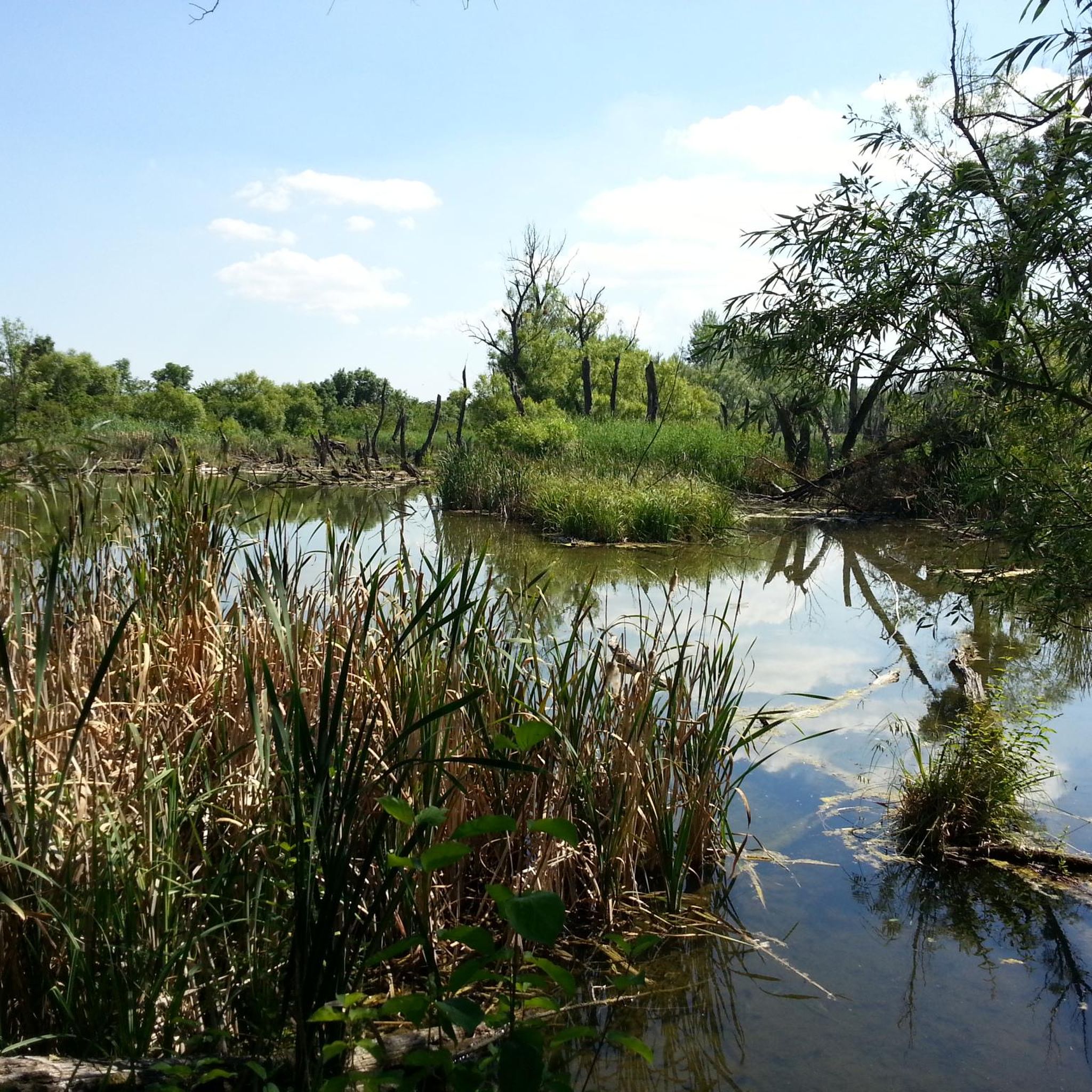

Tips from the Community

A distinctively designed monument to peace at the distinctive three-country corner of Austria/Slovakia/Hungary, suitable for those interested in culture and history.
0
0
Very charming small lake landscape with a well-developed network of cycle paths all around.
1
0
Beautiful viewing tower to be able to observe the vastness and width of the Danube. As of April 18, 2026, access is prohibited due to renovation.
0
0

Part of the Sri Chinmoy Peace-Blossoms Initiative. Sri Chinmoy dedicated his entire life to serving peace, working through his numerous activities to ensure that people of all countries, cultures, and faiths could live in love and oneness.
2
0

Roman spring, Edelstal Edelstal, Neusiedl am See district, Burgenland 6–180 AD spa and bathing facility near the Roman military camp of Carnuntum, according to legend, Emperor Marcus Aurelius healed his wounds at the "Bründl" 1890 rediscovery of the spring 1925 restoration of the spring room and start of commercial use In 1925, commercial use of the water began and in 1932 a spa was built in Edelstal. In 1948, bottling began and in 1965 the spring was officially recognized as a healing spring. The RÖMERQUELLE is a so-called artesian well, the water of which uses a tectonic fault line to rise to the surface in Edelstal (on the southeast slope of the Hundsheimer Mountains) at 17 degrees Celsius. According to studies by the Federal Testing and Research Institute Arsenal (C-14 method), the RÖMERQUELLE is 5,300 years old. Text / Source: Sagen.at https://www.sagen.at/doku/quellen/quellen_burgenland/edelstal.html
12
0

Nice bathing spots, but very busy in summer
2
0

A small nature trail with viewing platforms on the subject of bees. In the middle of the wood there is a small lake, the nature trail itself is lined with some information boards. Caution! Access is only permitted during the growing season from April to the end of October!
1
0
Small waiting room with a fantastic view of the pristine Danube floodplains. Especially beautiful looks the driftwood, which has collected here ...
0
0
Frequently Asked Questions
What are the most notable natural monuments and attractions around Deutsch Jahrndorf?
The region around Deutsch Jahrndorf offers several compelling natural attractions. Key highlights include the Römerquelle Spring in Edelstal, known for its ancient Roman history, and the Twin Swimming Lakes, a charming small lake landscape popular for bathing. You can also visit the Pannonian Bee Garden Nickelsdorf, a nature trail focused on bees, and the Kleine Warte viewpoint, offering views of the Danube wetlands. Additionally, the broader area is dominated by the unique ecosystem of the Nationalpark Neusiedler See–Seewinkel.
Are there hiking opportunities near the natural monuments?
Yes, the flat terrain around Deutsch Jahrndorf and its natural monuments is excellent for hiking. You can find various easy trails, including loops around the Twin Swimming Lakes. For more options, explore the easy hikes around Deutsch Jahrndorf.
Which natural monuments are suitable for families?
Several natural monuments are family-friendly. The Römerquelle Spring, the Twin Swimming Lakes, the Pannonian Bee Garden Nickelsdorf, and the Kleine Warte viewpoint are all suitable for family outings, offering easy access and engaging experiences for all ages.
Are there any wheelchair-accessible natural monuments?
The Sri Chinmoy Peace Blossom, located at the tripoint of Austria, Slovakia, and Hungary, is noted as wheelchair-accessible. While primarily a man-made monument, its setting within a natural landscape makes it an accessible point of interest.
When is the best time to visit the natural monuments and the surrounding region?
The spring and summer months (April to October) are generally ideal for visiting the natural monuments and enjoying outdoor activities. The Pannonian Bee Garden Nickelsdorf, for example, is only accessible during the growing season from April to the end of October. The Nationalpark Neusiedler See–Seewinkel is particularly vibrant during these times, offering excellent birdwatching and pleasant conditions for cycling and hiking.
Can I bring my dog to the natural monuments or on nearby trails?
While specific regulations vary, many outdoor areas and trails around Deutsch Jahrndorf are dog-friendly, especially if dogs are kept on a leash. It's always advisable to check local signage at specific natural monuments or within the Nationalpark Neusiedler See–Seewinkel for any restrictions, particularly concerning protected wildlife areas.
What kind of wildlife can I expect to see?
The region, especially the nearby Nationalpark Neusiedler See–Seewinkel, is a haven for wildlife. It's renowned for its exceptional biodiversity, particularly its birdlife, with up to 350 bird species observed. You can also expect to see unique flora and fauna adapted to the wetland and steppe environment.
What are the significant natural protected areas in the Deutsch Jahrndorf region?
The most significant natural protected area is the **Nationalpark Neusiedler See–Seewinkel**. This cross-border national park is a unique steppe lake ecosystem, characterized by its extensive reed belt and exceptional biodiversity. It's a vital area for nature conservation and offers diverse natural landscapes for exploration.
What cycling opportunities are available near Deutsch Jahrndorf's natural attractions?
The area is excellent for cycling. The famous Donauradweg (Danube Cycle Path) is easily accessible near Šamorín, offering long, wide, and pleasant paths along the Danube River. Additionally, there are numerous cycling routes around Deutsch Jahrndorf, including options for touring bicycles and road cycling, allowing you to explore the natural beauty of the region.
Are there any natural monuments with historical significance?
Yes, the Römerquelle Spring in Edelstal has significant historical ties. According to legend, Emperor Marcus Aurelius healed his wounds here, and it was part of a spa and bathing facility near the Roman military camp of Carnuntum between 6–180 AD. The spring was rediscovered in 1890, and its water is estimated to be 5,300 years old.
What unique natural features can I observe in the region?
The region boasts several unique natural features. The Nationalpark Neusiedler See–Seewinkel is known for its vast steppe lake ecosystem and extensive reed belt, which can be up to 5 km wide. You can also observe the untouched Danube wetlands from viewpoints like Kleine Warte, and experience the artesian well of the Römerquelle Spring.
Most popular routes around Deutsch Jahrndorf
Most popular attractions around Deutsch Jahrndorf

Get inspired with the komoot mobile app


Explore more
Extend your search for the best caves by checking out these guides of the top ones around Deutsch Jahrndorf:
