Top 13 Natural Monuments around Gattendorf
Natural monuments around Gattendorf, located in Burgenland, Austria, feature a diverse landscape shaped by the Leitha River and its floodplains. This region is characterized by its unique animal and plant life, offering varied natural features for exploration. Visitors can discover 13 natural monuments, including conservation areas, caves, and significant wildlife habitats. The area provides opportunities for observing ecological projects and experiencing the natural environment.
Best natural monuments around Gattendorf
- The most popular natural monuments is European Bee-Eater Colony at Ungerberg…
Last updated: October 11, 2026
Zitzmannsdorfer Meadows Conservation Area
Highlight (Segment) • Natural
Showing Translation
Tip by

European Bee-Eater Colony at Ungerberg
Highlight • Natural Monument
Translated by Google •
Tip by

Sign up now to discover places like this
Get recommendations on the best single tracks, peaks, & plenty of other exciting outdoor places.
Calvary Hill, Neusiedl am See
Highlight (Segment) • Religious Site
Translated by Google •
Tip by

Günther Cave
Highlight • Cave
Translated by Google •
Tip by

Zwergenloch Cave
Highlight • Cave
Translated by Google •
Tip by
Sign up for free to discover even more natural monuments around Gattendorf.
Already have an account?
Start today with a free account
Your next adventure awaits.

Tips from the Community

Beautiful landscape around the lake
3
0

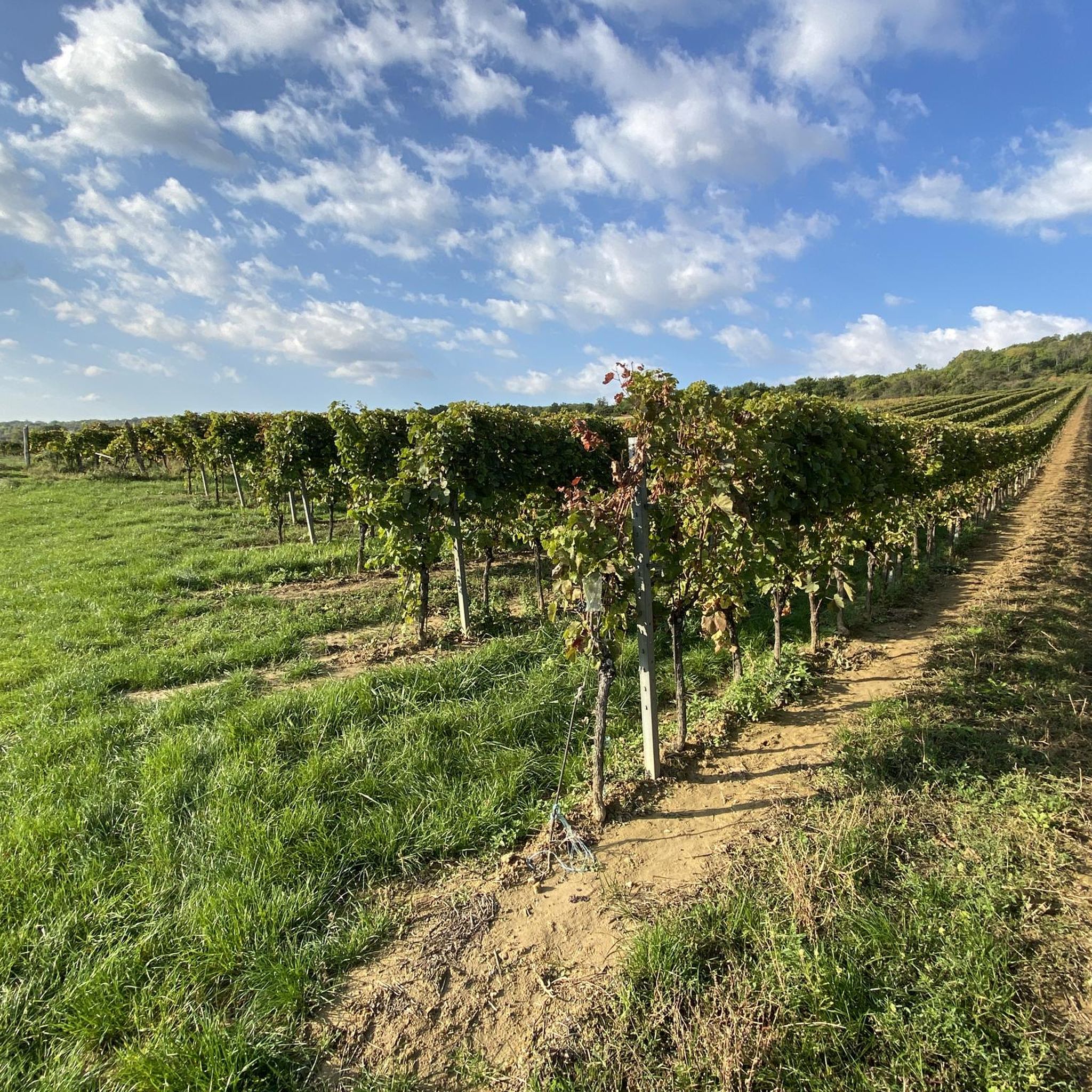
The bee-eater colony on Ungerberg, a fine vineyard in Weiden am See, is a must-see. It's reminiscent of the sandstone dwellings of the Nabataeans in Petra, Jordan. In summer, you can also enjoy the colorful birds themselves. But please shhh. The fantastic view from Ungerberg of Lake Neusiedl and the vineyards is best enjoyed in peace anyway.
0
0

The Zwergenloch - on the southern slope of the Hundsheimer Berg - can be reached from the hiking trail via a steep climb in just a few minutes.
1
0
The Güntherhöhle can be reached from the tourist trail via a steep climb in a few minutes. The path is also suitable for active dogs.
2
0

A side note: I happened to find a very nice children's book (Chiara and the Bee-Eaters) with a lovely story. You can find out more at www.chiarasabenteuer.at.
3
0

Bee-eater colony in Weiden am Neusiedler See
1
0

To the west of the Zwergelloch lies the most famous cave in the Hundsheim Mountains, the Güntherhöhle with the bone gap, both of which are parts of what was originally a single cave room. For reasons of cave and bat protection, the entrances had to be closed. To the south of the cave, in the so-called bone gap, fossil remains of the woolly rhinoceros were found. It entered science as the “Hundsheim rhinoceros” (Rhinoceros Stephanorhinus hundsheimensis). Source: www.hundsheim.gv.at/Lebensraum_gemeinde/ Unser_gemeinde/Freizeit_und_Tourismus/Allgemeine_Information/Steinbrueche_und_Hoehlen
5
0
Most caves do not have natural exits. The surface of the rock also shows hardly any karst features, which is why the caves were discovered late. An exception is the 17 m deep and 41 m long “Zwerglloch” on the southern slope of the Hundsheimer Berg. Source: www.hundsheim.gv.at/Lebensraum_gemeinde/ Unser_gemeinde/Freizeit_und_Tourismus/Allgemeine_Information/Steinbrueche_und_Hoehlen
6
0
Frequently Asked Questions
What are some of the most popular natural monuments to explore around Gattendorf?
Visitors frequently enjoy the European Bee-Eater Colony at Ungerberg, especially from April to July when the birds are nesting. Another favorite is the Spitzerberg Nature Reserve, known for its marked trails and diverse landscape. For those interested in geological features, the Zwergenloch Cave offers a unique experience.
Are there family-friendly natural monuments in the Gattendorf area?
Yes, several natural monuments are suitable for families. The European Bee-Eater Colony at Ungerberg has an observation post designed for viewing the birds without disturbance, making it great for children. The Spitzerberg Nature Reserve also features family-friendly trails. Additionally, the Leithaauen area offers gentle paths ideal for family walks and cycling.
What kind of natural features can I expect to see around Gattendorf?
The region around Gattendorf, particularly the Leithaauen, is characterized by a beautiful and largely natural river landscape along the Leitha River. You'll find diverse animal and plant life, especially in areas like the Zitzmannsdorfer Meadows Conservation Area, which is Austria's largest contiguous meadow area. There are also unique geological formations such as the Zwergenloch Cave and the Günther Cave.
What is the best time of year to visit the natural monuments in Gattendorf?
The best time to visit largely depends on your interests. For birdwatching, particularly to see the European Bee-Eaters, April to July is ideal. Spring and autumn offer pleasant temperatures for hiking and cycling through the Leithaauen and Spitzerberg Nature Reserve, with vibrant flora or colorful foliage. The region is generally enjoyable for nature lovers year-round.
Are there any natural monuments with historical significance near Gattendorf?
Yes, the Günther Cave, located west of the Zwergenloch, holds historical significance. Fossil remains of the woolly rhinoceros, known as the “Hundsheim rhinoceros,” were found in the bone gap south of the cave, making it an important paleontological site.
What outdoor activities can I do near these natural monuments?
The region offers a variety of outdoor activities. You can enjoy hiking, cycling, and horseback riding, especially along the peaceful River Leitha in the Leithaauen. Canoe trips on the Leitha are also possible. For more structured routes, you can explore various hiking trails or MTB trails around Gattendorf.
Are there specific hiking trails recommended near the natural monuments?
Yes, the Spitzerberg Nature Reserve features several marked trails that lead through its protected areas, including vineyards. For easier walks, the Leithaauen offers numerous paths. You can find more options for easy hikes or more challenging general hiking routes in the area.
Are the natural monuments around Gattendorf dog-friendly?
Many natural areas around Gattendorf are suitable for dogs, especially the extensive Leithaauen and the trails within the Spitzerberg Nature Reserve. The tip for the Günther Cave specifically mentions that the path to it is suitable for active dogs. Always ensure dogs are kept on a leash and follow local regulations, especially in conservation areas.
What do visitors appreciate most about the natural monuments in Gattendorf?
Visitors frequently highlight the region's diverse natural beauty and the opportunities for peaceful recreation. The unique animal and plant life, particularly the European Bee-Eater colony, is a major draw. The well-maintained trails for hiking and cycling, and the chance to observe ecological revitalization projects in the Leithaauen, are also highly valued by the komoot community.
Are there any caves accessible to visitors near Gattendorf?
Yes, the Zwergenloch Cave, a 41-meter-long cave on the southern slope of the Hundsheimer Berg, is accessible via a steep climb from the hiking trail. The nearby Günther Cave also exists, though its entrances were closed for cave and bat protection. However, you can borrow a key from the Hundsheim community to visit it.
How can I reach the natural monuments around Gattendorf using public transport?
While specific public transport routes to every natural monument can vary, Gattendorf is located in Burgenland, Austria, and is generally accessible via regional bus services. For detailed planning, it's recommended to check local public transport schedules for connections to specific starting points for trails or attractions like the Spitzerberg Nature Reserve or the Leithaauen.
Are there places to eat or drink near the natural monuments?
While specific cafes or pubs directly adjacent to every natural monument are not detailed, the region around Gattendorf and nearby towns offer various options. For instance, the Fattigsmühle climbing crags (in Gattendorf, Bavaria, which is not the focus of this guide, but mentioned in research) has a beer garden. In Gattendorf, Burgenland, you'll find local establishments in the villages to refresh yourself after exploring the natural areas.
Most popular attractions around Gattendorf

Get inspired with the komoot mobile app


Explore more
Extend your search for the best caves by checking out these guides of the top ones around Gattendorf:
