Top 8 Natural Monuments around Röhrenbach
Best natural monuments around Röhrenbach are found within the scenic Waldviertel region of Lower Austria, an area known for its untouched nature. This landscape features rolling hills, extensive forests, rivers, and distinctive rock formations. Visitors to Röhrenbach can explore several notable natural attractions and nature parks within this broader region.
Best natural monuments around Röhrenbach
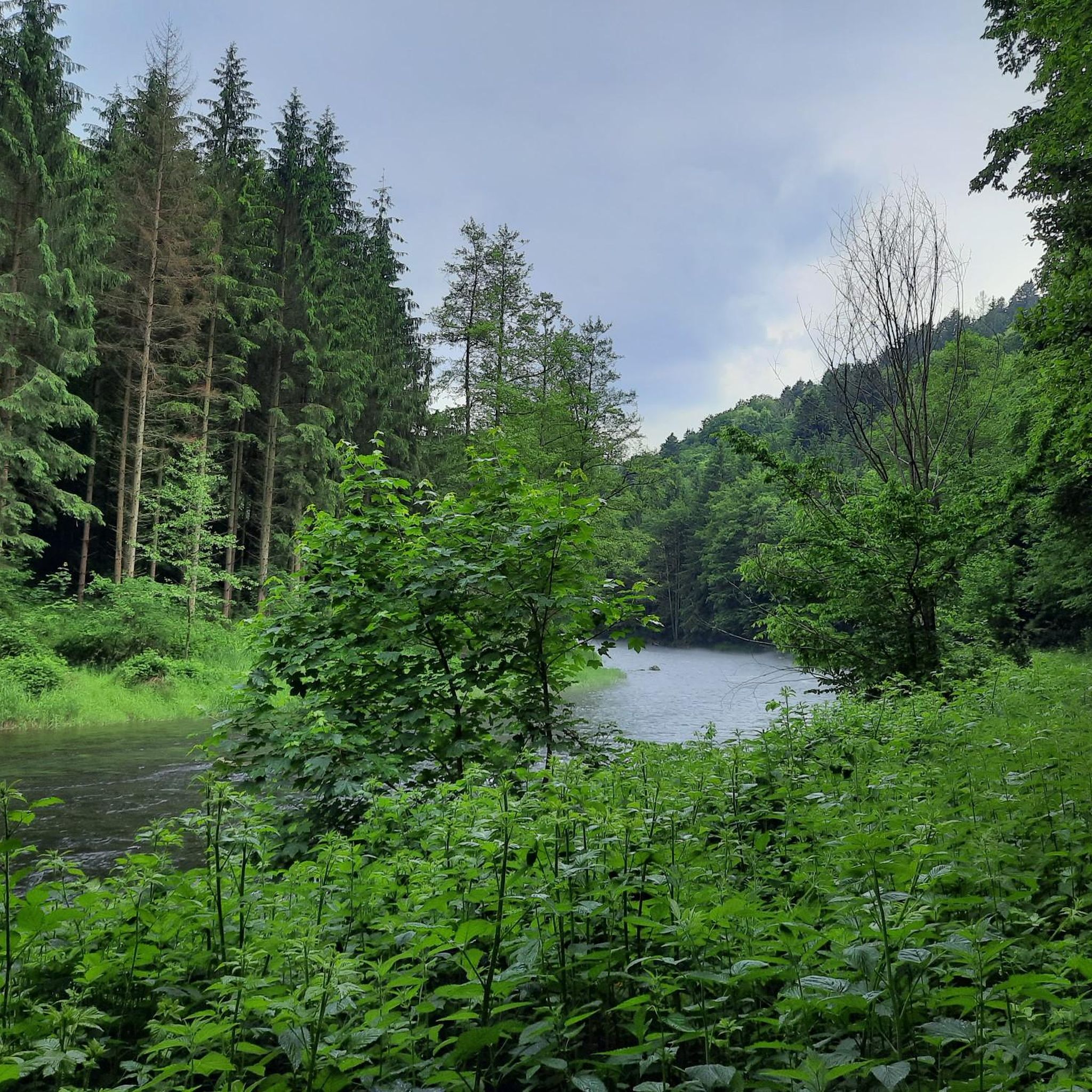
- The most popular natural monuments is Taffa Valley, a trail that features mighty rock faces and a winding river. It offers a tranquil experience…
Last updated: July 8, 2026
Taffa Valley
Highlight (Segment) • Trail
Translated by Google •
Tip by

Climbing rocks on the Taffa
Highlight • Climb
Translated by Google •
Tip by
Sign up now to discover places like this
Get recommendations on the best single tracks, peaks, & plenty of other exciting outdoor places.
Sign up for free
Grasselhöhle (Zwergloch) Cave
Highlight • Cave
Translated by Google •
Tip by

Riesenstein Rock in the Kamp River
Highlight • Natural Monument
Translated by Google •
Tip by

Hängender Stein Climbing Crag
Highlight • Climb
With its striking, angular shape, it cannot be overlooked.
Translated by Google •
Tip by
Sign up for free to discover even more natural monuments around Röhrenbach.
Sign up for free
Already have an account?
Start today with a free account
Your next adventure awaits.
Login or Signup
Tips from the Community

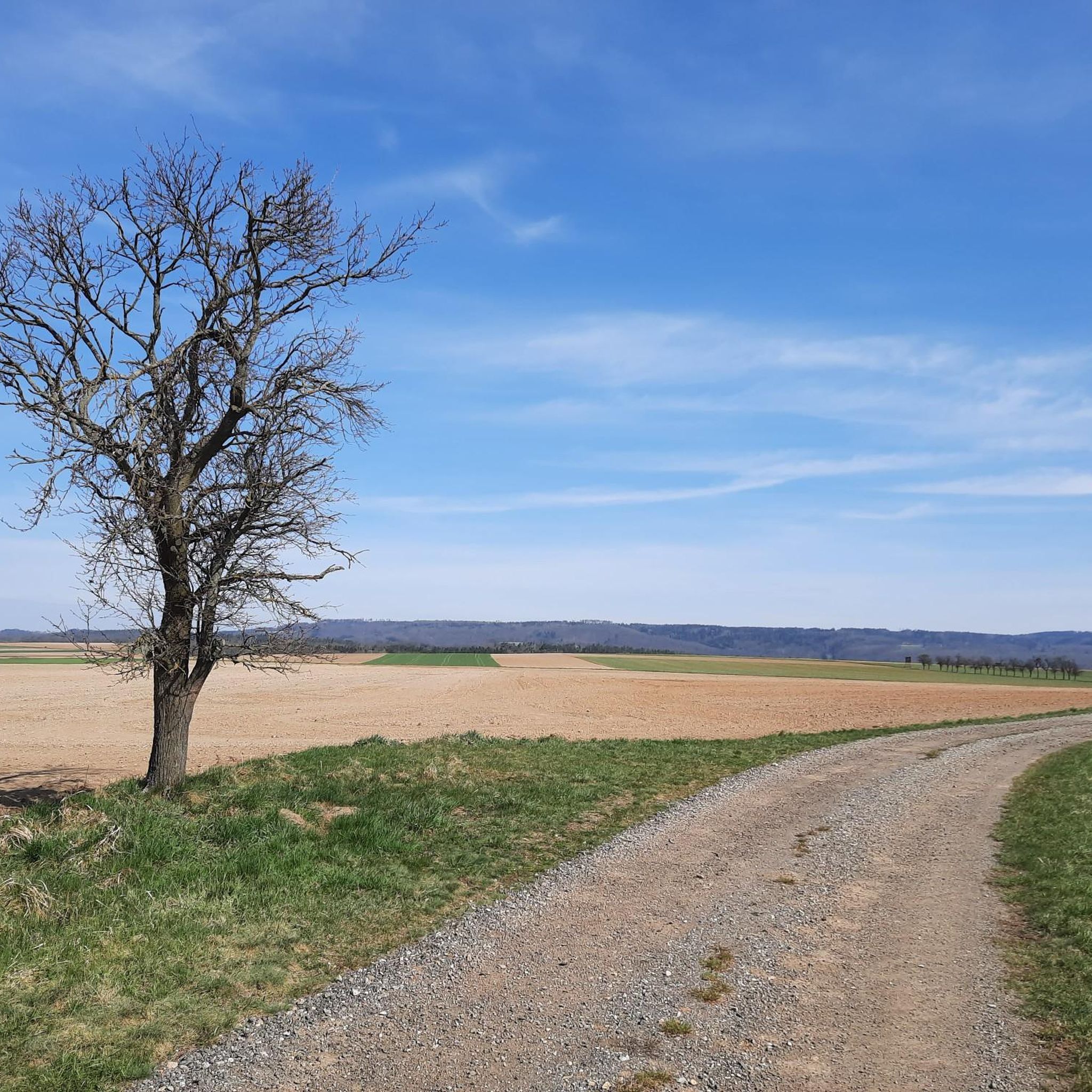
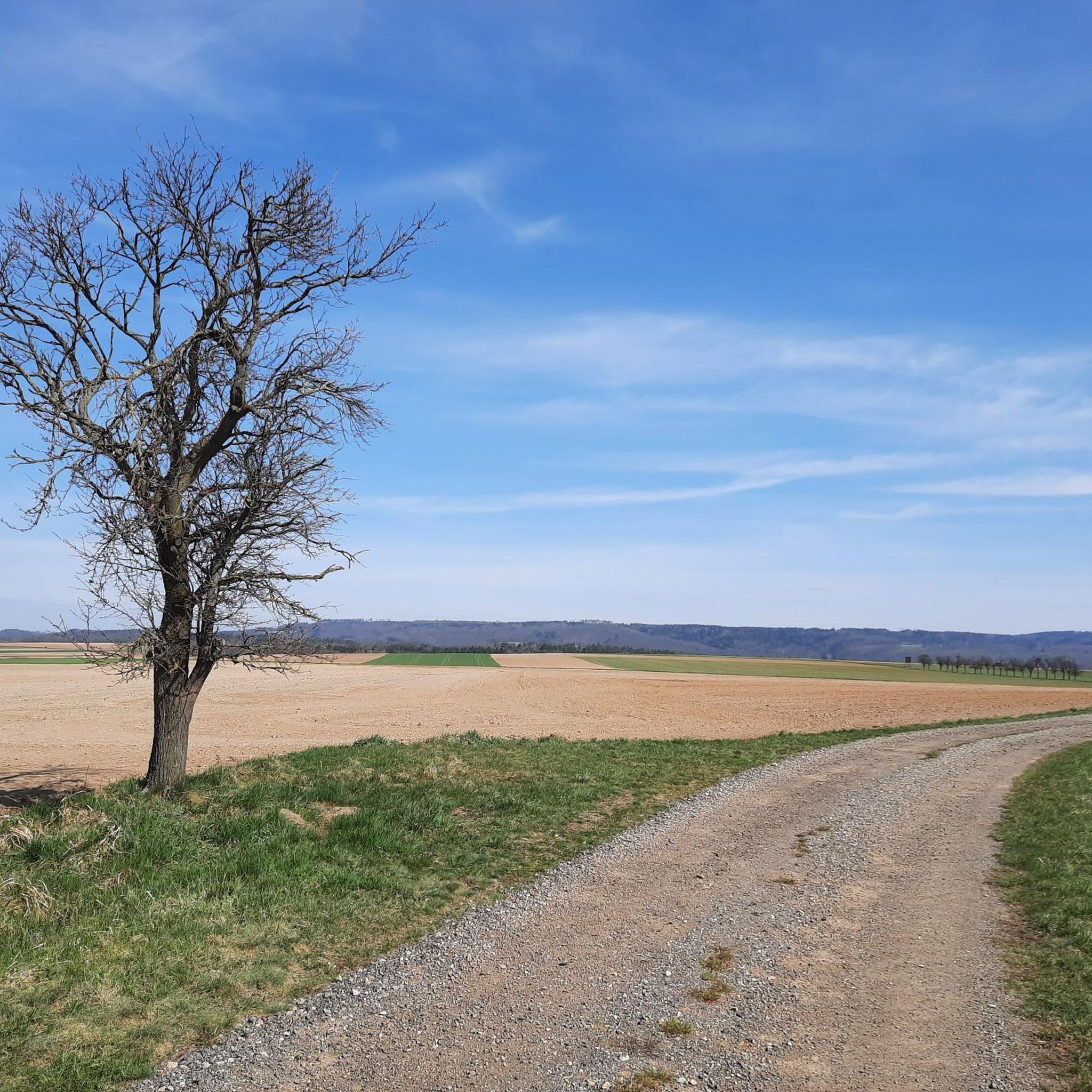
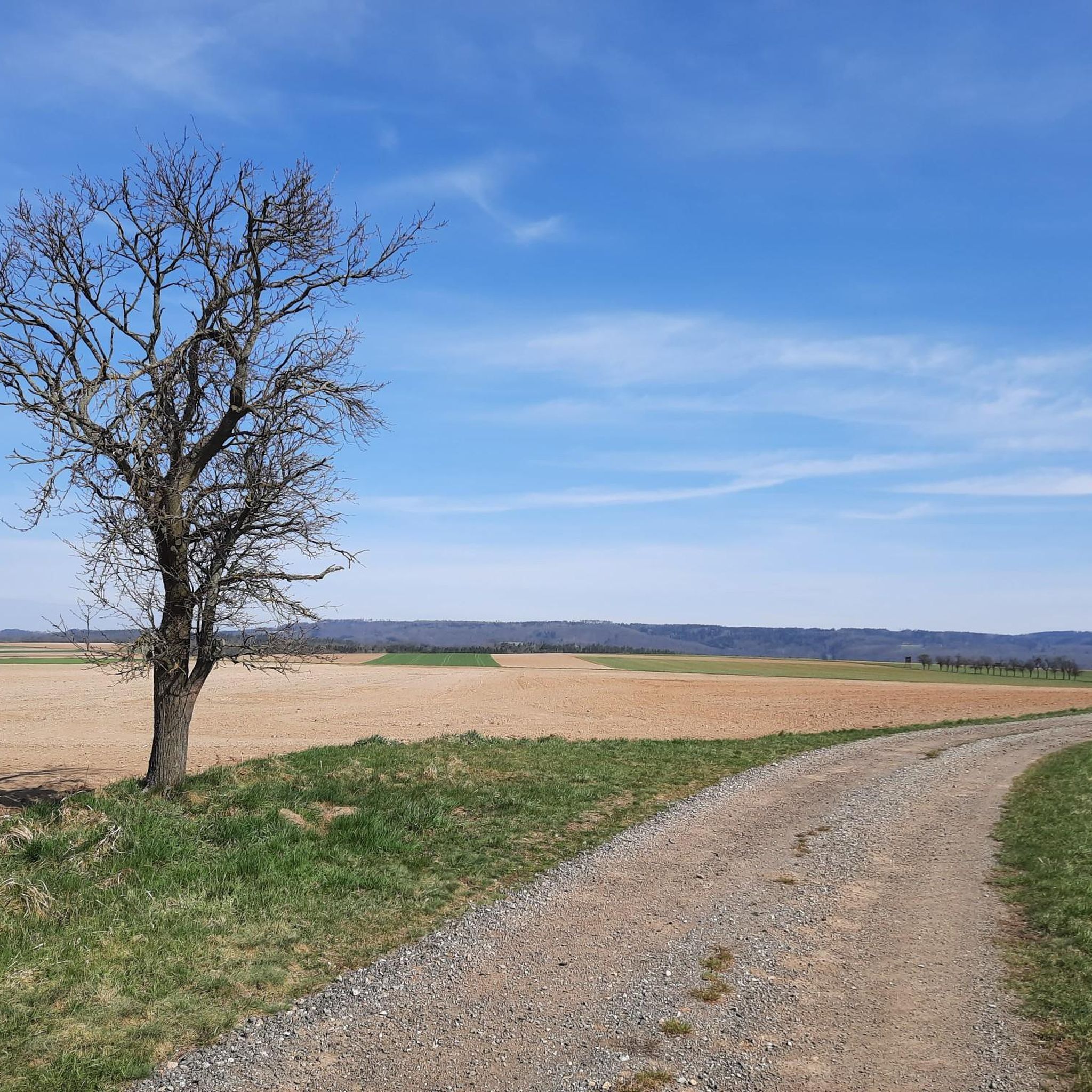
The “Hängende Stein” is a climbing rock that is maintained and cared for by the Horn Section of the Alpine Club. Some climbing routes are possible on it. With its striking, angular shape, it cannot be overlooked.
0
0

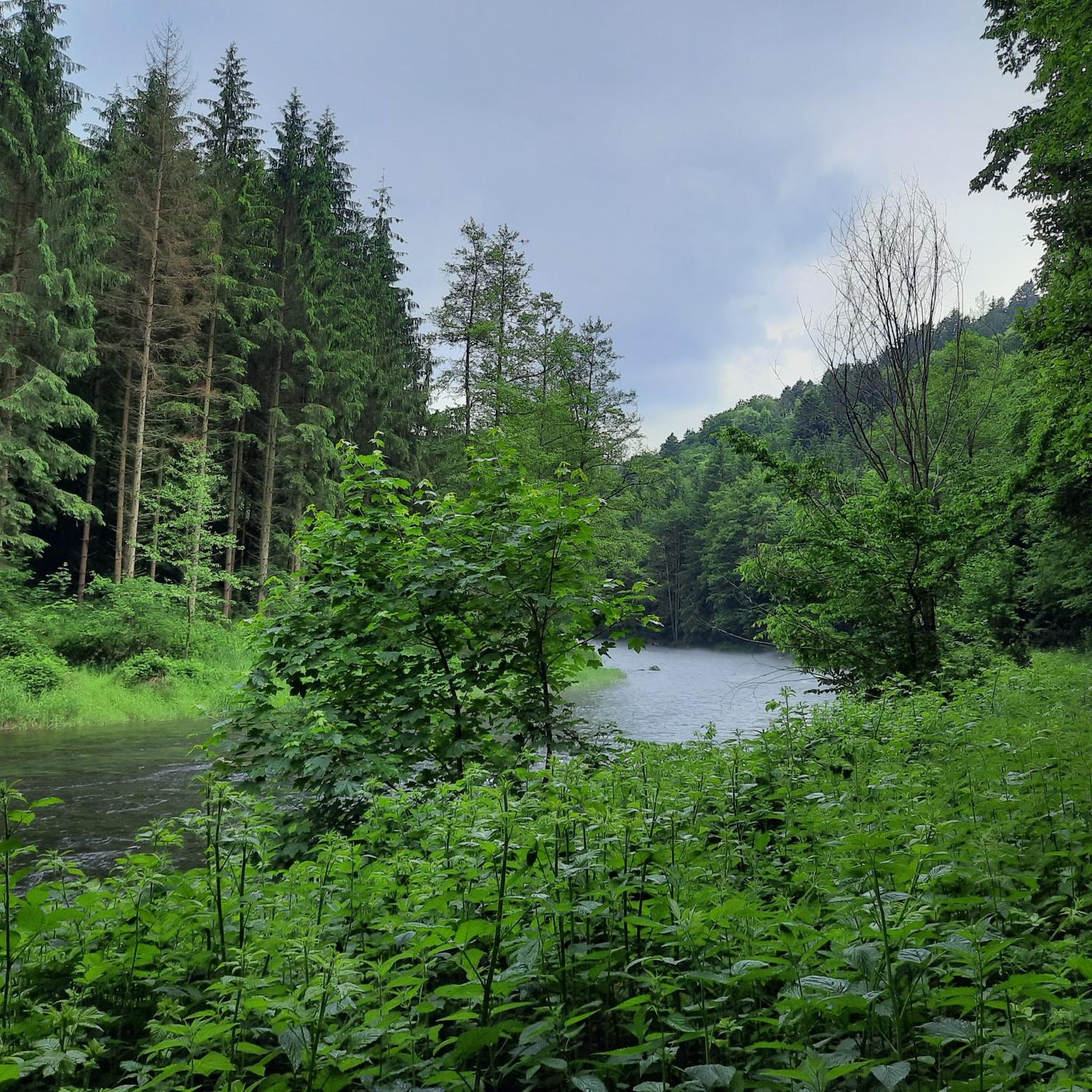
Here you hike along meadow and forest paths along the Taffa, which winds its way through the valley, and are surprised by gigantic rock formations. Fallen trees, weirs, ruins, beavers, bridges over islands, there is a lot to discover, very idyllic! Good footwear is necessary, sometimes slippery on stones and leaves when wet, fallen trees have to be avoided or climbed over, not suitable for strollers, no place to stop for refreshments along the way.
1
2
A pleasure for well-being in every season. Sometimes, especially after rain, there are passages that should be approached with caution.
0
0
A highlight in the Taffa Valley not only for climbing enthusiasts, but also for those who enjoy the rock formations here on the Taffa.
0
0
“A giant once carried a stone down from the mountain. As he was wading through the Kamp River, the heavy stone fell into the water. Despite his best efforts, the giant was no longer able to lift the stone out. Since then the rock has been in the camp.”
1
0

Cave almost directly on the way, very interesting to visit and describe.
5
1

an interesting cave almost next to the hiking trail, very narrow inside and inhabited by bats
1
0

📷 On the 631 hiking trails through the tranquil, romantic Taffatal with mighty rock faces. We crossed a wooden bridge to the right bank of the Taffa and there are again interesting rock formations 😊👍
9
0
Frequently Asked Questions
What unique natural features can I explore near Röhrenbach?
The region around Röhrenbach, particularly the Waldviertel, is known for its diverse natural features. You can explore unique geological formations like the 'wobbly stones' (Wackelsteine) in the Blockheide-Gmünd-Eibenstein Nature Park, as well as mighty rock faces and winding rivers in the Taffa Valley. The area also features caves, forests, and river landscapes.
Are there any notable geological formations to see?
Yes, the Waldviertel region is famous for its distinctive geological formations. The Blockheide-Gmünd-Eibenstein Nature Park, accessible from Röhrenbach, is home to fascinating granite formations like the 'wobbly stones' (Wackelsteine), Christophorusstein, Teufelsbett, and Kobold- und Grillensteine. These have been shaped over millions of years and offer a unique sight.
What hiking opportunities are available around the natural monuments?
The natural monuments near Röhrenbach offer various hiking opportunities. For example, the Taffa Valley features tranquil trails along the Taffa river with impressive rock formations. The Thayatal National Park also provides around 100 kilometers of hiking trails, including the Thayatal Trail, allowing you to explore a near-natural valley landscape. You can find more hiking routes in the area on the Hiking around Röhrenbach guide.
Are there easy hiking trails suitable for all skill levels?
While some trails, like those in the Taffa Valley, can be slippery after rain and require good footwear, there are generally options for various skill levels. For instance, the Hiking around Röhrenbach guide lists an 'Altenburg Abbey loop from Altenburg' as an easy route. The nature parks also offer themed trails that are often suitable for leisurely walks.
Can I bring my dog to the natural monuments and trails?
Many outdoor areas in the Waldviertel region, including nature parks and hiking trails, are generally dog-friendly. However, it's always recommended to keep dogs on a leash, especially in nature protection areas like Thayatal National Park, and to respect local regulations. Always carry waste bags and ensure your dog doesn't disturb wildlife.
Are there family-friendly natural monuments or activities?
Yes, the natural monuments and nature parks near Röhrenbach offer family-friendly experiences. The Blockheide-Gmünd-Eibenstein Nature Park, with its 'wobbly stones' and themed trails, is ideal for families. The park also has an observation tower and an exhibition. Exploring the Grasselhöhle (Zwergloch) Cave can also be an exciting adventure for older children.
What outdoor activities can I do near these natural monuments?
Beyond hiking, the area around Röhrenbach offers various outdoor activities. You can find challenging climbing spots like the Climbing rocks on the Taffa or the Hängender Stein Climbing Crag. The Kamptal-Schönberg Nature Park is excellent for cycling, and the Thayatal National Park offers extensive cycling routes. For more ideas, check out the Hiking around Röhrenbach, Running Trails around Röhrenbach, and Gravel biking around Röhrenbach guides.
What is the best time to visit the natural monuments around Röhrenbach?
The natural monuments in the Waldviertel region can be enjoyed throughout the year, each season offering a different charm. Spring brings blooming nature, summer is ideal for longer hikes and outdoor activities, while autumn showcases vibrant foliage. Even in winter, some trails are suitable for hiking, though conditions might be slippery, especially in areas like the Taffa Valley.
Are there any less-crowded natural attractions in the Röhrenbach area?
While popular spots like the Blockheide-Gmünd-Eibenstein Nature Park attract visitors, the broader Waldviertel region offers many serene and less-crowded areas. Exploring the extensive network of trails in the Kamptal-Schönberg Nature Park or venturing into the deeper parts of Thayatal National Park can lead to tranquil experiences away from the main tourist paths. The Riesenstein Rock in the Kamp River is another interesting, perhaps less-frequented, natural monument.
What do visitors enjoy most about the natural monuments near Röhrenbach?
Visitors particularly appreciate the untouched nature and the unique geological formations. The Taffa Valley is loved for its tranquil, romantic atmosphere, mighty rock faces, and winding river, with many finding 'a lot to discover' like fallen trees, weirs, and interesting rock formations. The Grasselhöhle (Zwergloch) Cave is noted as 'very interesting to visit' and 'inhabited by bats', offering a unique exploration.
Are there any caves to explore in the area?
Yes, the area around Röhrenbach features caves. The Grasselhöhle (Zwergloch) Cave is an intermediate cave located almost directly on a hiking trail. It's described as narrow and inhabited by bats, offering a unique natural exploration opportunity for those interested in subterranean wonders.
How can I reach the natural monuments by public transport?
While Röhrenbach itself is a smaller municipality, the broader Waldviertel region has some public transport connections. However, reaching specific natural monuments or trailheads often requires a combination of public transport and potentially a short walk or taxi ride. It's advisable to check local bus schedules or regional train connections to nearby towns and plan your journey accordingly. For detailed information on regional transport, you might consult local tourism websites like lower-austria.info.
Most popular attractions around Röhrenbach

Get inspired with the komoot mobile app


Explore more
Extend your search for the best caves by checking out these guides of the top ones around Röhrenbach:
