Top 20 Natural Monuments around Sallingberg
Best natural monuments around Sallingberg are found in the Waldviertel region of Austria, an area characterized by its natural landscape. The municipality is known for its impressive natural features, including a protected spruce tree and various rock formations. The surrounding region offers diverse natural attractions, from geological formations to observation towers. This area provides opportunities to explore long-standing natural landmarks and scenic views.
Best natural monuments around Sallingberg
- The most popular natural monuments is Burg Rappottenstein, a castle and…
Last updated: June 24, 2026
Gudenus Cave
Highlight • Cave
Translated by Google •
Tip by

Burg Rappottenstein
Highlight • Castle
Rapottenstein Castle tells of …
Translated by Google •
Tip by

Sign up now to discover places like this
Get recommendations on the best single tracks, peaks, & plenty of other exciting outdoor places.
Sign up for free
Franzosenstein
Highlight • Natural Monument
Translated by Google •
Tip by

Steinerner Saal Rock Shelter and Cairns
Highlight • Cave
Translated by Google •
Tip by

Wachtstein
Highlight • Viewpoint
Translated by Google •
Tip by

Sign up for free to discover even more natural monuments around Sallingberg.
Sign up for free
Already have an account?
Start today with a free account
Your next adventure awaits.
Login or Signup
Popular around Sallingberg
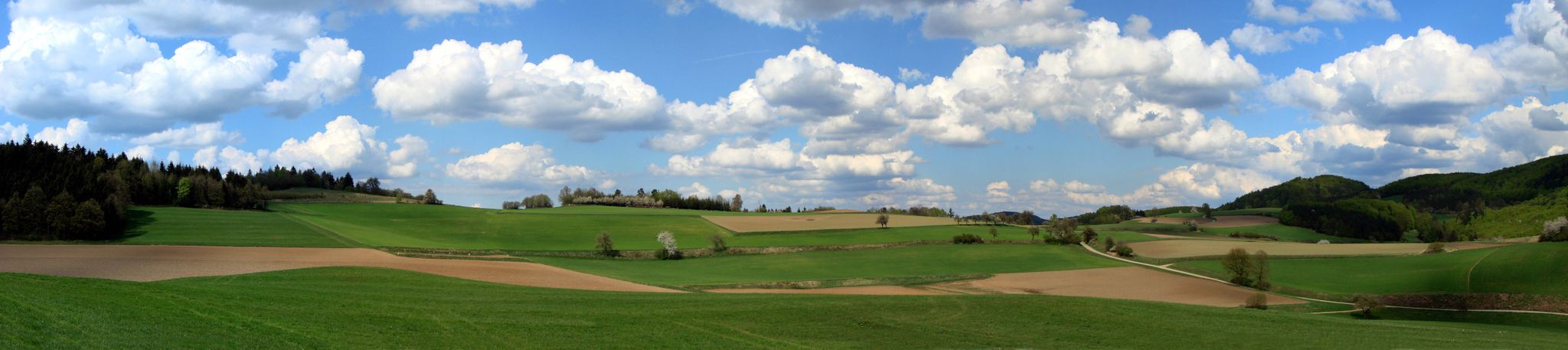
The Path of Life — A (spiritual) hike through northeastern Austria
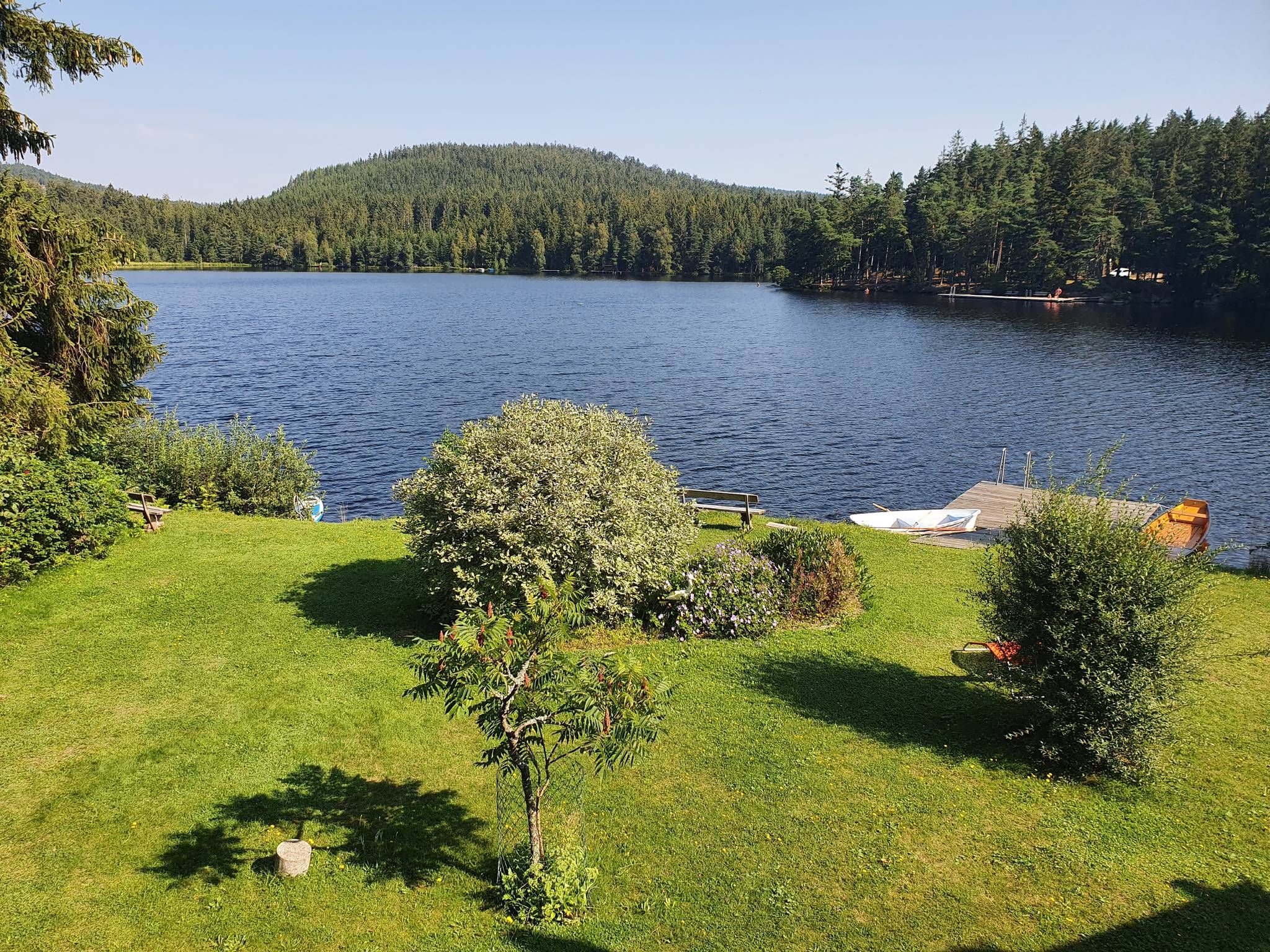
Kremstal Trail — Hiking along rivers through Lower Austria
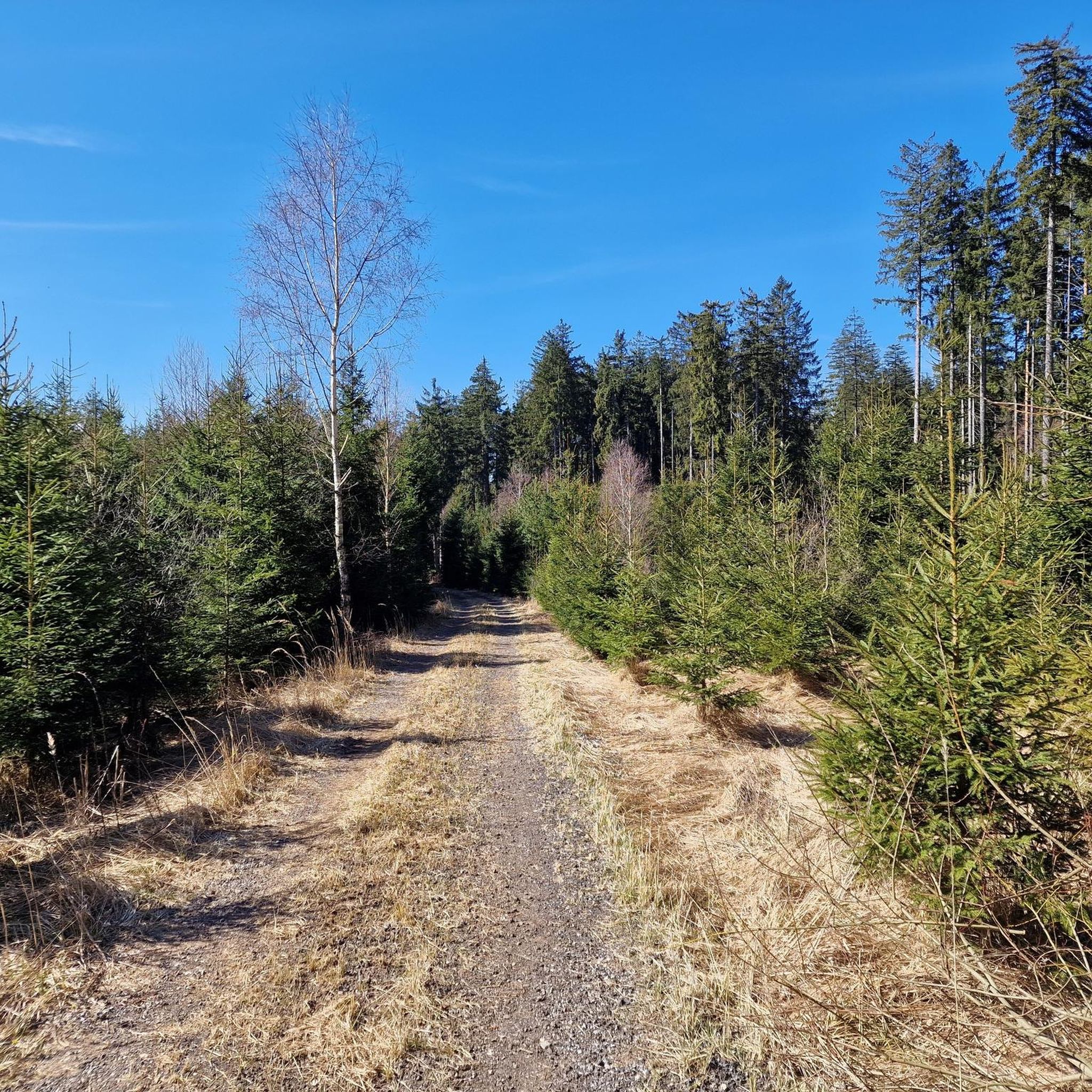
MTB Trails around Sallingberg
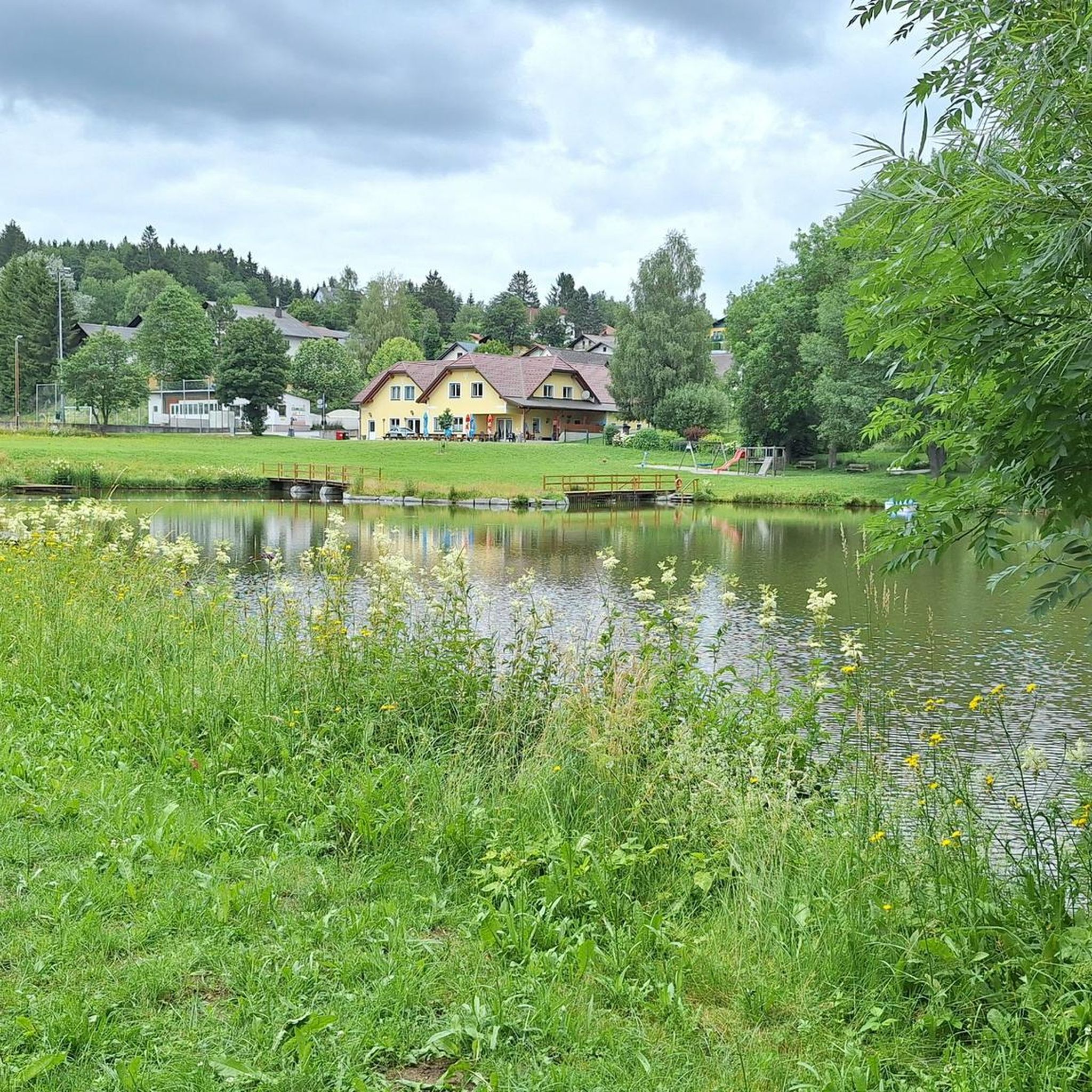
Hiking around Sallingberg
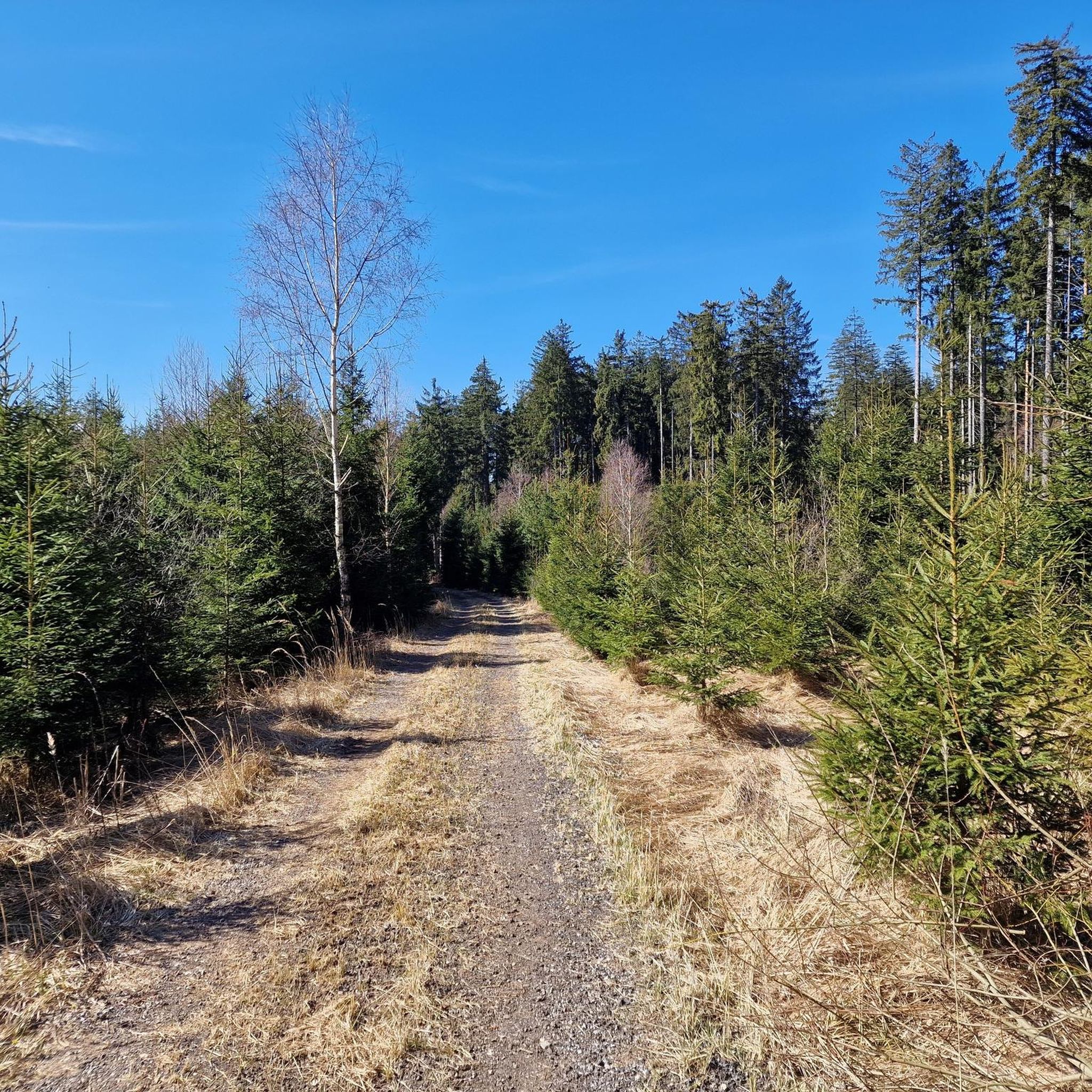
Cycling around Sallingberg
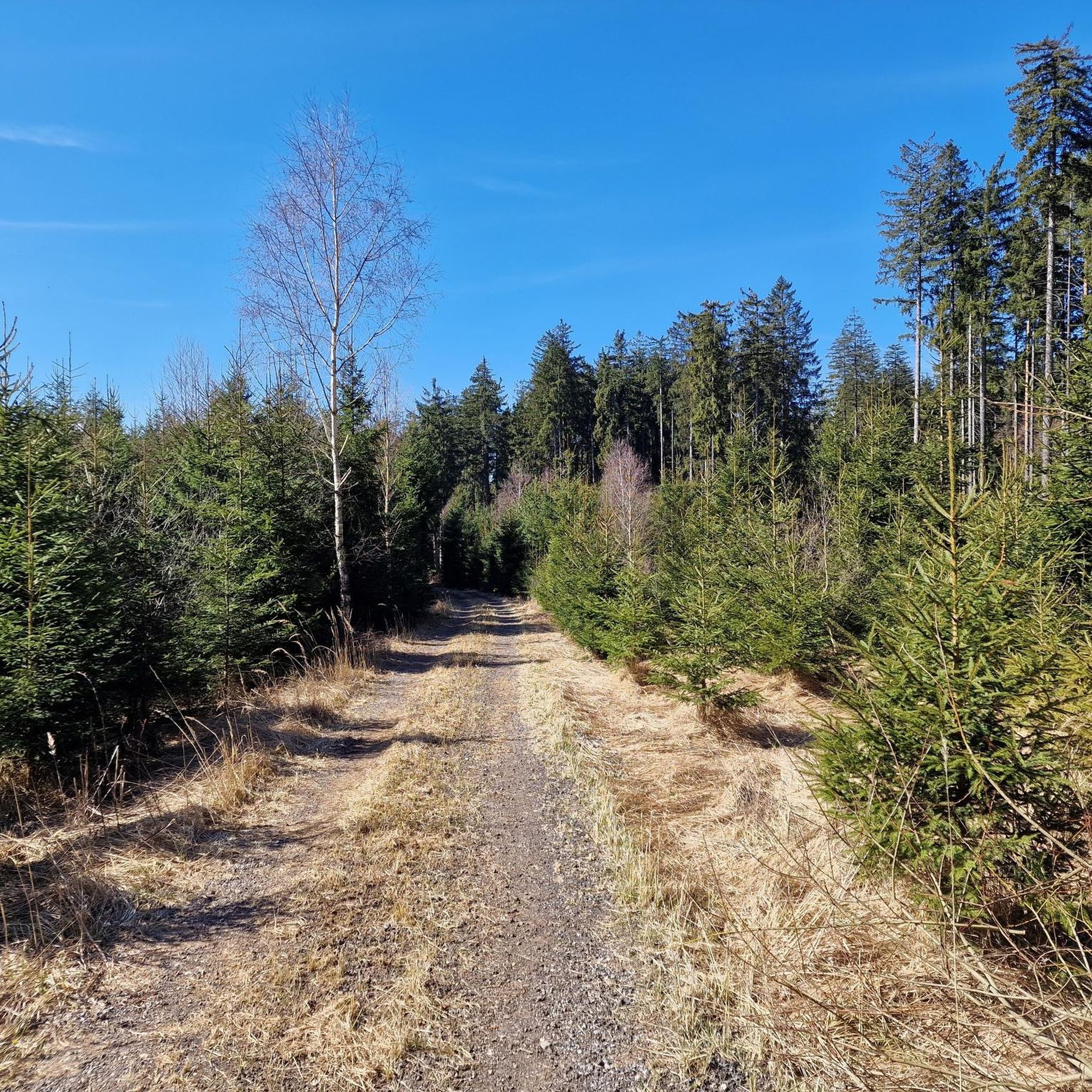
Road Cycling Routes around Sallingberg
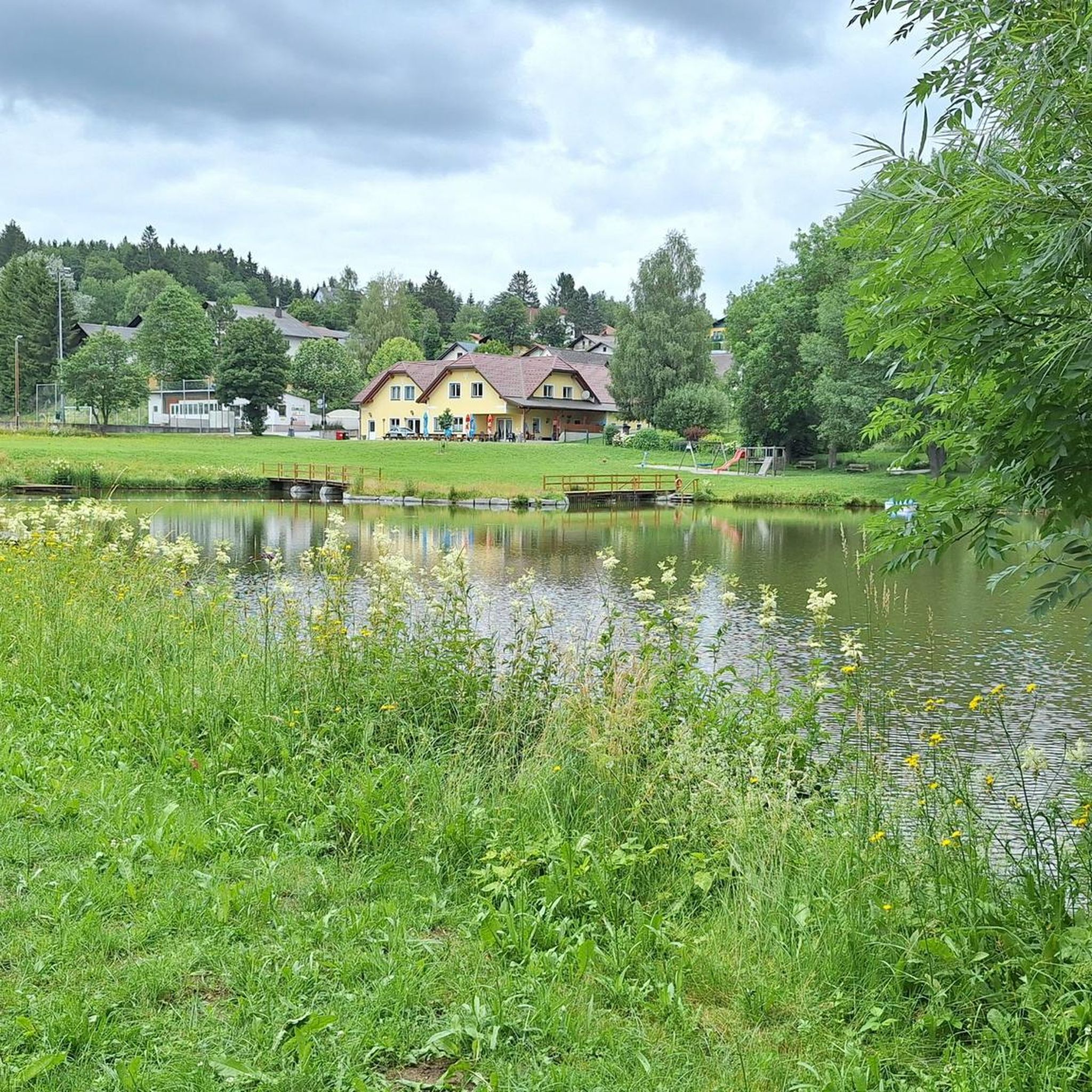
Running Trails around Sallingberg
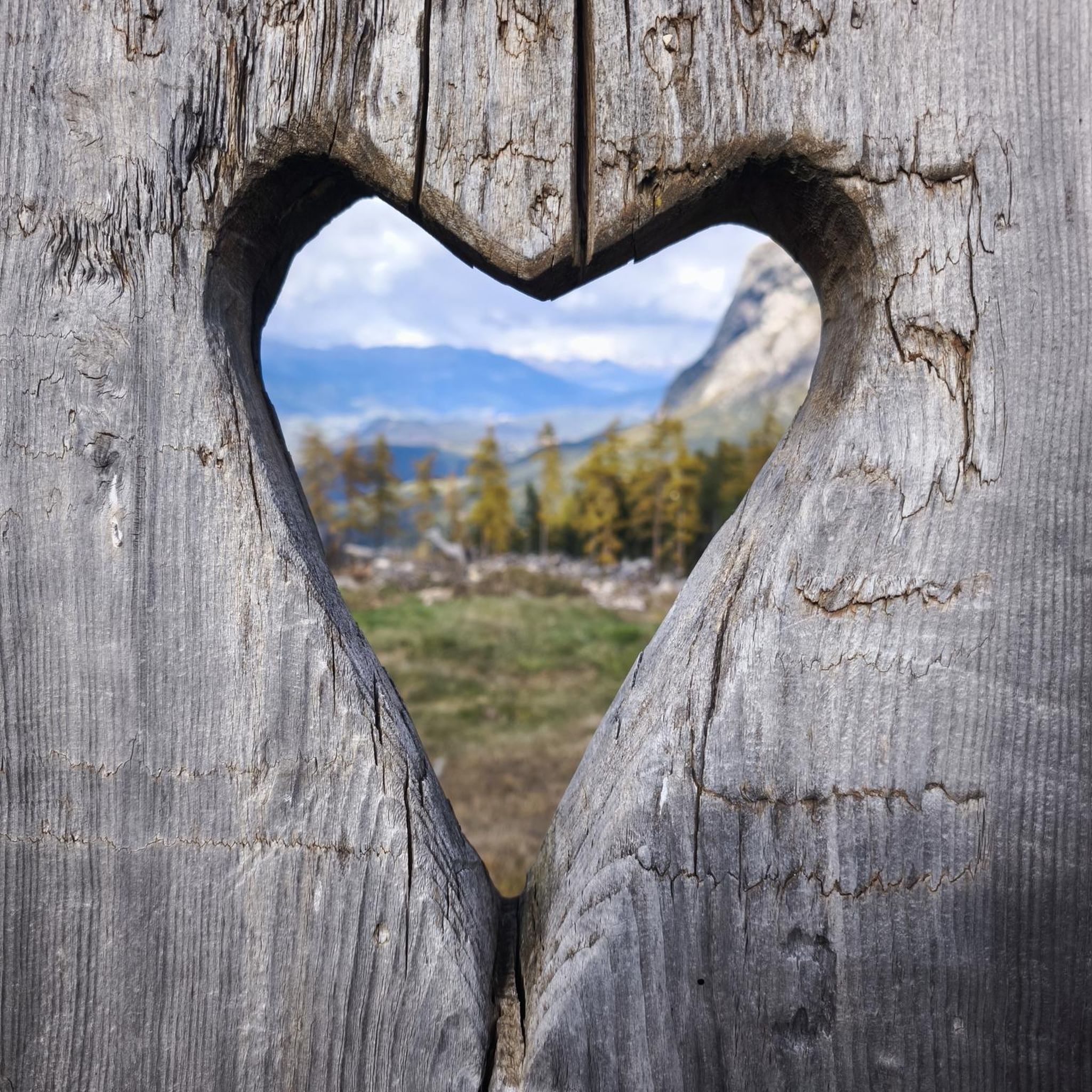
Gravel biking around Sallingberg

Tips from the Community

If you have time, you should definitely see the castle's interior. But be sure to check the opening hours. You can also stop for refreshments in the castle tavern. Good food!
0
0

The climb to the rock is worthwhile. From the top, you have a fantastic view of the town and the surrounding area.
0
0
A remarkable stone located right next to the road. Access is easy and possible at any time.
0
0

Please do not deface it!!! Below Hartenstein Castle lies the Gudenus Cave, which was carved out of the riverbank and inhabited by Neanderthals during the Stone Age. Traces of settlement dating back almost 100,000 years were discovered there, including hand axes and other tools. Due to historical preservation, the bridge could no longer be rebuilt unless the cave was sealed.
0
0
An impressive natural monument. The climb, approximately 15 minutes and 85 meters in elevation, is well worth it. The Stone Hall is part of the Kremstal Canyon, a region with other interesting caves such as the Gudenus Cave and the Eichmayer Cave. A 30-meter-wide and eight-meter-high rock roof. This sheltered site was frequented by Ice Age hunters. Neanderthal stone tools from the Middle Paleolithic and the end of the last Ice Age were found here.
0
0

The entrance to the cave is overgrown, which is a pity.
0
0

The bridge at the Gudenus Cave has been gone for 2 years. Accessible via stones at low water
1
0

The best view of the castle is from the large meadow behind it. The best light for photos is in the evening before sunset.
1
0
Frequently Asked Questions
What are some other notable natural monuments and attractions to visit near Sallingberg?
Beyond the main highlights, you can explore the impressive Naturdenkmal Fichte in Sallingberg, an over 170-year-old spruce tree standing over 30 meters tall. It's accessible via a field path. For a broader experience, consider the interesting rock formations in Bad Traunstein, such as Franzosenstein and Wachtstein, which offer scenic views. The Aubergwarte in Großgöttfritz provides panoramic vistas from its observation tower, and the dramatic Ysperklamm in Yspertal features waterfalls and cascades for a more adventurous outing. You can see a photo of the spruce tree here: Naturdenkmal Fichte.
Are there any natural monuments around Sallingberg that are particularly family-friendly?
Yes, several natural monuments are suitable for families. The Burg Rappottenstein, a castle situated on a granite rock mountain, is considered family-friendly and offers an atmospheric forest with large rocks and caves behind it. The Franzosenstein, a remarkable leaning granite block, is also noted as family-friendly and easily accessible right next to the road.
What kind of historical natural monuments can I find in the Sallingberg area?
The region is rich in historical natural monuments. The Steinerner Saal Rock Shelter and Cairns is a significant site where Neanderthal stone tools from the Ice Age were found, indicating its use by ancient hunters. Similarly, Gudenus Cave is a 30-meter-long passage cave where significant Stone Age artifacts, including evidence of Neanderthals hunting cave bears and mammoths, have been discovered.
What outdoor activities can I do near the natural monuments around Sallingberg?
The area around Sallingberg offers a variety of outdoor activities. You can find numerous hiking trails, from easy walks to more challenging routes. For example, there are easy hikes like the Hubertus Chapel loop from Ottenschlag, and more difficult ones such as the Viaduct at Weyrerteich loop from Sallingberg. Road cycling is also popular, with routes like the Pöggstall Castle loop. You can explore more options in the dedicated guides for Hiking around Sallingberg, Easy hikes around Sallingberg, and Road Cycling Routes around Sallingberg.
What is the best time to visit the natural monuments in Sallingberg?
The natural monuments around Sallingberg can be enjoyed throughout the year, but each season offers a different experience. Spring and autumn provide pleasant temperatures for hiking and exploring the rock formations and caves. Summer is ideal for longer days outdoors, while winter can offer a unique, serene atmosphere, especially for walks around the impressive spruce tree or the forest areas near castles, though some paths might be less accessible depending on snow conditions.
Are there any viewpoints among the natural monuments in the region?
Yes, the region features several excellent viewpoints. Wachtstein, located at 980 meters above sea level, offers wonderful panoramic views of the surroundings. The Aubergwarte in Großgöttfritz, a 30-meter-high observation tower, also provides extensive vistas of the Waldviertel landscape. Even the Burg Rappottenstein, while a castle, is situated on a granite rock mountain offering elevated perspectives.
What do visitors enjoy most about the natural monuments around Sallingberg?
Visitors particularly appreciate the blend of natural beauty and historical significance. The impressive rock formations and caves, like the Steinerner Saal Rock Shelter and Gudenus Cave, are often highlighted for their archaeological importance. The scenic views from spots like Wachtstein and the atmospheric forests surrounding Burg Rappottenstein are also highly rated for their natural charm and photographic opportunities.
Is it possible to visit the natural monuments using public transport?
While Sallingberg itself is a municipality in the Waldviertel, public transport options directly to every natural monument might be limited. It's advisable to research specific bus routes or train connections to nearby towns like Ottenschlag or Bad Traunstein, and then consider local taxis, cycling, or walking for the final leg to the monuments. For the Naturdenkmal Fichte, it's accessible via a field path from the main road connecting Lugendorf and Grainbrunn.
Are there any easy walks or trails to reach the natural monuments?
Yes, there are options for easy access. The Naturdenkmal Fichte in Sallingberg is reachable via a field path from the main road. The Franzosenstein is conveniently located right next to the road, making access very easy. For other natural monuments, you can find easy hiking routes in the area, such as the Hubertus Chapel loop from Ottenschlag, which is part of the Easy hikes around Sallingberg guide.
Can I bring my dog to the natural monuments around Sallingberg?
Generally, dogs are welcome on hiking trails and in natural areas around Sallingberg. However, it's always recommended to keep them on a leash, especially in protected areas, near wildlife, or when passing through agricultural land. For specific natural monuments like caves or historical sites, check for any restrictions beforehand. Always ensure you clean up after your pet to preserve the natural environment for everyone.
What should I wear when visiting the natural monuments, especially for hiking?
When exploring the natural monuments and trails around Sallingberg, it's best to wear sturdy, comfortable hiking shoes, especially if you plan to visit sites like Wachtstein, which involves navigating large, smooth stone blocks. Layered clothing is advisable to adapt to changing weather conditions, and a waterproof jacket is always a good idea. For cave explorations, a headlamp or flashlight can be useful.
Are there any cafes or places to eat near the natural monuments?
While direct cafes at every natural monument might be rare, the surrounding towns and villages like Sallingberg, Ottenschlag, and Bad Traunstein offer various dining options. It's a good idea to plan your visit to coincide with a stop in one of these communities for a meal or a coffee. Some hiking routes might also pass by traditional inns or guesthouses where you can find refreshments.
Most popular routes around Sallingberg
Most popular attractions around Sallingberg

Get inspired with the komoot mobile app


Explore more
Extend your search for the best caves by checking out these guides of the top ones around Sallingberg:
