Top 20 Natural Monuments around Spitz
Best natural monuments around Spitz are found in Spitz an der Donau, a village within Austria's Wachau Valley, a UNESCO World Heritage Site. This region is characterized by the Danube River, terraced vineyards, and historical landscapes. The natural monuments here are often integrated with viticulture and offer views of the valley and river. The area provides opportunities for exploring unique geological features and cultural landscapes.
Best natural monuments around Spitz
- The most popular natural monuments is Danube Valley in the…
Last updated: June 24, 2026
High Rock
Highlight • Climb
Translated by Google •
Tip by

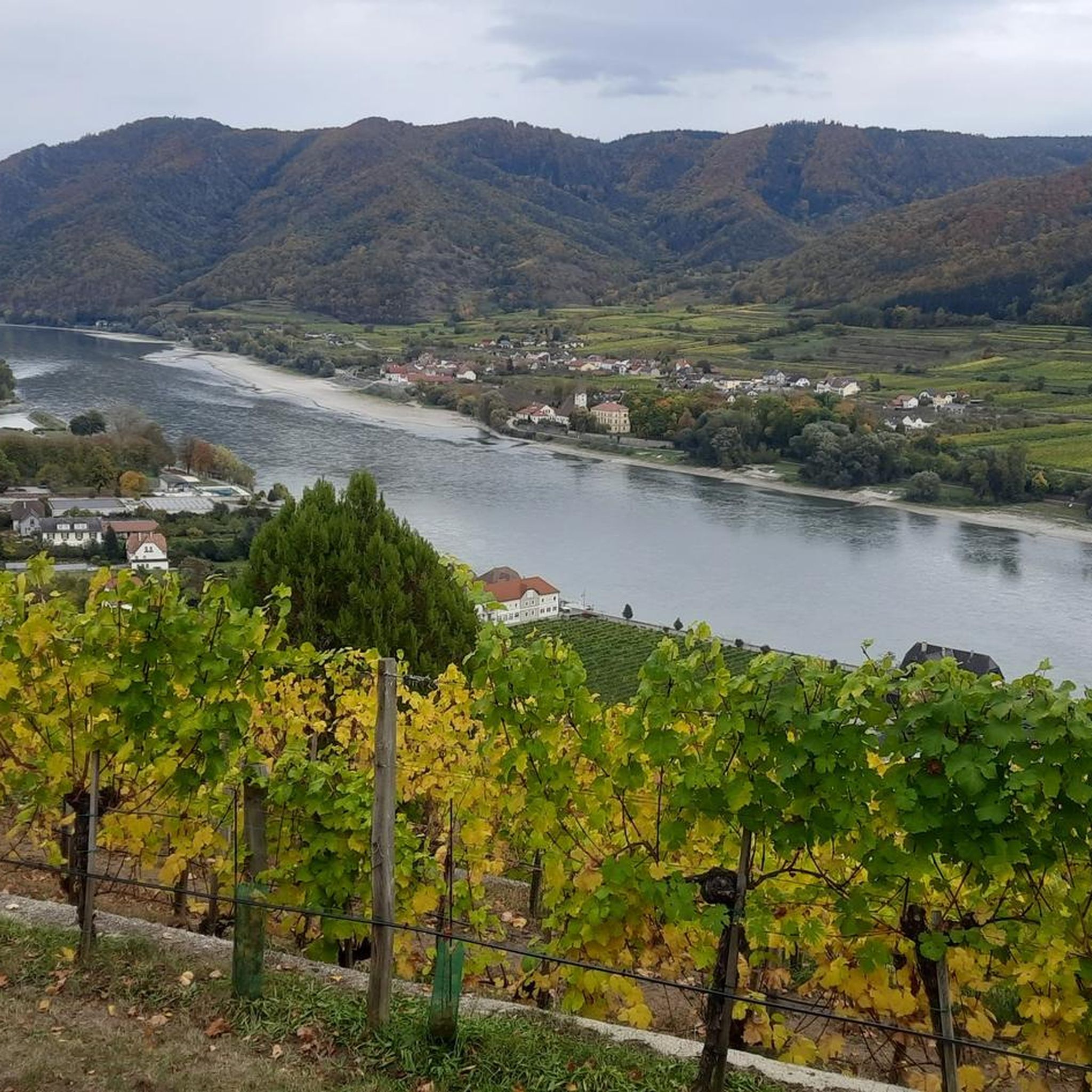
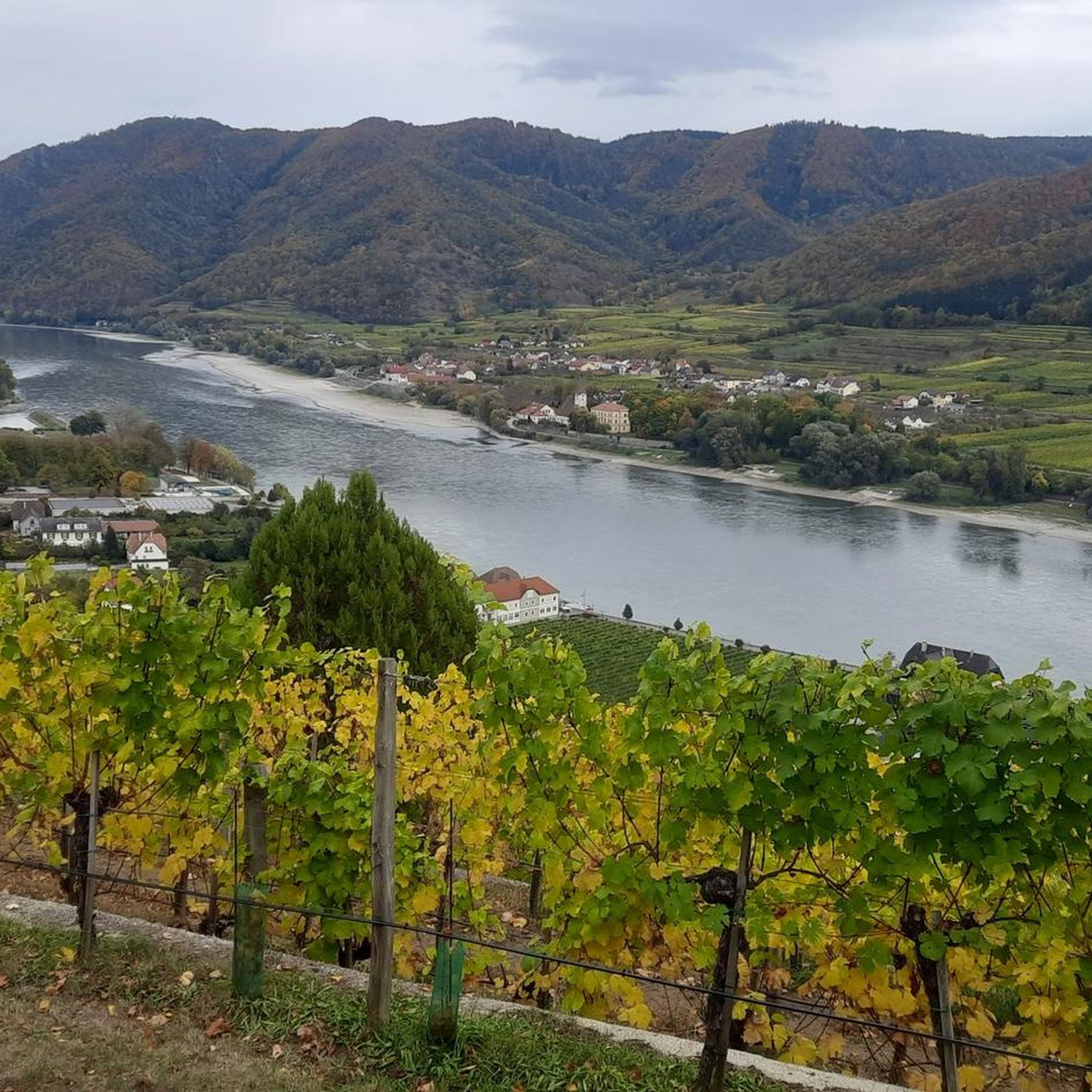
Danube Valley in the Wachau
Highlight • River
Translated by Google •
Tip by

Sign up now to discover places like this
Get recommendations on the best single tracks, peaks, & plenty of other exciting outdoor places.
Sign up for free
Dürnstein Pulpit
Highlight • Viewpoint
Translated by Google •
Tip by

Wachau Nose Sculpture
Highlight • Monument
Translated by Google •
Tip by

Franzosendenkmal (French Monument), Dürnstein
Highlight • Monument
Translated by Google •
Tip by

Sign up for free to discover even more natural monuments around Spitz.
Sign up for free
Already have an account?
Start today with a free account
Your next adventure awaits.
Login or Signup
Popular around Spitz
North-South Trail through Austria – Small country, big paths!

Wachau World Heritage Trail – Danube Valley and Wachau wine country
Cycling Tours in Austria’s wine regions
Hiking around Spitz
MTB Trails around Spitz
Road Cycling Routes around Spitz
Cycling around Spitz
Running Trails around Spitz
Mountain Hikes around Spitz

Gravel biking around Spitz


Tips from the Community

A stunning viewpoint with an ascent and descent for experienced hikers! Fantastic views over the Wachau Valley from a height of 712 meters.
9
0
The expansive view from the Dürnstein Pulpit is absolutely breathtakingly beautiful. Highly recommended!
8
0

Ascent only for experienced climbers! Or rather, the descent. Getting up the via ferrata, secured with ladders and ropes, is manageable, but going down can be a bit tricky if you're not very experienced with climbing. The view, however, is breathtaking!
7
1

The so-called French Monument was erected in 1905 by Friedrich Schachner. The monumental monument commemorating the victory of the Austrian and Russian troops over the Napoleonic army rises on a high square base and has a steeply rising, polygonal top, which is crowned by a drum with reliefs and a steep dome.
3
0


Probably the greatest point in the Wachau; a detour from the World Heritage Trail leads here.
3
0
It has meanwhile become a photo hotspot. It's funny what art can trigger in people. Touch it! The nose is happily in its place. There it breathes the Danube, the apricots, and the wine. It is a true landmark of the Wachau. The Wachau Nose is a work of art by the artist group Gelitin, located near the St. Lorenz car ferry. The monumental sculpture, which depicts the shape of a giant nose, lies on the banks of the Danube and is a humorous and unique art project. Gelitin, a group of artists from Austria, created the work by collecting nose profiles of locals and combining them into a "hybrid nose". The sculpture is partially buried in the ground, so only the distinctive nose is visible. It invites visitors to marvel and chuckle and is a fascinating example of creative art in the Wachau.
7
0
Very impressive, visible monument that arouses curiosity. Information boards are available and also helpful. Right on the bike path, you can't miss it.
3
0
Frequently Asked Questions
What are some of the most popular natural monuments to visit around Spitz?
Visitors frequently enjoy the Danube Valley in the Wachau, recognized as a UNESCO World Heritage Site for its stunning panorama and historical significance. Another highly-rated spot is the Dürnstein Pulpit, offering breathtaking views over the Wachau Valley. For those seeking a bit of a climb with a rewarding vista, High Rock provides extensive views after a short ascent.
Are there family-friendly natural monuments or attractions in the Spitz area?
Yes, the Danube Valley in the Wachau is considered family-friendly, offering a beautiful landscape for all ages to enjoy. Additionally, the Wachau Nose Sculpture is an interesting and unique man-made monument that is also family-friendly and has parking facilities nearby.
What kind of hiking trails can I find near the natural monuments in Spitz?
The region around Spitz offers a variety of hiking trails. You can explore routes like the 'Red Gate Circular Trail' or the 'View of Wachau Vineyards – Tausendeimerberg loop from Spitz', which is considered easy. For more options, including moderate and difficult routes, you can find detailed information on hiking around Spitz.
What unique geological features characterize the natural monuments in the Wachau Valley?
The Wachau Valley, where Spitz is located, is defined by the Danube River carving its way through ancient landscapes, creating steep, terraced vineyards and dramatic riverine scenery. The region's hills, like the Tausendeimerberg, are not only significant for viticulture but also offer geological insights into the valley's formation. The viewpoints like Dürnstein Pulpit showcase the unique interplay of water, rock, and human cultivation.
Can I explore the natural monuments by bike?
Absolutely. The Danube cycling paths are an excellent way to experience the natural beauty of the Wachau Valley and its monuments. There are various cycling routes available, such as the 'Vineyards Near St. Michael' loop or longer, more challenging rides like the 'Jauerling Observation Tower loop'. Discover more cycling options on the cycling around Spitz guide.
What is the best time to visit the natural monuments around Spitz?
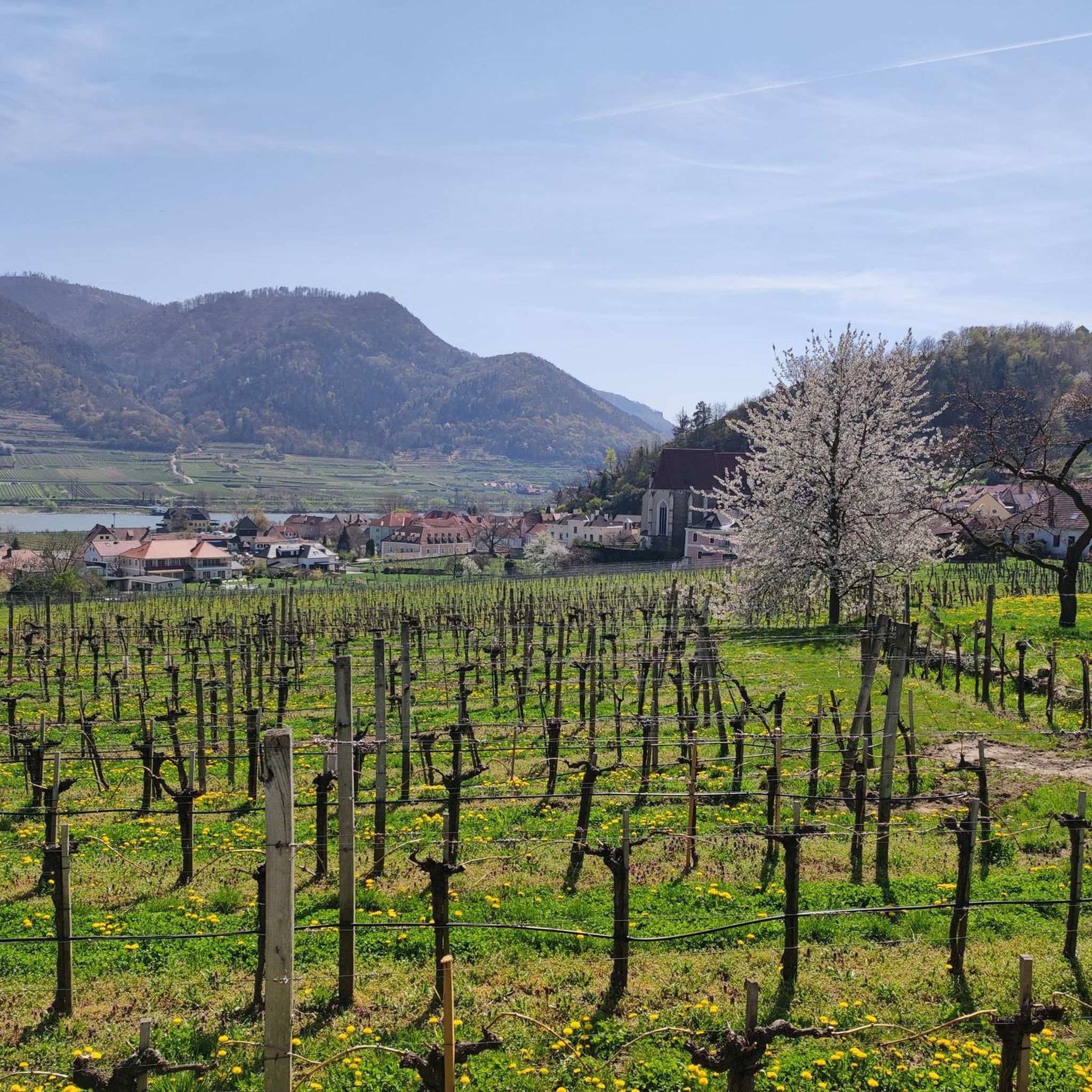
The Wachau Valley is beautiful year-round, but spring (for apricot blossoms) and autumn (for grape harvest and vibrant foliage) are particularly popular. The weather during these seasons is generally pleasant for outdoor activities like hiking and cycling, allowing for the best enjoyment of the natural monuments and scenic views.
Are there any historical sites among the natural monuments in Spitz?
While primarily natural, many sites in the Wachau Valley are intertwined with history. For example, the Franzosendenkmal (French Monument) near Dürnstein, though man-made, is situated within the natural landscape and commemorates a significant historical event from the Napoleonic Wars. The entire Danube Valley in the Wachau is a UNESCO World Heritage Site, recognized for its cultural landscape that blends nature and history.
What do visitors say about the views from the natural monuments?
Visitors consistently praise the breathtaking and expansive views. For instance, the Dürnstein Pulpit is often described as offering one of the most spectacular vantage points in the Danube Valley. Similarly, High Rock provides wonderful panoramic views of the Wachau and its surrounding landscape from above, making the climb well worth the effort.
Are there any running trails near the natural monuments?
Yes, there are several running trails in the vicinity of Spitz's natural monuments. You can find moderate routes like the 'St. Michael’s Fortified Church – Spitz–Arnsdorf Cable Ferry loop' or more challenging long-distance runs. For a comprehensive list of options, refer to the running trails around Spitz guide.
What is the Tausendeimerberg and why is it significant?
The Tausendeimerberg, meaning 'Mountain of Ten Thousand Buckets,' is an iconic vineyard-covered hill in Spitz an der Donau. It's named for the exceptionally large grape harvests it historically yielded. This natural monument is significant for its role in the region's viticulture and offers stunning views of the Danube River and the surrounding valley, making it a popular spot for hikers and cyclists.
Is it possible to take a boat tour to see the natural monuments along the Danube?
Yes, boat tours from Spitz offer an excellent way to experience the natural monuments and charming towns along the Danube River. This provides a unique perspective of the terraced vineyards, apricot orchards, and historical sites that line the riverbanks, all part of the UNESCO World Heritage landscape.
Are there any natural monuments that are particularly easy to access by public transport?
Spitz an der Donau itself is well-connected within the Wachau Valley, and many natural monuments, especially those along the Danube River, are accessible. The Danube Valley in the Wachau is easily experienced from various points along the river, which is served by local transport options. For specific access details to individual sites, local tourist information is recommended.
Most popular routes around Spitz
Most popular attractions around Spitz

Get inspired with the komoot mobile app


Explore more
Extend your search for the best caves by checking out these guides of the top ones around Spitz:
