Albrechtsberg an der Großen Krems
Albrechtsberg an der Großen Krems
Top 20 Natural Monuments around Albrechtsberg an der Großen Krems
Best natural monuments around Albrechtsberg an der Großen Krems are found in the Waldviertel region of Lower Austria. This area features geological formations, historical sites, and unique botanical features. The landscape offers a blend of natural wonder and archaeological significance, providing insights into ancient human activity and rare plant life.
Best natural monuments around Albrechtsberg an der Großen Krems
- The most popular natural monuments is Tausendeimerberg, a viewpoint that is a 314 meter high rock cone offering views over…
Last updated: July 21, 2026
Wachau Nose Sculpture
Highlight • Monument
Translated by Google •
Tip by

Tausendeimerberg
Highlight • Viewpoint
Translated by Google •
Tip by

Sign up now to discover places like this
Get recommendations on the best single tracks, peaks, & plenty of other exciting outdoor places.
Sign up for free
Hirschwand Summit
Highlight • Summit
Translated by Google •
Tip by
Gudenus Cave
Highlight • Cave
Translated by Google •
Tip by

Wachau World Heritage Site
Highlight (Segment) • Historical Site
Translated by Google •
Tip by

Sign up for free to discover even more natural monuments around Albrechtsberg an der Großen Krems.
Sign up for free
Already have an account?
Start today with a free account
Your next adventure awaits.
Login or Signup
Popular around Albrechtsberg an der Großen Krems
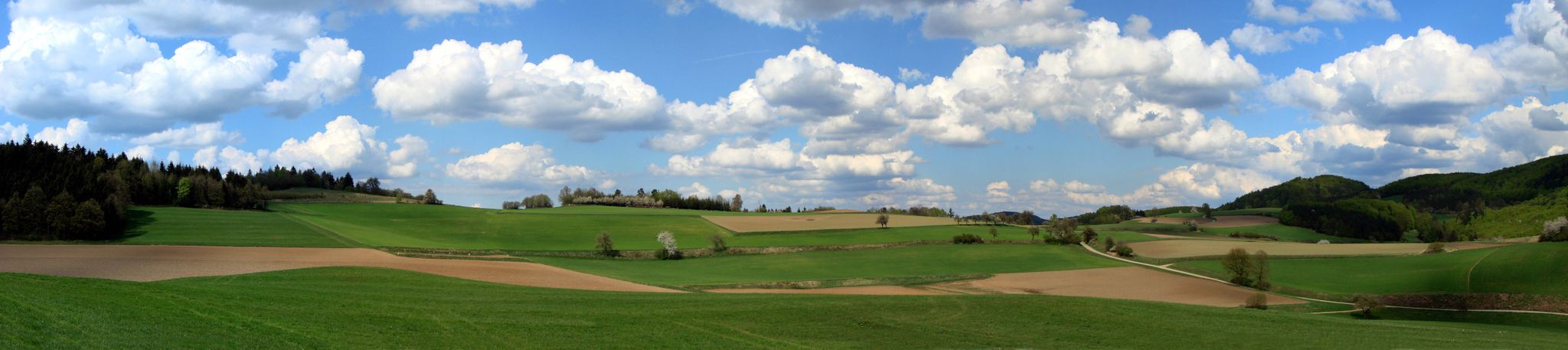
The Path of Life — A (spiritual) hike through northeastern Austria
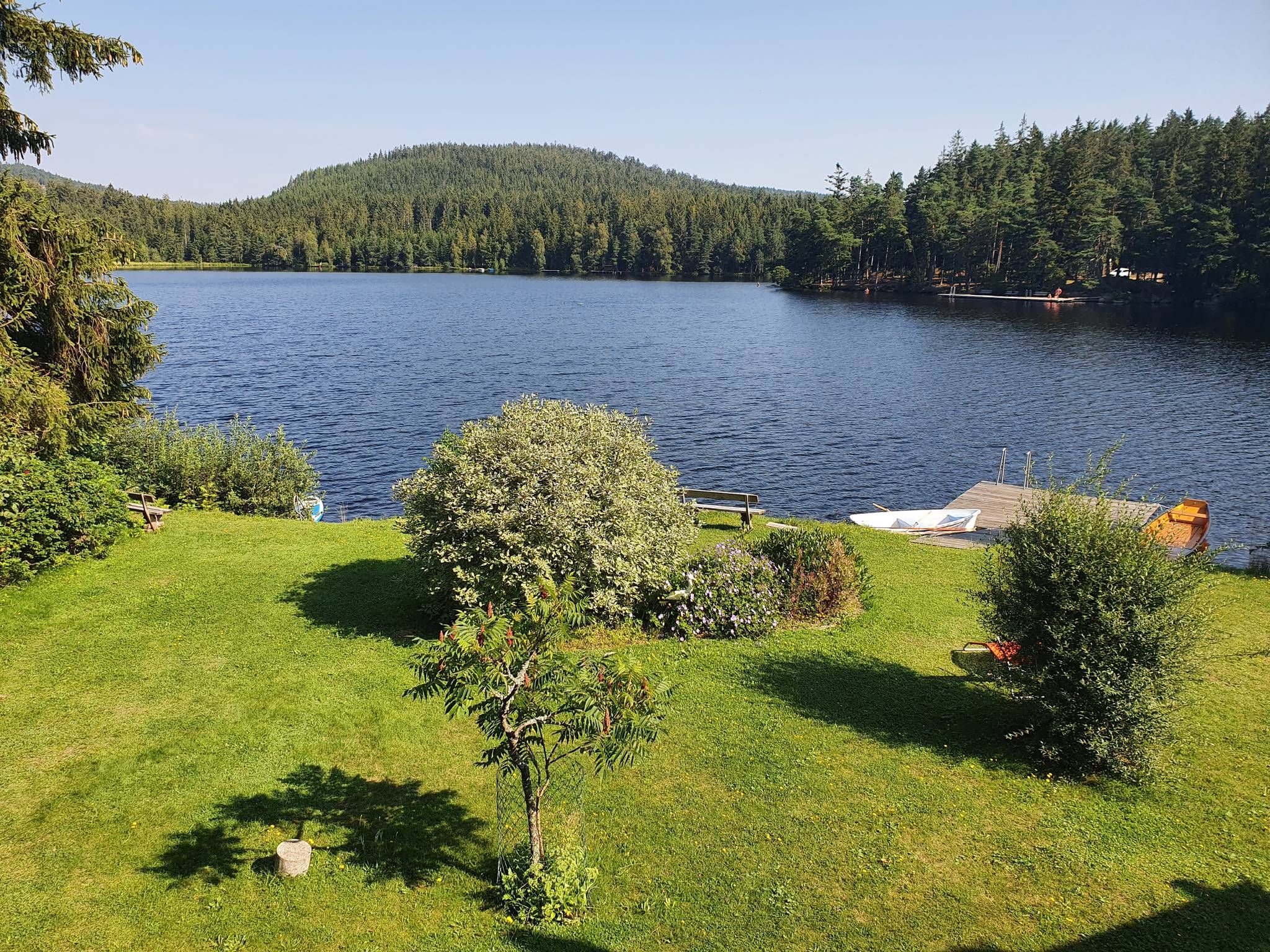
Kremstal Trail — Hiking along rivers through Lower Austria
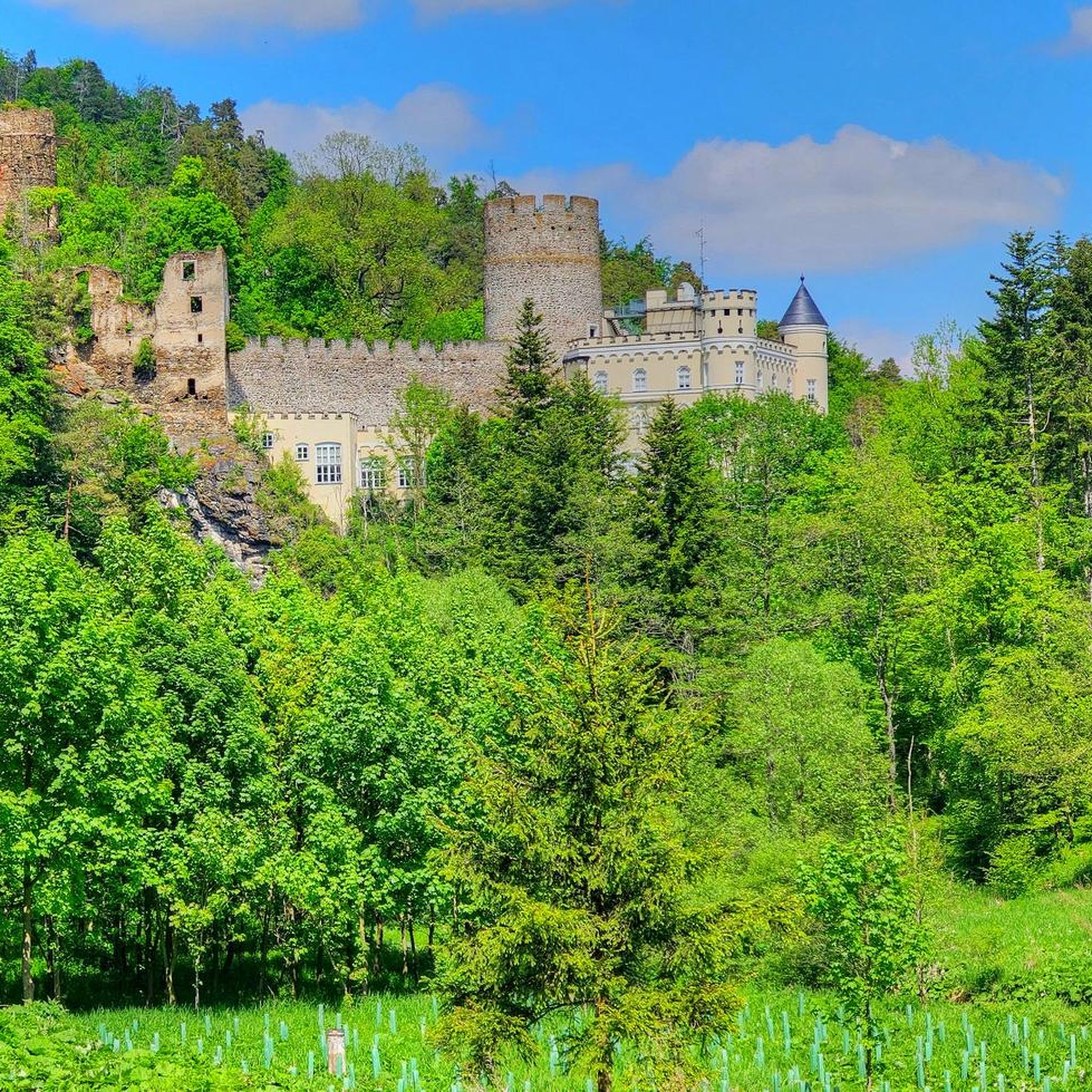
Running Trails around Albrechtsberg an der Großen Krems
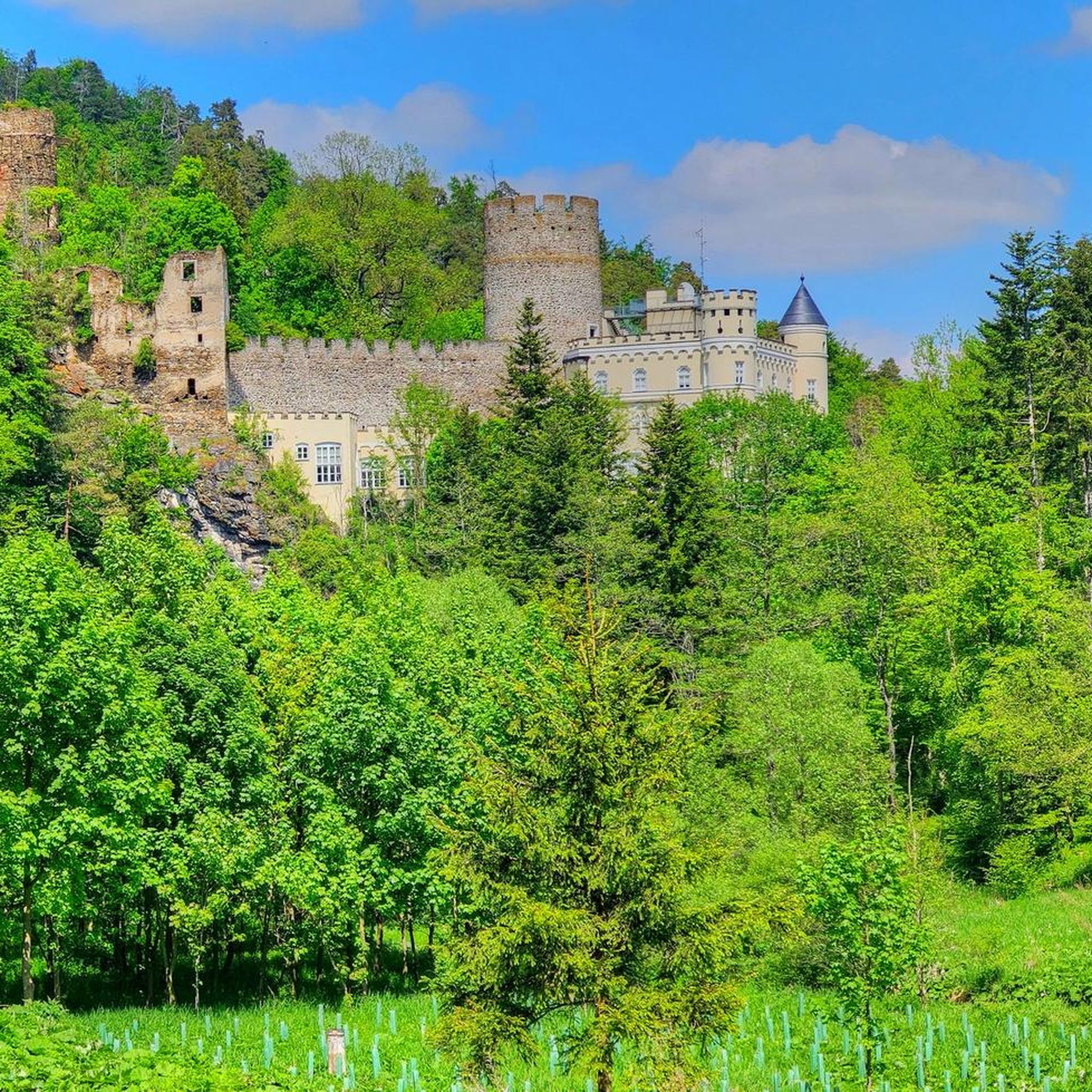
MTB Trails around Albrechtsberg an der Großen Krems
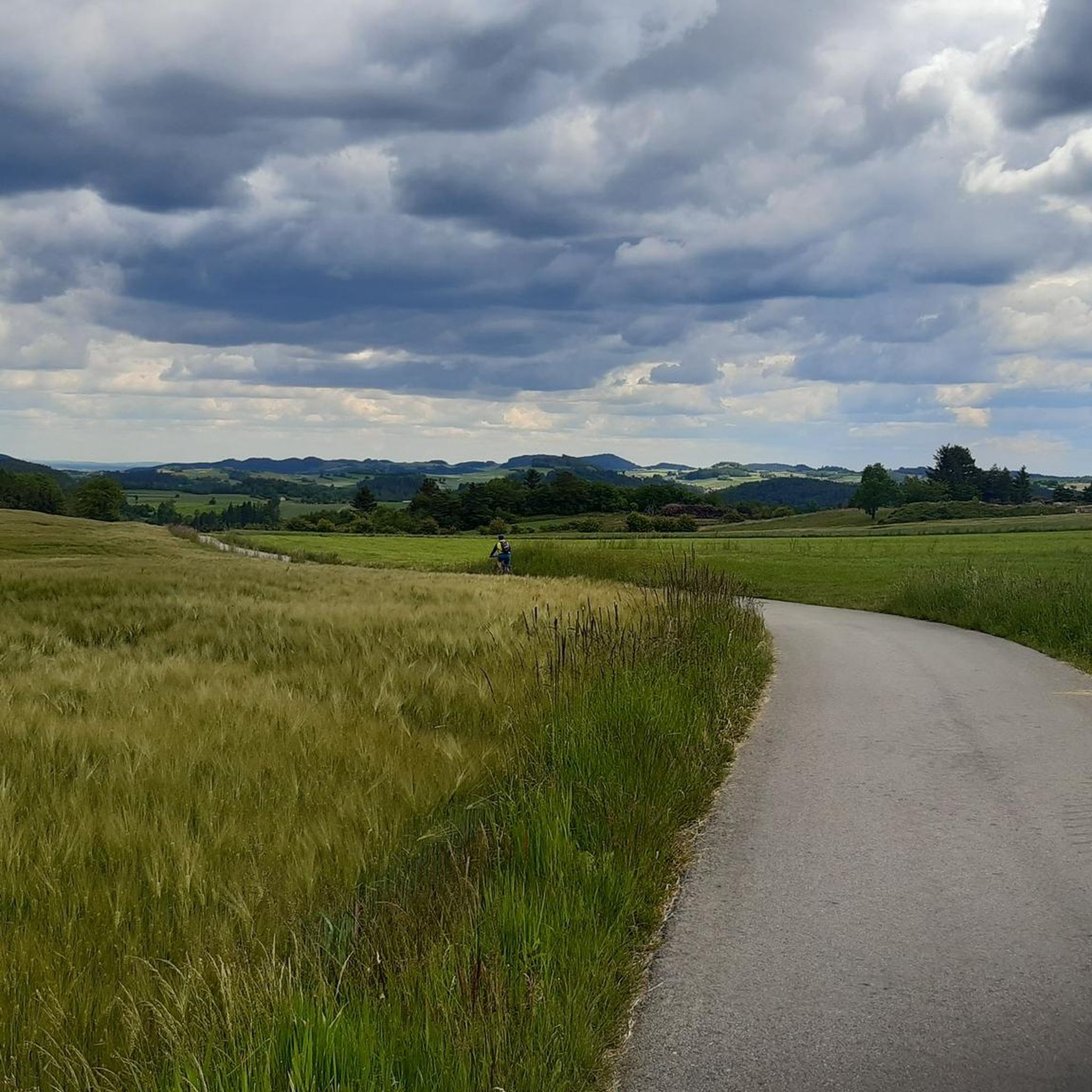
Hiking around Albrechtsberg an der Großen Krems
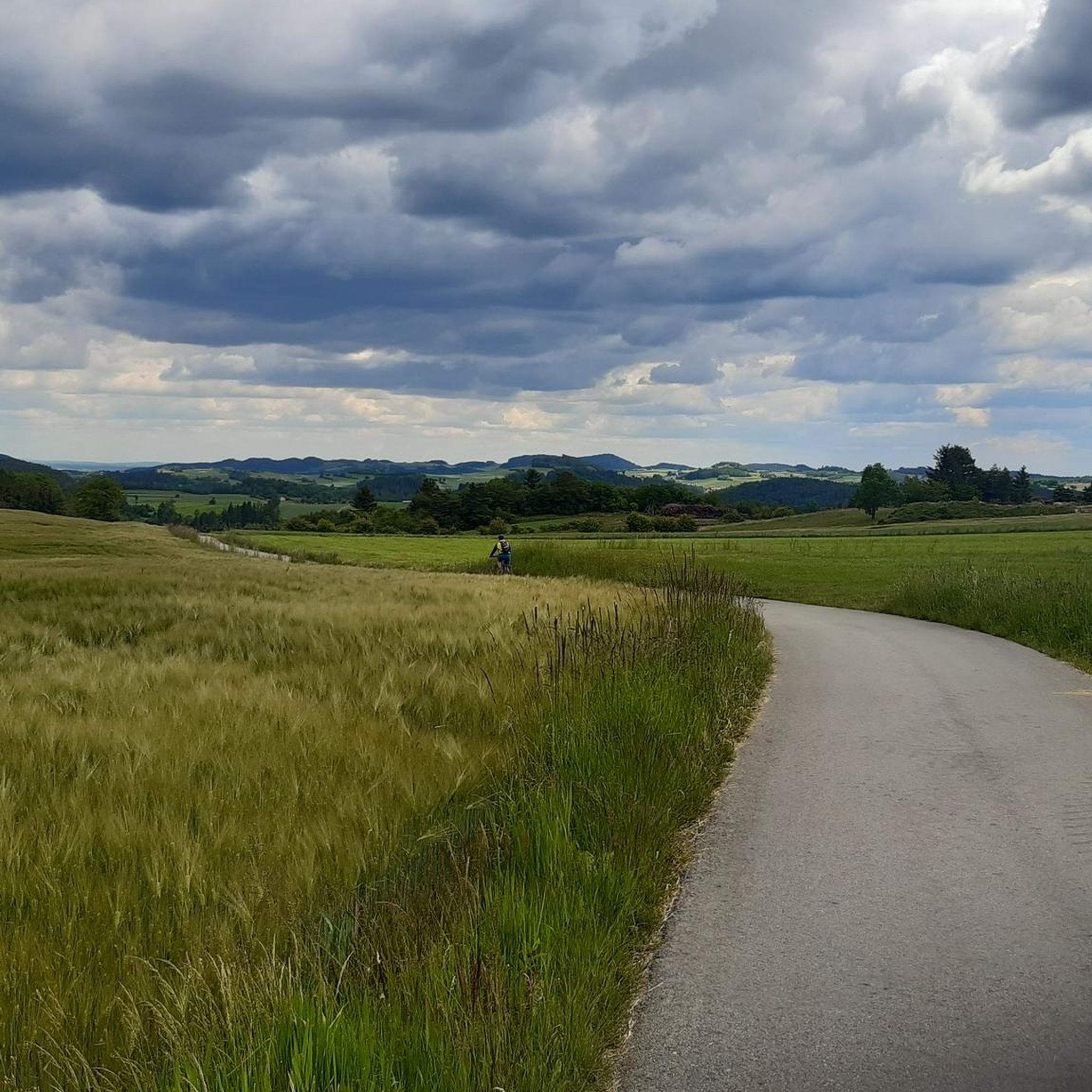
Cycling around Albrechtsberg an der Großen Krems
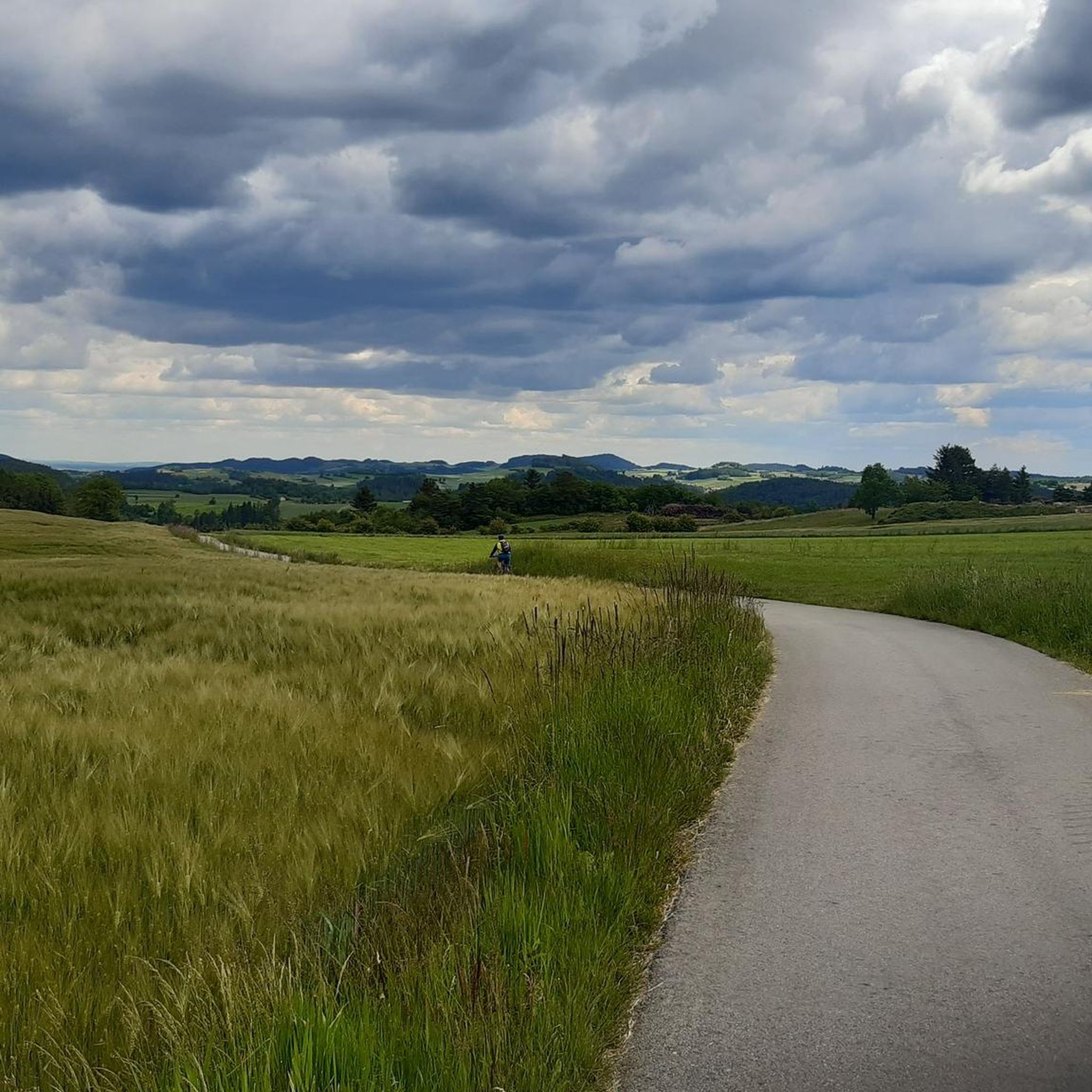
Road Cycling Routes around Albrechtsberg an der Großen Krems
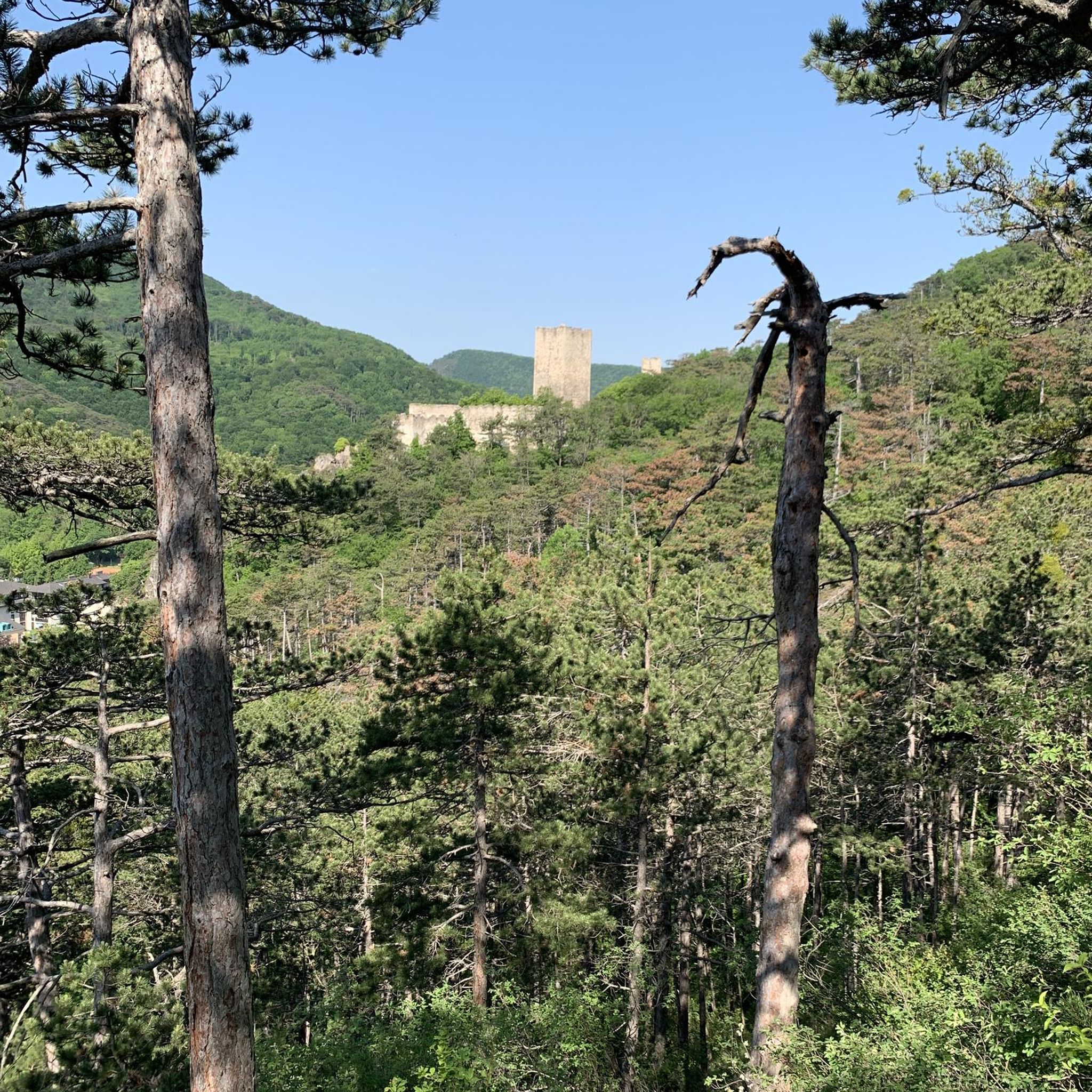
Mountain Hikes around Albrechtsberg an der Großen Krems
Gravel biking around Albrechtsberg an der Großen Krems
Other adventures around Albrechtsberg an der Großen Krems

Tips from the Community

On the website for the television series – which is unreservedly recommendable from my point of view – 'Treasures of the World – Heritage of Mankind', it says: 'The Wachau is, first and foremost, a roughly 30 km long Danube breakthrough between Melk and Krems in Lower Austria. The river forms a narrow rocky valley here. A landmark of the Wachau and actually the staging of this landscape is Melk Abbey ...' The quarter-hour contribution about this highlight, which has been awarded the 'World Heritage' designation by UNESCO, can be accessed in the ARD media library via the following link =>> https://www.ardmediathek.de/video/schaetze-der-welt/die-wachau-oesterreich-folge-282/swr/Y3JpZDovL3N3ci5kZS82ODcyNjk0
0
0

Please do not deface it!!! Below Hartenstein Castle lies the Gudenus Cave, which was carved out of the riverbank and inhabited by Neanderthals during the Stone Age. Traces of settlement dating back almost 100,000 years were discovered there, including hand axes and other tools. Due to historical preservation, the bridge could no longer be rebuilt unless the cave was sealed.
0
0

The entrance to the cave is overgrown, which is a pity.
0
0

The Hirschwand, or rather the Hirschwandsteig, is well secured with ropes and footholds, but you should still be sure-footed and free from shingles if you want to enjoy the view here.
4
0

Even if you don't want to climb the last few meters, the detour to the Hirschwand is worth it. At the Hirschwand crossing you have to go right and continue a little further to the Hirschwand.
1
1

The bridge at the Gudenus Cave has been gone for 2 years. Accessible via stones at low water
1
0
If you haven't been up here, you haven't been to the Wachau! The view of the Danube is stunning!!
6
0

The Gudenus Cave was used by Neanderthals 10,000 years ago, that's humbling, impressive natural monument!
0
1
Frequently Asked Questions
What unique geological features can I explore around Albrechtsberg an der Großen Krems?
The region is rich in geological wonders, particularly its fascinating cave systems. You can explore the Gudenus Cave, a 30-meter-long passage cave with two entrances, known for its limestone marble formations. Another significant site is the Steinerner Saal Rock Shelter, an impressive 30-meter-wide and 8-meter-high amphibolite rock shelter.
Are there natural monuments with historical or archaeological significance in the region?
Yes, several natural monuments hold significant historical and archaeological value. The Gudenus Cave is famous for yielding Neanderthal artifacts, including a 4 cm bone flute and a reindeer head carving, dating back over 70,000 years. The Steinerner Saal Rock Shelter was frequented by Ice Age hunters, with stone tools from the Middle Paleolithic Neanderthal period found there. The Eichmayerhöhle and Schusterlucke also offer insights into ancient ecosystems and paleological finds.
Where can I find rare plant species around Albrechtsberg an der Großen Krems?
Nature enthusiasts can discover unique botanical rarities in the area. On the slopes of the Seidenbühel, near the Gillaus reservoir, you can find populations of the Large Wood Anemone and the Pasqueflower (Kuhschelle). Additionally, the rare orchid species Traunsteinera globosa, with its striking light pink-purple flowers, can be found on the way to the 'Waldandacht', thriving on the calcareous ground provided by a strip of Paleozoic marble.
Which natural monuments offer the best views of the surrounding landscape?
For breathtaking vistas, visit Tausendeimerberg, a 314-meter-high rock cone that offers a wonderful view over Spitz and the Danube. Another excellent viewpoint is Hirschwand Summit, which provides expansive views of the Danube and the Wachau region.
Are there family-friendly natural monuments suitable for children?
While many natural monuments involve some hiking, the Wachau Nose Sculpture is a fun and accessible man-made monument that is categorized as family-friendly. For caves, the Gudenus Cave offers an engaging experience for older children interested in history and geology, though access might require careful footing.
What kind of hiking trails are available near these natural monuments?
The area around Albrechtsberg an der Großen Krems offers a variety of hiking opportunities. You can find trails that lead to viewpoints like Tausendeimerberg or historical sites like the Gudenus Cave. For a comprehensive overview of hiking routes, explore the Easy hikes around Albrechtsberg an der Großen Krems guide.
Are there easy hiking trails to reach the natural monuments?
Yes, there are several easy hiking options. For instance, the 'View of Hartenstein Castle – Gudenus Cave loop from Maigenmühle' is an easy 6.59 km route that takes you past the Gudenus Cave. You can find more easy trails in the Easy hikes around Albrechtsberg an der Großen Krems guide.
When is the best time of year to visit the natural monuments in Albrechtsberg an der Großen Krems?
The best time to visit depends on your interests. Spring (April-May) is ideal for observing the rare botanical species like the Pasqueflower and Traunsteinera globosa in bloom. Summer (June-August) offers pleasant weather for hiking and exploring the caves. Autumn (September-October) provides beautiful fall foliage, especially around viewpoints like Tausendeimerberg.
What other outdoor activities can I do near these natural monuments?
Beyond hiking, the region offers opportunities for cycling and gravel biking. You can find various routes, from moderate to difficult, that allow you to explore the wider landscape. Check out the Gravel biking around Albrechtsberg an der Großen Krems guide and the Cycling around Albrechtsberg an der Großen Krems guide for detailed routes.
What do visitors enjoy most about the natural monuments in Albrechtsberg an der Großen Krems?
Visitors frequently highlight the stunning views, especially from Tausendeimerberg and Hirschwand Summit. The historical significance of sites like the Gudenus Cave and Steinerner Saal Rock Shelter, with their archaeological finds, also leaves a strong impression. The unique blend of natural beauty, geological formations, and ancient history is a major draw.
Is it possible to combine a visit to the natural monuments with other attractions?
Absolutely. Many natural monuments, such as Tausendeimerberg, can be easily combined with a stroll through nearby towns like Spitz. The Gudenus Cave is part of the Kremstal Canyon, an area with other interesting caves and historical sites, making it suitable for a longer exploration.
Most popular routes around Albrechtsberg an der Großen Krems
Most popular attractions around Albrechtsberg an der Großen Krems

Get inspired with the komoot mobile app


Explore more
Extend your search for the best caves by checking out these guides of the top ones around Albrechtsberg an der Großen Krems:
