Top 17 Natural Monuments around Klein-Pöchlarn
Best natural monuments around Klein-Pöchlarn offer diverse natural attractions within the Nibelungengau region. This area features significant ecological sites and scenic landscapes, providing opportunities for exploration. Visitors can find a variety of natural monuments, from ancient trees to unique geological formations. The region's natural beauty is characterized by its position along the Danube and proximity to the Alpine foothills.
Best natural monuments around Klein-Pöchlarn
- The most popular natural monuments is Rogelstein, a natural monument consisting of large boulders. These boulders can wobble slightly, giving the site its name.
- Another must-see spot is Kaiserstein (935 m), a summit and natural monument. Visitors can find a resting place at the Kaiserstein, which is named after Emperor Franz I.
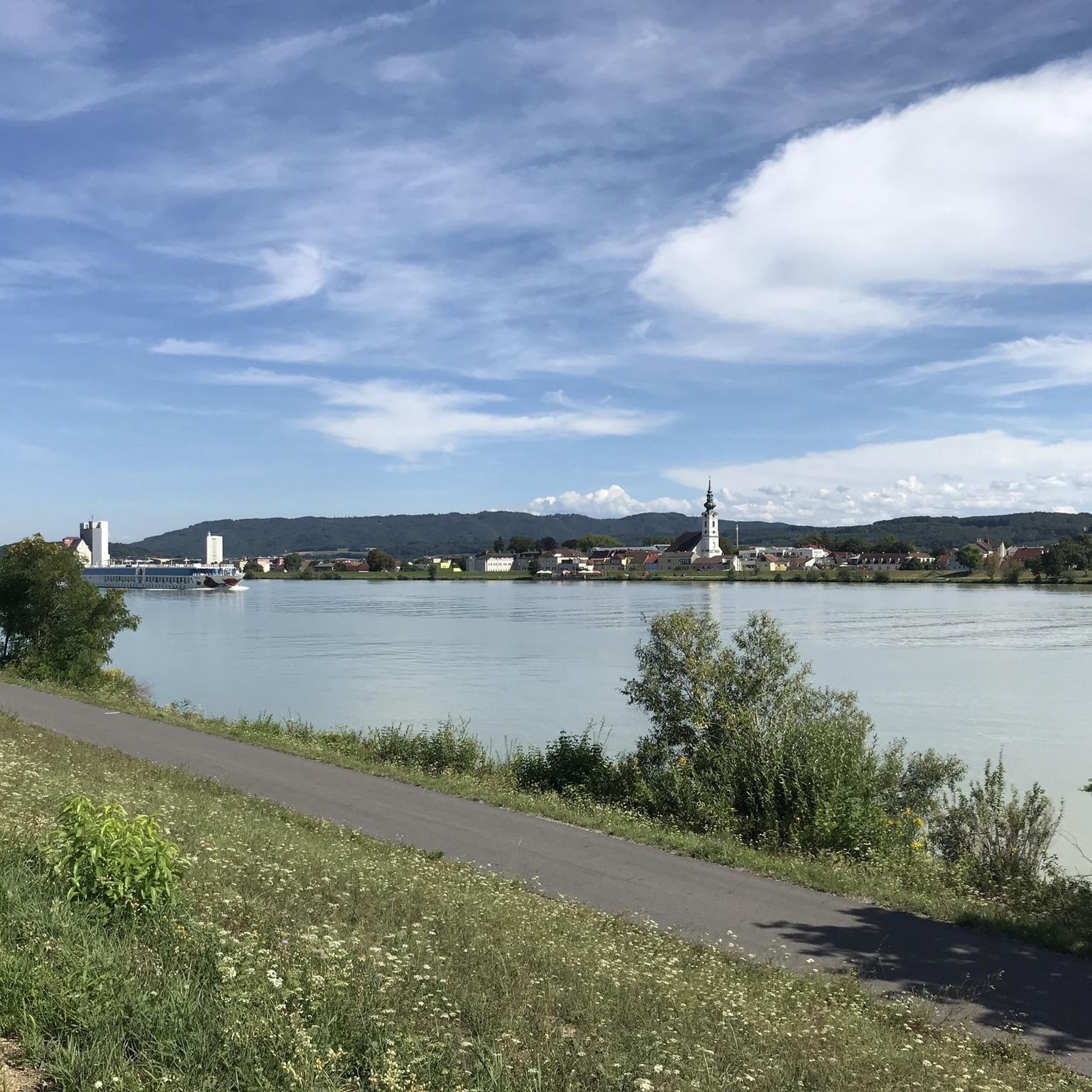
- Visitors also love Wachau World Heritage Site, a historical site and natural monument. This section of the Danube is known for its scenic beauty, including orchards and vineyards.
- Klein-Pöchlarn is known for its natural monuments, summits, and historical sites. The area offers a variety of natural monuments to see and explore, including ancient trees and significant geological features.
- The natural monuments around Klein-Pöchlarn are appreciated by the komoot community, with more than 130 upvotes and 24 photos shared.
Last updated: July 8, 2026
Persenbeug Market Linden Natural Monument
Highlight • Natural Monument
Translated by Google •
Tip by

Kaiserstein (935 m)
Highlight • Summit
Translated by Google •
Tip by

Sign up now to discover places like this
Get recommendations on the best single tracks, peaks, & plenty of other exciting outdoor places.
Sign up for free
Rogelstein
Highlight • Natural Monument
These can wobble a little even with sufficient load (hence the name).
Can be ideally visited on a hike on the stone circuit (this includes the White Stone, Rogelstein, Great Stone, and the ruins of Zelking).
Translated by Google •
Tip by

Wachau World Heritage Site
Highlight (Segment) • Historical Site
Translated by Google •
Tip by

Leopoldikreuz
Highlight • Monument
Translated by Google •
Tip by

Sign up for free to discover even more natural monuments around Klein-Pöchlarn.
Sign up for free
Already have an account?
Start today with a free account
Your next adventure awaits.
Login or Signup
Tips from the Community

On the website for the television series – which is unreservedly recommendable from my point of view – 'Treasures of the World – Heritage of Mankind', it says: 'The Wachau is, first and foremost, a roughly 30 km long Danube breakthrough between Melk and Krems in Lower Austria. The river forms a narrow rocky valley here. A landmark of the Wachau and actually the staging of this landscape is Melk Abbey ...' The quarter-hour contribution about this highlight, which has been awarded the 'World Heritage' designation by UNESCO, can be accessed in the ARD media library via the following link =>> https://www.ardmediathek.de/video/schaetze-der-welt/die-wachau-oesterreich-folge-282/swr/Y3JpZDovL3N3ci5kZS82ODcyNjk0
0
0

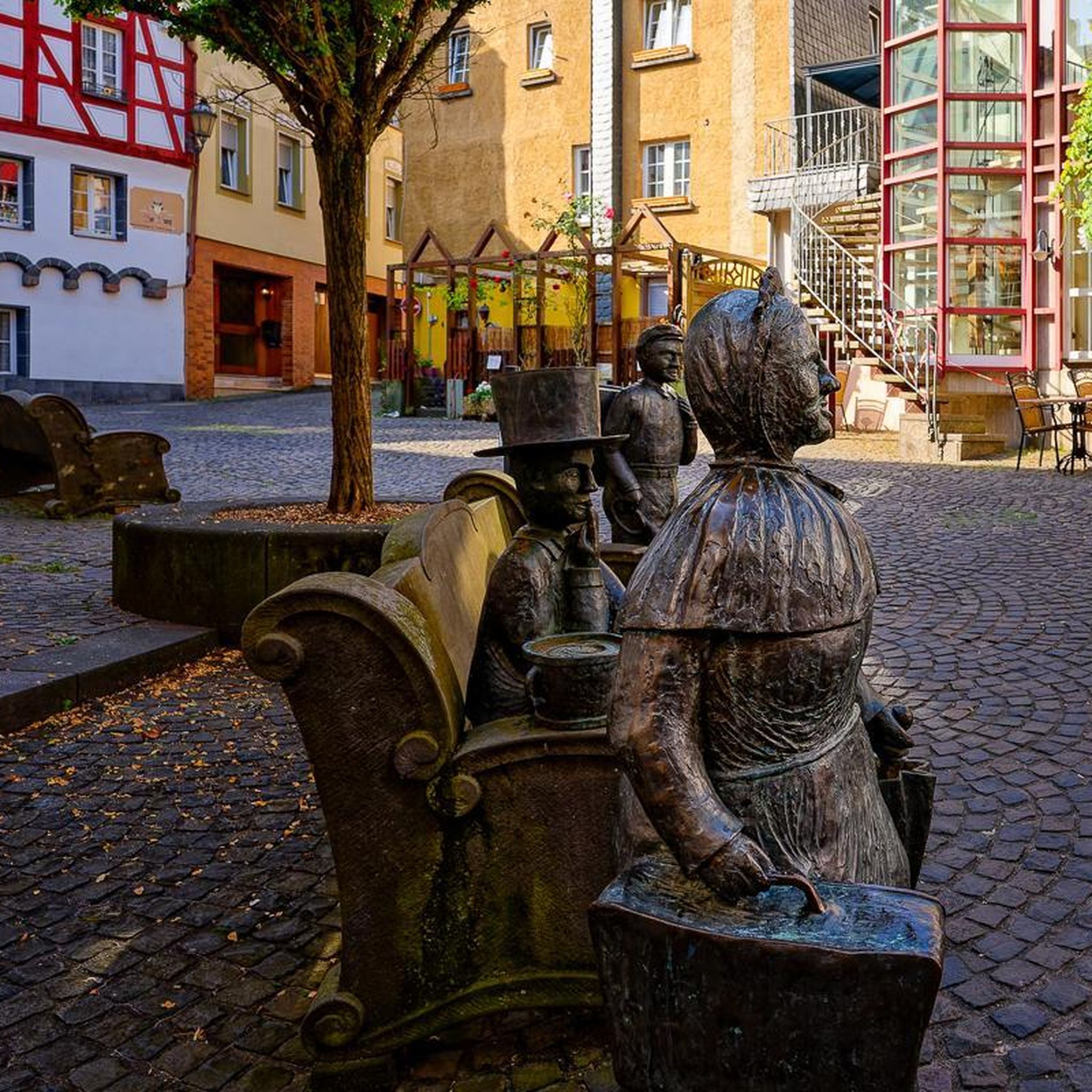
The small alleys ("Hauptstraße") around the town hall square already have a "Wachau flair" 😉
0
0

The Leopold Cross, also known as the "Leopoldi Cross", is a historical monument in Melk. The delicately decorated baroque pillar with tabernacle top and cross stands northeast of the town and was built in 1645 in the baroque style. The cross stands on a base and is surrounded by a small green area that invites you to linger. The shrine is a listed building and is listed under object ID: 79949 in the list of listed buildings in Melk.
1
0

An impressive, over 600-year-old linden tree, declared a natural monument in 1989. Right next to it is the Café zur Linde, very fitting.
6
0
An impressive, over 600-year-old lime tree that was declared a natural monument in 1989. Right next door is the Café zur Linde, very fitting.
4
0

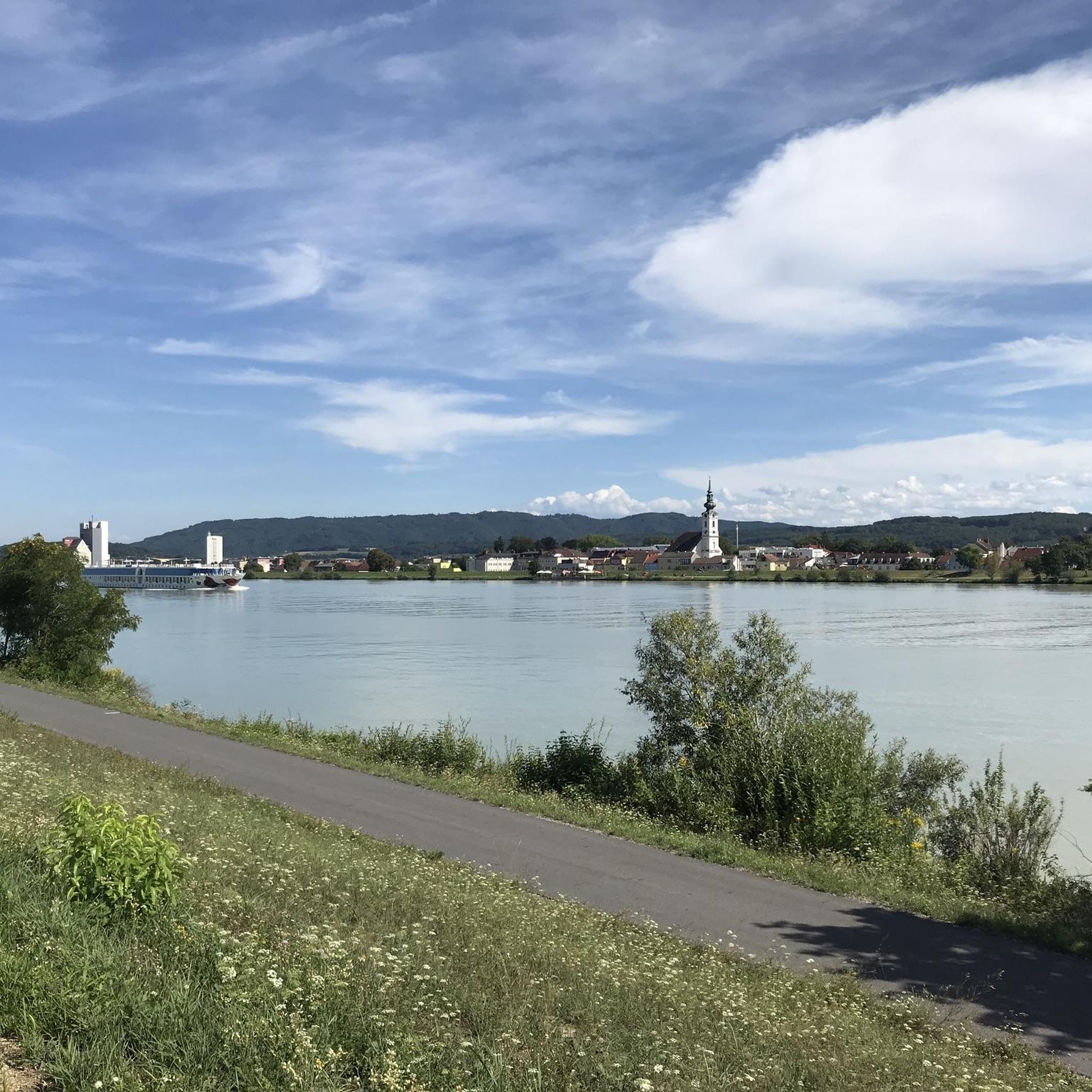
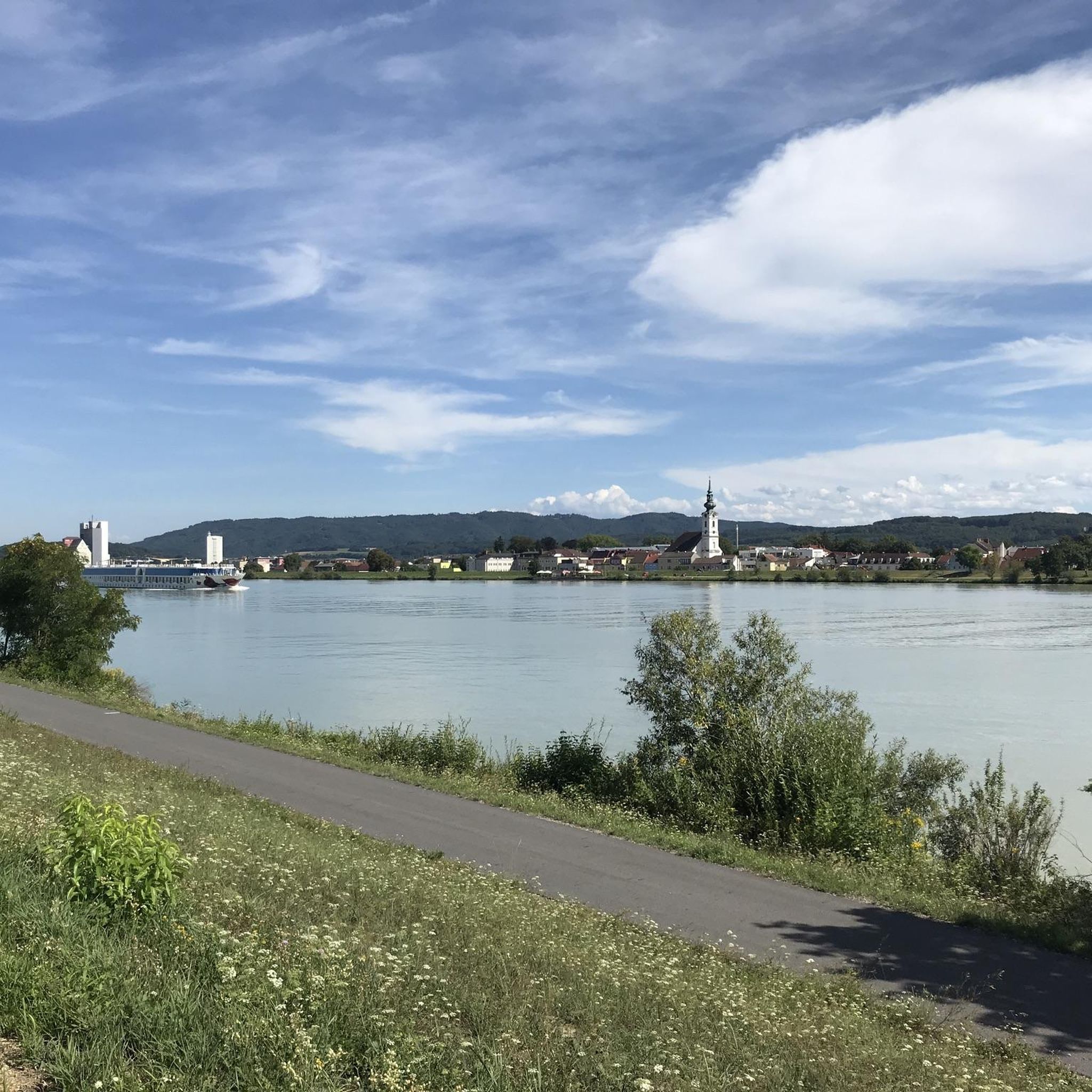
Very scenic section of the Danube cycle path.
1
0

Beautiful wayside shrine surrounded by birch trees
1
0
Frequently Asked Questions
What unique natural monuments can I explore around Klein-Pöchlarn?
Beyond the well-known spots, you can discover unique natural monuments like the Rogelstein, which features large boulders that can subtly wobble. Another significant site is the Rindfleischberg, a core zone within the Strudengau-Nibelungengau European protected area, offering a nature information path to explore its diverse flora and fauna.
Are there any family-friendly natural attractions near Klein-Pöchlarn?
Yes, several natural monuments are suitable for families. The Persenbeug Market Linden Natural Monument, an impressive 600-year-old linden tree, is a great spot. The Wachau World Heritage Site, known for its scenic beauty along the Danube, is also family-friendly, offering opportunities for cycling and enjoying orchards and vineyards. Additionally, the Leopoldikreuz, a historical monument surrounded by nature, is easily accessible.
What kind of wildlife can I expect to see at the natural monuments?
The Rindfleischberg, designated as a core zone within a European protected area, is home to diverse and often rare animal and plant species. While specific animals are not detailed, its protected status indicates a rich biodiversity. Klein-Pöchlarn also hosts Austria's first Bee Park, dedicated to the preservation of valuable bee populations, offering insights into these essential pollinators.
Are there natural monuments with historical significance in the region?
Absolutely. The Wachau World Heritage Site is a prime example, combining stunning natural landscapes with deep historical and cultural importance. The Kaiserstein (935 m), a summit and natural monument, is named after Emperor Franz I, who frequented the area. The Leopoldikreuz is a historical wayside shrine from 1645, surrounded by natural elements.
What are the best outdoor activities to do near the natural monuments around Klein-Pöchlarn?
The region offers a variety of outdoor activities. You can explore gravel biking routes like the 'Pöchlarn Danube Bridge – Weitenegg Castle Ruins loop' or cycling tours such as the 'Melk Abbey – View of Melk Abbey loop'. For more options, you can find detailed guides on gravel biking, cycling, and road cycling around Klein-Pöchlarn.
Are there easy hiking trails to natural monuments in the area?
While some natural monuments like Kaiserstein (935 m) and Rogelstein are part of intermediate routes, the Rindfleischberg offers a dedicated nature information path with 'wanderable' routes, providing an accessible way to enjoy the scenery and learn about the local ecosystem. The Persenbeug Market Linden Natural Monument is located in a village setting, making it easily reachable for a gentle stroll.
What is the best season to visit the natural monuments around Klein-Pöchlarn?
The Nibelungengau region, including Klein-Pöchlarn, is beautiful throughout the warmer months. Spring and autumn are ideal for hiking and cycling, with pleasant temperatures and vibrant natural colors. The Wachau World Heritage Site is particularly stunning during spring when orchards bloom and in autumn during the grape harvest. The Rindfleischberg's nature path is best enjoyed when the diverse plant and animal life is most active.
Are there cafes or places to eat near the natural monuments?
Yes, near the Persenbeug Market Linden Natural Monument, you'll find the Café zur Linde, which is conveniently located right next to the impressive tree. For other locations, it's advisable to check local amenities in nearby towns or villages.
What makes the natural monuments in the Wachau region near Klein-Pöchlarn special?
The Wachau World Heritage Site, a significant natural monument, is renowned for being one of the most beautiful sections of the Danube. It features picturesque landscapes with apple orchards and vineyards, offering stunning views and a unique blend of natural beauty and cultural heritage. It's a popular spot for cycling along the Danube Cycle Path.
What do visitors enjoy most about the natural monuments in this area?
Visitors frequently appreciate the scenic beauty and the opportunities for relaxation. For instance, the Kaiserstein (935 m) is noted as a nice place for a short break with comfortable rocks for resting. The Rogelstein is part of a popular 'Stein Runde' hike, offering a pleasant resting spot. The overall appeal lies in the combination of natural landscapes, historical context, and accessible outdoor experiences.
Is there public transport access to the natural attractions around Klein-Pöchlarn?
While specific public transport routes to individual natural monuments are not detailed, Klein-Pöchlarn is situated in the Nibelungengau region, which is generally accessible. For detailed public transport information to specific sites like the Rindfleischberg or the Bee Park, it is recommended to consult local transport schedules or tourist information centers for the most up-to-date options.
Are there any natural monuments that offer panoramic views?
Yes, several natural monuments provide excellent panoramic views. The Kaiserstein (935 m) is a summit and viewpoint offering expansive vistas. The Rindfleischberg, with its 'wanderable' routes, also provides stunning panoramas of the Alpine foothills. Additionally, the Wachau World Heritage Site along the Danube is famous for its picturesque river views.
Most popular routes around Klein-Pöchlarn
Most popular attractions around Klein-Pöchlarn

Get inspired with the komoot mobile app


Explore more
Extend your search for the best caves by checking out these guides of the top ones around Klein-Pöchlarn:
