Top 15 Natural Monuments around Hafnerbach
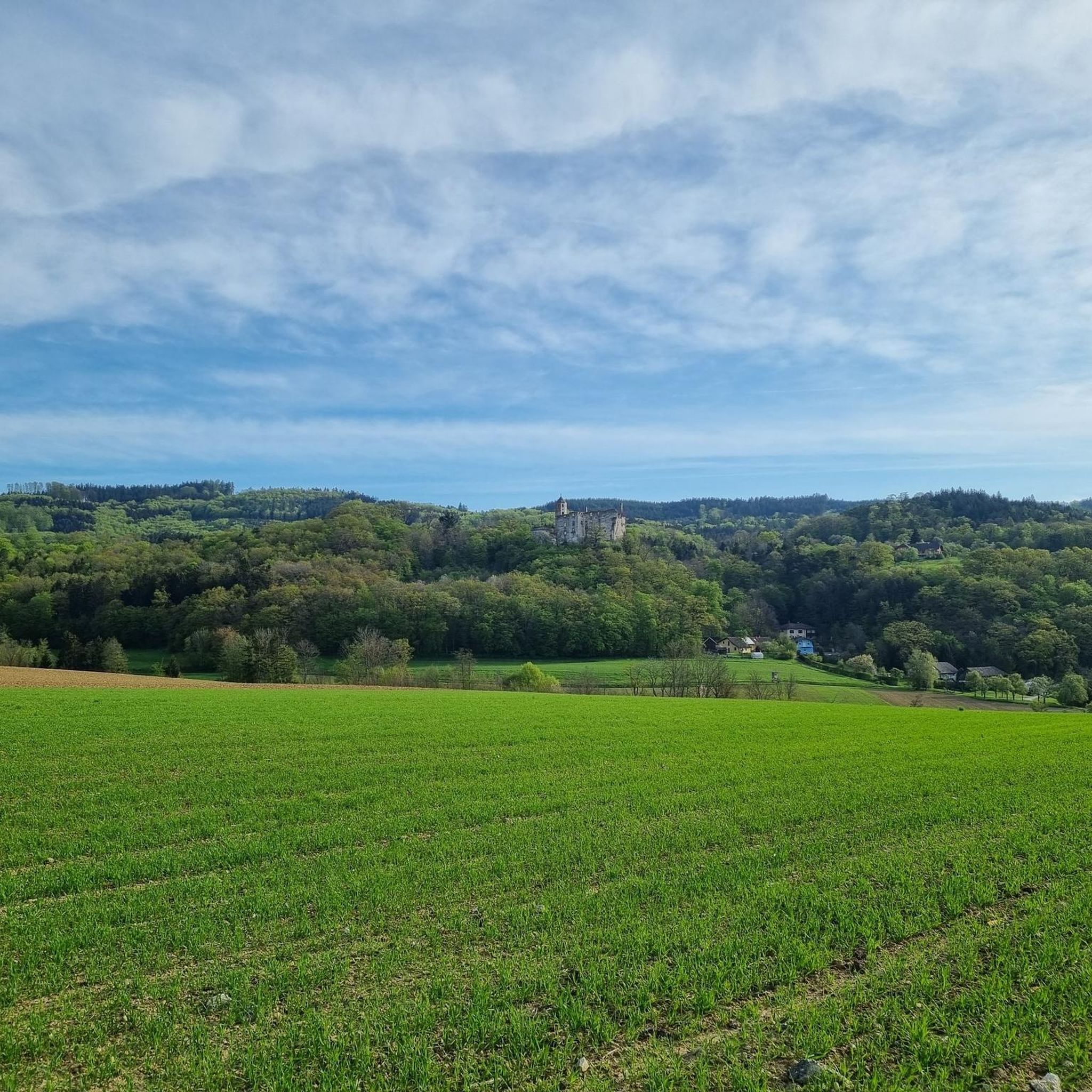
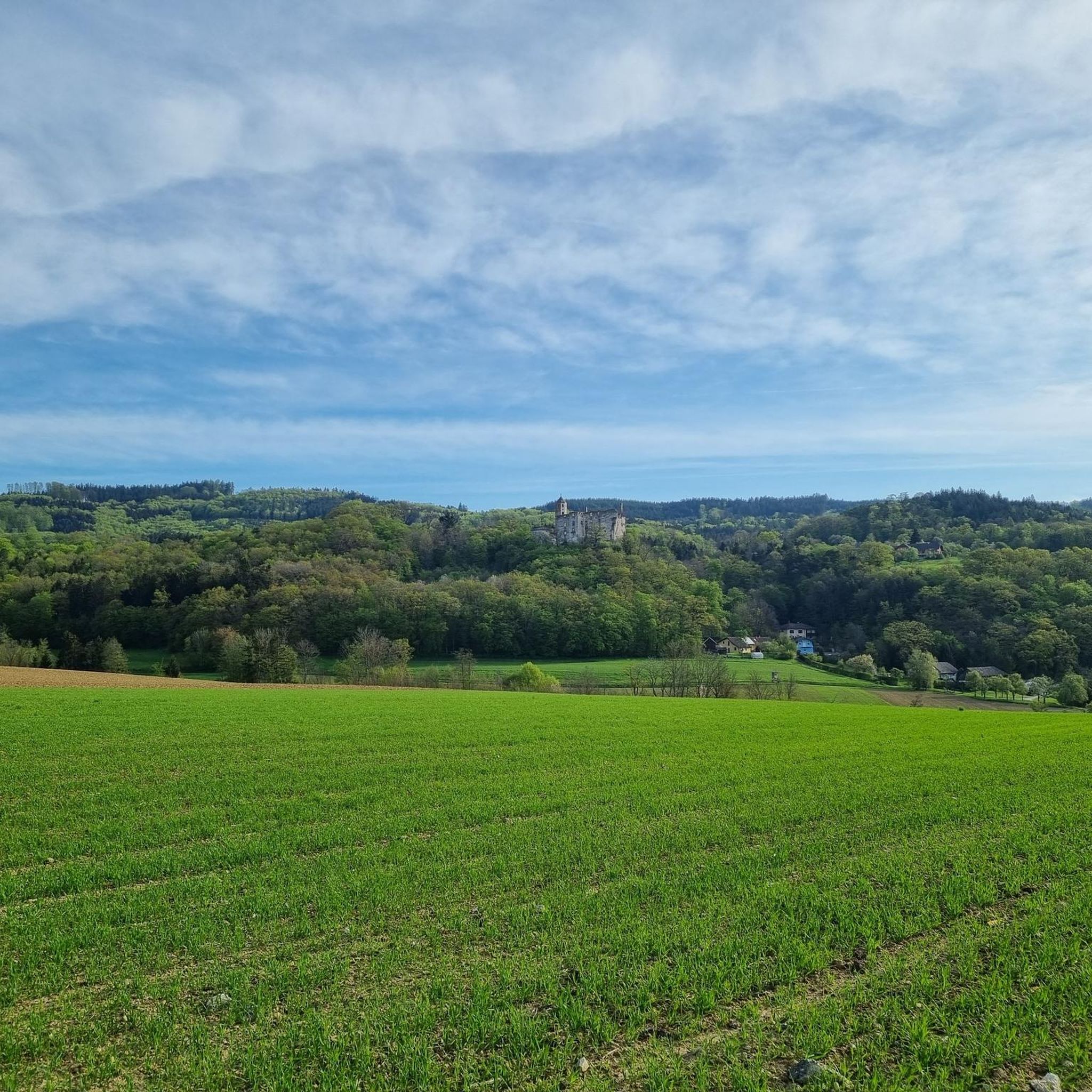
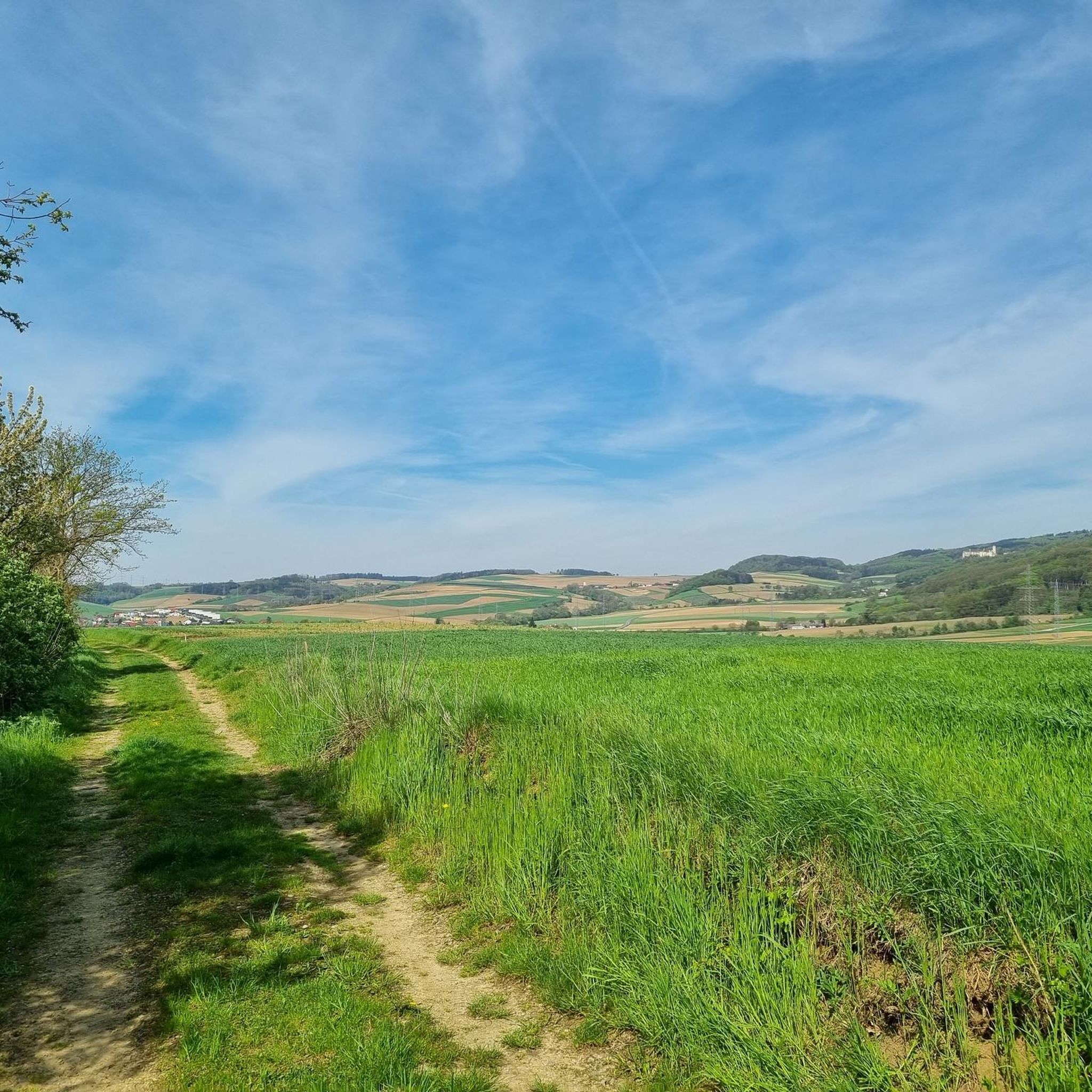
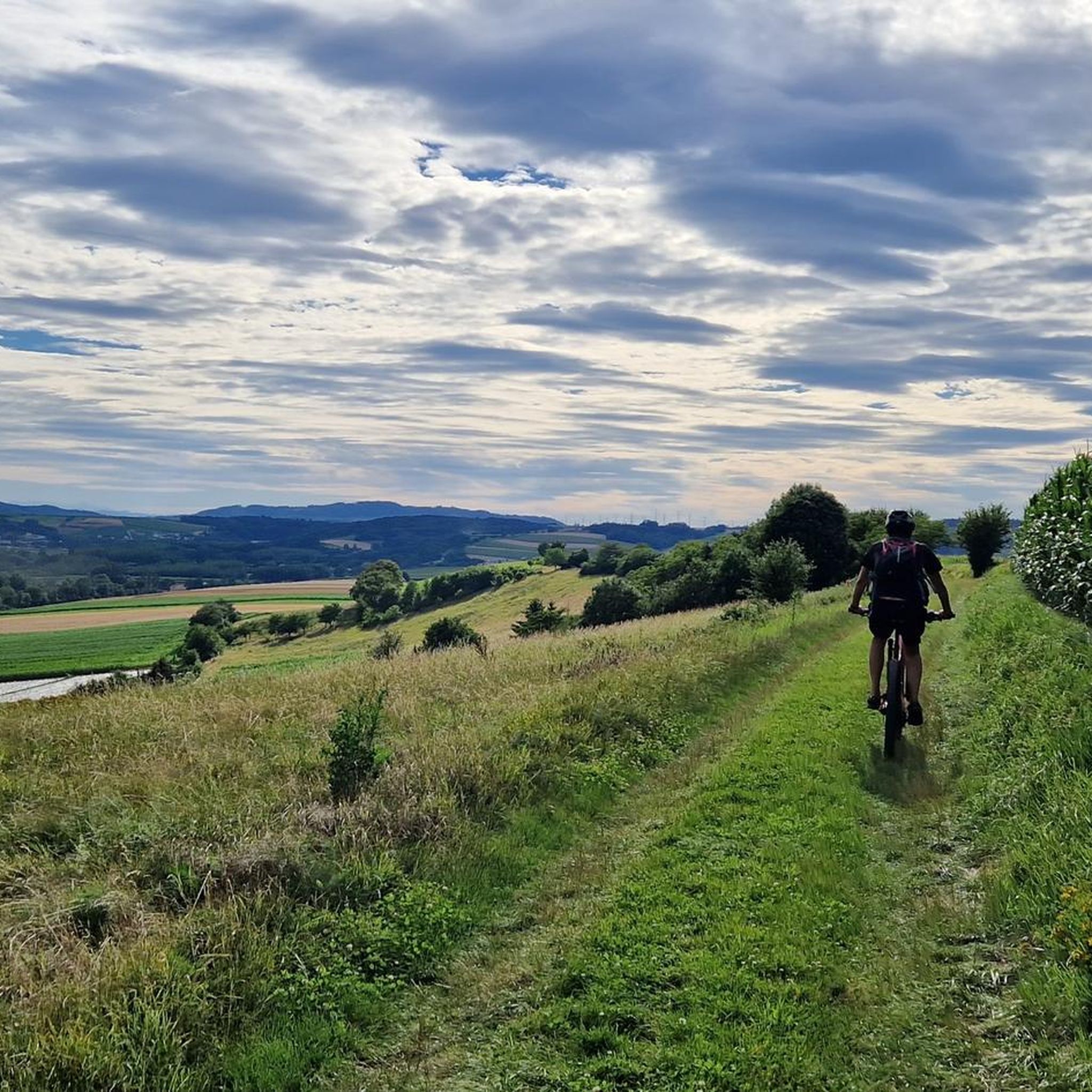
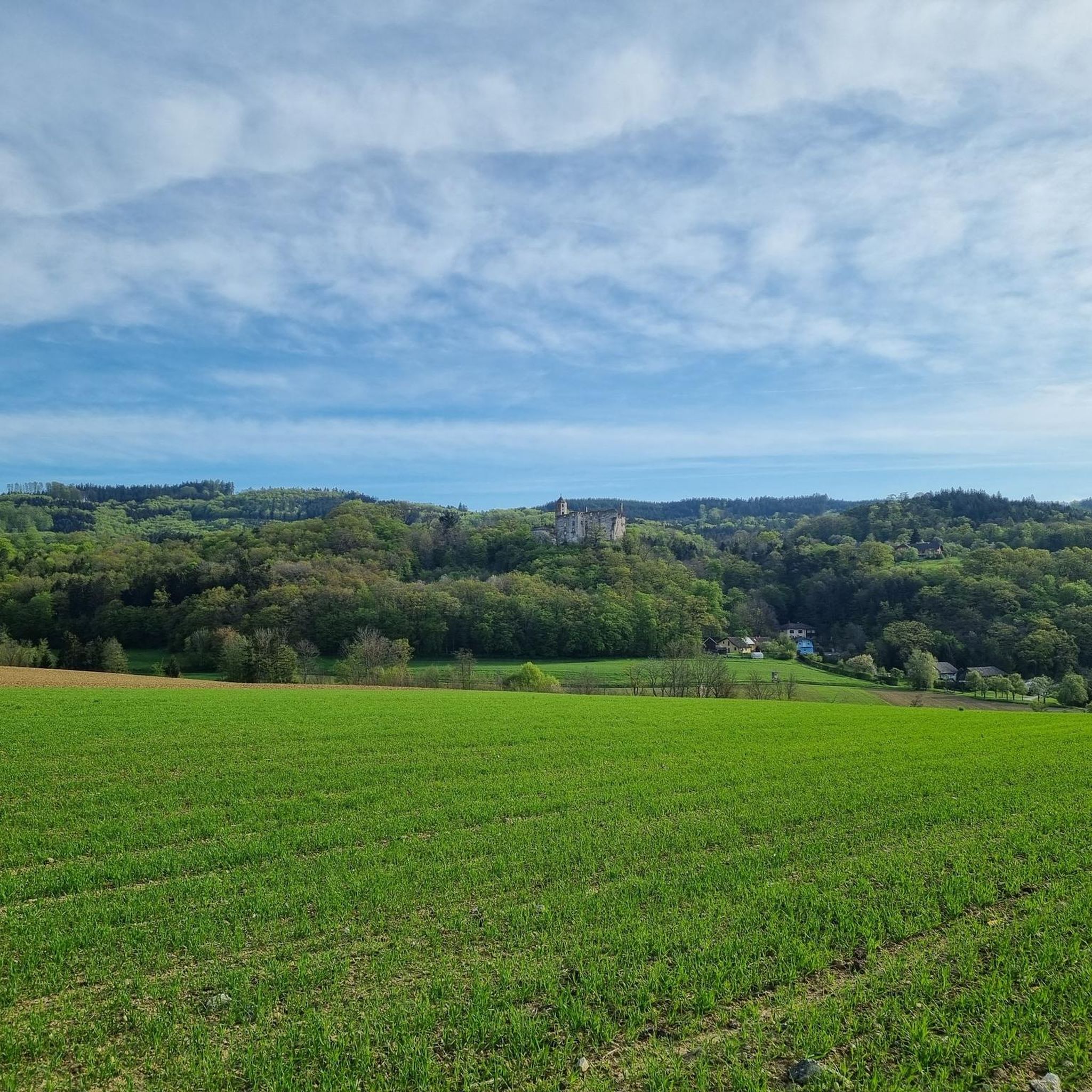
Natural monuments around Hafnerbach are found in the scenic Mostviertel region of Lower Austria, offering a close connection to nature. The landscape features rolling hills and lush green meadows, providing a picturesque backdrop for outdoor activities. This area is known for its diverse natural features, including prominent mountains, tranquil forests, and dramatic river gorges.
Best natural monuments around Hafnerbach
- The most popular natural monuments is Danube Valley in the Wachau, a river that is a UNESCO World Heritage Site. This area offers a combination of Danube panorama, historical sites, and picturesque landscapes.
- Another must-see spot is Holy Trinity Column (Dreifaltigkeitssäule), St. Pölten, a man-made monument. This 18th-century column is an example of Baroque art, symbolizing the triumph of the Holy Trinity.
- Visitors also love Danube Oxbow at Aggsbach, a river landscape where the Danube and an old arm of the Danube meet. This site features a beautiful river landscape and has undergone ecological restoration.
- Hafnerbach is known for its rivers, gorges, and forests. Visitors can explore a variety of natural monuments, from prominent mountains like Dunkelstein to tranquil mixed forests such as Ruhewald Hohenegg.
- The natural monuments around Hafnerbach are appreciated by the komoot community, with over 780 upvotes and 35 photos shared.
Last updated: June 24, 2026
Danube Valley in the Wachau
Highlight • River
Translated by Google •
Tip by

Site of the Discovery of the Venus of Willendorf
Highlight • Historical Site
Translated by Google •
Tip by

Sign up now to discover places like this
Get recommendations on the best single tracks, peaks, & plenty of other exciting outdoor places.
Sign up for free
Holy Trinity Column (Dreifaltigkeitssäule), St. Pölten
Highlight • Monument
Translated by Google •
Tip by

Windfänger Fountain Sculpture, Europaplatz
Highlight • Monument
Translated by Google •
Tip by

Danube Oxbow at Aggsbach
Highlight • River
Extension of the Aggsbach old arm of the Danube
The right bank of the Danube arm upstream from Aggsbach Dorf was already connected downstream to the Danube as part of the EU LIFE project Wachau 2006/07. In 2013/14 the previously little structured middle and lower part of the old arm was designed. For this purpose, more than 60,000 m³ of sediment (gravel, foreign soil) was relocated from the old arm area into the Danube.
Translated by Google •
Tip by
Sign up for free to discover even more natural monuments around Hafnerbach.
Sign up for free
Already have an account?
Start today with a free account
Your next adventure awaits.
Login or Signup
Tips from the Community


A really good place
1
0

The Windcatcher fountain sculpture has stood in Europaplatz in St. Pölten since 2024. Erected as a new landmark as part of the square's redesign, it replaces the previous fountain. The sculpture consists of approximately 16,000 handmade bricks and forms an open rotunda equipped with an irrigation system. This system provides cooling through cascading water and evaporation, improving the microclimate. Inside, a tree is surrounded by a bench. The structure also reduces noise and particulate matter, and provides habitat for birds and insects. The design combines ecological function with a pleasant public space and was implemented with the participation of the local community, who were able to symbolically sponsor individual bricks. The Windcatcher thus represents climate awareness, sustainability, and social cohesion.
2
0

"The large-scale fountain sculpture offers, on the one hand, a place of retreat and lingering at this busy traffic intersection, thanks to its structural design, and on the other hand, the object is designed in such a way that its special brick structure creates a space that is permeable to air and light," says the Graz-based artist collective "Breath Earth Collective", who will implement the project.
3
0

The Holy Trinity Column was built in the 18th century (1714-1782) to thank for the end of the plague epidemic. It is an excellent example of Baroque art and symbolizes the triumph of the Holy Trinity. Take time to look at the ornate details of the column, the sculptures of the saints and the inscriptions that testify to the history of the city and its religious tradition. Notice the fine details of the column created by local artists and sculptors. The central group of figures represents the Holy Trinity surrounded by angels and Saints Sebastian, Rochus and Charles Borromeo, who were venerated as patron saints against the plague. The column is richly decorated and is an example of the Baroque splendor that was popular in Austria at the time.
0
0

Foundation dug in 1753/54, foundation stone laid for the column in 1768, which was erected by the citizens on the basis of a vow to be spared from war, earthquakes, fire and epidemics by the Trinity; in 1755 a basic concept already existed, which was approved by K. Maria Theresia; 1759 marble deliveries from Lilienfeld for the fountain basin, which was not placed on the town hall square until 1766; 1767 contract with St. Pölten sculptor Andree Gruber; 1768 ceremonial laying of the foundation stone; construction progress repeatedly delayed, 1769 up to the main cornice finished, 1774 another contract with Gruber for work up to the pyramid, completed in 1782
0
0
Willendorf became known and famous in 1908 through the discovery of the 25,000-year-old "Venus of Willendorf". Other finds at the Willendorf II site show that this area has been inhabited for around 50,000 years.
2
0
The Danube Valley in the Wachau region is an absolute highlight and rightly a UNESCO World Heritage Site. A tour through this area is an unforgettable experience: I've driven the route several times now and discover new impressions and perspectives with every trip. The combination of the Danube panorama, historical sites, and picturesque landscape makes the tour unique. Absolutely top-notch and highly recommended – an experience you simply have to have!
8
0
Frequently Asked Questions
What are some prominent natural features to explore around Hafnerbach?
The region around Hafnerbach offers diverse natural features. You can explore the highest point in the southern Dunkelsteinerwald, Dunkelstein, known for its unique Granulit rock and panoramic views. Another tranquil spot is the Ruhewald Hohenegg, a mixed forest with diverse trees and distinctive rock formations. Further afield, the dramatic Danube Oxbow at Aggsbach presents a beautiful river landscape where the Danube and an old arm of the river meet.
Are there any natural monuments suitable for families near Hafnerbach?
Yes, several natural monuments are family-friendly. The Danube Valley in the Wachau is a UNESCO World Heritage Site offering picturesque landscapes and historical sites, perfect for family outings. The Danube Oxbow at Aggsbach also provides a beautiful river landscape that has undergone ecological restoration, suitable for all ages. Additionally, the Erlaufschlucht Nature Park, though a short drive away, features well-maintained paths ideal for families to explore its impressive gorge.
What kind of hiking experiences can I find near Hafnerbach's natural monuments?
You'll find a variety of hiking experiences. A hike to the Dunkelstein summit offers a rewarding ascent through forests and meadows with breathtaking views. The Ruhewald Hohenegg provides tranquil paths for quiet walks amidst nature. For more structured routes, you can explore various trails, including easy and moderate options like the 'Hohenegg Castle Ruins – Hohenegg Ruins loop' or the 'Dunkelstein Summit Cross loop'. Find more details on these and other routes in the Hiking around Hafnerbach guide.
What is the best time of year to visit the natural monuments around Hafnerbach?
The natural monuments around Hafnerbach are beautiful throughout the year. Spring is particularly appealing with blooming flora, while autumn offers vibrant foliage, especially in areas like the Erlaufschlucht Nature Park. Summer provides warm weather for extended outdoor activities, and even winter can offer unique, serene experiences, though some paths might require appropriate gear.
Are there any historical or cultural sites integrated with the natural monuments?
While primarily focused on natural beauty, some sites have historical significance. The Ruhewald Hohenegg is situated at the base of the historic Hohenegg Castle ruins, offering a blend of nature and history. The Site of the Discovery of the Venus of Willendorf, though a historical site, is recognized for its ancient context within the natural landscape of the region.
What geological features are notable in the Hafnerbach region?
The region boasts interesting geological features. The Dunkelstein mountain is distinctive for its composition of highly metamorphic Granulit rock, along with Gneise, Glimmerschiefer, and Amphibolit, which gives the mountain its 'dark stone' name. The Erlaufschlucht Nature Park is renowned for its deep gorges and crystal-clear water, sculpted by natural erosion processes after the last ice age, showcasing dramatic rock formations.
Can I find viewpoints with scenic vistas among the natural monuments?
Absolutely. A hike to the Dunkelstein summit rewards visitors with panoramic views stretching as far as Maria Langegg and the majestic Alps. The Danube Valley in the Wachau is also celebrated for its stunning Danube panoramas, offering numerous scenic spots along the river.
What other outdoor activities can I do near the natural monuments?
Beyond hiking, the area around Hafnerbach offers various outdoor activities. You can find running trails, such as the 'Running loop from Hafnerbach' or the 'Dunkelstein Summit Cross loop'. For cyclists, there are road cycling routes like the 'Pielach Cycle Path' or longer tours to 'Melk Abbey'. Explore more options in the Running Trails around Hafnerbach and Road Cycling Routes around Hafnerbach guides.
Is the Erlaufschlucht Nature Park easily accessible from Hafnerbach?
The Erlaufschlucht Nature Park is located near Purgstall an der Erlauf, approximately 30-40 minutes driving distance from Hafnerbach. It features well-maintained paths that are easy to navigate, making it accessible for visitors to explore its dramatic gorge landscape and distinctive rock formations.
What do visitors particularly enjoy about the natural monuments in this region?
Visitors frequently praise the combination of natural beauty and tranquility. The Danube Valley in the Wachau is often described as an 'unforgettable experience' with its 'unique' Danube panorama and historical sites. The serene environment of places like Ruhewald Hohenegg and the rewarding views from Dunkelstein are also highly appreciated for connecting with nature.
Are there any designated natural sites within Hafnerbach municipality itself?
Within the immediate vicinity of Hafnerbach, the landscape is characterized by rolling hills and lush green meadows. While specific designated natural sites within the municipality are not detailed, the area serves as a gateway to prominent natural monuments like Dunkelstein and Ruhewald Hohenegg, which are easily accessible from Hafnerbach.
Most popular routes around Hafnerbach
Most popular attractions around Hafnerbach

Get inspired with the komoot mobile app


Explore more
Extend your search for the best caves by checking out these guides of the top ones around Hafnerbach:
