Top 20 Natural Monuments around Schönegg
Best natural monuments around Schönegg are found within the Mühlviertel region of Upper Austria, characterized by unique geological formations. The area offers insights into the region's natural and cultural history, featuring granite rock formations and historical sites. These natural features are often intertwined with local folklore and traditional practices. Schönegg provides a landscape rich in natural landmarks for exploration.
Best natural monuments around Schönegg
- The most popular natural monuments is Sternstein Observation Tower, a viewpoint that offers extensive panoramic…
Last updated: August 17, 2026
Sternstein Observation Tower
Highlight • Viewpoint
Translated by Google •
Tip by

European Watershed Monument Mühlviertel
Highlight • Monument
Translated by Google •
Tip by

Sign up now to discover places like this
Get recommendations on the best single tracks, peaks, & plenty of other exciting outdoor places.
Sign up for free
Along the Čertova Stěna
Highlight (Segment) • Trail
An impressive number of small and …
Translated by Google •
Tip by

Vltava Riverside Trail in Čertova Stěna-Luč National Nature Reserve
Highlight (Segment) • Trail
Quiet and shady natural forest area on the rushing Vltana river, with great opportunities for breaks and meditation. However, …
Translated by Google •
Tip by

Maria Rast am Stein Pilgrimage Chapel
Highlight • Religious Site
Maria Rast am Stein is a place of pilgrimage, which has also settled under its German name among the …
Translated by Google •
Tip by

Sign up for free to discover even more natural monuments around Schönegg.
Sign up for free
Already have an account?
Start today with a free account
Your next adventure awaits.
Login or Signup
Tips from the Community

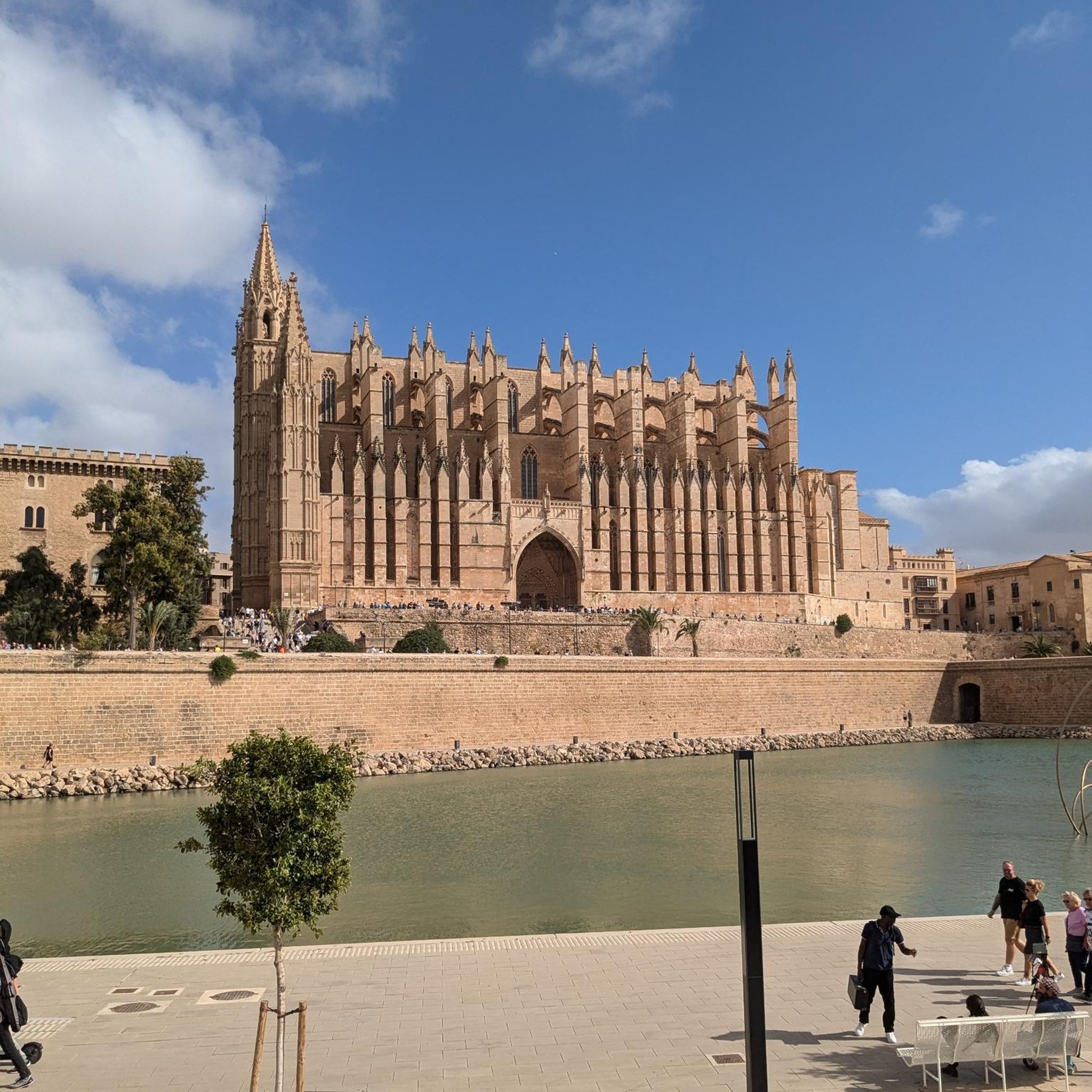
Devil's Wall (Čertova stěna) Impressive rock formations above the wild river, shrouded in wild legends. In the Čertova stěna-Luč (Devil's Wall-Mount Luč) National Nature Reserve, you can see unique rock formations and a sea of mighty boulders. From the viewpoint, you can enjoy a beautiful view of the most famous formation – the Devil's Preaching Chair. Looking down, you can see the Vltava River with its massive stone blocks, polished by the water. This section of the Vltava is called the Devil's Rapids. The water here has shaped the boulders into bizarre shapes, for example, a pot with a diameter of more than a meter. This section is considered one of the most difficult natural slalom courses in the world. How did the Devil's Rapids form? One legend says that the devil wanted to destroy the newly built Vyšší Brod Monastery. He wanted to build a dam, then collapse it and flood the monastery. However, he failed to complete the dam in one night, so the work remained unfinished after his death. (Source: Vltava River)
1
0

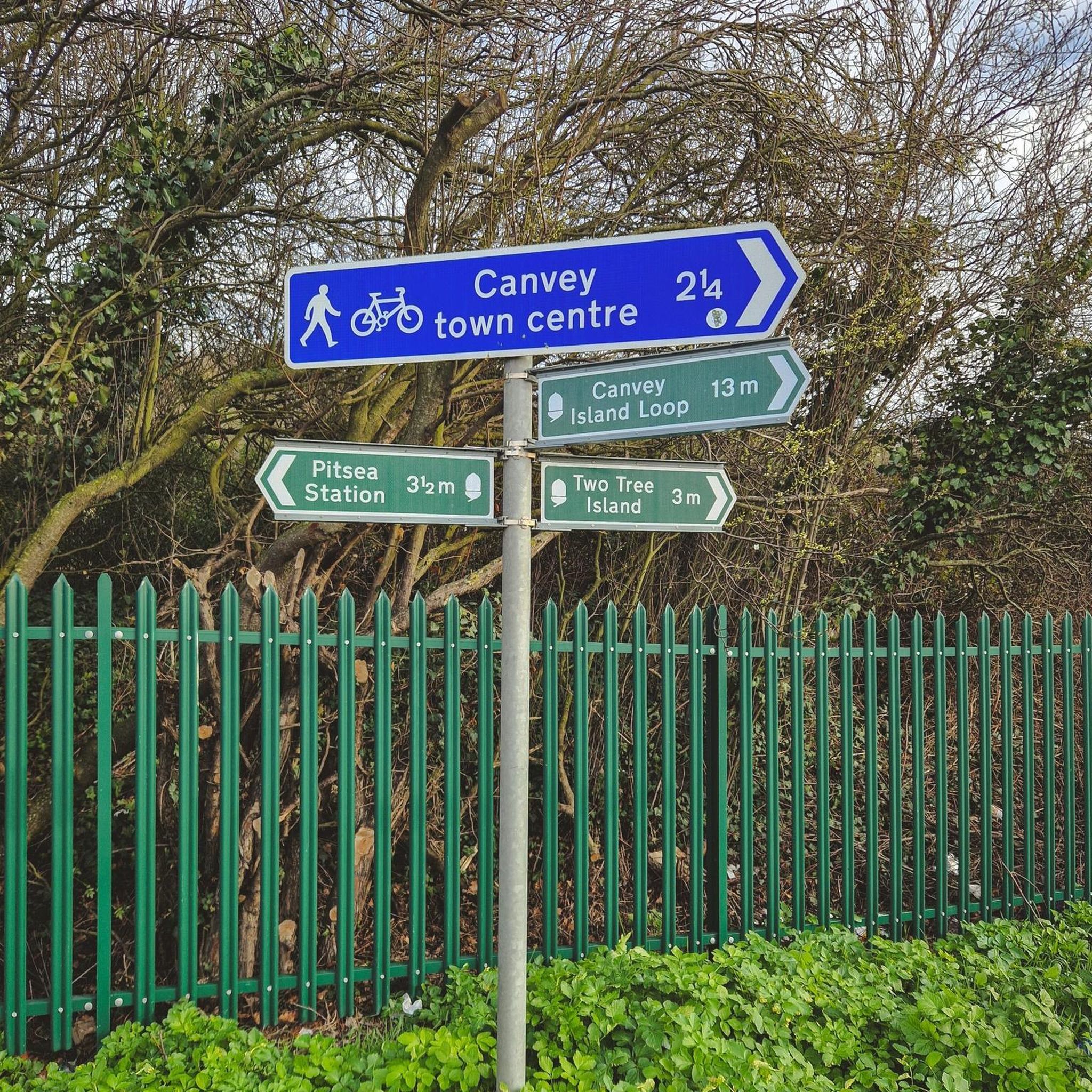
It points to a geological condition whereby the Rodl flows into the Danube and this in turn into the Black Sea, while on the other hand the Granitzbach flows into the Vltava, Elbe and North Sea.
6
0


The European watershed is not often found. Here at iBad Leonfelden you will find it again. It is a very thoughtful way of paying attention to the watershed.
0
0

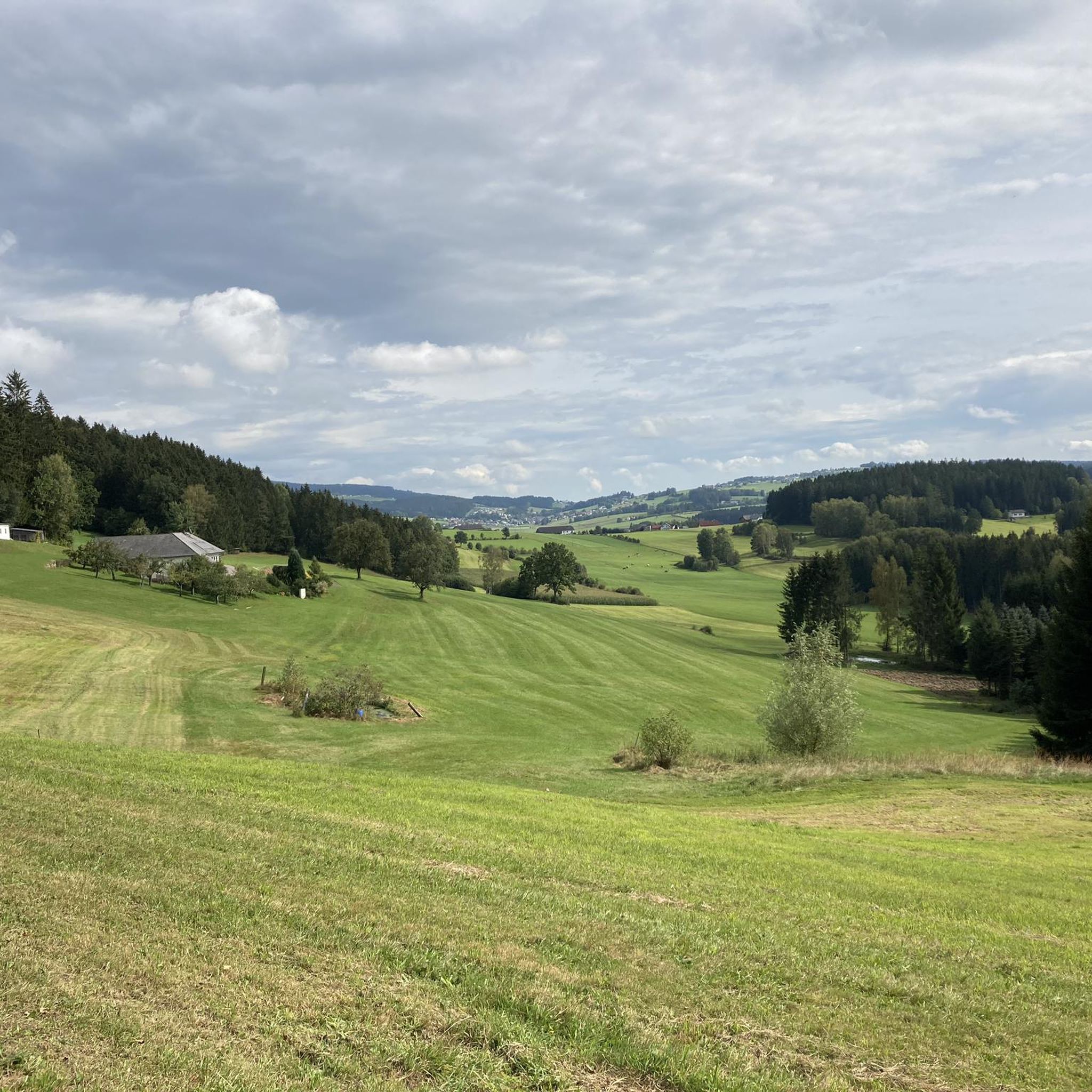
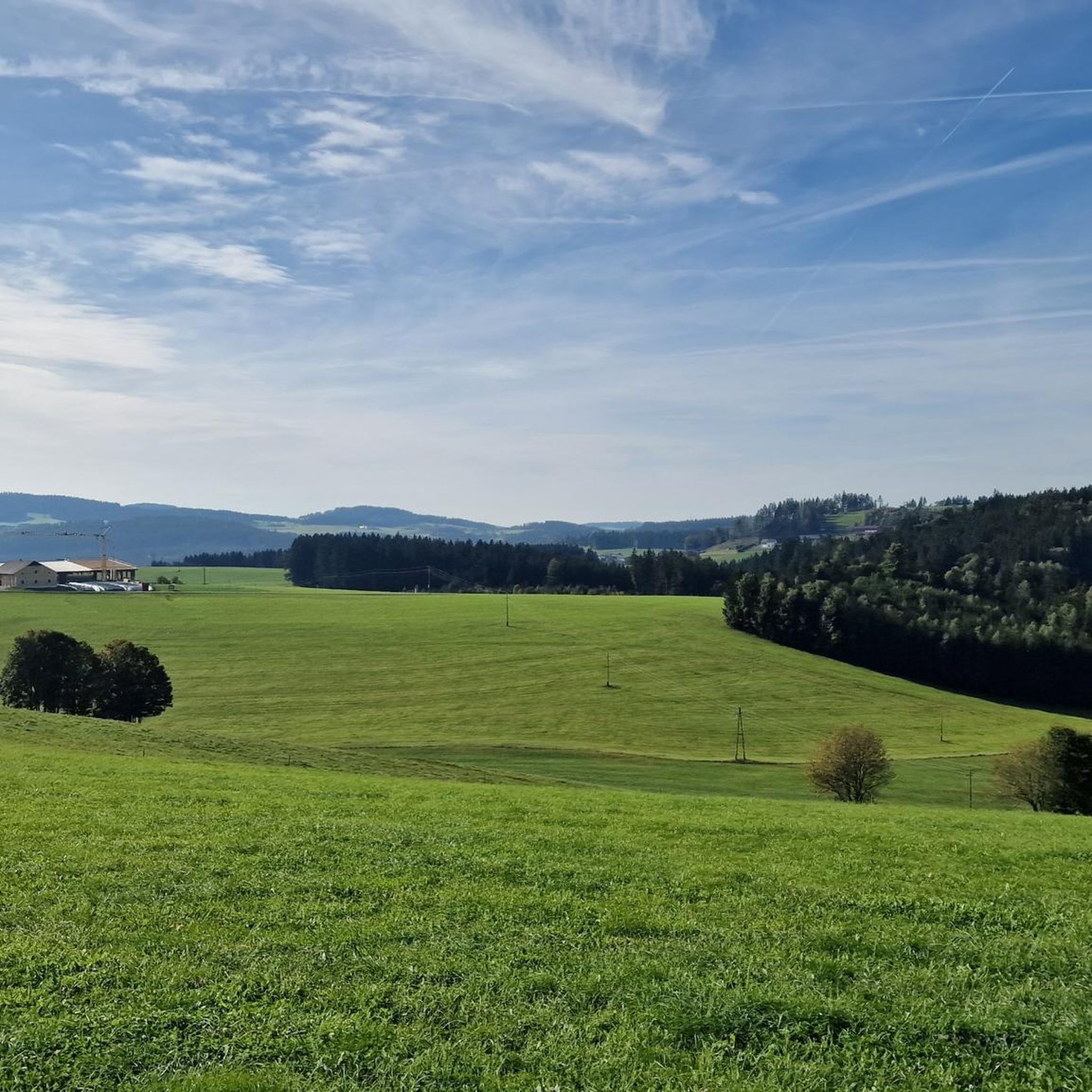
Following the river and enjoying the peace, quiet and nature is good for body, mind and soul.
1
0

The Sternstein is 1125 m high and is located in the municipality of Vorderweißenbach. It is the highest elevation in the central Mühlviertel. The Sternsteinwarte, built in 1899, invites you to take a panoramic view from Bohemia to the Alps.
4
0

Many paths lead to the Sternstein.
3
0

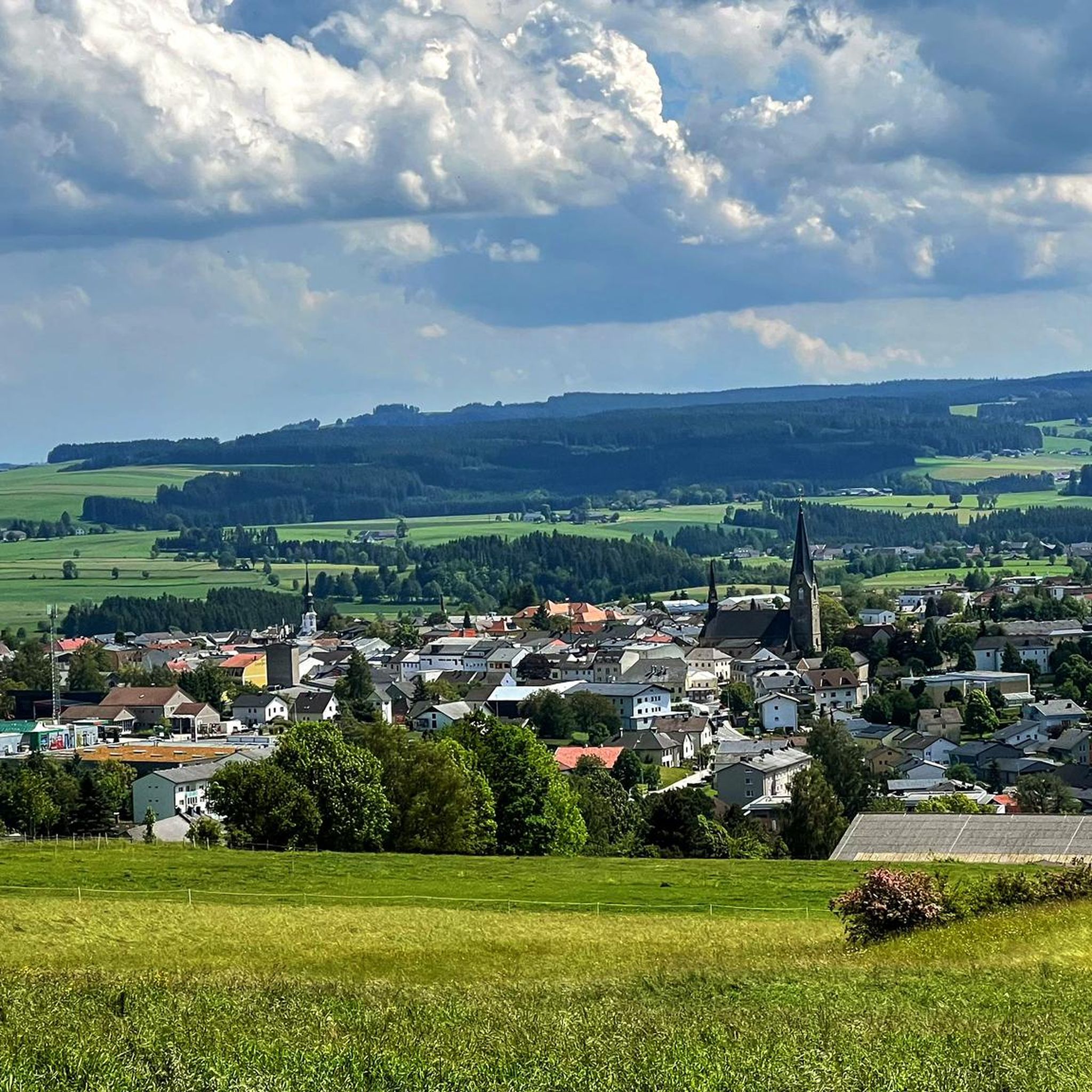
A beautiful little peak, surrounded by trees and with a lookout towering above it! Wonderful view of the country!
3
0
Frequently Asked Questions
What unique natural features can I explore around Schönegg?
The region around Schönegg, particularly within the Mühlviertel Nature Park, is known for its distinctive geological formations. You can discover fascinating granite rock formations like the Schwammerling in Rechberg, an oversized mushroom-shaped rocking stone, or the dramatic Falkenstein in Allerheiligen, a 100-meter-high granite rock tower. The area also features ancient cult stones such as the Bucklwehluck'n in St. Thomas am Blasenstein, believed to offer healing, and various Schalensteine (cup-marked stones) used in prehistoric ceremonies.
Are there any historical or cultural sites among the natural monuments?
Yes, many natural monuments in the Schönegg area are deeply intertwined with local history and culture. The Heiligenwasser Chapel, for instance, is a religious building where people have made pilgrimages for centuries, believing its holy water helps with eye ailments. You can also find Pechölsteine (Pitch Oil Stones) across the Nature Park, which are granite blocks historically used to extract pitch oil, a traditional medicine and lubricant. These sites offer a blend of natural beauty and historical intrigue.
What kind of views can I expect from the natural monuments?
For extensive panoramic views, visit the Sternstein Observation Tower. Built in 1898/99, it offers wide-ranging vistas of the surrounding Böhmerland and, on clear days, even the distant Alps. The Falkenstein in Allerheiligen also provides a dramatic natural spectacle, best viewed from the Naarn Valley.
Are there family-friendly natural monuments to visit with children?
Yes, several natural monuments are suitable for families. The European Watershed Monument Mühlviertel is a man-made monument marking a significant geological condition, which can be an interesting educational stop for children. The Heiligenwasser Chapel is also considered family-friendly. Exploring the unique rock formations like the Schwammerling can also be an engaging experience for kids.
What outdoor activities can I do near these natural monuments?
The area around Schönegg offers various outdoor activities. You can find numerous trails for mountain biking, such as those listed in the MTB Trails around Schönegg guide. There are also mountain hikes, including routes around the Sternstein, detailed in the Mountain Hikes around Schönegg guide, and gravel biking options, which you can explore in the Gravel biking around Schönegg guide.
Are there specific hiking trails that lead to or past natural monuments?
Yes, many natural monuments are integrated into hiking routes. For example, the Along the Čertova Stěna trail offers an impressive section with numerous rocks and the narrow Vltava river. Another option is the Vltava Riverside Trail in Čertova Stěna-Luč National Nature Reserve, which follows the river through a quiet, shady natural forest area. These trails allow you to experience the natural beauty up close.
What is the best season to visit the natural monuments around Schönegg?
The natural monuments around Schönegg are generally enjoyable throughout the warmer months, from spring to autumn, when hiking conditions are favorable and the landscape is lush. While the Sternstein Observation Tower is closed in winter (November to March) for safety reasons, other sites can still be visited. For the best hiking experience, consider late spring or early autumn for pleasant temperatures and vibrant scenery.
Where can I find parking near the natural monuments?
Specific parking information varies by monument. However, many natural monuments within the Mühlviertel Nature Park are accessible by car, with designated parking areas often available nearby or at trailheads leading to the sites. It is advisable to check local signage or specific monument websites for detailed parking instructions before your visit.
Are there any natural monuments with unique folklore or legends?
Absolutely. The Schwammerling in Rechberg is surrounded by legends, including tales of French soldiers attempting to topple it during the Napoleonic Wars without success. The Bucklwehluck'n in St. Thomas am Blasenstein is a pre-Christian cult stone where local tradition suggests sliding through its gap can alleviate back pain and offer symbolic 'rebirth.' These stories add a fascinating layer to the natural beauty.
What do visitors enjoy most about the natural monuments in Schönegg?
Visitors frequently appreciate the stunning panoramic views, especially from the Sternstein Observation Tower. The unique geological formations, like the Devil's Wall along the Vltava, are also highly rated for their impressive appearance. Many also value the peaceful and natural forest areas, perfect for breaks and meditation, and the blend of natural beauty with rich cultural stories and traditions.
Can I bring my dog to the natural monuments and trails?
Generally, dogs are welcome on trails and at many natural monuments around Schönegg, provided they are kept on a leash and owners clean up after them. Specific rules may apply to certain protected areas or indoor attractions. Always check local regulations for individual sites to ensure a pleasant visit for you and your dog.
Most popular routes around Schönegg
Most popular attractions around Schönegg

Get inspired with the komoot mobile app


Explore more
Extend your search for the best caves by checking out these guides of the top ones around Schönegg:
