Top 20 Natural Monuments around Karlstetten
Best natural monuments around Karlstetten are found in a region characterized by its natural setting on the southeastern edge of the Dunkelsteinerwald forest. This area offers numerous hiking and cycling trails. While Karlstetten itself is known for its countryside charm, significant natural monuments are primarily located in its wider vicinity. The landscape features diverse natural attractions, from river valleys to unique forest stands.
Best natural monuments around Karlstetten
- The most popular natural monuments is Danube Valley in the Wachau,…
Last updated: May 11, 2026
High Rock
Highlight • Climb
Translated by Google •
Tip by

Danube Valley in the Wachau
Highlight • River
Translated by Google •
Tip by

Sign up now to discover places like this
Get recommendations on the best single tracks, peaks, & plenty of other exciting outdoor places.
Sign up for free
Giant Sequoias of Paudorf
Highlight • Forest
Translated by Google •
Tip by

Site of the Discovery of the Venus of Willendorf
Highlight • Historical Site
Translated by Google •
Tip by

Holy Trinity Column (Dreifaltigkeitssäule), St. Pölten
Highlight • Monument
Translated by Google •
Tip by

Sign up for free to discover even more natural monuments around Karlstetten.
Sign up for free
Already have an account?
Start today with a free account
Your next adventure awaits.
Login or Signup

Tips from the Community


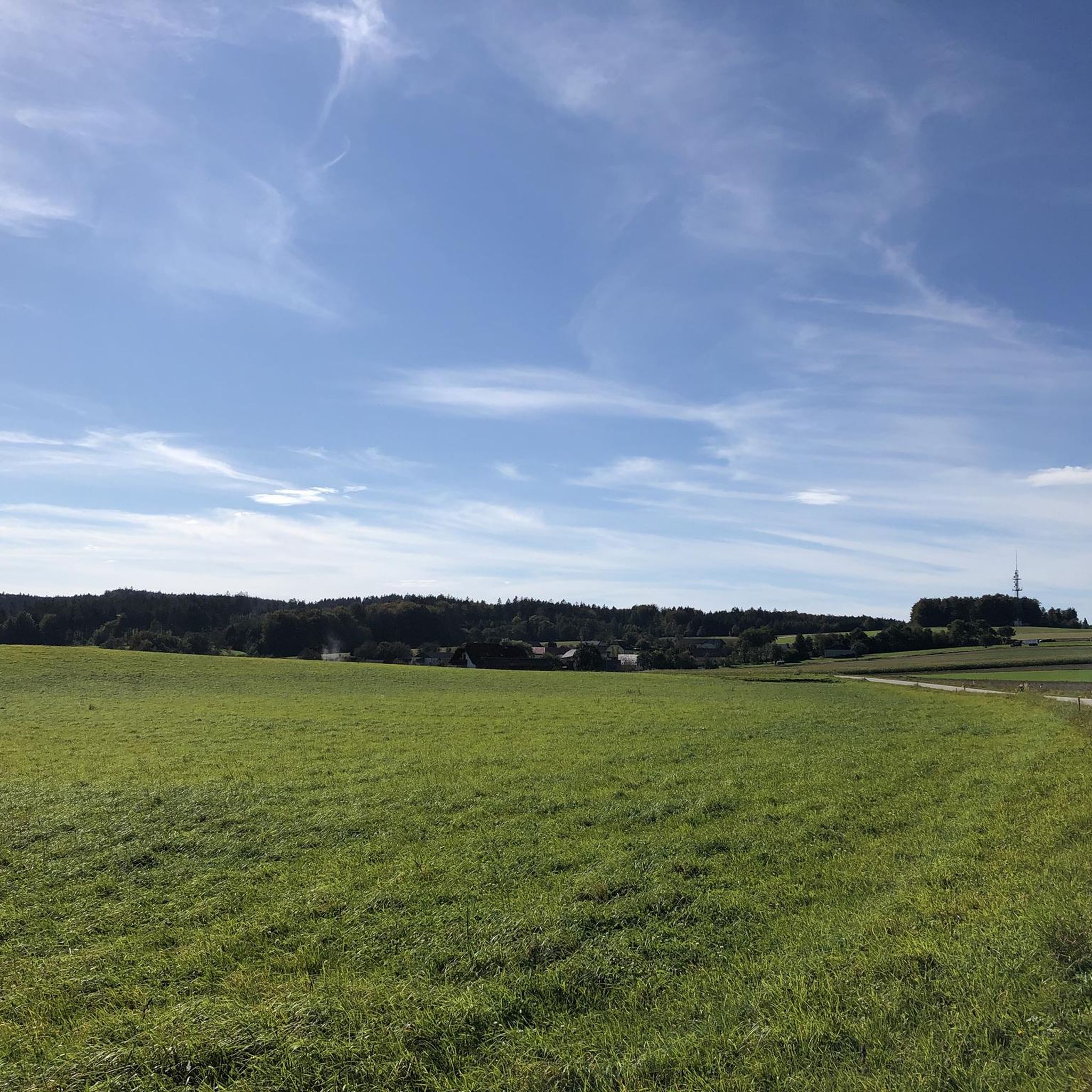
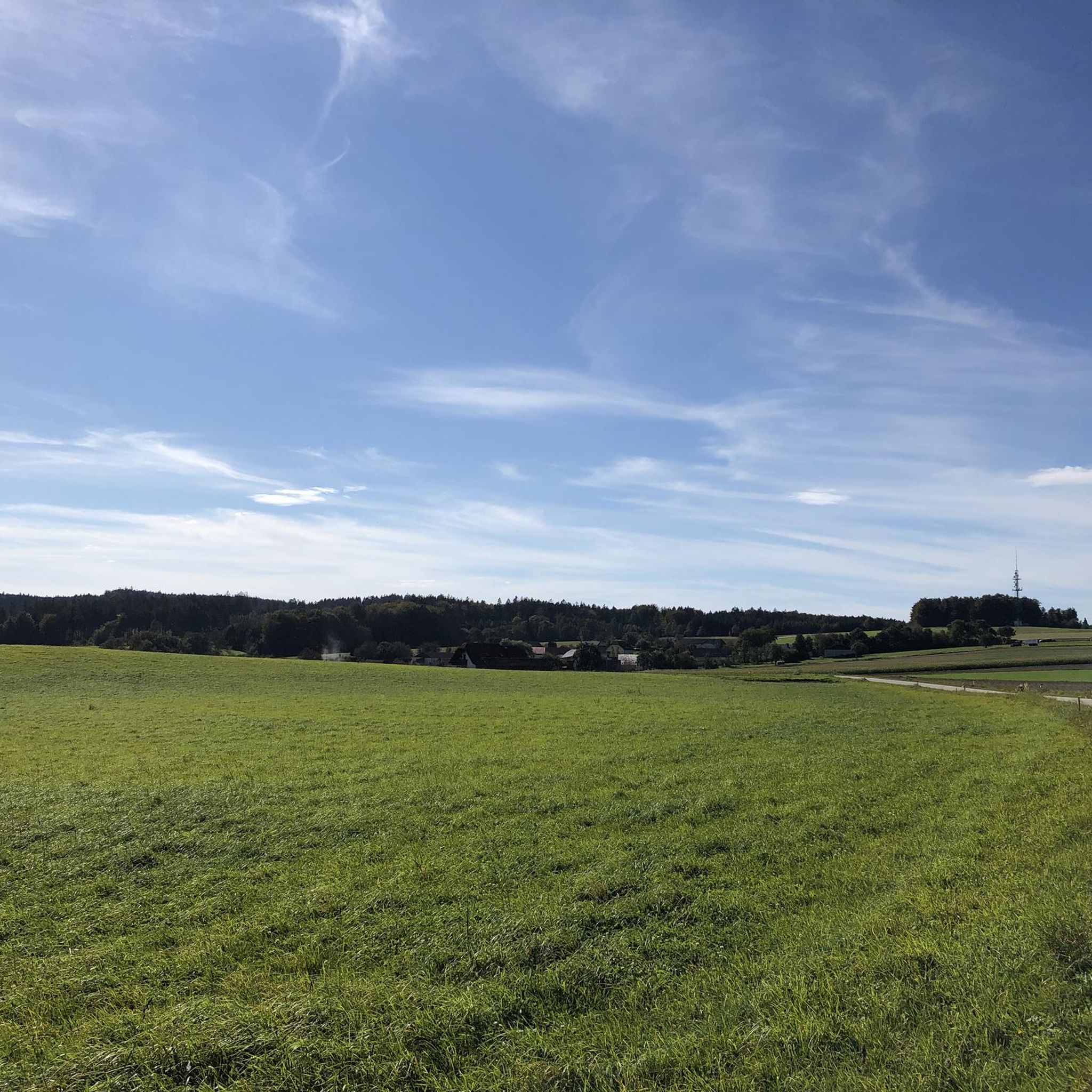
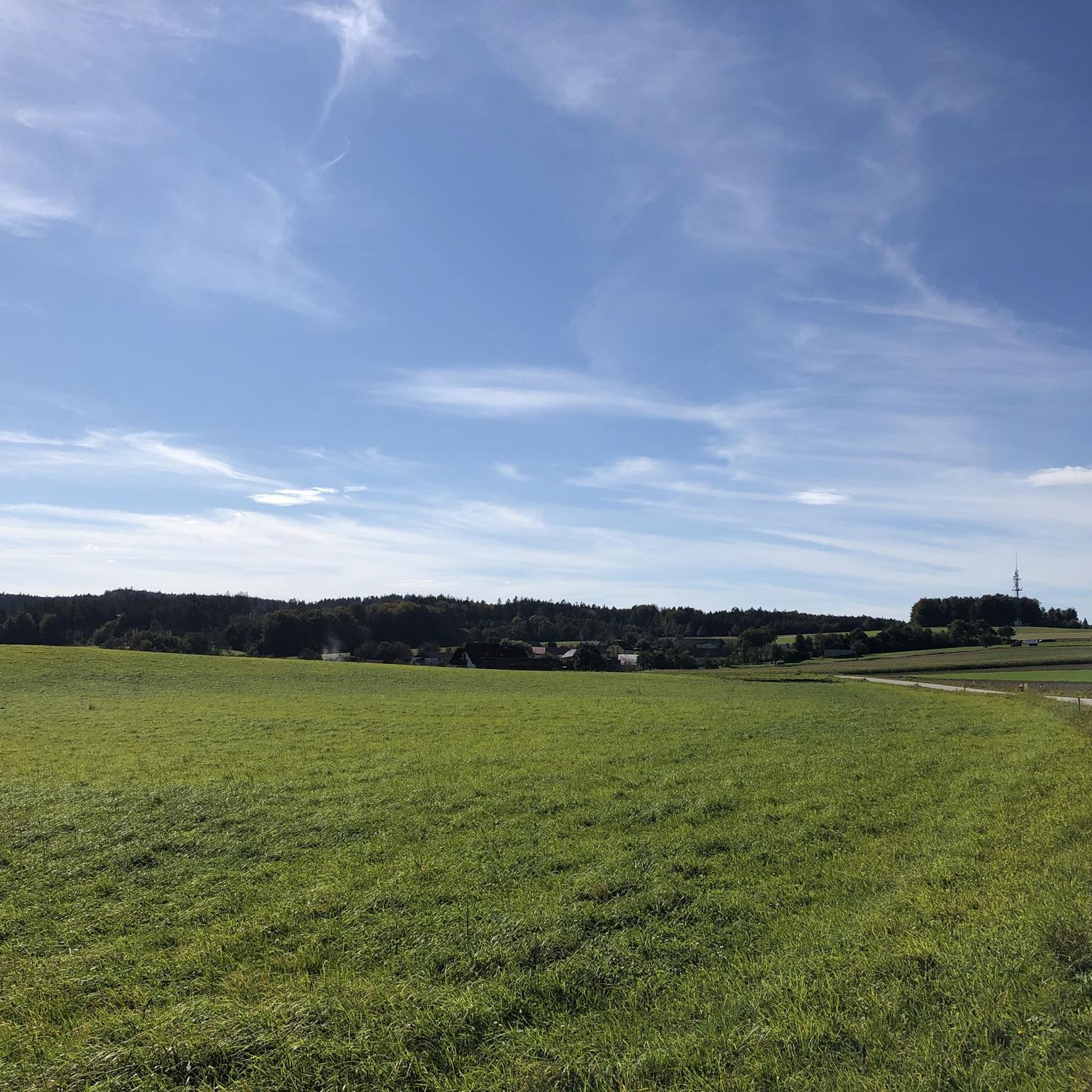
A stunning viewpoint with an ascent and descent for experienced hikers! Fantastic views over the Wachau Valley from a height of 712 meters.
9
0

A beautiful memorial place in the middle of the forest.
4
0
The giant sequoias can be found in the middle of the Dunkelsteinerwald. It is also a very nice resting place.
5
0

Ascent only for experienced climbers! Or rather, the descent. Getting up the via ferrata, secured with ladders and ropes, is manageable, but going down can be a bit tricky if you're not very experienced with climbing. The view, however, is breathtaking!
7
1

The Holy Trinity Column was built in the 18th century (1714-1782) to thank for the end of the plague epidemic. It is an excellent example of Baroque art and symbolizes the triumph of the Holy Trinity. Take time to look at the ornate details of the column, the sculptures of the saints and the inscriptions that testify to the history of the city and its religious tradition. Notice the fine details of the column created by local artists and sculptors. The central group of figures represents the Holy Trinity surrounded by angels and Saints Sebastian, Rochus and Charles Borromeo, who were venerated as patron saints against the plague. The column is richly decorated and is an example of the Baroque splendor that was popular in Austria at the time.
0
0

Foundation dug in 1753/54, foundation stone laid for the column in 1768, which was erected by the citizens on the basis of a vow to be spared from war, earthquakes, fire and epidemics by the Trinity; in 1755 a basic concept already existed, which was approved by K. Maria Theresia; 1759 marble deliveries from Lilienfeld for the fountain basin, which was not placed on the town hall square until 1766; 1767 contract with St. Pölten sculptor Andree Gruber; 1768 ceremonial laying of the foundation stone; construction progress repeatedly delayed, 1769 up to the main cornice finished, 1774 another contract with Gruber for work up to the pyramid, completed in 1782
0
0
Probably the greatest point in the Wachau; a detour from the World Heritage Trail leads here.
3
0
Frequently Asked Questions
What are some of the most popular natural monuments to visit around Karlstetten?
The region around Karlstetten offers several notable natural monuments. Among the most popular are the Danube Valley in the Wachau, a UNESCO World Heritage Site known for its stunning river panorama, vineyards, and historical sites. Another unique spot is the Giant Sequoias of Paudorf, where impressive North American conifers thrive. For those seeking views, High Rock offers breathtaking vistas of the Wachau after a climb.
Are there family-friendly natural monuments suitable for all ages?
Yes, several natural monuments in the area are suitable for families. The Danube Valley in the Wachau provides a scenic experience with its river views and charming towns, perfect for leisurely exploration. The Giant Sequoias of Paudorf offer an easy and impressive nature walk, where children can marvel at the immense trees. The Site of the Discovery of the Venus of Willendorf also offers an interesting historical context that can be engaging for families.
What kind of natural features can I expect to see in the region around Karlstetten?
The region is characterized by diverse natural features. You'll find the dense forests of the Dunkelsteinerwald, the majestic Danube River with its panoramic views in the Wachau, and unique geological formations. Specific sites include the impressive Giant Sequoias of Paudorf, terraced vineyards, and the geologically significant Siebenbründl spring depression with its species-rich flower meadows and limestone tufa spring.
Are there historical or cultural sites among the natural monuments?
Yes, the region beautifully blends natural beauty with historical significance. The Danube Valley in the Wachau is a UNESCO World Heritage Site, renowned for its historical castles, monasteries, and picturesque villages nestled along the river. Additionally, the Site of the Discovery of the Venus of Willendorf marks a significant archaeological find, offering insights into ancient human history.
What outdoor activities can I do near these natural monuments?
The area around Karlstetten is excellent for various outdoor activities. You can explore numerous hiking trails, such as those found in the Hiking around Karlstetten guide, including routes to viewpoints like High Rock. There are also extensive cycling opportunities, with options for gravel biking detailed in the Gravel biking around Karlstetten guide, and running trails available in the Running Trails around Karlstetten guide.
What is the best time of year to visit the natural monuments around Karlstetten?
The region is beautiful throughout the year, but the best time depends on your preferred activities. Spring and autumn offer pleasant temperatures for hiking and cycling, with vibrant foliage in autumn and blooming landscapes in spring. Summer is ideal for enjoying the Danube and its surroundings, though it can be warmer. Winter can provide a serene, snow-covered landscape, especially in the Dunkelsteinerwald forest.
Are there any natural monuments with significant geological features?
Yes, the Siebenbründl natural monument near Pottenbrunn is geologically significant. It features a spring depression at the edge of the eastern high terrace of the Traisental, characterized by a limestone tufa spring. This site is also notable for its rich biodiversity, including species-rich flower meadows.
What do visitors enjoy most about the natural monuments in this area?
Visitors frequently praise the stunning views, especially from spots like High Rock overlooking the Wachau. The unique experience of walking among the Giant Sequoias of Paudorf is also highly appreciated. Many find the combination of the Danube panorama, historical sites, and picturesque landscapes in the Danube Valley in the Wachau to be an unforgettable experience, often returning to discover new impressions.
Are there any natural monuments that are particularly good for hiking?
For hiking, the area offers diverse terrain. The climb to High Rock provides a challenging ascent with rewarding views of the Wachau. The Dunkelsteinerwald forest, bordering Karlstetten, features numerous trails suitable for various difficulty levels. You can find more detailed hiking routes in the Hiking around Karlstetten guide.
Is there public transport available to reach natural monuments near Karlstetten?
While Karlstetten itself is a market town, specific natural monuments are located in its wider vicinity. Public transport options vary by location. For detailed information on reaching specific sites like the Wachau or Paudorf by public transport, it's advisable to check local transport schedules or consult resources like Lower Austria's tourism website for regional connections.
Are there any natural monuments that are wheelchair accessible?
While many natural monuments involve natural terrain, the Holy Trinity Column in St. Pölten is listed as wheelchair accessible. For other natural sites, accessibility can vary. It's recommended to check specific site details or contact local tourism offices for the most up-to-date information on accessibility for natural trails and viewpoints.
Most popular routes around Karlstetten
Most popular attractions around Karlstetten

Get inspired with the komoot mobile app


Explore more
Extend your search for the best caves by checking out these guides of the top ones around Karlstetten:
