Top 15 Natural Monuments around Dietmanns
Natural monuments around Dietmanns are found within a landscape characterized by a plateau ranging from 450 to 550 meters high, with three mountain ranges. The region features the Thaya river and its surrounding forests, offering diverse natural attractions. These natural monuments provide opportunities for outdoor activities such as hiking and cycling. The area's geological features and protected natural sites contribute to its appeal for nature exploration.
Best natural monuments around Dietmanns
- The most popular natural monument is Predigtstuhl Summit (718…
Last updated: July 8, 2026
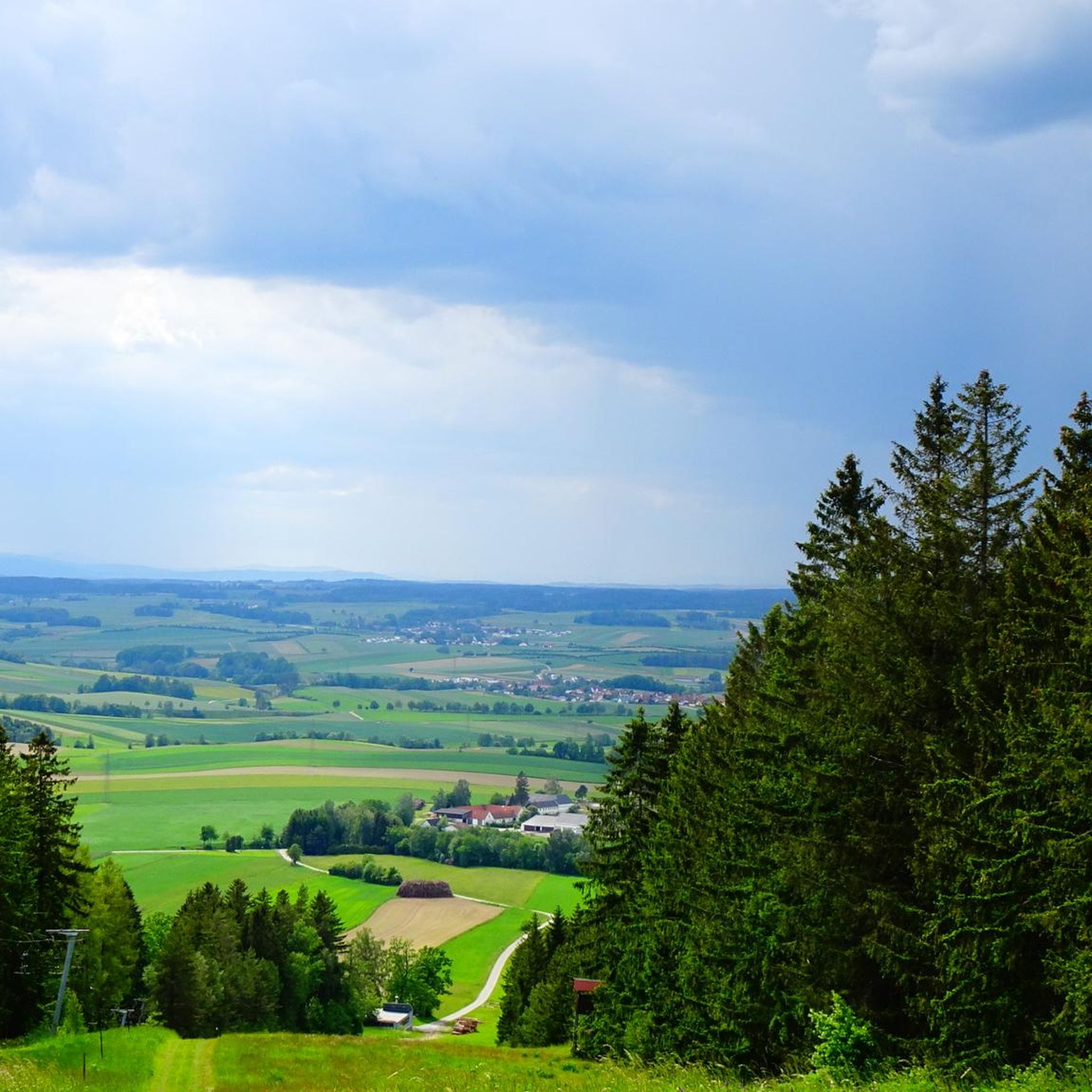
Predigtstuhl Summit (718 m)
Highlight • Summit
Translated by Google •
Tip by

Bründl Chapel and the Healing Spring
Highlight • Religious Site
In the summer months of July and August there is a mass every Thursday at 8 a.m.
In addition, there are festive …
Translated by Google •
Tip by
Sign up now to discover places like this
Get recommendations on the best single tracks, peaks, & plenty of other exciting outdoor places.
Sign up for free
Lower Hackelstein Rock Shelter
Highlight • Natural Monument
Translated by Google •
Tip by

Linden Avenue Between Speisendorf and Raabs an der Thaya
Highlight (Segment) • Natural Monument
The protected parts of the state road 8065 extend over the cadastral communities Alberndorf, Raabs an der Thaya and Speisendorf. An …
Translated by Google •
Tip by

Paulstein Natural Monument
Highlight • Natural Monument
Translated by Google •
Tip by

Sign up for free to discover even more natural monuments around Dietmanns.
Sign up for free
Already have an account?
Start today with a free account
Your next adventure awaits.
Login or Signup

Tips from the Community

Beautiful avenue on the gravel road. Looks like a time machine: 80 years back 😊
1
0

An impressive rock by the wayside.
0
0
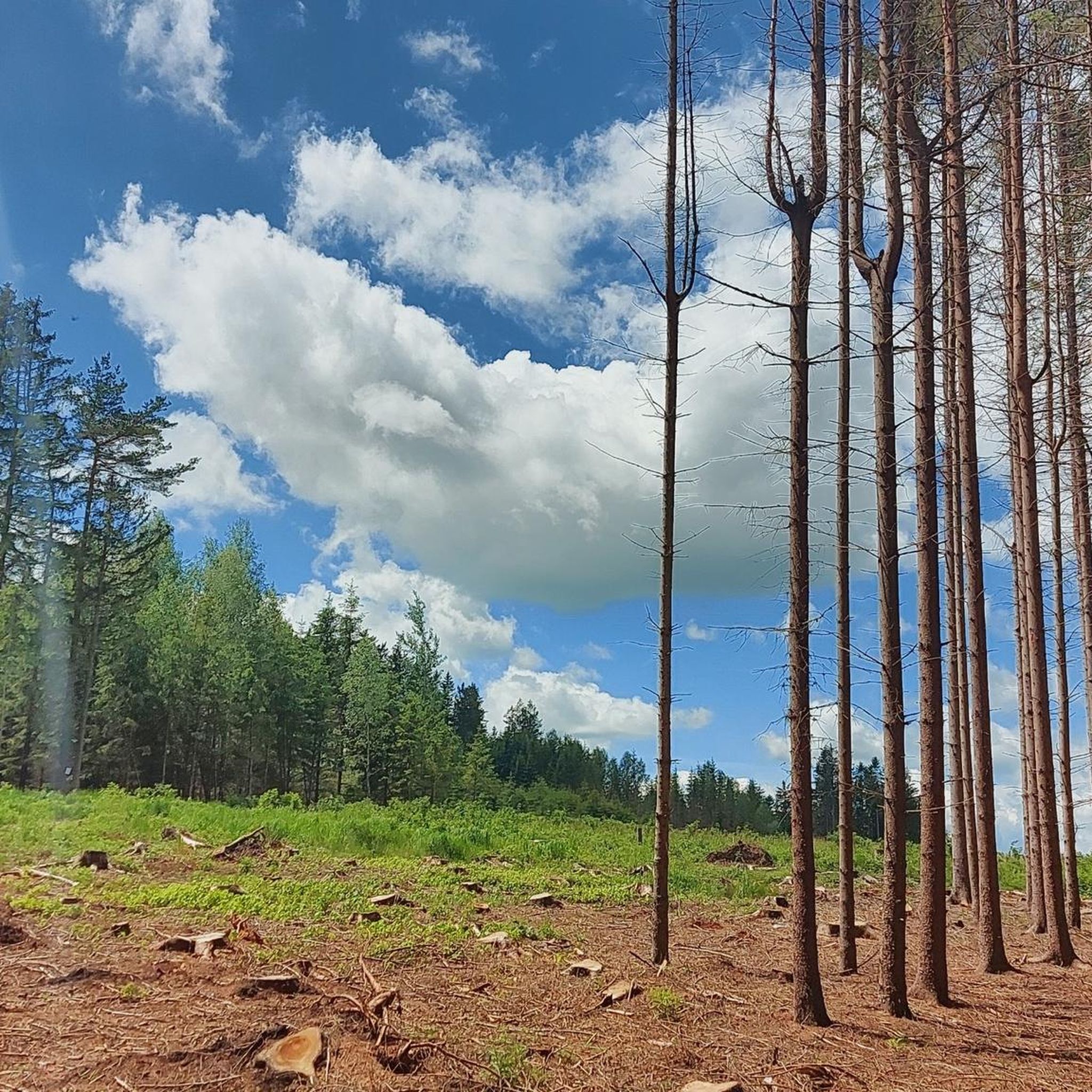
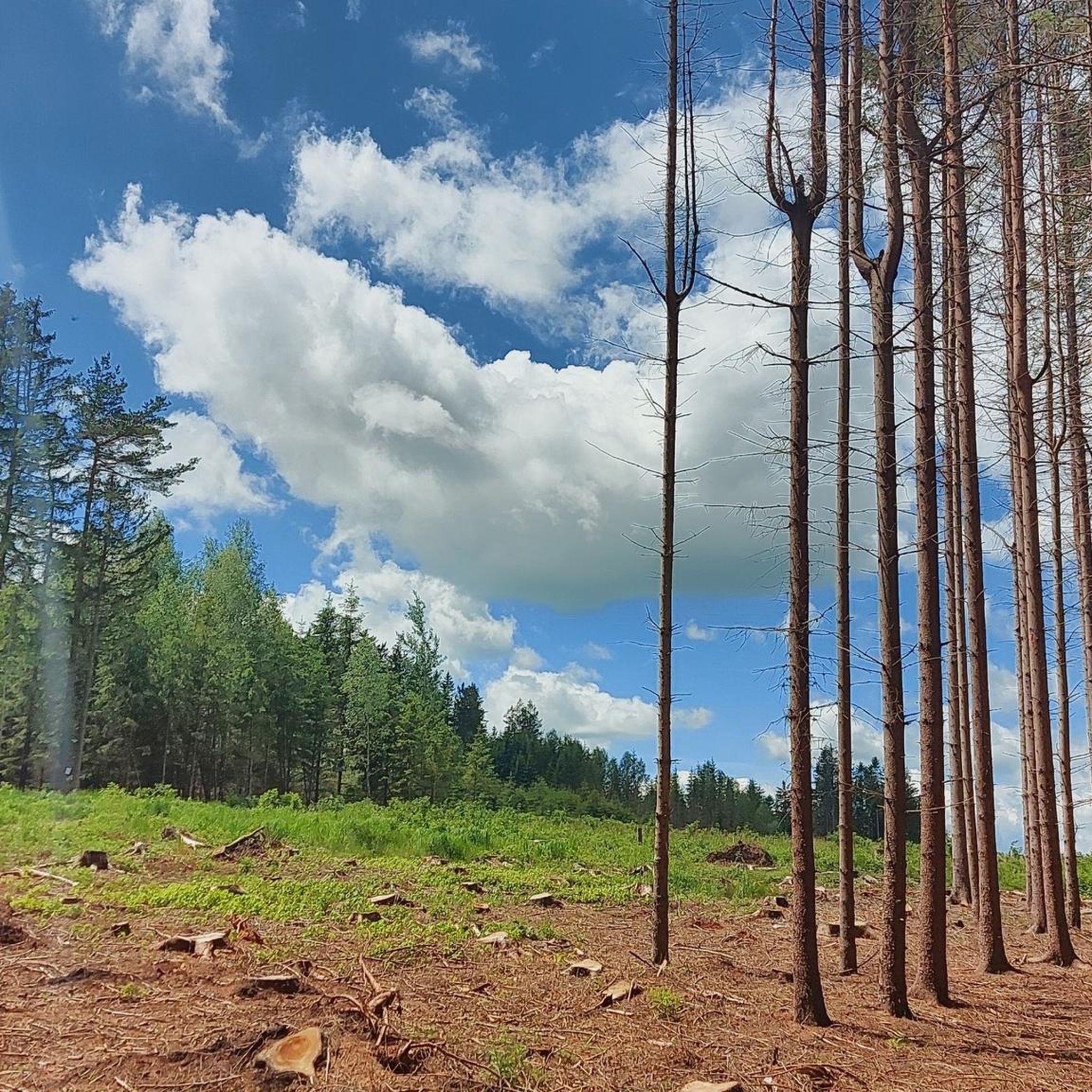
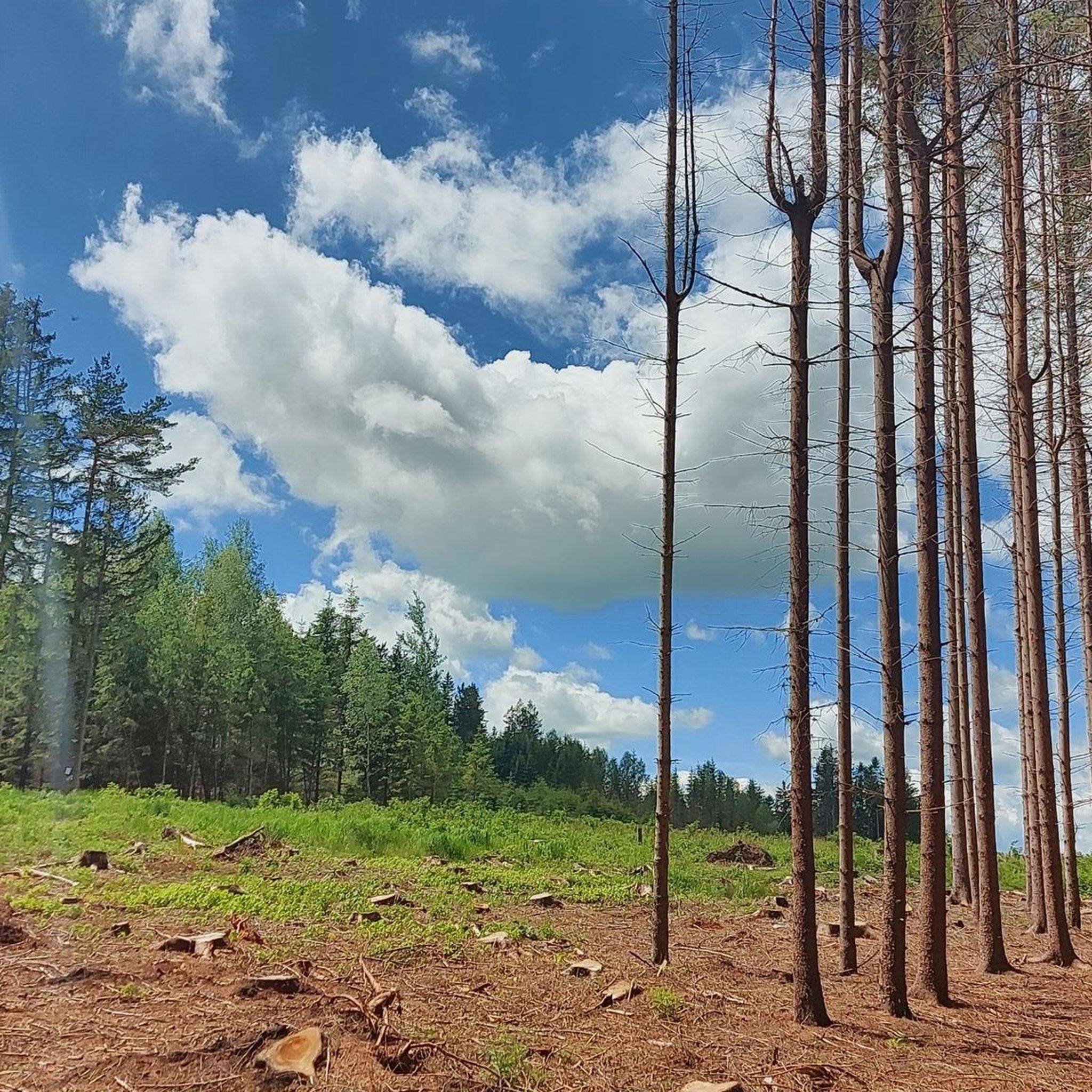
An impressive natural monument in the forest.
0
0

As one of 1,600 natural monuments in Lower Austria, the Paulstein is located directly on the Thaya and offers you not only a beautiful view, but also wonderful nature all around.
1
0

Riding this 6 kilometer long old linden tree alley on the unpaved road by bike is very special, as such routes have become very rare. Yes, they are almost impossible to find anymore.
0
0

A graceful, beautiful chapel
0
0
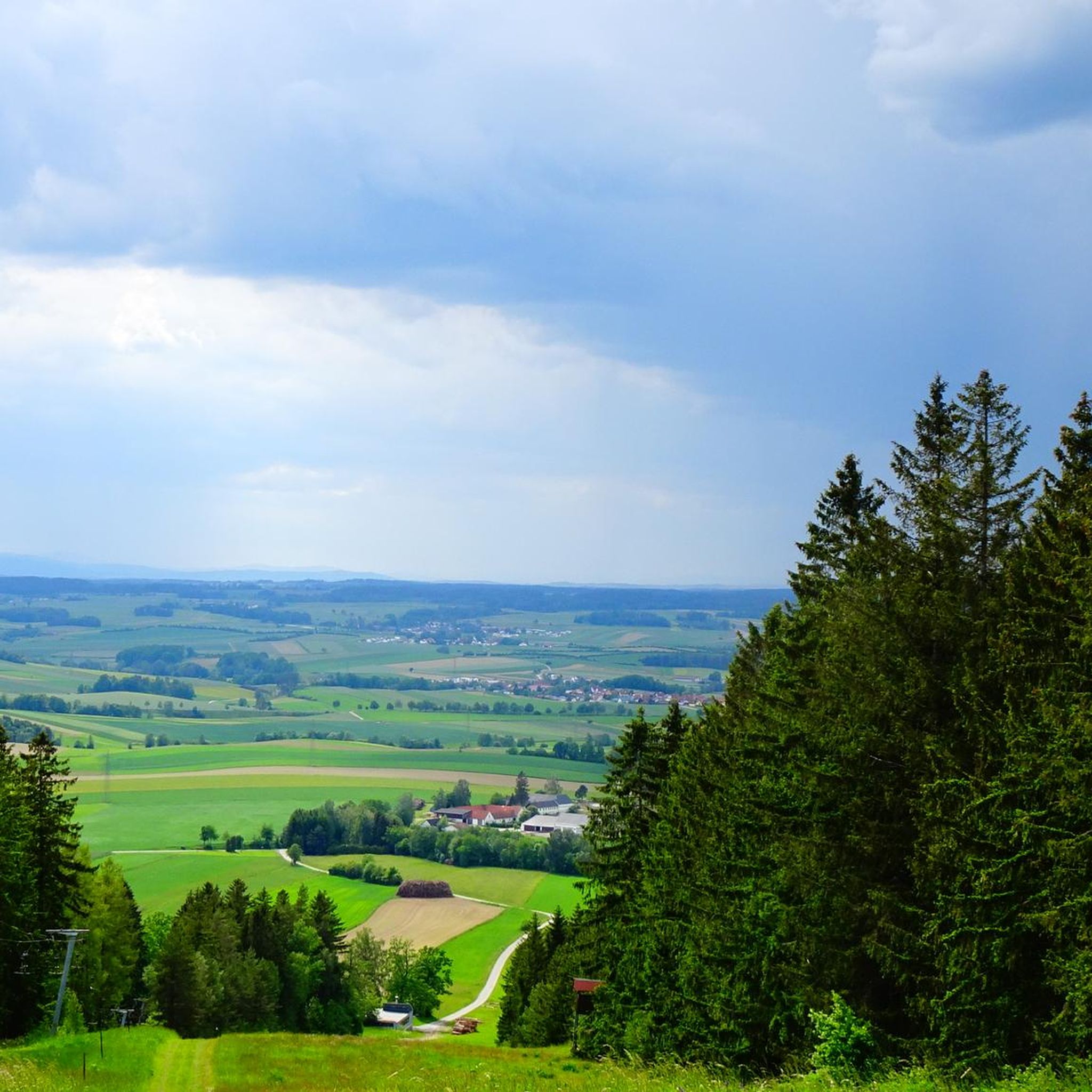
A great hiking destination that you can hike to in many variations.
1
1

It is worth driving a little (100 meters) along the Moravian Dyje along the hiking trail to the rocky outcrop. An idyllic place on the beautiful shore hiking trail
0
0
Frequently Asked Questions
What are some of the most notable natural monuments to visit around Dietmanns?
Among the most notable natural monuments is the Predigtstuhl Summit (718 m), which is the highest point in the Waidhofen an der Thaya district. Another unique site is the Linden Avenue Between Speisendorf and Raabs an der Thaya, a 6-kilometer long unpaved road lined with lime trees. You can also explore the Paulstein Natural Monument, an impressive rock formation directly on the Thaya river.
Are there any family-friendly natural monuments in the Dietmanns area?
Yes, the Bründl Chapel and the Healing Spring is considered family-friendly. It's a popular pilgrimage site with a spring believed to have healing properties, offering a peaceful and accessible visit for all ages.
What kind of natural features can I expect to see at these monuments?
The natural monuments around Dietmanns showcase diverse features. You'll find summits like Predigtstuhl Summit, impressive rock formations such as the Paulstein Natural Monument and the Lower Hackelstein Rock Shelter, and protected avenues like the Linden Avenue. The region is characterized by a plateau, forests, and the Thaya river, contributing to varied natural habitats.
Are there historical or cultural sites among the natural monuments?
Yes, some natural monuments also have historical or cultural significance. The Predigtstuhl Summit, for instance, was a popular destination in the 1930s with an observation tower. The Bründl Chapel and the Healing Spring is a pilgrimage site with a rich history, known for its healing spring and festive masses.
What outdoor activities can I do near the natural monuments around Dietmanns?
The area around Dietmanns is excellent for various outdoor activities. You can enjoy cycling on routes like those found in the Cycling around Dietmanns guide, or explore gravel biking trails from the Gravel biking around Dietmanns guide. Hiking and running are also popular, with trails leading to sites like the Predigtstuhl Summit, as detailed in the Running Trails around Dietmanns guide.
Are there good viewpoints among the natural monuments?
Absolutely. The Predigtstuhl Summit (718 m) offers views, though tall trees now obstruct the distant panorama that once included Schneeberg and Ötscher. The Paulstein Natural Monument also provides a beautiful view of the surrounding nature along the Thaya river.
What do visitors particularly enjoy about the natural monuments in Dietmanns?
Visitors appreciate the diverse natural beauty and the opportunities for outdoor exploration. The Predigtstuhl Summit is loved as a hiking destination with many variations. The Linden Avenue offers a unique cycling experience, described as feeling like a 'time machine.' The Lower Hackelstein Rock Shelter is noted for its idyllic spot by the Moravian Thaya.
Are there any hidden natural gems or unique geological features to discover?
Yes, the Lower Hackelstein Rock Shelter is a unique geological feature, a gigantic boulder with a rock roof that provides a protected spot by the Moravian Thaya. The Paulstein Natural Monument, a 35-meter long and 8-10 meter high rock formation, is another impressive geological site along the Thaya.
What is the best time of year to visit the natural monuments around Dietmanns?
The region's natural monuments, with their forests and river landscapes, are enjoyable throughout the warmer months. Spring and autumn offer pleasant temperatures for hiking and cycling, with vibrant foliage in autumn. Summer is also suitable, especially for activities along the Thaya river and its floodplains.
Are there any specific cycling routes that pass by these natural monuments?
Yes, the Linden Avenue Between Speisendorf and Raabs an der Thaya is a protected natural monument that is specifically highlighted as offering a unique cycling experience on its 6-kilometer unpaved road. Many cycling routes in the area, such as those in the Cycling around Dietmanns guide, will allow you to explore the wider natural landscape.
What kind of terrain can I expect when exploring the natural monuments?
The Dietmanns region is characterized by a plateau ranging from 450 to 550 meters high, with three mountain ranges. You can expect varied terrain including forest paths around summits like Predigtstuhl Summit, unpaved roads like the Linden Avenue, and riverside trails along the Thaya, which can include rocky sections near formations like the Lower Hackelstein Rock Shelter.
Are there any natural monuments that are particularly good for a short excursion into nature?
For a short excursion, the Predigtstuhl Summit offers small excursions into the surrounding forest. The Bründl Chapel and the Healing Spring also provides a tranquil spot for a brief visit, especially if you are interested in its historical and spiritual significance.
Most popular routes around Dietmanns
Most popular attractions around Dietmanns

Get inspired with the komoot mobile app


Explore more
Extend your search for the best caves by checking out these guides of the top ones around Dietmanns:
