Top 9 Mountain Passes around Amlach
Mountain passes around Amlach offer access to diverse alpine landscapes in East Tyrol, Austria. The municipality serves as a base for exploring routes that connect valleys and provide views of the Lienz Dolomites and Hohe Tauern National Park. These passes feature historical significance and varied terrain, suitable for different outdoor activities. The region's geography includes high mountain roads, challenging climbs, and scenic viewpoints.
Best mountain passes around Amlach
- The most popular mountain passes is Pustertaler Höhenstraße: Leisach to Bannberg (1,262…
Last updated: June 24, 2026
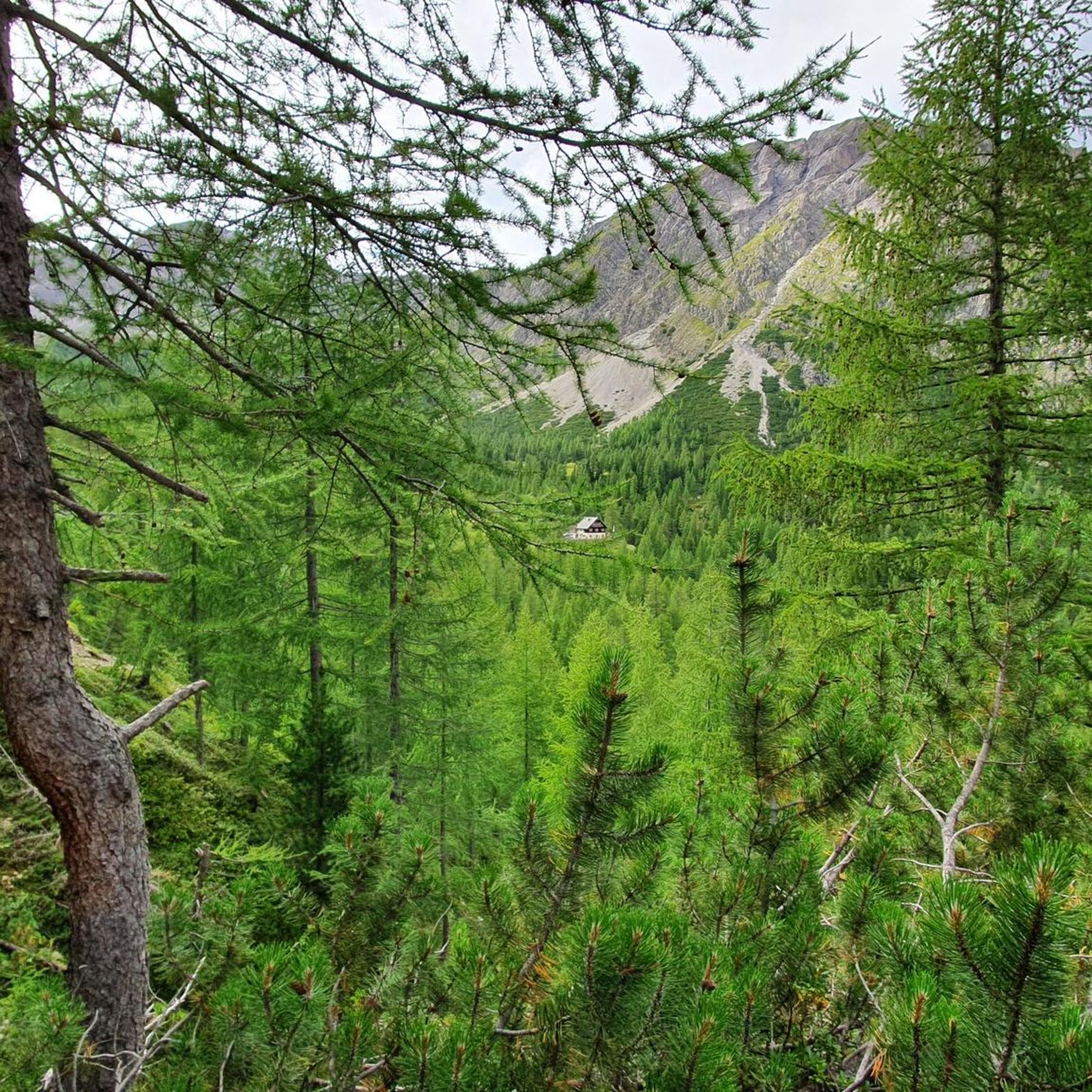
Kerschbaumer Pass
Highlight • Mountain Pass
Translated by Google •
Tip by

Iselsberg Pass
Highlight • Mountain Pass
Showing Translation
Tip by

Sign up now to discover places like this
Get recommendations on the best single tracks, peaks, & plenty of other exciting outdoor places.
Sign up for free
Pustertaler Höhenstraße: Leisach to Bannberg (1,262 m)
Highlight (Segment) • Mountain Pass
Translated by Google •
Tip by

Hallebachtörl (2,399 m)
Highlight • Mountain Pass
Translated by Google •
Tip by

Stunning mountain views
Highlight • Viewpoint
Translated by Google •
Tip by

Sign up for free to discover even more mountain passes around Amlach.
Sign up for free
Already have an account?
Start today with a free account
Your next adventure awaits.
Login or Signup


Other adventures around Amlach

Tips from the Community

strenuous, but top scenery!
0
0
scenically beautiful transition from the Karlsbader Hütte to the Kerschbaumer Alm
0
0
The ideal connection from Spitzkofel to Kerschbaumer Alm (KBA for short)
1
0

The first part is particularly tempting because of the extremely difficult start. It doesn't really get much better as the Pustertal High Mountain Road continues; it's more of a series of steep climbs, fast descents and heavenly views of the valley. It's definitely worth it, but it's not for the inexperienced!
3
1

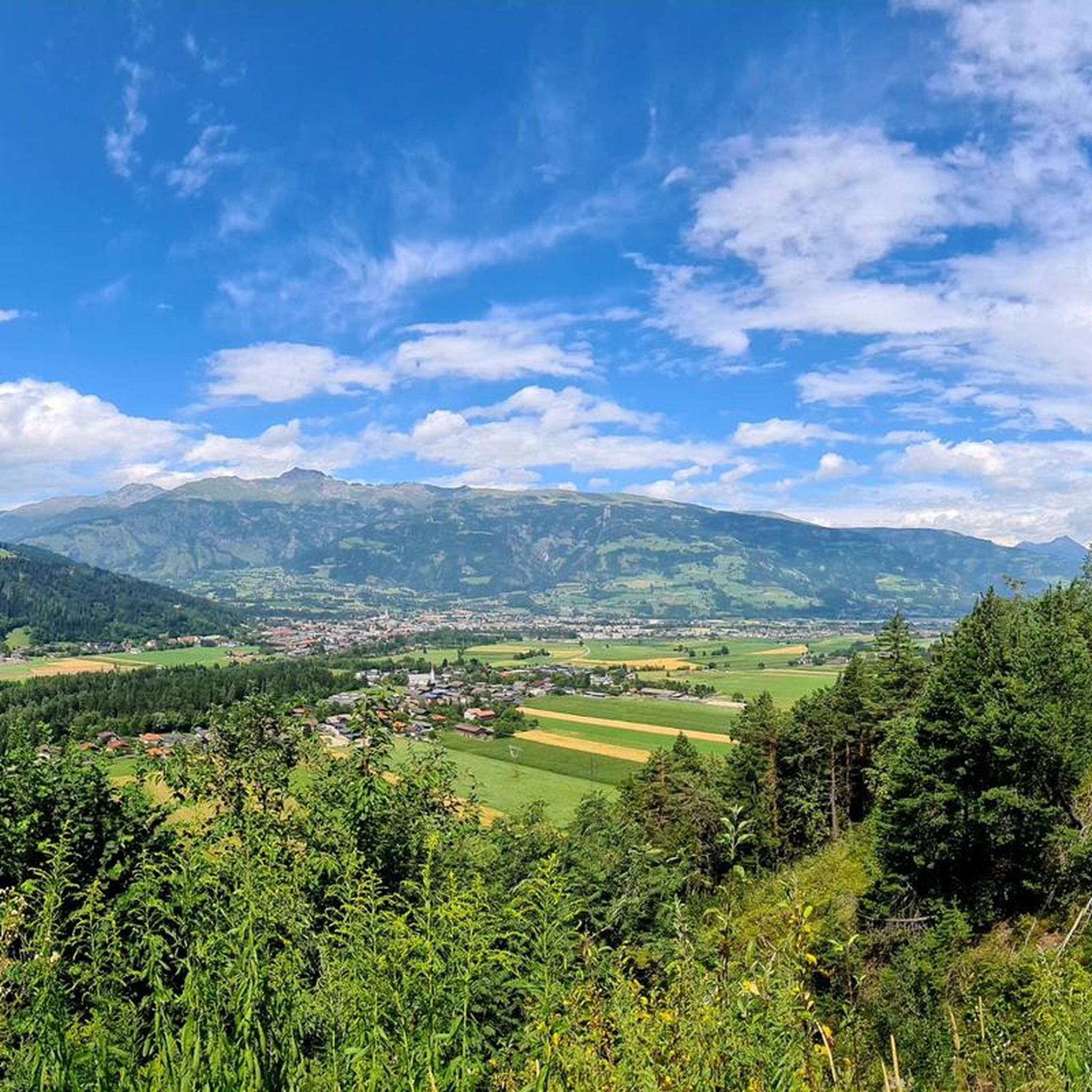
Very nice cycle path with good asphalt and a great panorama.
0
0
is on the way from the Spitzkofel to the Kerschbaumer Alm!
1
0

After a drive on the Großglockner High Alpine Road, this pass was rather unspectacular. Relatively heavy traffic on the B107, so I would rather recommend the old Iselsbergstraße uphill.
7
1

First test on the Glocknerstrasse if you come from the south. »The 1209 m above sea level A. ... high Iselsberg - also called Iselsbergpass - is a mountain pass in Austria. The Großglockner Straße (B 107) leads over the top of the pass, connecting the Lienz valley floor in the East Tyrolean Drautal with the Carinthian Mölltal. In order to reach the mines of the Mölltal, there was already a way over the Iselsberg in Roman times. « via https://de.wikipedia.org/wiki/Iselsberg_(Pass)
0
0
Frequently Asked Questions
What are some notable mountain passes near Amlach?
Amlach serves as an excellent base for exploring several significant mountain passes. Beyond those highlighted in the guide, you can find the iconic Grossglockner High Alpine Road, the scenic Staller Saddle connecting Austria and Italy, and the historically important Iselsberg Pass. Another key route is the Felbertauern Road, known for its modern infrastructure and year-round accessibility.
What kind of views can I expect from the mountain passes around Amlach?
The passes offer diverse and breathtaking views. From Kerschbaumer Pass, you'll get panoramic views of the Lienz Dolomites and the glaciated peaks of the Hohe Tauern. The Iselsberg Pass provides stunning vistas of Lienz and the surrounding mountains, especially the Lienz Dolomites. The Grossglockner High Alpine Road offers unparalleled views of Austria's highest mountain, the Grossglockner, and the Pasterze Glacier.
Are there historical sites or points of interest on these passes?
Yes, several passes have historical significance. The Iselsberg Pass, for instance, has a history dating back to Roman times, serving as a bridle path for trade, and you can explore the ruins of Walchenstein Castle nearby. The Staller Saddle was historically a smuggler's trail, and an ancient dugout canoe was discovered there.
What outdoor activities can I do near the mountain passes around Amlach?
The region around Amlach offers a wide range of outdoor activities. You can find numerous opportunities for hiking, cycling, and gravel biking. For hiking, explore routes like the Tristacher-See-Runde or the Garrison trail. Cyclists can enjoy routes such as the Lienz – Lienz Old Town loop. For more details on these activities, visit the Hiking around Amlach, Cycling around Amlach, and Gravel biking around Amlach guides.
Can I cycle on the mountain passes near Amlach?
Absolutely! Many mountain passes around Amlach are popular with cyclists. The Pustertaler Höhenstraße: Leisach to Bannberg (1,262 m) is a challenging cycle way known for its steep climbs and fast descents with little traffic. The Iselsberg Pass is also a well-regarded cycle way. The Grossglockner High Alpine Road is also very popular among cyclists, offering a rewarding experience with its 36 hairpin bends.
Are there family-friendly options among the mountain passes?
While many passes involve challenging terrain, areas around them can be family-friendly. For example, the Staller Saddle features the picturesque Lake Obersee, which is ideal for walks and relaxation, suitable for families. The village of Iselsberg-Stronach, near the Iselsberg Pass, also offers a relaxing atmosphere with various hiking trails.
When is the best time to visit the mountain passes around Amlach?
The best time to visit most mountain passes for driving, cycling, and hiking is typically from late spring to early autumn (May to October), when the roads are clear of snow and the weather is pleasant. Some passes, like the Grossglockner High Alpine Road, are seasonal and usually open from early May to late October. In winter, some passes like the Staller Saddle close to vehicles but transform into a winter wonderland for activities like cross-country skiing and snowshoeing.
What is unique about the Grossglockner High Alpine Road?
The Grossglockner High Alpine Road is an iconic 48-kilometer panoramic road, considered one of Europe's most impressive. It features 36 hairpin bends, reaches an elevation of 2,504 meters at the Hochtor Pass, and offers unparalleled views of Austria's highest mountain, the Grossgllockner, and the Pasterze Glacier. It's a top tourist attraction with numerous viewpoints, themed exhibitions, and opportunities for wildlife spotting.
What wildlife might I encounter around the mountain passes?
The mountain passes, especially those within or bordering the Hohe Tauern National Park, offer opportunities for wildlife spotting. Visitors to the Grossglockner High Alpine Road, for instance, might spot marmots and ibex. The diverse alpine environment is home to various species, making it a rewarding experience for nature enthusiasts.
Are there any challenging routes for experienced cyclists or hikers?
Yes, the region offers several challenging routes. The Pustertaler Höhenstraße: Leisach to Bannberg (1,262 m) is known for its tough climbs and is not for the inexperienced cyclist. For hikers, routes like the Kerschbaumer Pass and Hallebachtörl (2,399 m) are categorized as challenging, offering significant elevation gain and rewarding views.
What makes the Felbertauern Road a significant alpine crossing?
The Felbertauern Road is a crucial alpine crossing connecting Salzburg with East Tyrol, primarily known for its 5.3-kilometer Felbertauern Tunnel. It boasts modern infrastructure, including partly three-lane sections and avalanche galleries, allowing it to remain open year-round. It's a convenient and scenic alternative for travelers heading south, offering dramatic mountain vistas and waterfalls through the Hohe Tauern National Park.
Where can I find panoramic views of the Lienz Dolomites?
For stunning panoramic views of the Lienz Dolomites, the Iselsberg Pass is an excellent choice. Additionally, the Kerschbaumer Pass offers breathtaking views of the Lienz Dolomites, along with the glaciated peaks of the Hohe Tauern.
Are there options for winter activities on the mountain passes?
While many passes are primarily for summer activities, some transform in winter. The Staller Saddle, for example, closes to vehicles in winter but becomes a popular spot for cross-country skiing around Lake Obersee, tobogganing, snowshoeing, and ski tours, offering a unique winter wonderland experience.
Most popular routes around Amlach
Most popular attractions around Amlach

Get inspired with the komoot mobile app


Explore more
See even more epic mountain passes by checking out these guides around Amlach:
