Top 20 Natural Monuments around Halle (Westf.)
Best natural monuments around Halle (Westf.) are characterized by diverse landscapes, including nature reserves and sections of the Teutoburg Forest. The region is situated on the southern slope of the Teutoburg Forest, a low mountain range recognized as a UNESCO geopark. These areas offer varied terrain, from heathlands to forests, providing habitats for numerous plant and animal species. Halle (Westf.)'s natural features are significant for their ecological importance and recreational opportunities.
Best natural monuments around Halle (Westf.)
- The most popular…
Last updated: September 27, 2026
Sparrenburg Castle
Highlight • Castle
Translated by Google •
Tip by

Juniper Heath Steinhagen
Highlight • Natural Monument
Translated by Google •
Tip by

Sign up now to discover places like this
Get recommendations on the best single tracks, peaks, & plenty of other exciting outdoor places.
Obersee (Johannisbachtalsperre) in Bielefeld
Highlight • Lake
Translated by Google •
Tip by

Great Roe Spring
Highlight • Natural Monument
Translated by Google •
Tip by

Teutoburg Forest
Highlight • Forest
Translated by Google •
Tip by

Sign up for free to discover even more natural monuments around Halle (Westf.).
Already have an account?
Start today with a free account
Your next adventure awaits.
Popular around Halle (Westf.)
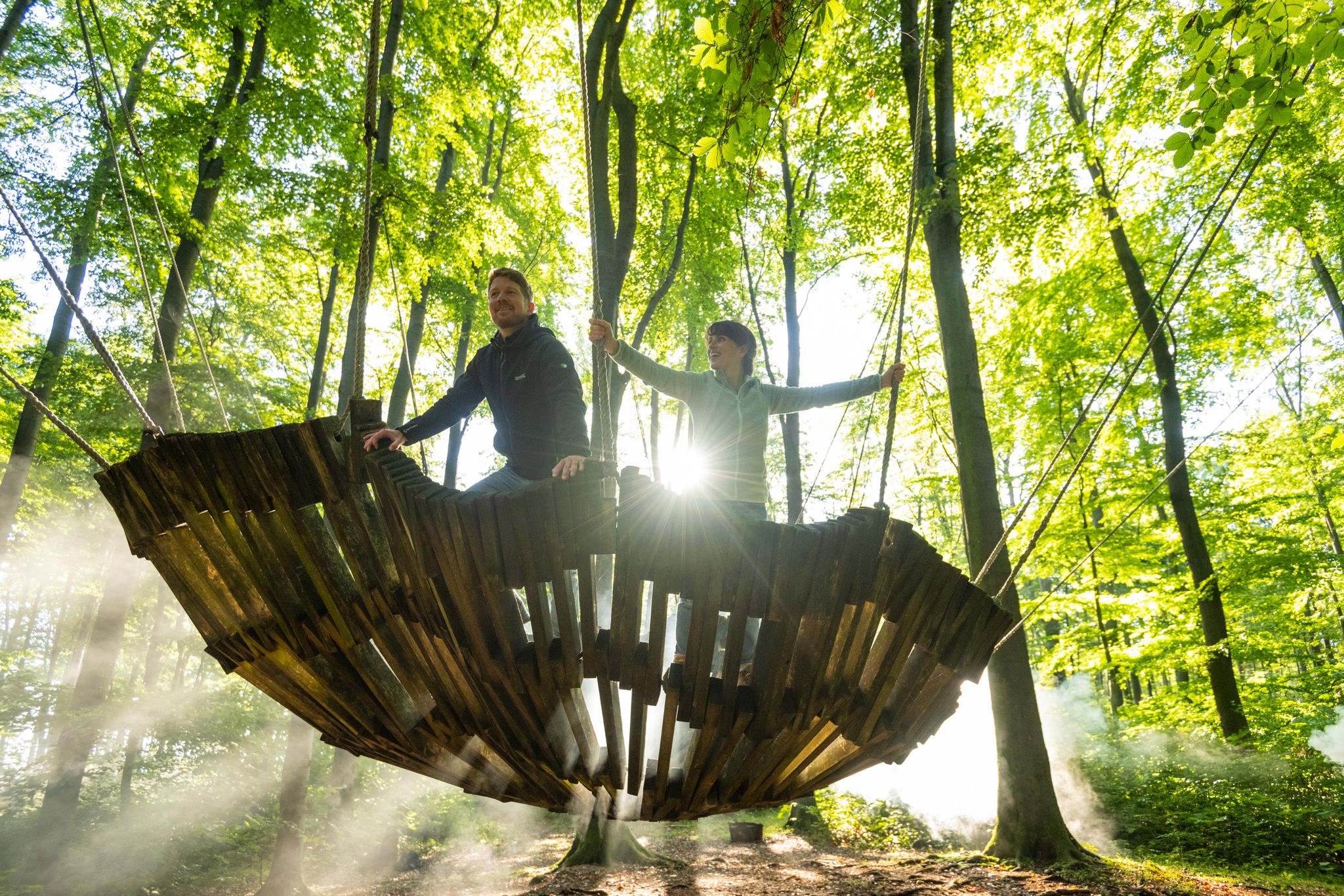
Experience art and history – Germany’s Teutoburg Forest trails
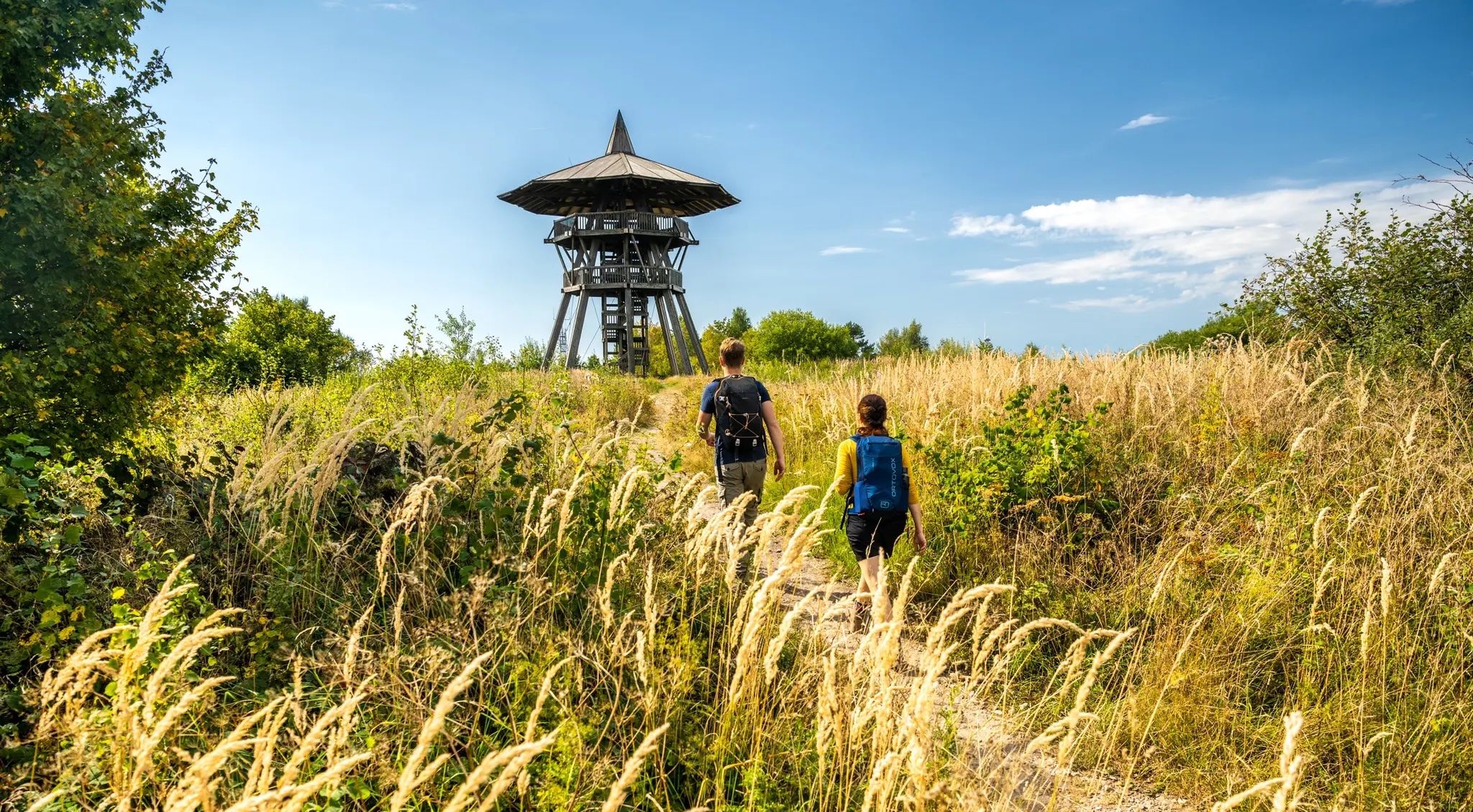
Culture and nature from Rheine to Marsburg – Hermann Heights Trail
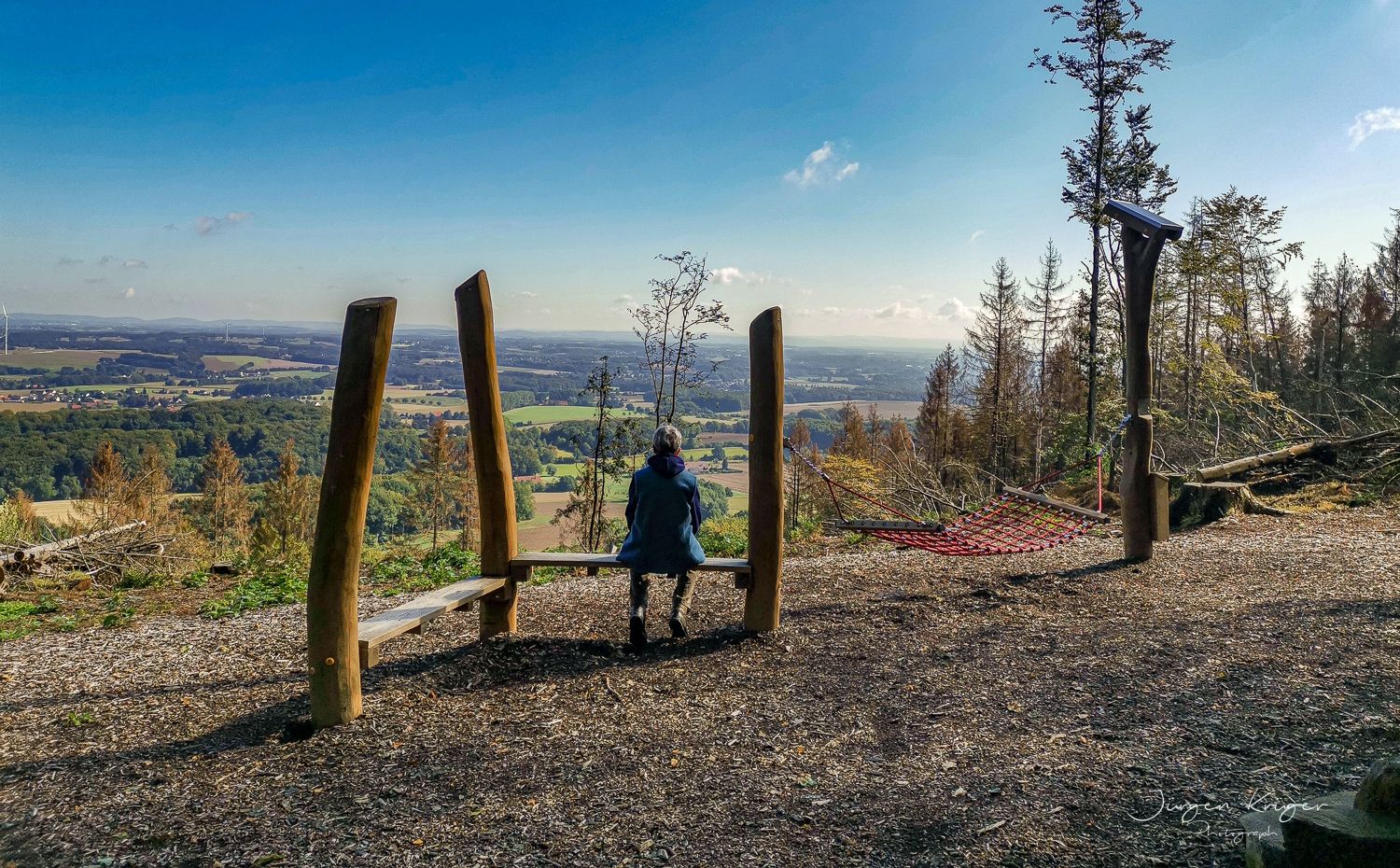
Close to the Hermann Heights Trail – 18 circulars in the Teutoburg Forest
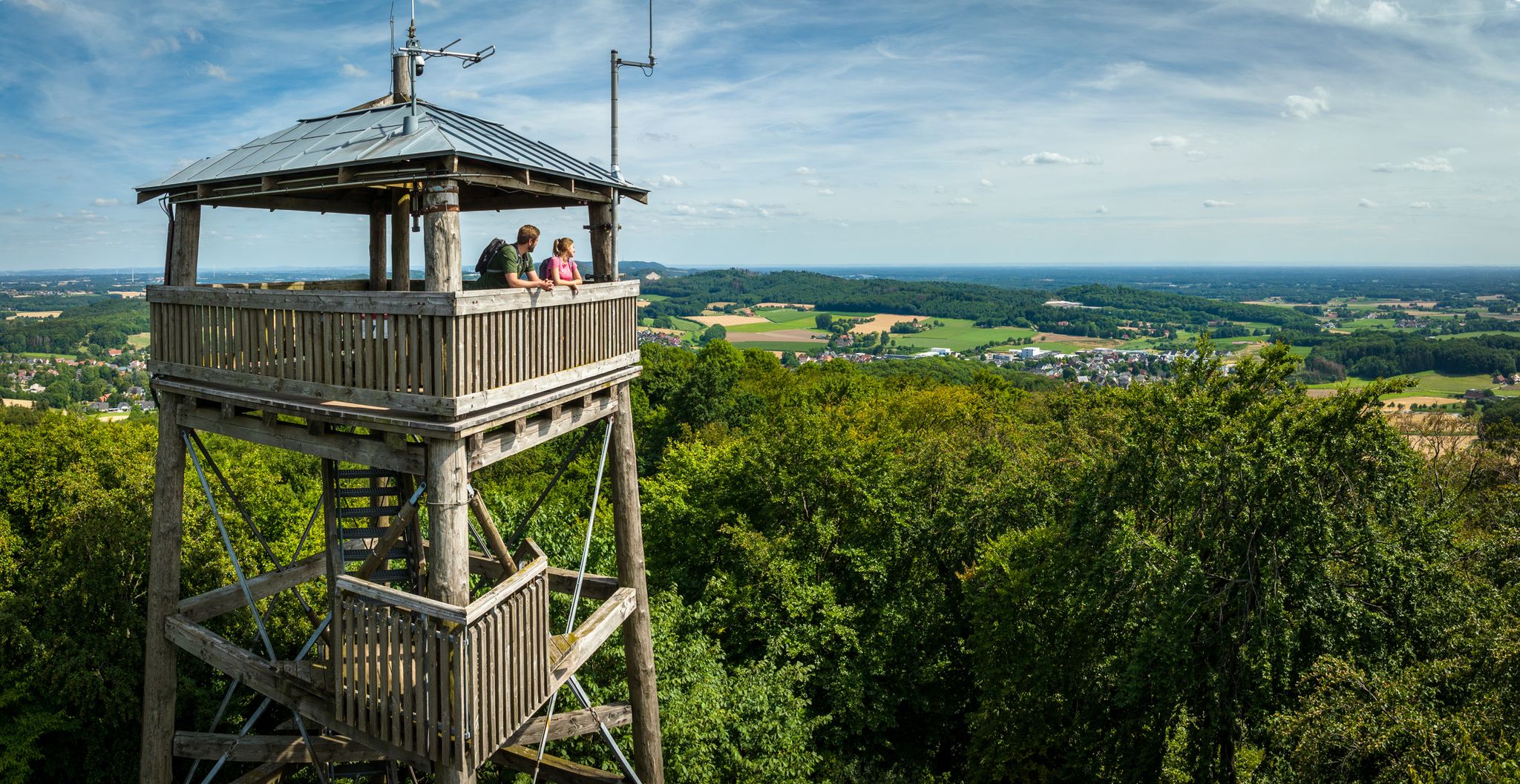
Grüne Wege statt Rote Ampeln – Aktive Auszeit im Teutoburger Wald
Qualität trifft auf Erlebnis – 5-Sterne-Wandern im Teutoburger Wald
Hiking around Halle (Westf.)
Cycling around Halle (Westf.)
Road Cycling Routes around Halle (Westf.)
Running Trails around Halle (Westf.)
MTB Trails around Halle (Westf.)
Other adventures around Halle (Westf.)

Tips from the Community

The Teuto - always worth a hike.
1
0

High up along the ridge path, the landscape changes from typical deciduous forest to beautiful heathland: Enjoy one of the last natural occurrences of fragrant juniper heath here.
6
2

The local juniper plants used to be the basis of the world-famous schnapps production in Steinhagen. Today there is only a small remnant on the ridge path of the Teutoburg Forest. In Steinhagen there are still numerous field names (including Deterts Heide, Hasenheide, Voßheide), which are reminiscent of the poor sandy soil and the time when the juniper heaths almost reached the village. In general, the slopes of the Teutoburg Forest used to be completely heathed - heathland was still to be found along the Hermannsweg in the first half of the 20th century. The juniper is a cypress plant that is widespread in Europe and North America in many species. Special abilities were ascribed to juniper as early as Germanic mythology and medieval popular belief. It should offer protection against magic and evil spirits and drive away the plague. The "berries" contain a lot of sugar and have been used in a variety of ways for centuries, for example as a kitchen spice or in game dishes. Even if the beginnings of the juniper distillery in Steinhagen are in the dark, a drink made from juniper berries is said to have been produced in the area as early as the late Middle Ages. Based on the knowledge gained over the following centuries, the farmers then initially produced juniper brandy for their own use. Source: https://www.teutonavigator.de/de/teutonavigator/streaming/detail/POI/p_100077797/wacholderheiden-am-petersberg-wanderwege-steinhagen
7
1

The Teutoburg Forest is a to 446.4 m above sea level. NHN high low mountain range in the Lower Saxony highlands. It is now in Lower Saxony and North Rhine-Westphalia and stretches from the Tecklenburger Land past Osnabrück and through Bielefeld to Horn-Bad Meinberg in the southeast. Until the 17th century, the mountain range with the Eggegebirge to the south-east was called Osning and is sometimes still called that today. The Teutoburg Forest is known nationally above all for the Varus Battle (also known as the Hermannsschlacht or Battle in the Teutoburg Forest) between Romans and Germans in 9 AD. Tourist attractions include the Hermann Monument, the Externsteine and the Dörenther Cliffs. The highest mountain is the Barnacken. In addition, it is the longest ridge in Germany. (Source: Wikipedia)
3
0

The Sparrenburg is a restored fortress in Bielefeld's Mitte district. The Sparrenburg is located on the 180 m high Sparrenberg in the Teutoburg Forest and towers over the nearby city center by a good 60 m. Its current appearance dates back to the 16th and 19th centuries.
27
1

A little break is mandatory here 💚
5
0

Used as an anti-aircraft gun emplacement during World War II, the Sparrenburg was severely damaged during the air raid on Bielefeld on September 30, 1944, with only the tower remaining intact.
21
0
There, in the very early spring, a special natural spectacle takes place when the short but magnificent flowering of the liverwort begins. More than a million of these warmth-loving plants then illuminate the still barren forest and its soil, which at this time is still leafless and without flowers waiting for spring.
10
2
Frequently Asked Questions
What are some of the most popular natural monuments to visit around Halle (Westf.)?
Visitors frequently enjoy the historic Sparrenburg Castle, which offers sweeping views over Bielefeld and the Teutoburg Forest. Another favorite is the Juniper Heath Steinhagen, known for its beautiful heathland and being one of the last natural occurrences of fragrant juniper heath in the region. The Obersee (Johannisbachtalsperre) in Bielefeld is also a popular spot for bike rides and a tranquil natural setting.
Are there family-friendly natural monuments or activities in the Halle (Westf.) area?
Yes, several natural monuments are suitable for families. The Juniper Heath Steinhagen offers easy walks through beautiful heathland. The Obersee (Johannisbachtalsperre) in Bielefeld is a great destination for a family bike ride around the lake. Additionally, the Great Roe Spring provides a lovely picnic area with seating, perfect for a relaxing break with children.
What kind of natural features can I expect to see in the Halle (Westf.) region?
The Halle (Westf.) region is characterized by diverse natural features, including significant nature reserves, heathlands, and parts of the Teutoburg Forest. You can explore unique wetland ecosystems, ancient forests, and rare heath remnants, such as those found in the Barrelpäule nature reserve. The area also features low mountain ranges with varied terrain and scenic viewpoints.
What outdoor activities can I do near the natural monuments around Halle (Westf.)?
The region offers excellent opportunities for various outdoor activities. You can enjoy extensive hiking through the Teutoburg Forest or explore the nature reserves. There are also numerous road cycling routes, such as those found in the Road Cycling Routes around Halle (Westf.) guide. For hikers, the Hiking around Halle (Westf.) guide and Easy hikes around Halle (Westf.) guide provide many options, including trails like the 'Haller tracks' and routes around Tatenhausen Castle.
Are there specific hiking trails near these natural monuments?
Yes, there are many hiking trails. For instance, you can find trails leading through the Juniper Heath Steinhagen, which is part of the Hermannsweg. The larger Teutoburg Forest area, which includes parts near Halle (Westf.), offers extensive hiking opportunities. You can find detailed routes in the Hiking around Halle (Westf.) guide, including routes like 'Ravensberg Castle – Beautiful view loop' and 'Paterpatt Trail – Tatenhausen Castle loop'.
What is the best time of year to visit the natural monuments in Halle (Westf.)?
The natural monuments around Halle (Westf.) can be enjoyed year-round, but each season offers a different experience. Spring brings blooming flora, while summer is ideal for longer hikes and bike rides. Autumn showcases vibrant fall foliage, especially in the Tatenhausener Wald and Teutoburg Forest. Even winter offers serene landscapes for those prepared for colder weather, with opportunities for peaceful walks.
Are there any scenic viewpoints in the natural areas of Halle (Westf.)?
Absolutely. The Sparrenburg Castle provides panoramic views over Bielefeld and the surrounding Teutoburg Forest. Within the Teutoburg Forest itself, the historic 'Kaffeemühle' viewpoint offers spectacular vistas over Halle and beyond, making it a popular spot for appreciating the natural landscape.
Are dogs allowed on trails and in nature reserves around Halle (Westf.)?
Many trails and natural areas around Halle (Westf.) are dog-friendly, but it's generally recommended to keep dogs on a leash, especially within designated nature reserves like Barrelpäule or Vennheide. This helps protect the local wildlife and sensitive ecosystems. Always check local signage for specific regulations in each area you visit.
What are the main ecological highlights of the nature reserves in Halle (Westf.)?
The nature reserves in Halle (Westf.) are ecologically significant. The Feuchtwiesenschutzgebiet südwestlich von Hörste, including Barrelpäule, is particularly notable for preserving rare heath remnants with heath ponds. It provides a crucial habitat for numerous highly endangered plant and animal species, such as various types of sedges, rushes, and aquatic plants. These areas are vital for the conservation of specific wildlife communities and biotopes.
Are there any cafes or restaurants near the natural monuments for a break?
While specific cafes directly adjacent to every natural monument might be limited, the region offers options. For example, after visiting the Obersee (Johannisbachtalsperre) in Bielefeld, you can relax at the restaurant 'Der Seekrug'. For other areas, you'll find cafes and pubs in the nearby towns and villages, especially in Halle (Westf.) itself, which are easily accessible after your outdoor activities.
How long does it typically take to explore the natural monuments in Halle (Westf.)?
The time required varies greatly depending on the monument and your chosen activity. A visit to a specific viewpoint like Sparrenburg Castle might take a couple of hours, including exploration. Exploring a nature reserve like Barrelpäule or hiking a trail in the Teutoburg Forest could range from a short easy walk of an hour to a full-day excursion, depending on the route and your pace. Many easy hikes around Halle (Westf.) are between 5-7 km, taking 1.5 to 2.5 hours.
What is the Tatenhausener Wald, and what does it offer visitors?
The Tatenhausener Wald is one of the largest nature reserves in Halle (Westf.). As a significant forest area, it contributes to the region's natural beauty and biodiversity. It offers excellent opportunities for hiking, wildlife observation, and experiencing serene natural environments. The moated castle of Tatenhausen is also located within this scenic area, adding a cultural element to the natural surroundings.
Most popular routes around Halle (Westf.)
Most popular attractions around Halle (Westf.)

Get inspired with the komoot mobile app


Explore more
Extend your search for the best caves by checking out these guides of the top ones around Halle (Westf.):
