Top 20 Natural Monuments around Petershagen
Best natural monuments around Petershagen are found along the Weser River in the Minden-Lübbecke district. This region features a landscape of ancient trees, significant bird habitats, and riverine environments. The Weser floodplains between Petershagen and Schlüsselburg are designated as a bird sanctuary, offering diverse natural experiences. These sites showcase the area's natural beauty and ecological importance.
Best natural monuments around Petershagen
- The most popular natural monuments is North Tower (observation tower), Großes Torfmoor, a viewpoint that offers extensive views…
Last updated: September 27, 2026
Moltke Tower (Moltketurm)
Highlight • Viewpoint
Translated by Google •
Tip by

Meerbruchwiesen Bird Sanctuary
Highlight • Natural Monument
Translated by Google •
Tip by

Sign up now to discover places like this
Get recommendations on the best single tracks, peaks, & plenty of other exciting outdoor places.
North Tower (observation tower), Großes Torfmoor
Highlight • Viewpoint
Translated by Google •
Tip by

View of the Kaiser Wilhelm Monument from the Weser Bridge
Highlight • Viewpoint
Translated by Google •
Tip by

Wittekindsburg and View over the Weser Valley
Highlight • Castle
Translated by Google •
Tip by

Sign up for free to discover even more natural monuments around Petershagen.
Already have an account?
Start today with a free account
Your next adventure awaits.
Popular around Petershagen
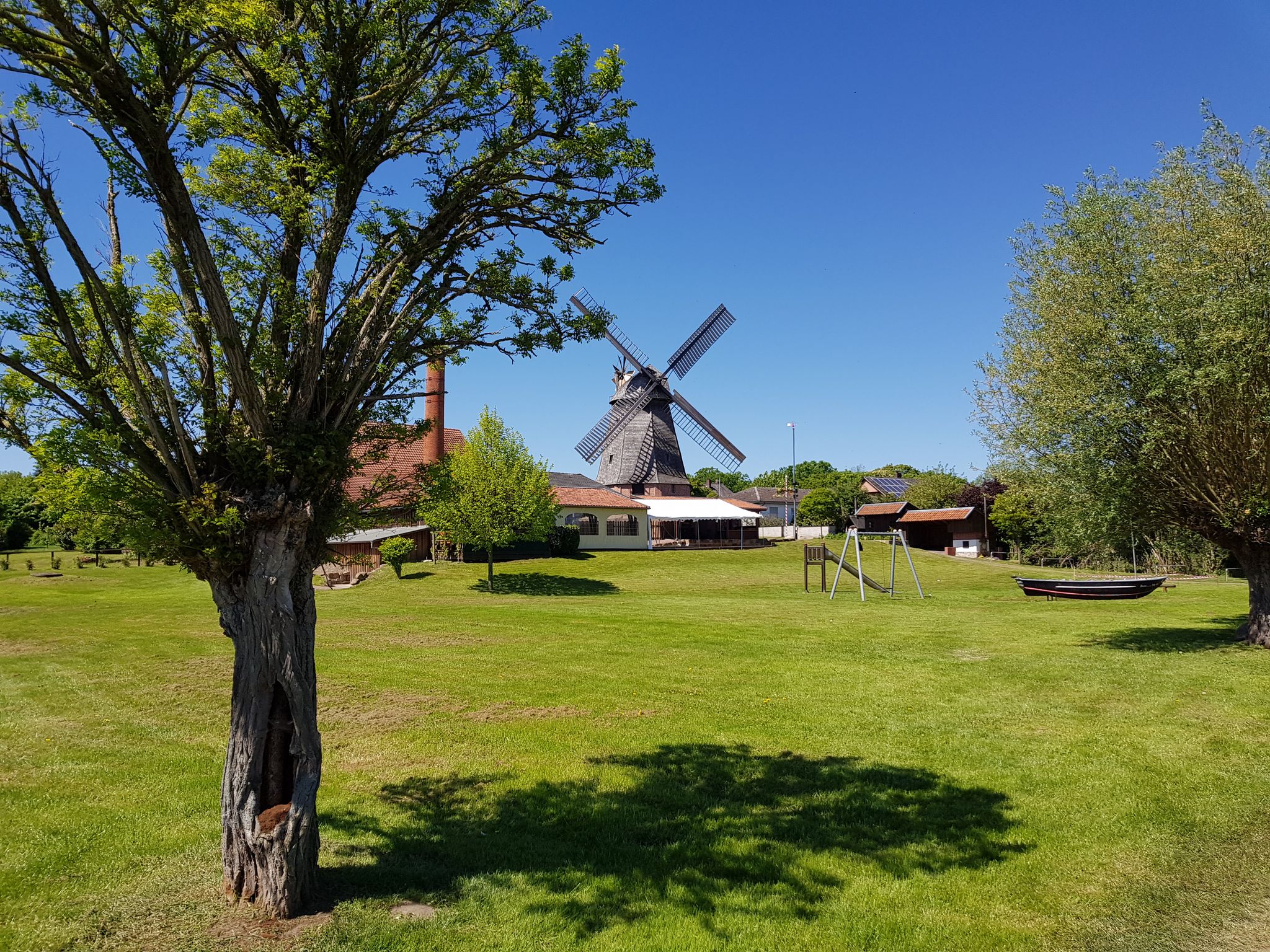
Cycle Germany's Mill Route — Open-air museums and Teutoberg forest
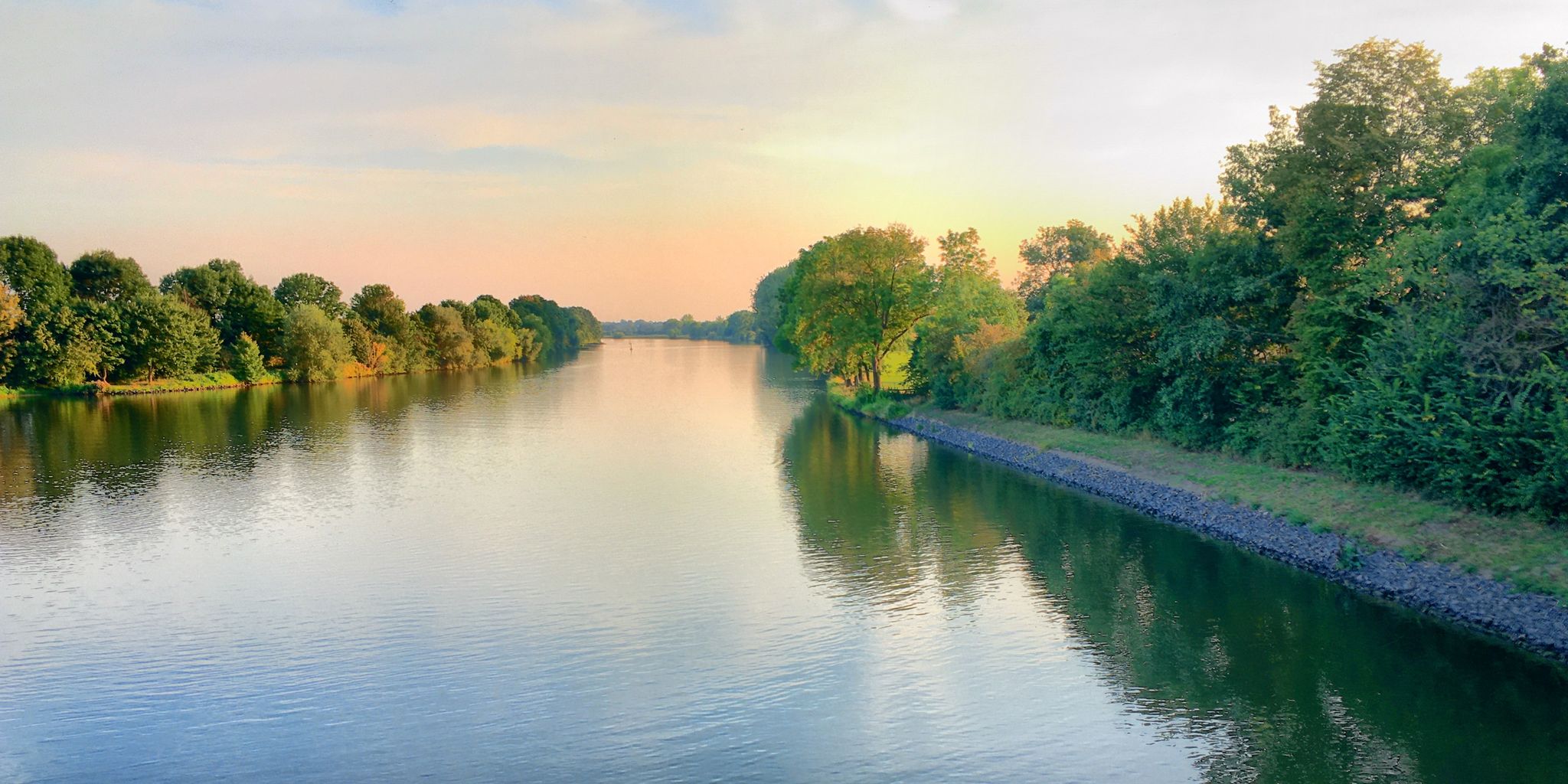
Germany's Weser Trail — Floodplains, dykes and old towns in 8 days
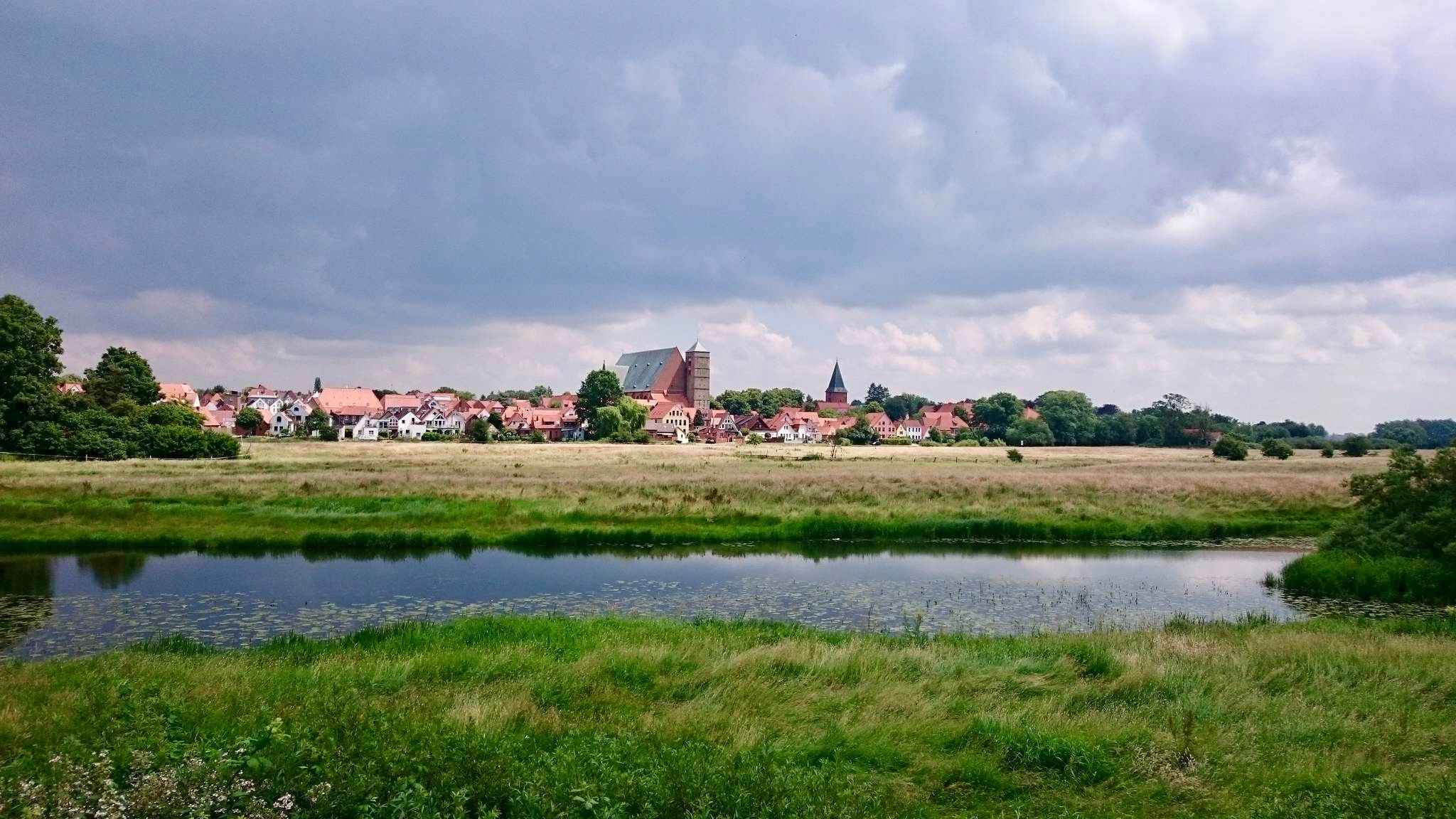
The Weser Cycle Path
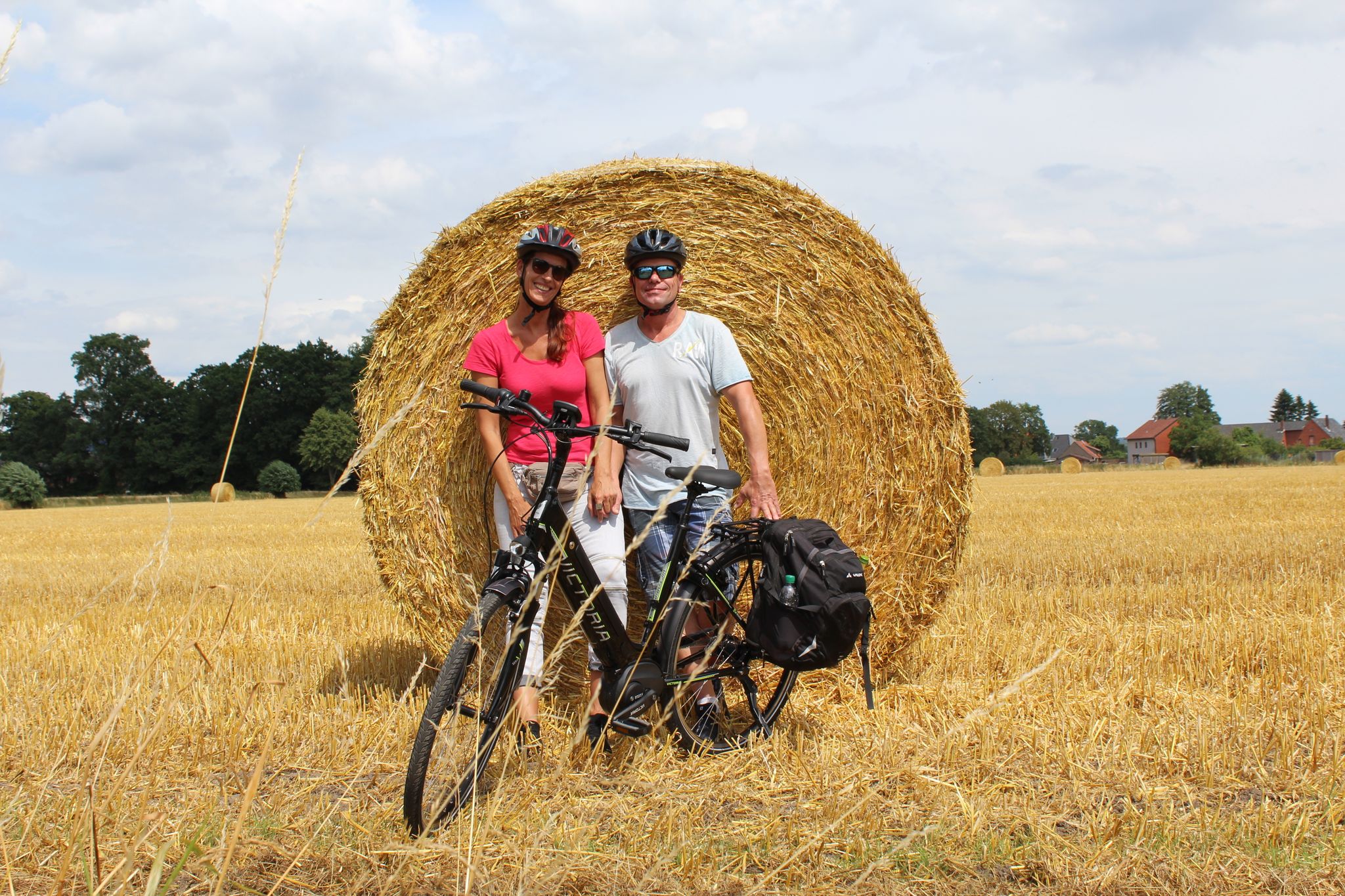
TOP 10 themed bike Tours in the Mittelweser region
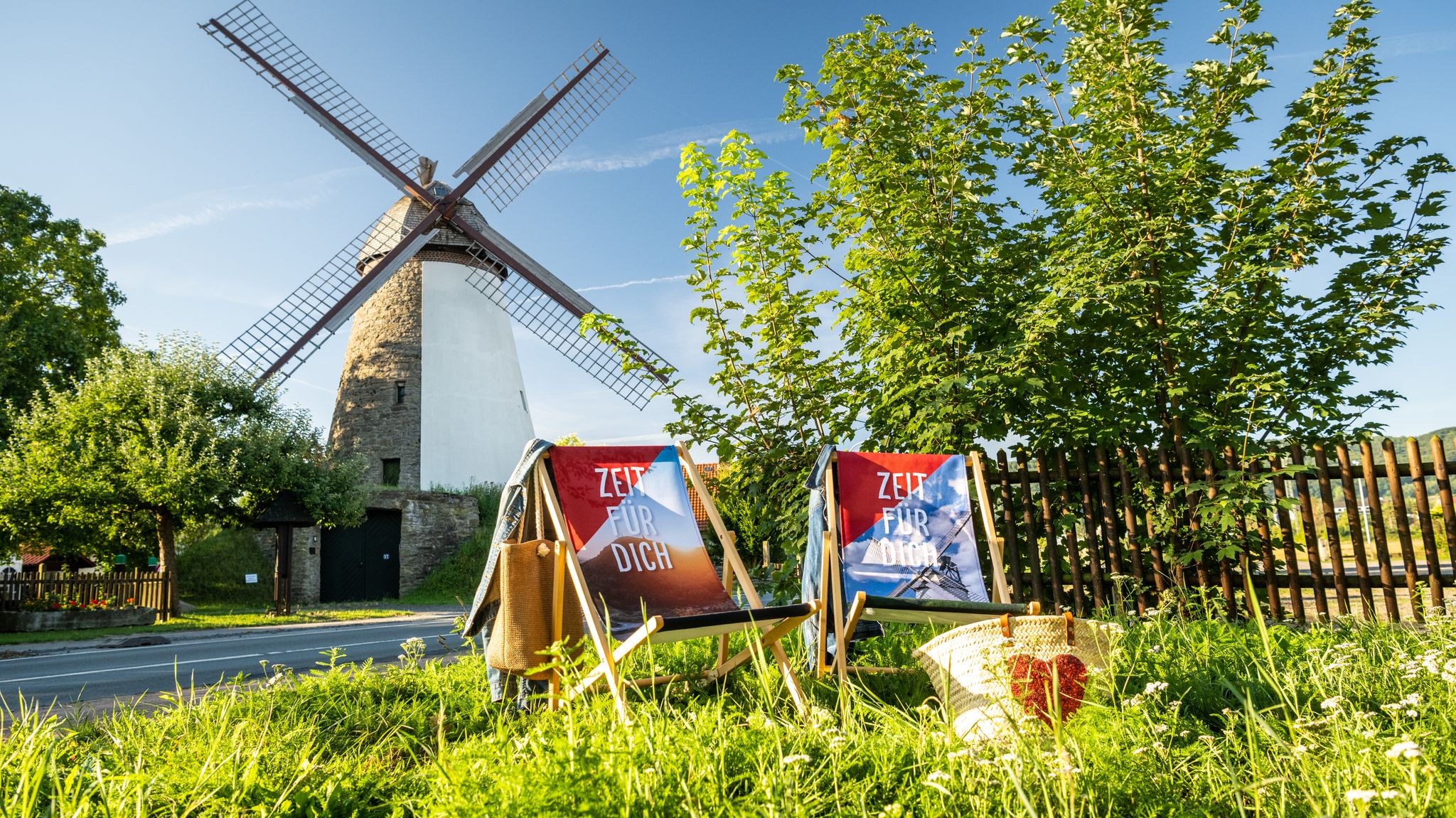
Discover the Mill Routes in Minden-Lübbecke by bike
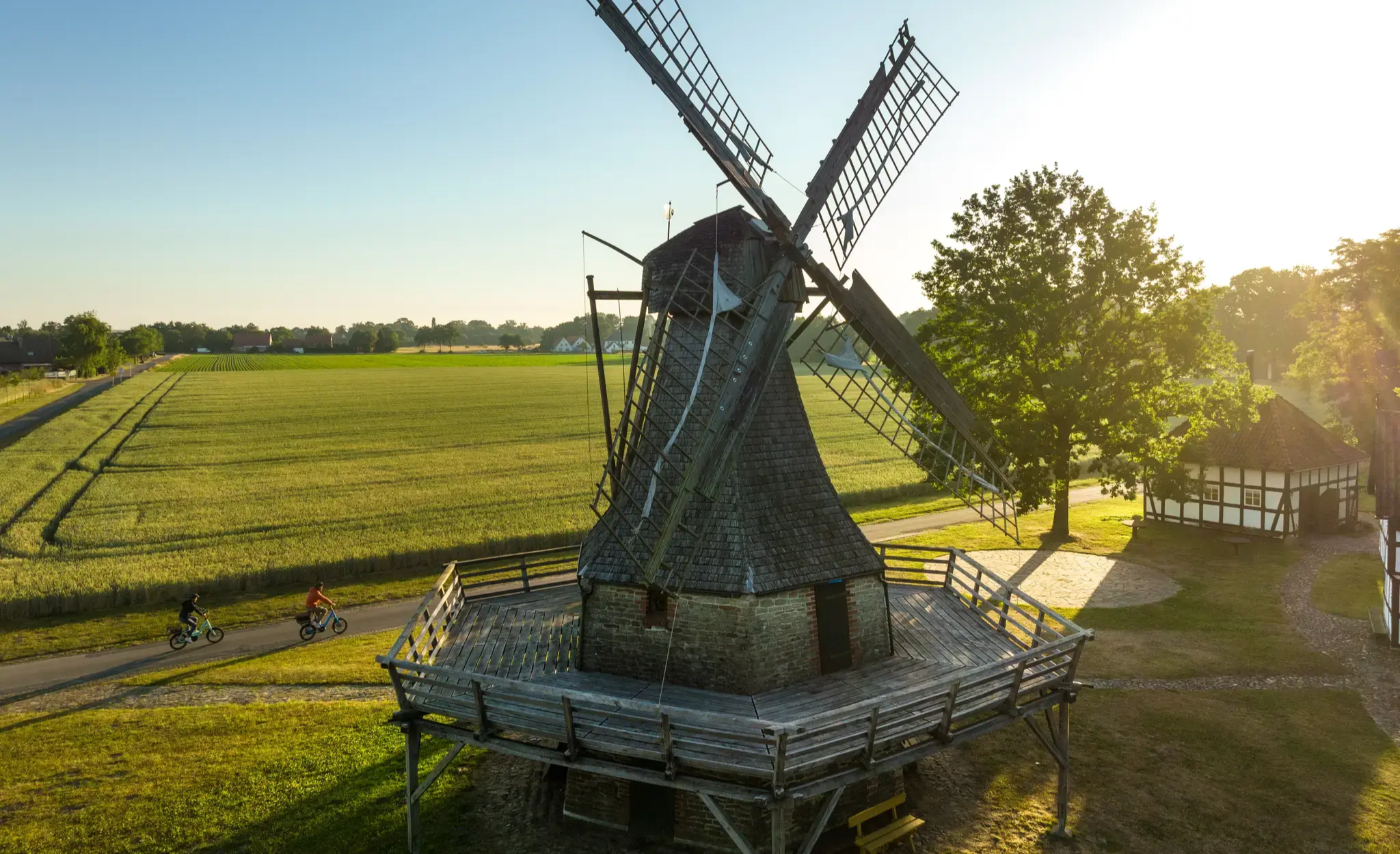
Follow the rustling, follow the clattering - Mill route in Ostwestfalen-Lippe
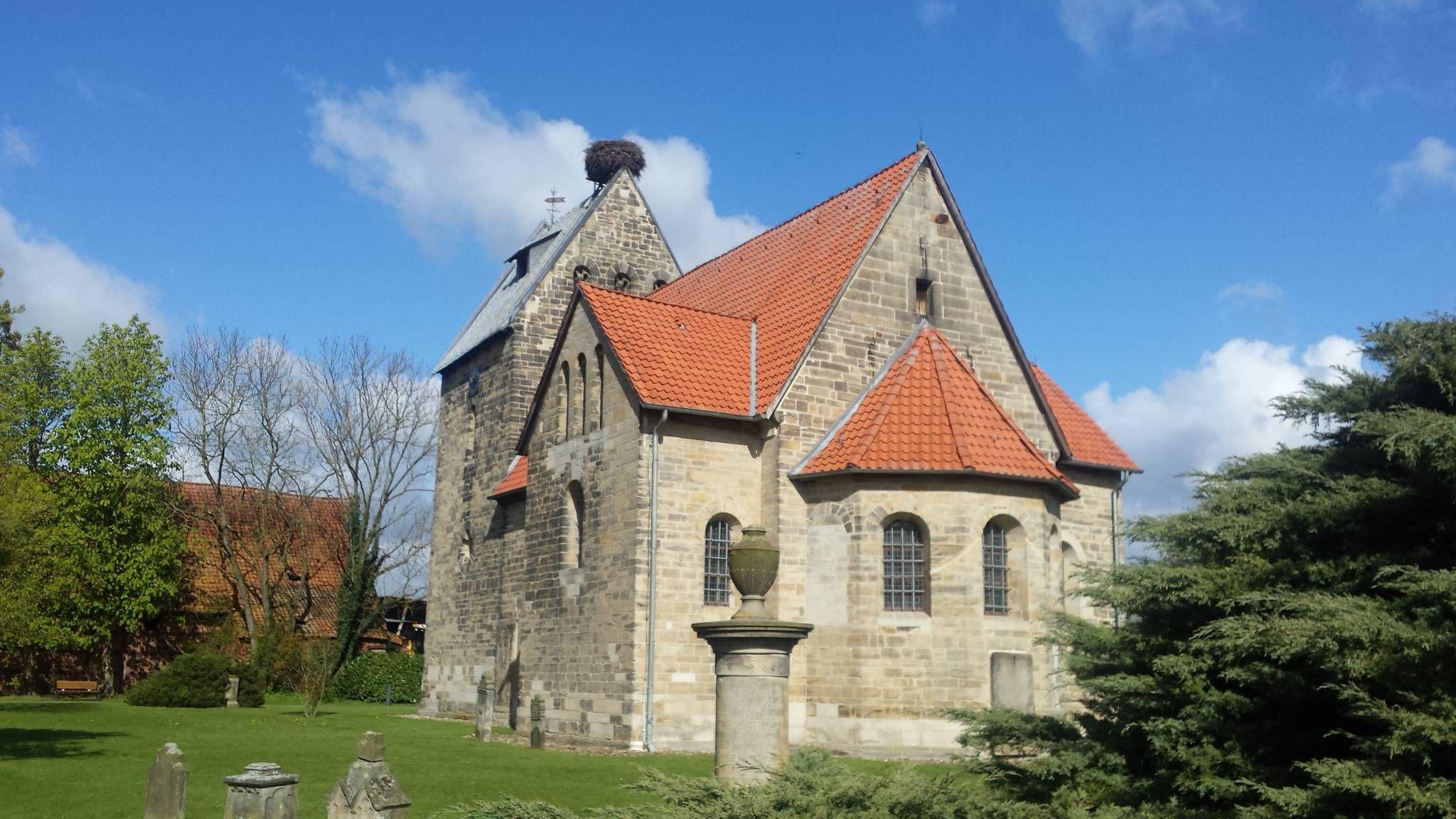
A 10-day pilgrimage in Lower Saxony – Sigwardsweg
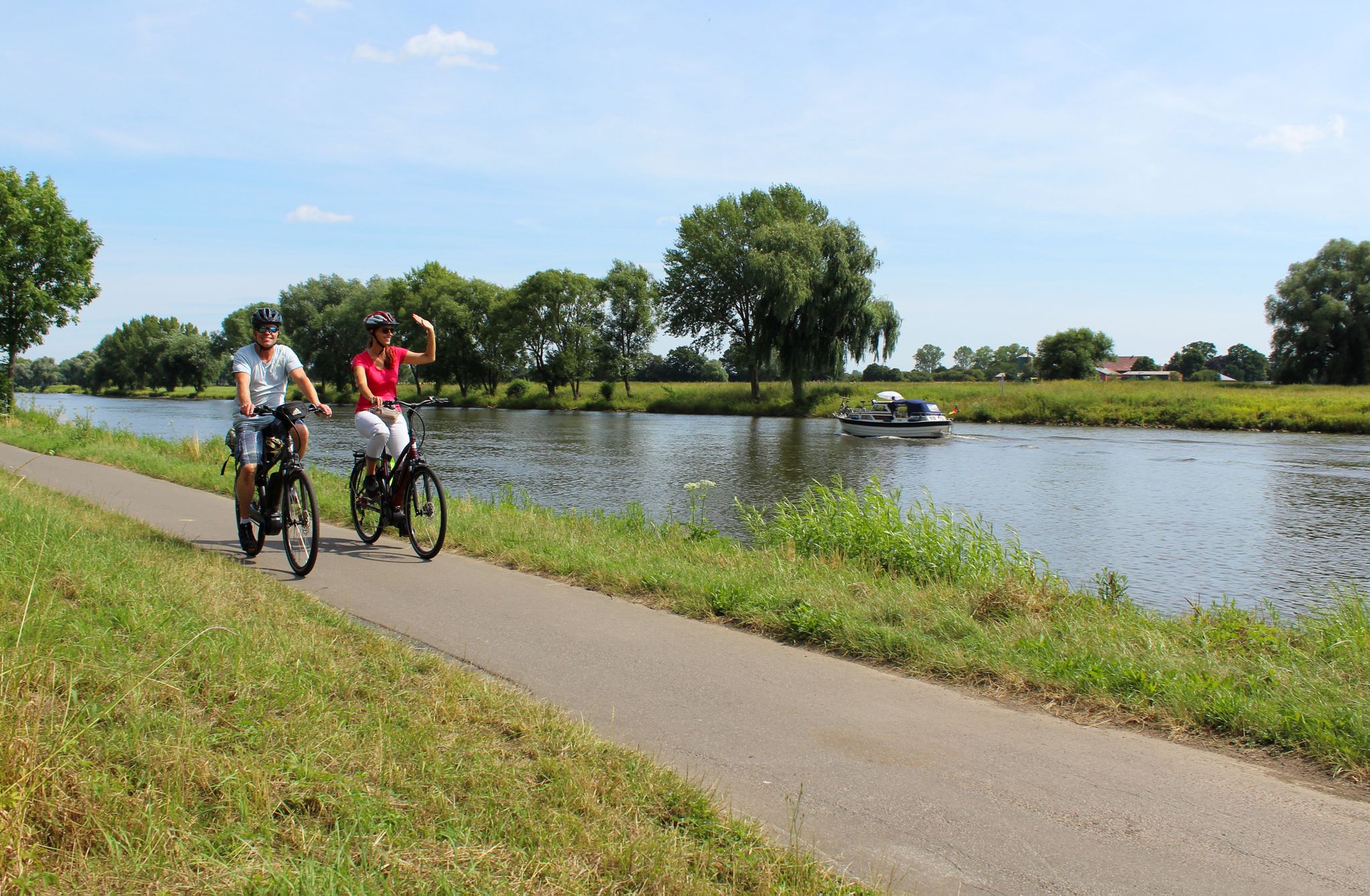
Radtouren in der Mittelweser-Region
Cycling around Petershagen
Hiking around Petershagen
Other adventures around Petershagen


Tips from the Community

The Porta Westfalica is only the real highlight through the Wesergebirge and the Wiehengebirge
11
0

In autumn you can marvel at the faded heather, the colorful and contrasting moor landscape with its many characteristic mini lakes, the so-called moor biotopes, in which the plants and tree stumps are reflected and, of course, photographed...
7
0
+++The moor adventure trail partly takes you along wooden plank paths through the varied moorland landscape. +++For the extensive view over the moor with the heights of the Wiehengebirge in the background, it is worth climbing to the observation tower (north tower) (source: https://www.teutoburgerwald.de/wandern-radfahr/in-der-natur/tour/...).
10
1
the tower goes over 3 platforms, so you have the chance to observe animals: e.g. B. Birds
6
0

After the death of Kaiser Wilhelm I, Kaiser Wilhelm monuments were commissioned in many places in Prussia. As one of the last major monuments, the personal and national monument places the emperor at the center of the nationally shaped culture of remembrance of the late 19th century, which placed the national communalization in the foreground. At the Porta Westfalica as a place that shapes the landscape, an educational program for national standardization was implemented with the Kaiser Wilhelm monument. The unification of the German Empire as a result of the Franco-Prussian War was celebrated here in the person of the Emperor.
13
0

From the viewing platform you can see parts of the surrounding mountains, a section of the Weser Valley and a southern area of the North German Plain.
9
0
The Moltketurm is an approx. 14 meter high observation tower on the Wittekindsberg near the Porta Westfalica. From its viewing platform you can see parts of the surrounding mountains, a section of the Weser Valley and a southern area of the North German Plain. The tower stands on the ridge directly on the stretch of the Witekindsweg and the European long-distance hiking trail E11.
9
1
The Wittekindsburg, which is popularly known today, is indeed a castle-like restaurant, but the true fortification, which bears the name Wittekindsburg, dates back to the Iron Age and was built over 2000 years ago. In 1893, it was decided to establish a tourist spot and hiking destination among the foundation remains of the true castle, which had long been reclaimed by nature. Shortly thereafter, a residential building was erected along with an inn and a stable. Just 5 years later, the residential building was torn down and the current building was erected in its place. This entire building complex with its half-timbering and distinctive tower, which can already be recognized very well from the surrounding valleys, is now a listed monument.
15
0
Frequently Asked Questions
What are some of the most notable natural monuments to visit around Petershagen?
Petershagen offers a variety of impressive natural monuments. You can visit the ancient Flatter-Ulme (Wych Elm) in Bierde, a designated National Heritage Tree estimated to be around 500 years old. Another significant site is the North Tower (observation tower), Großes Torfmoor, which provides extensive views over the moorland landscape and the Wiehengebirge. Don't miss the Moltke Tower (Moltketurm), offering panoramic views from the highest point of the Wittekindberg.
Are there hiking trails to explore the natural monuments in Petershagen?
Yes, Petershagen offers numerous hiking opportunities. You can find a variety of trails, including easy options like the 7.1 km 'Klostermühle Lahde – Stone snail Lahde by the lake loop' or the 6.6 km 'Petershagen Weir – Weser Lock Canal loop'. For more details and routes, explore the Hiking around Petershagen guide.
What kind of wildlife can I expect to see in the natural areas around Petershagen?
The region is particularly known for its birdlife. The Weser floodplains between Petershagen and Schlüsselburg are a designated bird sanctuary, making it an excellent spot for birdwatching. You can observe white storks, especially between April and September, and various other rare water birds. The Meerbruchwiesen Bird Sanctuary is another prime location for wildlife spotting.
Are the natural monuments around Petershagen suitable for families?
Many natural monuments and trails in Petershagen are family-friendly. For instance, the North Tower (observation tower), Großes Torfmoor, and the View of the Kaiser Wilhelm Monument are noted as family-friendly. The Stork Route, ideal for cycling and hiking, also offers an engaging experience for families to observe storks and enjoy the riverine environment.
When is the best time of year to visit the natural monuments in Petershagen?
The period between April and September is particularly recommended, especially if you are interested in birdwatching, as this is when white storks can be observed in their nests along the Stork Route. The blossoming broom heath from August to mid-September also adds to the beauty of areas like the Großes Torfmoor.
Can I bring my dog to the natural monuments and trails?
While specific rules for dogs vary by location, many outdoor areas and trails in Petershagen are generally dog-friendly. It's always advisable to keep dogs on a leash, especially in nature reserves and bird sanctuaries like the Meerbruchwiesen, to protect local wildlife. Please ensure you clean up after your pet.
Are there any wheelchair-accessible trails or viewpoints in Petershagen?
While specific wheelchair-accessible trails are not extensively detailed, some areas might offer easier access. For instance, the wooden plank paths in the Großes Torfmoor near the North Tower could provide a more accessible experience, though the tower itself might have stairs. It's best to check specific site conditions beforehand.
What other outdoor activities can I do near these natural monuments?
Beyond hiking, Petershagen is excellent for cycling. The approximately 50-kilometer Stork Route is ideal for an immersive experience in the natural habitat of white storks. You can also find various running trails, such as the 'Wegholm Mill loop' or the 'Weser Riverside View – Pond in NSG Kohbrink loop'. For more options, check out the Running Trails around Petershagen guide.
What do visitors enjoy most about the natural monuments in Petershagen?
Visitors frequently appreciate the extensive views from observation points like the North Tower and the Moltke Tower. The tranquility of the moorland landscapes, the opportunity for birdwatching, and the historical significance of ancient trees like the Flatter-Ulme are also highly valued. The region's natural beauty and diverse habitats receive over 1600 upvotes and more than 150 photos from the komoot community.
Are there any historical or cultural sites near the natural monuments?
Yes, the region blends natural beauty with historical significance. The View of the Kaiser Wilhelm Monument and the View of the Kaiser Wilhelm Monument from the Weser Bridge offer perspectives on this impressive historical landmark where the Weser River cuts through the low mountain range. The Moltke Tower is also categorized as a historical site.
Where can I find information about parking near the natural monuments?
While specific parking details for every natural monument are not provided, many popular trailheads and visitor centers in natural areas typically offer designated parking. For instance, when visiting the Meerbruchwiesen Bird Sanctuary, there are often convenient parking options near the circular paths. It's advisable to check local signage upon arrival.
What is the significance of the Flatter-Ulme in Bierde?
The Flatter-Ulme in Bierde is a highly significant natural monument, designated as a 'Nationalerbe-Baum' (National Heritage Tree). Estimated to be around 500 years old, it is one of Germany's most substantial elms, boasting an impressive trunk circumference of 8.60 meters. Its majestic appearance and resilience reflect centuries of natural history and ecological importance.
Most popular routes around Petershagen
Most popular attractions around Petershagen

Get inspired with the komoot mobile app


Explore more
Extend your search for the best caves by checking out these guides of the top ones around Petershagen:
