Top 20 Natural Monuments around Löhne
Best natural monuments around Löhne offer diverse natural features and sites of ecological and historical significance. The landscape provides opportunities to explore preserved natural heritage, including ancient trees, river confluences, and unique geological formations. The region features 9 natural monuments, providing a range of outdoor experiences. These sites contribute to the local ecosystem and offer insights into the area's natural history.
Best natural monuments around Löhne
- The most popular natural monuments is North Tower (observation tower), Großes Torfmoor, a…
Last updated: October 11, 2026
Werre-Weser Confluence
Highlight • River
Translated by Google •
Tip by

Moltke Tower (Moltketurm)
Highlight • Viewpoint
Translated by Google •
Tip by

Sign up now to discover places like this
Get recommendations on the best single tracks, peaks, & plenty of other exciting outdoor places.
North Tower (observation tower), Großes Torfmoor
Highlight • Viewpoint
Translated by Google •
Tip by

Graduation tower in Sielpark
Highlight • Monument
Not far from the location of this graduation tower, three graduation towers …
Translated by Google •
Tip by

Wittekindsburg and View over the Weser Valley
Highlight • Castle
Translated by Google •
Tip by

Sign up for free to discover even more natural monuments around Löhne.
Already have an account?
Start today with a free account
Your next adventure awaits.
Tips from the Community

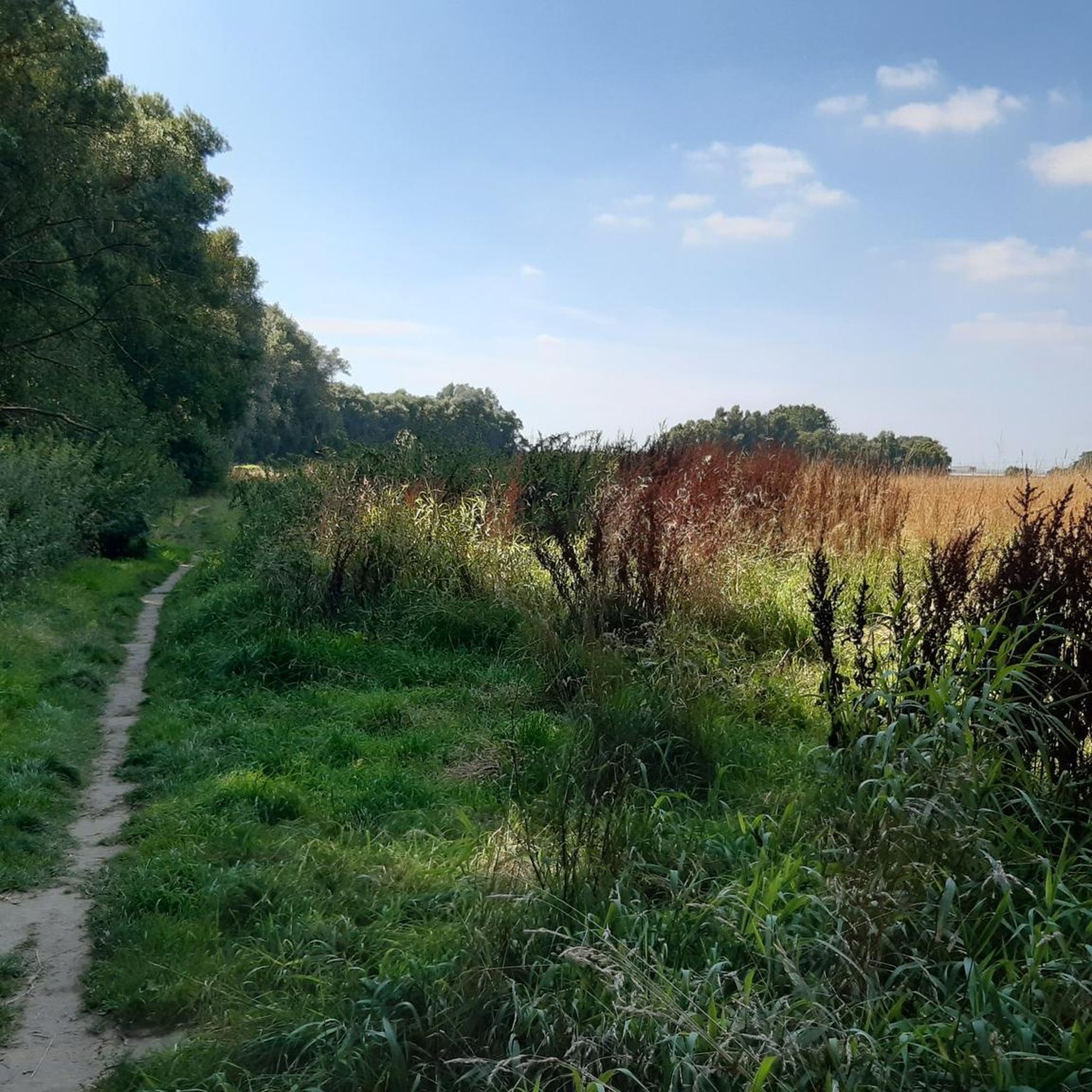
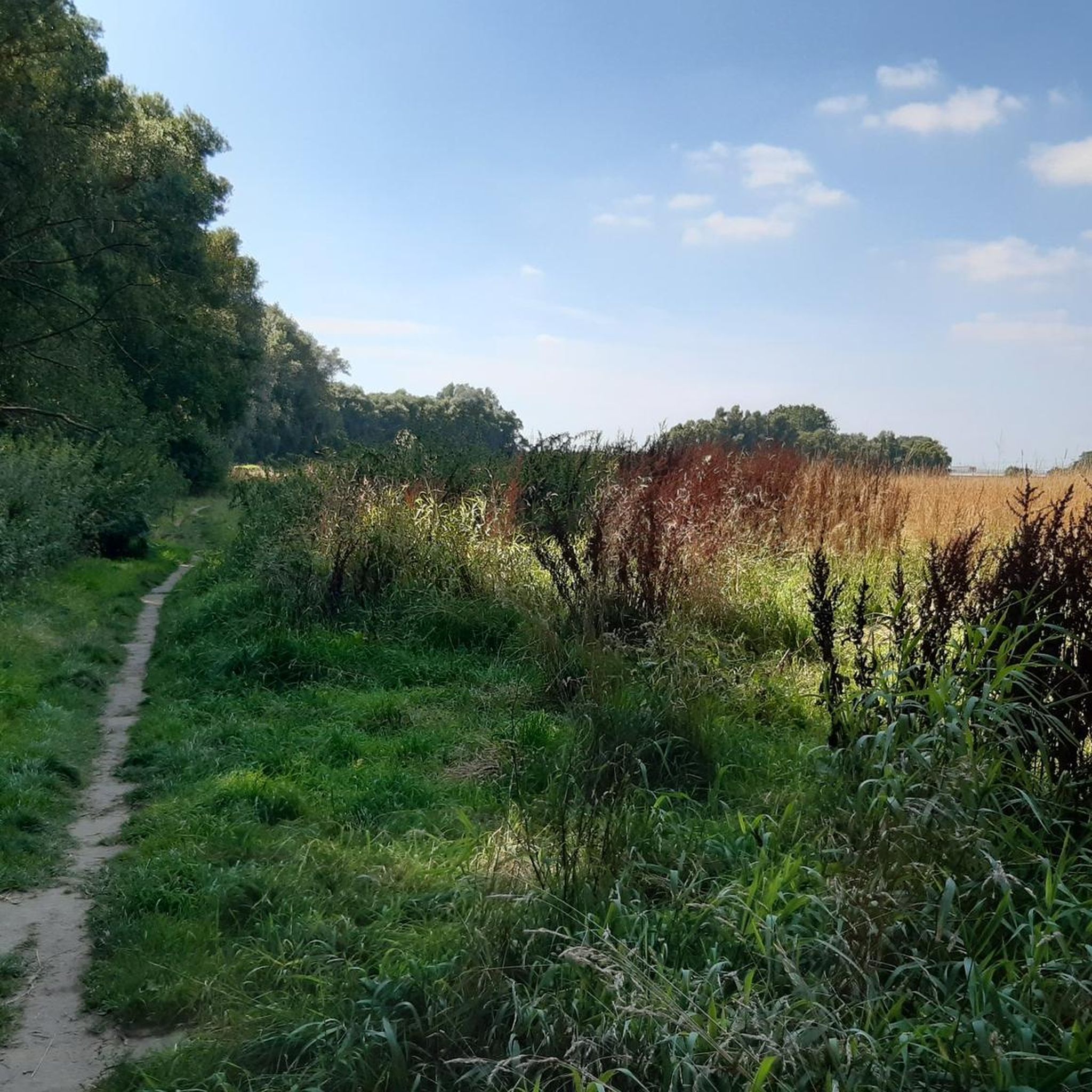
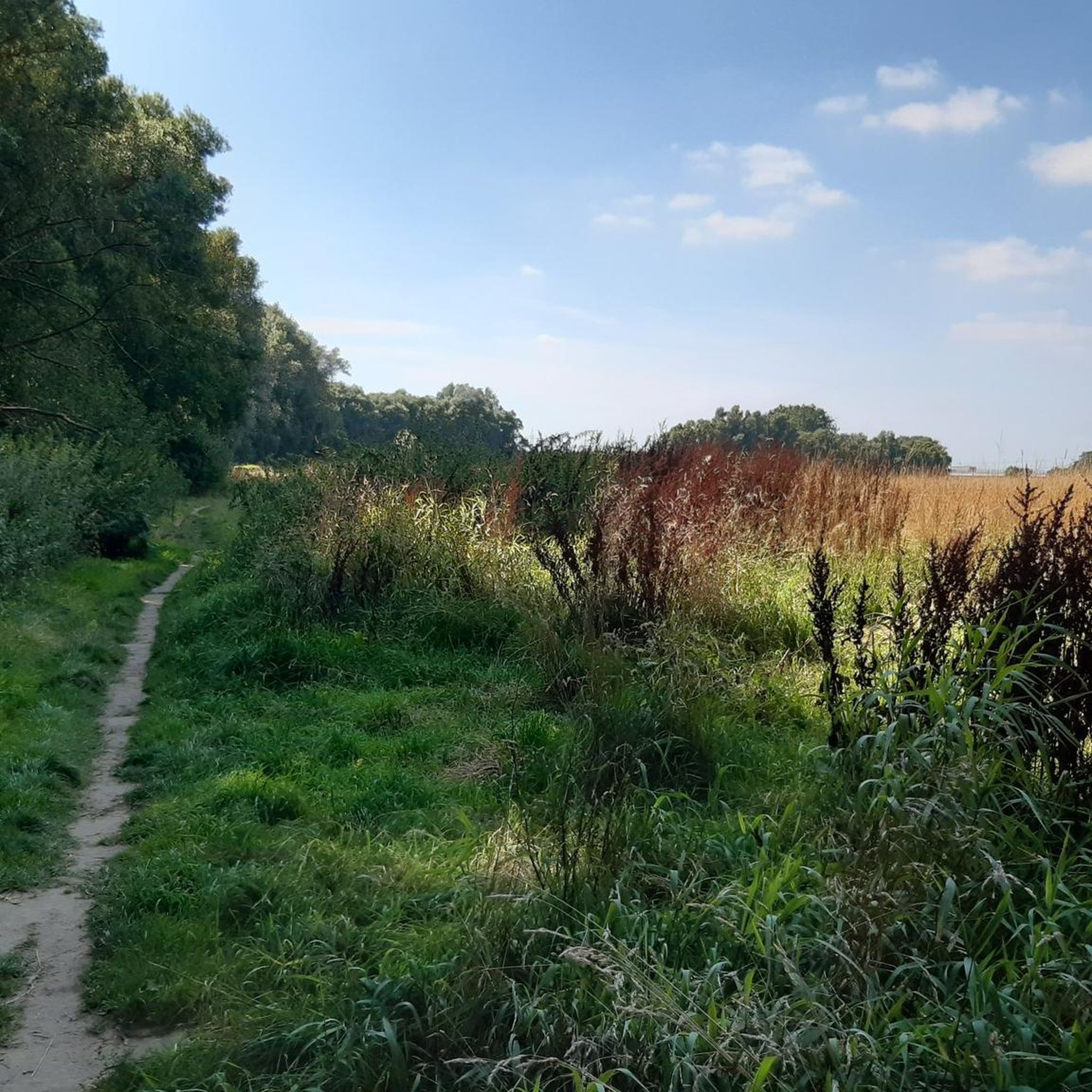
In autumn you can marvel at the faded heather, the colorful and contrasting moor landscape with its many characteristic mini lakes, the so-called moor biotopes, in which the plants and tree stumps are reflected and, of course, photographed...
7
0
+++The moor adventure trail partly takes you along wooden plank paths through the varied moorland landscape. +++For the extensive view over the moor with the heights of the Wiehengebirge in the background, it is worth climbing to the observation tower (north tower) (source: https://www.teutoburgerwald.de/wandern-radfahr/in-der-natur/tour/...).
10
1
the tower goes over 3 platforms, so you have the chance to observe animals: e.g. B. Birds
6
0

Newly built in 1989/90; is reminiscent of the salt tradition of Bad Oeynhausen and serves as. Open-air inhalatorium. Not far from the location of this graduation tower, three graduation towers were built by 1932/33 and 1939/40, which were essential parts of the "Neusalzwerk" saltworks, which were founded in the middle of the 18th century and closed in 1928 and have also been used as a spa treatment since the spa was founded in 1845 were used. At the turn of the 19th century, around 50,000 hundredweight of salt were boiled in the saltworks every year.
11
0

From the viewing platform you can see parts of the surrounding mountains, a section of the Weser Valley and a southern area of the North German Plain.
9
0
The Moltketurm is an approx. 14 meter high observation tower on the Wittekindsberg near the Porta Westfalica. From its viewing platform you can see parts of the surrounding mountains, a section of the Weser Valley and a southern area of the North German Plain. The tower stands on the ridge directly on the stretch of the Witekindsweg and the European long-distance hiking trail E11.
9
1
The Wittekindsburg, which is popularly known today, is indeed a castle-like restaurant, but the true fortification, which bears the name Wittekindsburg, dates back to the Iron Age and was built over 2000 years ago. In 1893, it was decided to establish a tourist spot and hiking destination among the foundation remains of the true castle, which had long been reclaimed by nature. Shortly thereafter, a residential building was erected along with an inn and a stable. Just 5 years later, the residential building was torn down and the current building was erected in its place. This entire building complex with its half-timbering and distinctive tower, which can already be recognized very well from the surrounding valleys, is now a listed monument.
15
0
The Wittekindsburg service station offers hikers a good stop to take a breather. In addition, from the Wittekindsburg you have a wonderful view of the flowing valley with the Costedter ponds.
12
0
Frequently Asked Questions
What natural features can I explore around Löhne?
The Löhne area offers a variety of natural features, including river confluences like the Werre-Weser Confluence, ancient tree-lined avenues such as the Ulenburger Allee, and unique moorland landscapes visible from the North Tower (observation tower), Großes Torfmoor. You can also find historical sites integrated into the natural environment, like the Hünengrab Steinfeld.
Are there any historical natural monuments in the Löhne area?
Yes, several natural monuments in the region have historical significance. The Moltke Tower (Moltketurm) is a historical viewpoint offering expansive views. The Ulenburger Allee, with trees over 200 years old, connects a historic moated castle and a former knight's seat. Additionally, the Hünengrab Steinfeld features Neolithic passage graves, showcasing ancient human interaction with the landscape.
What are some unique natural monuments to visit in Löhne?
Beyond typical natural formations, you can visit the Graduation tower in Sielpark, a replica structure used for outdoor inhalation, providing fresh, salt-filled air. The Ulenburger Allee is unique for its ancient, protected trees forming a 2,700-meter-long avenue, serving as a vital wildlife corridor. The Werre-Weser Confluence offers a picturesque meeting point of two rivers, popular for cycling and enjoying views.
Are the natural monuments around Löhne suitable for families?
Many natural monuments in Löhne are family-friendly. The Graduation tower in Sielpark is noted as family-friendly, offering a unique experience. The North Tower (observation tower), Großes Torfmoor, provides an opportunity to learn about the bog via wooden paths, which can be engaging for children. The Werre-Weser Confluence also offers easy bike paths suitable for family outings.
Can I visit the natural monuments around Löhne with my dog?
Generally, natural areas and trails around Löhne are dog-friendly, but it's always recommended to keep dogs on a leash, especially in nature reserves like the Rehmerloh-Mennighüffer Mühlenbach, to protect local wildlife. Many walking and cycling paths near monuments like the Ulenburger Allee or the Werre-Weser Confluence are suitable for walks with your dog.
Are there any wheelchair-accessible natural monuments in Löhne?
The Graduation tower in Sielpark is specifically listed as wheelchair-accessible, making it a great option for visitors with mobility needs. While other natural monuments might have varying terrain, this site offers a guaranteed accessible experience.
What is the best time of year to visit the natural monuments around Löhne?
The natural monuments around Löhne can be enjoyed year-round, but each season offers a different experience. Spring and summer are ideal for lush greenery, wildlife spotting, and outdoor activities. For example, the blossoming broom heath around the North Tower (observation tower), Großes Torfmoor is particularly beautiful from August to mid-September. Autumn brings vibrant foliage, while winter can offer serene, frosty landscapes, though some paths might be less accessible.
What outdoor activities can I do near the natural monuments in Löhne?
The region around Löhne is excellent for various outdoor activities. You can find numerous running trails, such as the 'Pond in Sielpark – Werre Floodplain loop' or the 'Löhne Community Forest loop'. For hiking, options include the 'Sieke Valley – Manor watermill in the Sieker Valley loop' and the 'Ulenburg Castle – Ulenburg Beech Forest loop'. Cycling is also popular, with routes like the 'Else-Werre cycle path' and 'On the Werre in Löhne'. You can explore more routes on the respective guide pages for Running Trails around Löhne, Hiking around Löhne, and Cycling around Löhne.
Are there specific hiking trails that include natural monuments?
Yes, several hiking routes allow you to experience the natural monuments. For instance, the 'Ulenburg Castle – Ulenburg Beech Forest loop' is an easy 5.8 km hike that takes you through the historic Ulenburger Allee. The 'Werre Floodplain – Pond in Sielpark loop' is a moderate 14.6 km hike that can bring you close to the Graduation tower in Sielpark. You can find more hiking options on the Hiking around Löhne guide page.
Where can I find parking near the natural monuments?
Parking availability varies by location. For popular sites like the Graduation tower in Sielpark or the Werre-Weser Confluence, you can often find designated parking areas nearby. For more remote natural monuments or starting points for trails, it's advisable to check local signage or online maps for specific parking information before your visit.
What kind of wildlife can I spot around Löhne's natural monuments?
The natural monuments and surrounding areas are home to diverse wildlife. The Ulenburger Allee, with its ancient trees, is a significant habitat for various animal species, including bats, long-eared owls, tawny owls, and pied flycatchers. Nature reserves like Rehmerloh-Mennighüffer Mühlenbach also protect local flora and fauna, offering opportunities for birdwatching and observing other small animals in their natural environment.
Most popular routes around Löhne
Most popular attractions around Löhne

Get inspired with the komoot mobile app


Explore more
Extend your search for the best caves by checking out these guides of the top ones around Löhne:
