Top 20 Natural Monuments around Knittlingen
Best natural monuments around Knittlingen, a town in the Enzkreis district of Baden-Württemberg, Germany, offer diverse natural attractions. The region is characterized by its location at the transition of the Kraichgau and Stromberg areas. Notable features include the Weissacher Tal nature reserve, known for its unique floodplain meadows and remnant moorland. Knittlingen officially protects 16 natural monuments, providing varied opportunities for outdoor exploration.
Best natural monuments around Knittlingen
- The most popular natural monuments is Katzenbachsee, a lake that offers…
Last updated: August 17, 2026
Rock Gardens Mühlhausen
Highlight • Natural Monument
Translated by Google •
Tip by

Ehmetsklinge Reservoir
Highlight • Lake
Translated by Google •
Tip by

Sign up now to discover places like this
Get recommendations on the best single tracks, peaks, & plenty of other exciting outdoor places.
Sign up for free
West shore of Aalkistensee
Highlight • Lake
Translated by Google •
Tip by

Katzenbachsee
Highlight • Lake
Showing Translation
Tip by

Lake Kraich
Highlight • Lake
Translated by Google •
Tip by

Sign up for free to discover even more natural monuments around Knittlingen.
Sign up for free
Already have an account?
Start today with a free account
Your next adventure awaits.
Login or Signup
Popular around Knittlingen
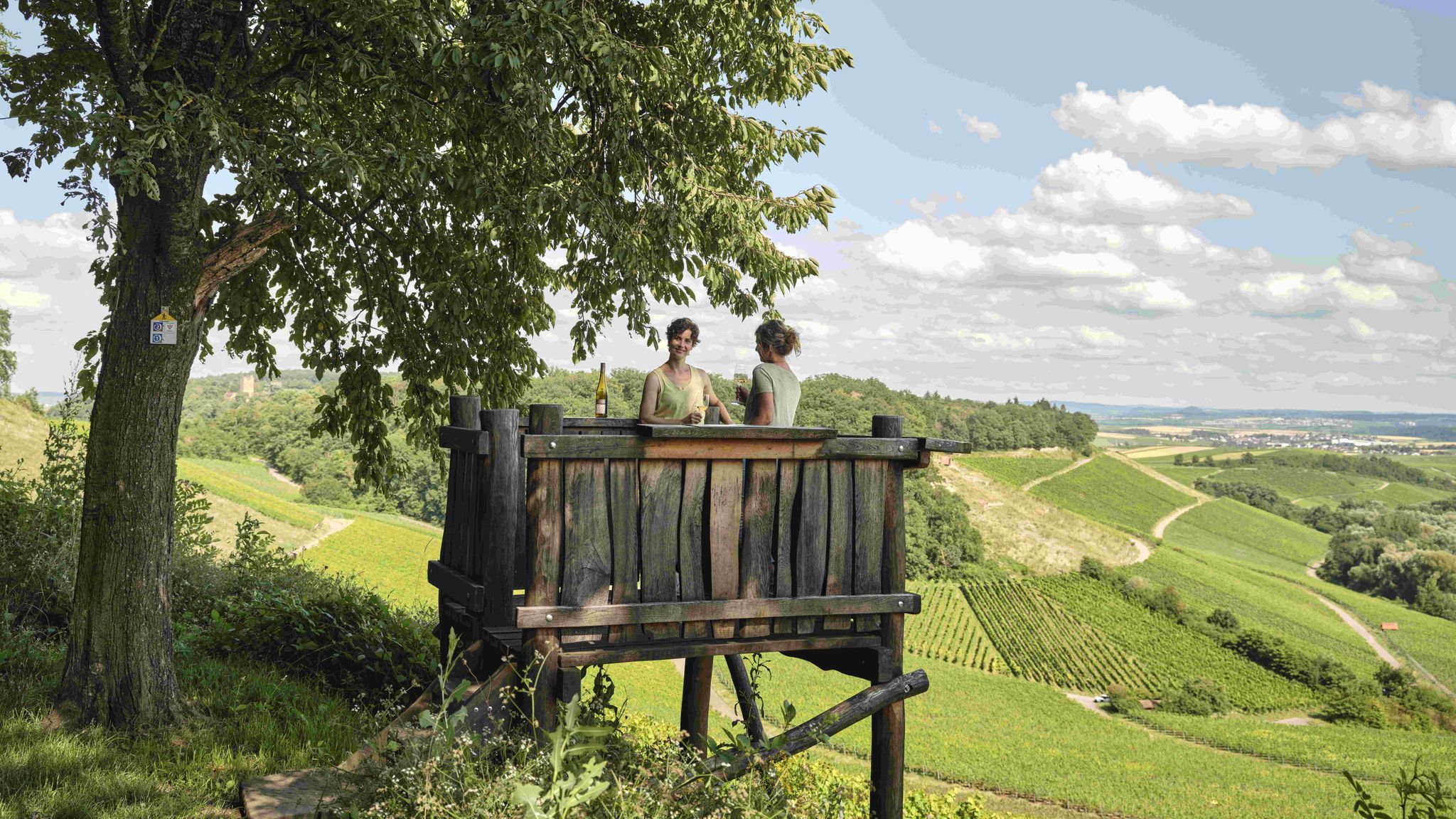
Genusswandern: Auf Wein(wander)wegen durch das Land der 1000 Hügel
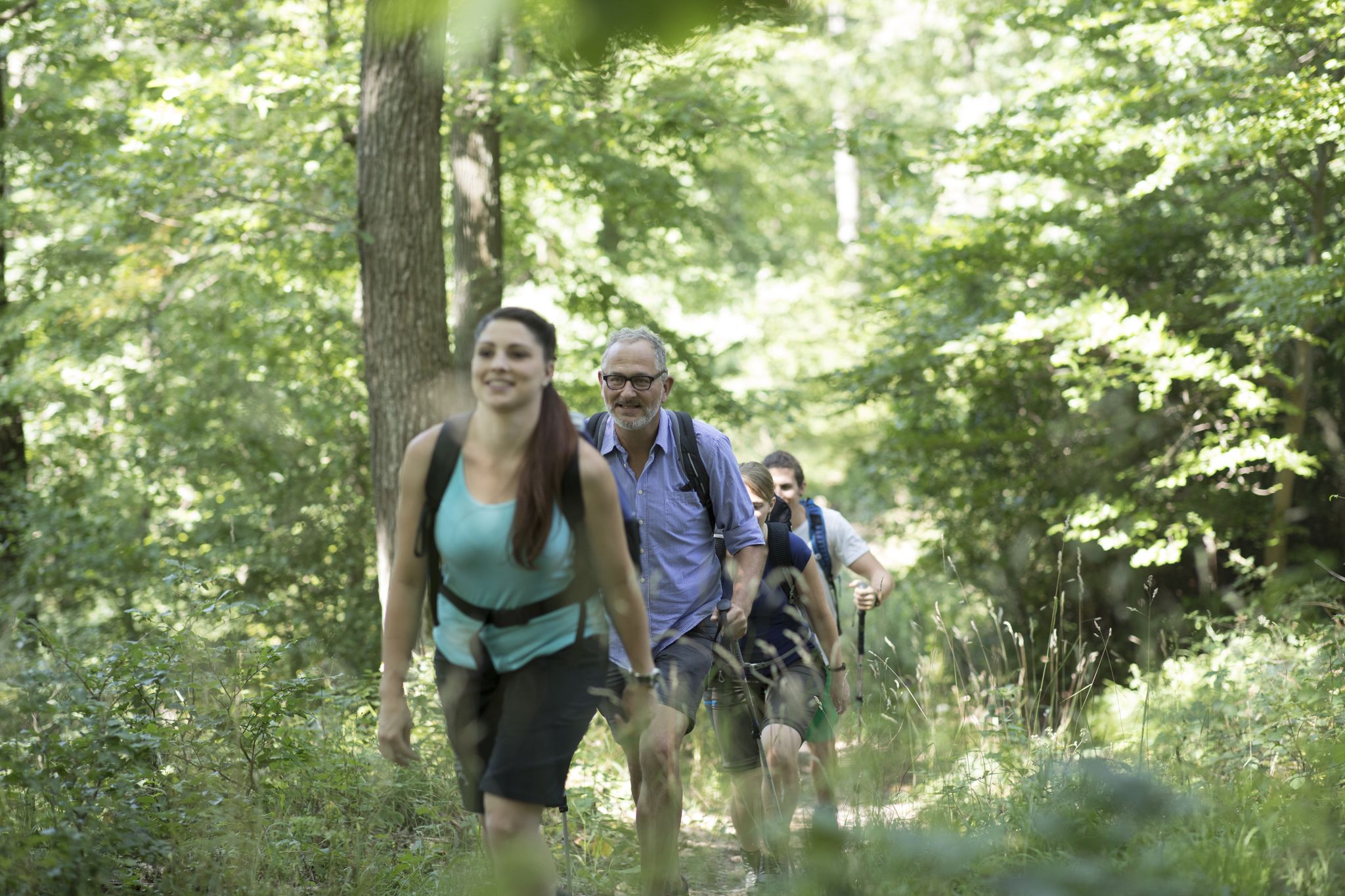
Wander3Klänge: Einfach Los Wandern im Naturpark Stromberg-Heuchelberg
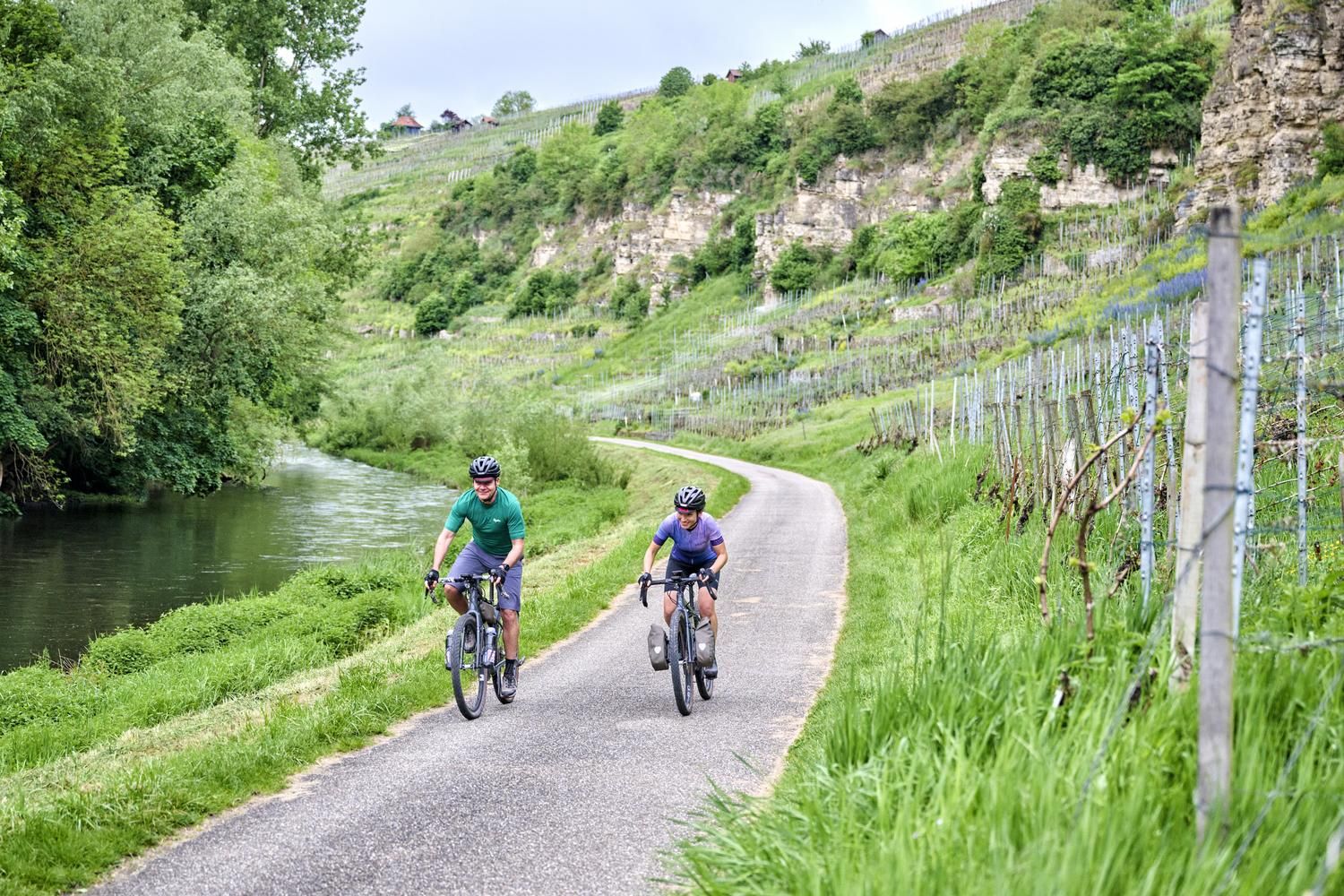
Erfrischend anders: wassernah radeln im Land der 1000 Hügel
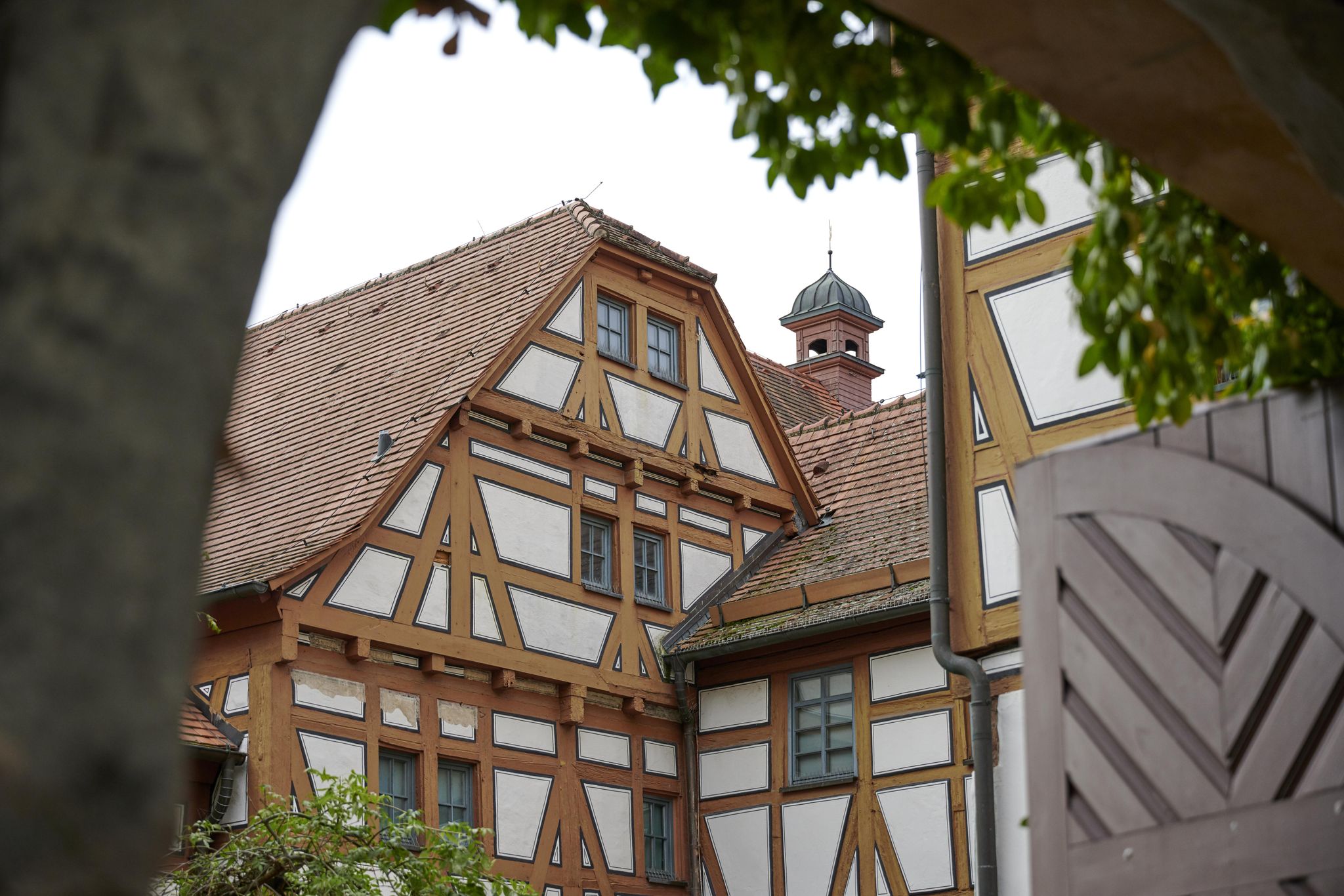
Das Land der 1000 Hügel mit der Buslinie 702 entdecken
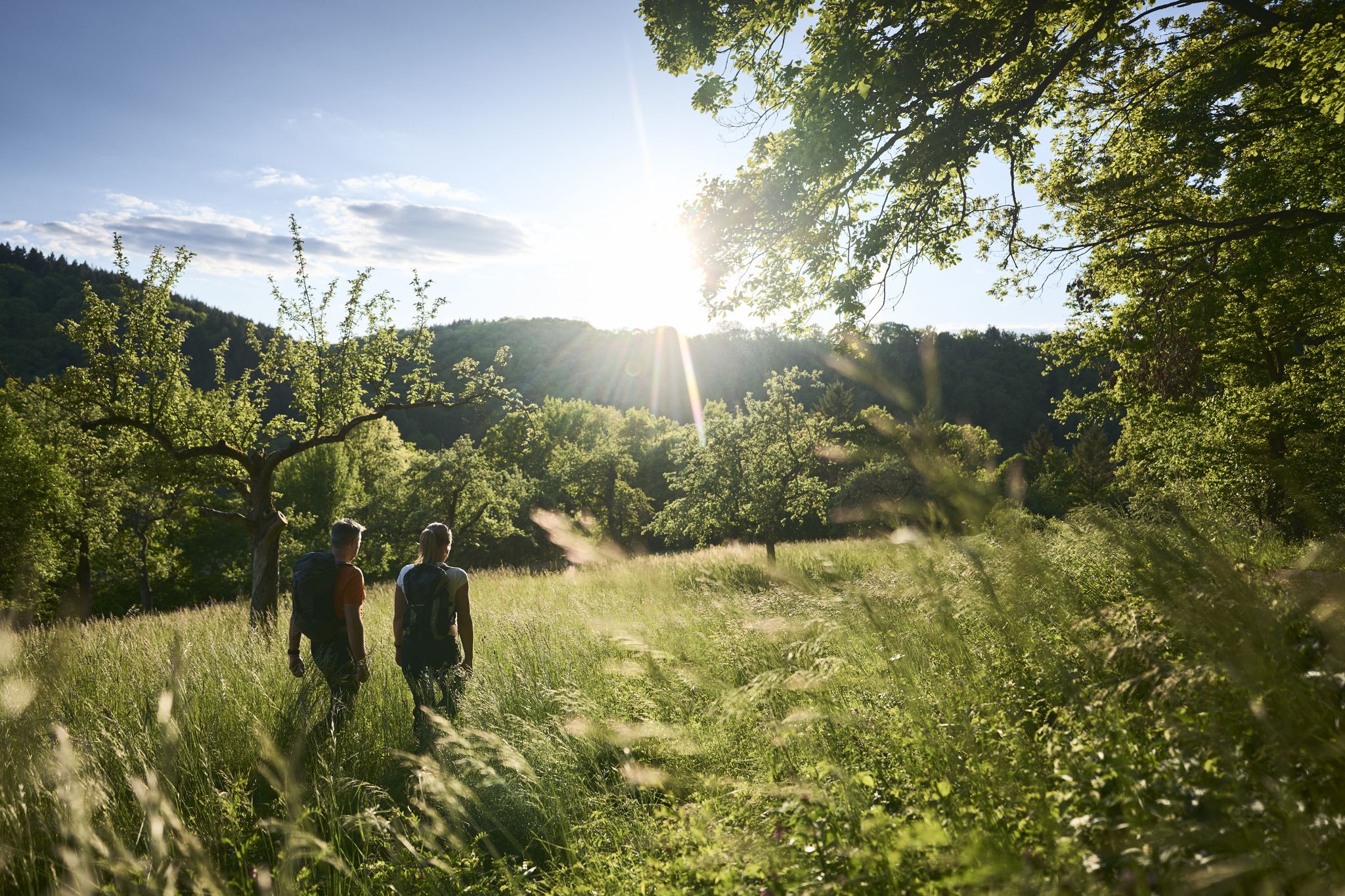
Zu Fuß durchs Land der 1000 Hügel
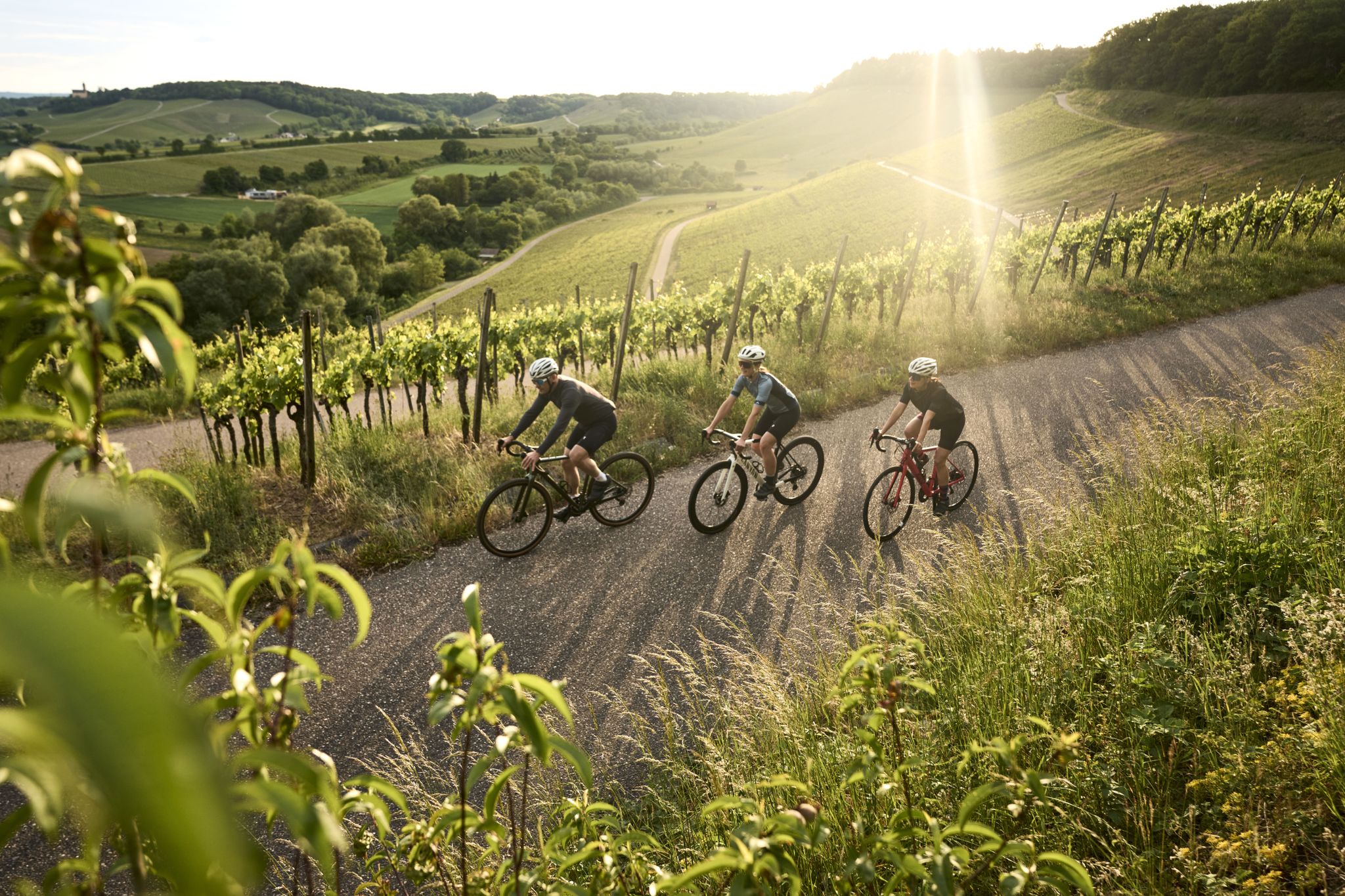
Tritt für Tritt durchs Land der 1000 Hügel
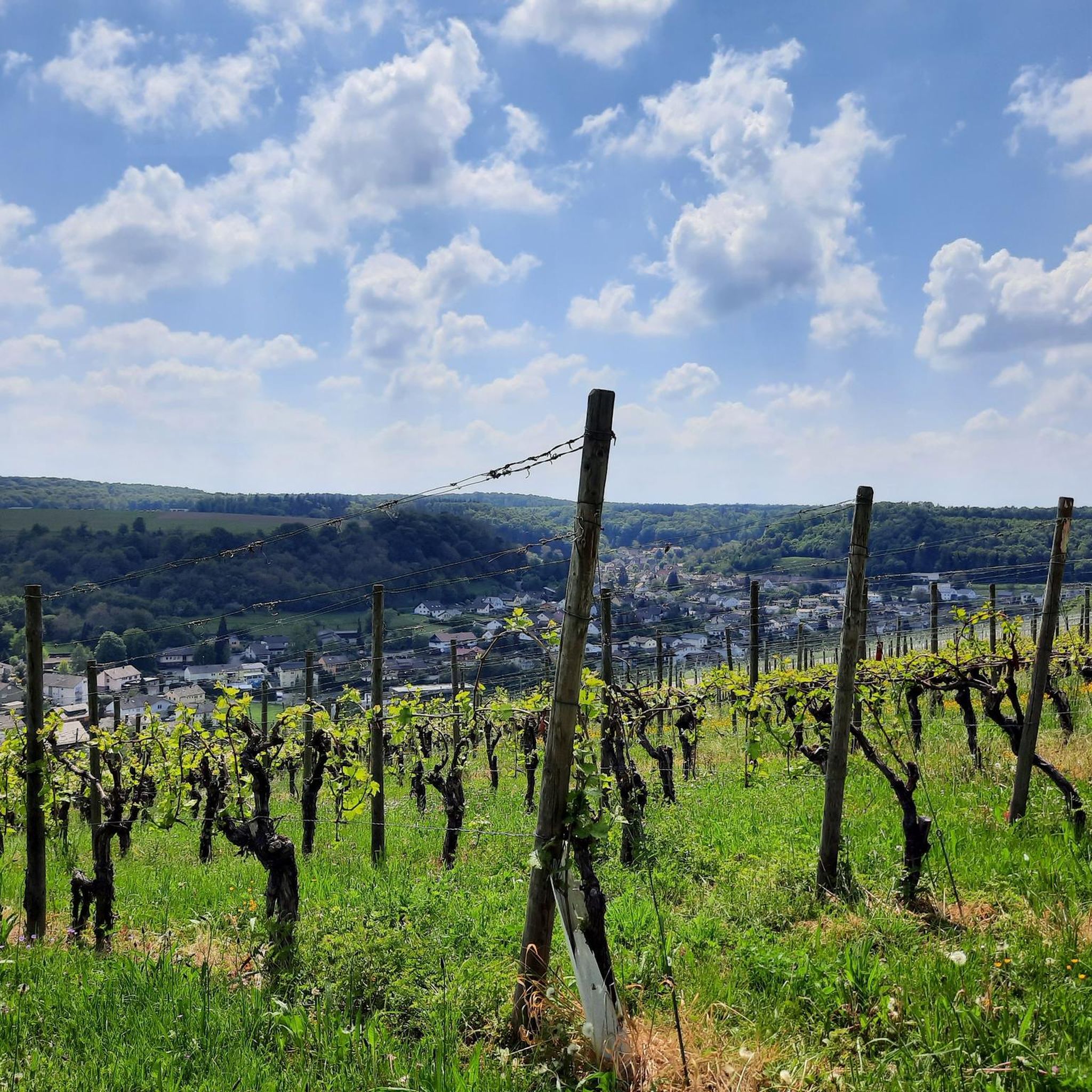
Hiking around Knittlingen
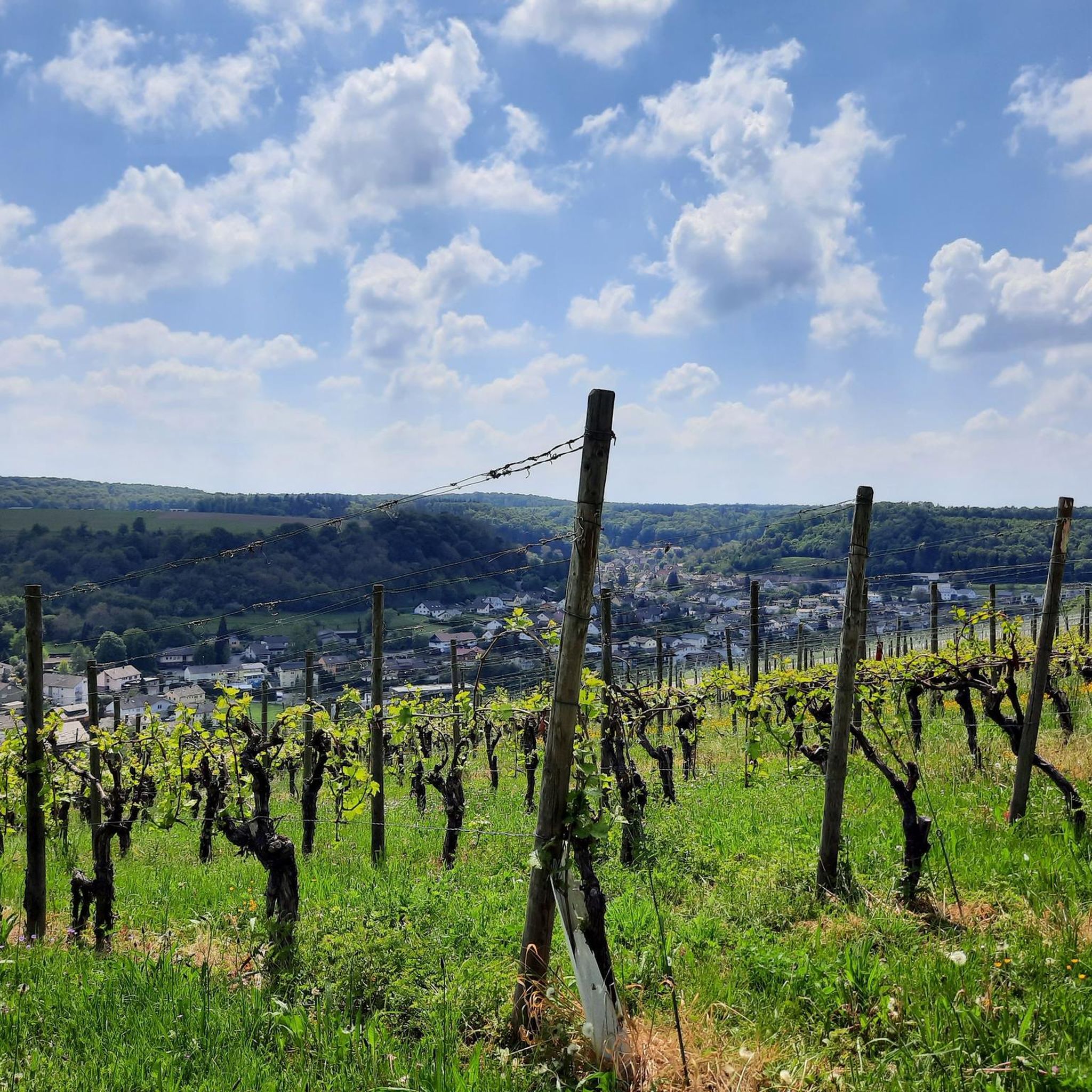
Cycling around Knittlingen
Road Cycling Routes around Knittlingen

Gravel biking around Knittlingen
Other adventures around Knittlingen

Tips from the Community

Others go on holiday to see something like this
4
0
Mühlhausen and Rosswag, it is indescribable
6
1


The Aalkistensee nature reserve extends over the entire surface of the lake and beyond. The area stretches east along the Salzach to the federal highway 35; in the south to the railway line of the Westbahn. The 50.5 hectare area (protected area number 2,042) was placed under protection by decree of December 21, 1979 and is assigned to the natural area of the Kraichgau and Stromberg-Heuchelberg. The conservation of the lake with the various wetlands and hillside zones surrounding it in their uniqueness, diversity and beauty was named as an essential protective purpose, whereby the worthiness of protection, in addition to the supra-regional importance as a breeding and resting place for birds and as amphibian spawning waters, is based on the importance of the area as a Habitat of species-rich plant and animal communities and the importance of the lake as the location of large reed beds, in its shore area as a growth site for endangered plant species such as tambourine and marsh groundsel.
5
1

beautifully situated lake, which can only be easily reached on foot or by bike
5
0

The Aalkistensee was created by monks. It is always a magnet for visitors.
4
1

The lake is primarily used for flood protection on the Zaber. In summer, swimmers and other people looking for relaxation visit the lake with its bathing beach; Anglers can catch pike, zander and perch there, as well as rainbow trout, carp, tench, bream, catfish and eel. Sailing and motor boating, on the other hand, are prohibited on the lake. Walking and hiking trails of different lengths touch the Ehmetsklinge, including a 6.5 km long circular lake trail, which also connects it with the Katzenbachsee, which is almost 2 km to the east. A forest and tree as well as a wine educational trail also run near the lake. There are some inns by the lake. In May 2009, the new nature park center of the Stromberg-Heuchelberg nature park opened its doors on the lake shore. The lake was created between 1968 and 1970, inaugurated in June 1970 with a lake festival, and expanded in 2000 and 2001. EnBW, the operating company of the Neckarwestheim nuclear power plant, initiated the enlargement of the lake; Low water in the Neckar during the summer and legal requirements had previously led to a lack of cooling water in the reactor at this time of year, which now hardly ever occurs. In the north-eastern area near the dam it has a fairly constant width of around 250m, further up it branches into two peaks that reach into the valleys of Zaber in the south-west and Ehmehtsklingenbach in the west and reaches its greatest length of around 600m at the tributary of the latter. With normal traffic jams, the surface of the lake is 232m above sea level. NN. The expansion increased the crest height of the dam structure on the air side from 12.50m to 15.05m, the crest length of the dam from 320.50m to 335.50m, the water depth from 4.80m to up to 8m with permanent waterlogging, the water area from 7, 3ha to 13.8ha, the storage volume from 190,000m³ to 590,000m³. Annually from August 15th to December 31st, the Neckar can now be supplied with an additional volume of water of up to 400,000 cubic meters via the Zaber to compensate for the evaporation caused by the operation of some thermal power plants on its banks, but the flood protection in Zabergäu and the Increasing the water level in case of low water in the Zaber. During the expansion, around 10 hectares of arable land were converted into meadows, trees and shrubs were planted and the front dam was designated as a biotope. The costs for this and for a number of other measures were borne by the operators of a number of thermal power plants on the Neckar under the management of the Neckarwestheim nuclear power plant.
10
0

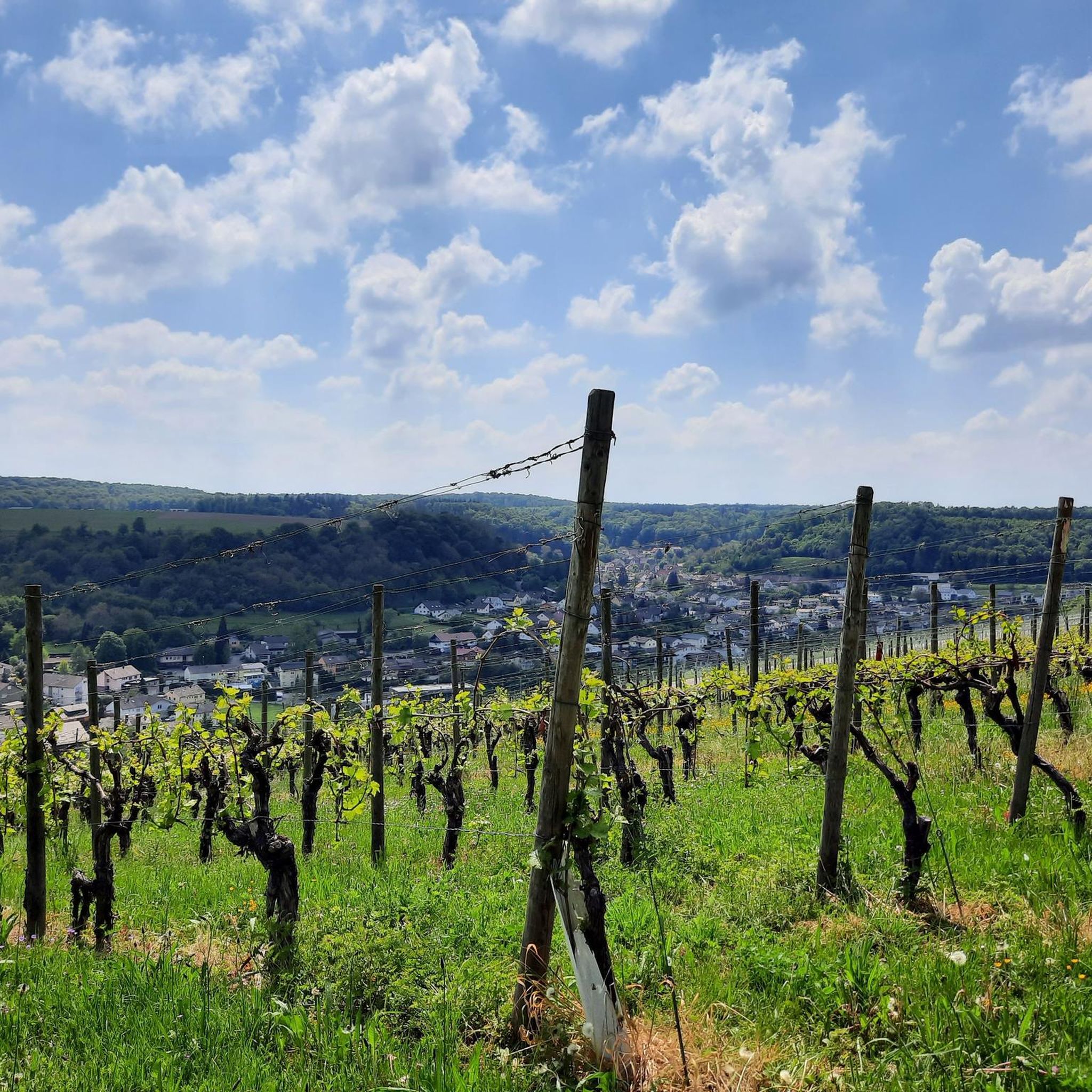
The Mühlhausen rock gardens have been designated as a nature reserve since 2012.
6
0
Frequently Asked Questions
What are some of the most popular natural monuments to visit around Knittlingen?
Visitors frequently enjoy the serene atmosphere of Katzenbachsee, which offers a circular path, kiosk, and bathing beach. Another favorite is Ehmetsklinge Reservoir, known for its clear water, pedal boat rentals, and barbecue hut, perfect for family outings and swimming.
Are there family-friendly natural monuments in the Knittlingen area?
Yes, several natural monuments are ideal for families. Both Katzenbachsee and Ehmetsklinge Reservoir offer amenities like bathing areas, kiosks, and space for recreation. The West shore of Aalkistensee also provides a peaceful setting for a short break with family.
What kind of natural features can I expect to see among Knittlingen's natural monuments?
The natural monuments around Knittlingen primarily feature beautiful lakes and unique ecological areas. You'll find tranquil lakes like Lake Kraich, which is completely surrounded by forest, and the distinctive Rock Gardens Mühlhausen, a nature reserve with blooming fruit trees and vibrant vines on steep slopes.
What outdoor activities can I do near the natural monuments around Knittlingen?
The region offers extensive opportunities for outdoor activities. You can explore numerous hiking and cycling routes that often lead past these natural sites. For specific cycling adventures, consider the Gravel biking routes around Knittlingen, MTB Trails around Knittlingen, or Road Cycling Routes around Knittlingen.
Are there specific hiking trails that pass through or near these natural monuments?
Yes, many hiking trails are available. For instance, the Weissacher Tal nature reserve, east of Knittlingen, has numerous hiking routes that allow visitors to experience its natural beauty. You can find detailed routes and inspiration in the Gravel biking around Knittlingen guide, which also includes paths suitable for walking.
What is the Weissacher Tal nature reserve, and why is it significant?
The Weissacher Tal is a significant nature reserve east of Knittlingen, known for preserving unique floodplain meadows and remnant moorland areas, which are rare in the Kraichgau region. It's a biodiversity hotspot and part of the larger FFH-Gebiet (Fauna-Flora-Habitat area) Nr. 7018-341 Stromberg, making it important for European ecological networks. It offers tranquil trails for nature enthusiasts.
When is the best time to visit the natural monuments in Knittlingen?
The natural monuments can be enjoyed throughout the year. Spring offers blooming fruit trees, especially around the Rock Gardens Mühlhausen, while autumn showcases vibrant vines. Summer is ideal for swimming and water activities at lakes like Katzenbachsee and Ehmetsklinge Reservoir. Even in winter, places like the West shore of Aalkistensee offer peaceful breaks.
What kind of wildlife can be observed in the natural monuments around Knittlingen?
The Weissacher Tal nature reserve, with its floodplain meadows and moorland, is a biodiversity hotspot, providing habitats for diverse flora and fauna. While specific species are not detailed, such protected areas typically support various birds, insects, and small mammals adapted to wetland and meadow environments. Observing wildlife often requires patience and quiet exploration.
Are there any cafes or restaurants near the natural monuments for refreshments?
Yes, some natural monuments offer amenities. For example, Ehmetsklinge Reservoir has a lakeside kiosk and a small restaurant, catering to visitors' culinary needs. Katzenbachsee also features a kiosk with catering and sanitary facilities.
What makes the natural monuments around Knittlingen unique?
Knittlingen's natural monuments are unique due to their diverse landscape, situated at the transition of the Kraichgau and Stromberg regions. The area protects rare floodplain meadows and moorland in the Weissacher Tal, alongside 16 officially designated natural monuments that include significant trees, rock formations, and ecologically valuable small areas. This combination offers a distinctive natural experience.
Can I find circular walks or trails around the natural monuments?
Yes, circular paths are available. Katzenbachsee, for instance, features a circular path around the lake. The Weissacher Tal also offers scenic loop trails, ideal for moderate hikes, allowing visitors to fully immerse themselves in the natural beauty of the area.
Most popular routes around Knittlingen
Most popular attractions around Knittlingen

Get inspired with the komoot mobile app


Explore more
Extend your search for the best caves by checking out these guides of the top ones around Knittlingen:
