Top 20 Natural Monuments around Flöha
Best natural monuments around Flöha are located in the scenic Ore Mountains of Saxony, Germany. This region features natural beauty, geological interest, and historical significance, shaped by centuries of mining. The Flöha River flows through a picturesque valley, contributing to the diverse landscape. The area offers various natural features for exploration, including rivers, viewpoints, and historical sites.
Best natural monuments around Flöha
- The most popular natural monuments is Braunsdorf Weir, a river feature that provides a resting place to…
Last updated: July 8, 2026
Braunsdorf Weir
Highlight • Structure
The coffee racer is on tour again, Saturdays and Sundays from 11 a.m. to 5 p.m. at …
Translated by Google •
Tip by

Kunnerstein
Highlight • Mountain Hut
Translated by Google •
Tip by

Sign up now to discover places like this
Get recommendations on the best single tracks, peaks, & plenty of other exciting outdoor places.
Sign up for free
Confluence of the Zschopau and Flöha Rivers
Highlight • River
Translated by Google •
Tip by

Rose Garden
Highlight • Natural
Translated by Google •
Tip by

Bastei viewpoint overlooking the Hetzdorf Viaduct
Highlight • Viewpoint
Translated by Google •
Tip by

Sign up for free to discover even more natural monuments around Flöha.
Sign up for free
Already have an account?
Start today with a free account
Your next adventure awaits.
Login or Signup
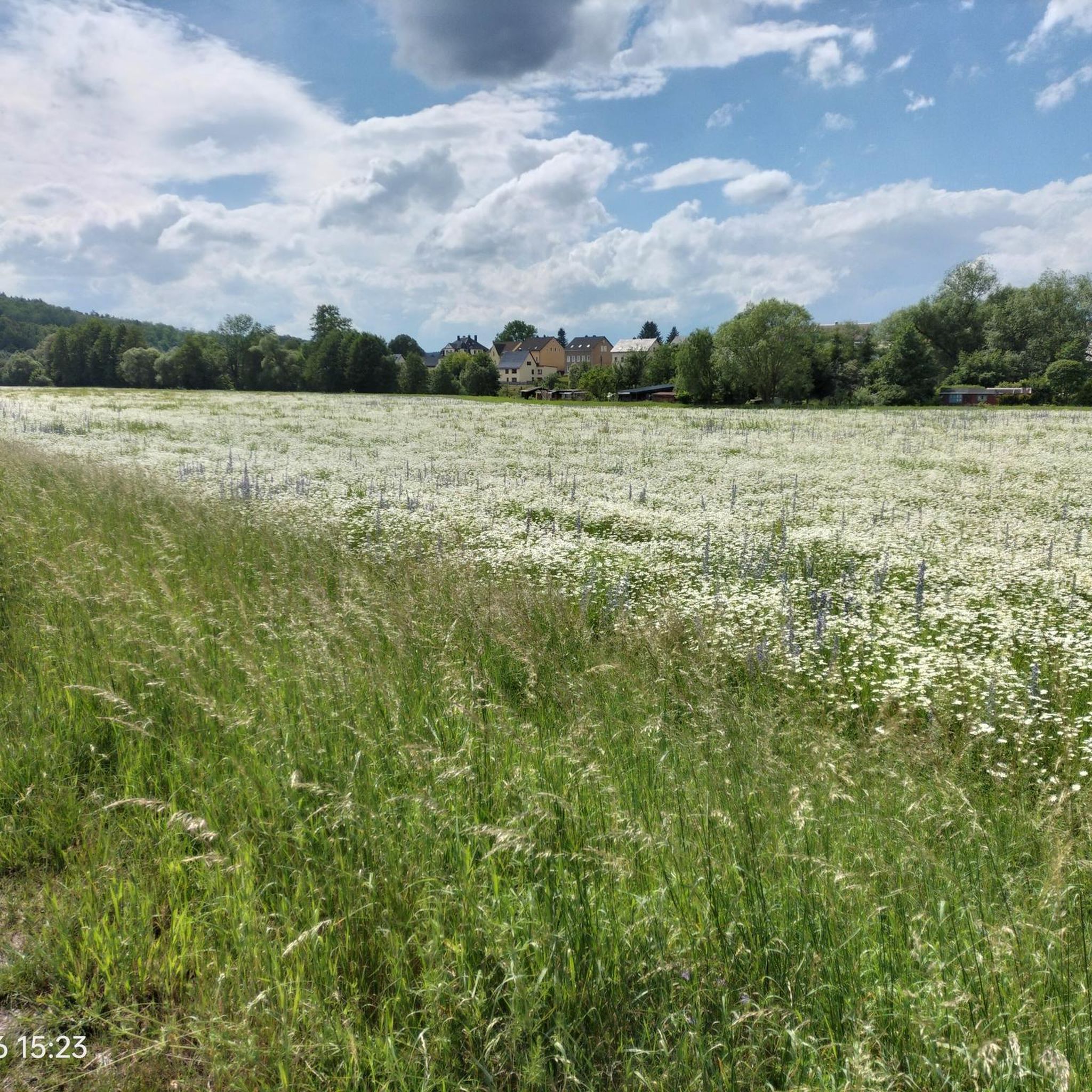
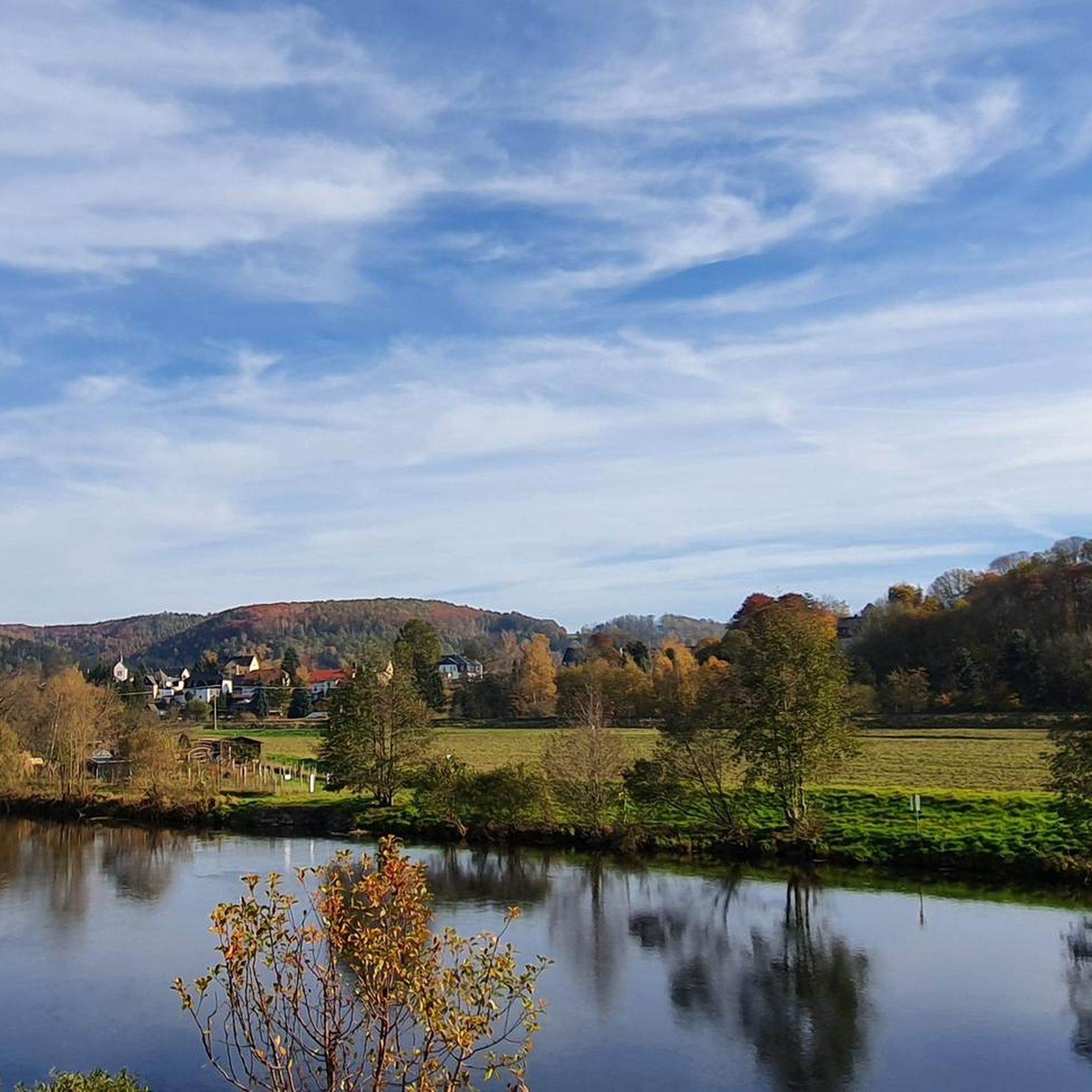
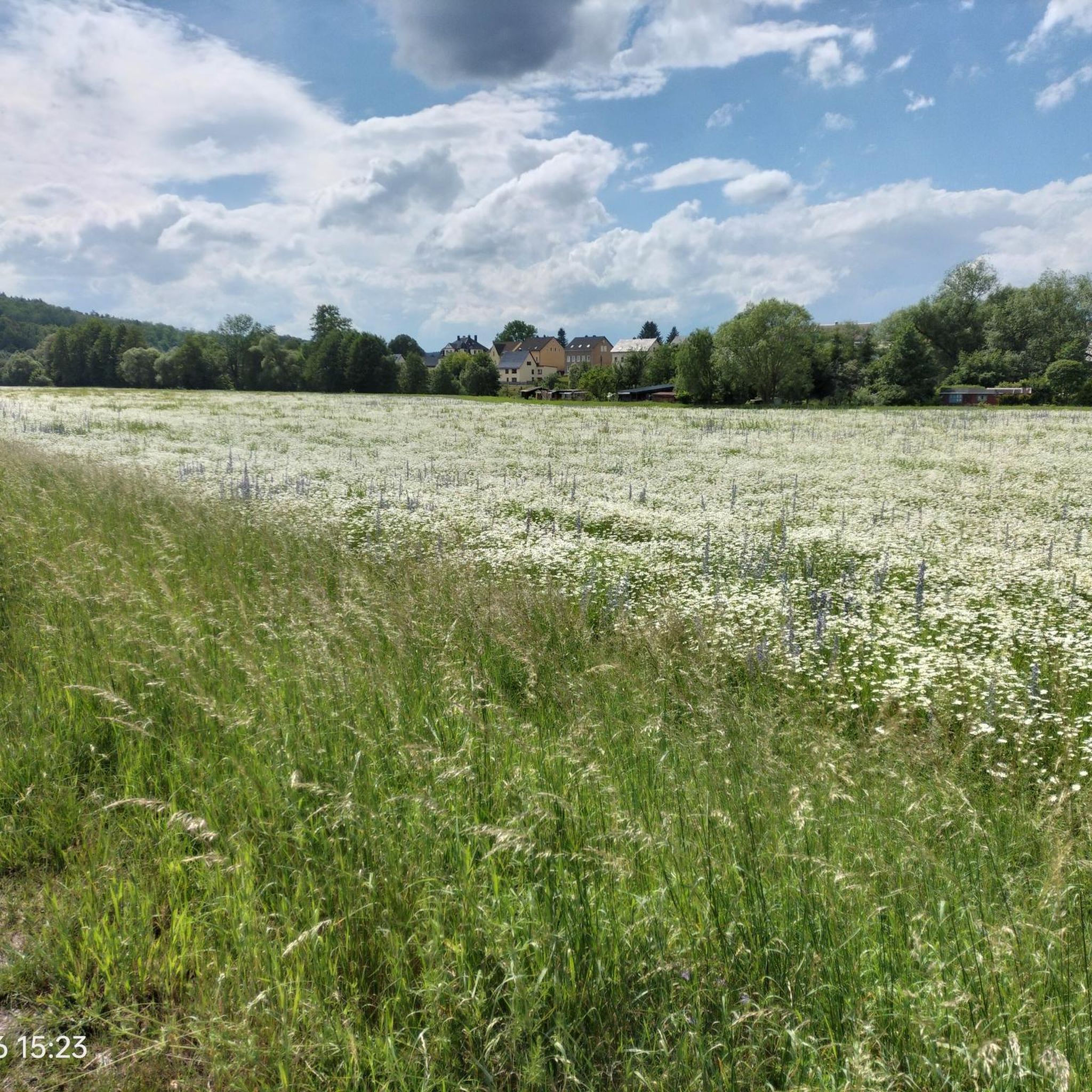
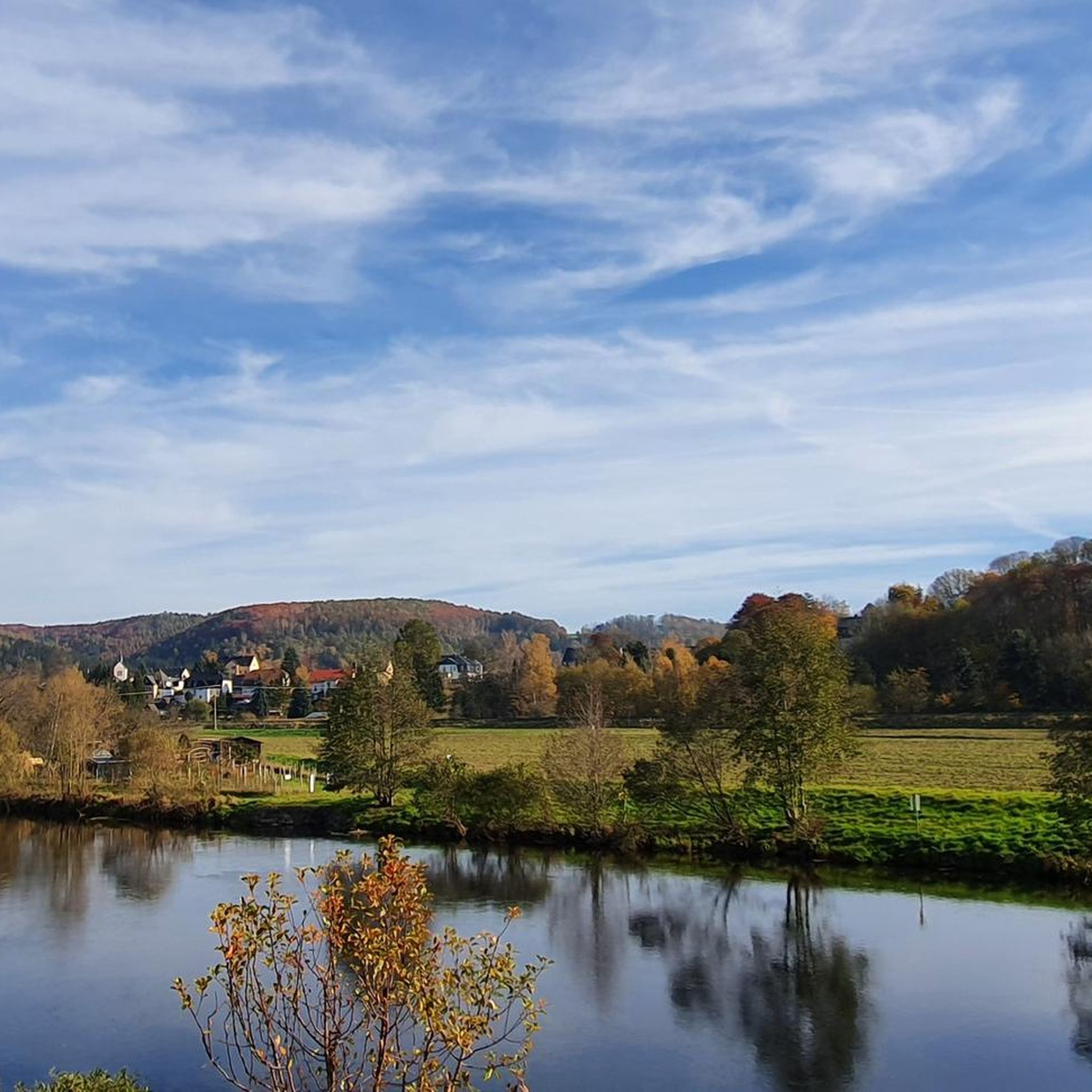
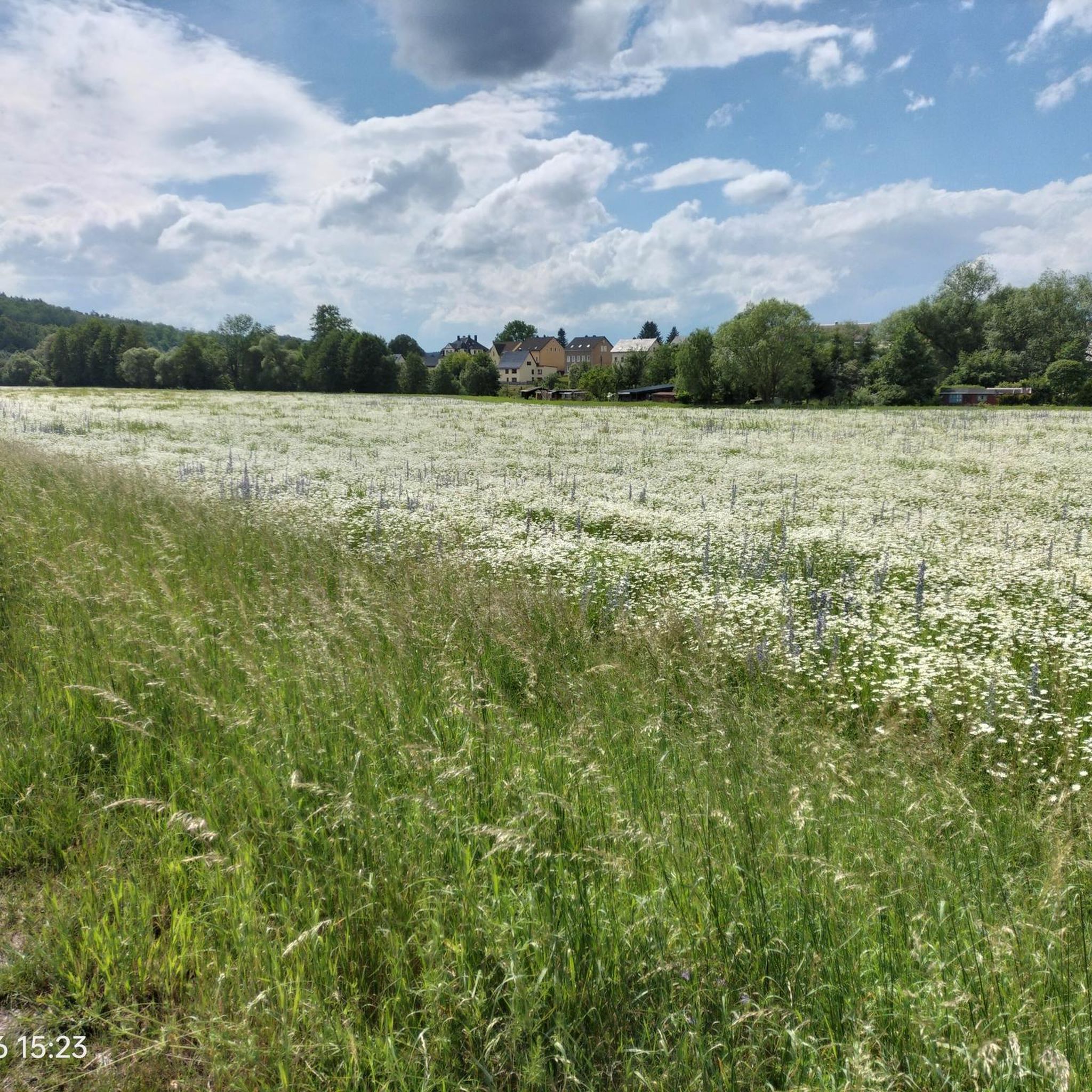
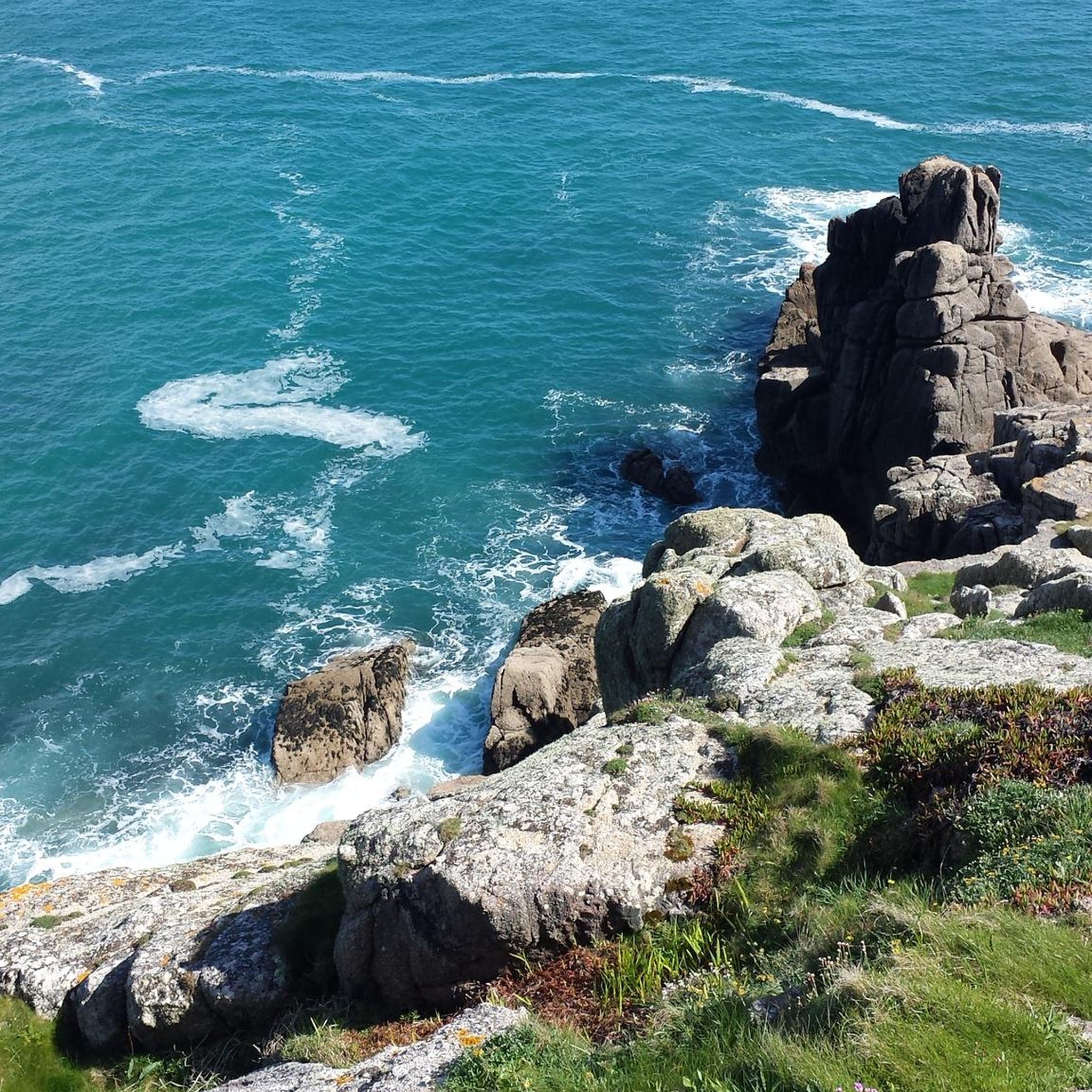
Tips from the Community

In 1904/05, Otto Werner transformed the approximately 30-meter-wide strip of land adjacent to the small pond, which had been owned by Messrs. Salzer, Herfurth, and Krumbiegel, into a rose garden, and the area from Metzer Straße (today: Heinrich-Lorenz-Straße) to Händelstraße into a narrow promenade. https://www.sachses-ruh.de/wir-über-uns/stadtpark/
1
0

Very beautifully laid out rose garden. It is regularly maintained and when the roses are in season you can admire lots of roses in all sorts of colors. There are also benches which are great for a rest but it is best to always have a sun hat with you as everything there is in the blazing sunshine.
1
1


That's a really nice view...if you make a quick stop here
3
1

Please have your camera ready.
5
1
The river rises in the Eastern Ore Mountains in the Czech Republic northwest of the village of Nové Město (New Town) and initially runs in a westerly direction. The source is only around one kilometer away from the source of the Wilde Weißeritz and the Freiberger Mulde. Confluence of the Flöha (right) into the Zschopau (left) In the Czech Republic, the Flöha is dammed in the Fleyh dam (Údolní nádrž Fláje). At Georgendorf (Český Jiřetín) it flows into Saxon territory, and immediately behind the border the Flöha is dammed again in the Rauschenbach dam. The Schweinitz border river flows into Hirschberg and the Flöha forms the border with the Czech Republic up to the Saigerhütte Grünthal. As it continues to the northwest, the Flöha flows through Olbernhau and Pockau, where its largest tributary, the Black Pockau, flows into its famous gorge valley. After a total of 67 km, the river flows into the Zschopau in the town of Flöha. Here it has a water flow of around 11 m³/s compared to a good 10 m³/s in the Zschopau.[5] Source: https://de.wikipedia.org/wiki/Fl%C3%B6ha_(Fluss
2
1

Flöha offers some beautiful views of the rivers, whether from the bike paths of the water or the various bridges or the confluence of the Flöha and Zschopau.
2
1

Really fantastic view of the Zschopau valley and a nice resting place for a break.
6
0
Frequently Asked Questions
What are some unique natural features to explore around Flöha?
Beyond the well-known spots, the region offers geological wonders like the Schwedenlöcher limestone caves. These caves, particularly the Obere Schwedenlöcher near Flöha-Plaue, are remnants of medieval mining activities and provided limestone for significant regional landmarks such as Augustusburg Castle. While partially accessible, caution is advised due to recurring collapses. The Flöhatal (Flöha Valley) itself is a picturesque area offering serene natural beauty.
Are there any natural monuments with historical significance near Flöha?
Yes, the Schwedenlöcher limestone caves are a prime example. Both the Obere and Untere Schwedenlöcher (also known as Kleine Kalkhöhlen) near Flöha-Plaue are historically significant. Limestone extracted from these caves in the 16th century was used in the construction of Augustusburg Castle and the Chemnitz city wall, offering a direct link to the region's mining heritage.
What natural monuments are suitable for families around Flöha?
Families can enjoy a visit to Castle Pond, Chemnitz, a lake with historical roots as a 15th-century fish pond, offering views of the castle church. Another pleasant spot is the Rose Garden, a beautifully designed garden from 1904/05, perfect for a leisurely stroll. The Braunsdorf Weir also provides a tranquil setting for families to relax by the rushing water.
Where can I find scenic viewpoints of the natural landscape near Flöha?
For panoramic views, head to Kunnerstein. This viewpoint offers expansive vistas over the Zschopau valley and features a spacious shelter, making it an ideal resting place for hikers. The Flöhatal itself is known for its picturesque scenery, offering numerous paths for discovery and appreciation of the natural landscapes.
What outdoor activities can I do near the natural monuments around Flöha?
The region around Flöha, including the scenic Flöhatal, is excellent for various outdoor activities. You can find numerous routes for hiking, road cycling, and gravel biking. For detailed routes, explore the easy hikes around Flöha, road cycling routes around Flöha, or gravel biking routes around Flöha.
Are there easy hiking trails near Flöha's natural monuments?
Yes, there are several easy hiking trails available. For instance, you can find pleasant routes like the 'Hutschentunnel – Pond by the Stream loop from Flöha' or the 'View of Augustusburg Castle – Pond by the Stream loop from Flöha-Plaue'. These are part of the broader selection of easy hikes around Flöha, perfect for a relaxed exploration of the natural surroundings.
What do visitors enjoy most about the natural monuments around Flöha?
Visitors particularly appreciate the tranquil atmosphere and scenic beauty. Many enjoy sitting by the Braunsdorf Weir to watch the rushing water, or taking a rest at the Confluence of the Zschopau and Flöha Rivers for a picnic. The panoramic views from spots like Kunnerstein are also highly valued for their beauty and the opportunity to relax.
Is public transport available to access natural monuments near Flöha?
While specific public transport routes to every natural monument can vary, Flöha itself is situated in the Ore Mountains region of Saxony, Germany, which has a regional transport network. For detailed information on reaching specific sites, it's advisable to check local bus and train schedules for connections to towns and villages near the monuments you wish to visit.
What is the best time of year to visit the natural monuments around Flöha?
The Ore Mountains region, including Flöha, offers beauty throughout the year. Spring and summer are ideal for hiking and enjoying the lush greenery and blooms, such as those at the Rose Garden. Autumn brings vibrant fall foliage, making it a picturesque time for scenic walks. While some areas might be less accessible, winter can offer a unique, serene experience, especially in the Flöhatal.
Are there any natural monuments around Flöha that are wheelchair accessible?
Yes, Castle Pond, Chemnitz is noted as being wheelchair accessible, allowing visitors to enjoy the historical lake and its surroundings. For other natural monuments, accessibility can vary, and it's recommended to check specific conditions or trail information beforehand.
Can I bring my dog to the natural monuments around Flöha?
Many natural areas and trails in the Flöha region are dog-friendly, especially the scenic paths along the Flöhatal and various hiking routes. However, it's always best to keep dogs on a leash and be mindful of local regulations, especially in protected areas or near wildlife. Specific rules for individual natural monuments should be checked if available.
Most popular routes around Flöha
Most popular attractions around Flöha

Get inspired with the komoot mobile app


Explore more
Extend your search for the best caves by checking out these guides of the top ones around Flöha:
